Categories
garden design garden wildlife gardening gardens log piles natural pest control wildlife

A Weekend Promoting Gardening for Wildlife

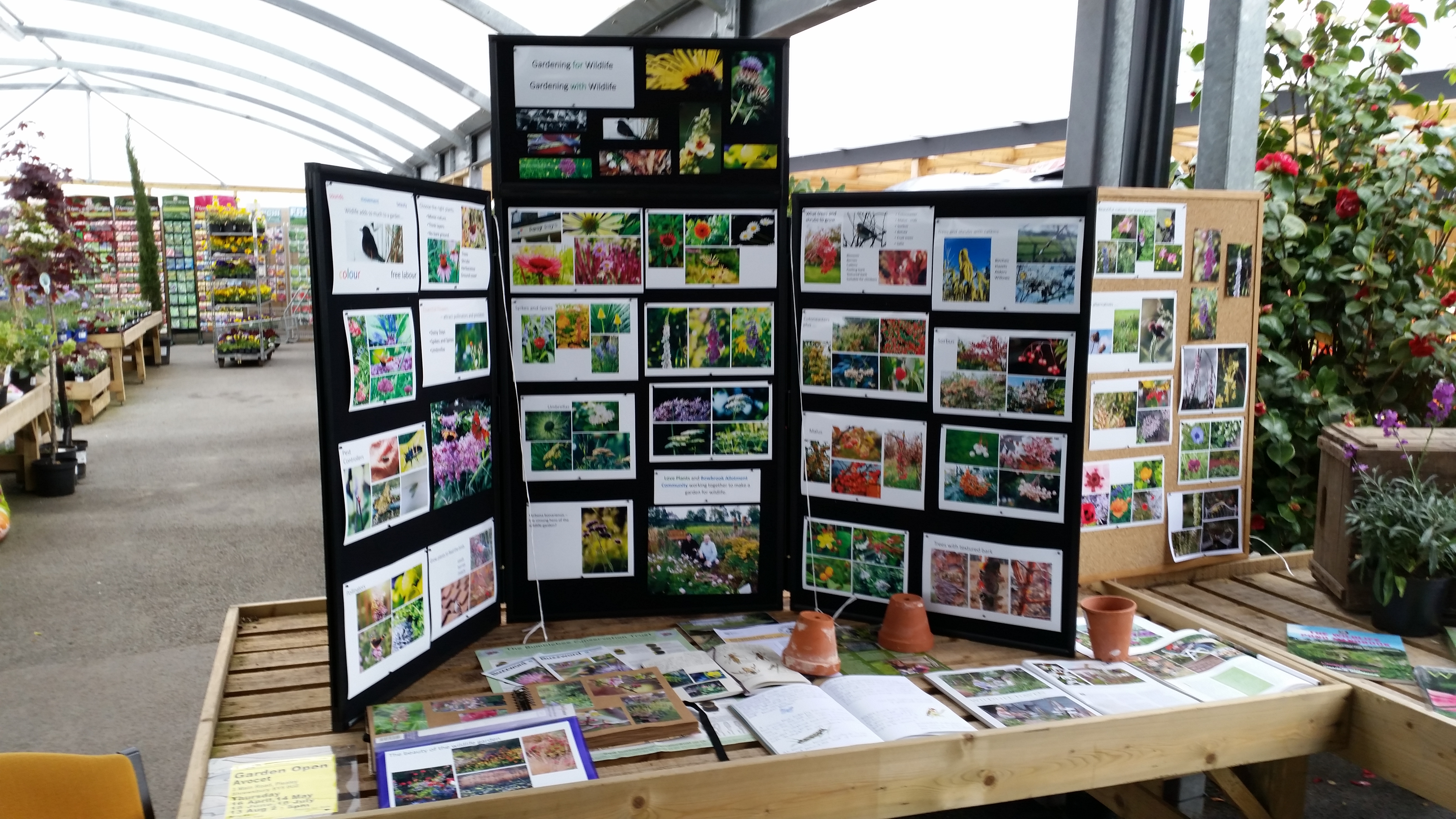
Tim, the plant manager of a local plant centre asked if I would do a weekend there to help promote wildlife gardening. The centre is going to set up a “plants for wildlife” section and this weekend was planned to launch this innovative idea.

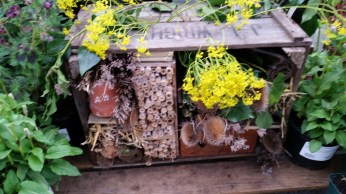
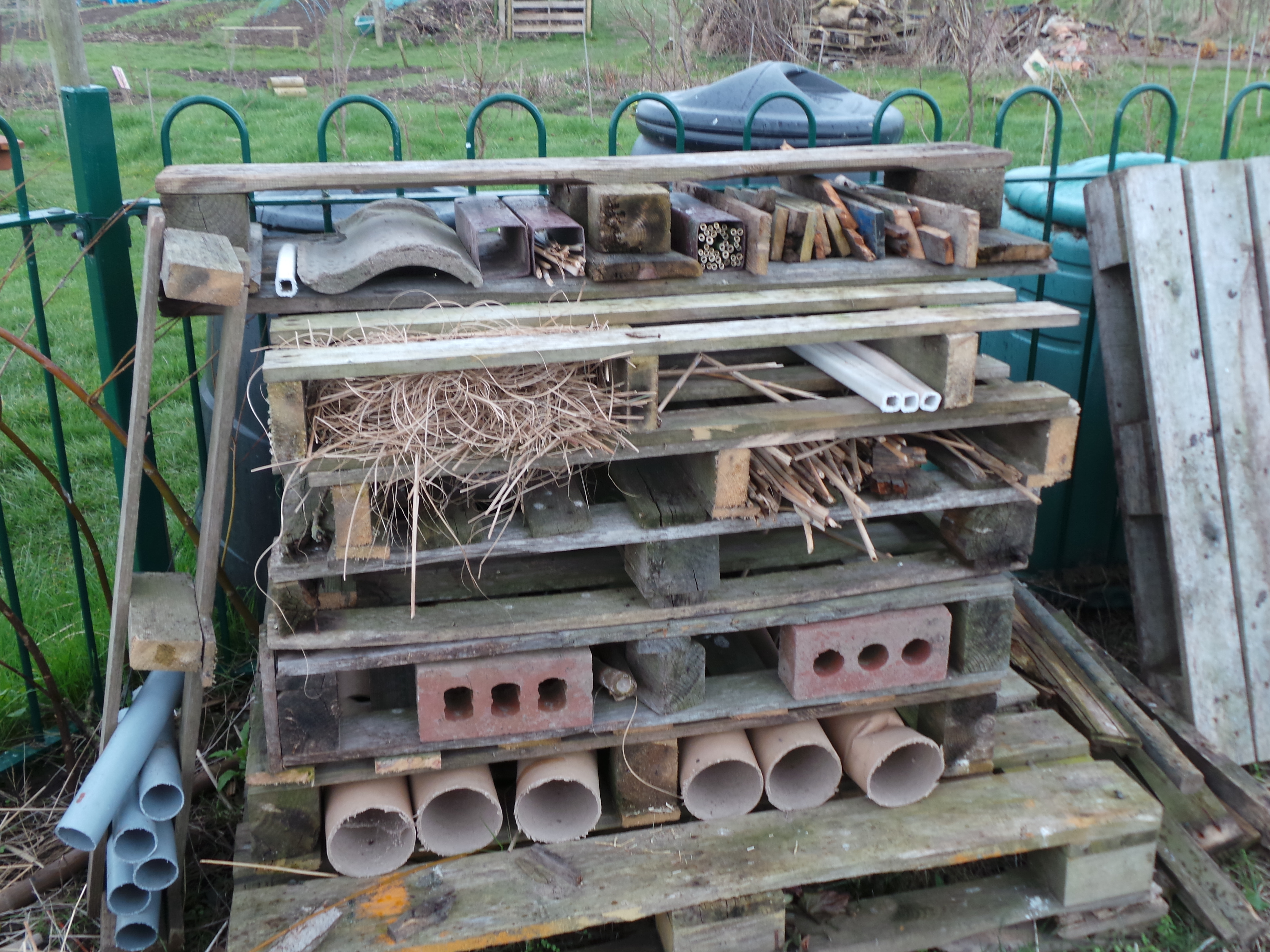
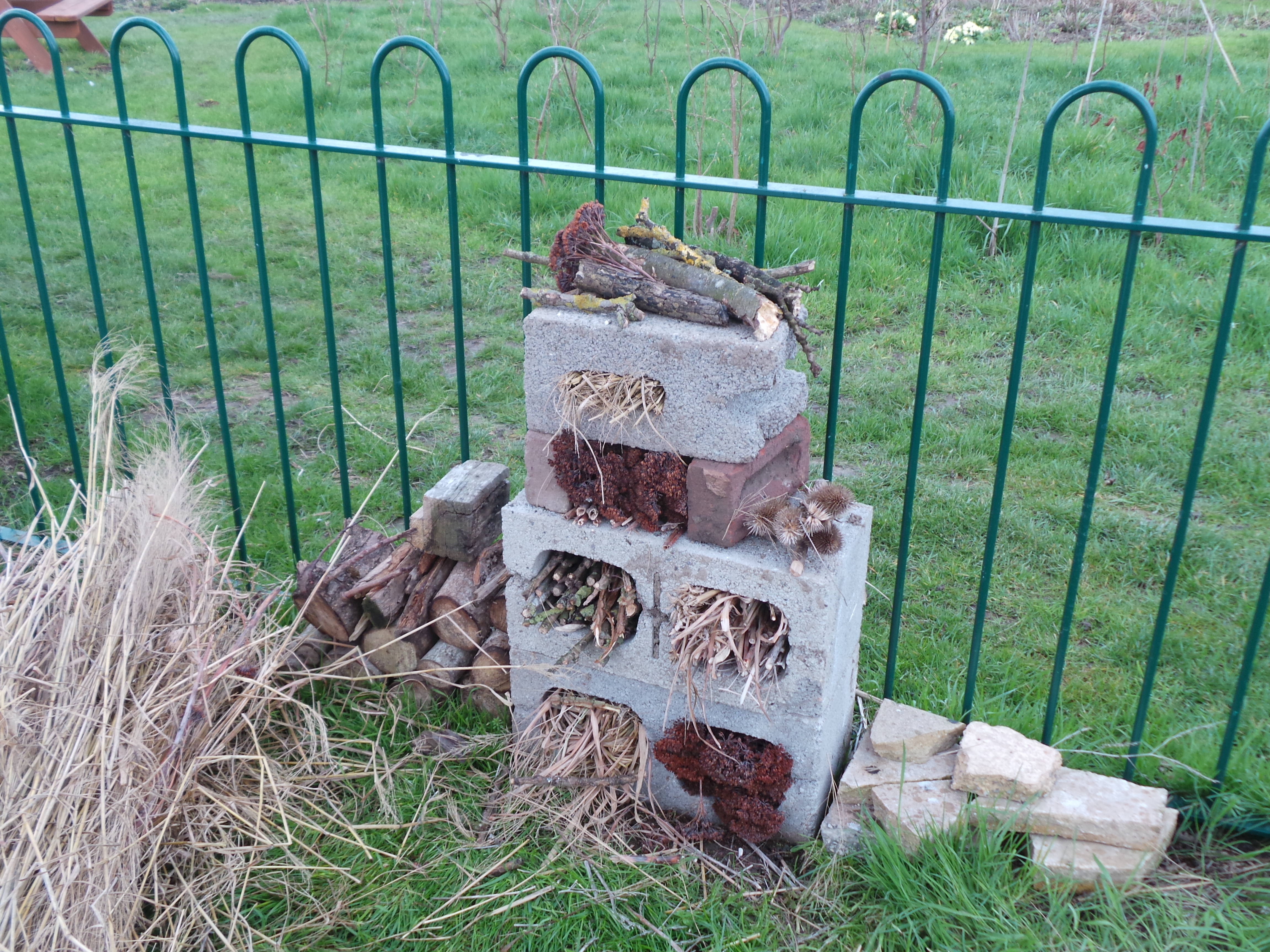
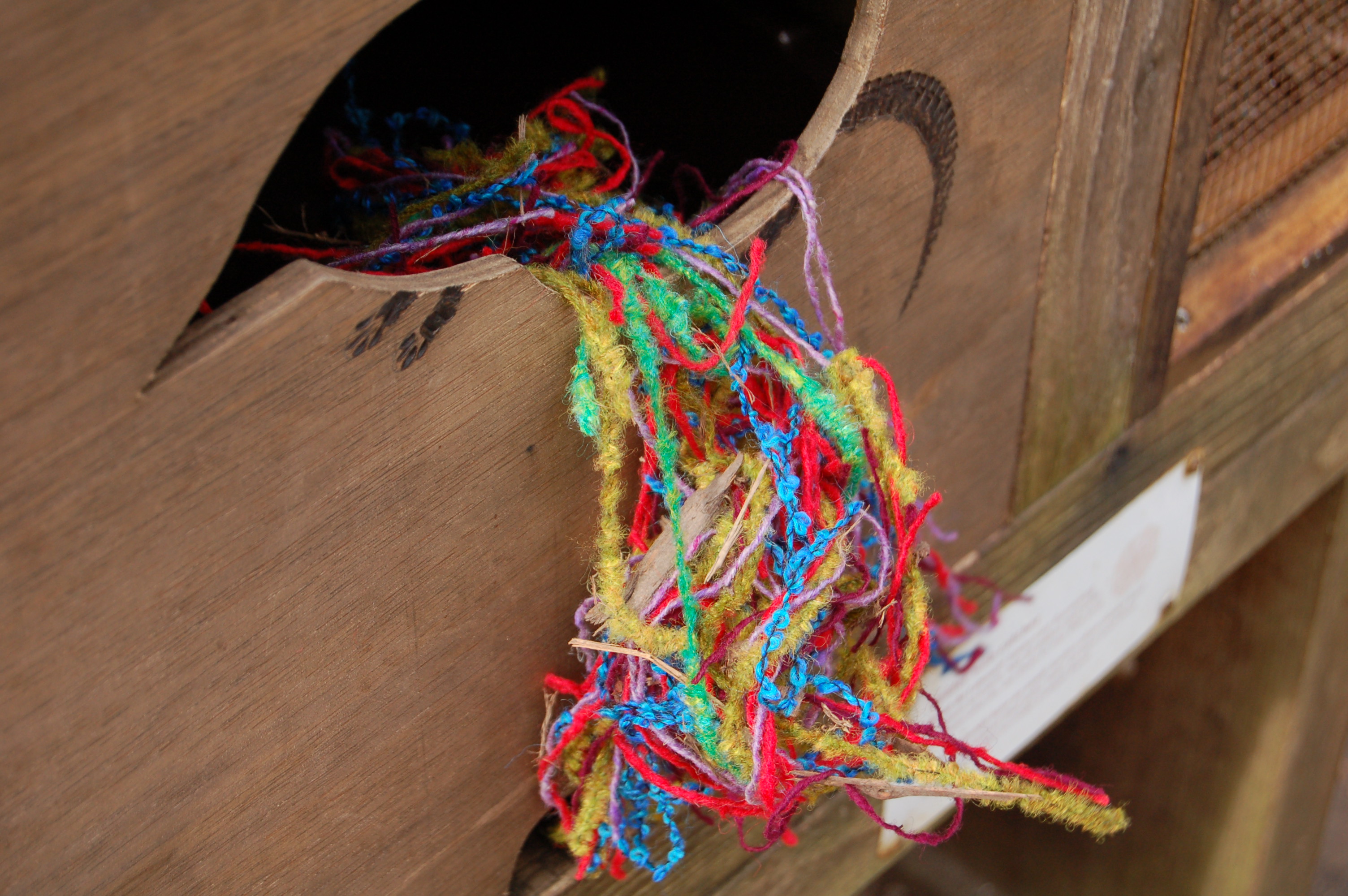
Tim and his plant centre staff had put a collection of suitable plants together with their new sign and Caroline, one of the centre staff had created a bug hotel from an old wooden veggie box.

2015 05 11_14402015 05 11_1442 2015 05 11_1441

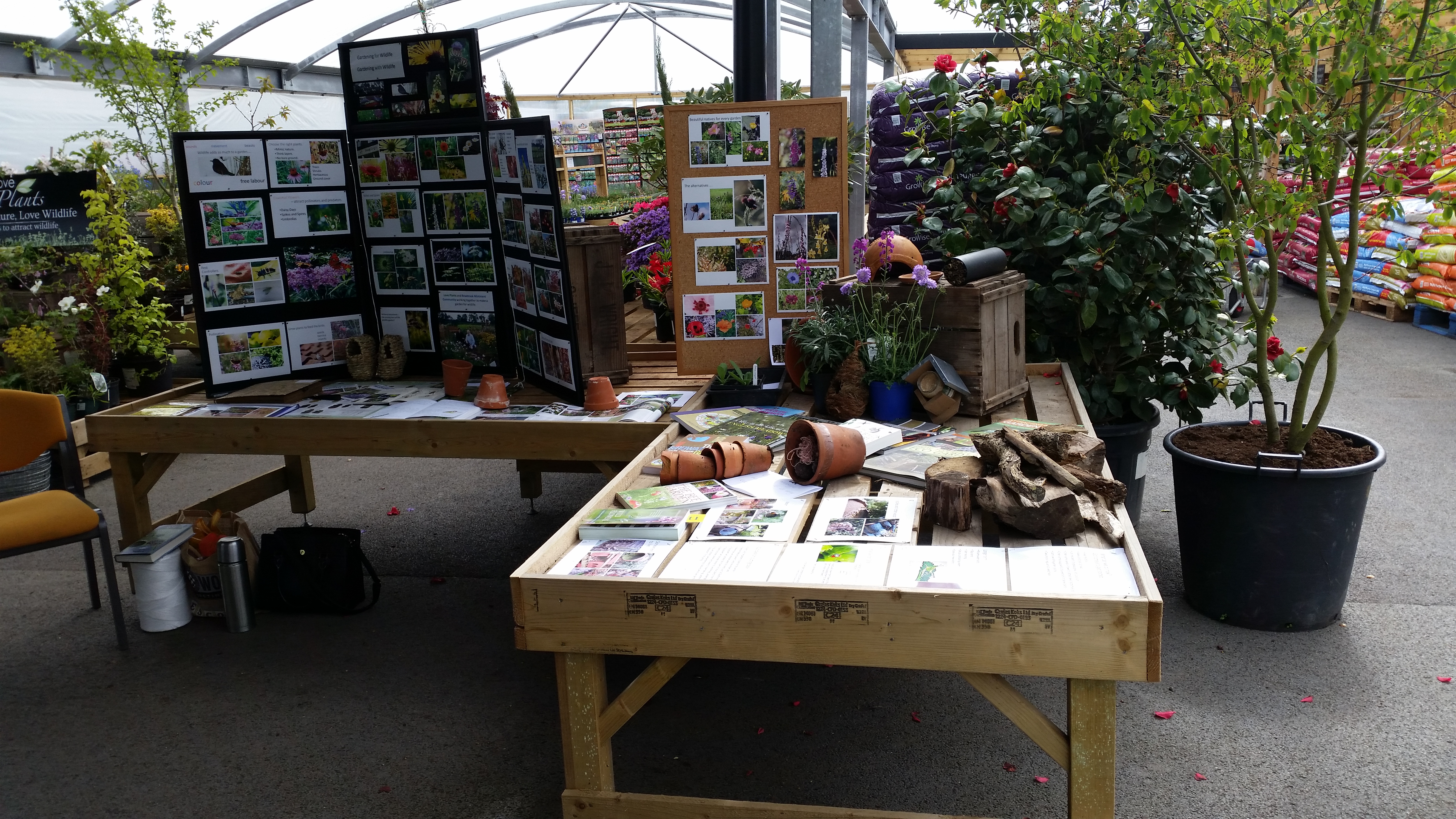
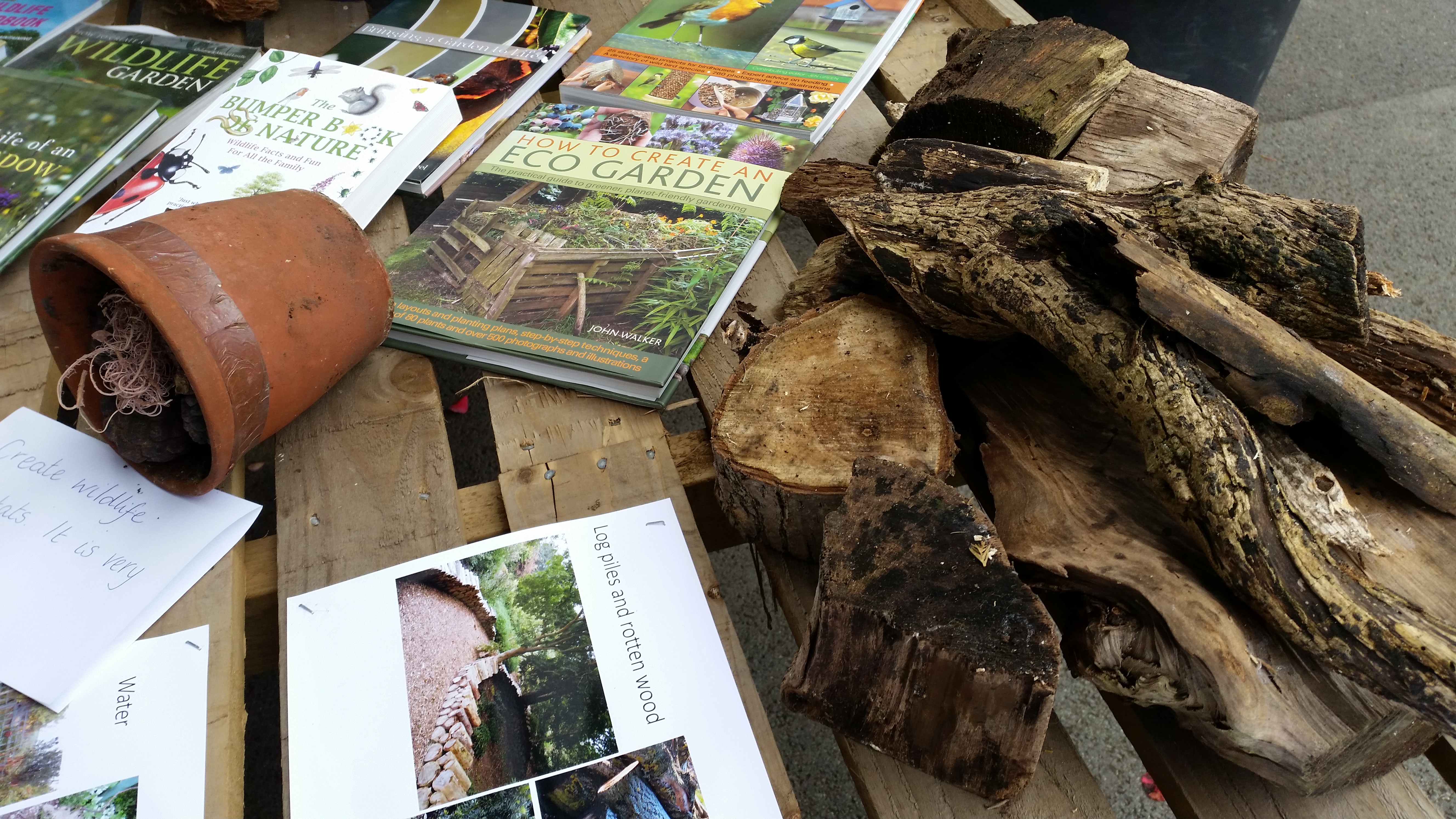
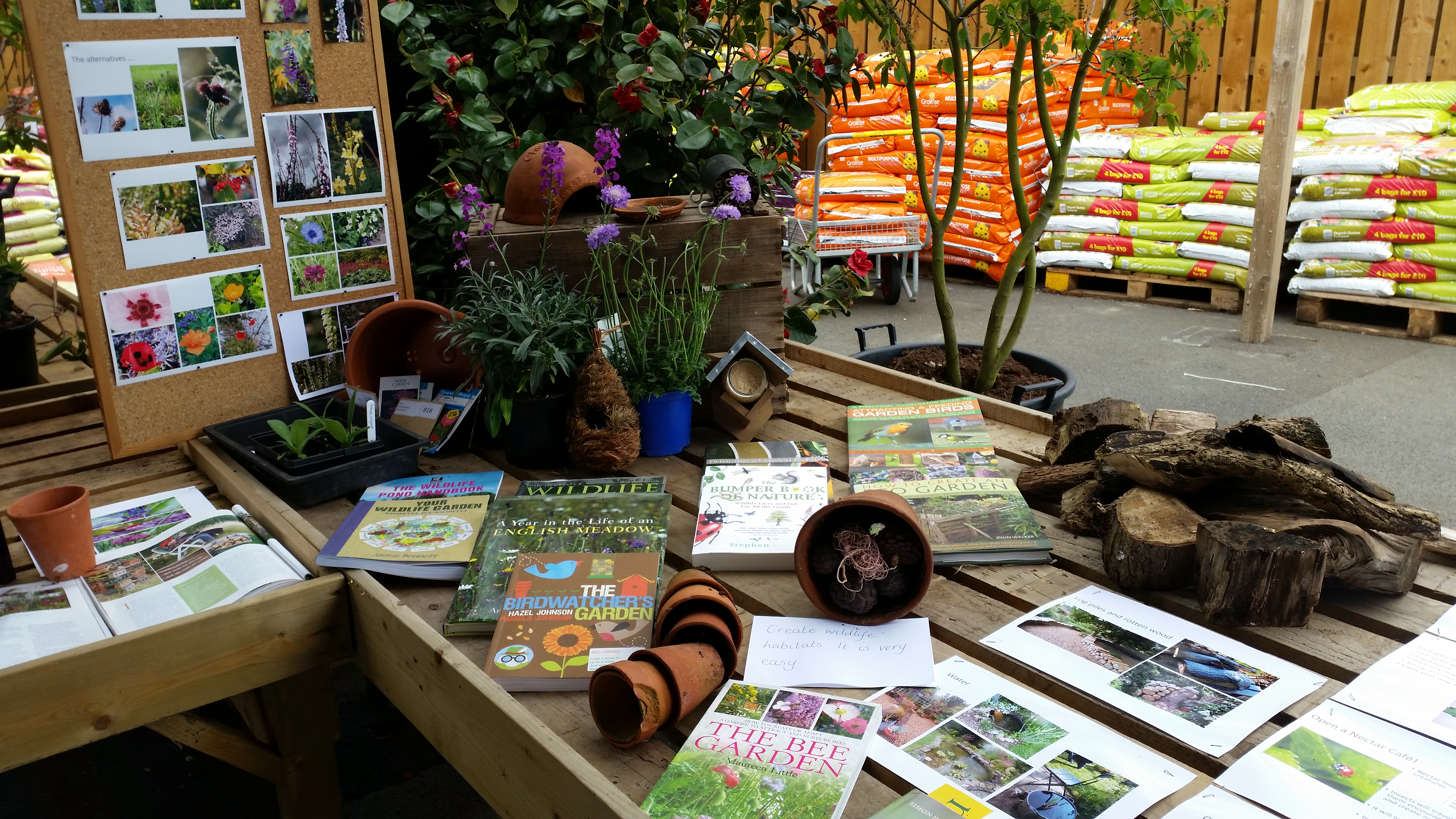
Jude the Undergardener and I set up our display alongside. We had lots of photos and books to display along with my garden journals. We wanted to illustrate the diverse range of suitable plants and to show how easy gardening with wildlife really is. The main focus was on convincing people that wildlife gardens can attract and provide homes, food and shelter for wildlife of all sorts and still look beautiful.

2015 05 11_1448 2015 05 11_1447 2015 05 11_1446 2015 05 11_1445 2015 05 11_1444 2015 05 11_1443

It was great fun talking to so many different people who were interested in gardening for wildlife, gardeners of all ages, all levels of experience but united in their desire to help our wildlife by gardening with it in mind.

Categories
allotments bird watching birds community gardening conservation diy garden buildings garden ponds garden pools garden wildlife gardening irises log piles natural pest control recycling renovation Shrewsbury Shropshire trees water garden water in the garden wildlife

The wildlife pond and hide at BAC – part two

As promised we make a return visit to see the work we have been doing on the development of our pond and hide at our allotment site, Bowbrook Allotment Community. In this part we shall look at our hide, some tree surgery and our new duck tube.

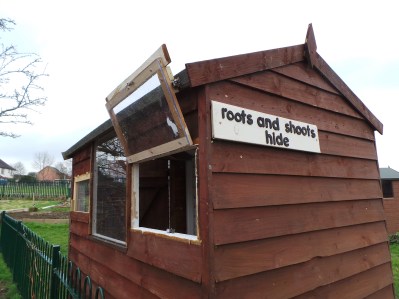
So first let us return to our new hide. If you remember those pictures of us rolling the battered and rather shaky old shed you will be surprised by the photos of it finished. So how about a before and after pair of pics? We made the hide for our allotment youngsters, our Roots and Shoots group, to give them the chance to secretly and quietly watch the life of our pond. With this in mind we set to work on our renovation which took an amazingly large number of volunteer hours.

2014 12 08_8466 2015 03 16_0004

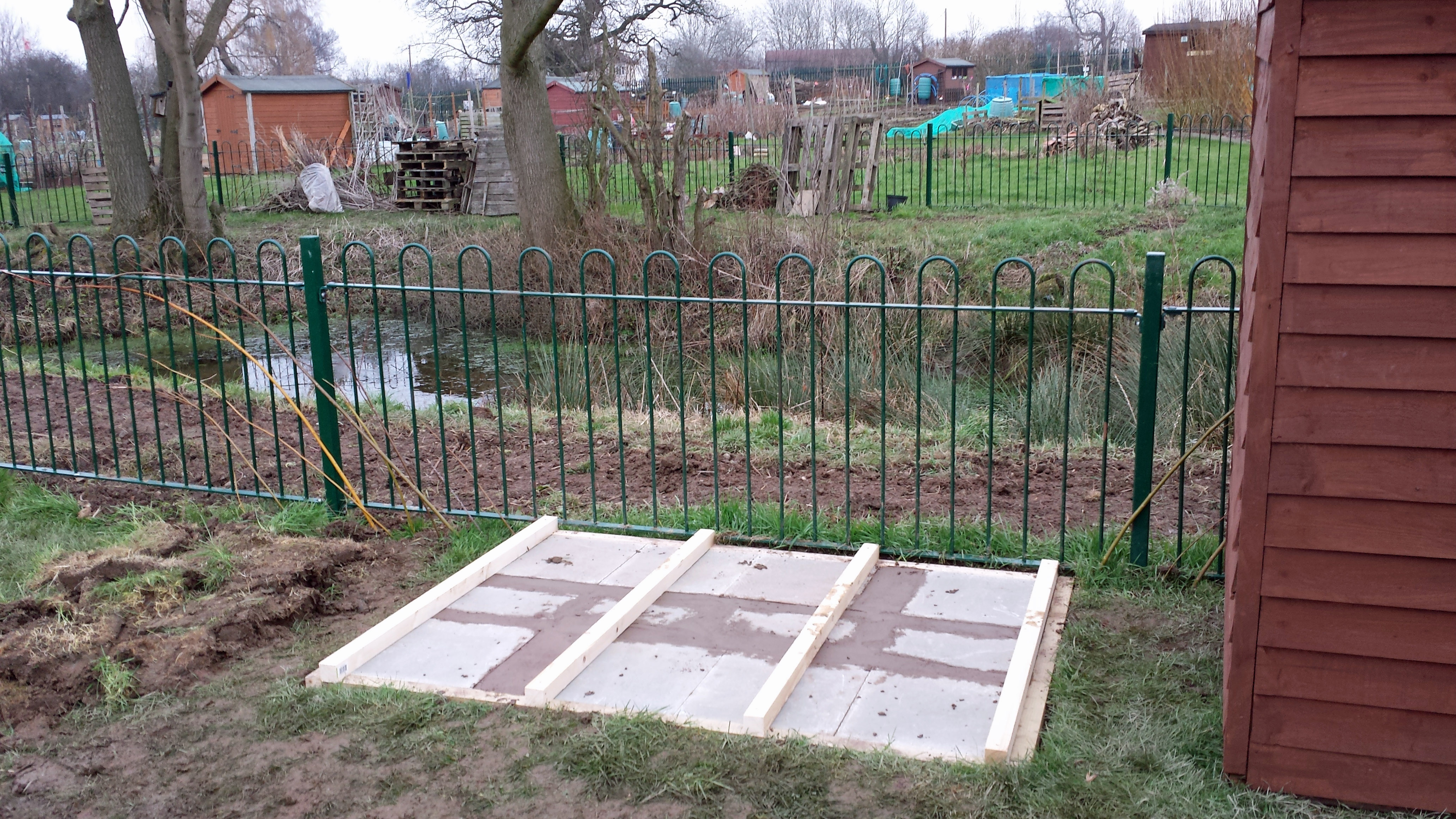
Whenever we go by the pond we can’t help but smile at the transformation! As you can see the old hide was firstly repainted outside by my young apprentice Thomas before we handed it over to two volunteer helpers Sean and his Dad Vince. They are great carpenters so brilliant volunteer helpers to have on board. They put fresh felt on the roof and fabricated a strong framework inside the shed. They made a concrete and slab base and placed the newly strengthen shed on a framework of wooden struts.

20150207_162506-1 sean 3-1

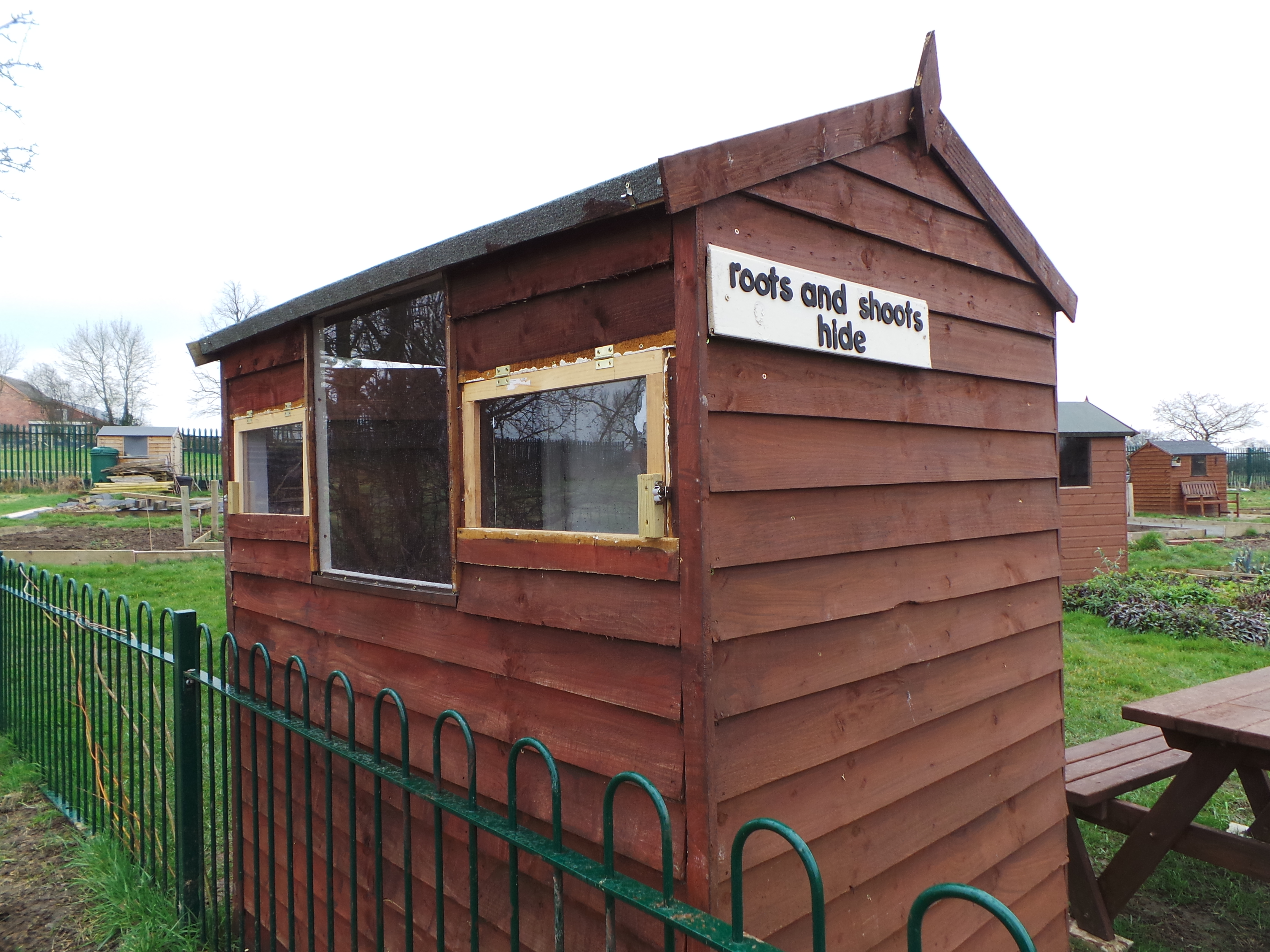
Thomas returned to give the shed another coat of wood preserver and I added a sign I created from wooden letters. It began to look the part from the outside but even more so once the two men added a new sheet of perspex to the window and added two hatches for clear viewing on dry days. These can be seen in the photo below.

2015 03 16_0005

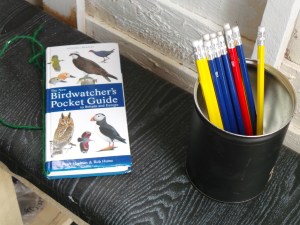
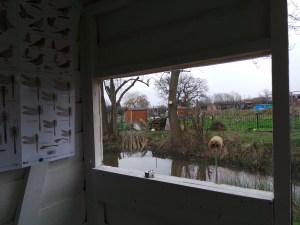
Within a few weeks Sean and Vince with extra help from Sean’s children had put up a noticeboard, made a kneeling bench and shelf for leaning on when the children used the hatches and window. The pictures below show first the bench and secondly the view the children get from the hatch.

2015 03 16_0018 2015 03 16_0016

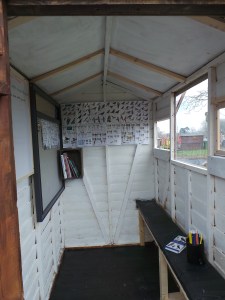
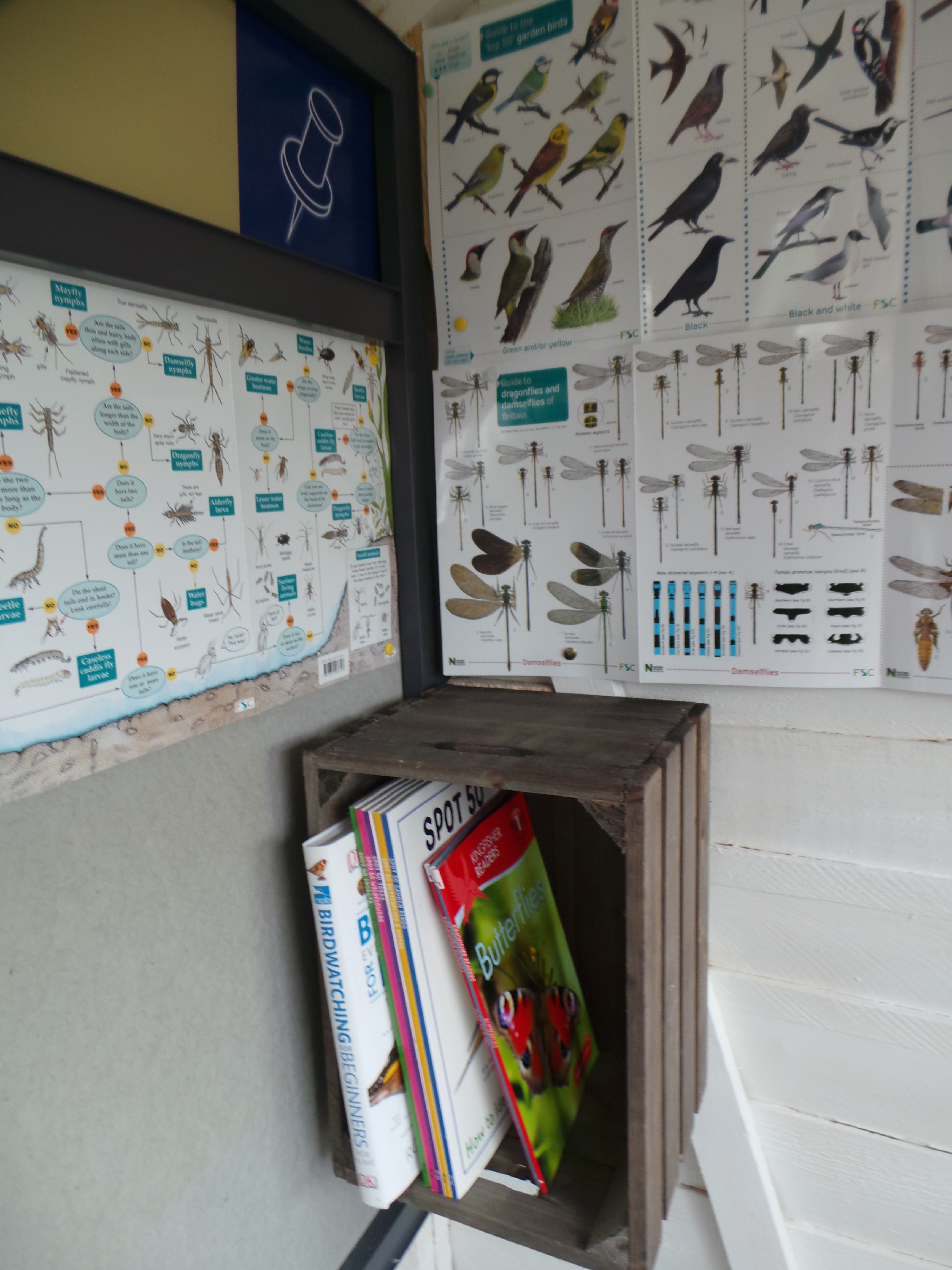
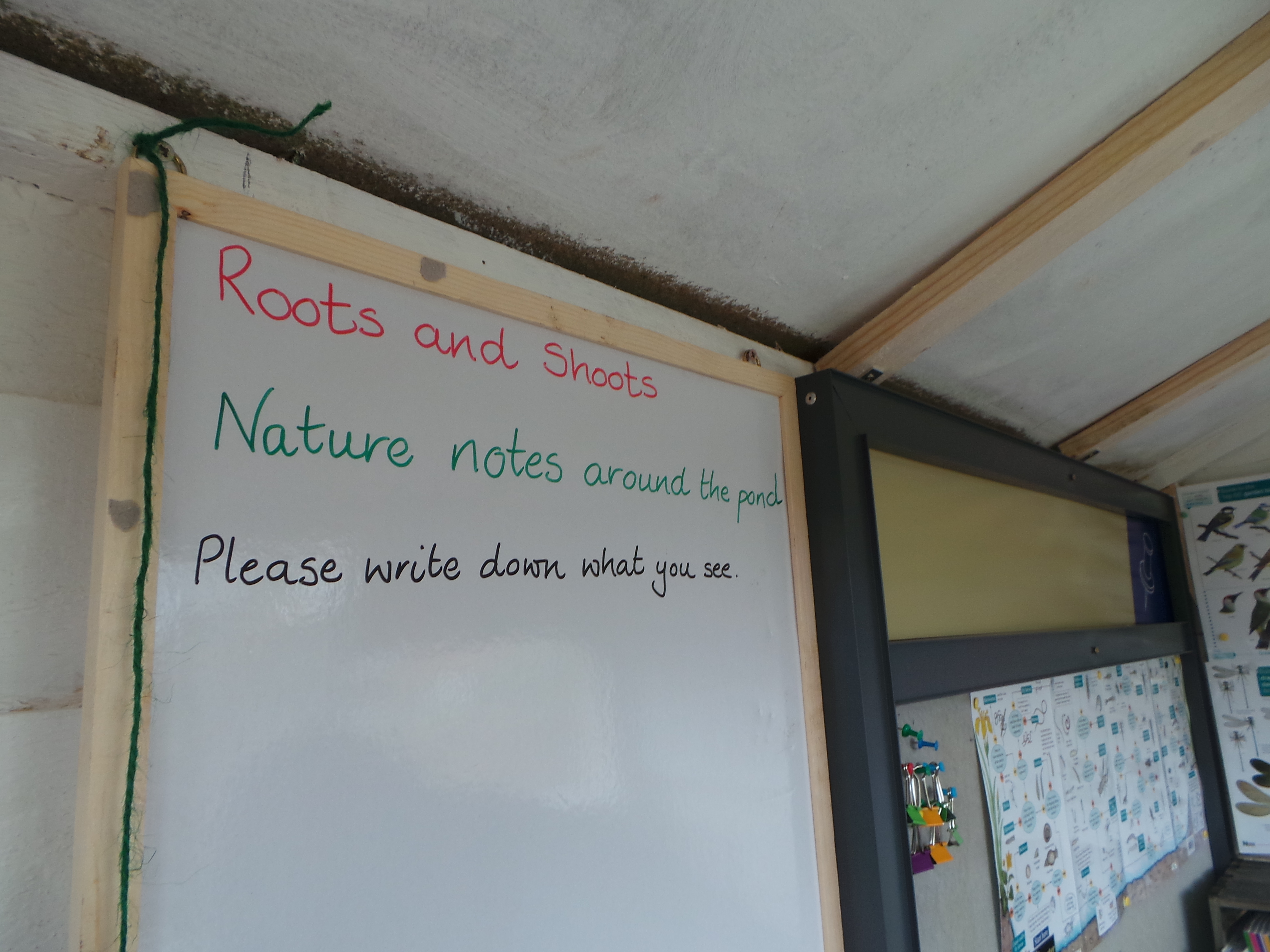
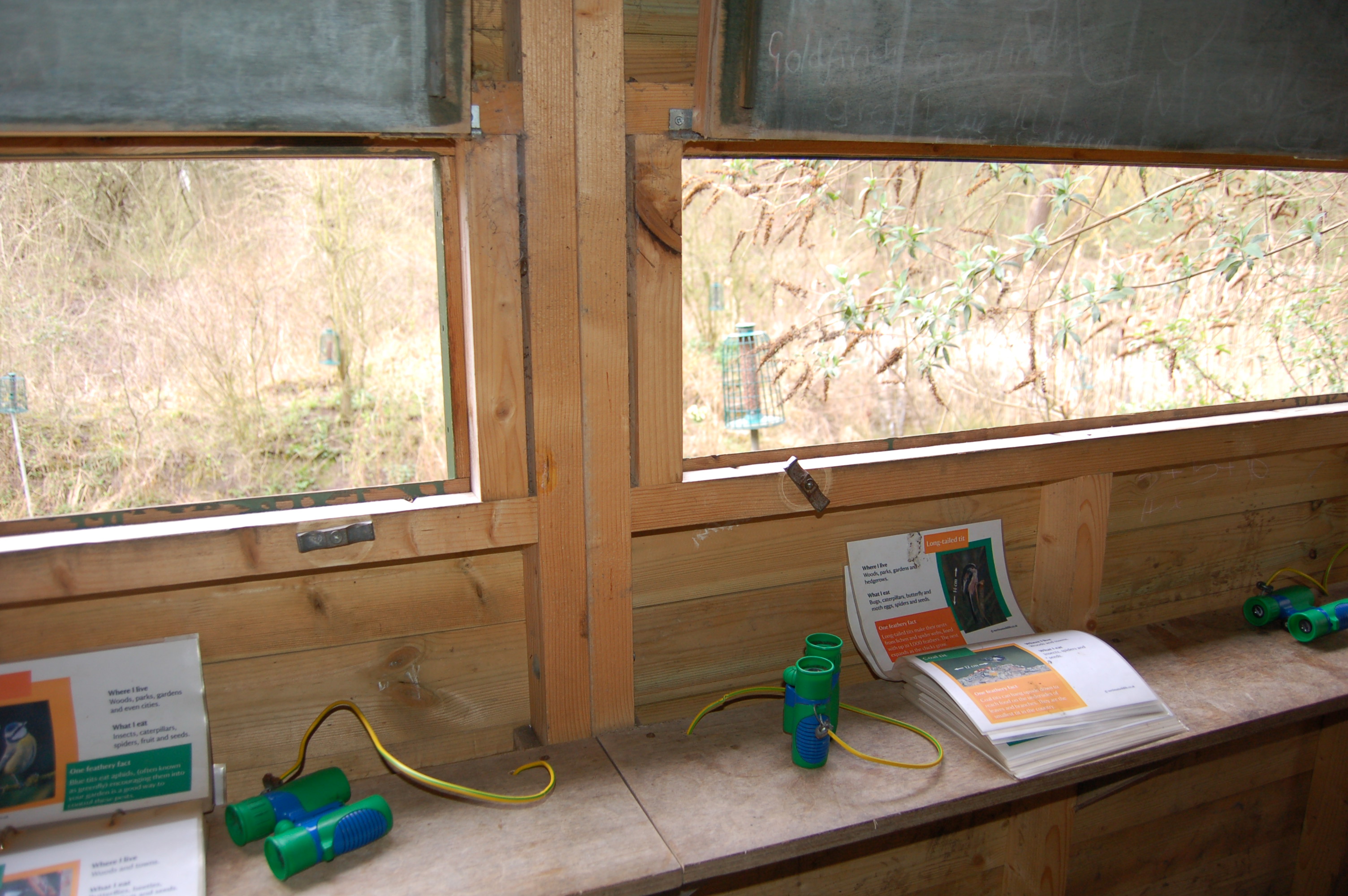
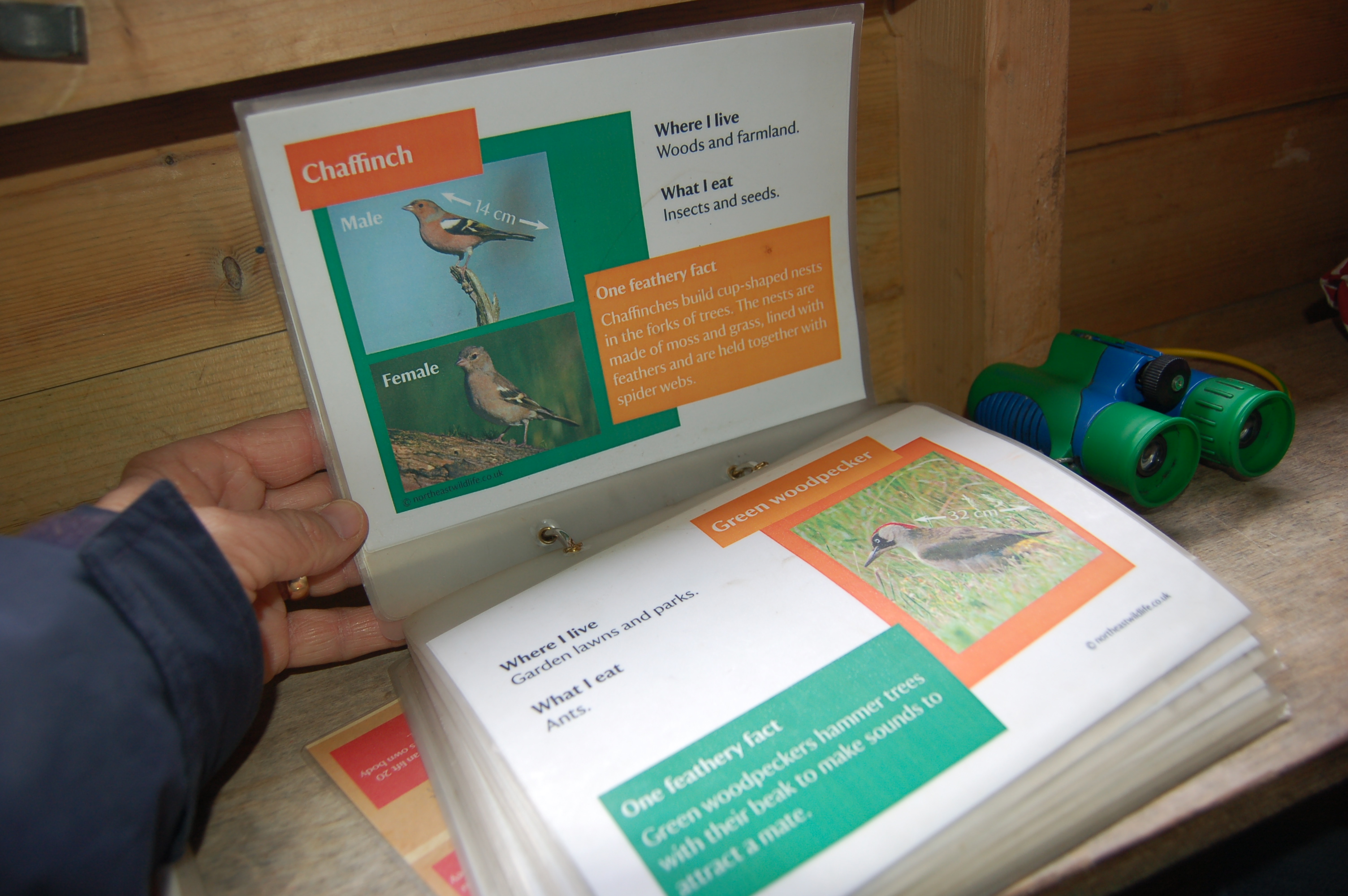
This is the view our Roots and Shoots youngsters will get as they open the hide door. You will see that Jude and I have added identification charts for birds and dragonflies and damselflies and a poster displaying the life on and under the surface of a pond. We also made a little bookcase from a vegetable crate and placed in it some wildlife books for youngsters. We also mounted a whiteboard on which we are inviting the children to note their observations. The final touches are a pair of binoculars a notebook for children to jot down their nature notes.

2015 03 16_0019 2015 03 16_00142015 03 16_0015  2015 03 16_0017

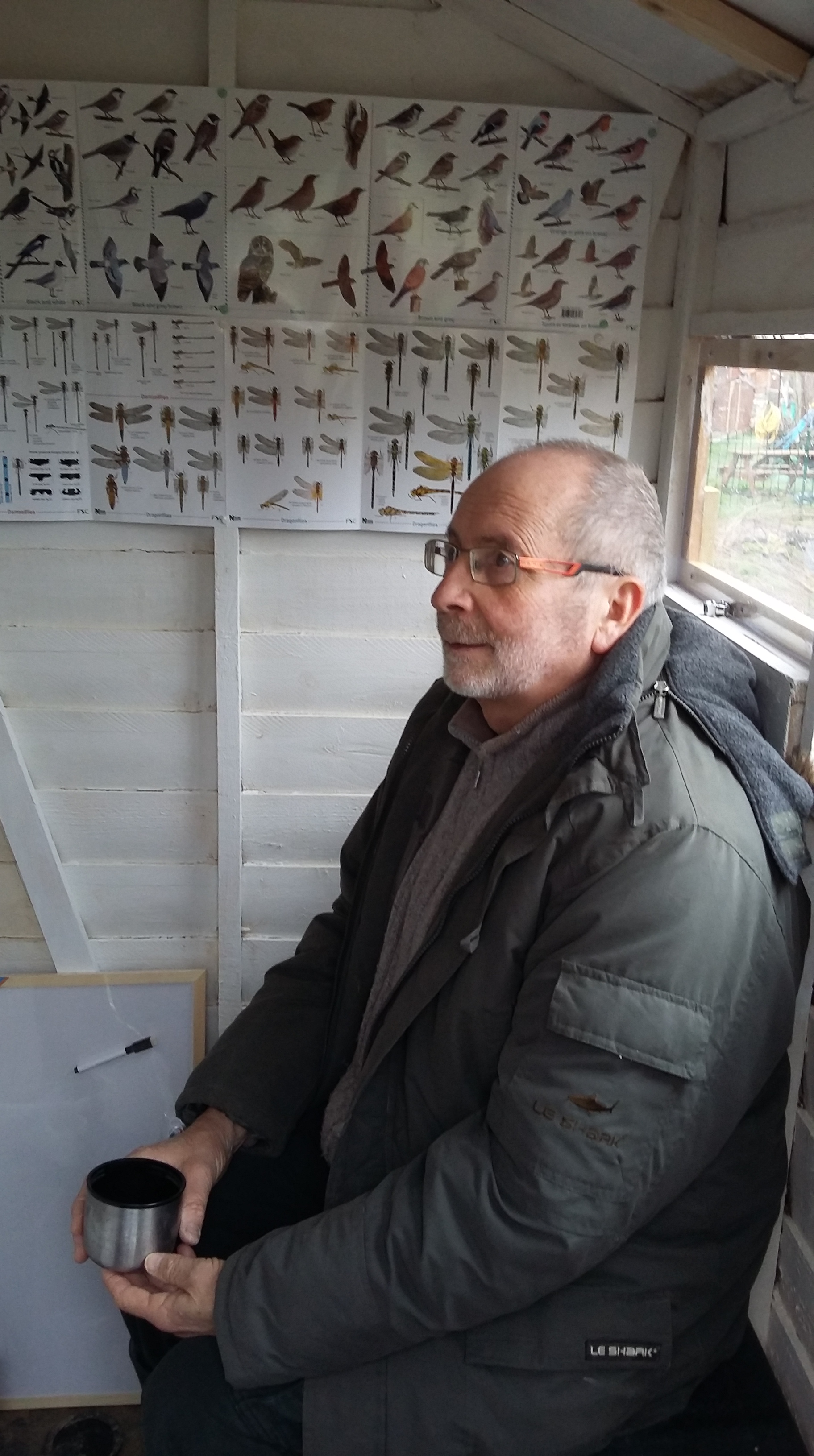
Last job of course was a celebratory cup of coffee perching on the children’s bench and admiring everyone’s handiwork and great efforts.

2015 03 16_9952

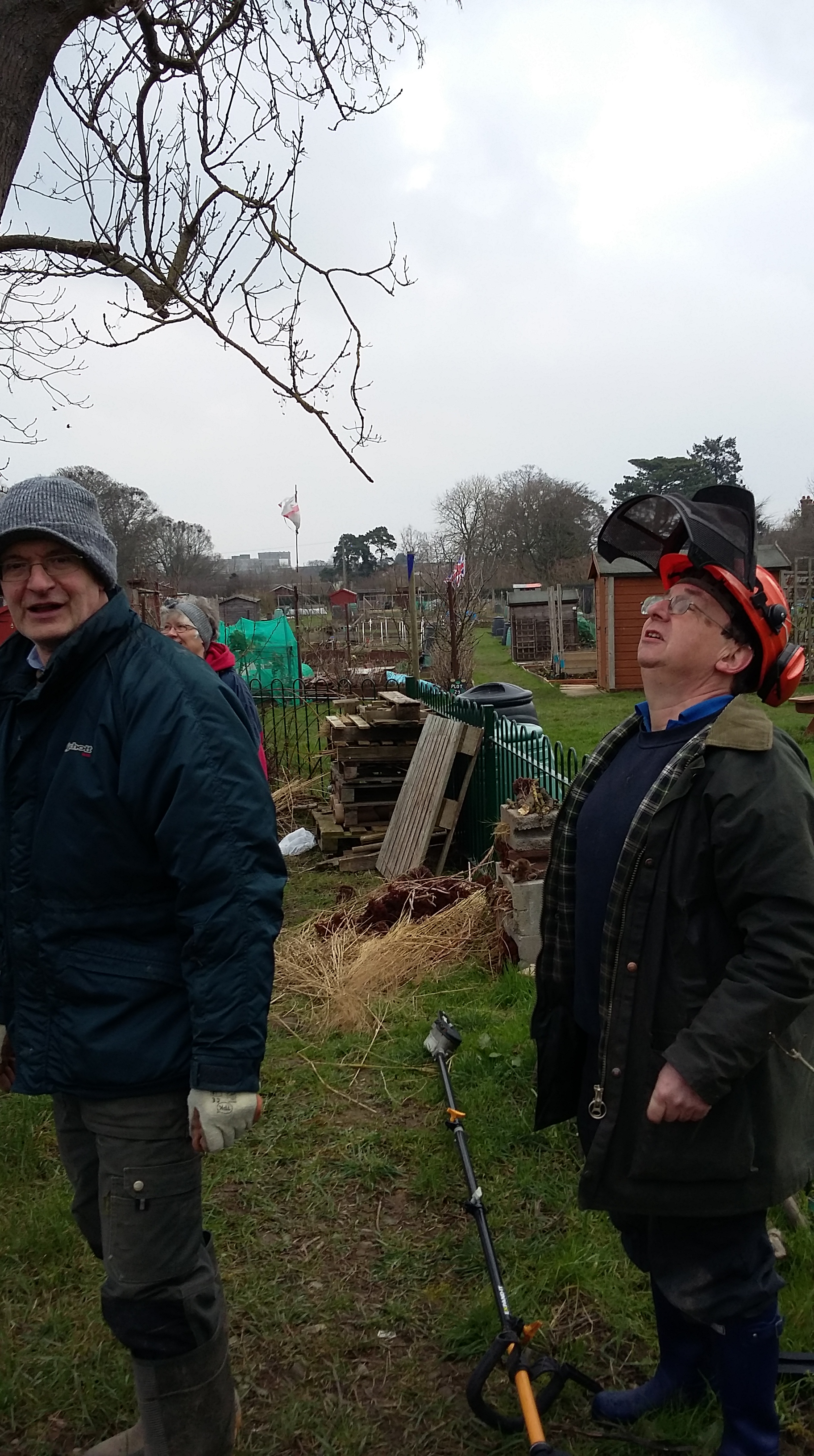
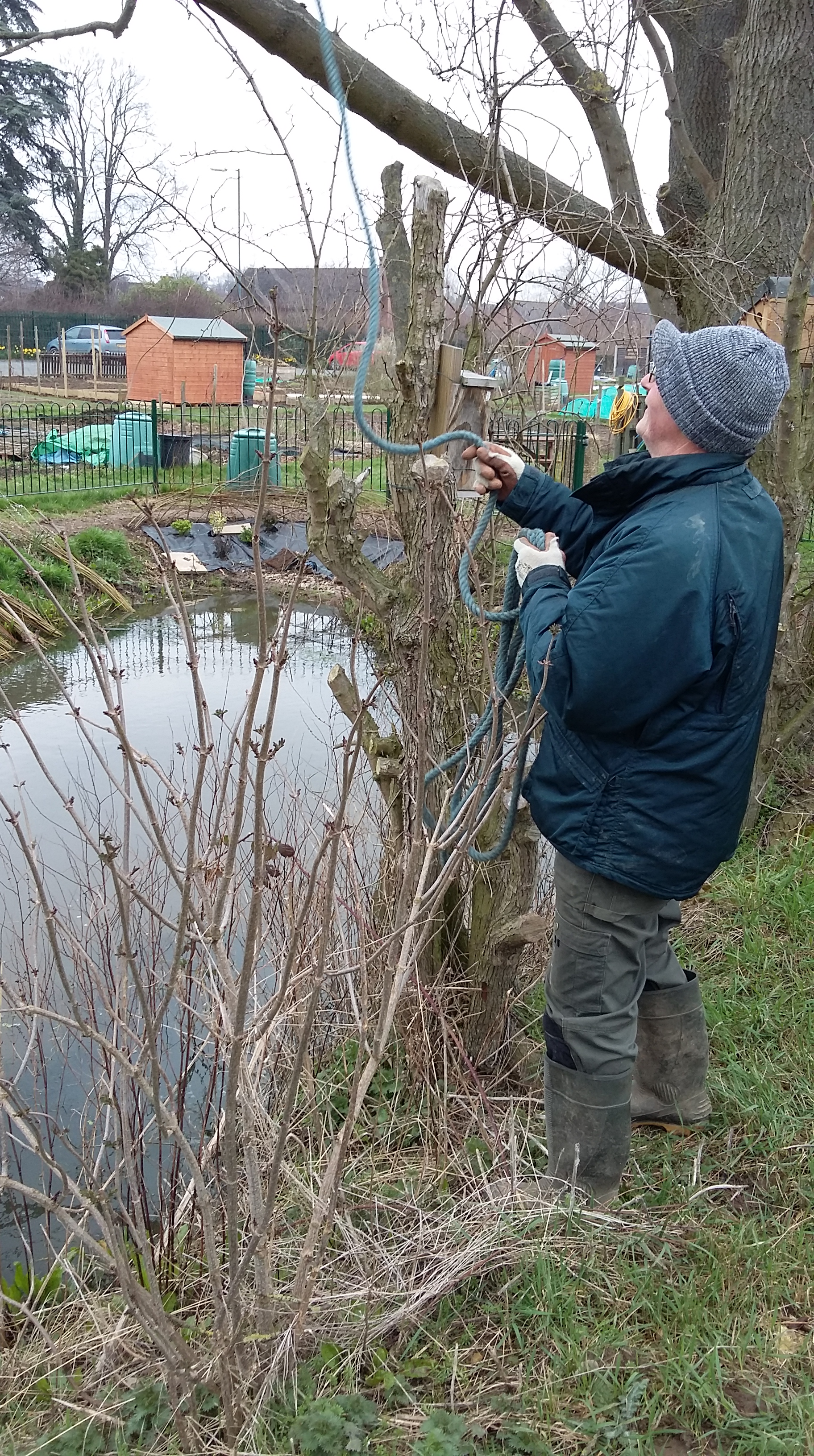
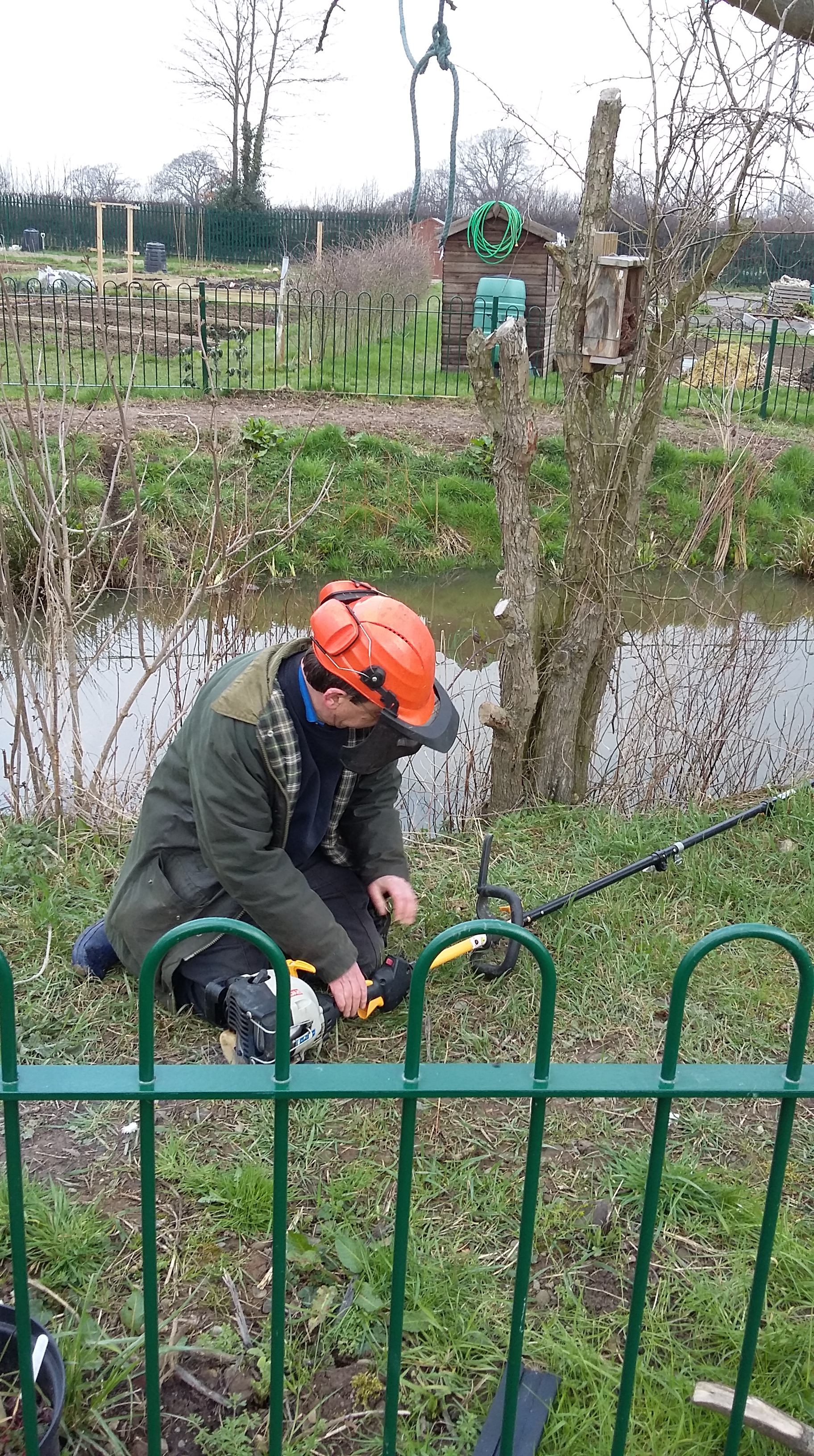
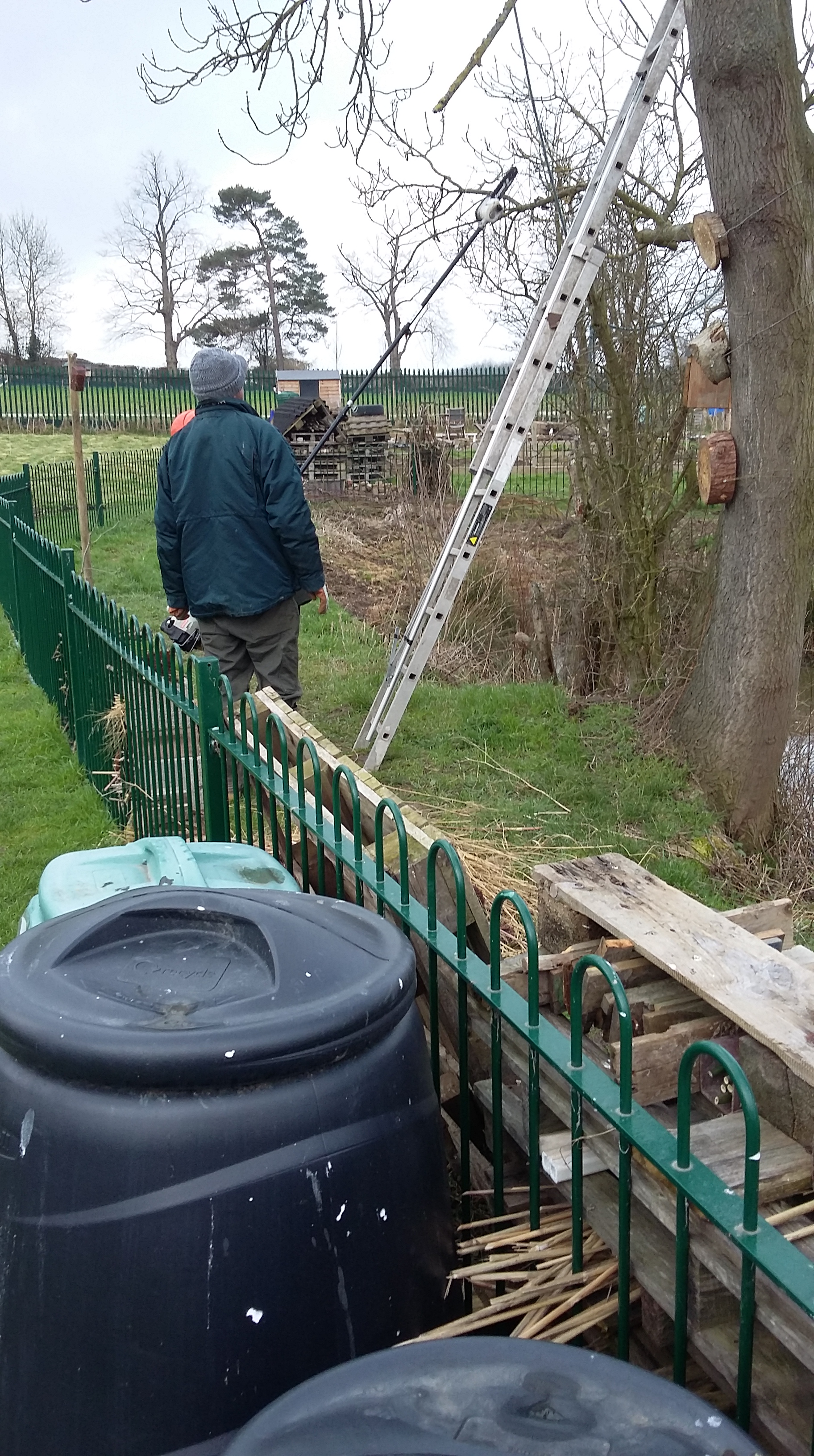
Now let us enjoy a bit of tree surgery carried out so professionally by some more of our volunteers, Pete and Mike. As mentioned in part one we have a few elderly Ash trees around the pond which for safety sake need remedial work. Earlier on we managed to pull down broken branches that had rotted but got tangled in the lower branches as they fell, but this day was a day for the chain saw attachment on our strimmer head to get in the action. One large branch hung right over the pond to the far bank and was slowly splitting so getting lower and lower. The final cut shows the weakness.

2015 03 16_9993

First Mike and Pete looked and stared and studied! They needed a strategy!!

2015 03 16_9925 2015 03 16_9926

This strategy involved rope thrown up and over a much higher and stronger upper bough, with which they could keep control of the branch once it was sawn through.

2015 03 16_9932 2015 03 16_9928 2015 03 16_9929

Attachment attached and they were off!

2015 03 16_9933 2015 03 16_9934 2015 03 16_9936

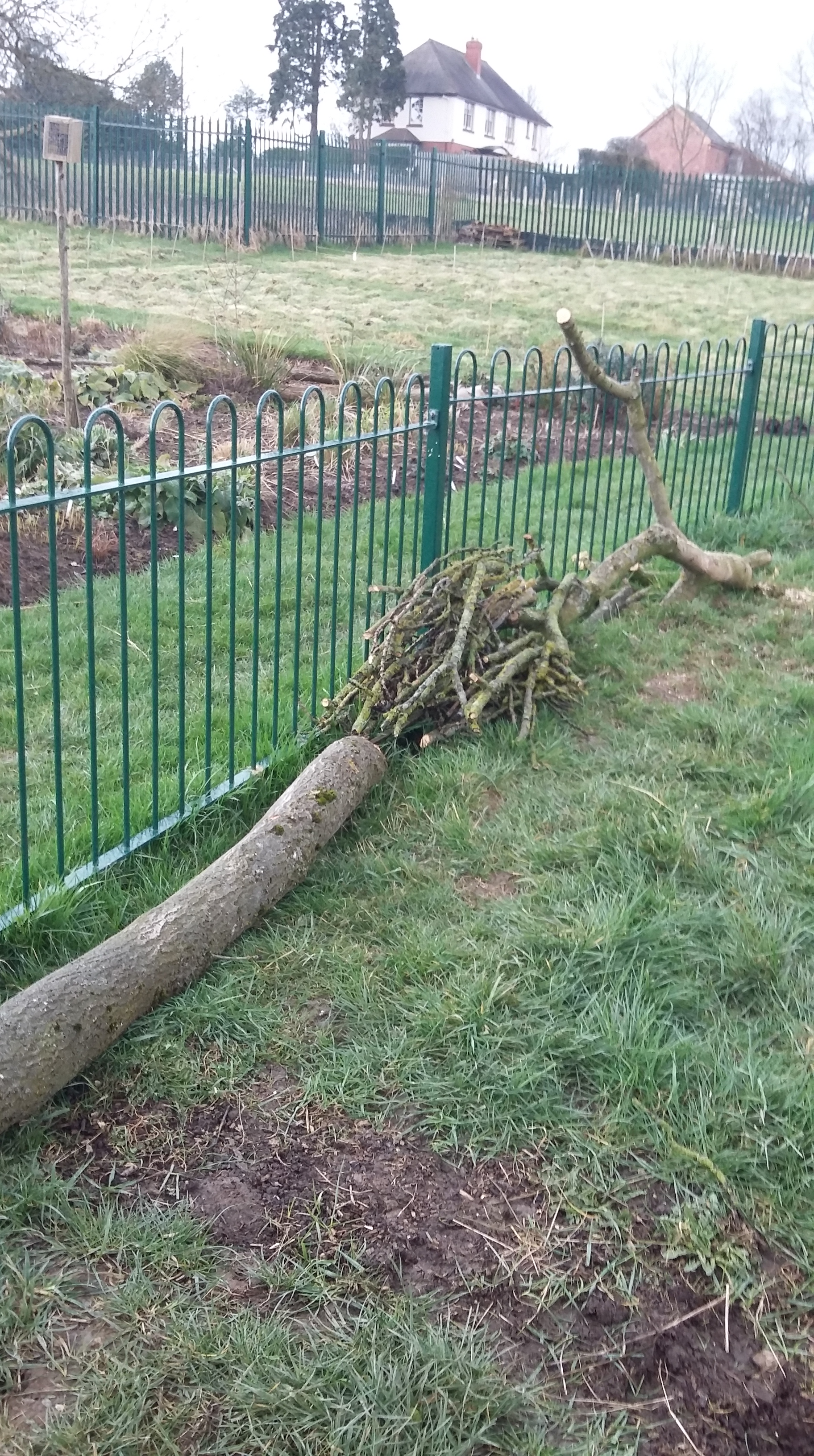
The cut bough hanging obediently could then be pulled in and dealt with on dry land. It will soon be seating for the youngsters, edging for borders and parts of insect homes and log piles and brash heaps to help attract ads shelter wildlife. We discovered an awful lot of rot within the bough so it was great relief to see it down. Trouble is there are a few more going the same way.

2015 03 16_9937 2015 03 16_9938 2015 03 16_9939

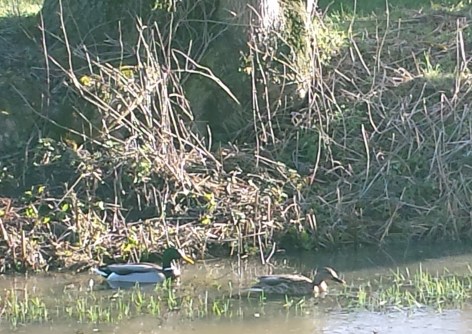
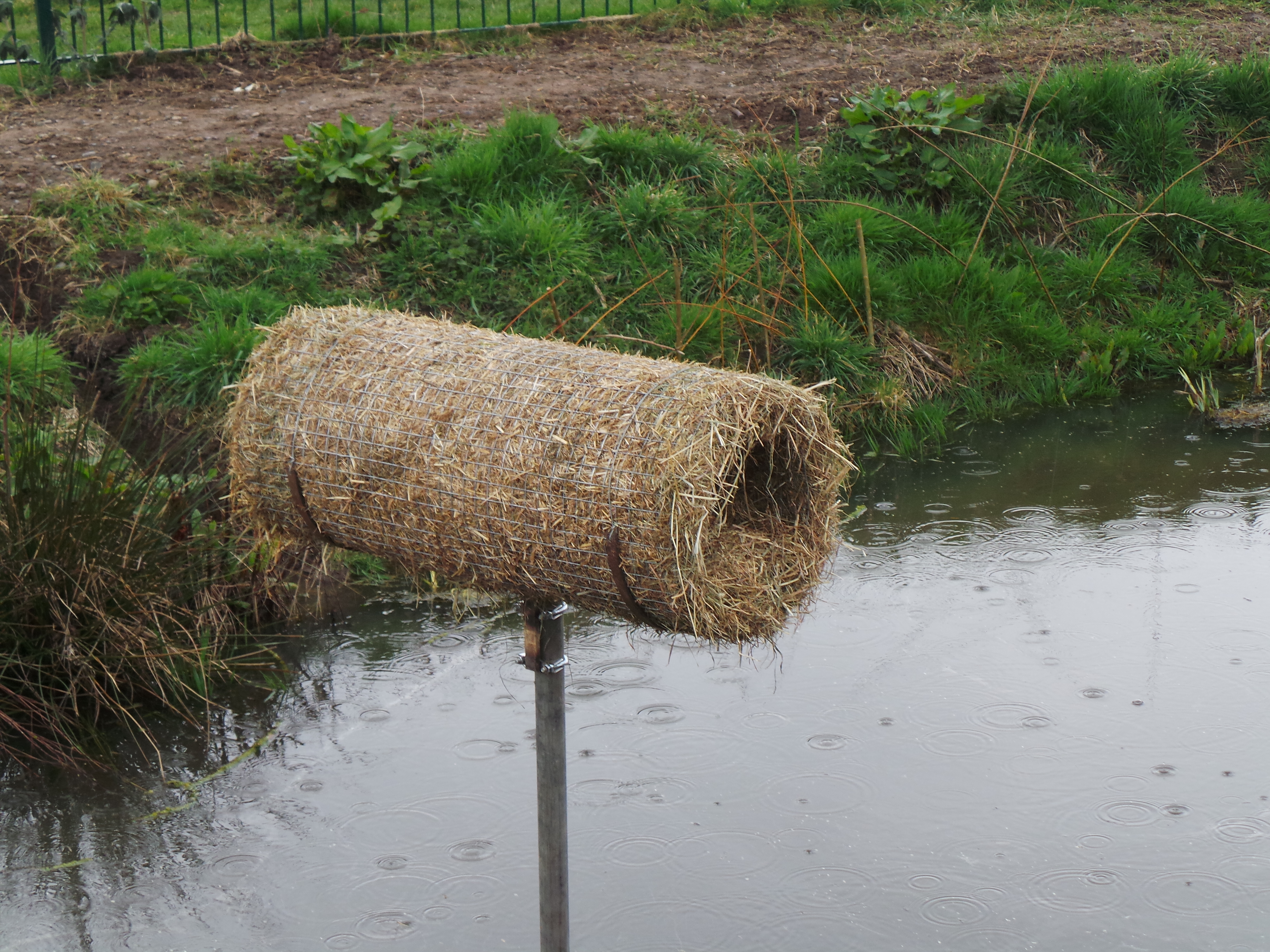
Finally we need to look at our duck tube! The photo below shows why we need one! A pair of Mallards patiently waiting!

20150217_100524

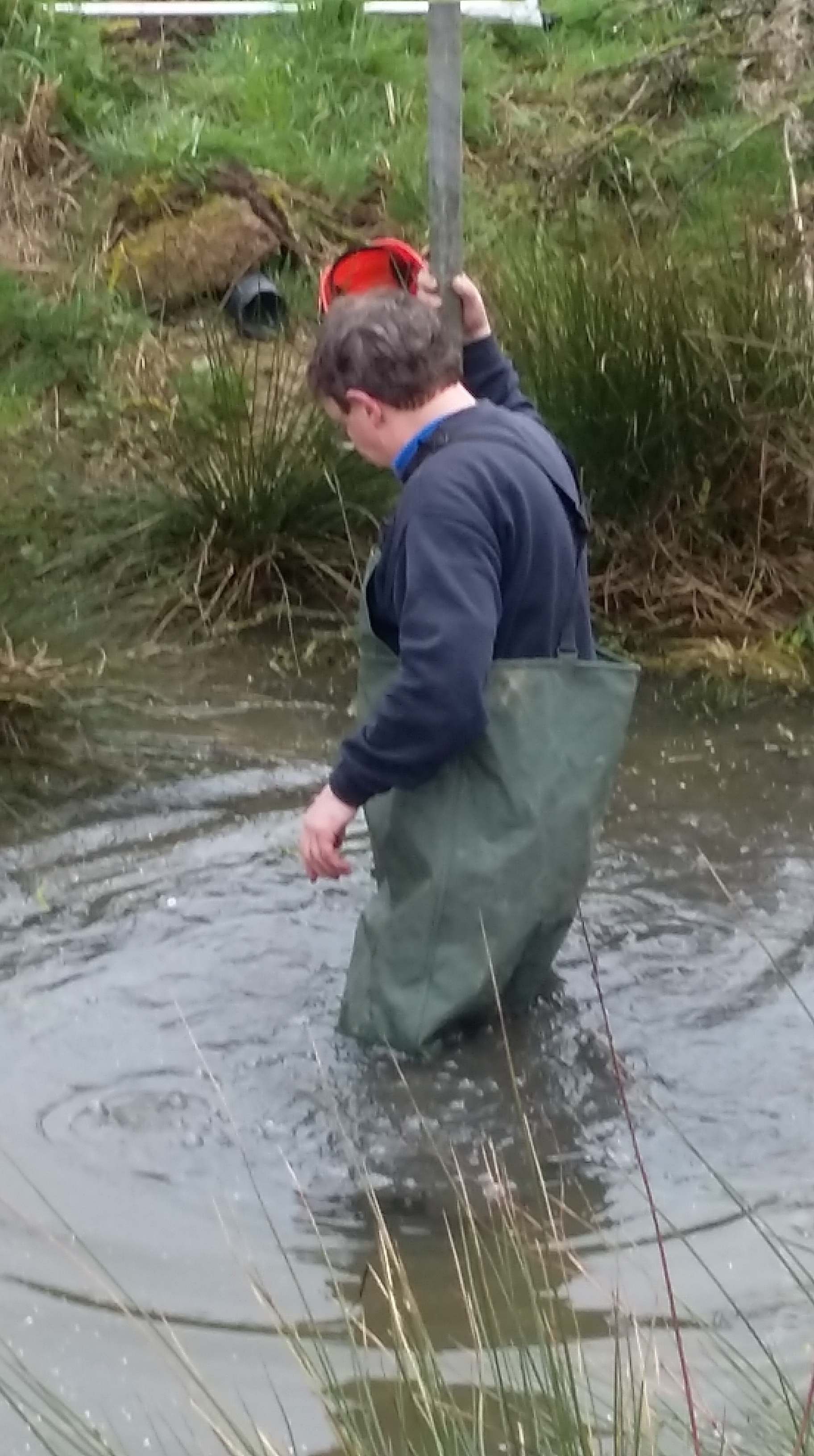
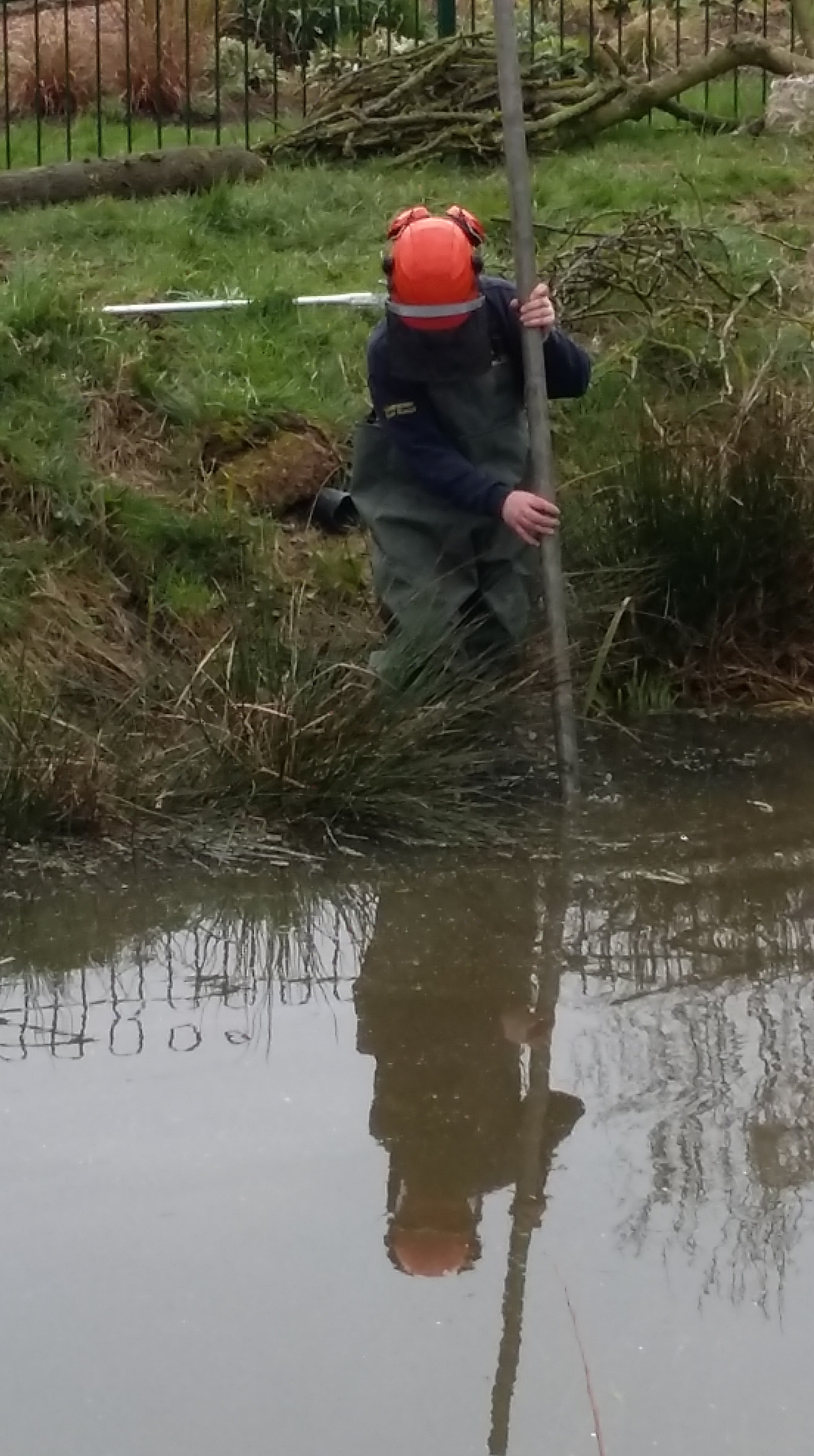
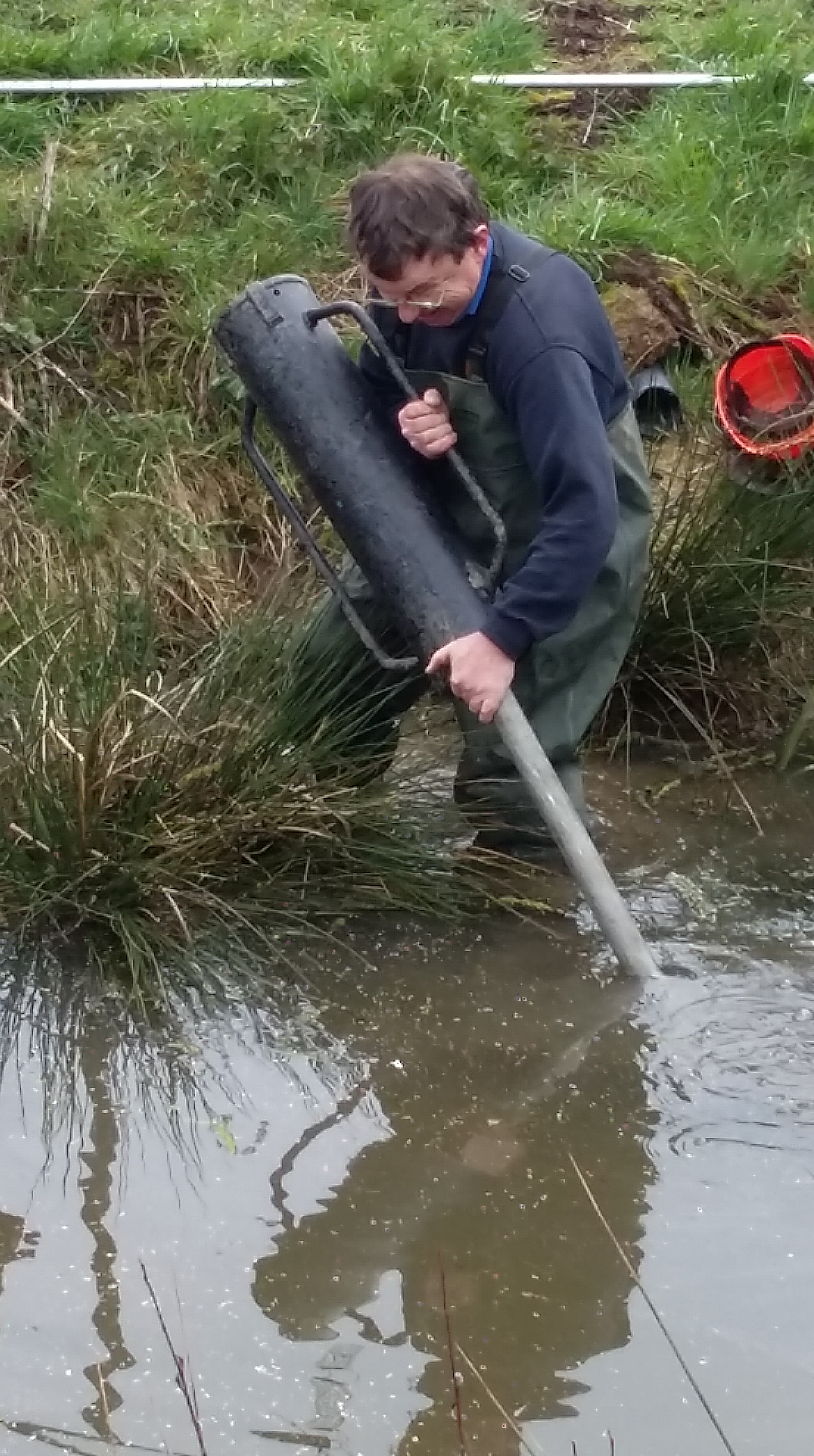
Just follow the picture sequence below and watch Mike’s adventure. Before we made the dam and changed the drainage around it to gain depth for wildlfie the pond was rarely more than 6 inches or so deep!

2015 03 16_9930 2015 03 16_9940 2015 03 16_9941  2015 03 16_9944 2015 03 16_9945 2015 03 16_9946 2015 03 16_9947 2015 03 16_9948 2015 03 16_9949 2015 03 16_9950 2015 03 16_9951 2015 03 16_9994

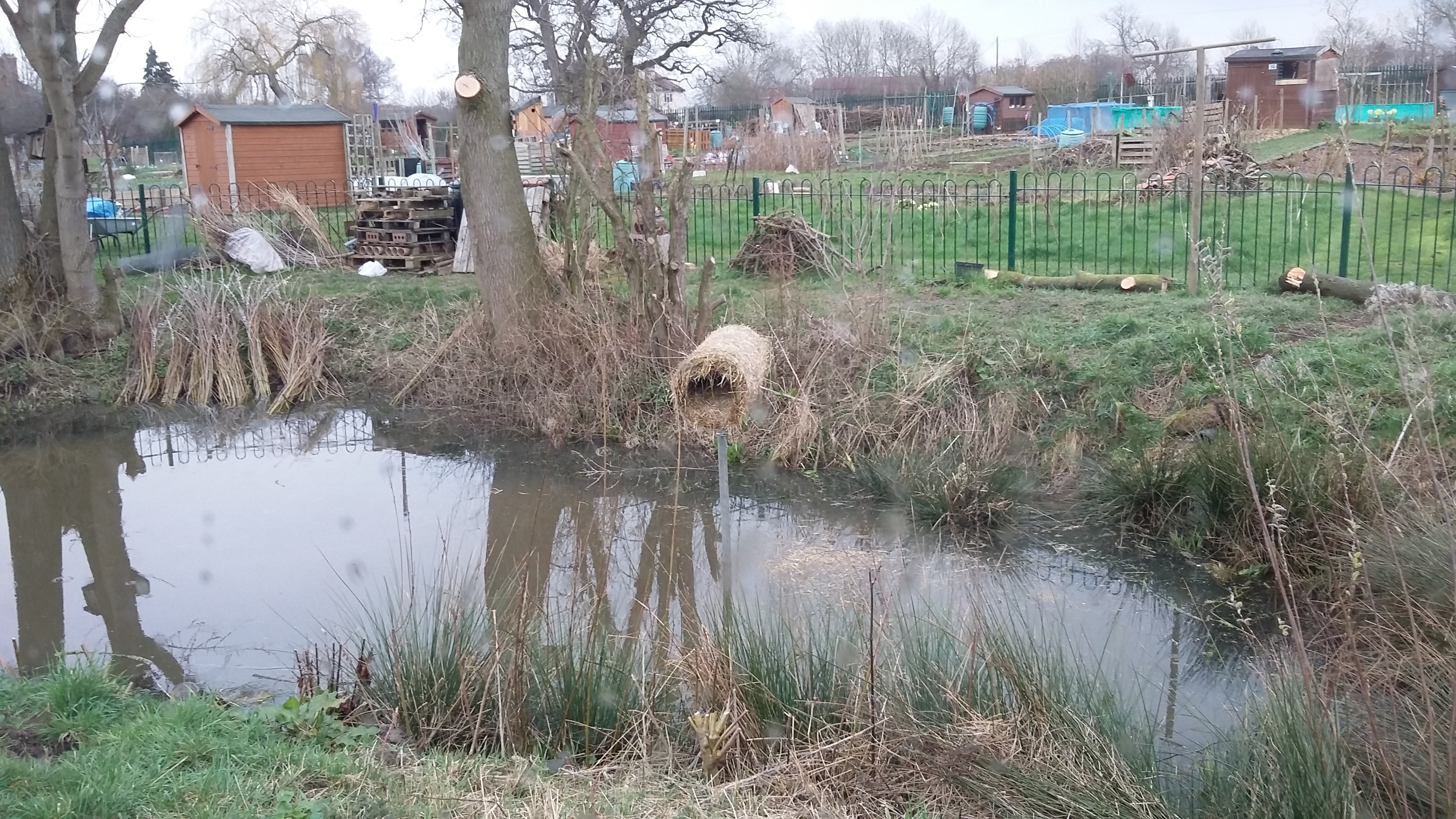
He is a good chap is Mike! What would we do without him? And below the duck tube in pride of place in the pond in a position where the children can watch activity from their new hide. Brilliant!

2015 03 16_9954

We still have further work on the pond mostly planting but we have a plan for a floating island to give wildlife somewhere to find safety and shade. Pete and Mike have a plan as you might have guessed! But of course that may be the subject of a future post visiting our super wildlife pond! One piece of info I have not mentioned are the dimensions of the area, useful I think to put things in perspective and to emphasise the size of the project. The pool is 22 yards long by 11 yards at its widest point, and the marsh area at the one end is 9 yards by 7 yards at the widest point. Around the pool and marsh between the pond and the fence, the walk around together with the planted areas vary from 3 yards to 5 yards. Quite a size!

Categories
allotments bird watching birds community gardening conservation diy garden buildings garden photography garden ponds garden pools garden wildlife gardening gardens irises log piles natural pest control recycling renovation Shropshire trees

The wildlife pond and hide at BAC – part one

When Bowbrook Allotment Community first opened we had a old farm pond on our boundary fence but it was fenced off and we had no access to it. After a few years though as the site was extended on the pond side it was integrated into our gardens and the town council put a low security fence around it with a lockable gate. We then had to wait for it to be released into our care which finally happened early in the winter of 2014. This is the story of what we have done to it so far and about our plans for its future.

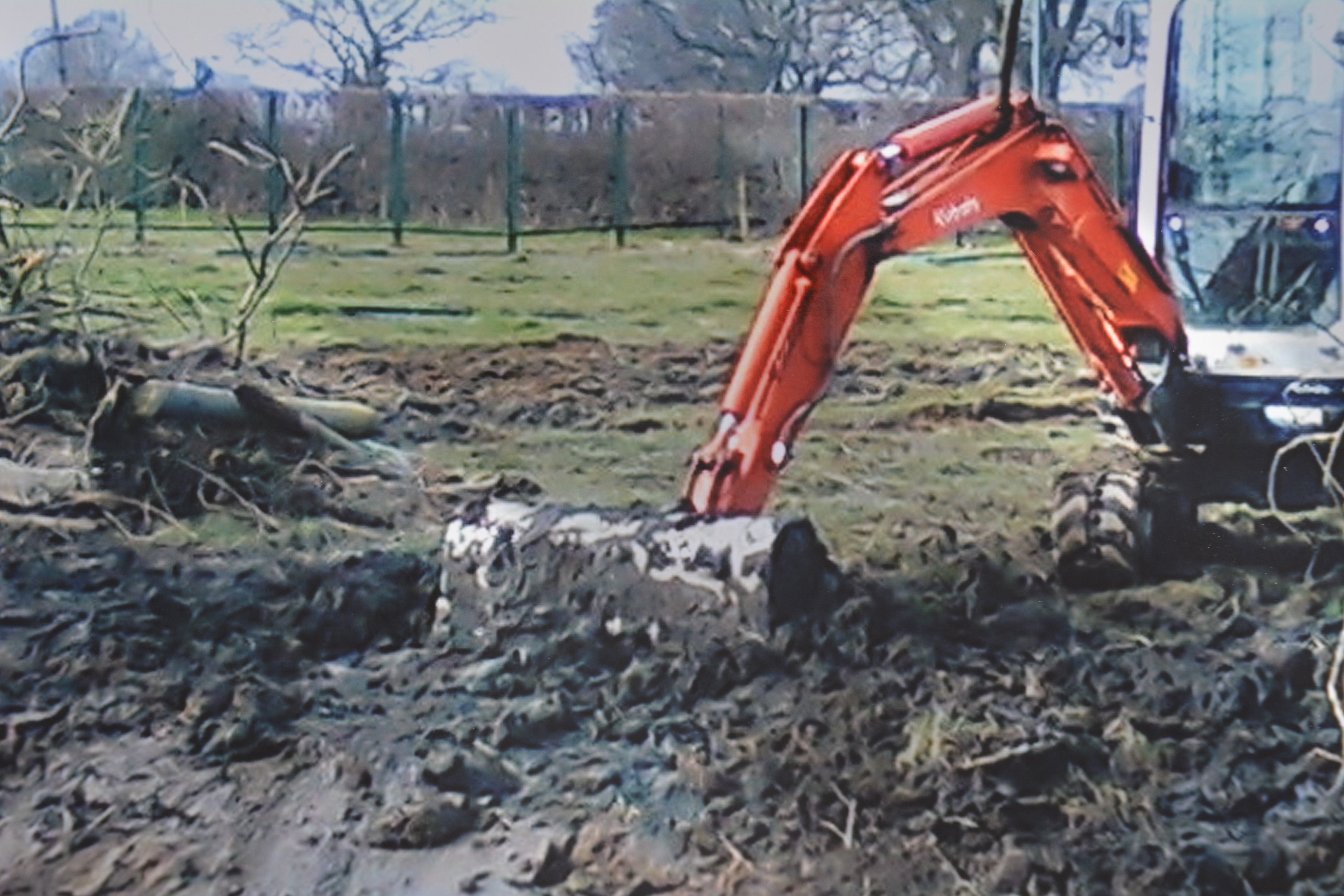
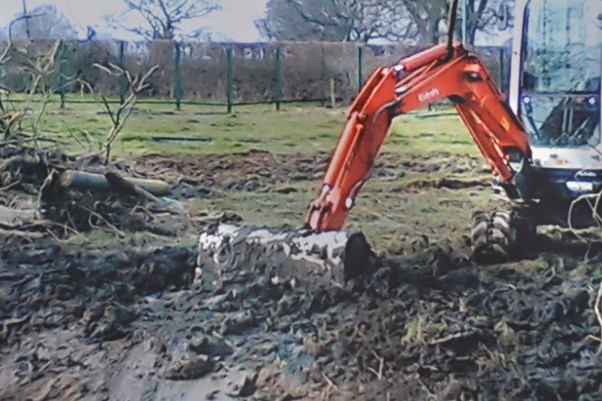
Diggers came in and scooped out all sorts of rubbish thrown into the pond by the farmer over the years, rusted coils of barbed wire, rotting fence posts, old metal fences, branches and boughs of trees. The old puddled clay layer was exposed and smoothed off. The aroma was disgusting! Sadly there was little sign of plant or animal life in the pond. At least all this disturbance didn’t upset the wildlife, the birds soon returned to the trees.
2015 03 04_9790

As a community garden determined to increase the biodiversity in our 6 acres there was no question that it would become a wildlife pond. To begin with we had to recontour the area between the pond itself and the fence to make passage around it easier and safer. It was hard graft and took a lot of volunteer hours to get it done.This will enable us to keep a path mown all the way around the pond for maintenance and enjoyment. But first we must rotavate the pathway to prepare it for grass seed sowing as soon as the weather allows.

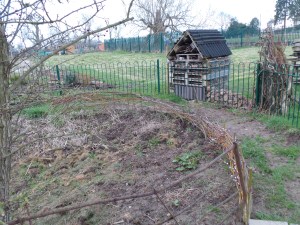
You can see from the group of photos below the area we have to work with and the work we have done so far, the lopping of the trees, the path leveling and the preparation of the bog garden. The pond itself is about 20 x 10 metres and the marshy patch about 8 x 7 metres so pretty impressive! And then there is a margin area varying in width between just over a metre to about 4 metres. W have set ourselves a mammoth task! But we have allowed ourselves a year to get it right. So far things are moving along much more quickly than anticipated as opportunities have come our way.

2015 01 18_9352-1

The next photo shows the bog area at the end of the pond where the drainage pipes from adjacent farm land brought the water into the pond. This was a steep sided marsh area with a tiny stream meadering through it. We have piped the water below the area now and re-contoured the sides to make it safer. This area will be planted with native and other wildlife attracting plants such as King Cup, Liatris, Yellow Flag and Flowering Rush.

2015 01 18_9353-1

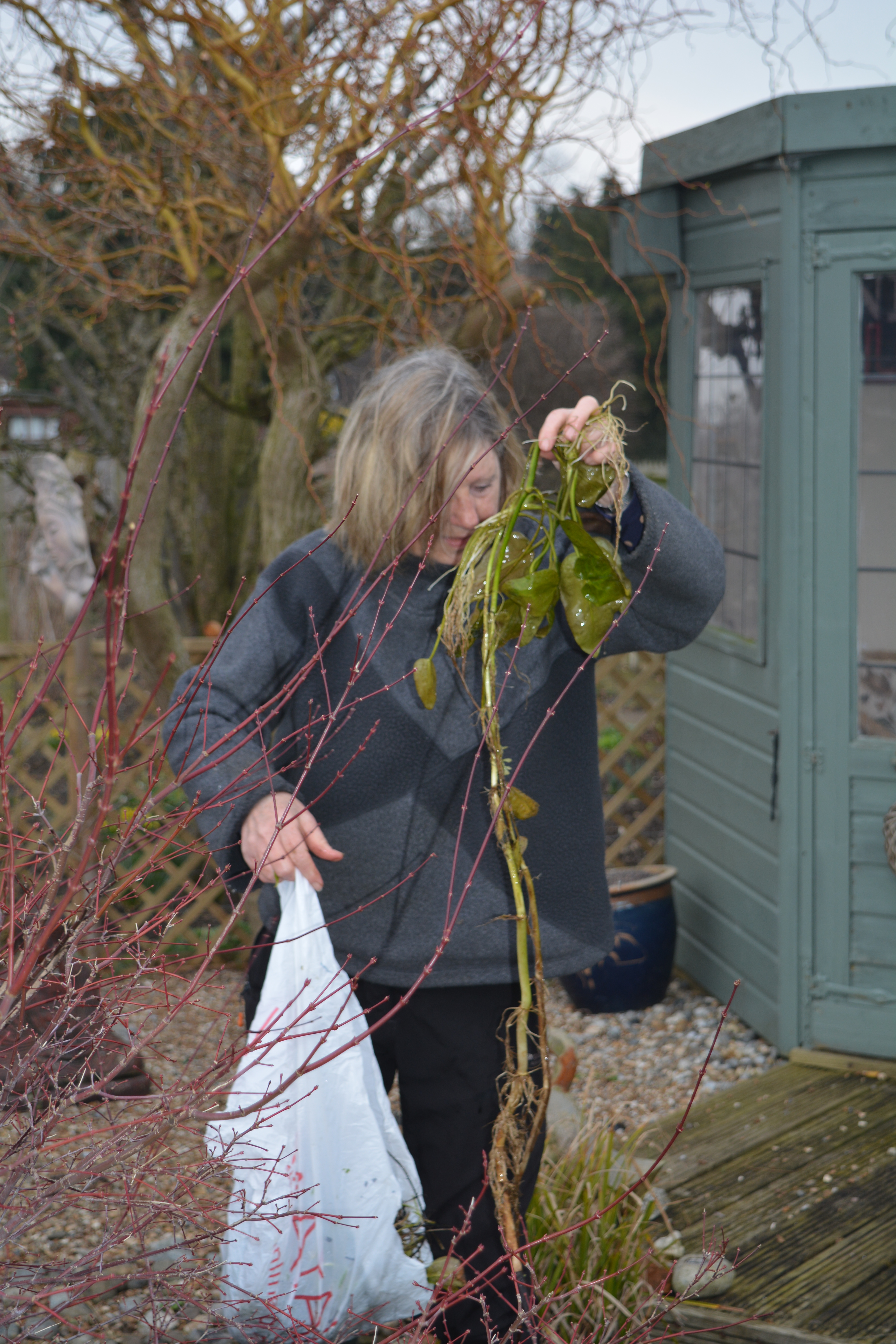
We have recently started the planting and will soon be adding far more. Some we will get as donations from our members and neighbours but others we will get from local nurseries once they have got their stocks out. So far we have planted different sorts of Irises, Water Mint, Water Forget-me-Not, Bog Beans and oxygenators. The first pair of pics shows Jude collecting plants from our pond at home and the second pair shows Sherlie planting some in the new pond.

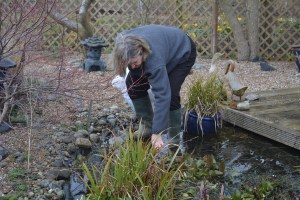
2015 03 17_0035 2015 03 17_0034

2015 03 16_9942 2015 03 16_0007

Several mature Ash trees surround the pond so some surgery was required to let more light in and help plants grow healthily. The bough below was slowly collapsing right over the water across to the far bank so caused us great concern. We had to cut it before it fell! We need to look after the health and safety of our members. I shall show this work in part two.

2015 03 16_9993

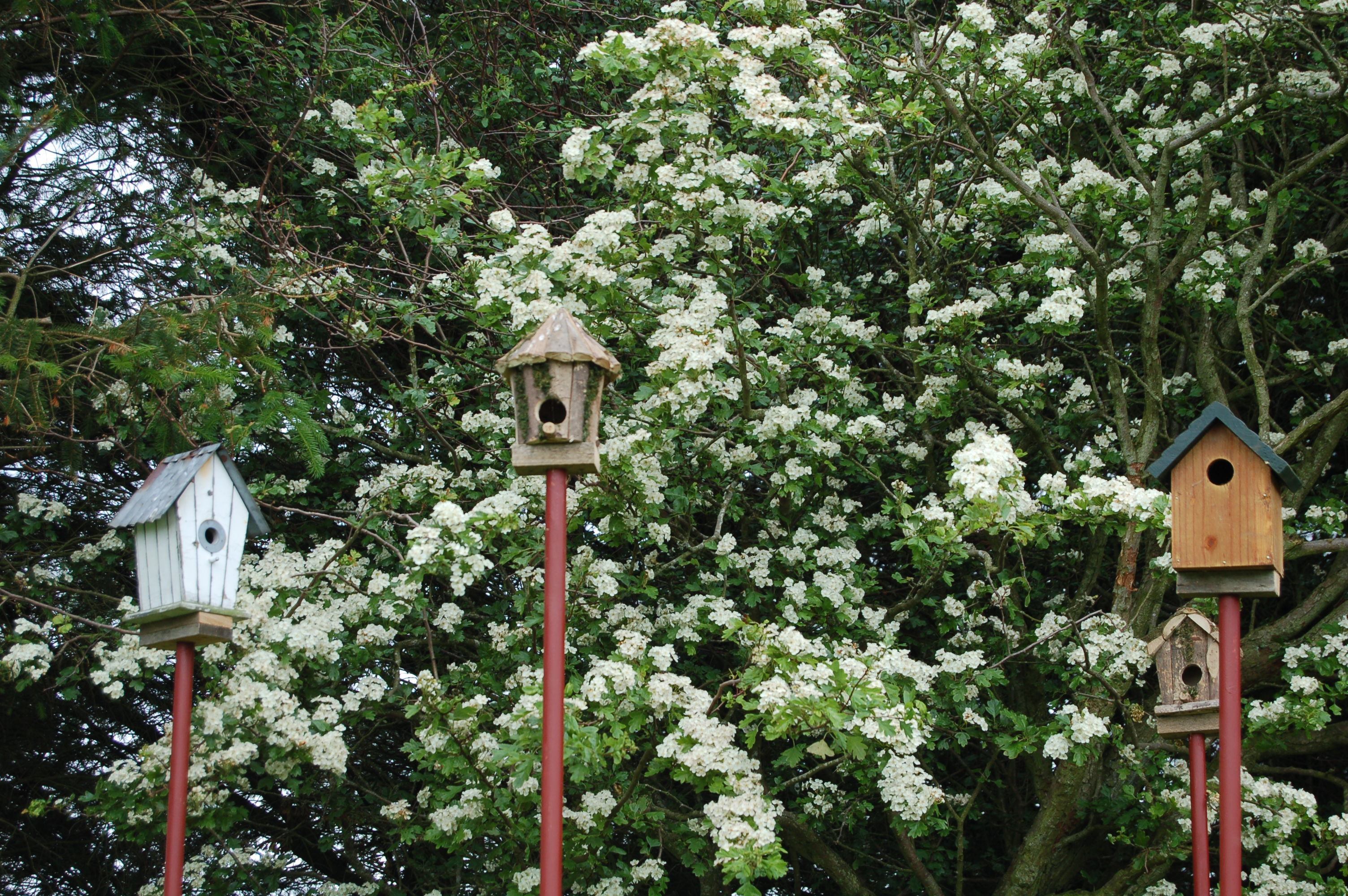
We have put up nest boxes, created a bird feeding station and are creating lots of mini-beast and amphibian habitats. Several are up in the group of Ashes that border one end of the pond.

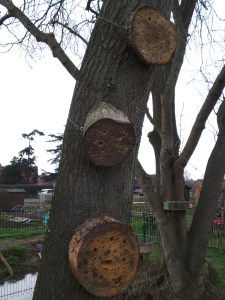
2015 02 26_9670 2015 03 16_9991 2015 03 16_99852015 03 16_99862015 03 16_9995

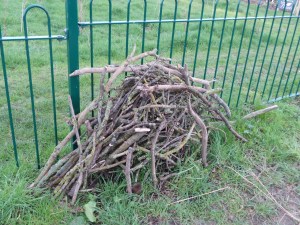
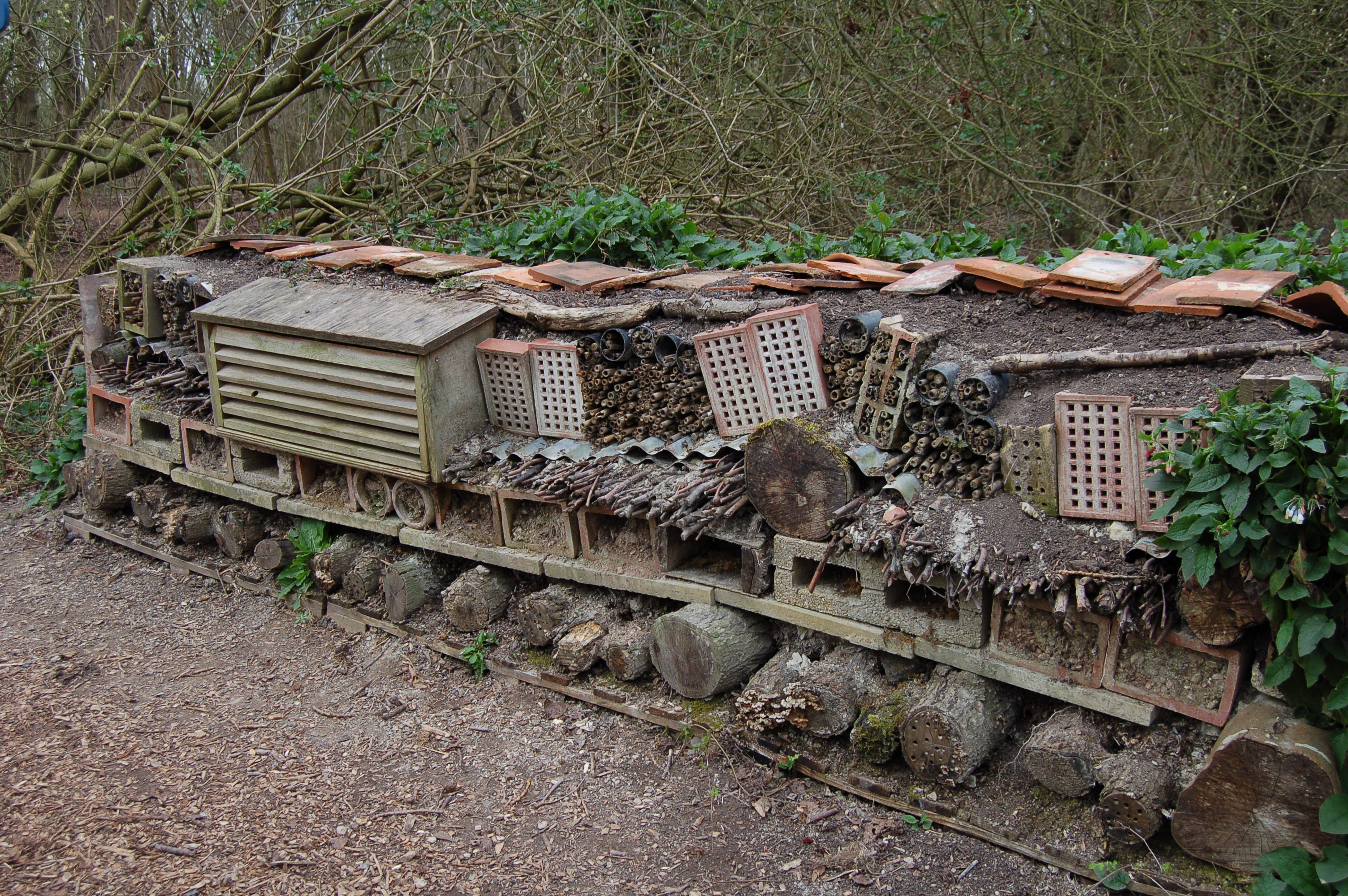
We have created extra wildlife habitats and shelters along the perimeter fence creating them from recycled items and natural materials. 2015 03 16_99872015 03 16_9988 2015 03 16_9989          Probably one of the most exciting elements of the whole project has been the creation of a bird hide for the children to use. This began as a battered old shed donated to us by a plot holder and transformed into a rather fine hide complete with a noticeboard for recording,some identification charts and a small library of identification books. Two plotholders, Sean and his dad Vince volunteered to carry out the conversion and soon other family members joined in. The finished hide was way beyond our expectations as they managed to fit a kneeling bench down the one side to enable children to look through the hatches they had constructed. For wet days when the hatches need to stay closed they added a perspex window. All this from my very simple plans and drawings!

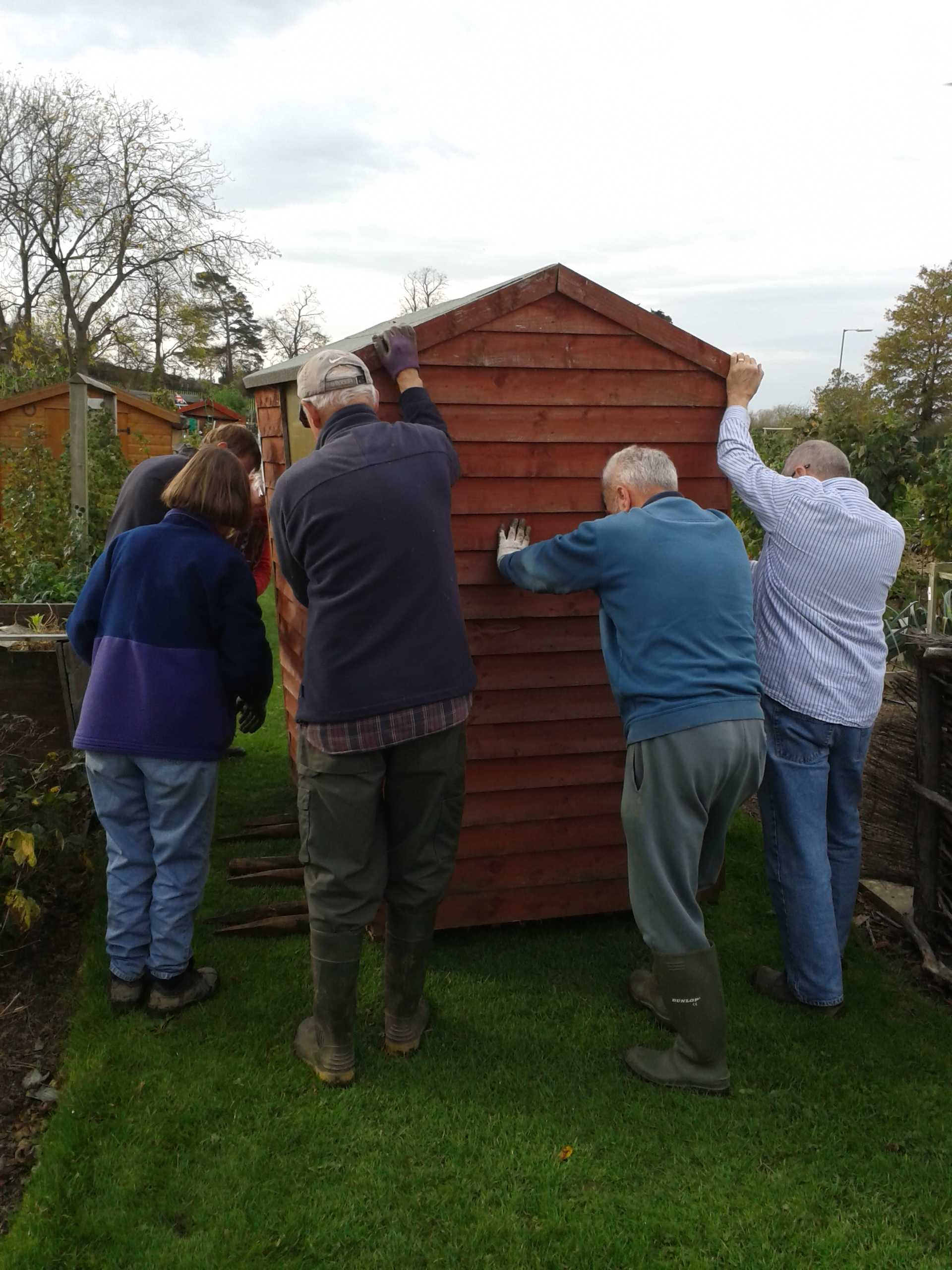
Here we are moving the old shed from one side of the site to the other in true Roman style, rolling it along on round stakes. It proved a great adventure as it kept trying to change shape and the door constantly flew open.

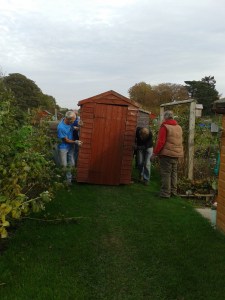
2014 12 08_8466 2014 12 08_8468

And here is the shed now transformed into a hide, just like the ugly duckling turning into a swan. The rest of the story of how the transformation came about will be in part two.
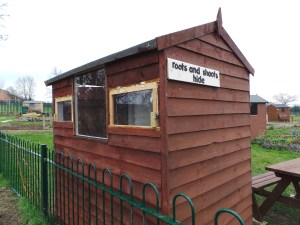
2015 03 16_0004  2015 03 16_0005

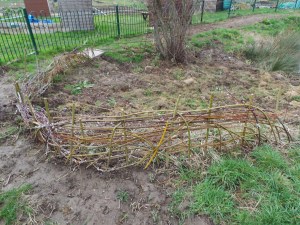
Wherever the pathway gets close to the bank we have planted a low boundary hedge from willows harvested on site and have woven whips of different coloured willows from the brightest yellow to the darkest black  through it. Similarly at the outlet end where water drains to prevent flooding, we have a steep area bank which we have given a similar low willow fence and we are slowly planting up the slopes with small ground covering shrubs that also attract bees, butterflies and hoverflies.
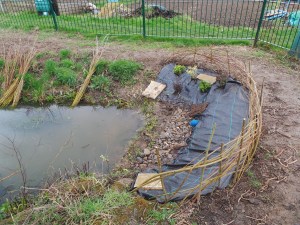
2015 03 16_9998 2015 03 16_00022015 03 16_0000 2015 03 16_9983


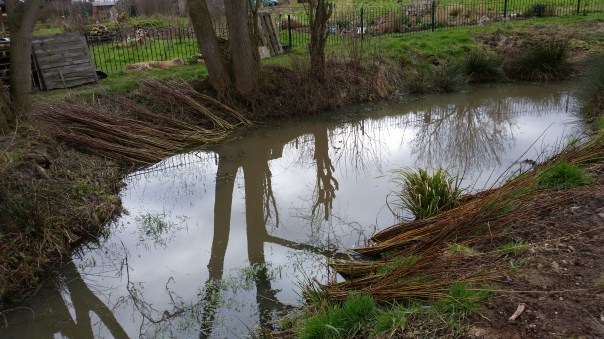
We stored the willow prunings we had after coppicing and pollarding our “Withy Bed”. The photo shows these awaiting action and illustrate just how many colours of willow we have to play with

2015 02 26_9667 2015 02 26_96682015 02 26_9669

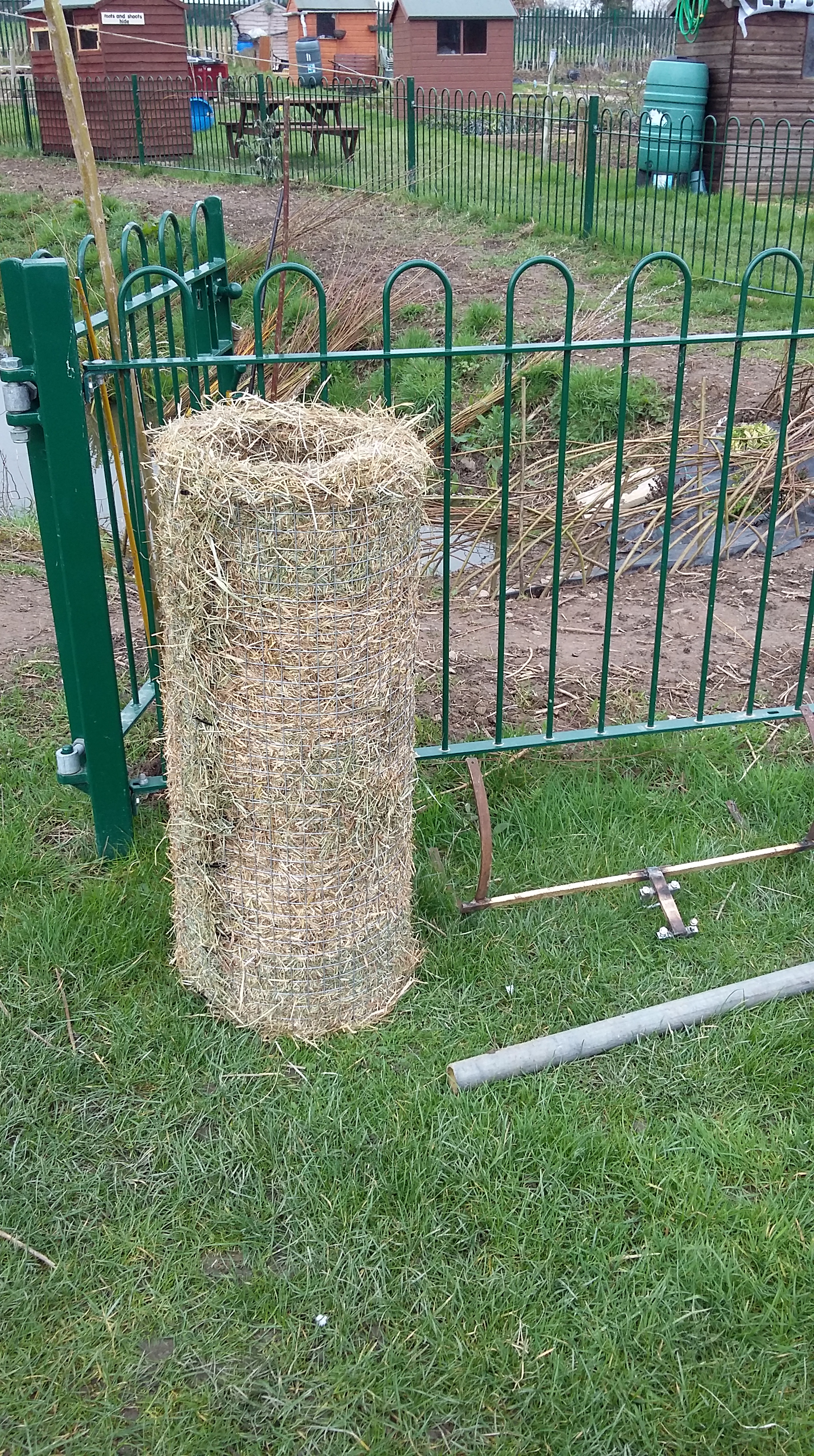
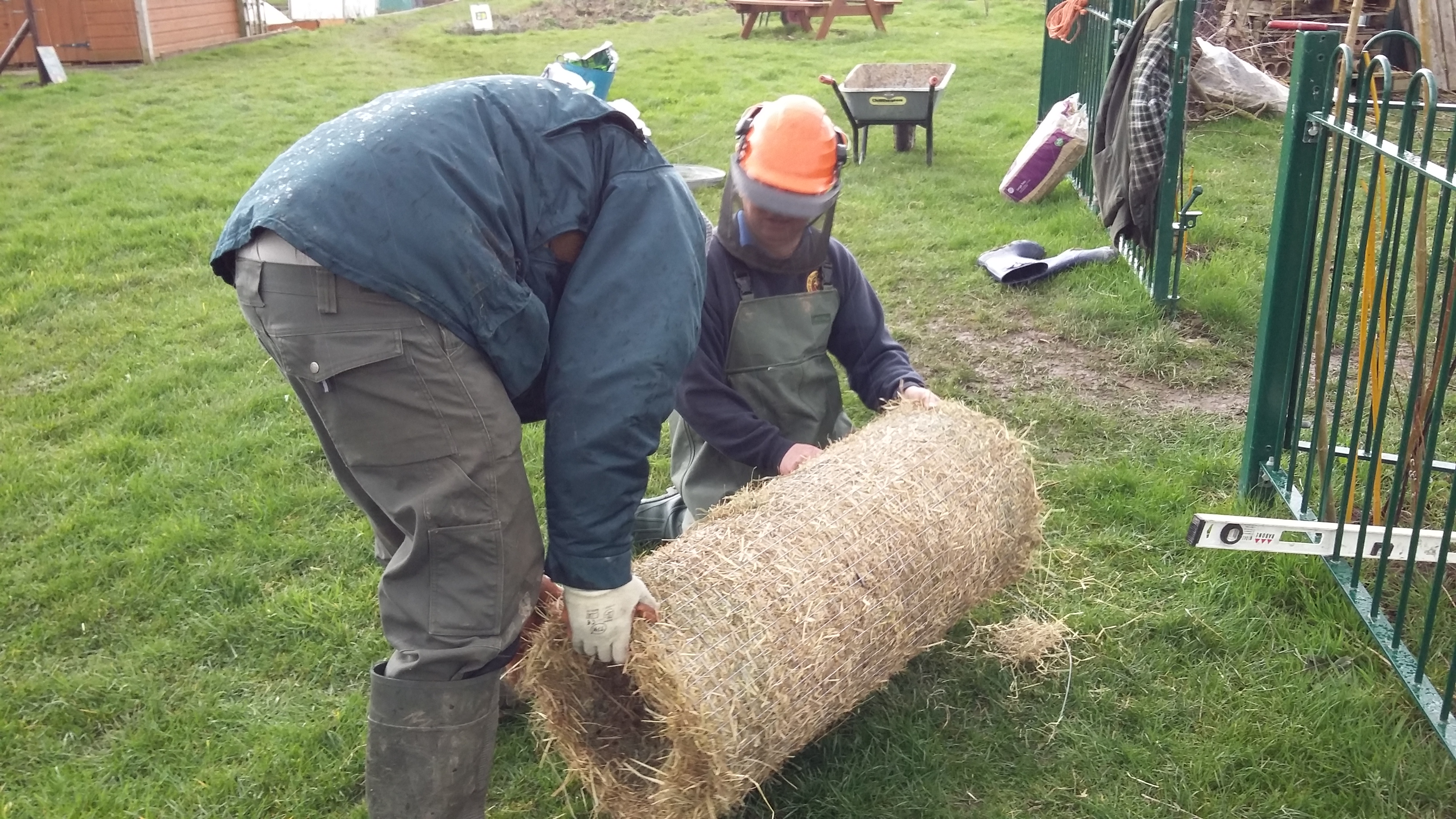
A recent job was to make barley straw pouches to drop in the water to help keep down the growth of algae and blanket weed – a good organic solution. Look closely at the picture below to see if you can spot one.

2015 03 09_9802

We know there are some critters who are looking forward to us finishing or at least being somewhere near a livable place for them. the resident group of Weasels, our Mallard families and the site’s frogs. We must pamper to their needs as they entertain us and do much of our pest controlling.

2014 11 28_7933 2014 12 08_85932015 02 28_9789_edited-1 20150207_141312

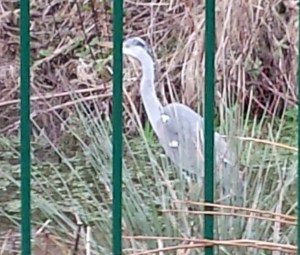
The bird in the fourth of the above photos though arrived amid mixed feelings from us all. Our Grey Heron is most definitely a handsome bird but he is a threat to our fish. We have a small population of native Rudd in the pond brought in as eggs on the feet of the ducks. Sadly until we get some plant cover for them to seek refuge beneath they will soon be wiped out by the Heron. The photo was taken on a member’s mobile phone through our green fence.

In part two we will look at details of how the hide ended up, some of our tree surgery work and the adventures we had putting in our duck tube.


Categories
birds garden wildlife gardening log piles natural pest control wildlife Yellow Book Gardens

Wildlife Homes and Green Men

When we opened our garden last August under the auspices of the National Garden Scheme and appeared in its famous Yellow Book we included in our details that we welcomed children. We were aware that few gardens make this obvious so we decided to reverse the trend. We made a few quiz sheets available for them to encourage them to look closely. They were very popular and most youngsters had a go. Some were very determined to find everything on the sheets. Great fun!

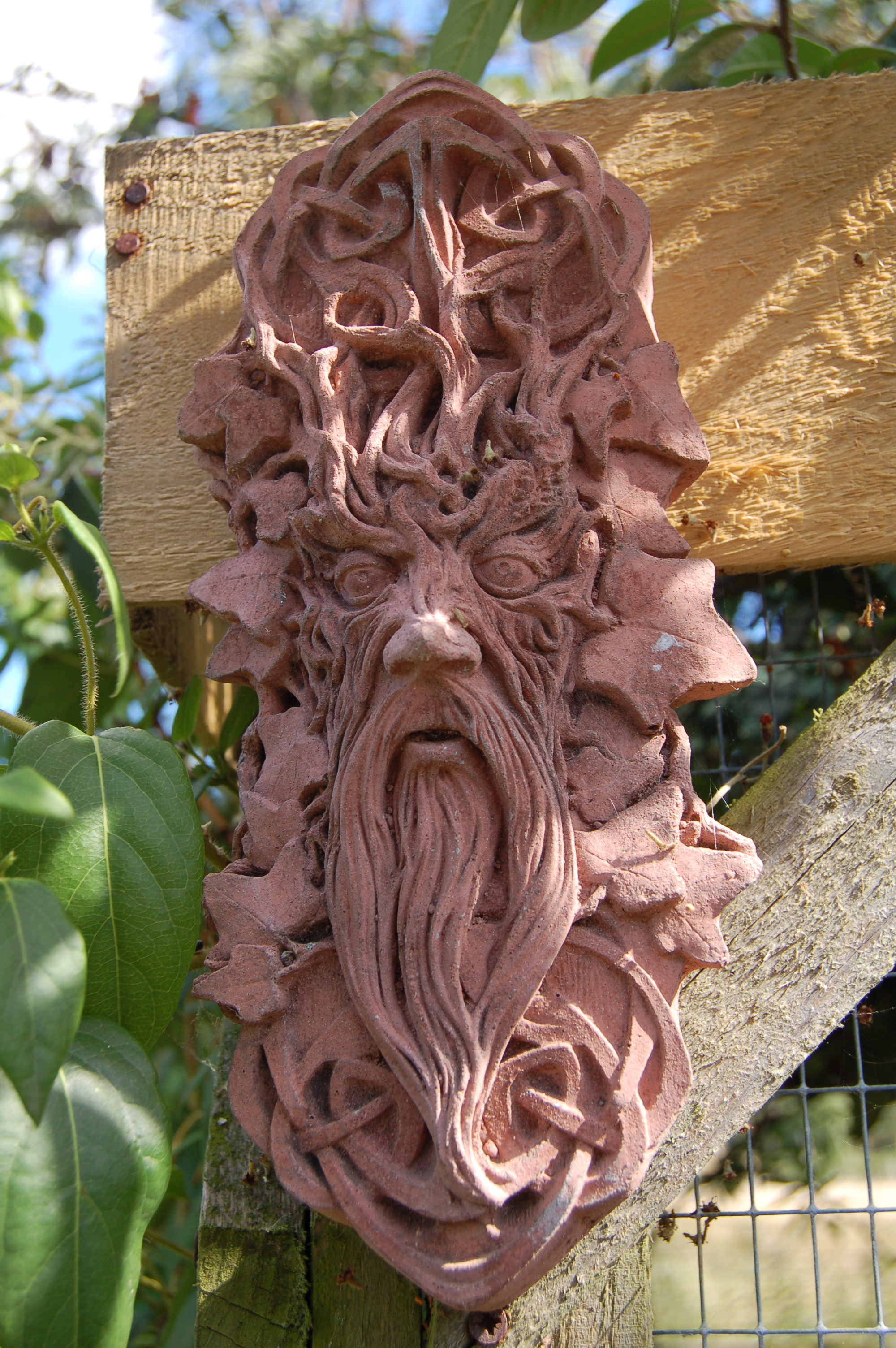
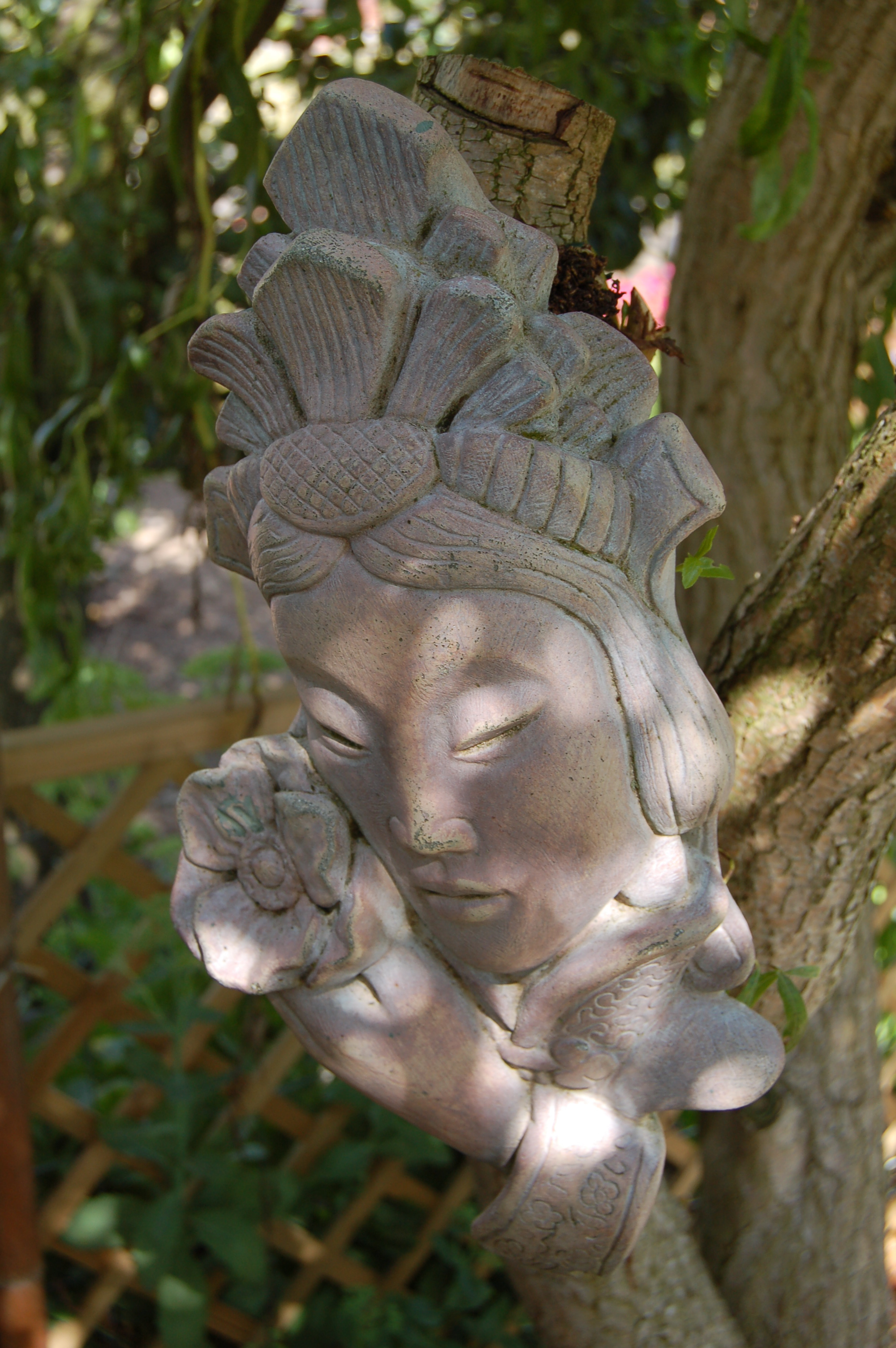
One quiz sheet featured our little collection of “green men” which we have scattered around the garden, some of which are hard to find.

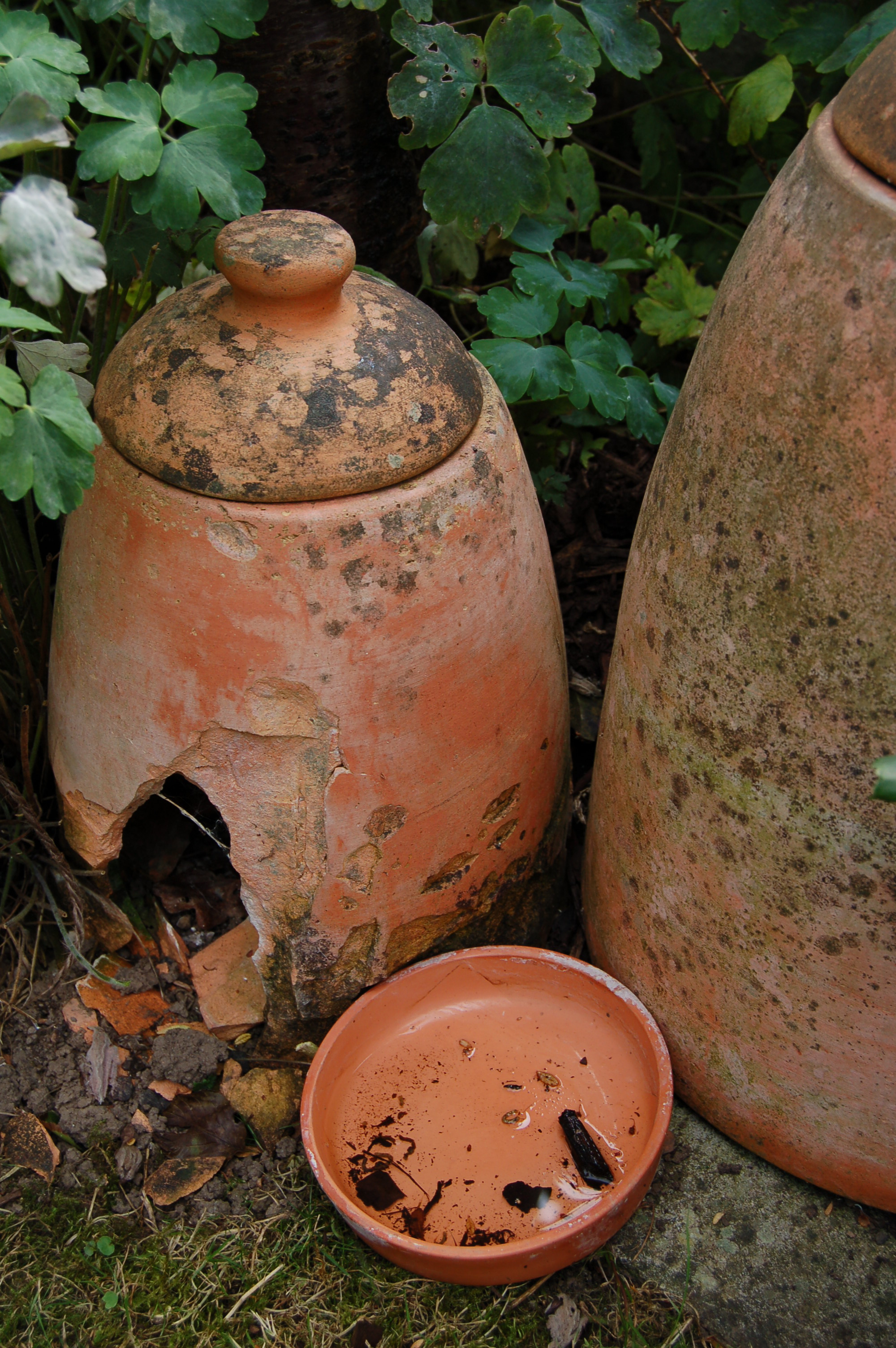
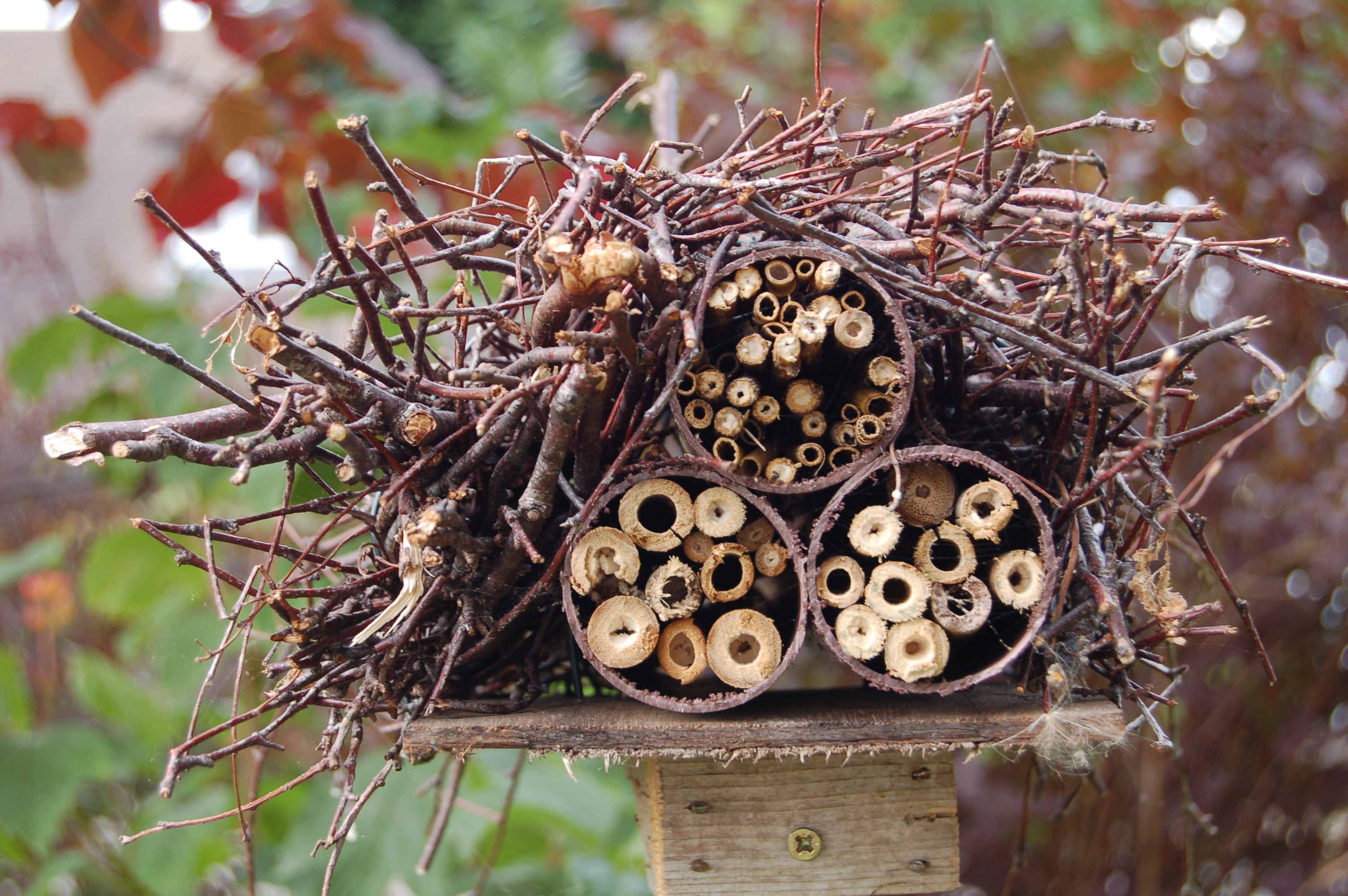
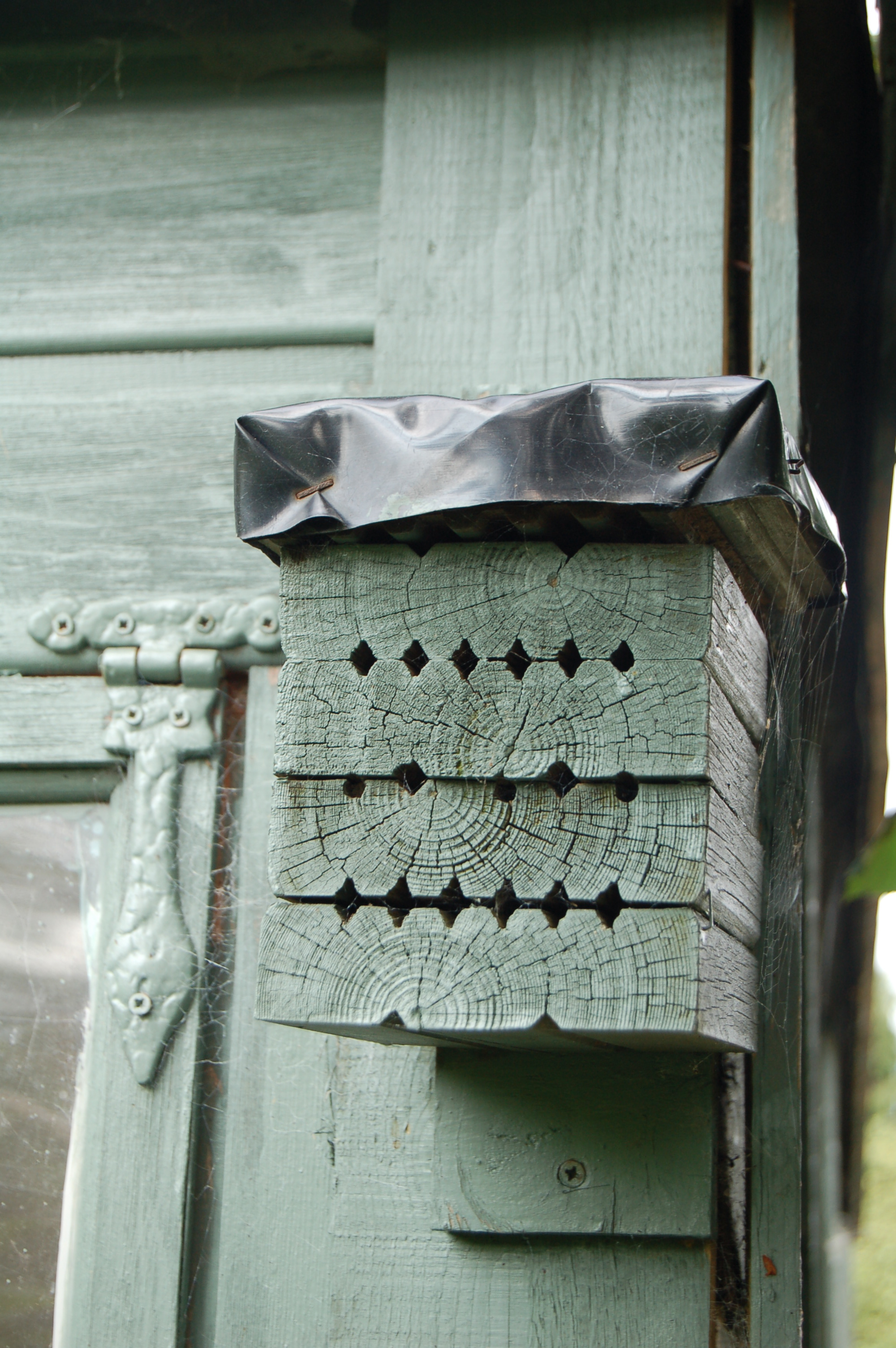
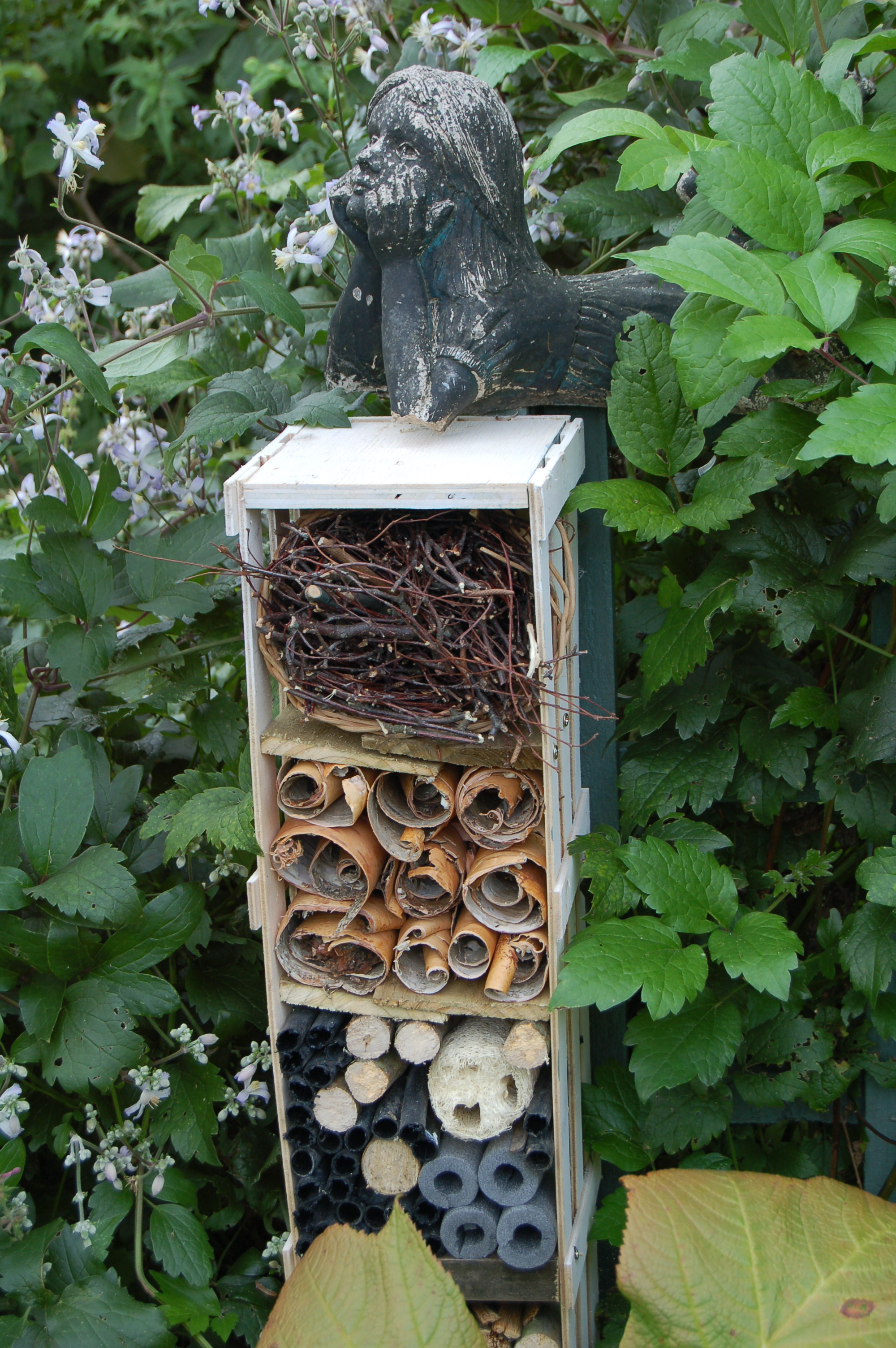
The other invited our children visitors to seek out the large variteies of wildlife homes, shelters and nesting places.

I thought you might like to see the photos of the green men and our wildlife features. Amongst the green men is a definite intruder who lives in our Japanese Garden on the trunk of the Salix flexuosa.

2014 07 31_2248-1

2014 07 31_2249-1 2014 07 31_2250-1 2014 07 31_2251-1 2014 07 31_2252-1 2014 07 31_2247-2

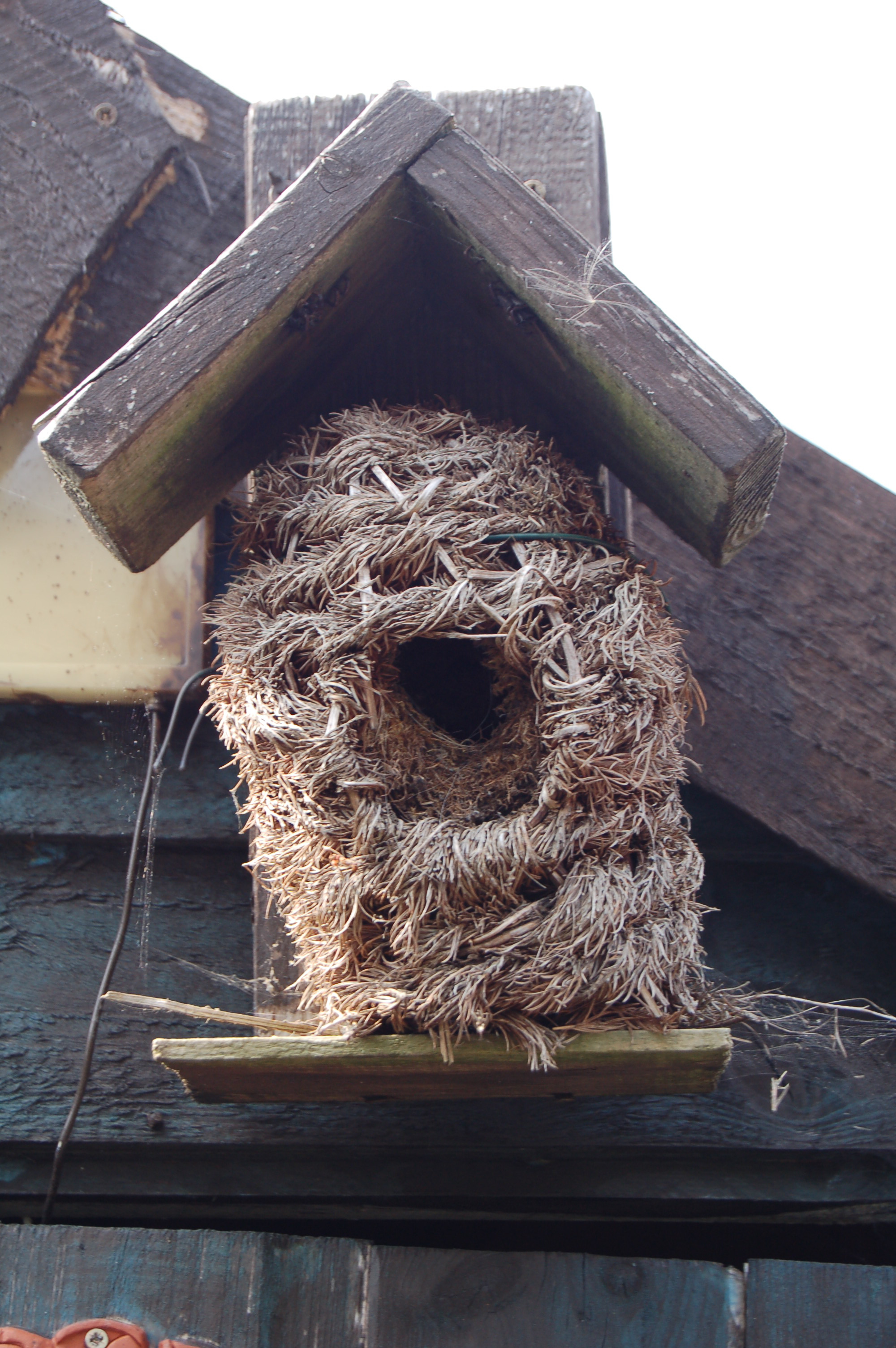
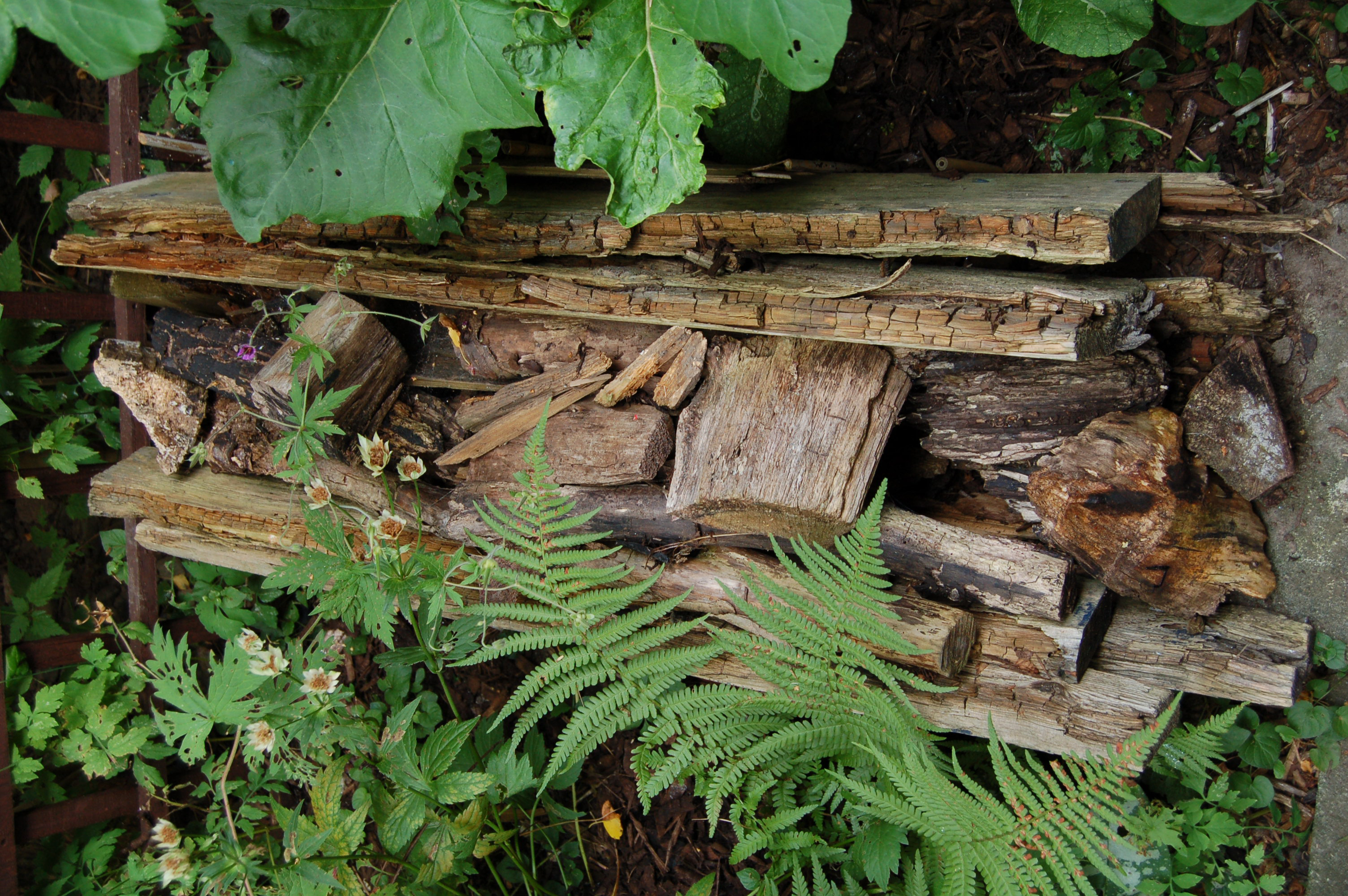
So now to our huge variety of wildlife features all designed and carefully placed to welcome all sorts of creatures, large and small.

Places for our feathered friends to roost and nest ………………

2014 07 31_2230-1 2014 07 31_2242-12014 07 31_2246-1 2014 07 31_2240-1

2014 07 31_2231-1 2014 07 31_2234-1

Places for beetles, invertebrates and amphibians ……………………….

2014 07 31_2229-1 2014 07 31_2235-12014 07 31_2243-1

Places for bees, lacewing and ladybirds ……………..

2014 07 31_2228-1 2014 07 31_2237-1

2014 07 31_2233-1 2014 07 31_2245-12014 07 31_2239-1

Places for all sorts of beneficial creatures – whoever wishes to drop in ……………………

2014 07 31_2232-1 2014 07 31_2238-1 2014 07 31_2241-1

We will have to think up some more quizes for our young visitors later this year.


Categories
countryside garden design garden furniture garden photography garden ponds garden pools garden seating gardening gardens hardy perennials hedgerows irises landscapes log piles meadows ornamental trees and shrubs outdoor sculpture Powis Powys sculpture Wales water in the garden Yellow Book Gardens

Three Welsh Gardens – Part Two – A Garden on Top of the World – Bryn Llidiart

Of course the garden we visited wasn’t really on top of the world, but it certainly felt that way as once more we made our way into the hills of Powys the other side of Welshpool, travelling along narrow single track lanes up steep hills and around sharp bend after sharp bend. It seemed to take ages to get nowhere and the journey did actually take twice as long as we had anticipated. We had to go in Jude’s little car as I had been in hospital the day before having a minor op on my hand so I couldn’t drive. We should have known better and Jude could have driven mine as its more powerful motor wouldn’t have minded the hills so much.
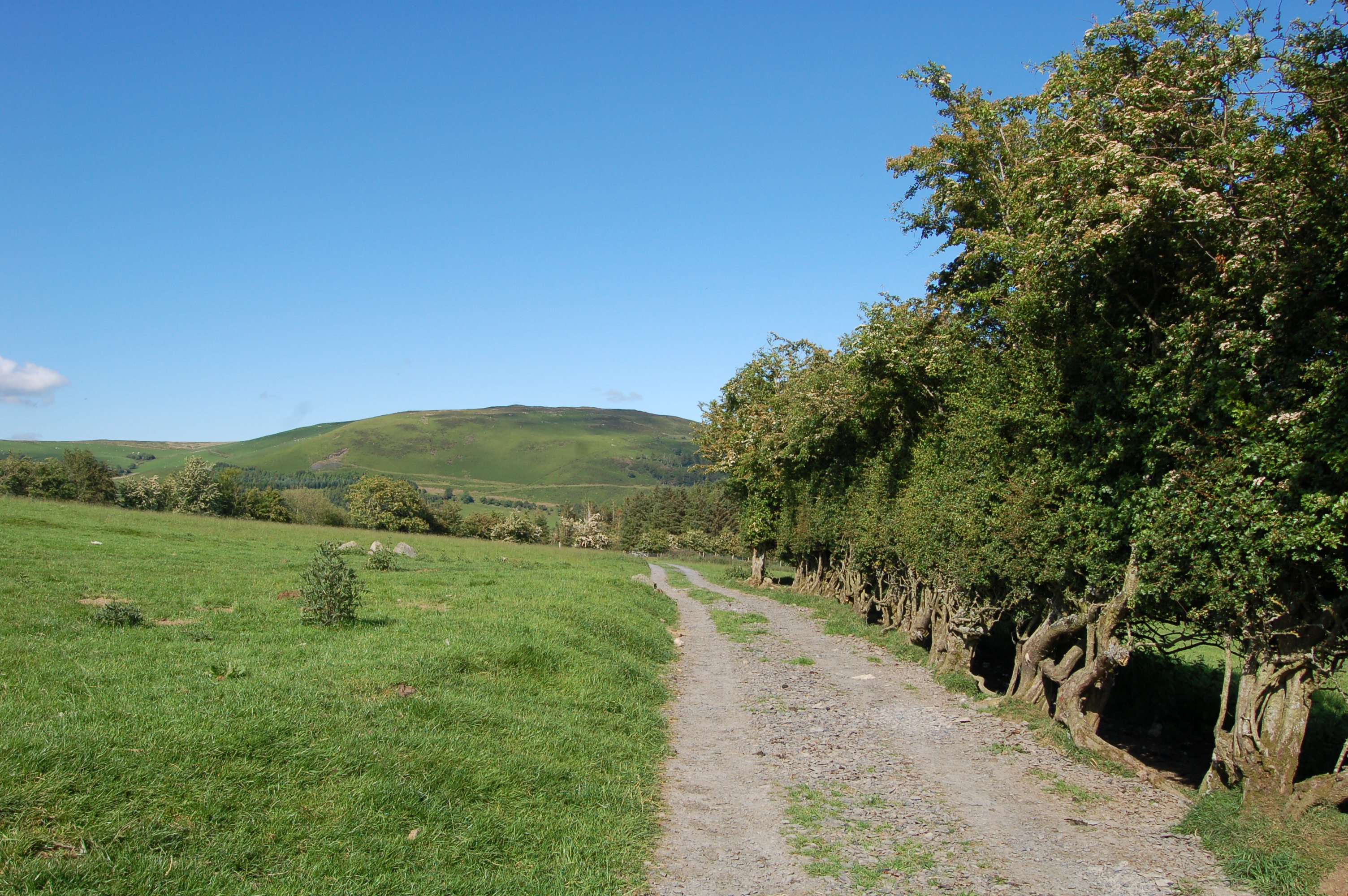
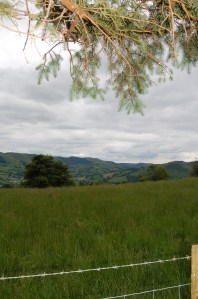
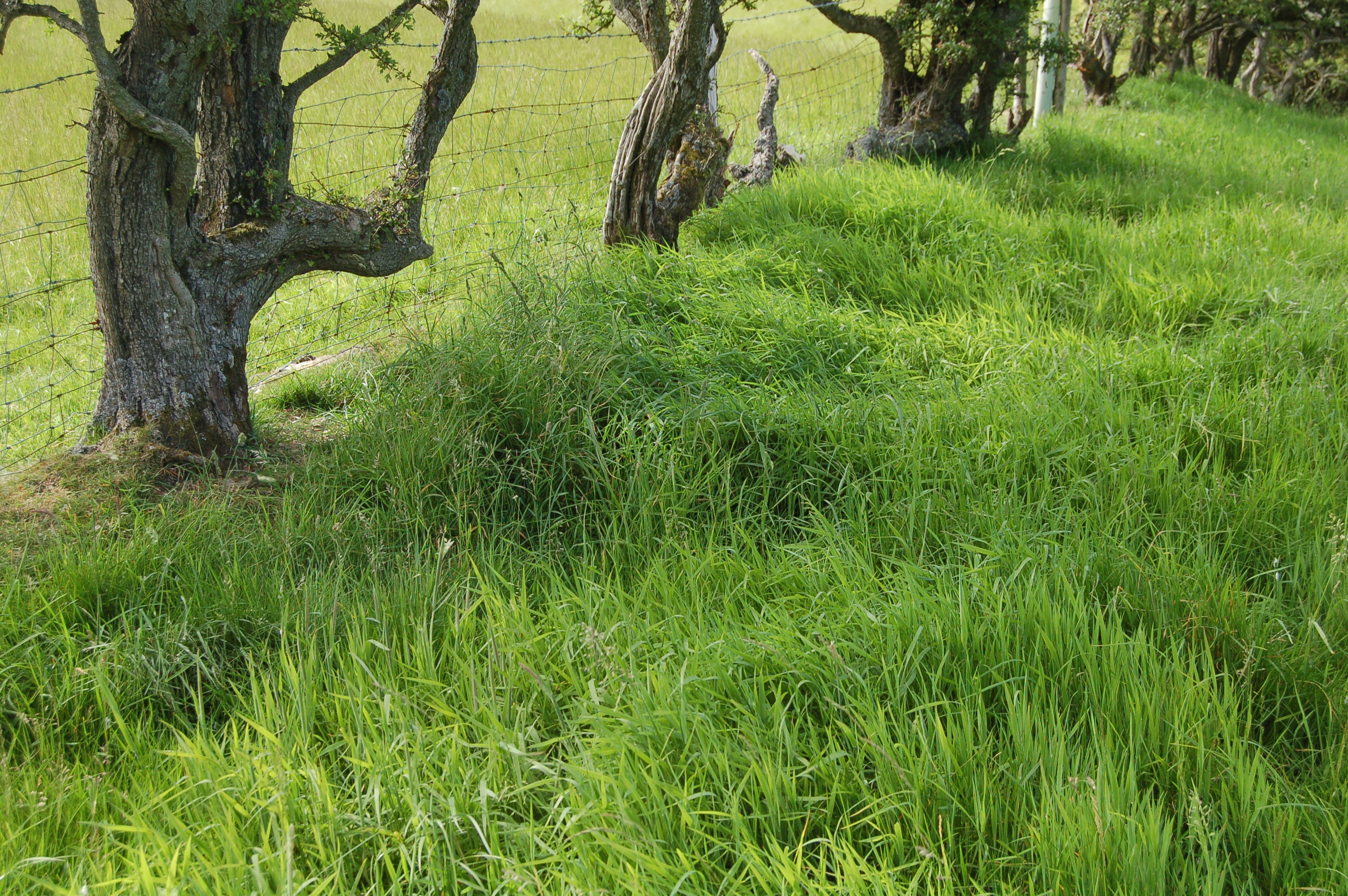
Once we got there however we knew we were in for a treat. Anyone brave enough to tackle the making of a garden in these harsh condition must be a very determined gardener indeed. As we neared our destination we turned up a very narrow lane where the hedges virtually touched the side of the car and we climbed steeply until the lane came to a halt. A gate in the stone wall was open on our right and a sign indicated that this was where we had to park up. On the left another track of rugged slate took us through fields grazed by sheep towards the garden.The gnarled old hedgerow Hawthorns were bowed over and twisted from years of being wind battered on this exposed hillside.

2014 06 14_0299 2014 06 14_0298 2014 06 14_0297 2014 06 14_0296


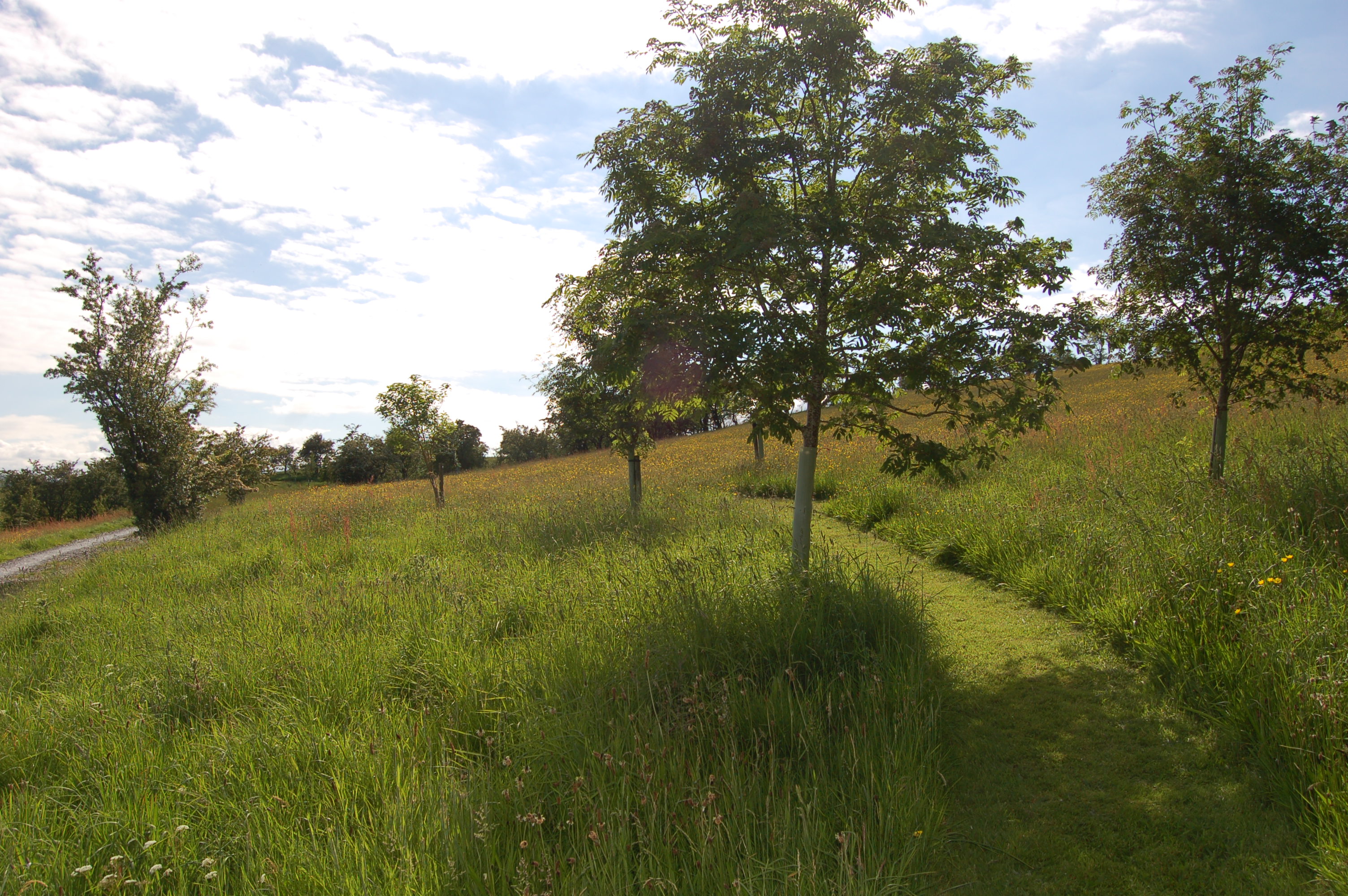
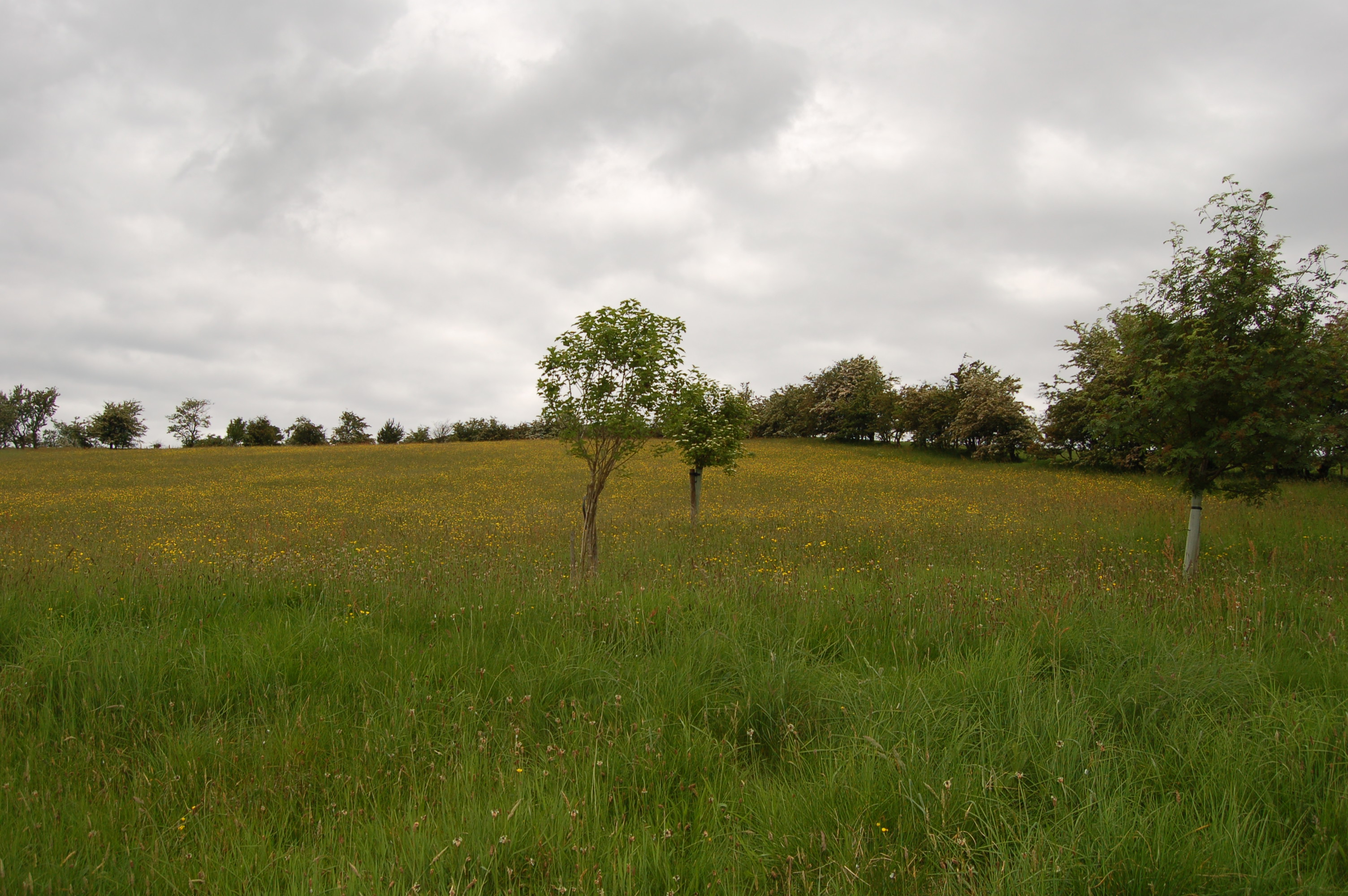
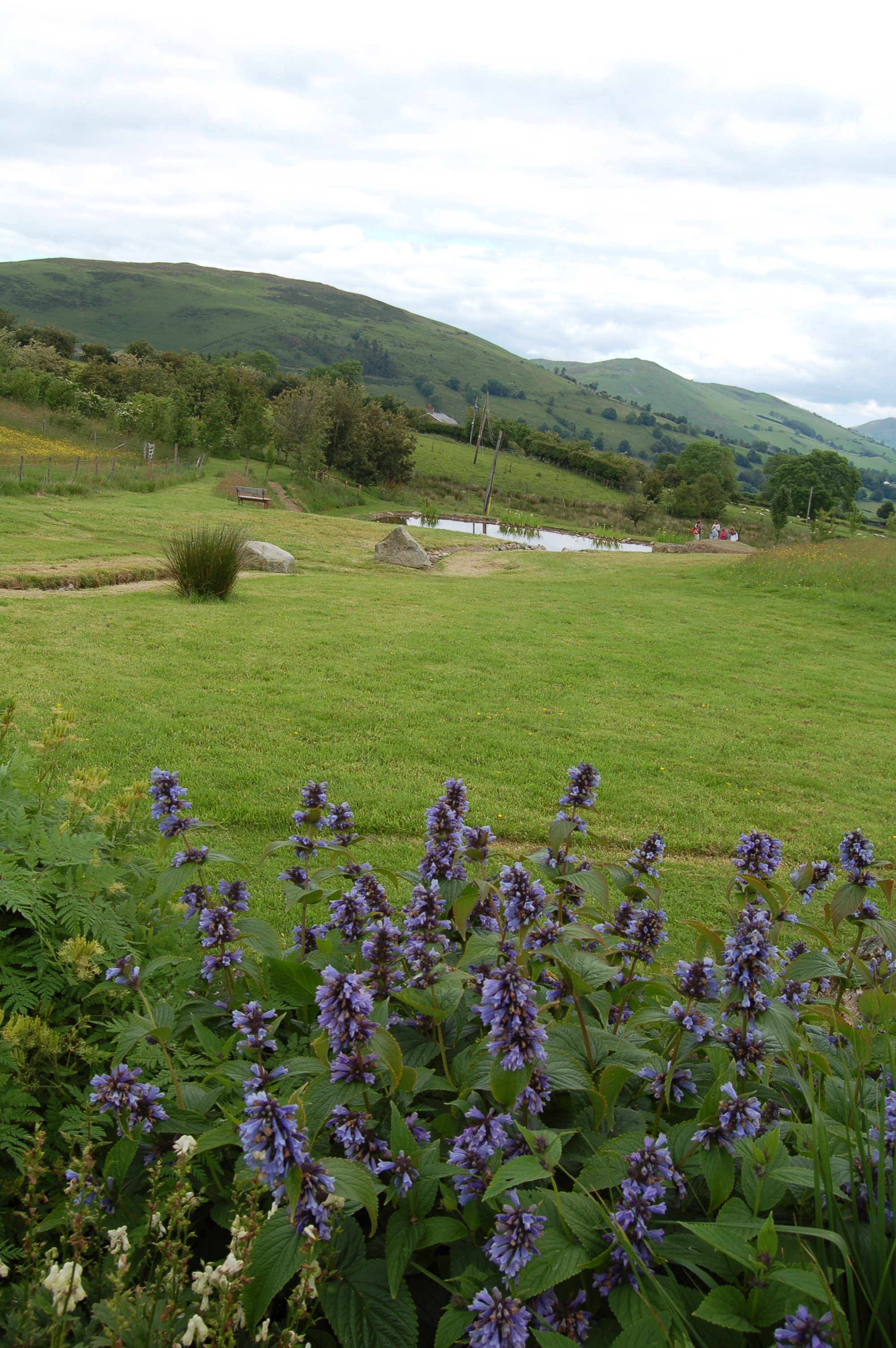
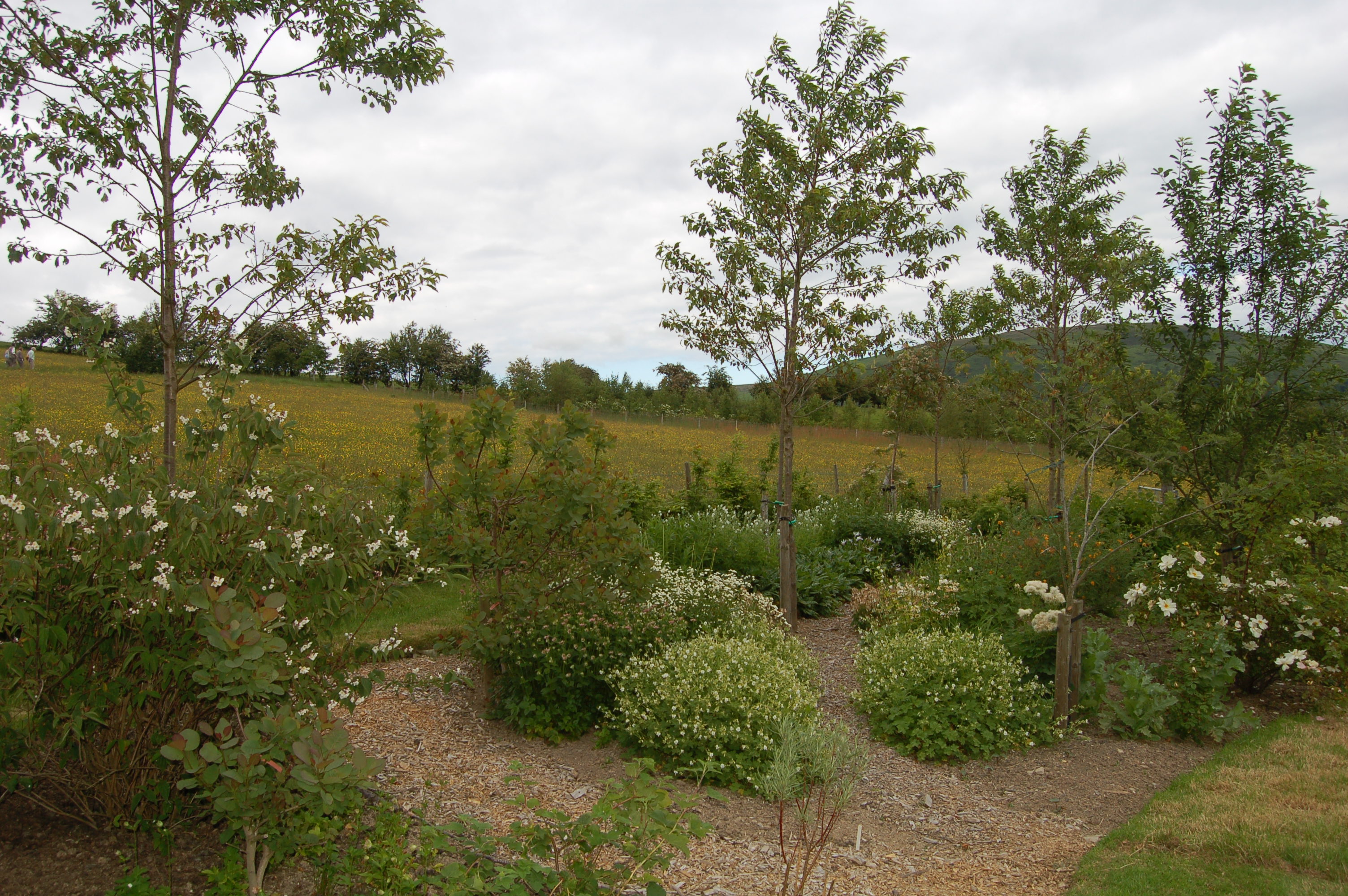
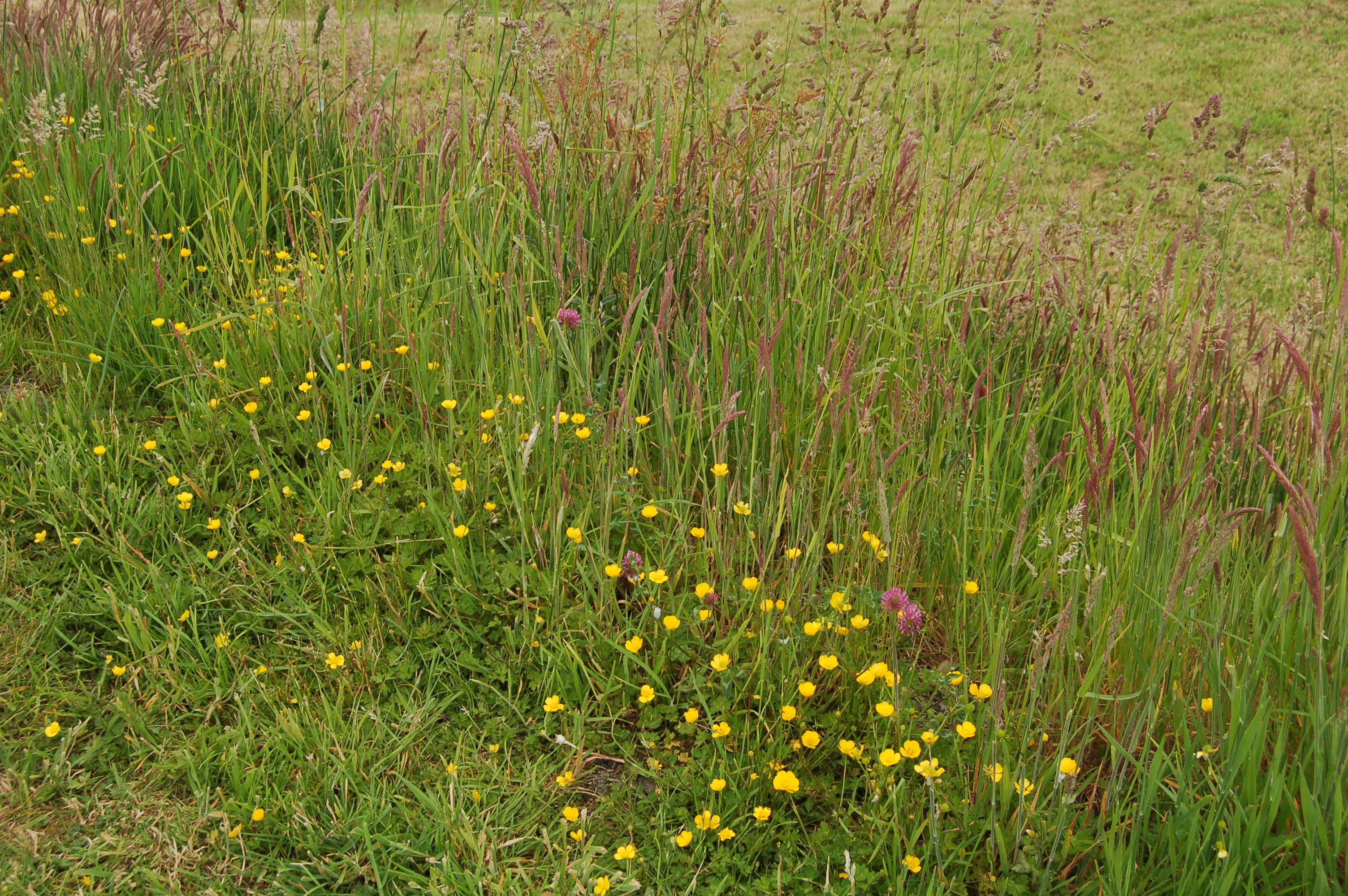
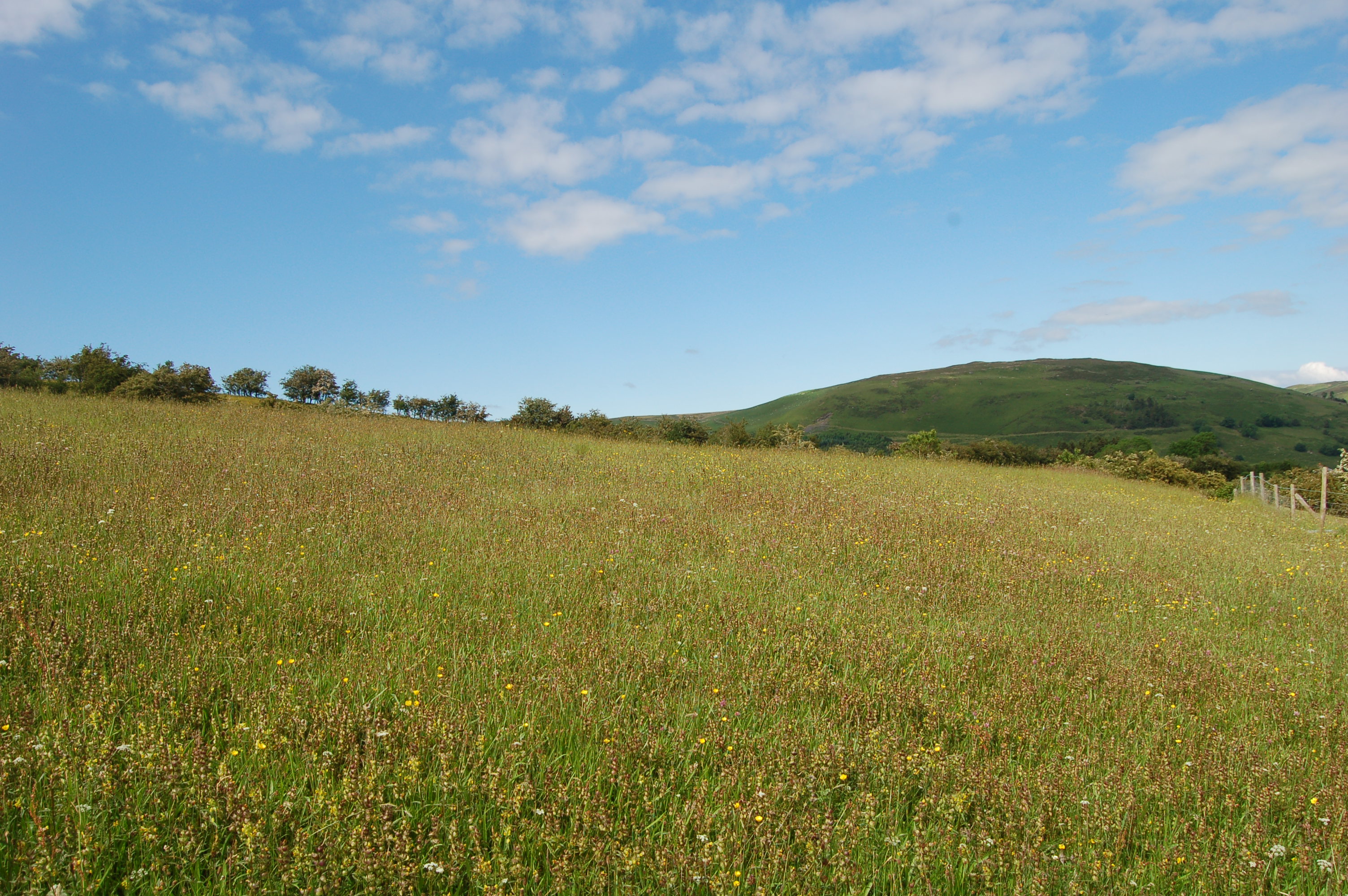
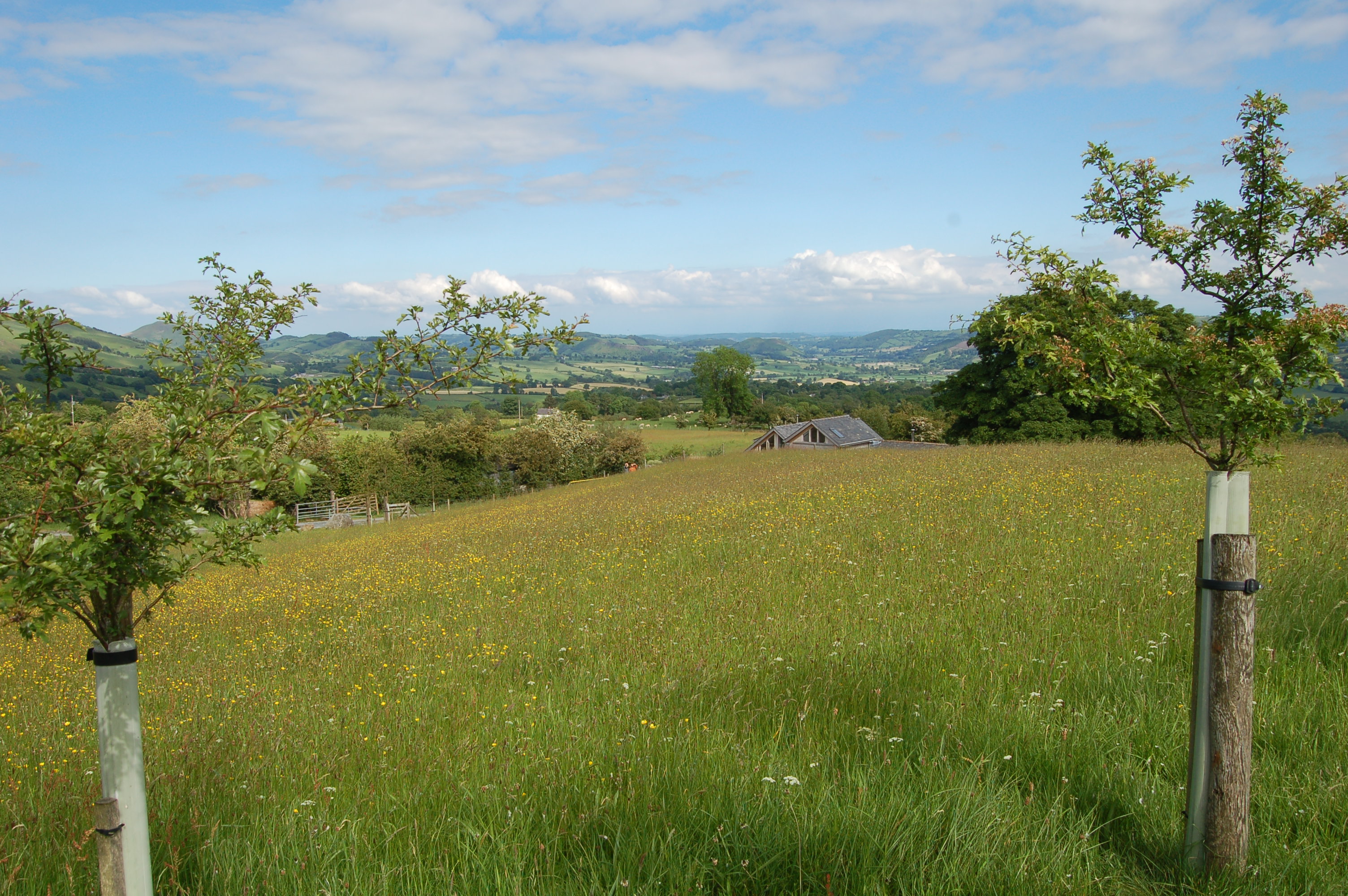
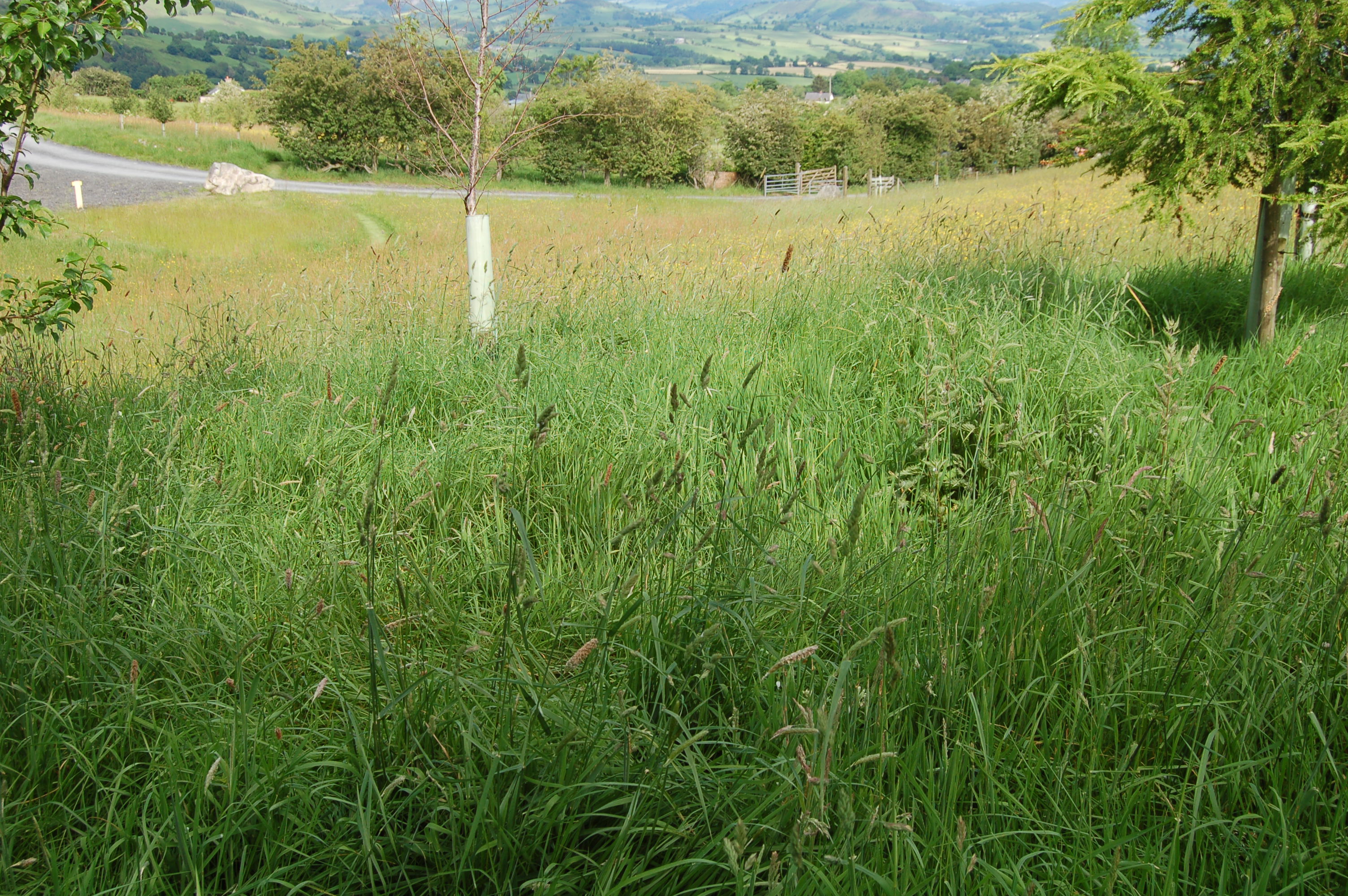
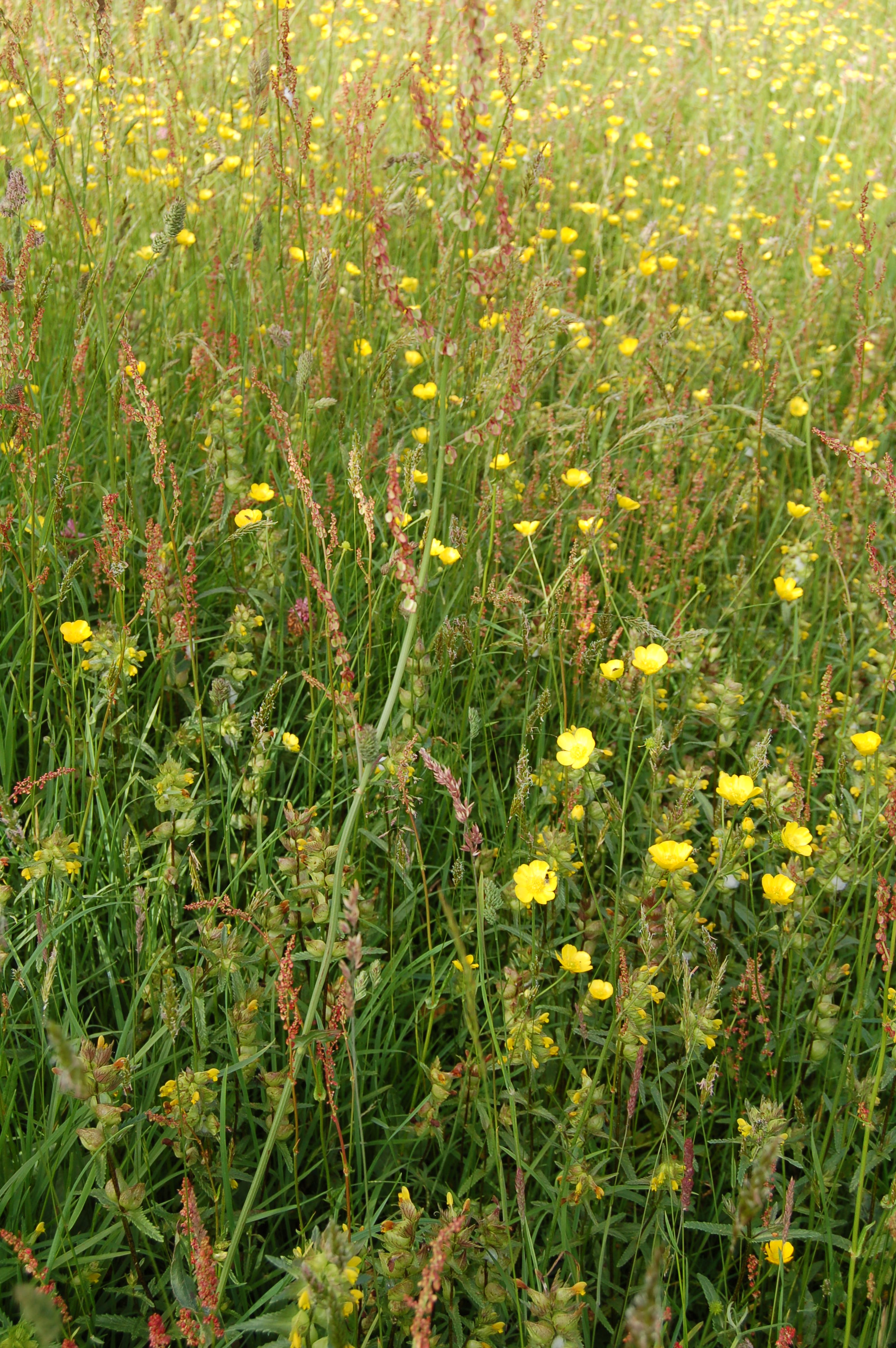
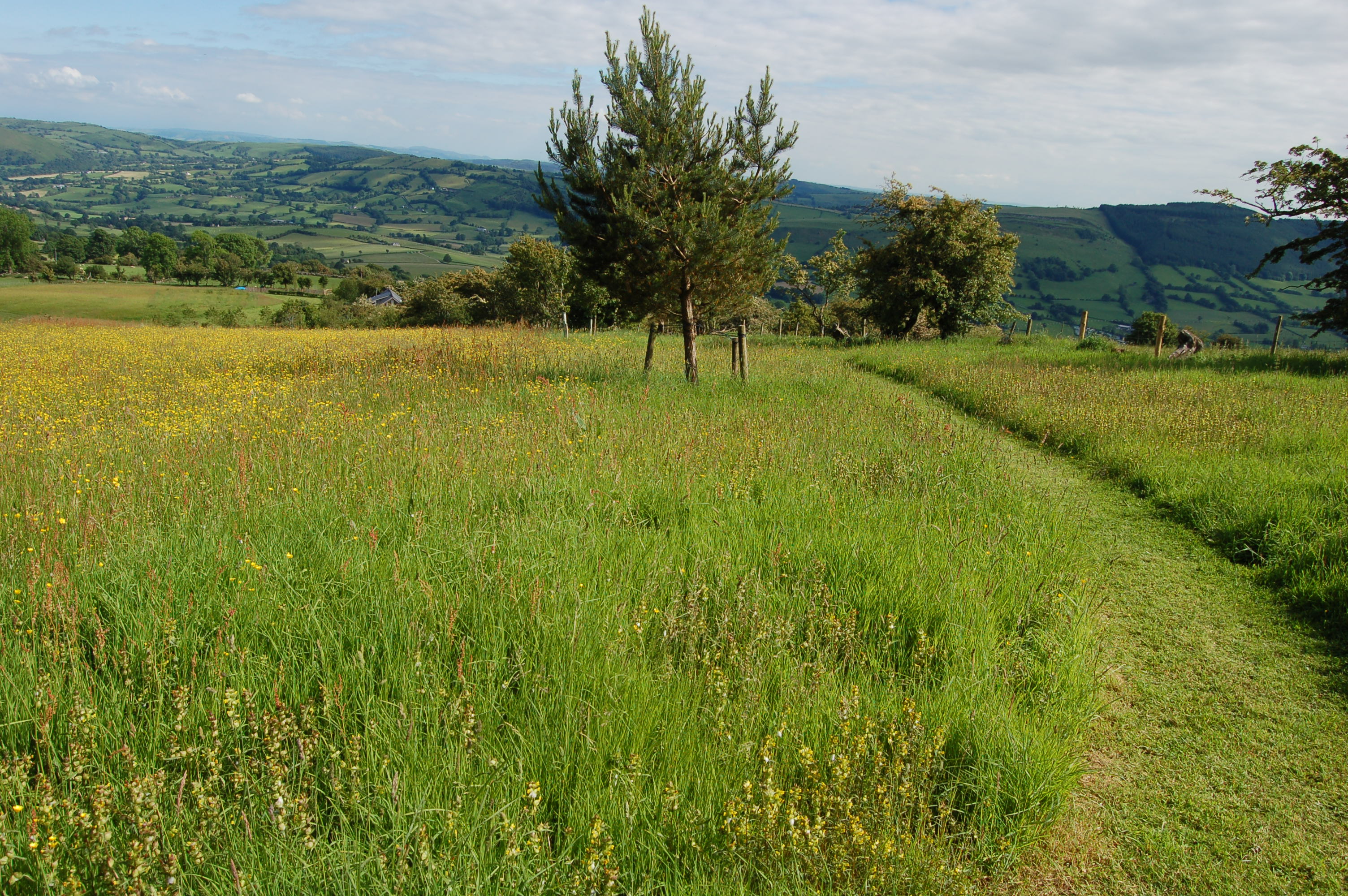
After a steep knee-aching walk across fields we realised we were getting close as the close cropped sheep pastures were replaced by recently planted flower meadows with neatly cut gently winding paths.
2014 06 14_0295 2014 06 14_0294 2014 06 14_0225 2014 06 14_0226

After walking the meadow edges we glimpsed the house ahead of us. From this distance it already looked tantalising.

2014 06 14_0227 2014 06 14_0228

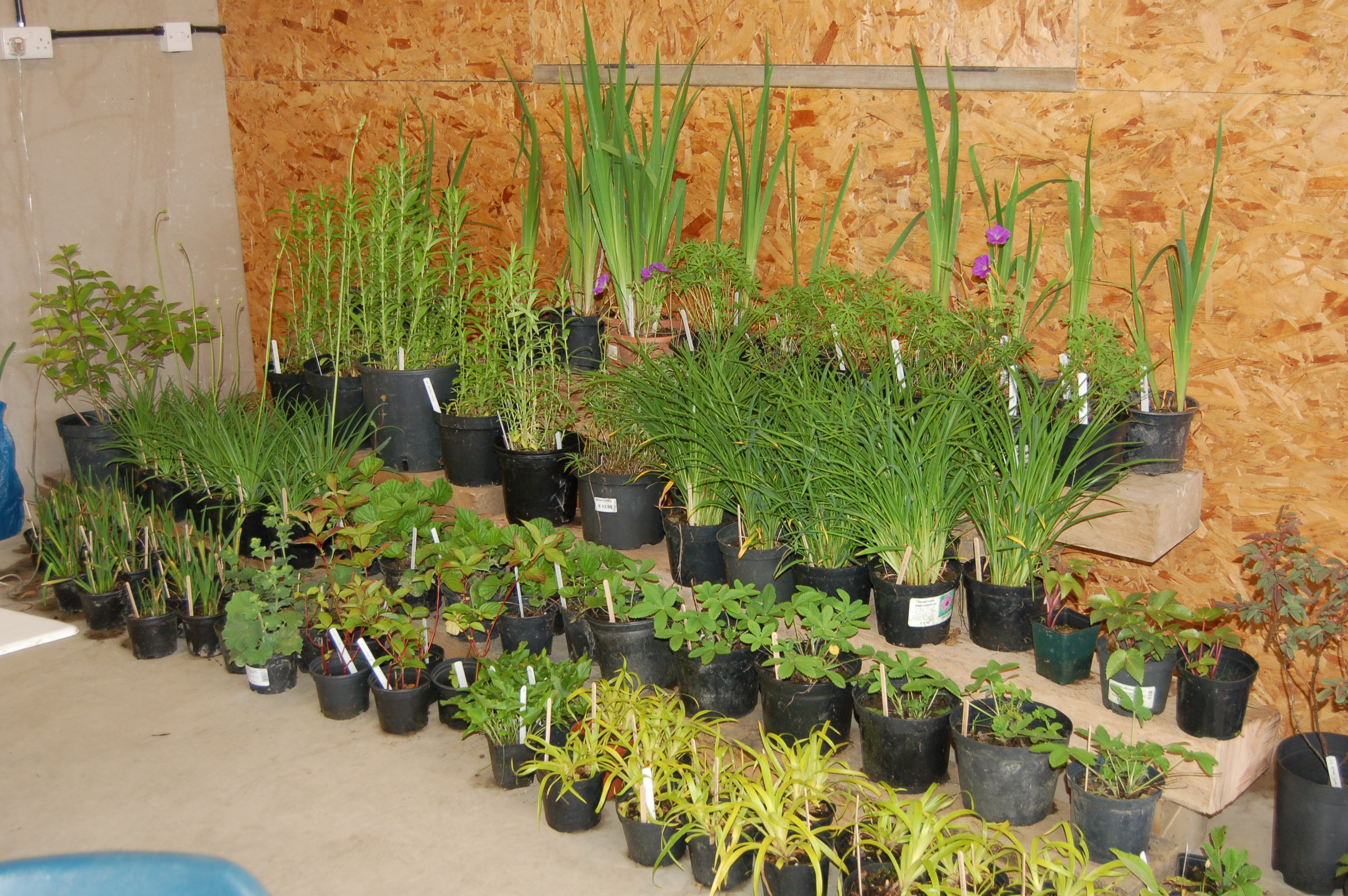
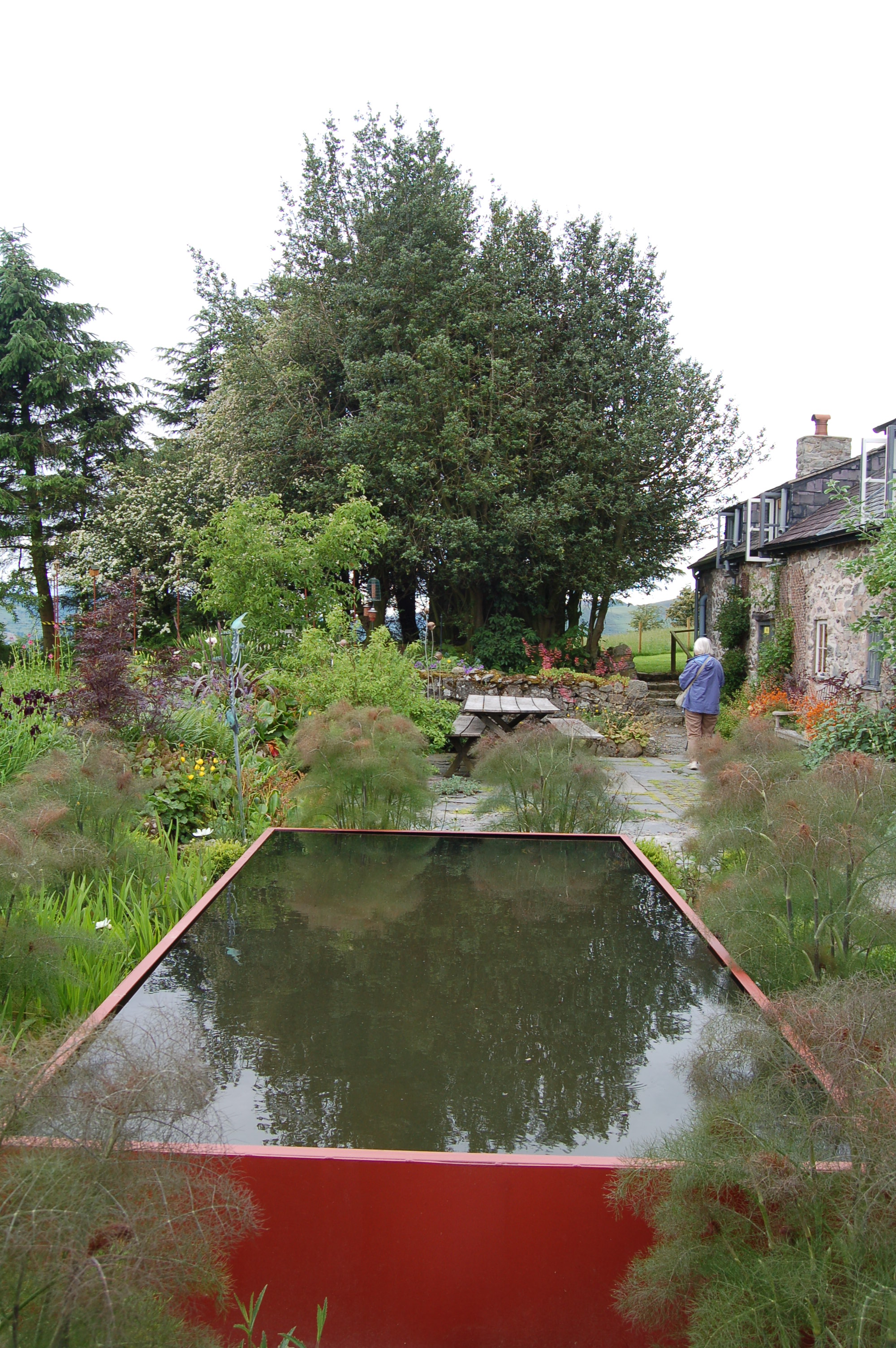
We found it to be a modernised and extended Welsh longhouse with its garden wrapped around it and just as well designed. Coffee and cake were enjoyed in an out building where plants from the garden were for sale. Only a few different plants but very well grown.

2014 06 14_0229 2014 06 14_0231 2014 06 14_0230

As we started to explore the garden it immediately became obvious that an artist was at work here. The planting with carefully selected combinations of texture and colour and scattered artifacts had the feel and look of the artist’s hand and eye at work.

2014 06 14_0235 2014 06 14_0236 2014 06 14_0237 2014 06 14_0238 2014 06 14_0239

2014 06 14_0240 2014 06 14_0241 2014 06 14_0242 2014 06 14_0243 2014 06 14_0244 2014 06 14_0245 2014 06 14_0246 2014 06 14_0247 2014 06 14_0248 2014 06 14_0249


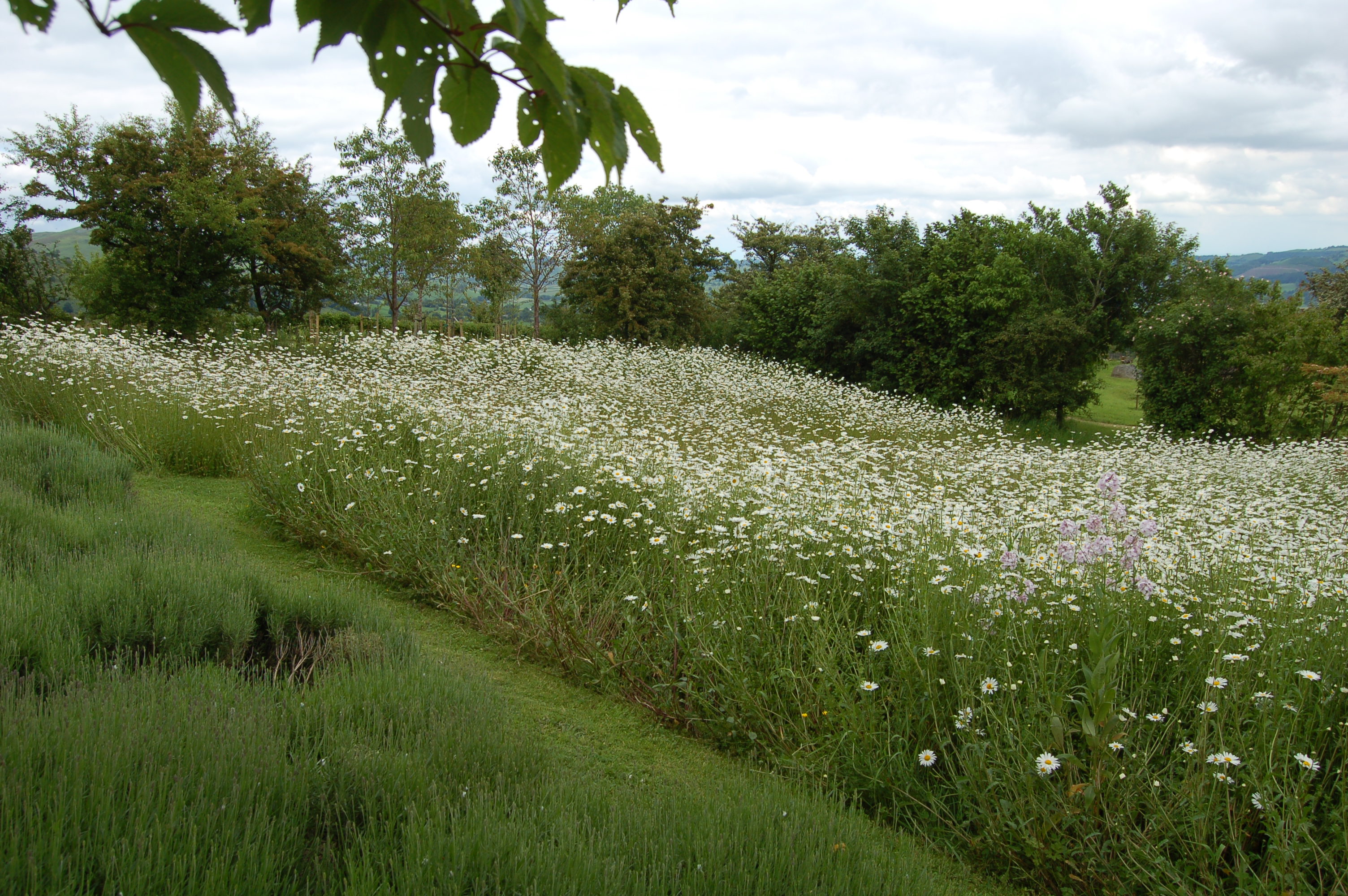
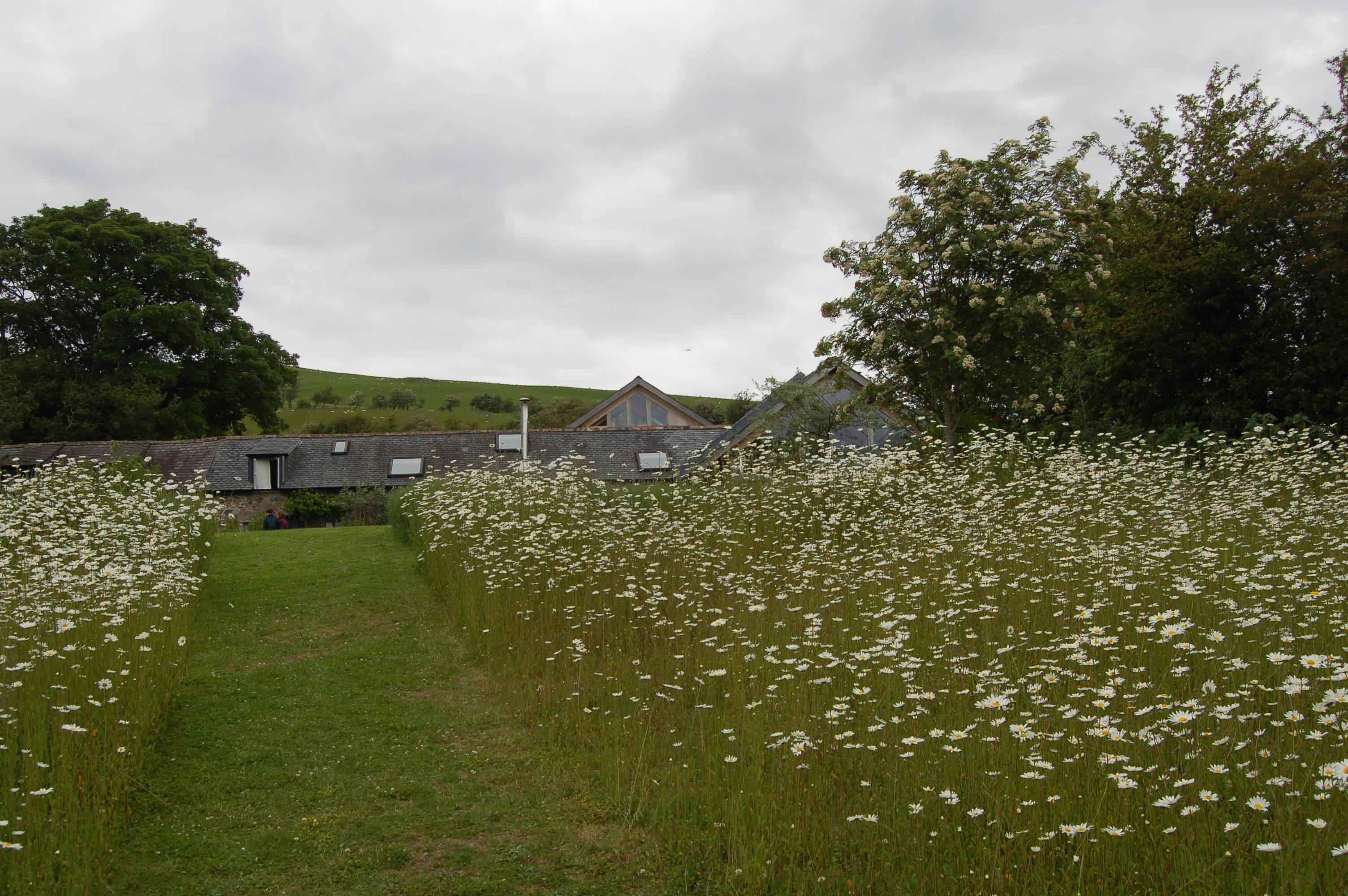
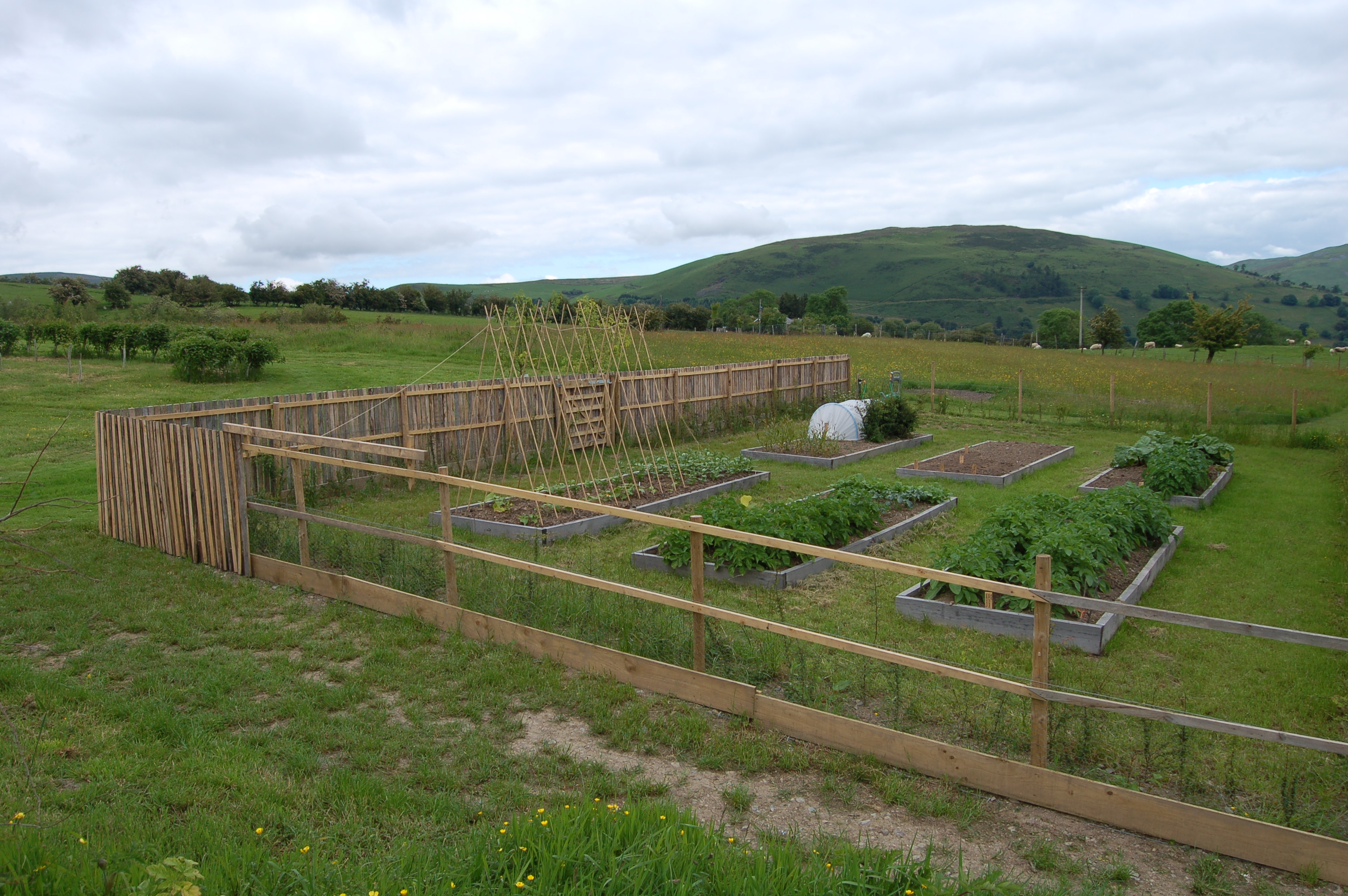
Moving further from the house, closely mown paths enticed us through meadows of white daisies to a curving bench of slate encircling a fire pit and on further to a small but neat productive patch.

2014 06 14_0250 2014 06 14_0251 2014 06 14_0252 2014 06 14_0253 2014 06 14_0254 2014 06 14_0256 2014 06 14_0257 2014 06 14_0258

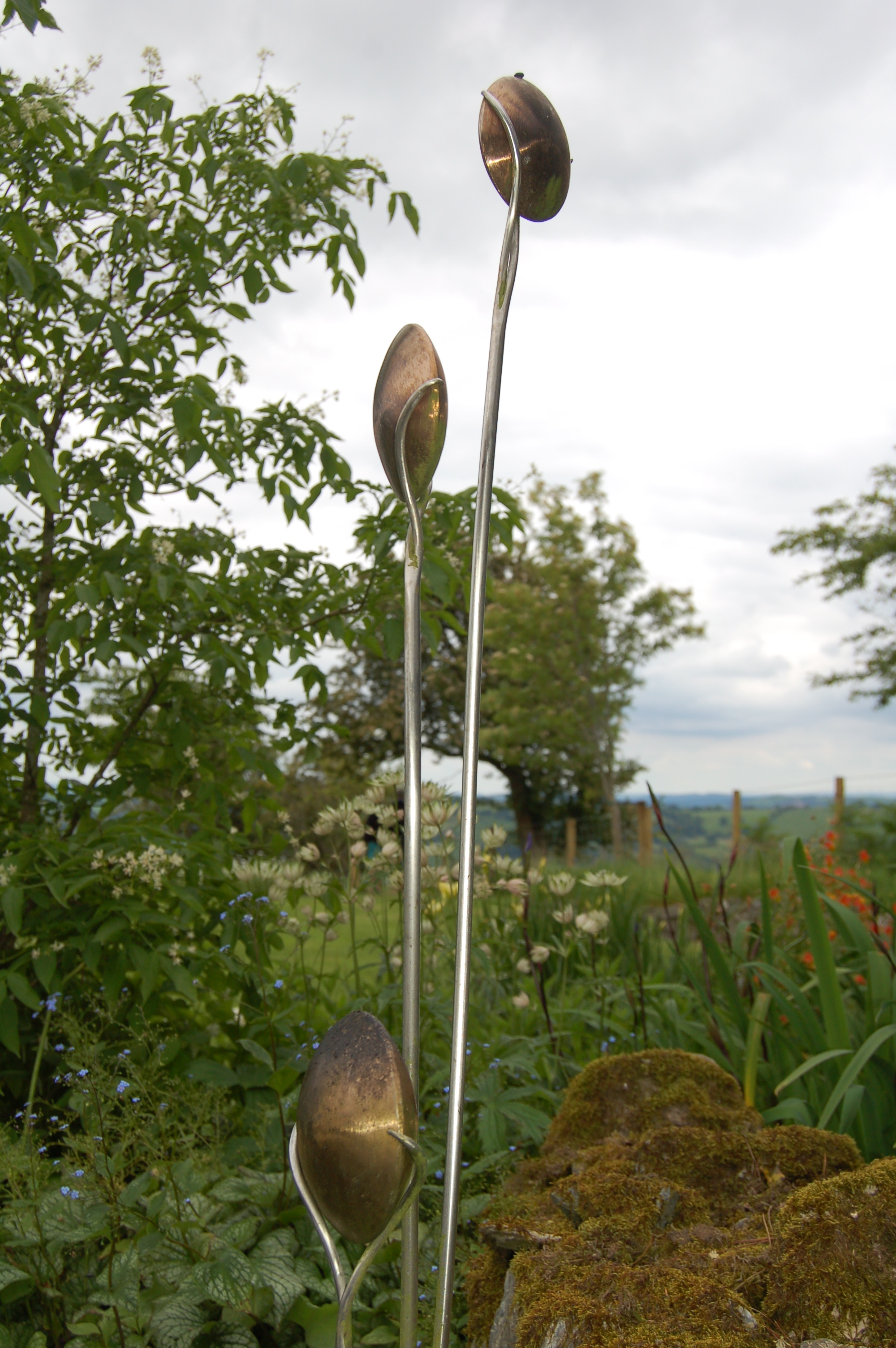
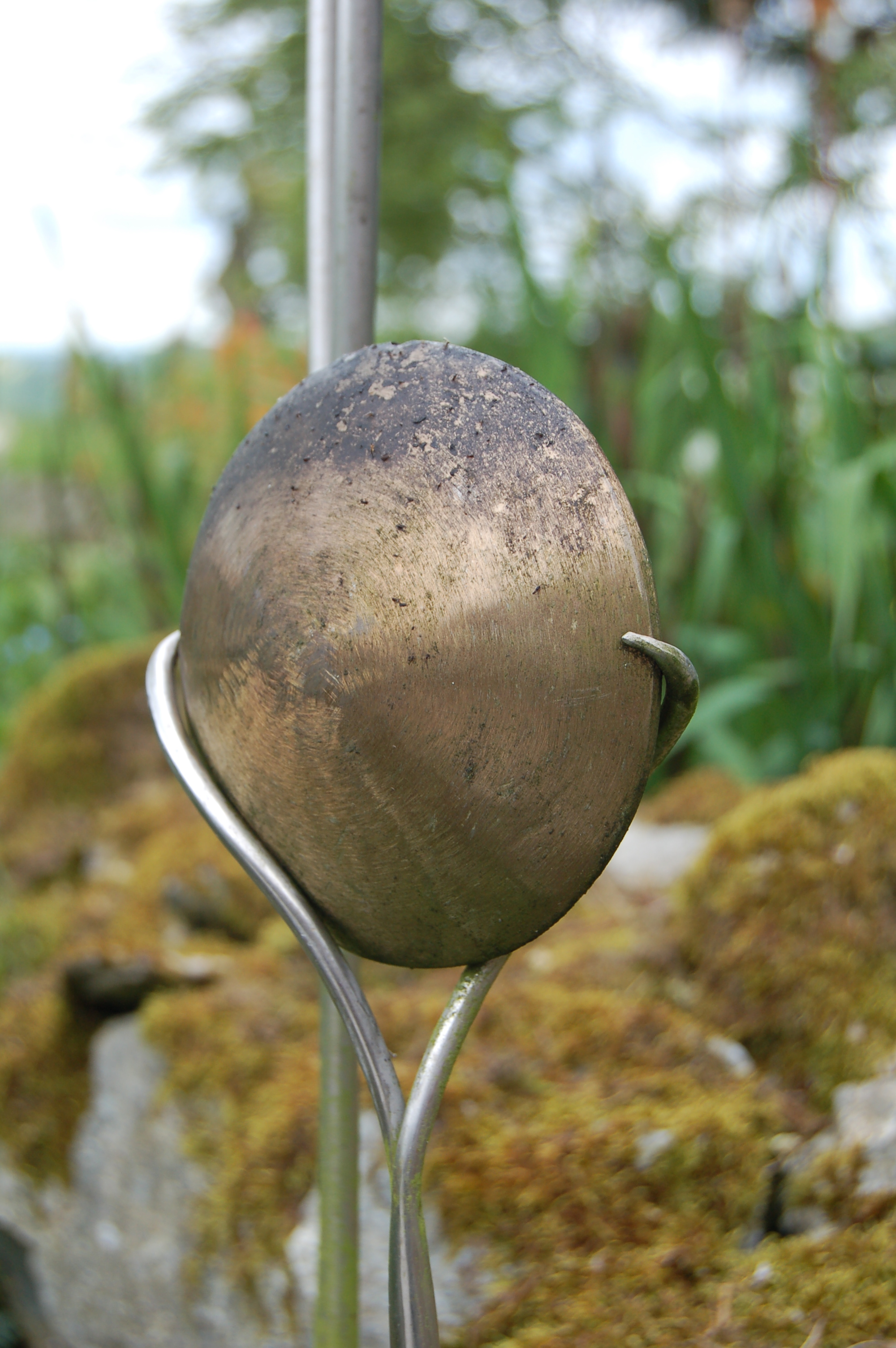
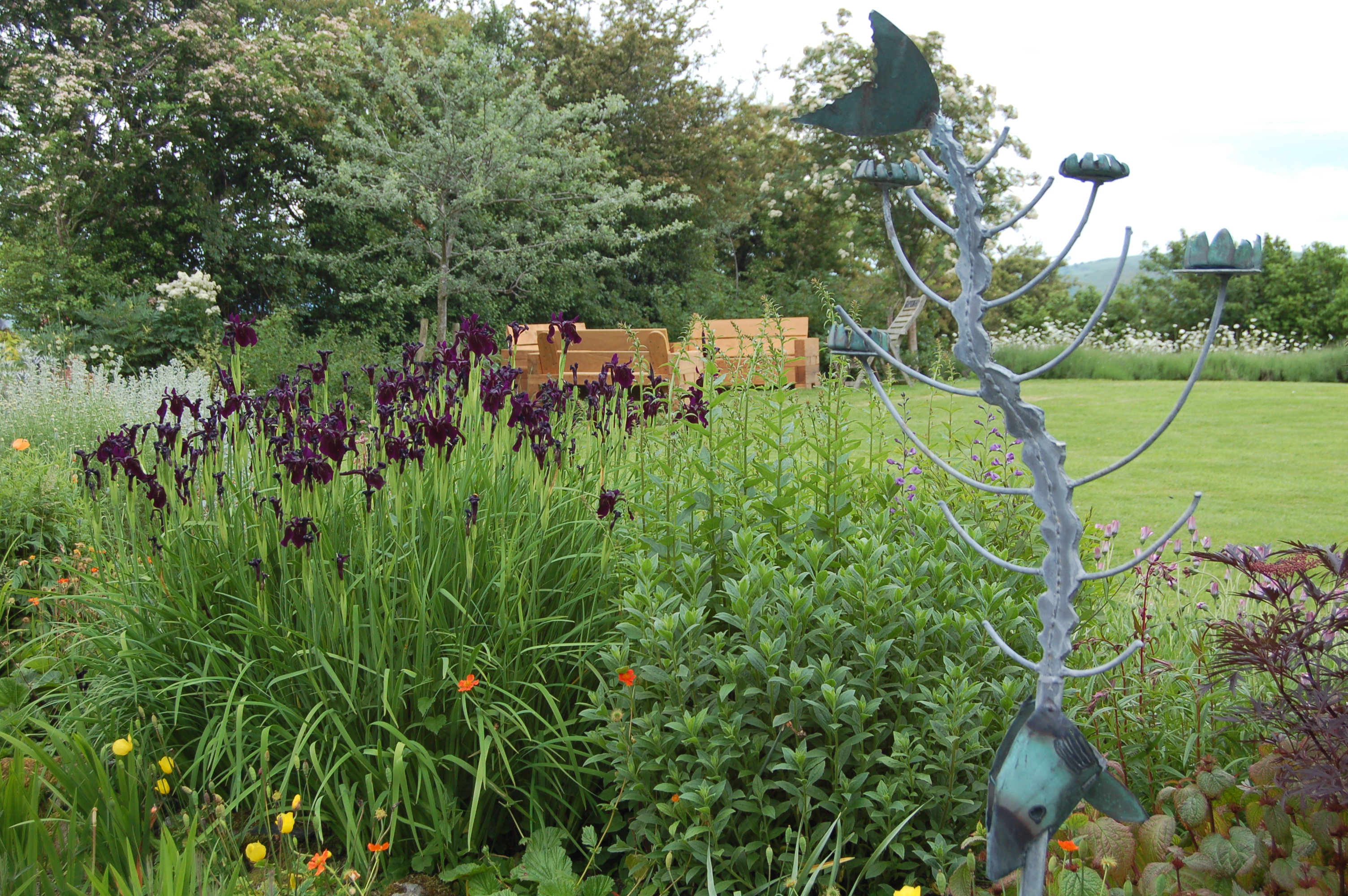
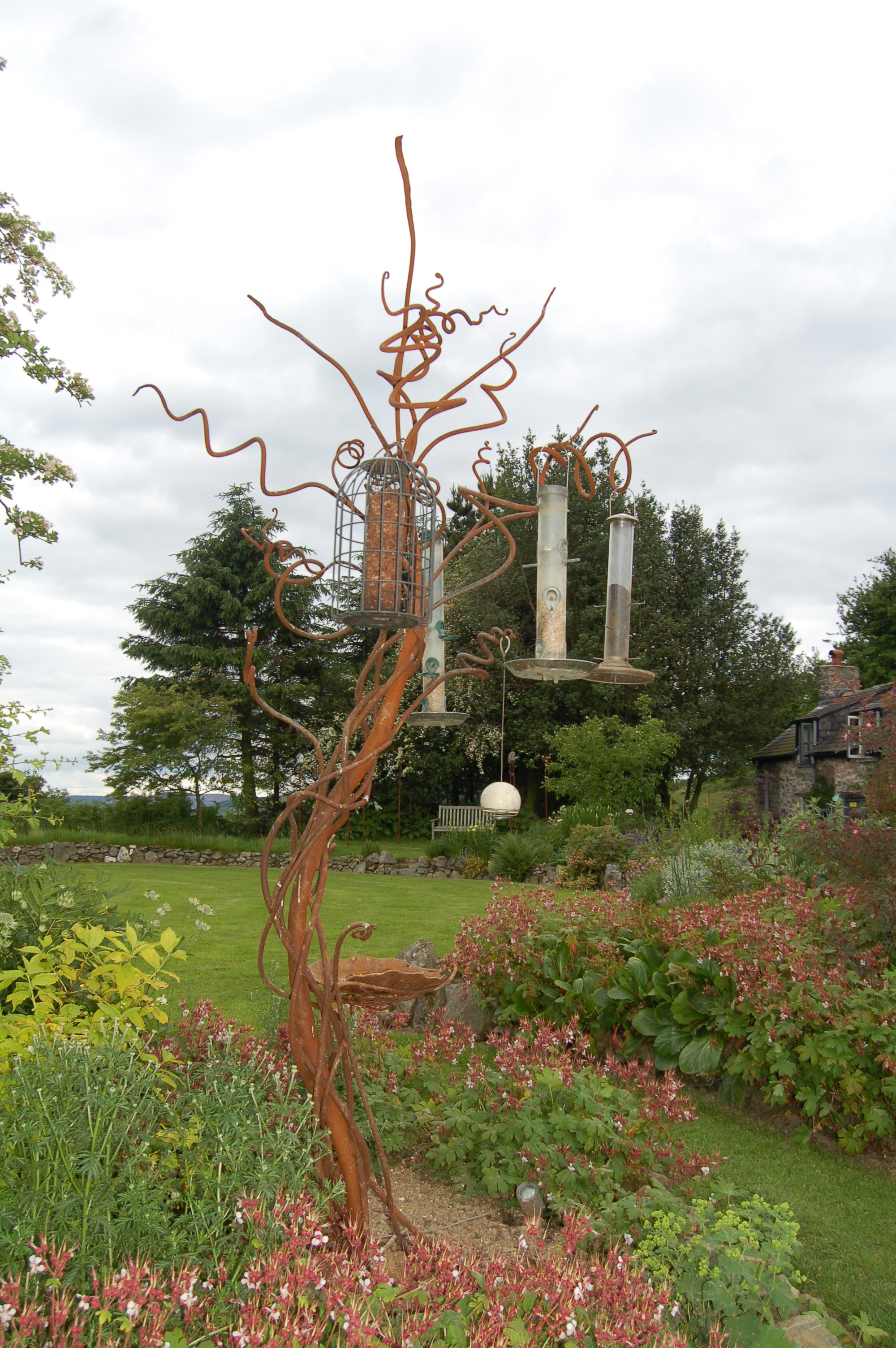
Moving back around winding paths towards a pool in the lower part of the garden we found more borders and this metal sculptural bird feeding station. Beyond every border were distant views of hillsides.

2014 06 14_0259 2014 06 14_0260 2014 06 14_0261 2014 06 14_0262 2014 06 14_0263 2014 06 14_0264

2014 06 14_0265 2014 06 14_0266

2014 06 14_0232 2014 06 14_0233

2014 06 14_0234

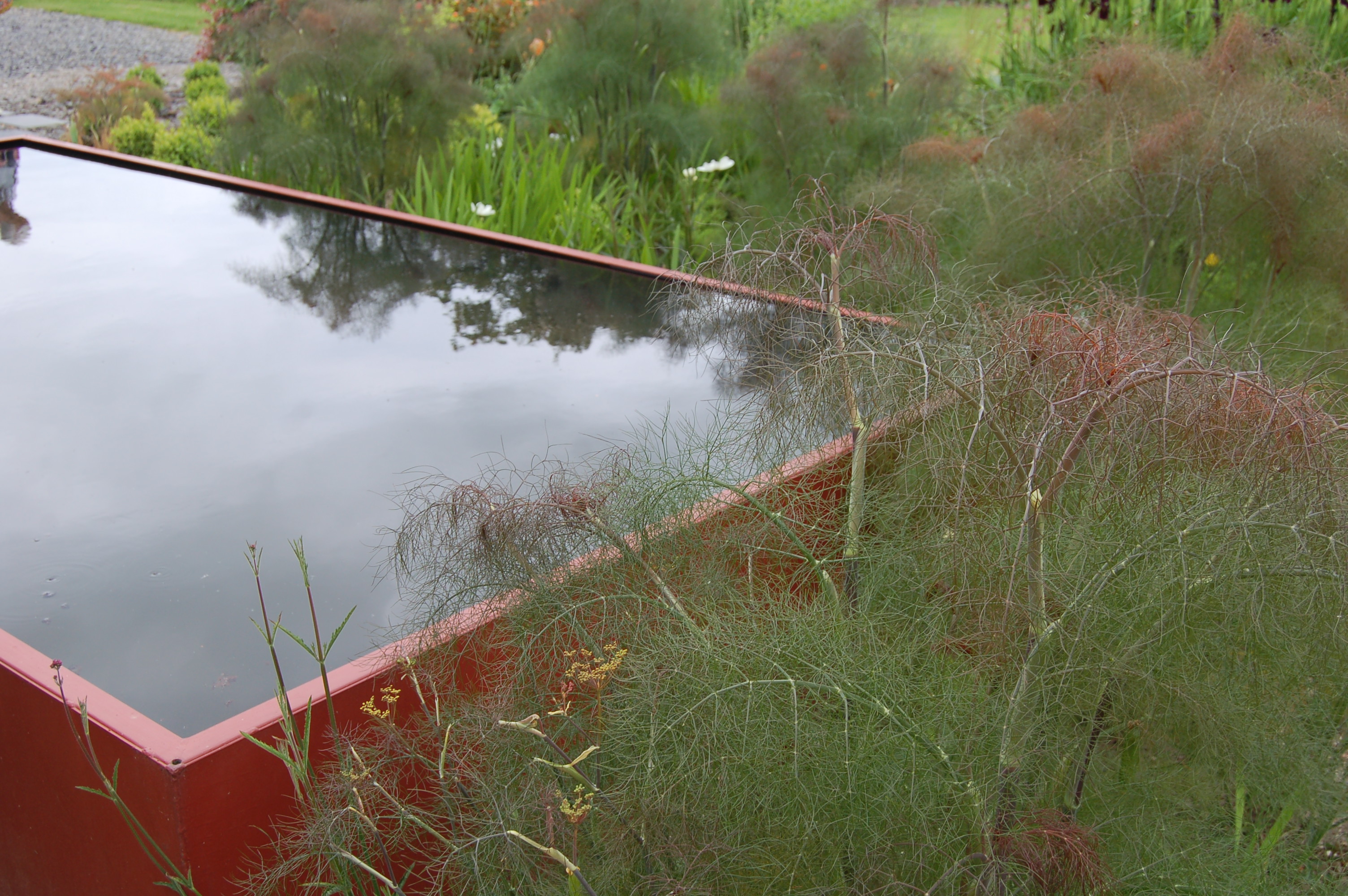
The pool and the stream garden running into it was a new venture and still in the early stages of development. We could see such possibility and vowed to return to see developments.

2014 06 14_0267 2014 06 14_0268

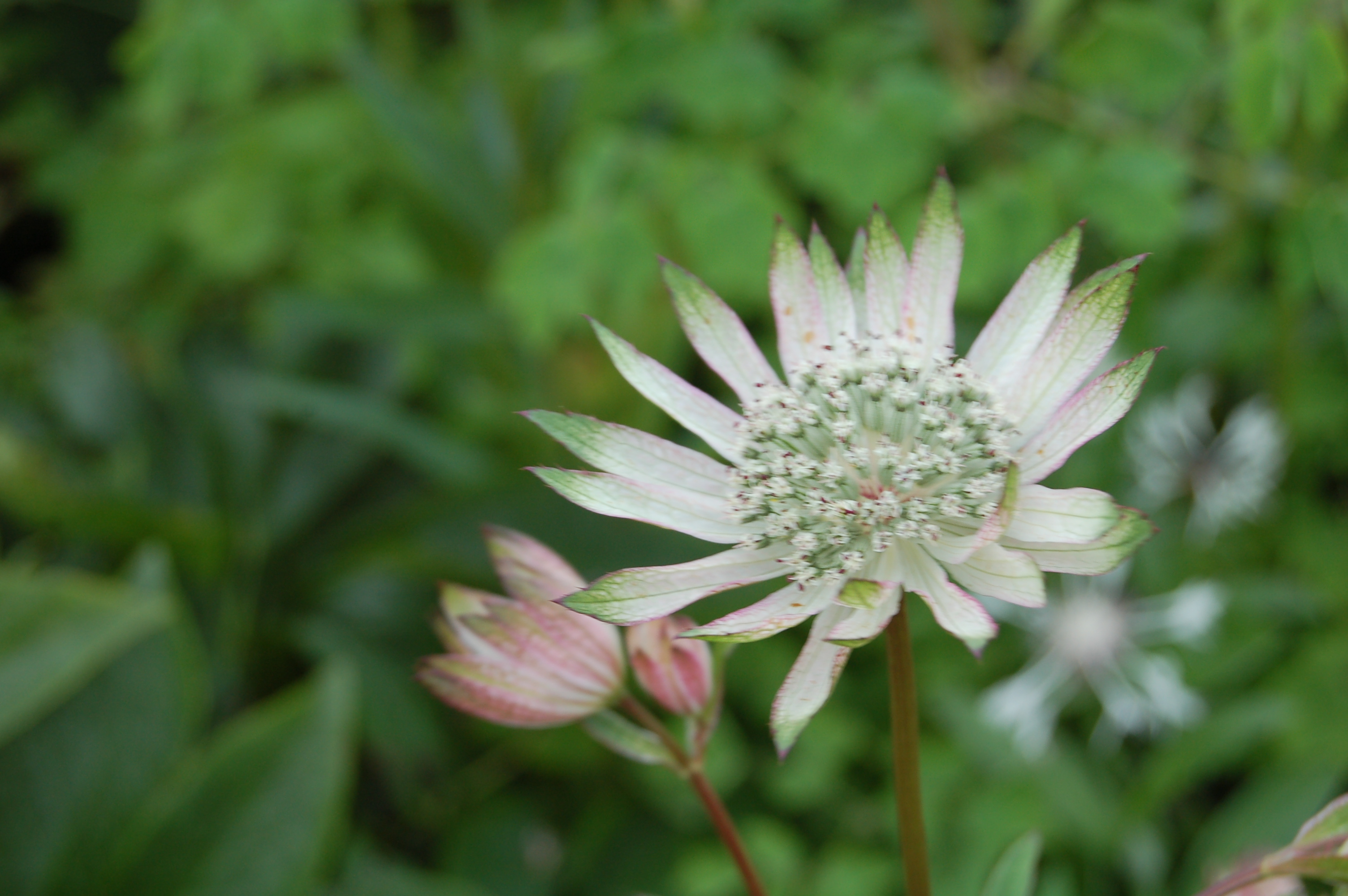
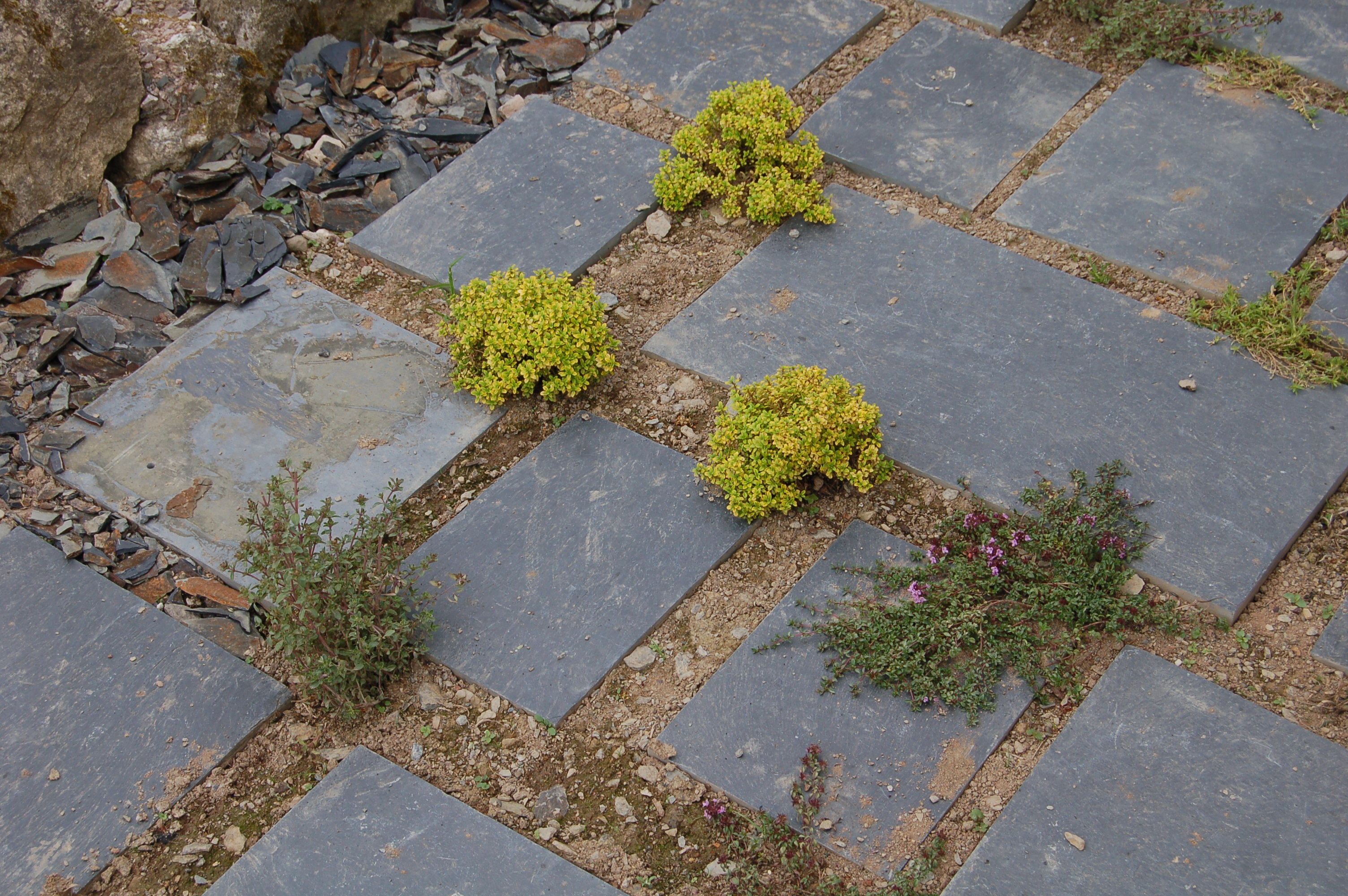
Slate paths through raised beds let us discover further interesting plant combinations. We were impressed in particular by the different Astrantias.

2014 06 14_0271 2014 06 14_0272 2014 06 14_0273 2014 06 14_0274

Gardens wrapped around the complex perimeter of the buildings and here more gentle plantings helped root the new building extensions into the land.

2014 06 14_0275 2014 06 14_0276 2014 06 14_0277 2014 06 14_0278 2014 06 14_0279 2014 06 14_0280

As we left the garden behind and anticipated the beauty of the meadows we noticed a green roof under which we must have been seated while enjoying our coffee and cakes. Wandering the close cut grass paths through the meadows was a very gentle way to finish off our visit to this developing garden. We looked forward to returning in the future.

2014 06 14_0281 2014 06 14_0283 2014 06 14_0284 2014 06 14_0285 2014 06 14_0286 2014 06 14_0288 2014 06 14_0289 2014 06 14_0290 2014 06 14_0291 2014 06 14_0292 2014 06 14_0293 2014 06 14_0295


Categories
community gardening garden buildings garden design garden ponds garden pools garden seating garden wildlife gardening gardens gardens open to the public Land Art log piles logs National Trust nature reserves outdoor sculpture The National Trust trees water in the garden wildlife woodland

An Interest Trail for Children – Dunham Massey

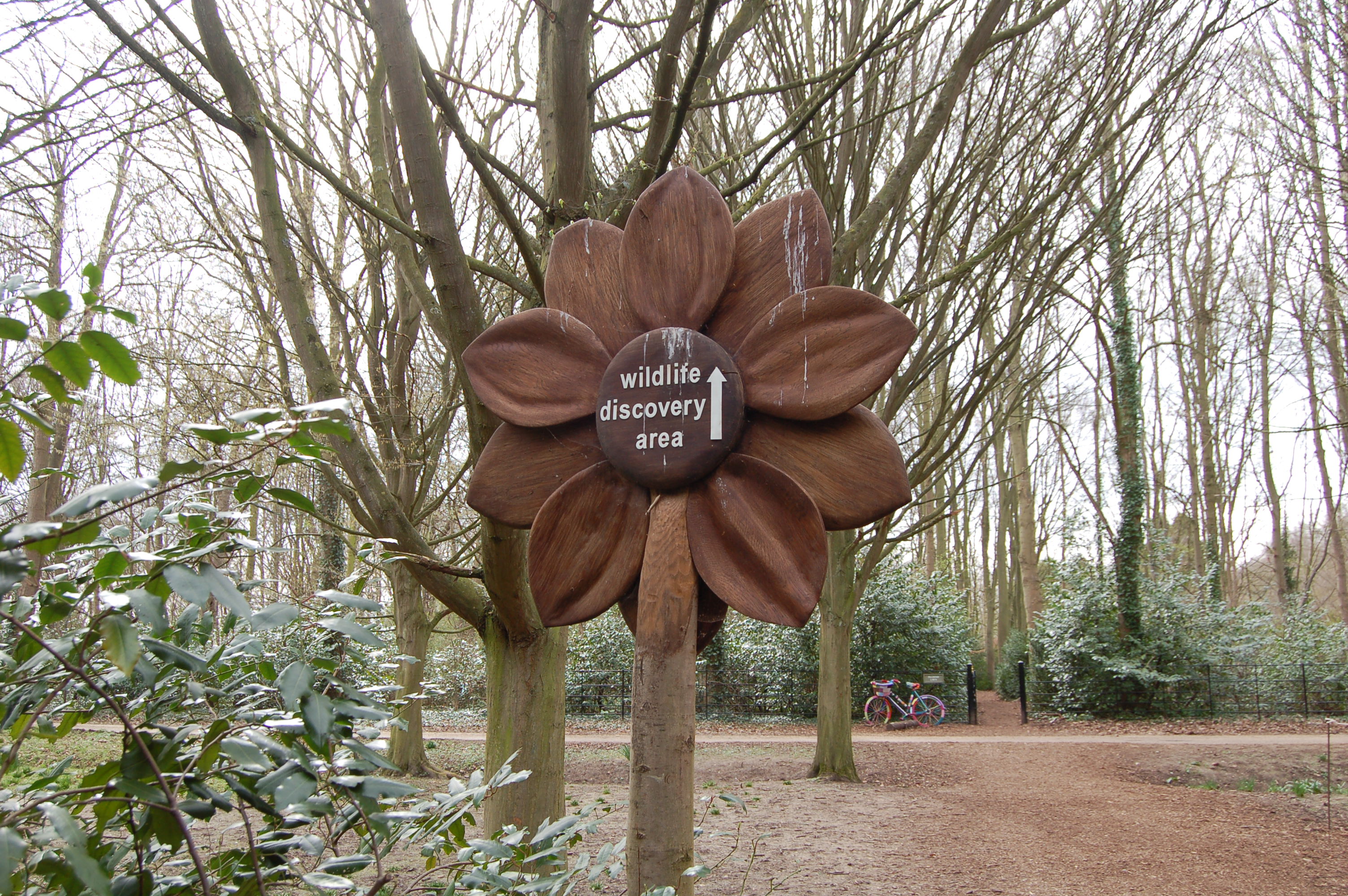
We have created an “Interest Trail” around our allotment community garden, and we see it performing two roles, firstly it guides all our visitors around the site taking in as big a variety of features as possible and secondly it performs as an activity trail for children. It has proved very popular. Whenever we come across a similar trail in large gardens or parks we always have a look to see how the idea has been executed. We visited the National Trust garden, Dunham Abbey, primarily to enjoy the Winter Garden but we discovered that since our last visit a few years ago a couple of the gardeners have created a children’s trail so we could not resist trying it out.

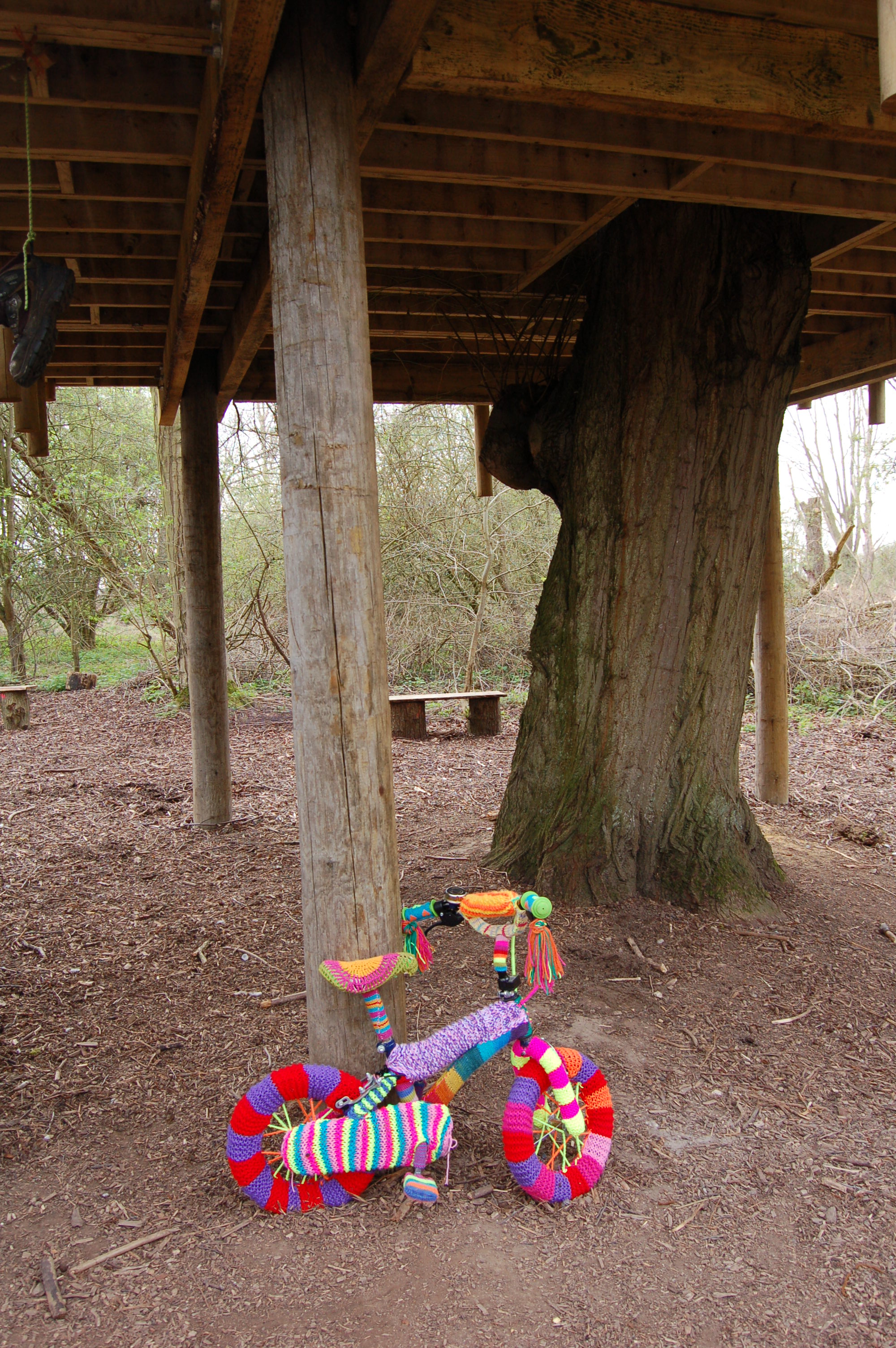
It was wonderful! Come with us and enjoy! We found the sign and below it one of the decorated bikes and then enjoyed a woodland wander before discovering the first of many fun and educational features designed for children.

2014 03 20_7428 2014 03 20_7429 2014 03 20_7430 2014 03 20_7431 2014 03 20_7432  2014 03 20_7434 2014 03 20_7435 2014 03 20_7436 2014 03 20_7437 2014 03 20_7438

2014 03 20_7433

2014 03 20_7439 2014 03 20_7440 2014 03 20_7441 2014 03 20_7442

2014 03 20_7444 2014 03 20_7445 2014 03 20_7446 2014 03 20_7447 2014 03 20_7448 2014 03 20_7449 2014 03 20_7450 2014 03 20_7451 2014 03 20_7452 2014 03 20_7453 2014 03 20_7454 2014 03 20_7455 2014 03 20_7456 2014 03 20_7457

2014 03 20_7458 2014 03 20_7459 2014 03 20_7460 2014 03 20_7461 2014 03 20_7462 2014 03 20_7463 2014 03 20_7464 2014 03 20_7465 2014 03 20_7466 2014 03 20_7467 2014 03 20_7468 2014 03 20_7469 2014 03 20_7470 2014 03 20_7471 2014 03 20_7472 2014 03 20_7475 2014 03 20_7477 2014 03 20_7474 2014 03 20_7478


Any child who is brought here is very lucky indeed! At our allotment we also have features and arrange activities for the children and grandchildren of our members and their friends so we left with many new ideas.

Categories
landscapes light quality log piles logs

Take Two

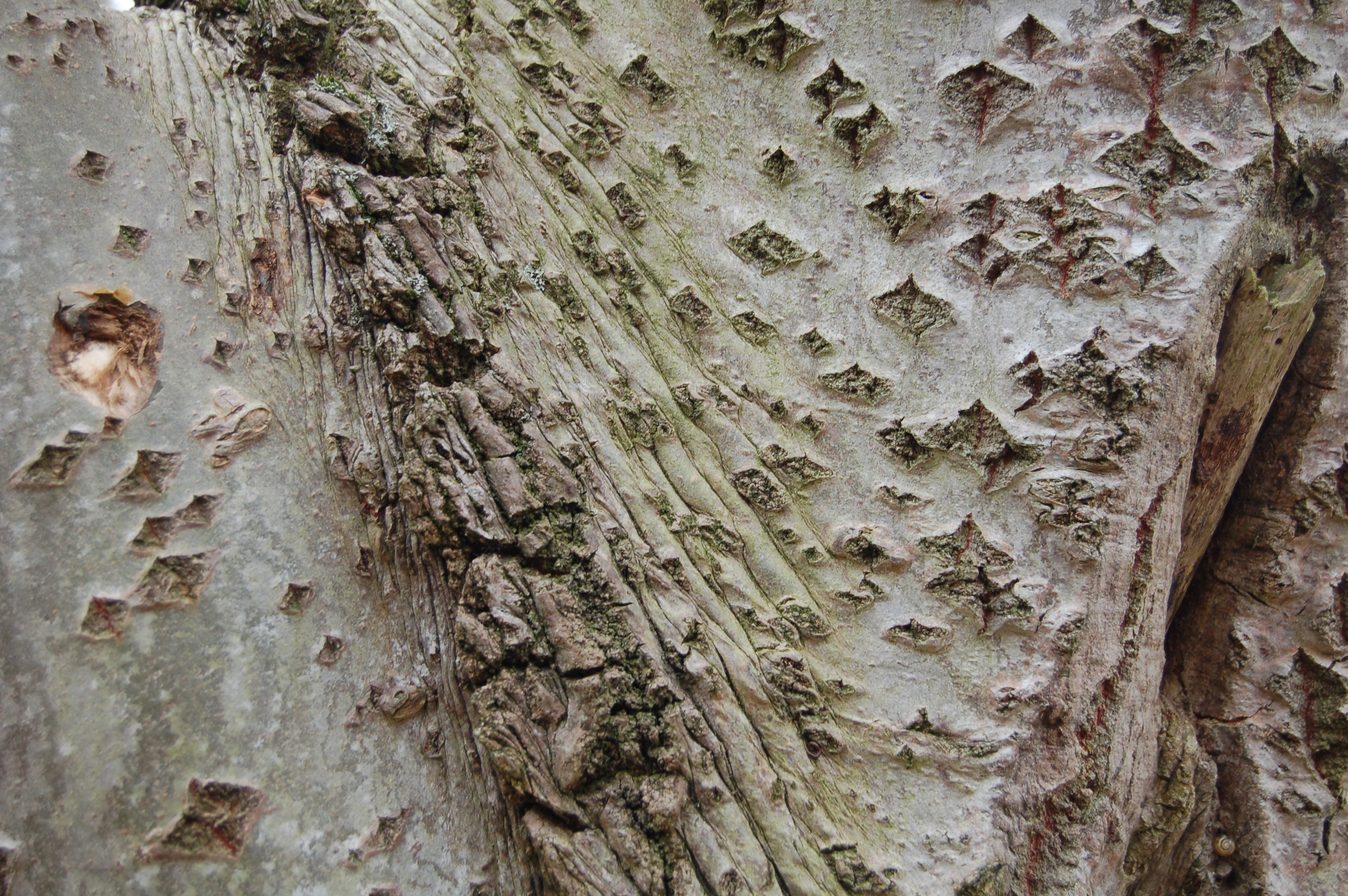
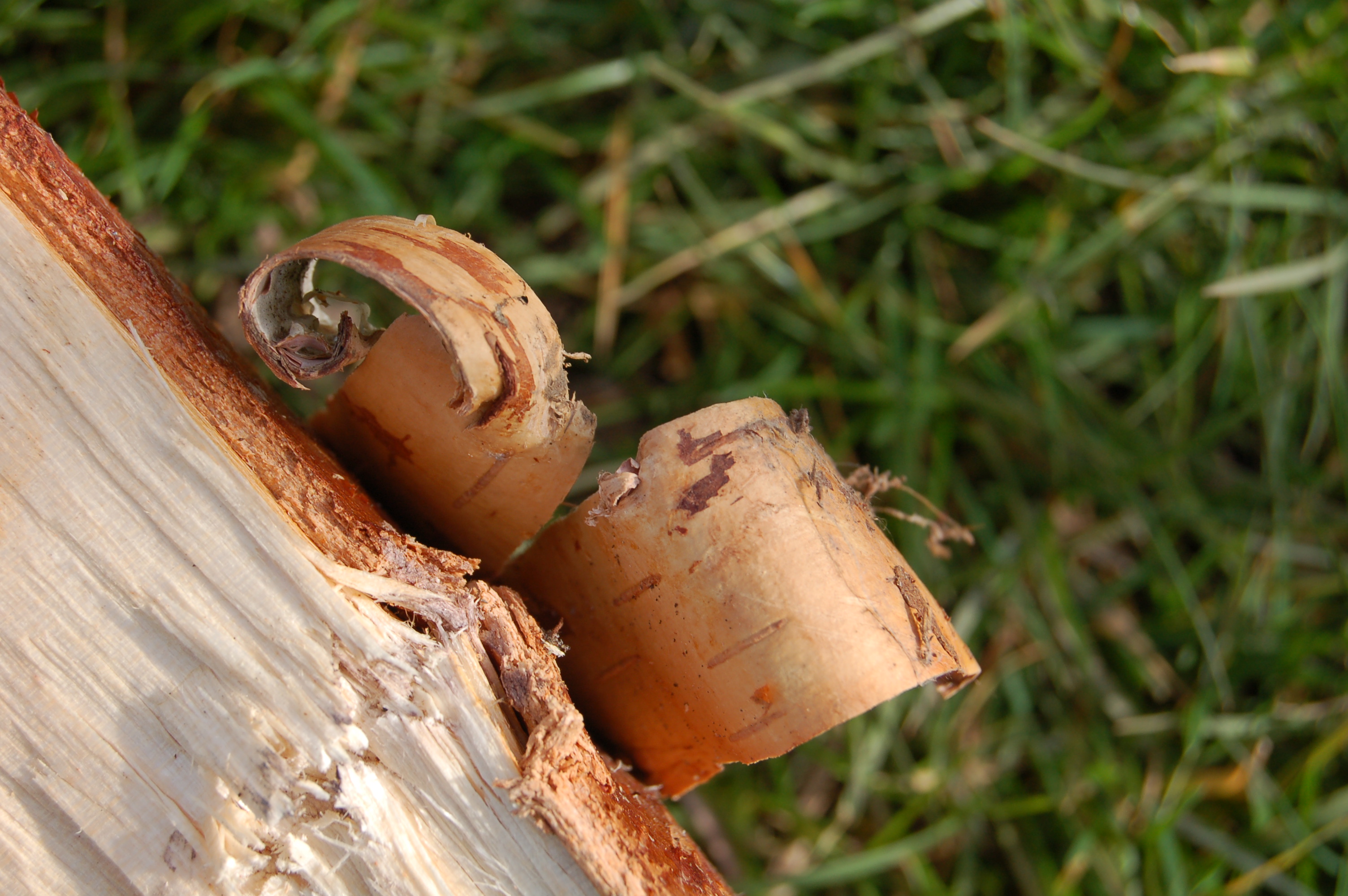
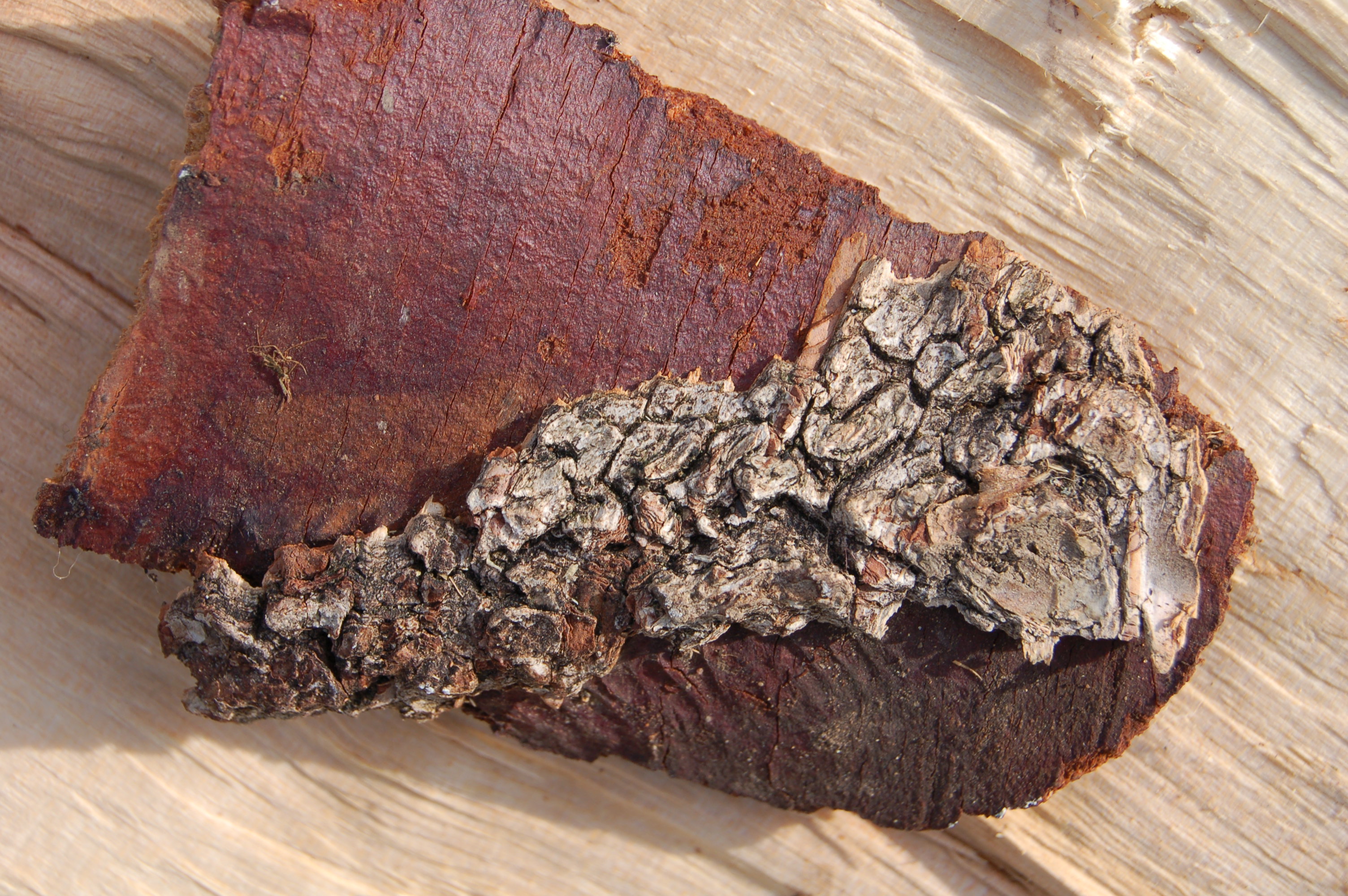
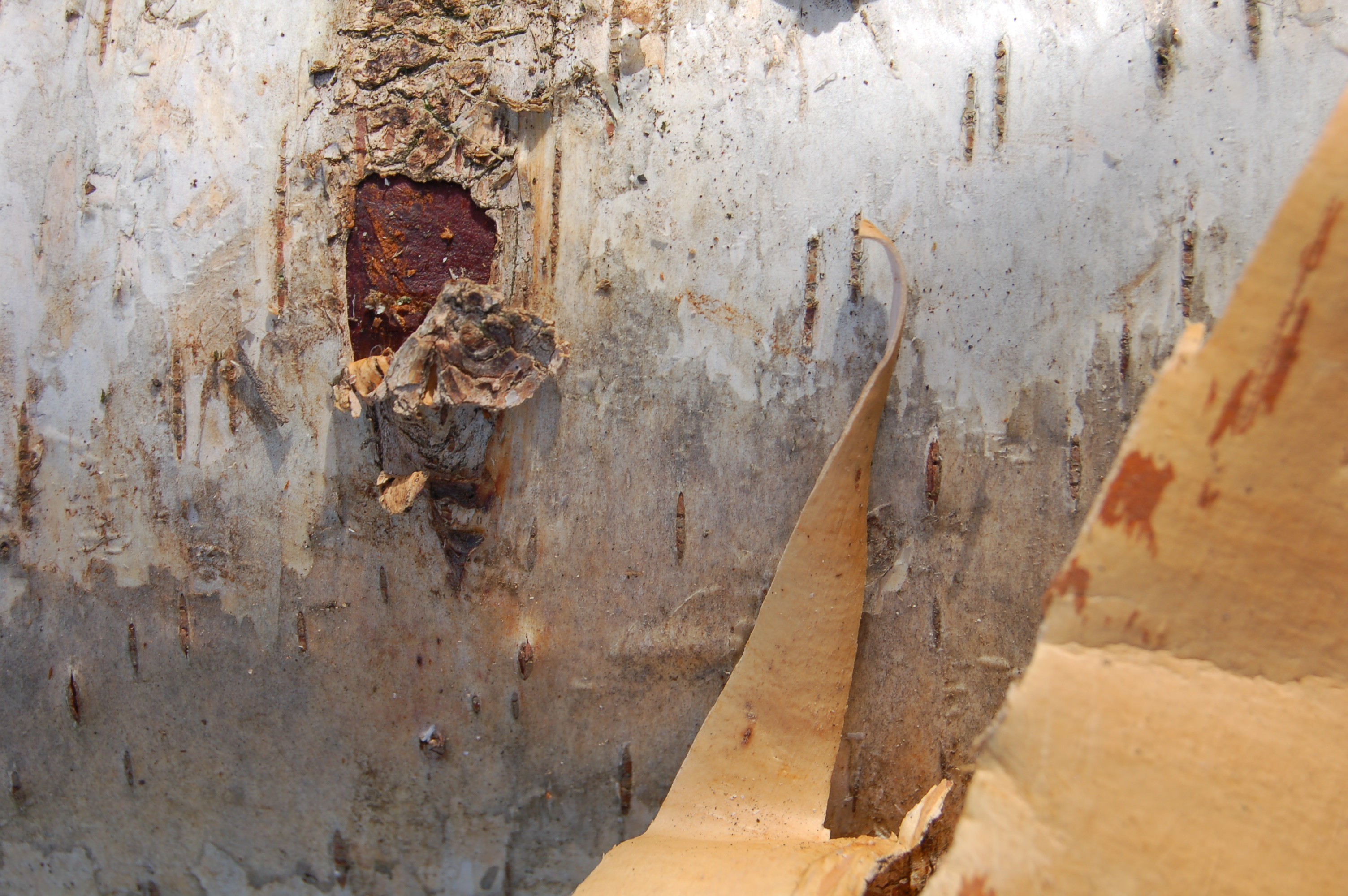
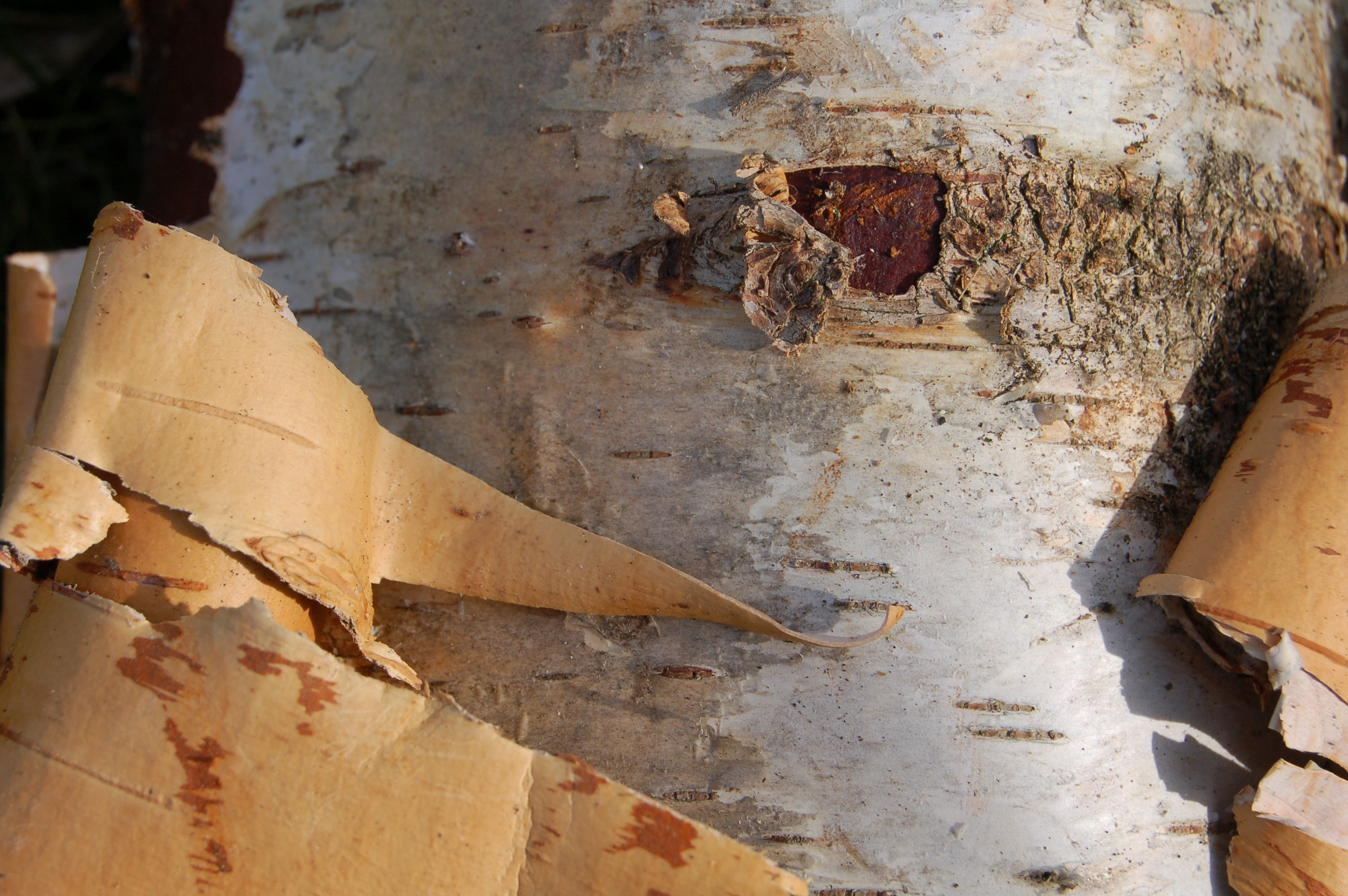
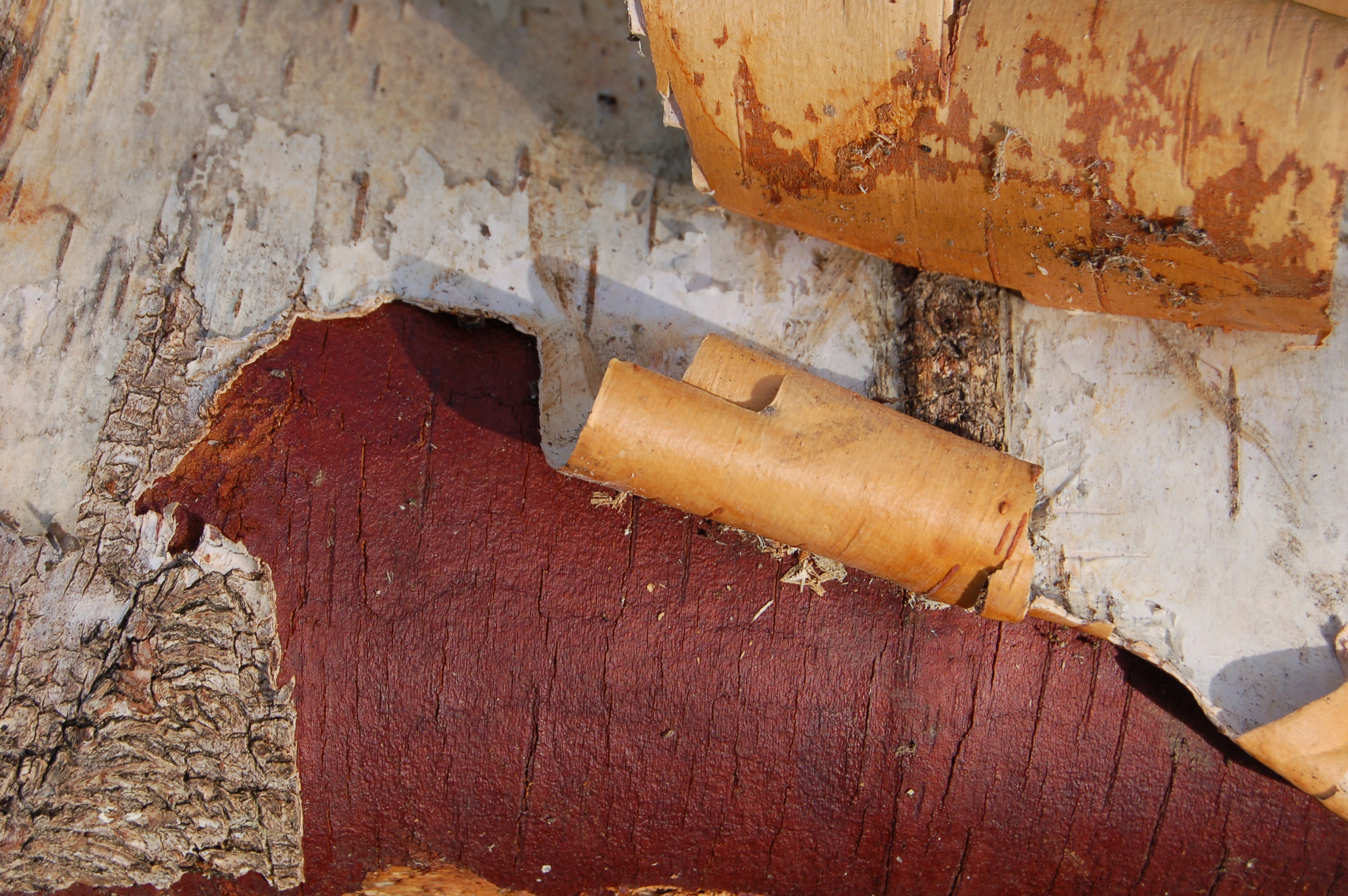
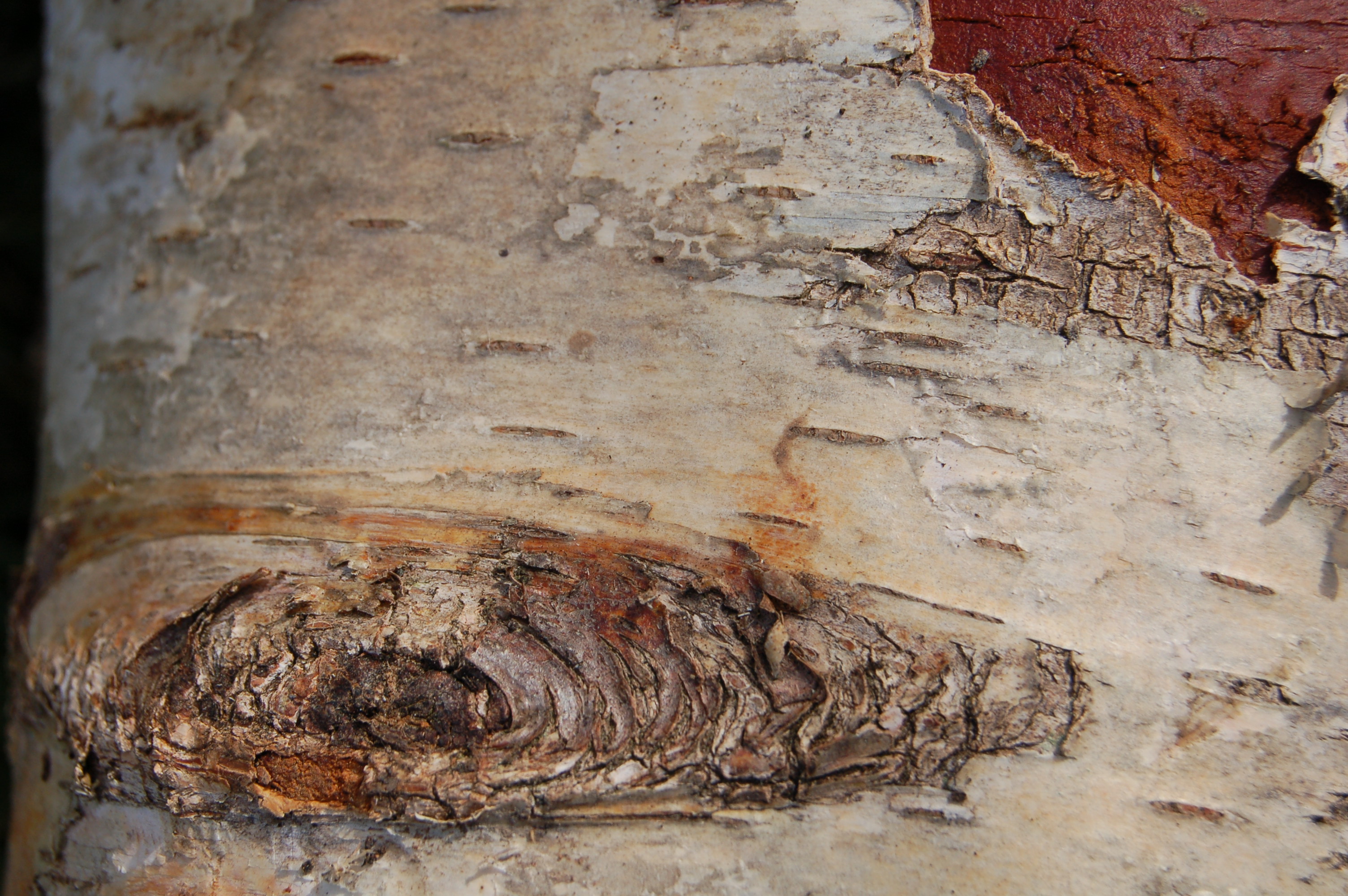
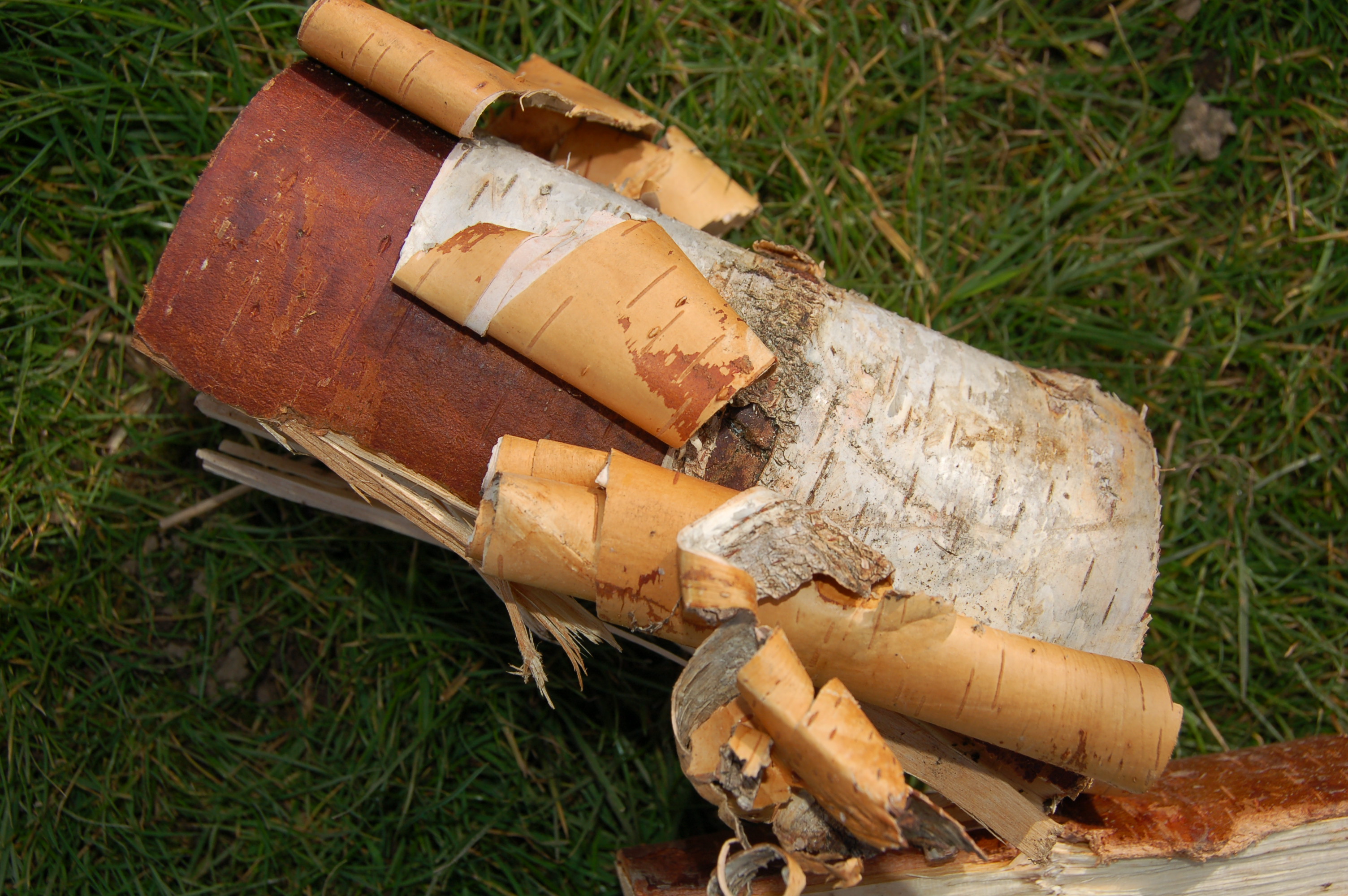
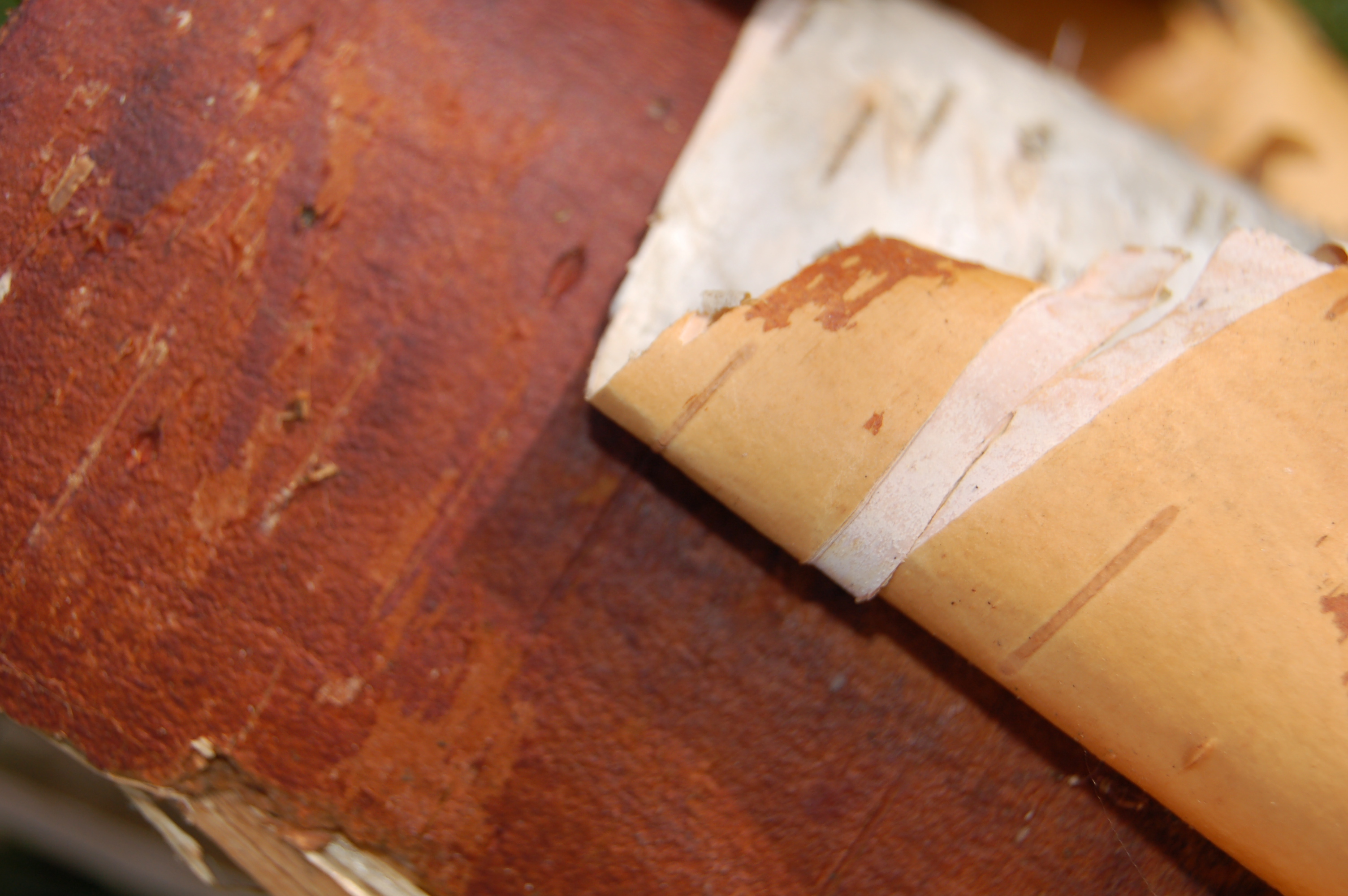
Recently I published a post about one tree, today I follow up with a post about two logs. Of course they are from Silver Birch trees, my favourite trees. When we have our log supply for the winter delivered the birch logs always look so colourful and full of textures. These two started getting more colourful and as the bark dried and peeled the textures got more interesting.

So I popped them down on the back lawn and took these shots. Please enjoy! You just have to like the curly bits! Look closely and you will find landscapes in miniature brought out by the bright sunlight.

2014 03 14_7104 2014 03 14_7105 2014 03 14_7106 2014 03 14_7107 2014 03 14_7108 2014 03 14_7109 2014 03 14_7110 2014 03 14_7112 2014 03 14_7113 2014 03 14_7111 2014 03 14_7114 2014 03 14_7115 2014 03 14_7116 2014 03 14_7117 2014 03 14_7118 2014 03 14_7119 2014 03 14_7120 2014 03 14_7121

Categories
garden wildlife gardening gardens log piles natural pest control recycling wise watering

A bit of work on our shade border.

Today we spent a few hours improving the moisture content in the soil in our “Shade Border”. This is the only fully shaded part of our garden so it where we can grow plants that would not appreciate the brightness or warmth of the other sunnier borders. Here we have several Meconopsis Poppies in blue, white and cream, several varieties of Corydalis, some ferns and anemones. The first flowers appear on our  Pulmonarias in blue, pink, red and white soon followed by the tiny blue flowers of Brunnera and the whites and pinks of the uniquely shaped Dicentras. The beautifully cut lace like foliage of various Corydalis provide a perfect foil for their nodding little flowers. These all flower when the deciduous shrubs along the fence are still skeletal. Once the leaves give extra shade overhead the Ferns, Anemones and my favourite nettle the Giant Red Deadnettle, Lamium orvala.

Our worry is that in periods of dry weather the bed gets too dry for these plants and they begin to suffer. We decided the only answer was to use seep hose. It took just an hour to perform this important task which we hope will make these shade-loving plants much happier in the warmer summer months.

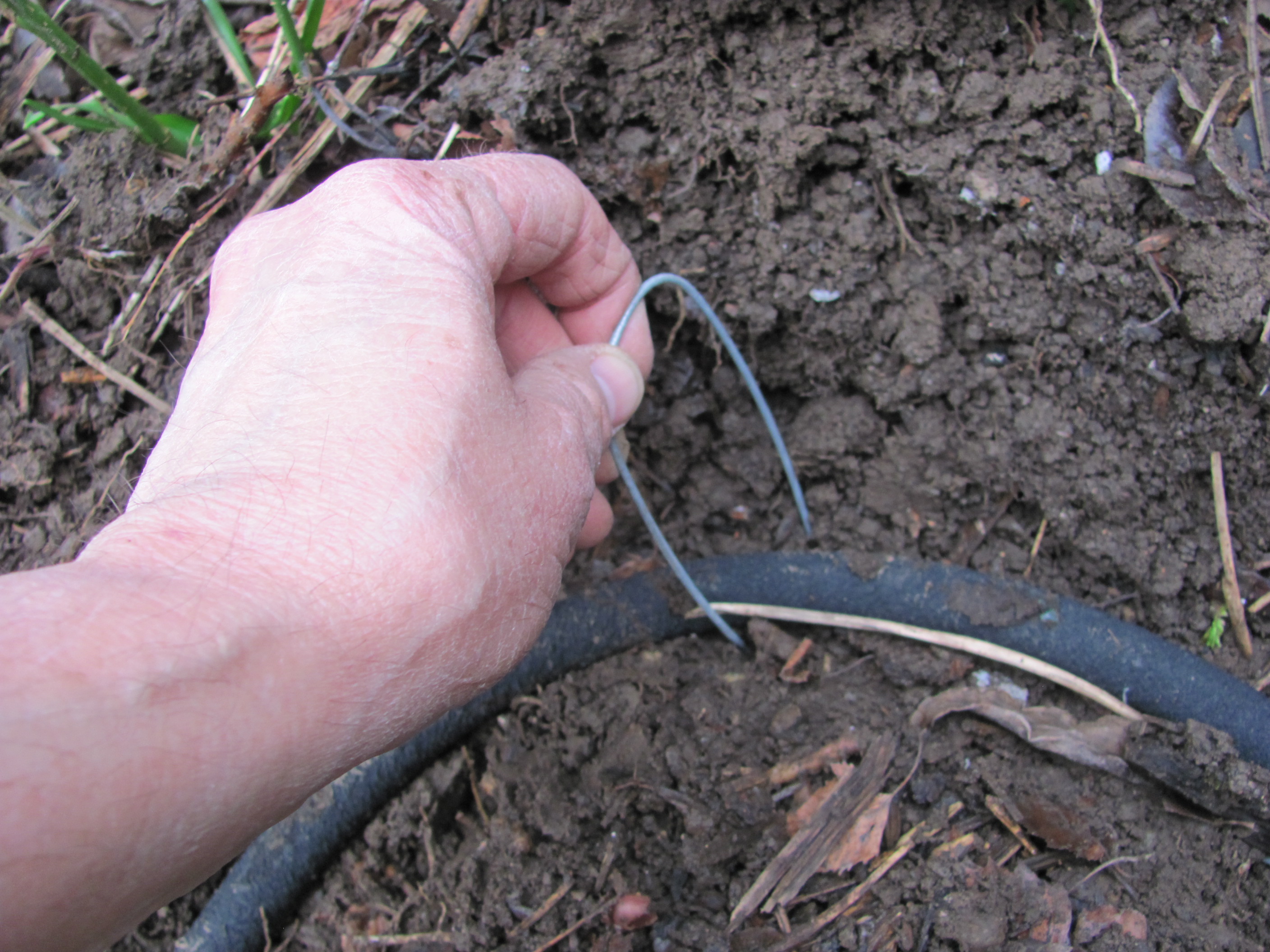
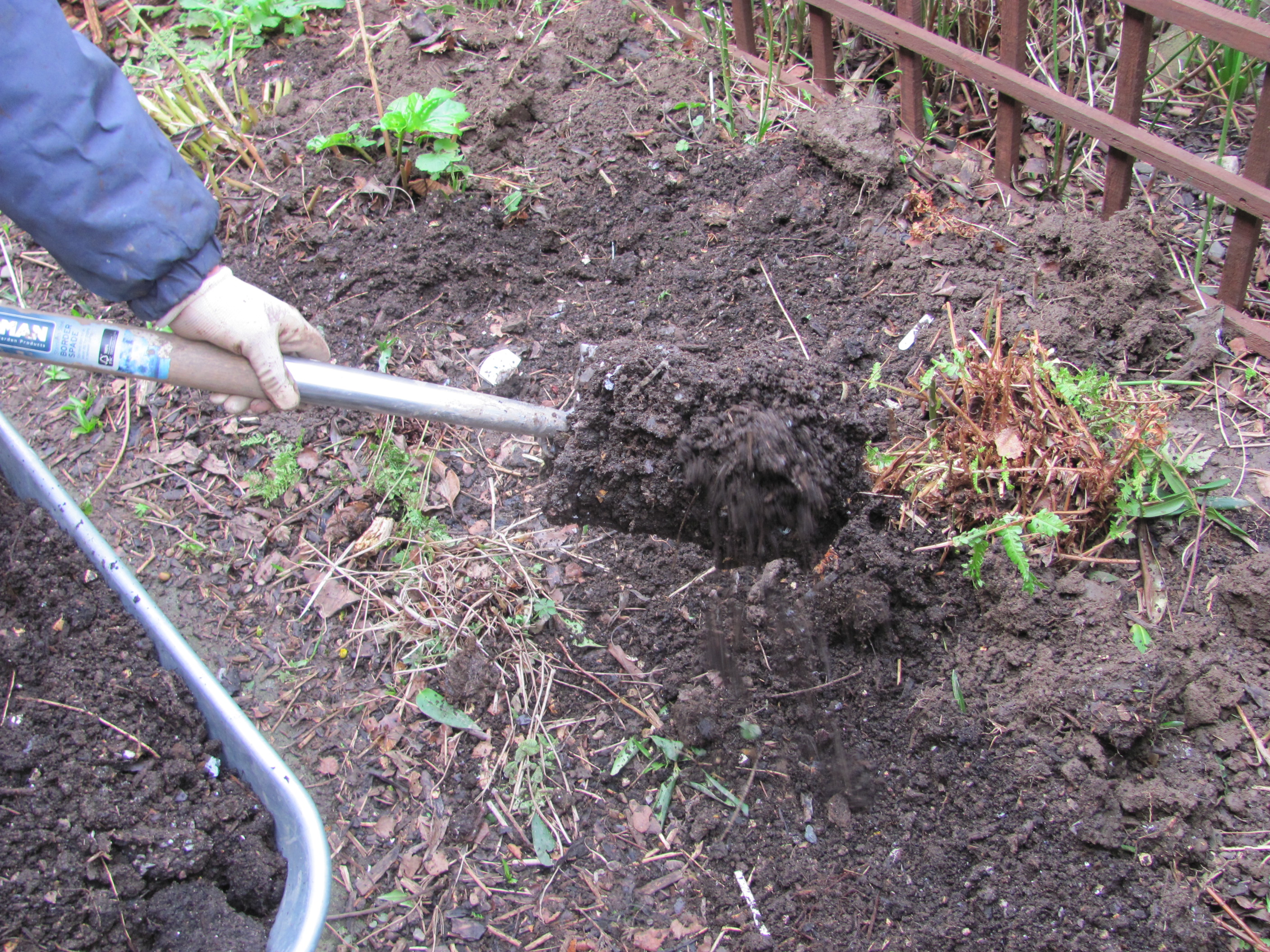
Firstly we cut some tough galvanised wire into 12 inch lengths and bent them into pegs like giant staples. We laid the pipe across the surface of the border in a serpentine pattern, leaving one end exposed where a hose can be attached when needed.

2014 02 20_6614 2014 02 20_6615

We dug out a 3 inch deep trench alongside the hose, placed the hose into the trench and then pegged the hose down with the wire.

2014 02 20_6616 2014 02 20_6617

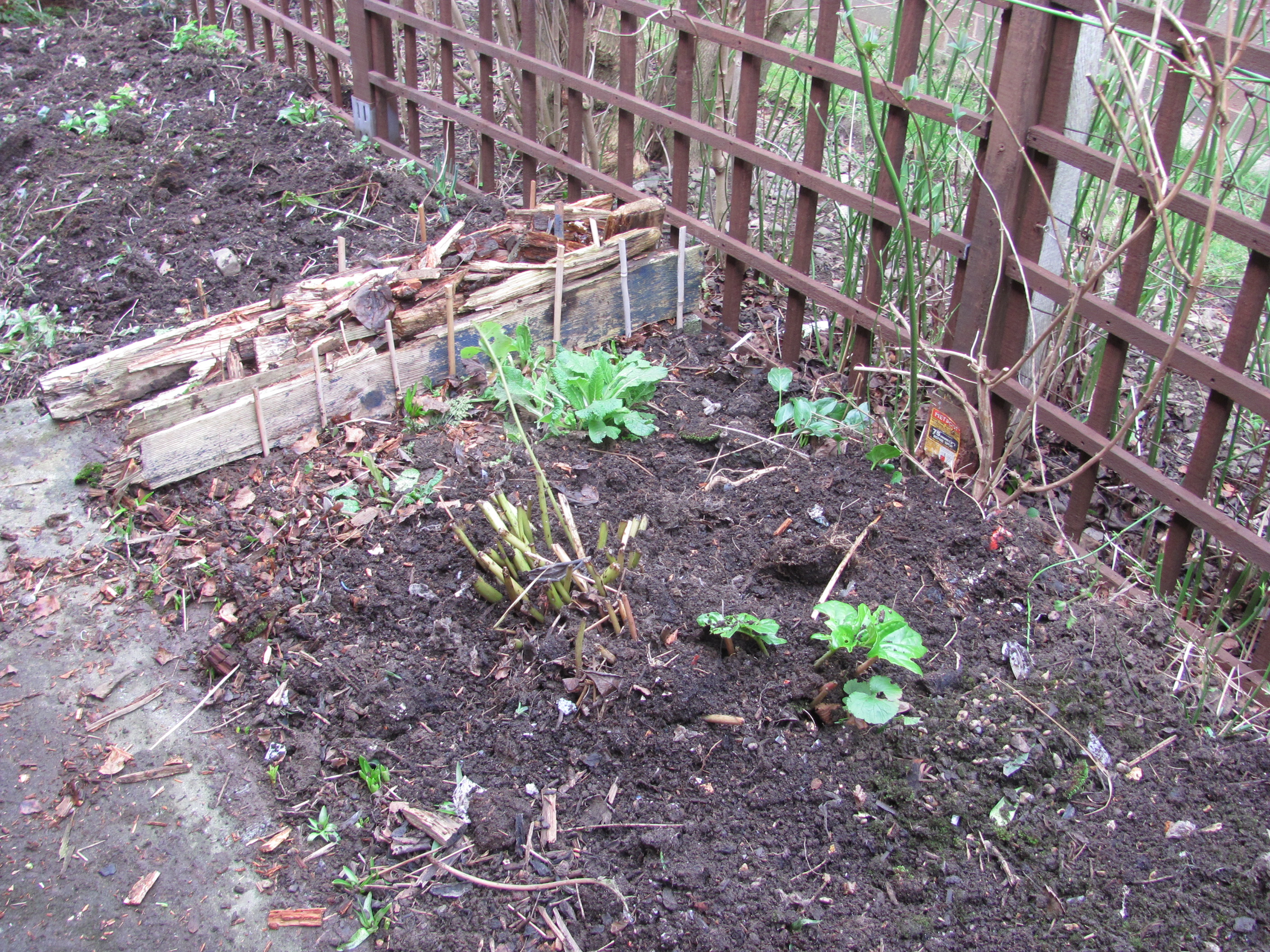
We added a good dose of our “black gold”, rich home made garden compost over the hose and then over the whole area. The compost in the trench will act as a wick for the water from the seep hose which we hope will slowly creep into the compost around the plants.

The final touch was to build a log pile out of rotting wood to attract beetles which are useful predators. They will help look after the plants for us.

2014 02 20_6618 2014 02 20_6619

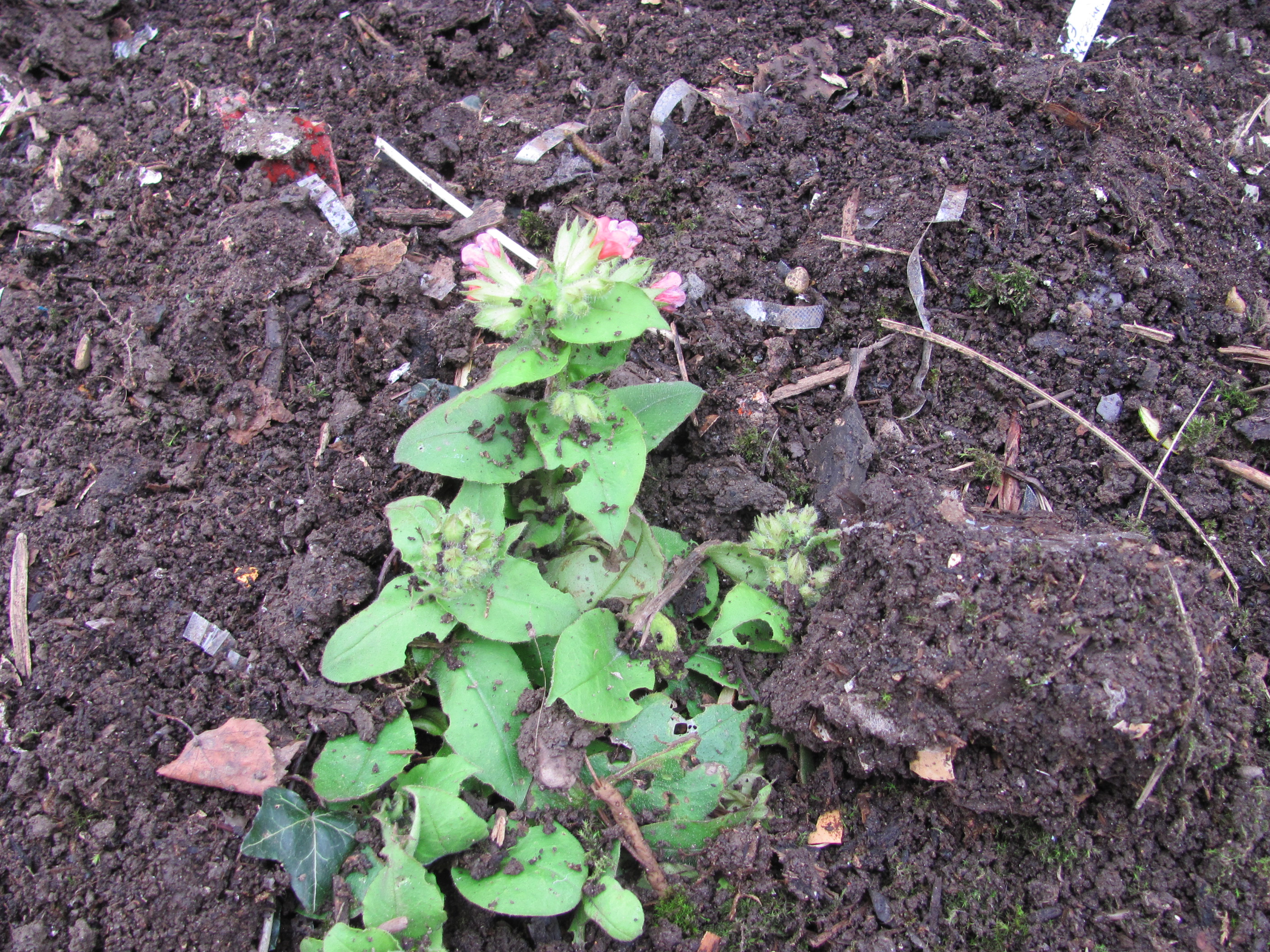
We had to carry this out very carefully as the first sign of flowers had already begun. This red Pulmonaria is the first flower in the shade garden this year.

2014 02 20_6620

This Veggie Life

A Vegetarian | Nature Lifestyle Blog

Rambling in the Garden

.....and nurturing my soul

The Arch City Gardener

Journeys In St. Louis Gardening and Beyond

Garden Dreaming at Châtillon

Consult the genius of the place

Storyshucker

A blog full of humorous and poignant observations.

gardeninacity

Notes from a wildlife-friendly cottage garden

PlayGroundology

...an emerging social science

The Official Blog of British Wildlife

'The most important and informative publication on wildlife of our times' - The Independent. This blog is a member of The UK & Ireland Natural History Bloggers group: www.uknhb.blogspot.com

iGrowHort

Inspire - Cultivate - Grow Native Plants - Restore Landscapes

Bishops Meadow Trust

To create and protect a semi-natural wild space for the people of Farnham to enjoy and experience an array of British wildlife in our town

Gardening with Children

The www.gardeningwithchildren.co.uk Blog

UKbirdingtimeline

birding through the seasons, why birds matter and how to conserve them

NATURE WALKER

with a camera in hand

Jardin

Transform your outdoor space

Eva's space

My allotment, cooking and other interests

Old School Garden

my gardening life through the year

LEANNE COLE

Trying to live a creative life

fromacountrycottage

trying to live as lightly as possible on our beautiful planet

Good Life Gardening

Nature lovers from Leicester living the good life.

mybeautfulthings

Finding the beautiful in the everyday

mawsonmichelle

Michelle's Allotment

In and Out of My Garden

thoughts from and about my garden

Greenhousing

Big plans for a small garden

The Scottish Country Garden

A Walled Country Garden in South East Scotland

The Fruity Chicken

Life at the fruity chicken

willowarchway

Off grid living. Self sufficient. "PERMAGANICS RULE".

St Anns Allotments

Nottingham's Grade 2* Listed Allotments and Community Orchard

Manifest Joy Harvests

a journey in suburban vegetable gardening

Allotmental

The madness of growing your own

Penny's Garden: a harvest beyond my front door

A novel approach to vegetable gardening

arignagardener

Sustainable living in the Irish countryside.

NewEnglandGardenAndThread

Master Gardener, amateur photographer, quilter, NH native, and sometimes SC snowbird

dianajhale

Recent work and work in progress and anything else that interests me

planthoarder

a chaotic cottage gardener

Lens and Pens by Sally

a weekly blog that creates a personal philosophy through photographs and words

Dewdrops and Sunshine

Stories from a sassy and classy Southern farmbelle.

The Pyjama Gardener

Simple Organic Gardening & Seasonal Living

gettin' fresh!

turning dirt into dinner

JOY...

today the world is created anew

Garden Birds

Notes from a Devon garden

ShootAbout

Life Through The Lens

Adapting Pixels

A photography blog showcasing the best photography pictures and videos on the internet

Wildlifegardening's Blog

Just another WordPress.com site

naturestimeline

personal observations from the natural world as the search continues for a new approach to conservation.

LATEBLOOMERBUDS

The Wonders of Life through my Eyes, my Heart, my Soul