Categories
colours gardening recycling trees Winter Gardening

The Wonder of Willows – part two

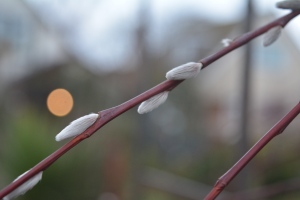
For part two in this series about the wonder of willows we start in our own garden at our home “Avocet” in Shropshire. The first photo shows our striking, architectural Salix erythrocadium flexuosa with the orange coloured tips to its thinnest branches. Together with the colour, the amazing curling, spiraling branches impress everyone who sees it.

2015 02 17_9590 2015 03 15_9902 2015 03 15_9903

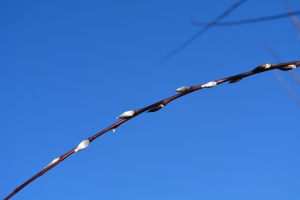
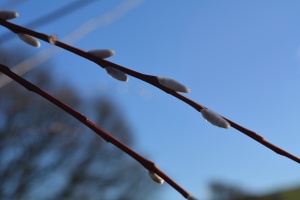
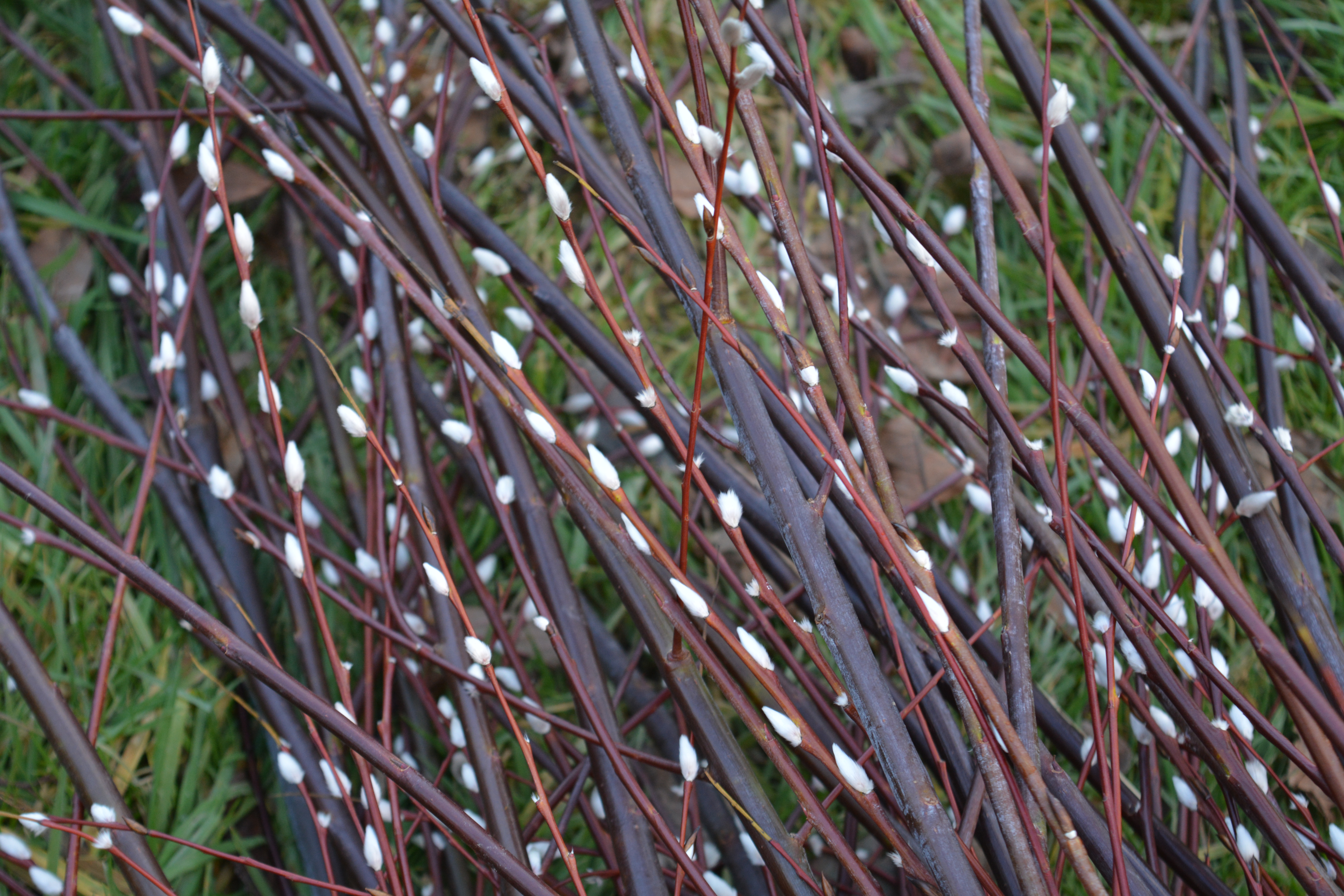
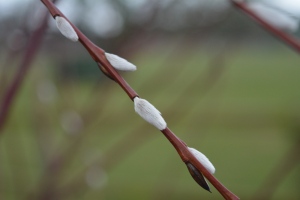
Close by our Violet Willow is equally impressive with its almost black stems which develop a white bloom in the winter. In the late winter and into early spring it produces strongly contrasting sparkling white catkins.

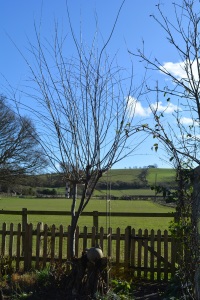
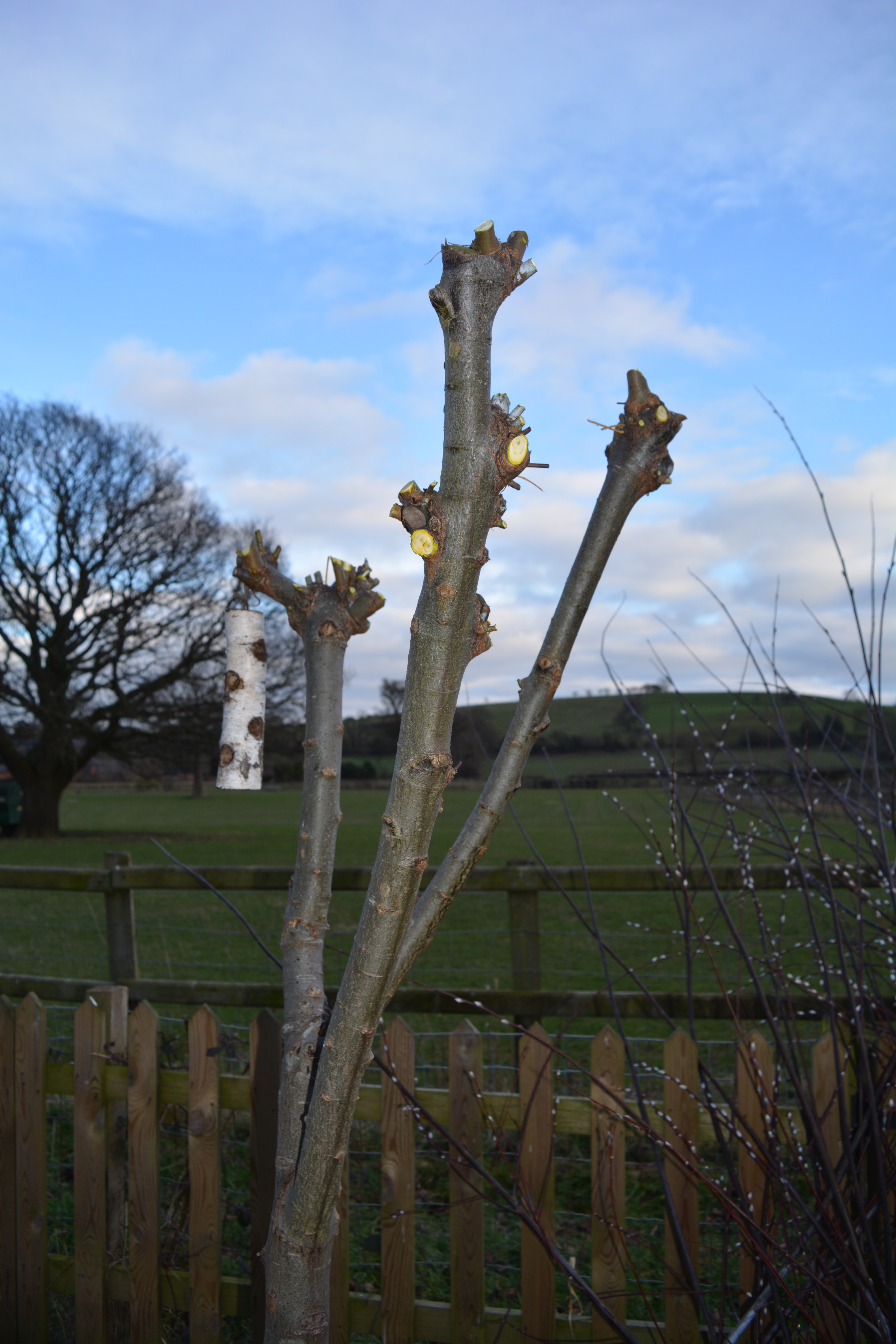
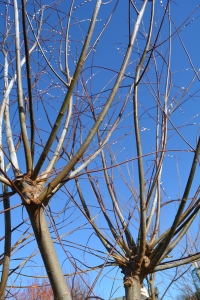
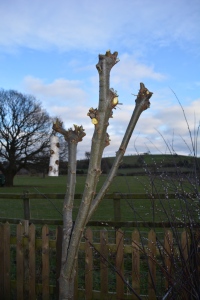
As the group of photos below show we have trained this as a pollarded specimen with its branches pruned down to the pollard stumps at about 8 to 9 feet. This is just tall enough to help us appreciate its catkins against the ever changing sky and also to make pruning easy.

2015 02 17_9594-1 2015 02 17_9581-1 2015 02 17_95772015 02 17_9597-1 2015 02 17_9596-1 2015 02 17_9579-1 2015 02 17_9580-1

In late February or early March each year we prune it hard to give it its skeletal pollarded shape.

2015 02 17_9583-1 2015 02 17_9582-1

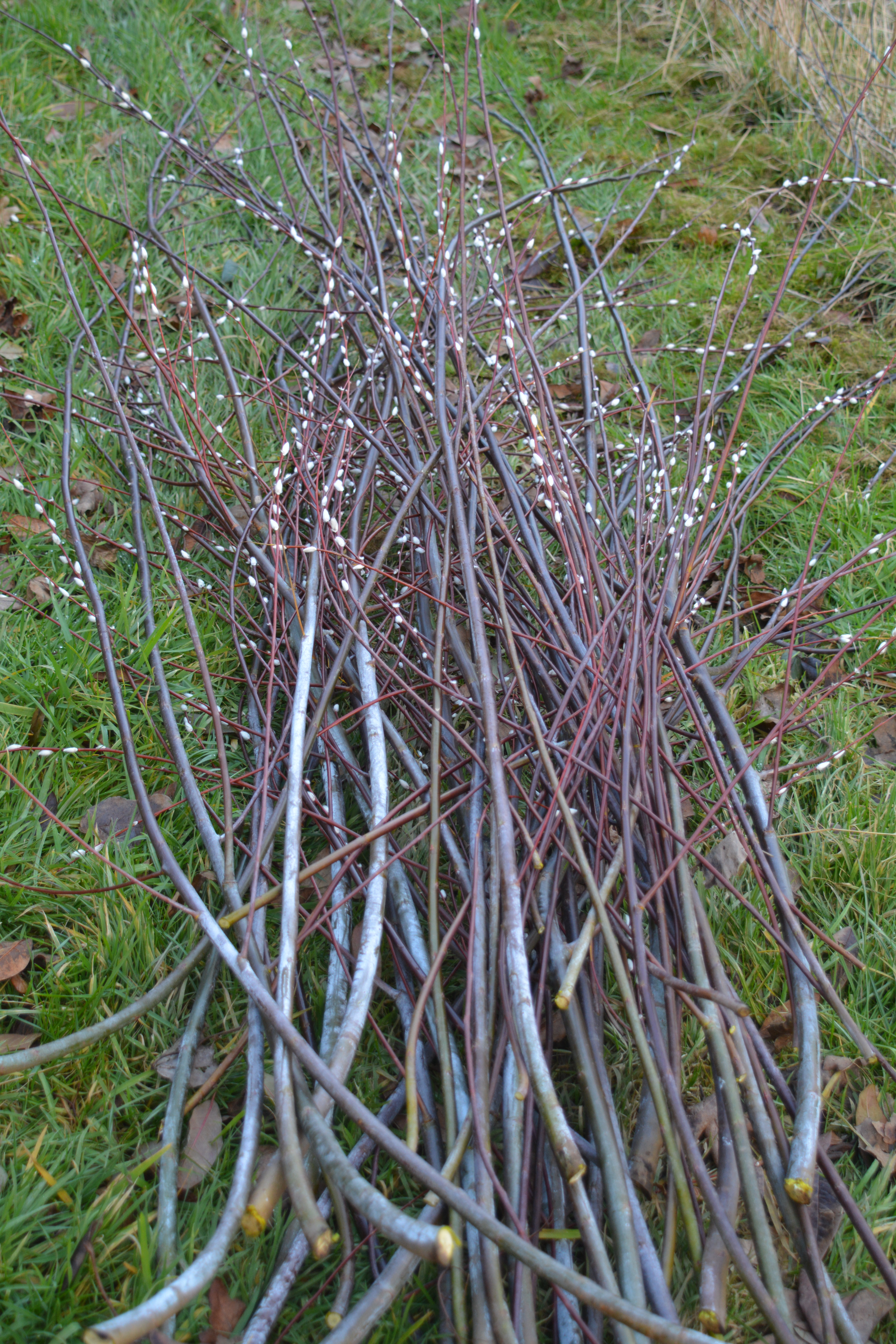
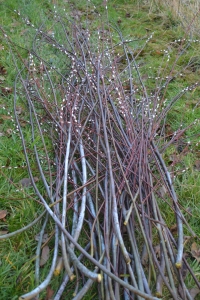
These two photos show how much material we pruned off it this year and the amazing range of colours.

2015 02 17_9584-1 2015 02 17_9585-1

Apart from these two specimen willow trees we have this ground hugging Salix variety that barely rises an inch above ground level.

2015 02 17_9599_edited-1  2015 02 17_9598


Categories
colours flowering bulbs garden photography garden ponds garden pools garden wildlife gardening grasses hardy perennials light light quality ornamental grasses ornamental trees and shrubs recycling Shropshire spring bulbs spring gardening trees wildlife Winter Gardening winter gardens

My Garden Journal – February

Here we are with part two of my post featuring my garden journal, where we can look at what was going on in our garden in February.
2015 03 13_9852_edited-1

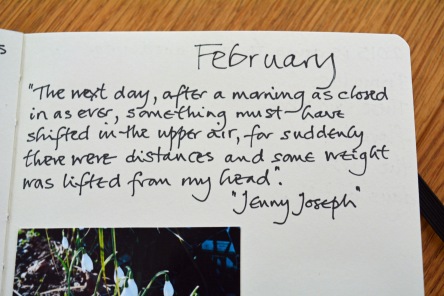
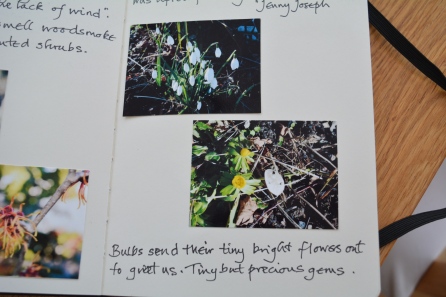
The first entry in my Garden Journal for February shares another quote from Jenny Joseph, “The next day, after a morning as closed in as ever, something must have shifted in the upper air, for suddenly there were distances and some weight was lifted from my head.” The first photos in this month’s journal were of startlingly white Snowdrops. “Bulbs send their tiny bright flowers out to greet us. Tiny but precious gems.” was my accompanying note.
2015 03 13_9853

I also featured Primulas this month, “2015 is going to be a good year for Primulas. These two were flowering in the first days of Feb. Our plants of the native Primrose have been busy spreading their prodigy. We have seedlings in the gravel, in borders and in cracks in paving. Many are producing tiny flowers.”
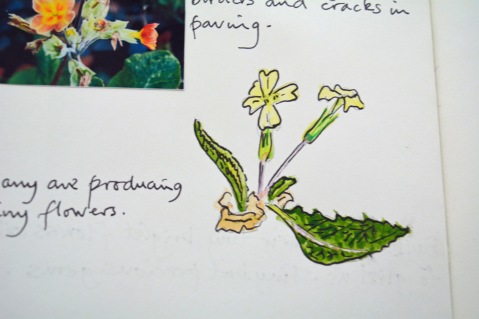
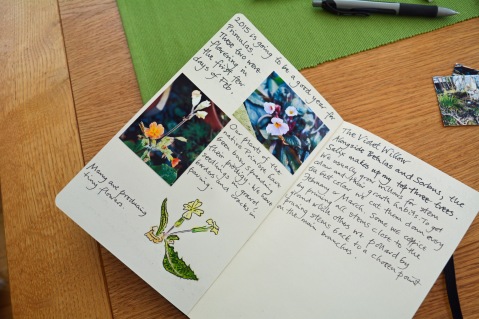
2015 03 13_9855_edited-1

2015 03 13_9854_edited-1

The first day of the new month was spent in the garden and what a wonderful day we had. A bonus day outside in mid-winter is so welcome. We pruned the climbing roses, trimmed down the old growth of perennials to reveal the fresh green shoots eagerly waiting to burst into growth with the onset of Spring. The plant that never fails to impress is the Sedum with its virulent fresh growth waiting thickly at the base of last year’s cut down stumps.

The tall elegant stems of grasses are now cut close to the ground after their winter display. Even the gentlest of breezes has encouraged them to dance, their stems swaying stiffly but gracefully and their seed heads far more fluent in their dances. They will soon be back. In my journal I noted “Cutting down the grasses is a task I do with mixed emotions. They become old friends in the garden and provide homes for over-wintering wildlife. Ladybirds especially love the shelter of their stems.”
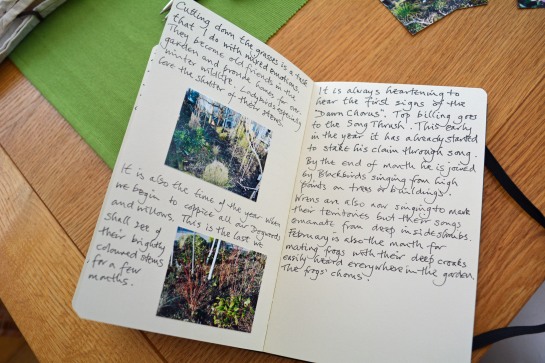
2015 03 13_9856_edited-1

We like the month of February, as both Jude the Undergardener and I suffer from S.A.D.(seasonally adjusted disorder)  and mid way through February we can spot a change in the light and literally feel an improvement in light quality and with it an improvement in our mood. I am sure the garden feels the same as all that future growth waits underground to burst forth and all those buds lie waiting on the resting bare branches of the deciduous trees and shrubs.

Birds are showing signs of getting themselves prepared for the rituals of spring that awaits them. Blue Tits are exploring nest boxes already with two boxes already held by two pairs. Collared Doves, those invaders to our shores, entertain us by filling the sky with their acrobatics designed to impress their mates. They fly diagonally backwards into the air!

In my journal I wrote “It is always heartening to hear the first signs of the “Dawn Chorus”. Top billing goes to the Song Thrush. This early in the year it has already started to stake his claim through song. By the end of the month he is joined by Blackbirds singing from high points on trees or buildings. Wrens are also now singing to mark their territories but their songs emanate from deep inside shrubs.”

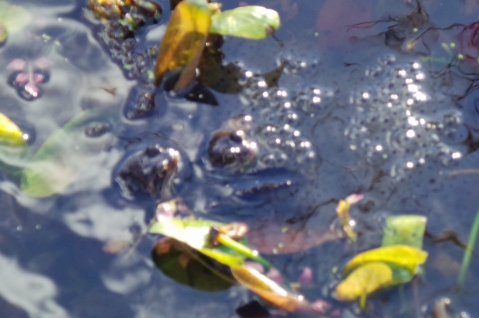
Our attention is drawn to the wildlife pond from mid-February onwards as it is around this time that we start to hear the deep croaks of the male frogs calling the females in to join them in the water. One evening coming in from the garden we made a plan to clear the leaves and any winter debris from the pond the next day before the first frogs arrived. But  they beat us to it for as we went into the garden to do just that a pair of mating frogs was in residence and close by lay a large glob of spawn. Our job became more difficult as we tried not to disturb their nuptials. My journal notes “February is also the month for mating frogs with their deep croaks heard from everywhere in the garden, “The Frogs’ Chorus!” We love frogs in the garden where they act as great pest controllers. Some move into the greenhouse once they leave the pond and work in there for us too. Free labour!
2015 02 28_9789_edited-1

We can still enjoy the coloured stems of Cornus and Salix and the coloured textured trunks of the trees. The Betulas glow white with hints of silver, cream or salmon, while the Prunus serrula shines gold and brown. The brightest of all though must be Cornus “Midwinter Fire”. Late in this month however we begin the task of coppicing and pollarding, hard pruning to give us bright new stems with brighter colours in the year to come. My journal says, “It is also the time of year when we begin to coppice all our Dogwoods and willows. This is the last we shall see of their brightly coloured stems for a few months.” I move on to make special mention of the Violet Willow of which we have a trained multi-stemmed pollarded specimen which holds a great presence in the garden at every time of the year.

The photos below illustrate how its many colours vary with the changing light.
2015 02 17_9597-1 2015 02 17_9596-12015 02 17_9579-1 2015 02 17_9580-1

These shots show the before pruning and after pruning images, so you can see how hard we prune them down. We certainly need our strong, sharp loppers for this job.
2015 02 17_9581-1 2015 02 17_9582-1

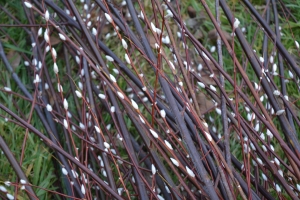
The final pictures illustrate just how much wood is removed and shows the colours of the branches. All this material will be used for making plant supports and will be useful when we make a willow dome for some friends’ garden in a week or so (look out for a post about this). This is a fine example of recycling in action in the garden.
2015 02 17_9585-1 2015 02 17_9584-1

We shall make the next visit to my garden journal in the month of March which we hope is full of the promise of spring.


 

Categories
colours garden design garden furniture garden photography garden seating gardening gardens gardens open to the public grasses indoor plants ornamental grasses ornamental trees and shrubs recycling Wales walled gardens Winter Gardening winter gardens

The Botanic Garden of Wales in the Rain – part two.

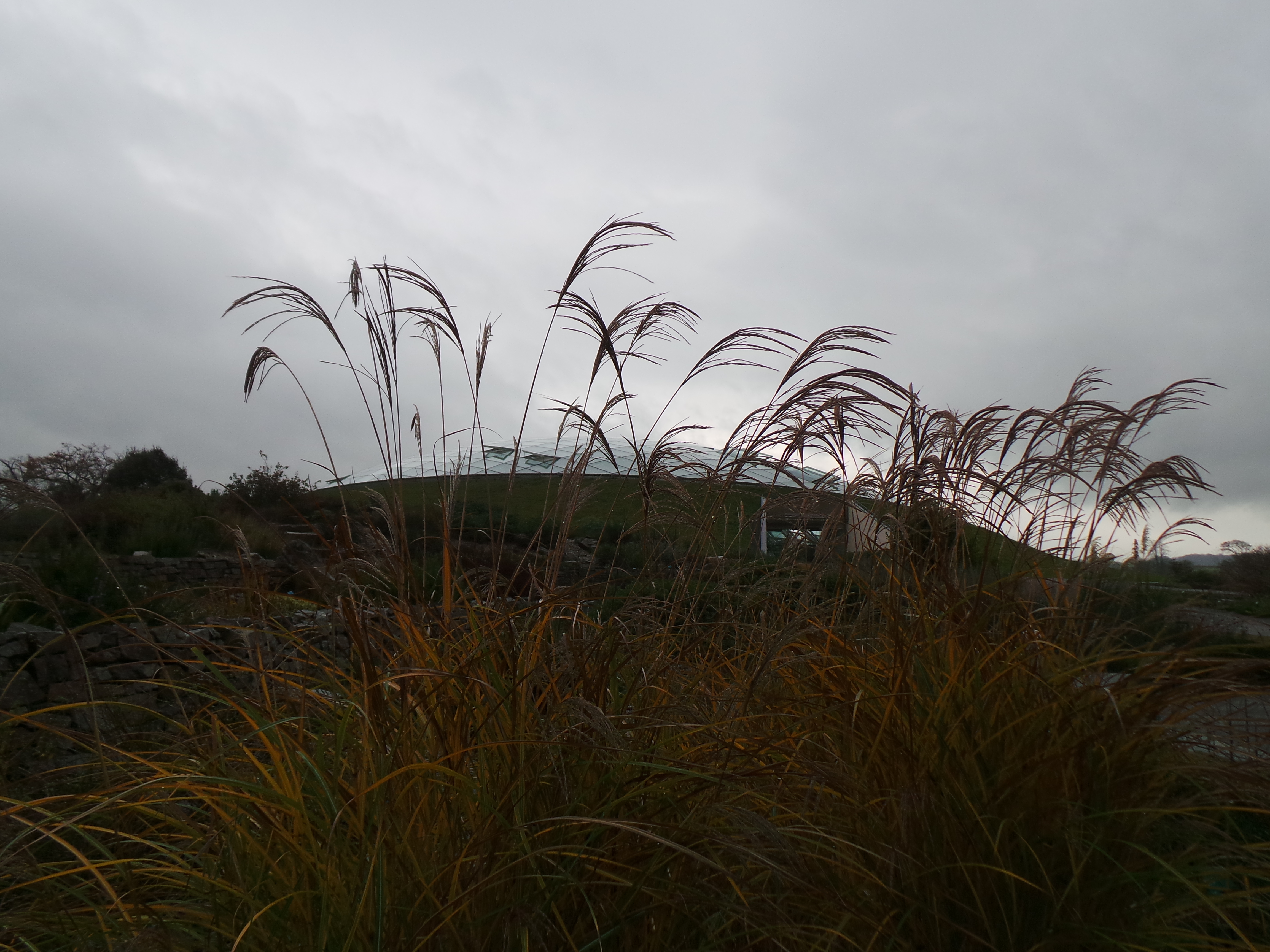
Welcome back to South Wales where we were enjoying a very wet visit to the Botanic Gardens. In part one we looked at the magnificent glasshouse before taking a break. In part two we carry on in the heavy rain. Winding paths provided us with interesting routeways through the newly planted gravel and rock borders full of interesting foliage all glistening with rain droplets.

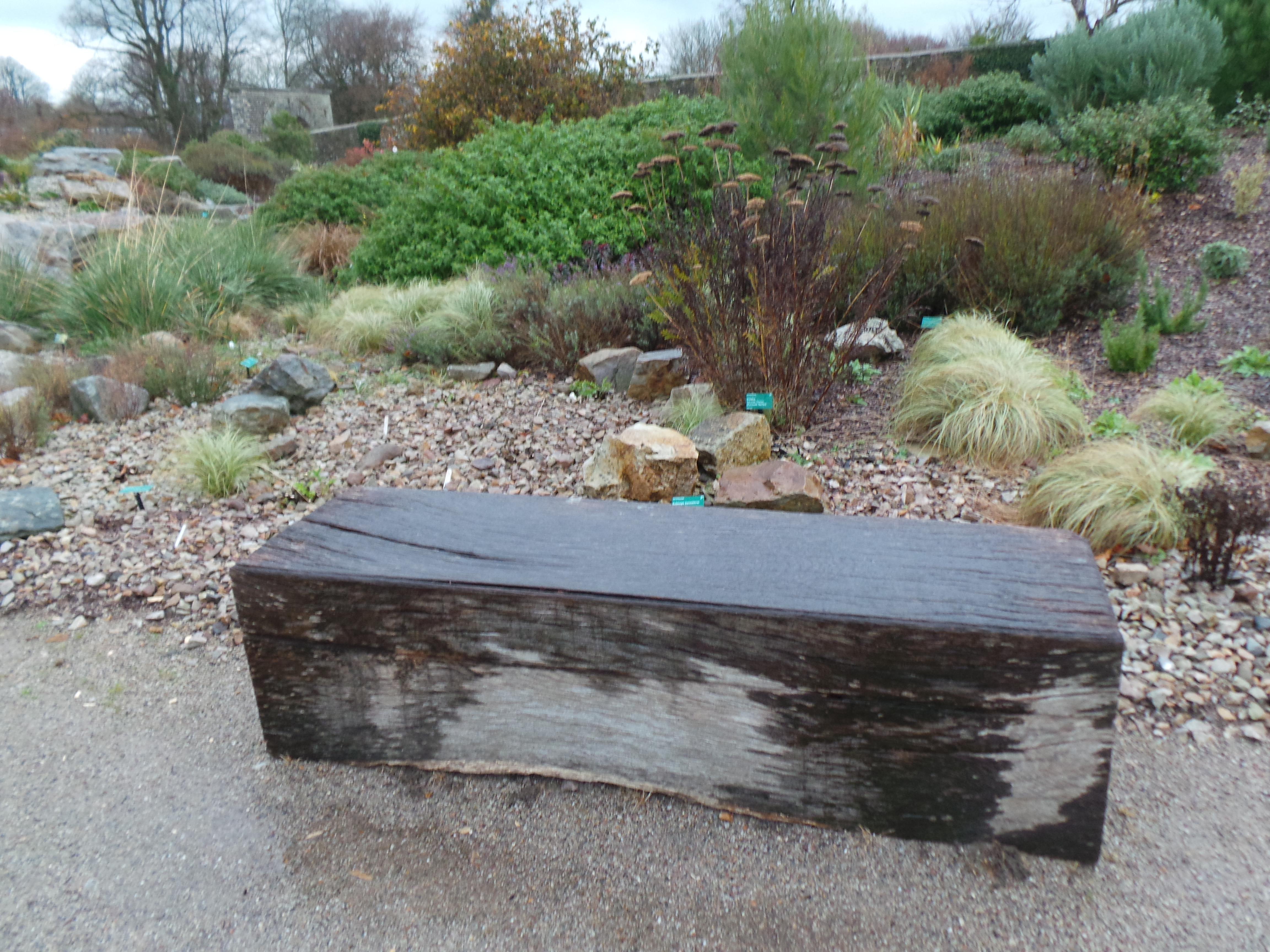
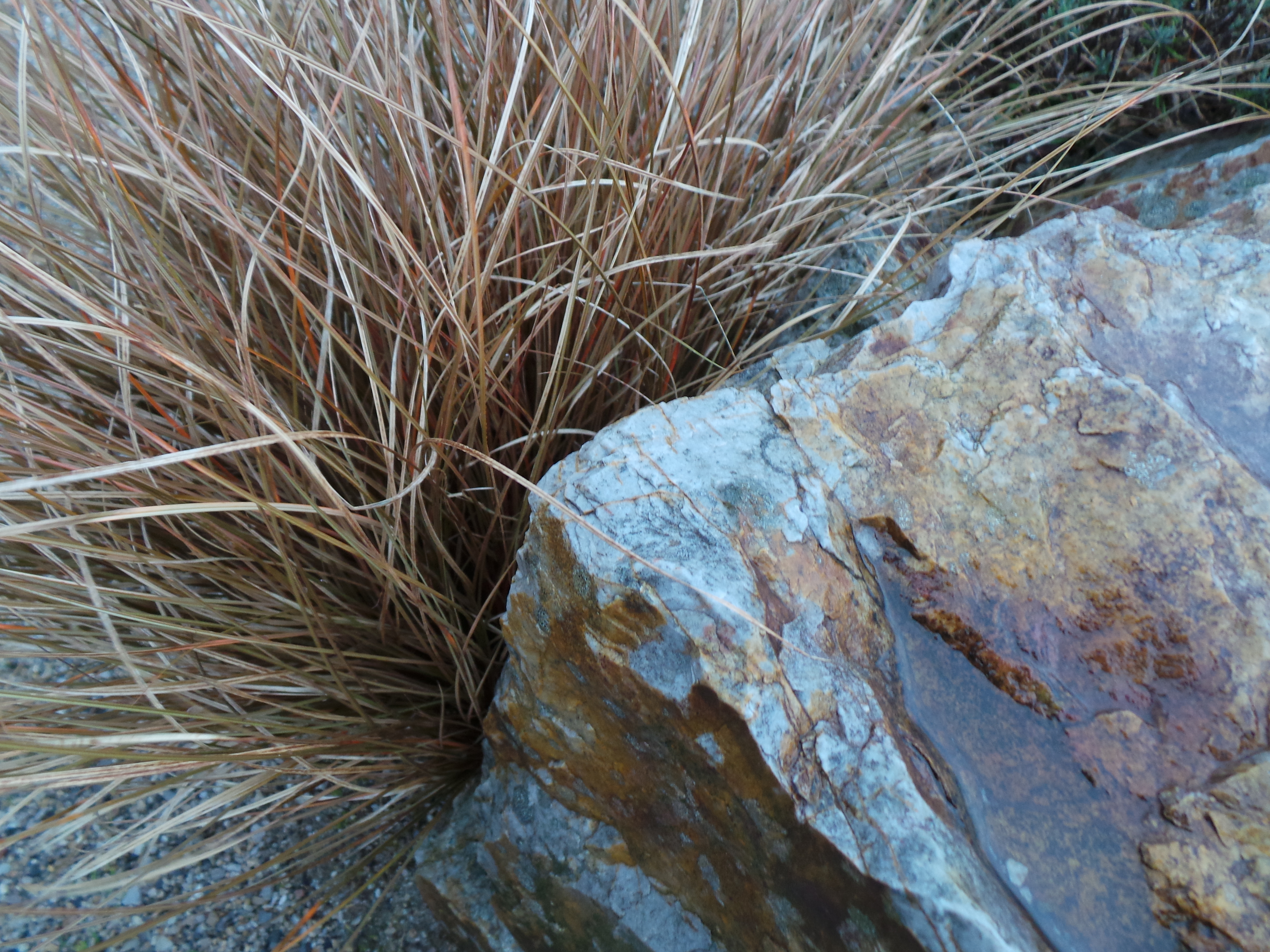
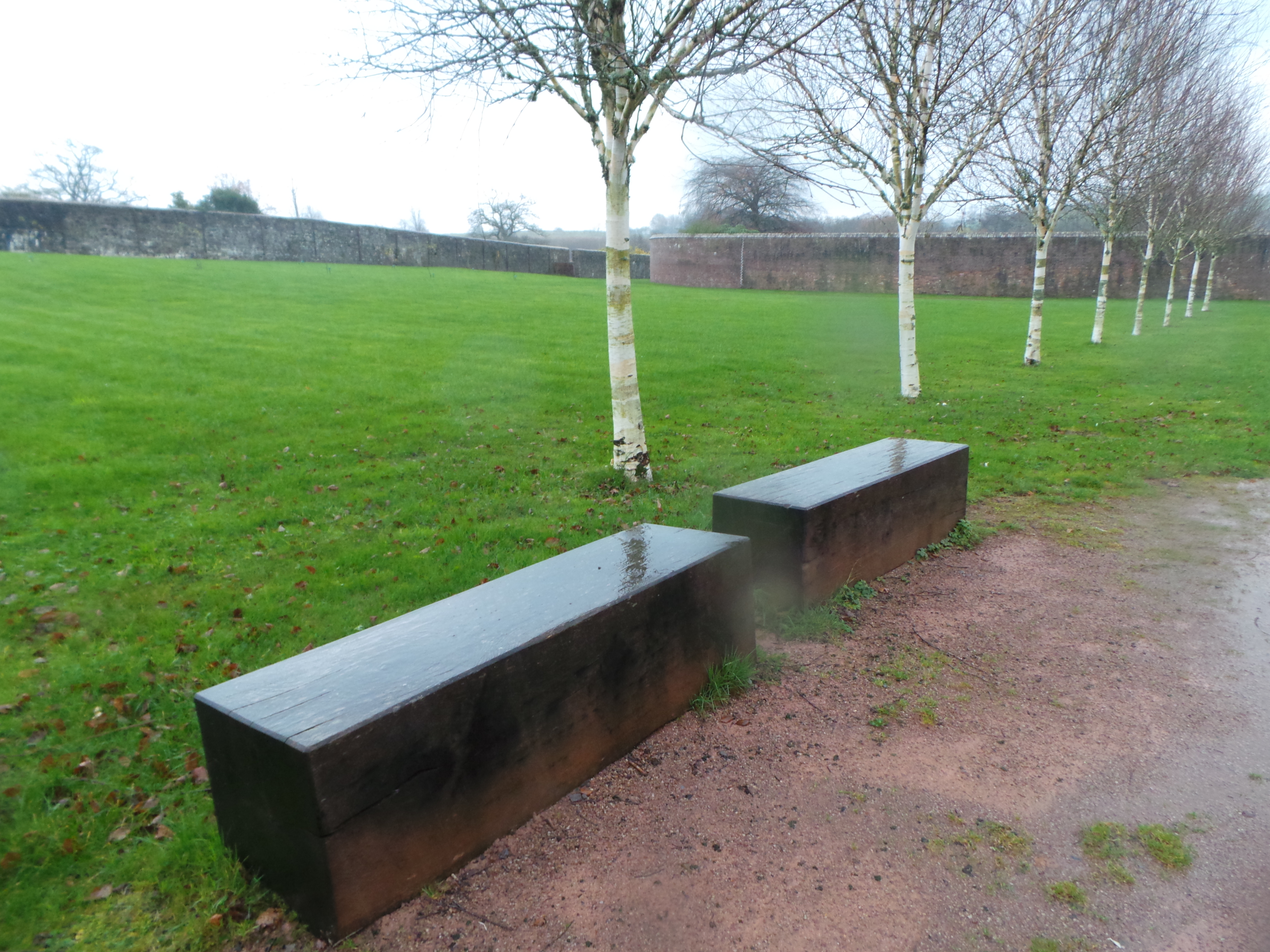
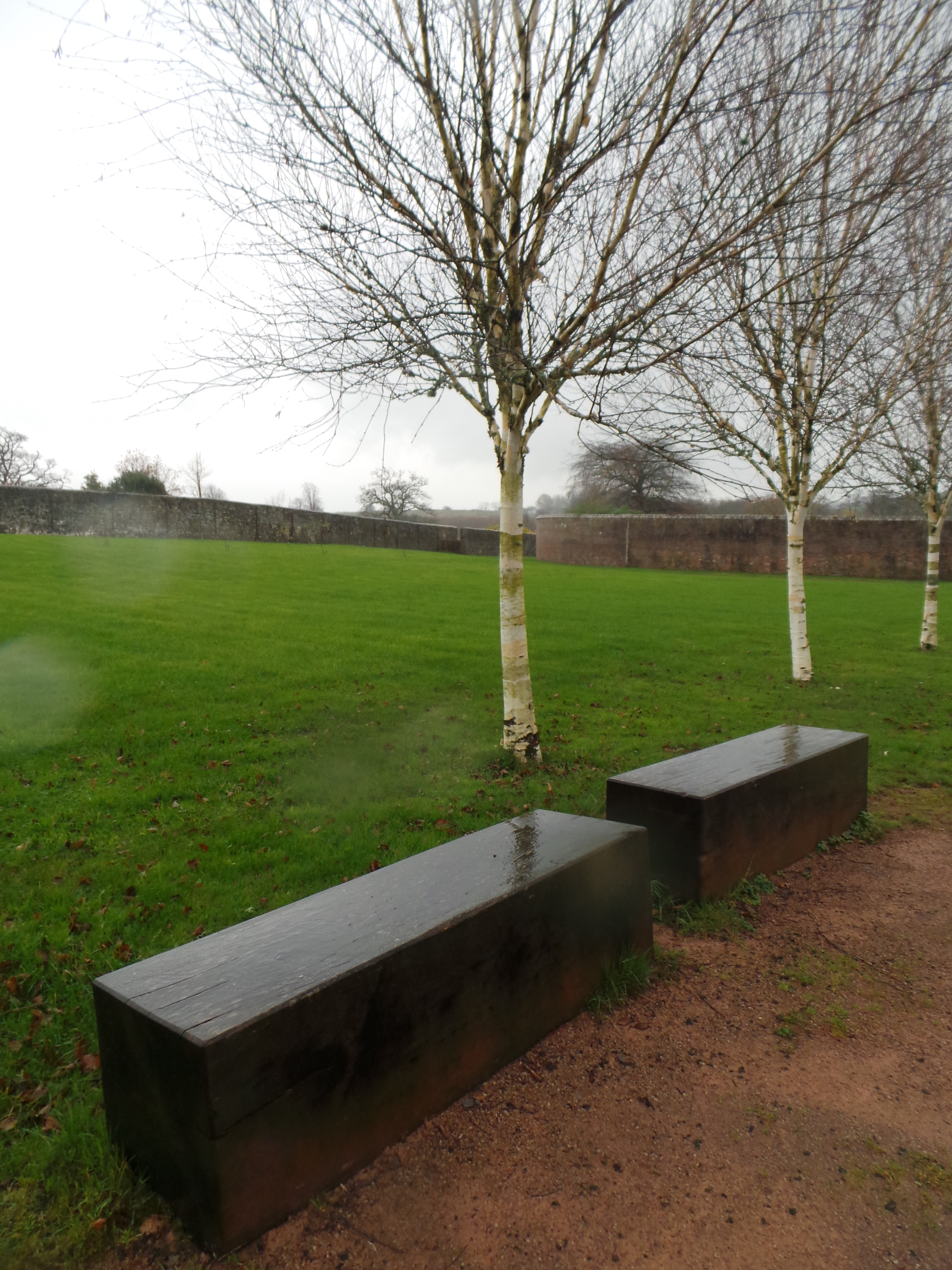
The black seed heads of an Eryngium looked in sharp contrast to the pale blue-grey foliage of the Euphorbia close behind.  A beautiful oak bench of the simplest design was far too wet to enjoy sitting on. Wet rocks looked full of colour – in the dry they would have been almost monochrome. Grasses always look so good with rock!

2014 11 21_7831 2014 11 21_7832 2014 11 21_7833 2014 11 21_7834 2014 11 21_7835 2014 11 21_7836

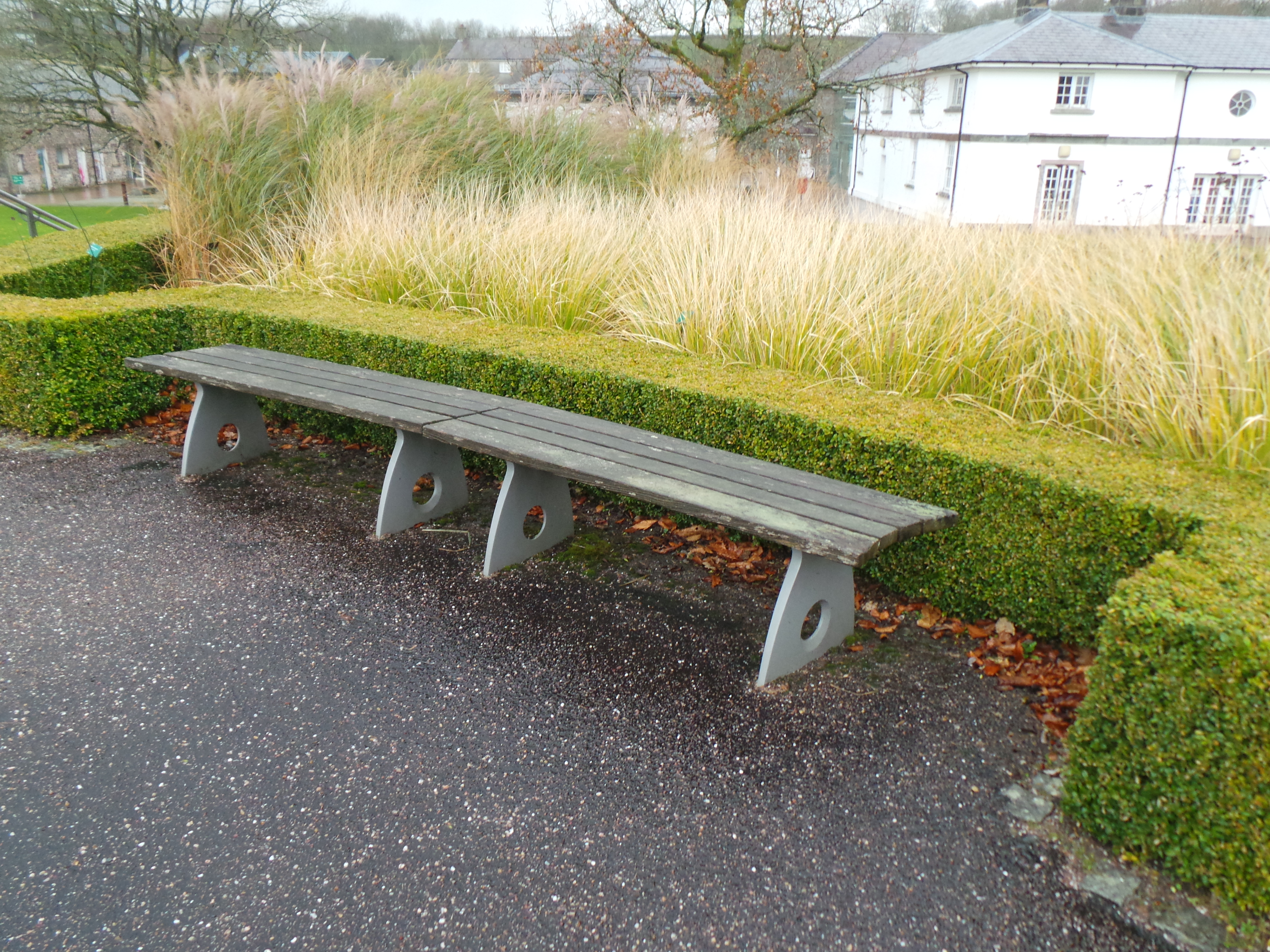
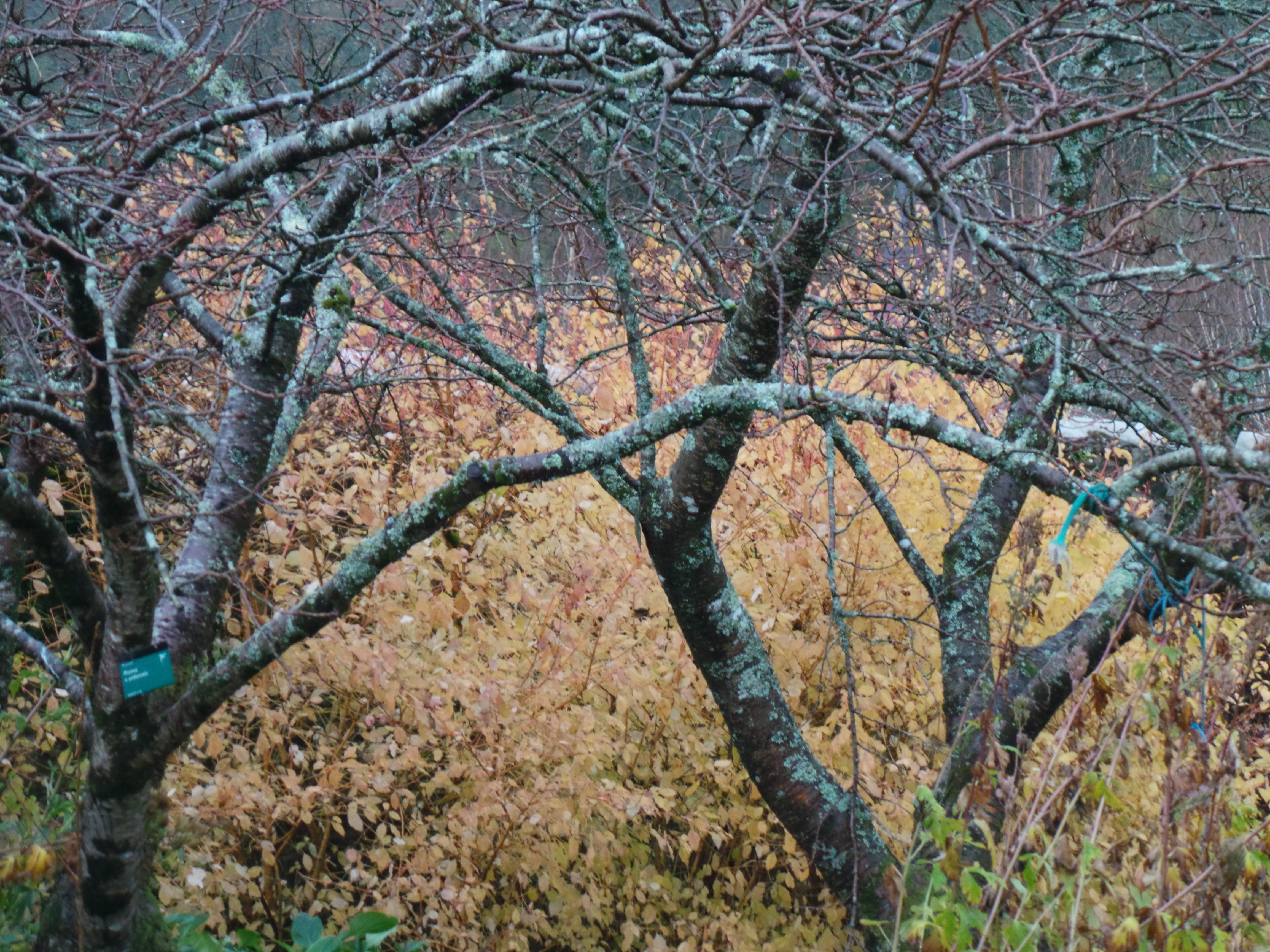
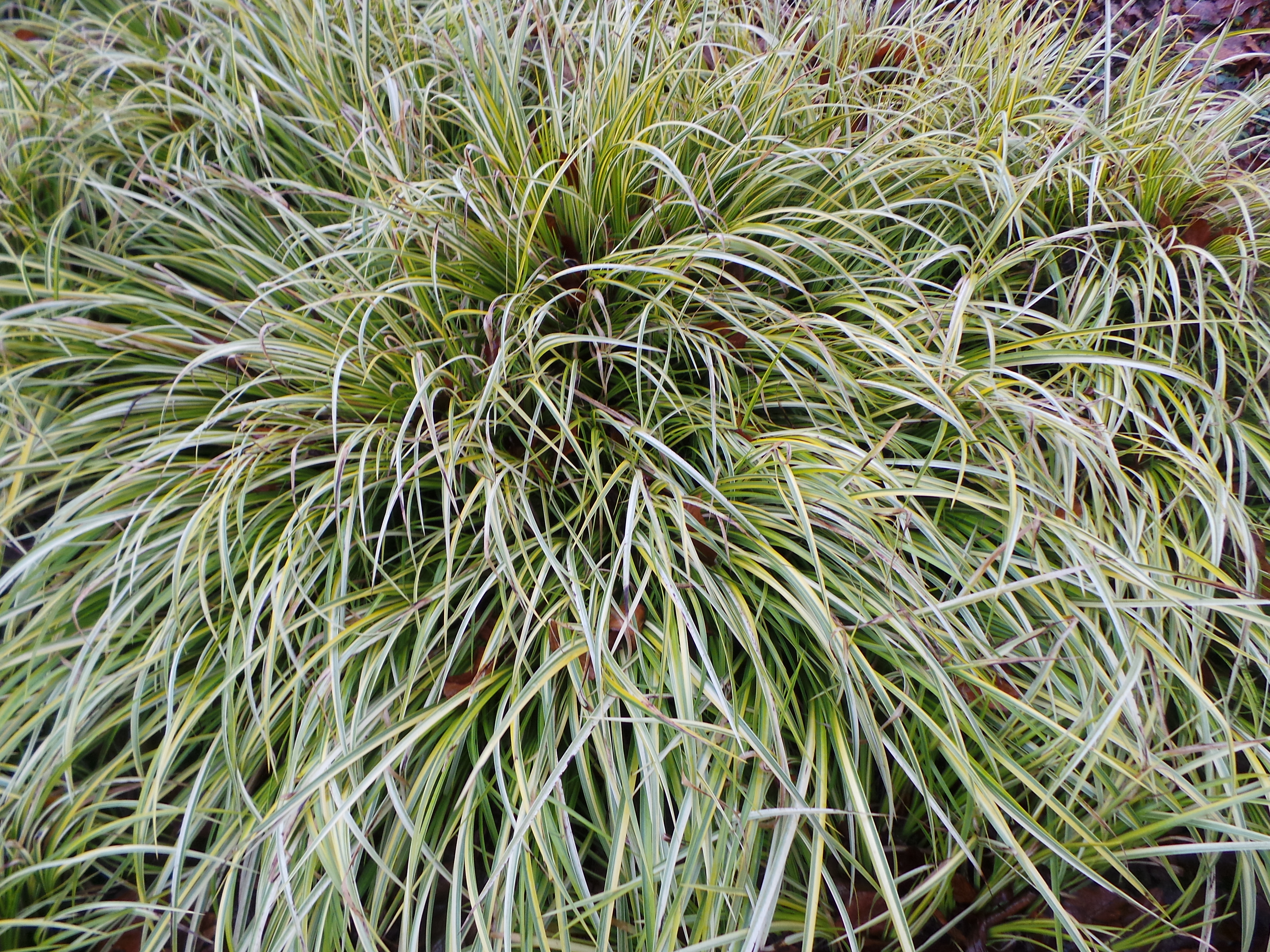
Grass borders with every blade moving in waves like a rough sea are here edged with the neatest of low Box hedging. A bench of modern design looked so good against the Box and grasses. Trees in near silhouette looked good against biscuit coloured grasses.
2014 11 21_7837 2014 11 21_7838

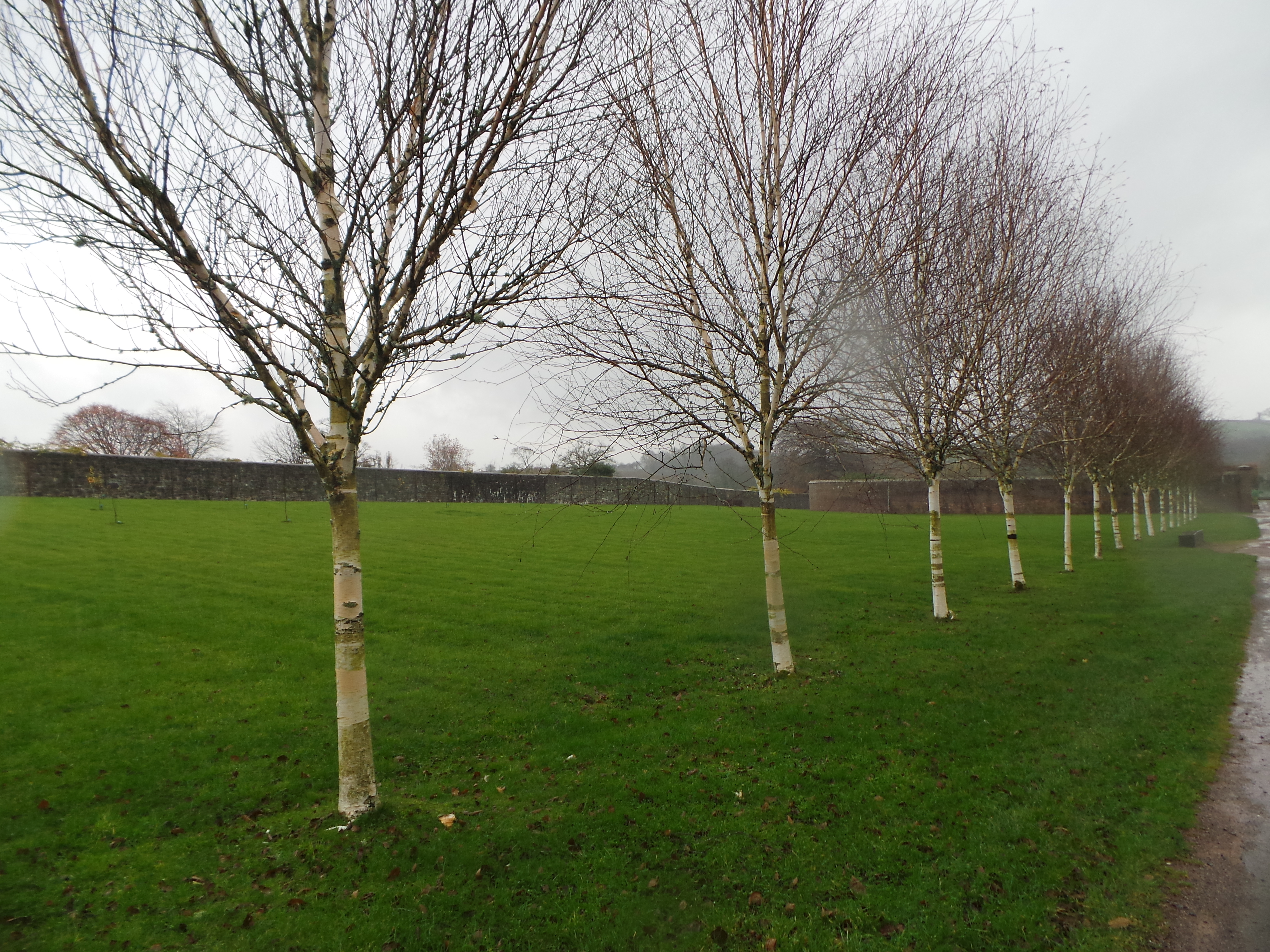
We got soaked through on our walk towards the walled garden but I was still tempted to stop to take a few shots of grasses and my favourite Betulas and some more simple oak block seating.
2014 11 21_7839 2014 11 21_78402014 11 21_7841 2014 11 21_7842 2014 11 21_7843 2014 11 21_7844

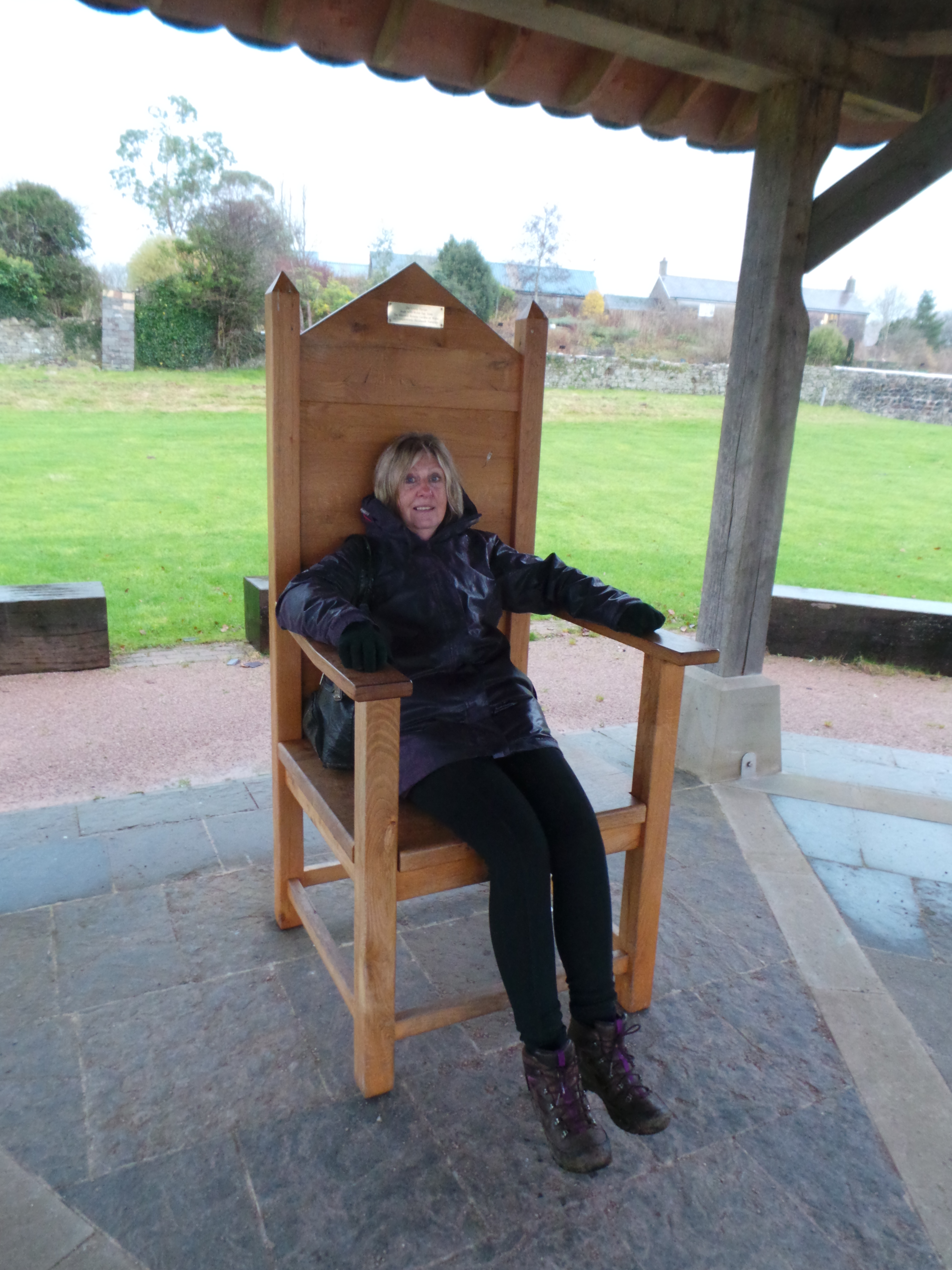
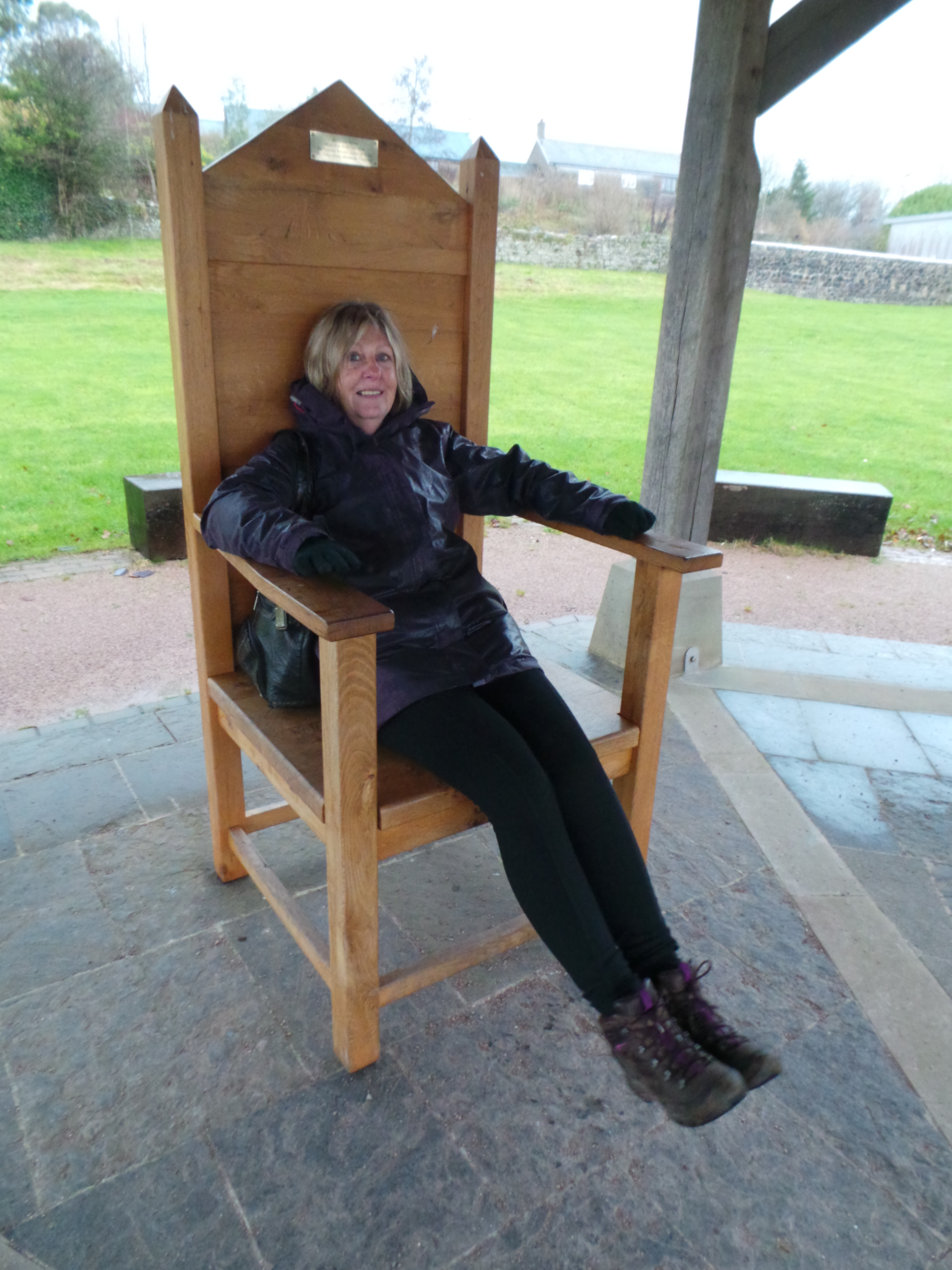
Jude, aka Mrs Greenbench aka The Undergardener, thought she looked good in this throne! It was a pity her feet didn’t reach the ground – it spoiled the illusion somewhat! It was hard to get her off it! The throne sat under an oak framed arbor with a slate floor, both local materials. Drawings of dragons were etched into some of the slate.

2014 11 21_7845 2014 11 21_7846 2014 11 21_7847

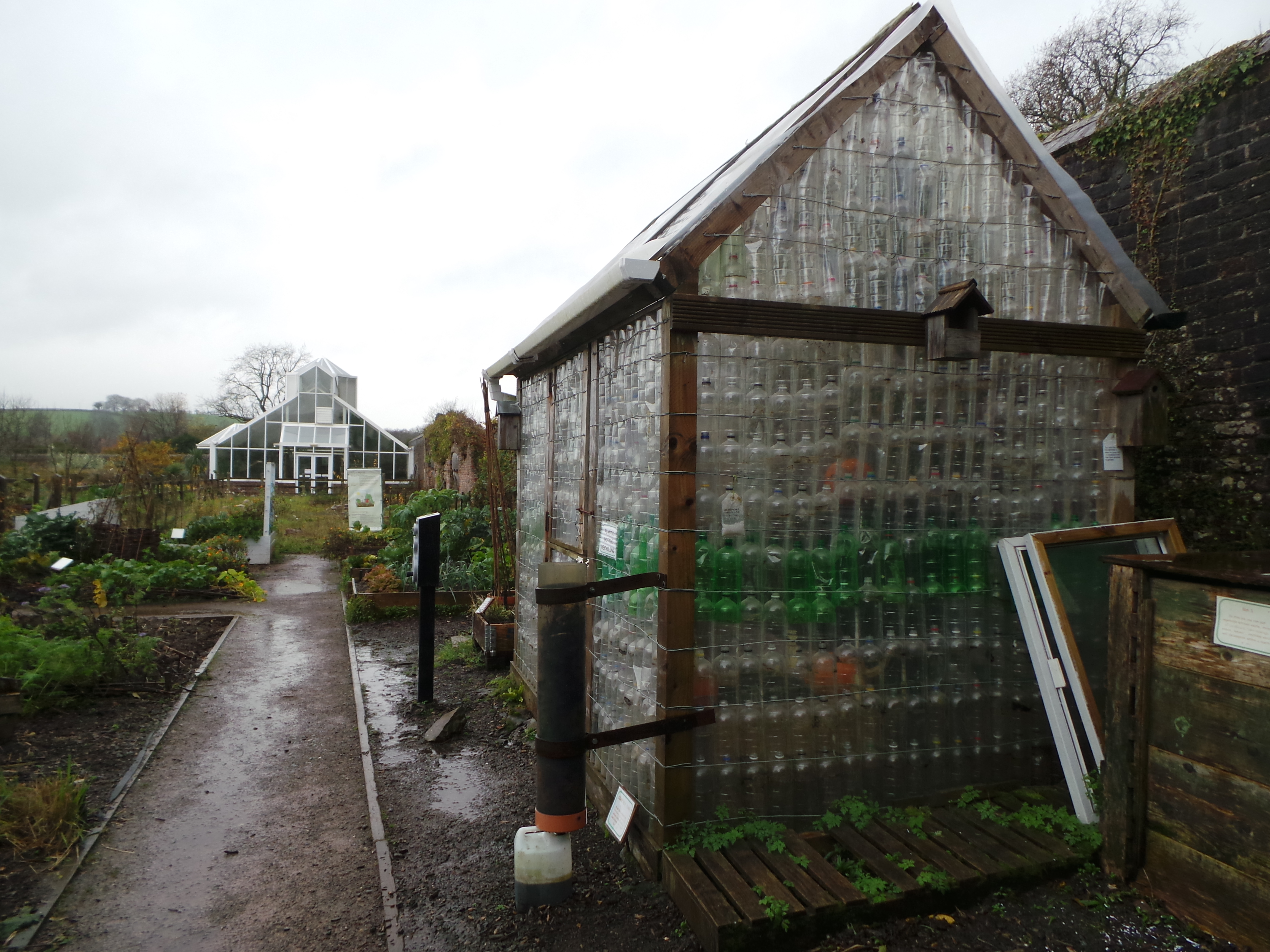
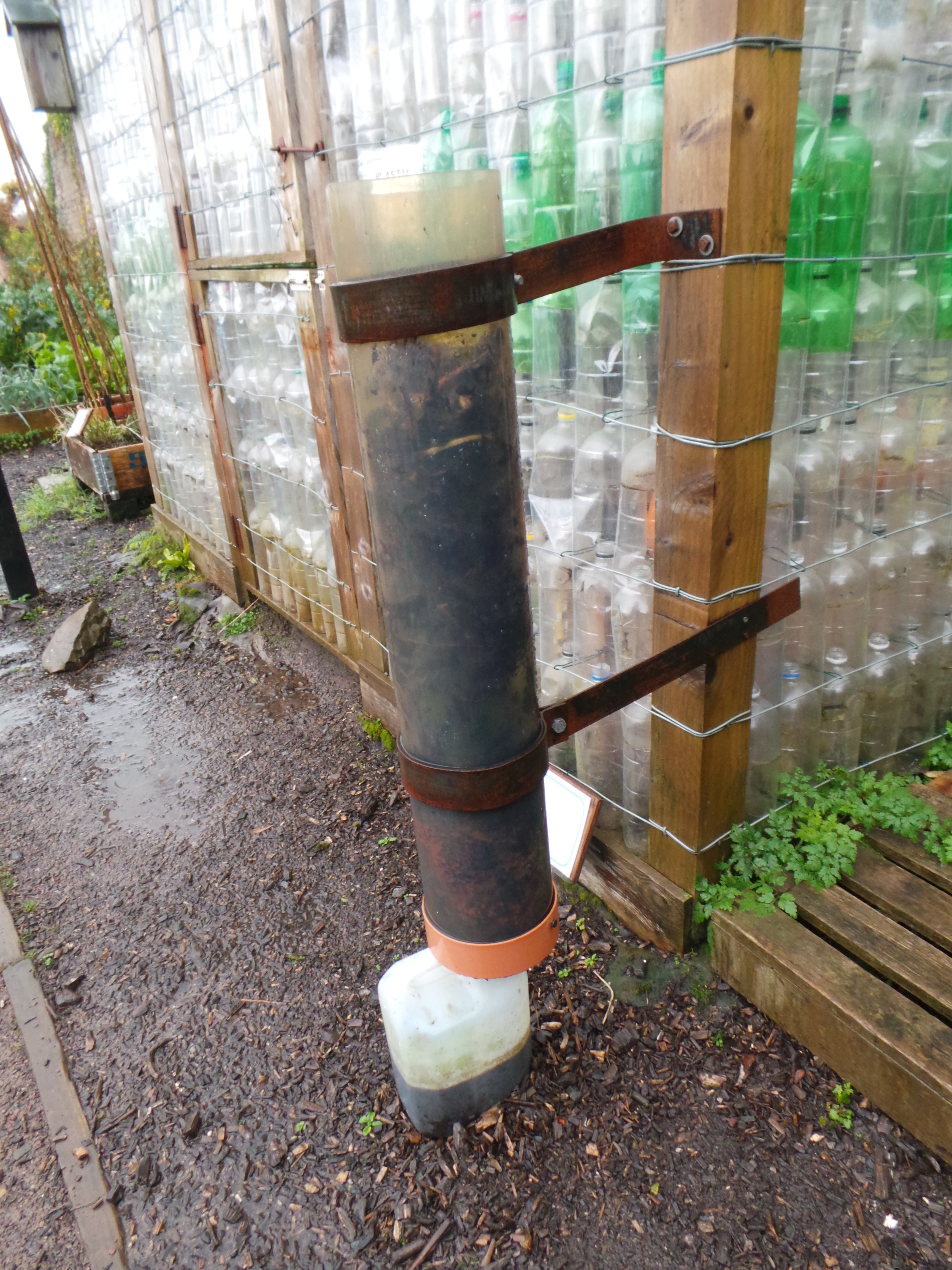
Once in the walled garden, a unique double-walled garden in fact, we enjoyed seeing what the local school children had been up to on their plots. A beautiful bug hotel, a greenhouse made from recycled drinks bottles and an ingenious method comfrey feed all held our interest in spite of the rain.

2014 11 21_7848 2014 11 21_7849 2014 11 21_7850 2014 11 21_7851 2014 11 21_7852

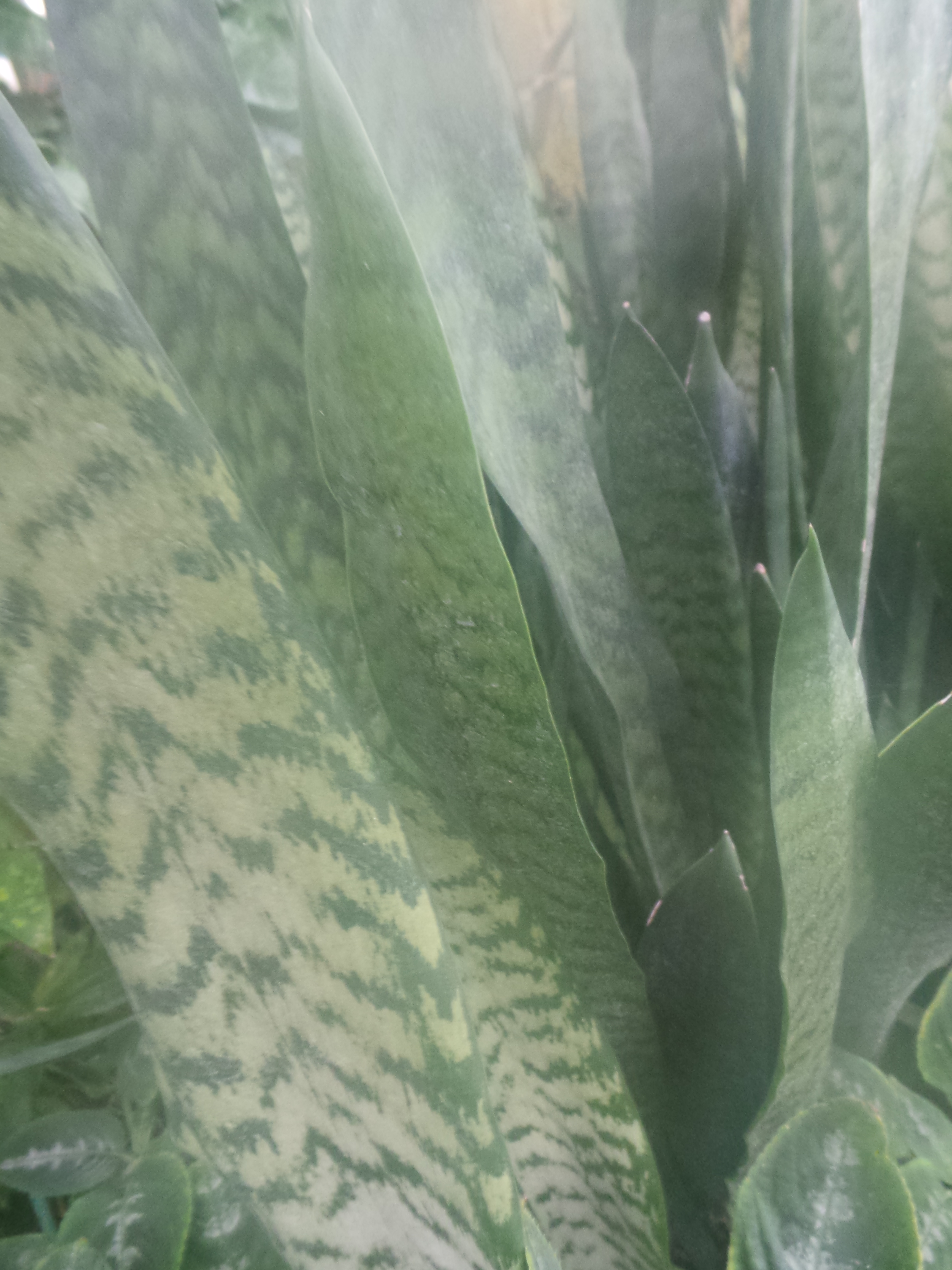
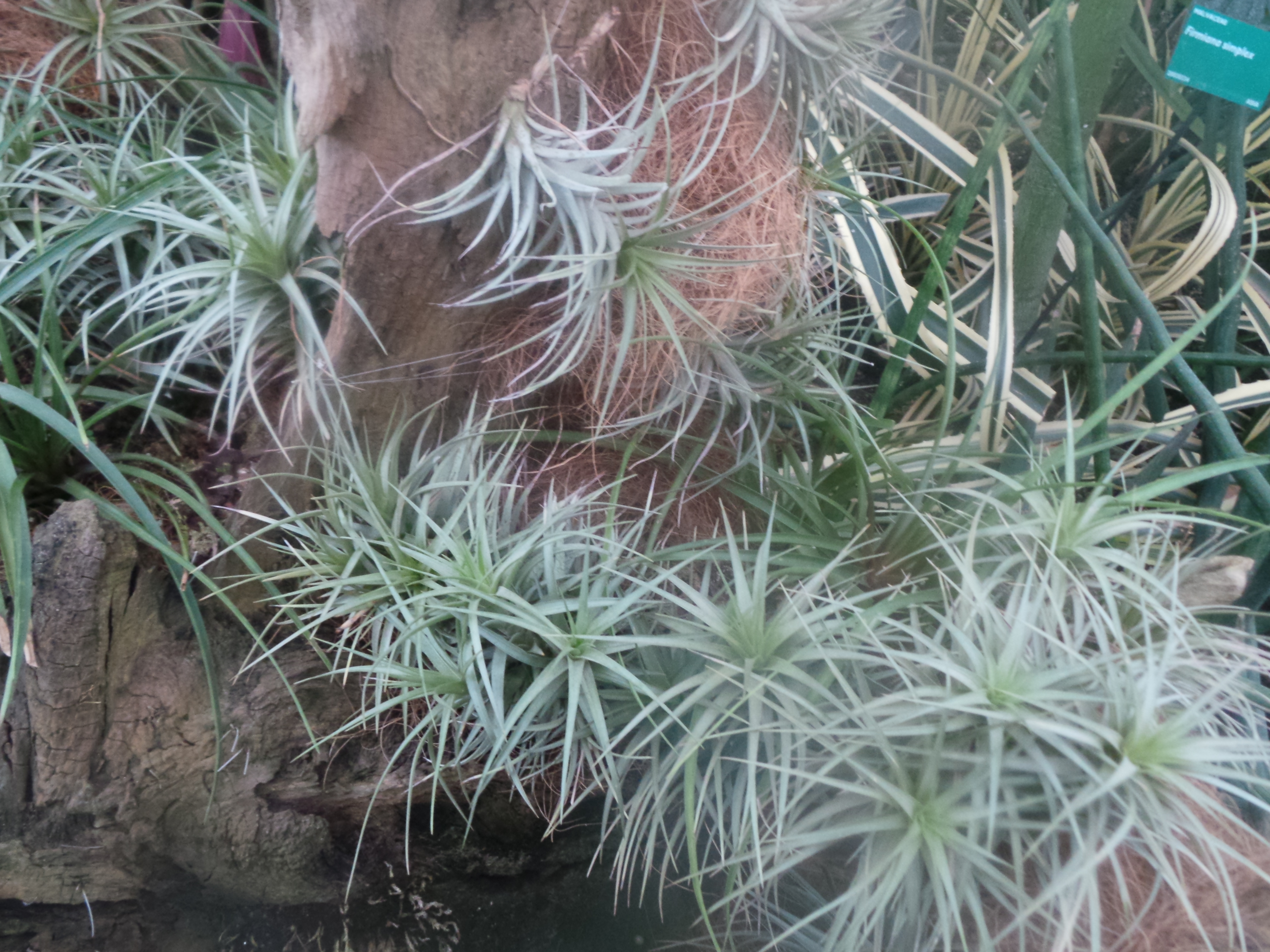
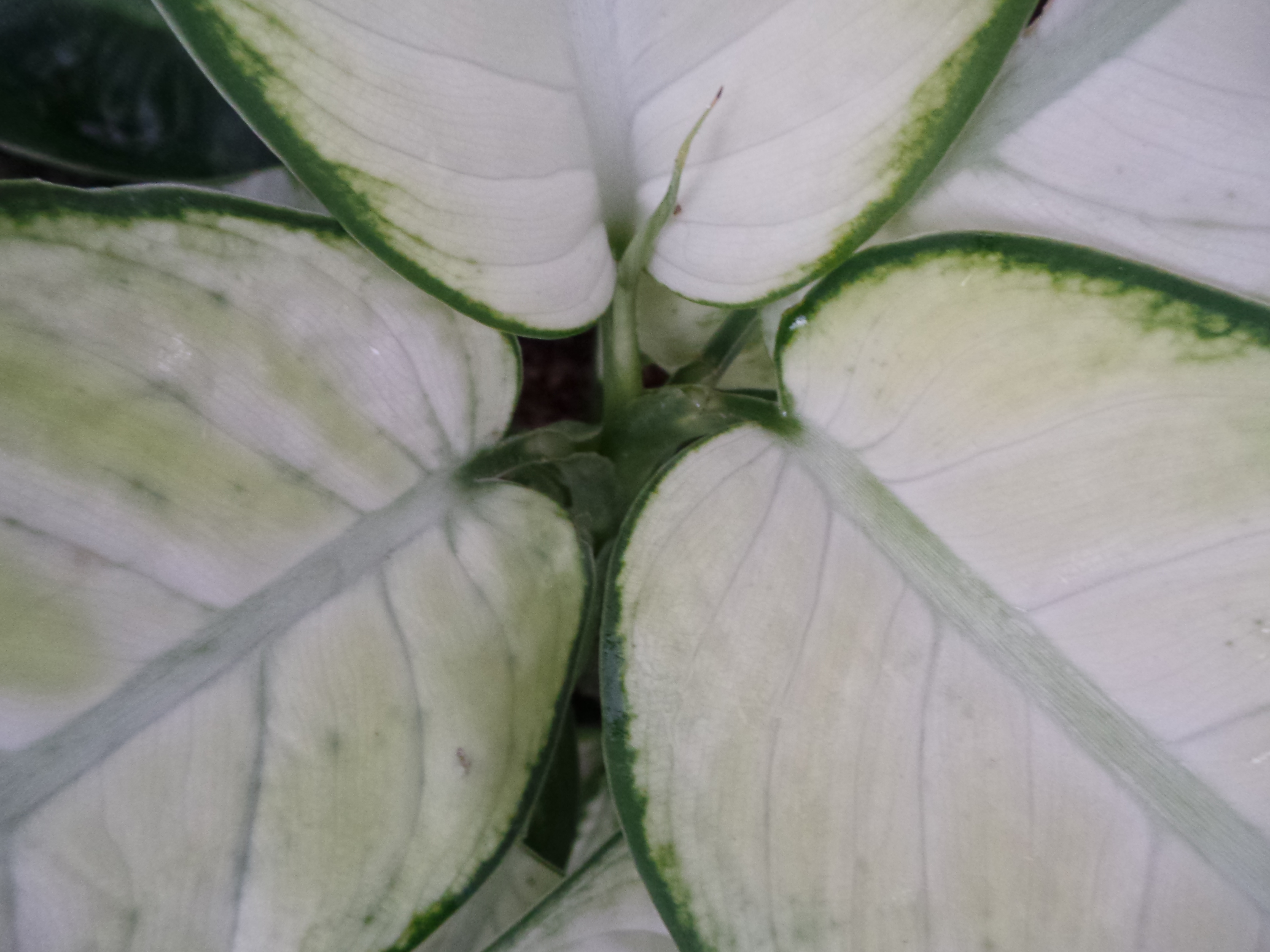
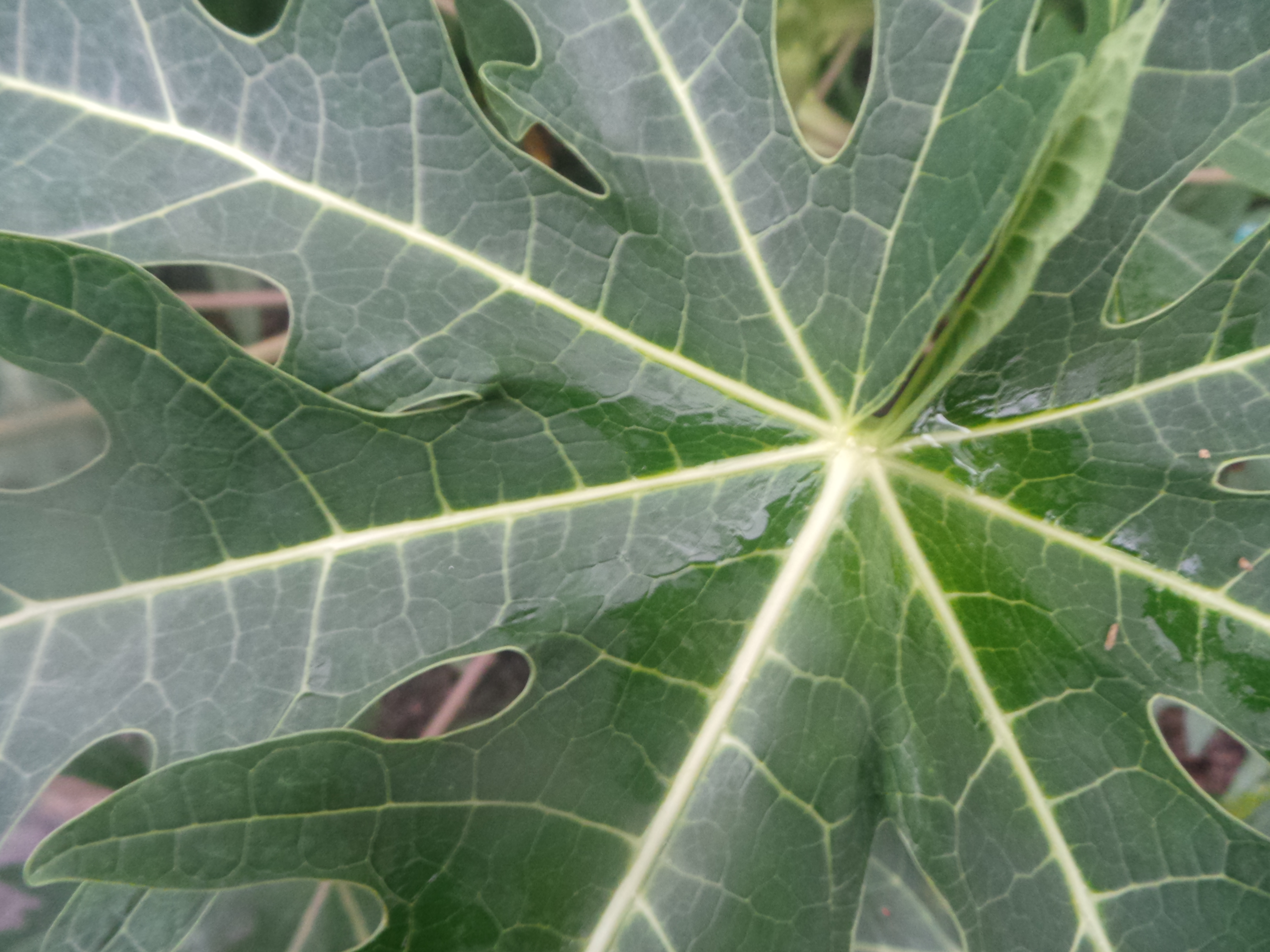
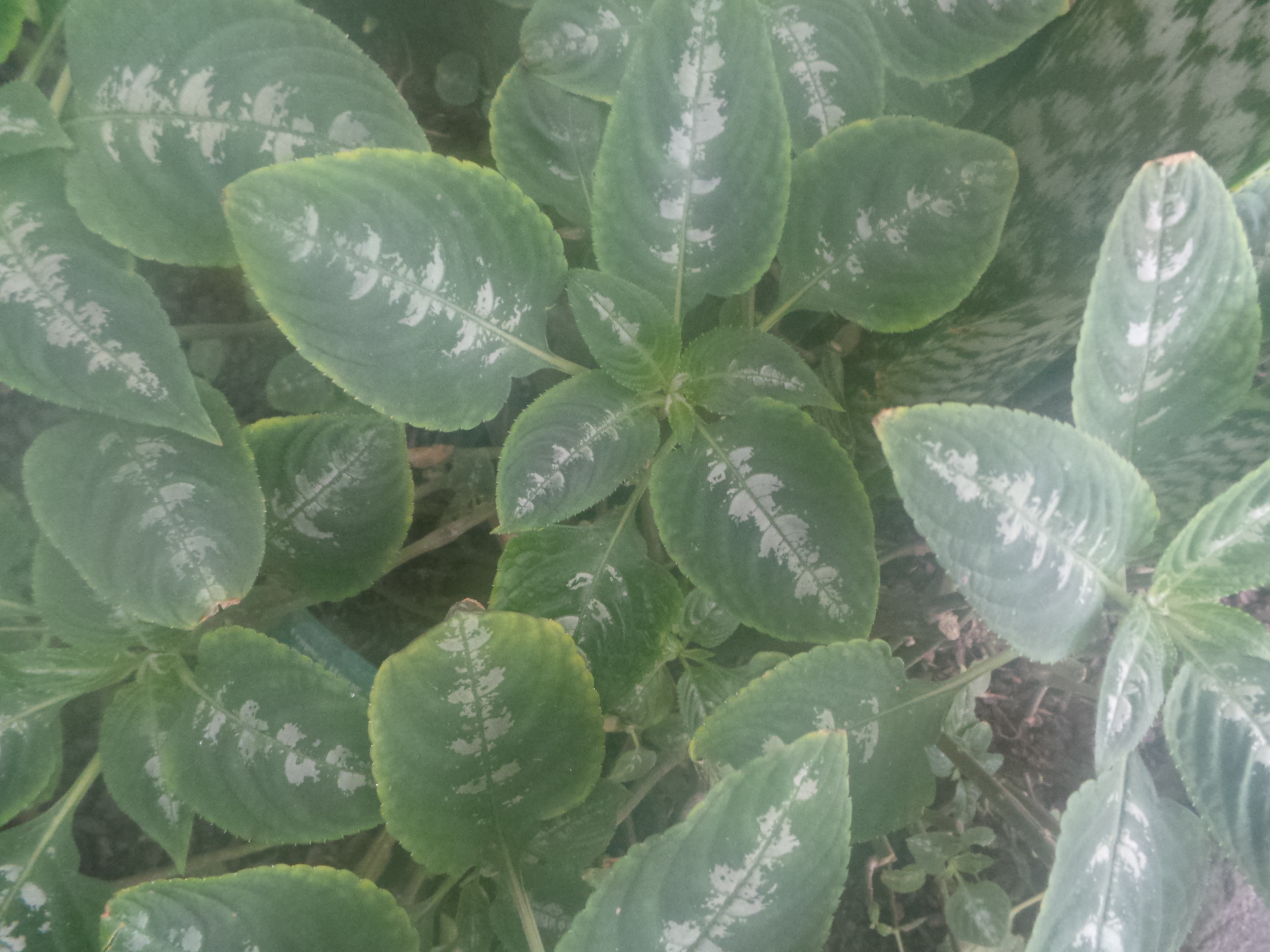
Once inside the tropical glasshouse we certainly warmed up but my glasses and camera lens both misted up. It took a while for us and the camera to acclimatise. When we did, we were enthralled by foliage of all shapes and sizes, many patterned and textured. Just enjoy the photos.

2014 11 21_7854 2014 11 21_78592014 11 21_7856 2014 11 21_7858 2014 11 21_7859 2014 11 21_7860 2014 11 21_7861 2014 11 21_7863 2014 11 21_7866 2014 11 21_78672014 11 21_7869 2014 11 21_78722014 11 21_7873 2014 11 21_7875

The few blooms present were bright and gaudy!

2014 11 21_7868 2014 11 21_7870 2014 11 21_7871 2014 11 21_7874

When we last visited this garden these old Victorian range of glasshouses were covered in scaffolding so it was great to see they had been renovated and planted up. While the modern curved glasshouse houses temperate plants we were pleased to have discovered the contrast with these old ones housing their tropical plants. It was hot and very humid! The variety of planting was impressive!

The only trouble with the comfort we felt inside the glasshouse was that when we left we had to return to the reality of the wet, cold Welsh weather.

Categories
architecture buildings photography recycling townscapes Yorkshire

Haworth – Village of the Brontes – Part Two

Welcome back to Haworth, the village of the Brontes, where you find us just about to enter the church, in whose parsonage the family of writers lived. As we walked the gently sloping roadway to the church and parsonage we passed another interesting, eccentric shop. Haworth seemed to attract such places. The church itself was a tall, bulky building and very imposing – not an attractive building at all. But visitors are attracted to it for its Bronte links.

2014 11 01_7055 2014 11 01_7062 2014 11 01_70822014 11 01_7120 2014 11 01_7117

Throughout the church interior we discovered links with the Brontes, which was not always easy in the gloomy interior. Light is always strange inside churches and you feel uncomfortable using a flash. Check out these plaques, old photos and documents.

2014 11 01_7118 2014 11 01_71192014 11 01_7113 2014 11 01_7115

2014 11 01_7111 2014 11 01_7112

2014 11 01_7114 2014 11 01_7116


Almost opposite the church was the school in which Charlotte Bronte taught. It was a very short journey to work!

2014 11 01_7063 2014 11 01_7064

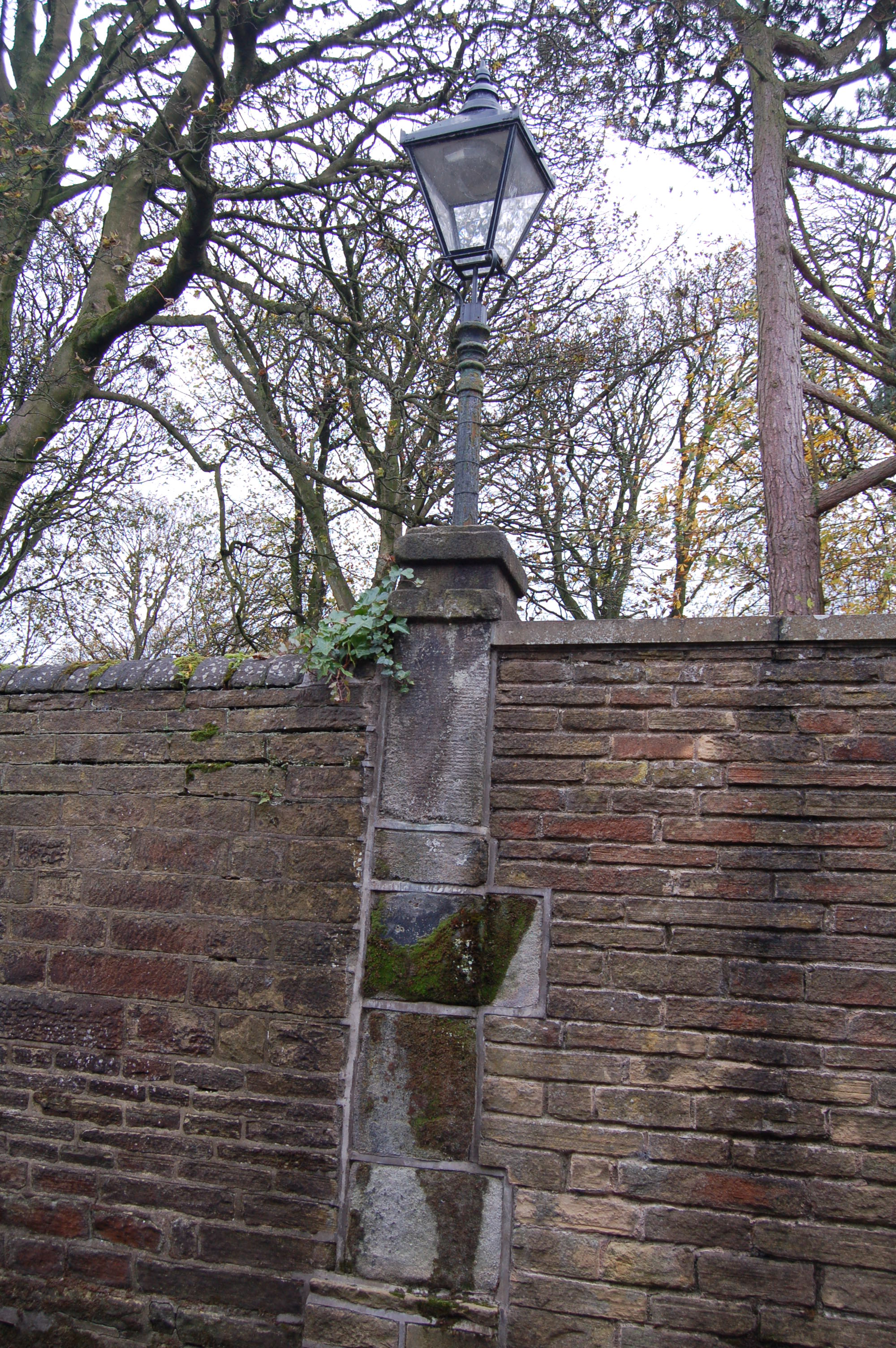
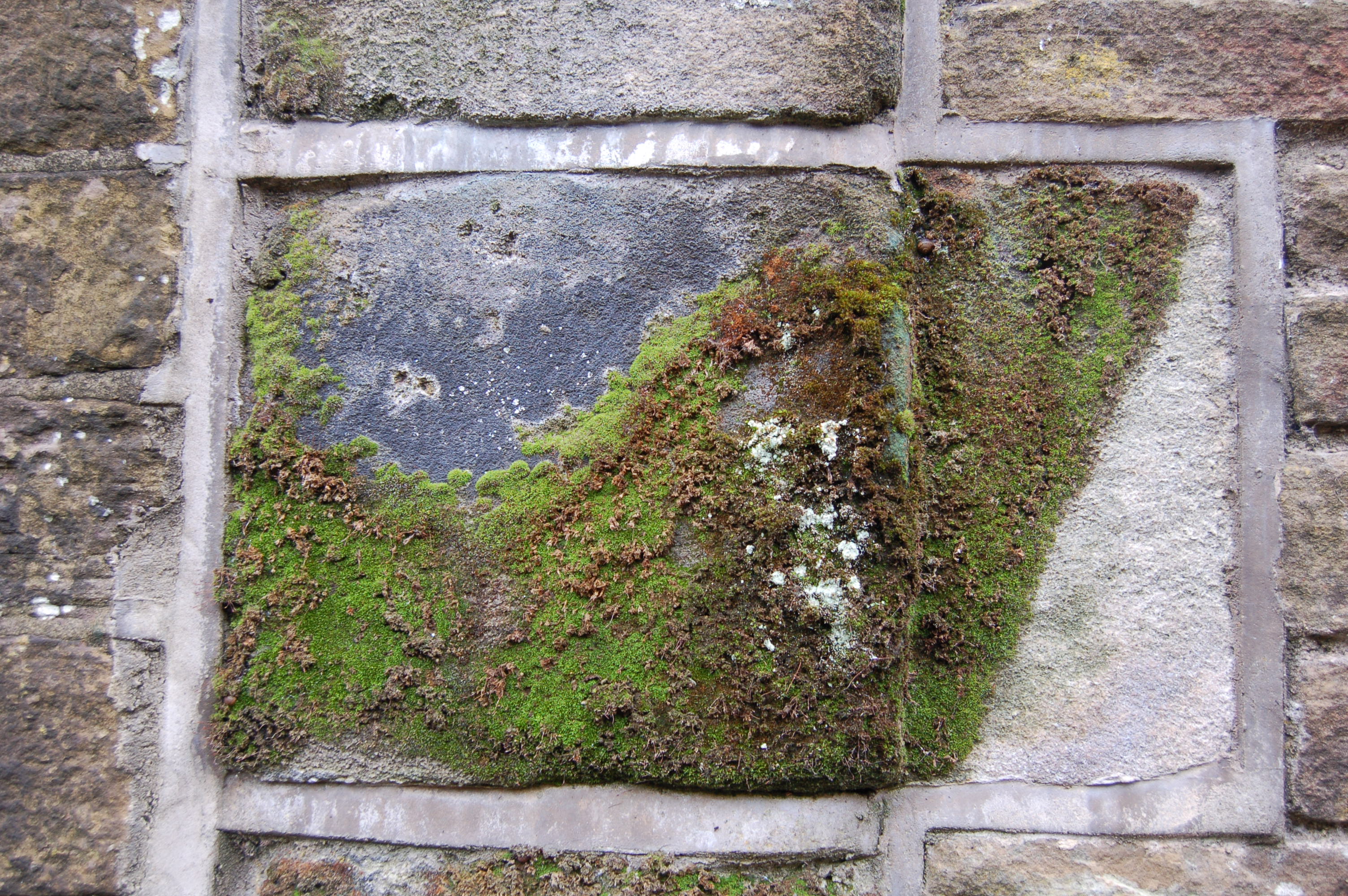
The tall stone wall surrounding the churchyard was covered in mosses. Close up some patches looked like pictures of earth from the air.

2014 11 01_7065 2014 11 01_7066 2014 11 01_7067

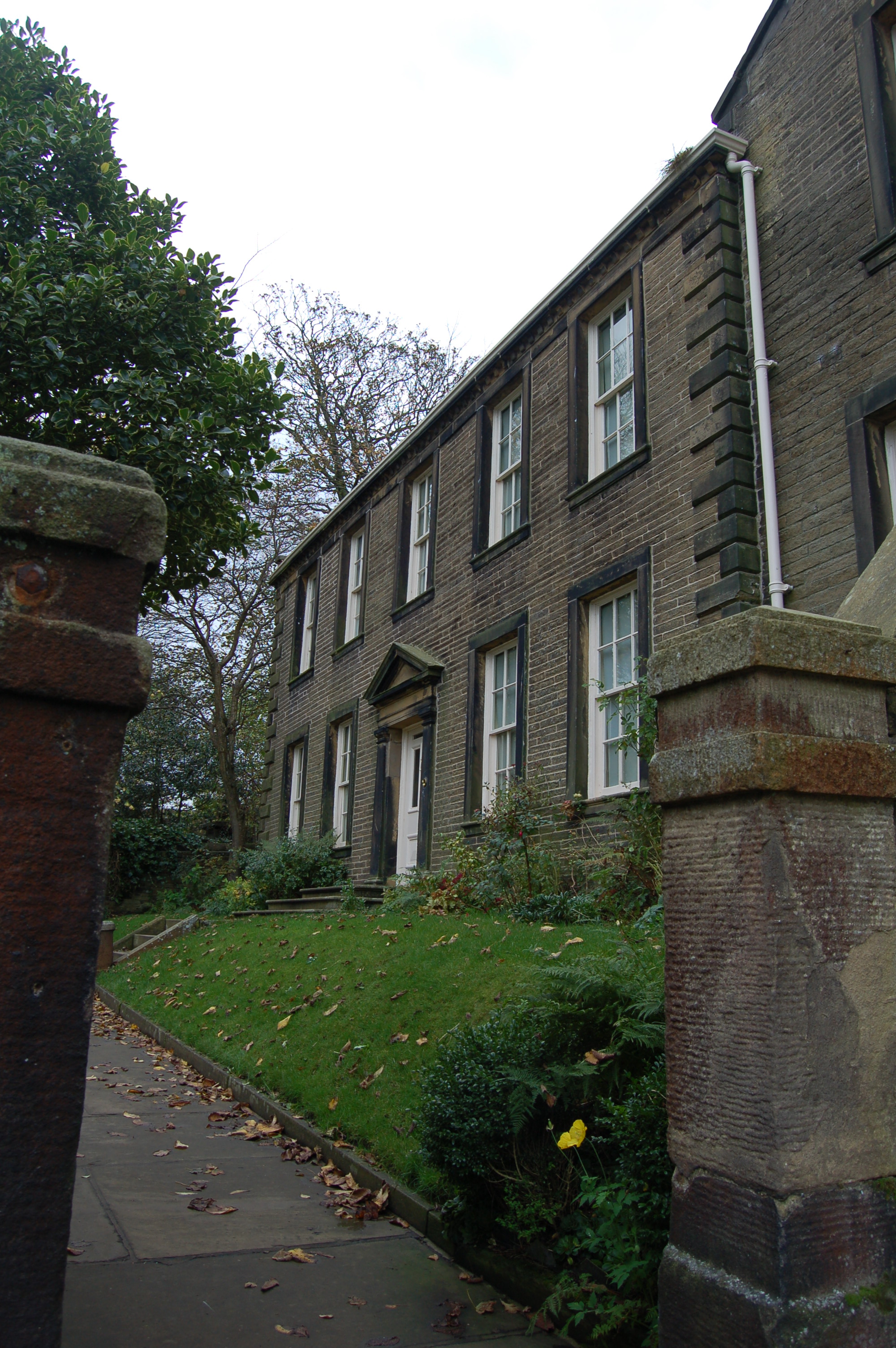
The parsonage frontage looks straight at the church and was built on a high piece of land so looked most imposing.

2014 11 01_7070 2014 11 01_7083

2014 11 01_7068 2014 11 01_7069

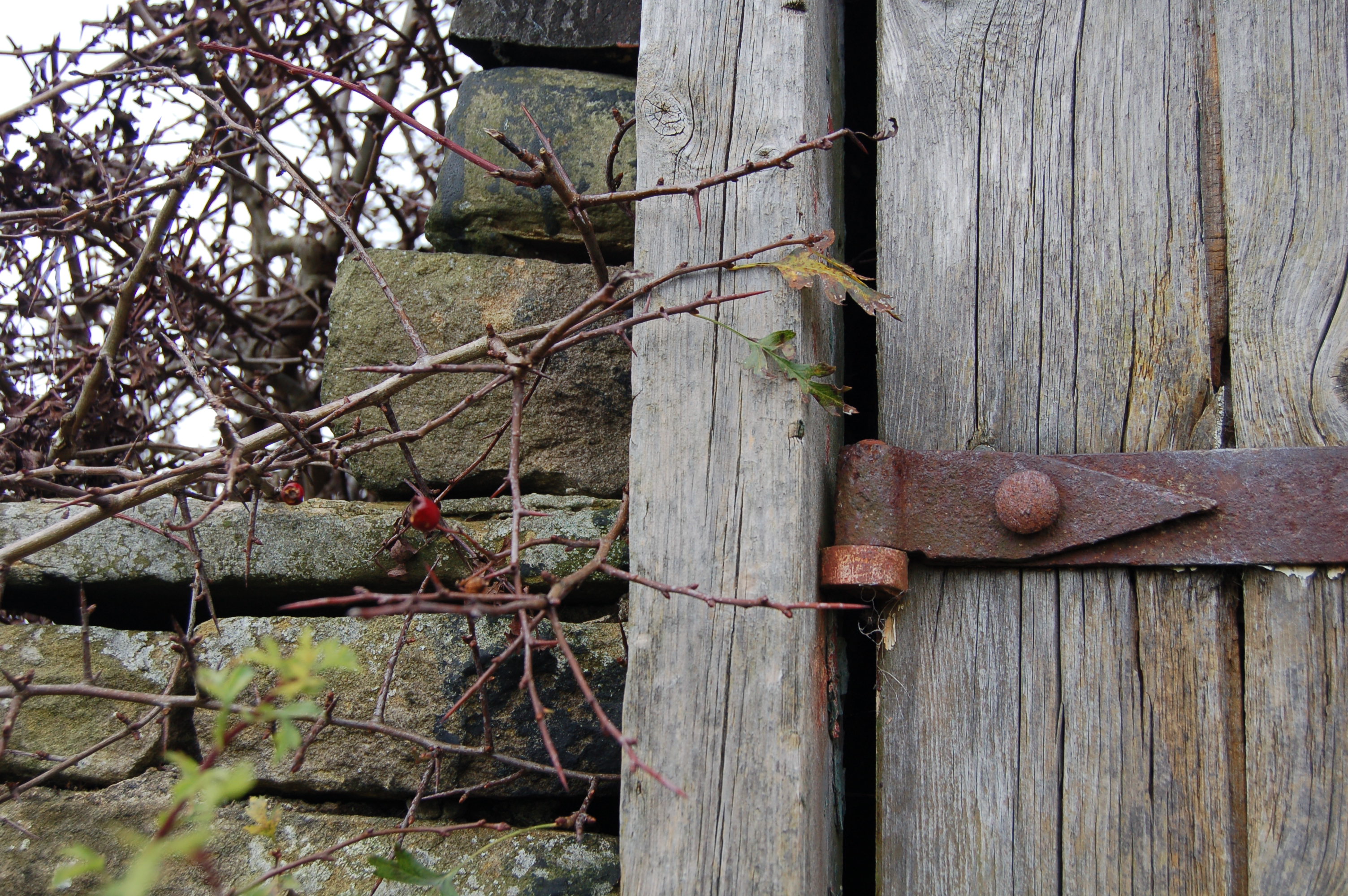
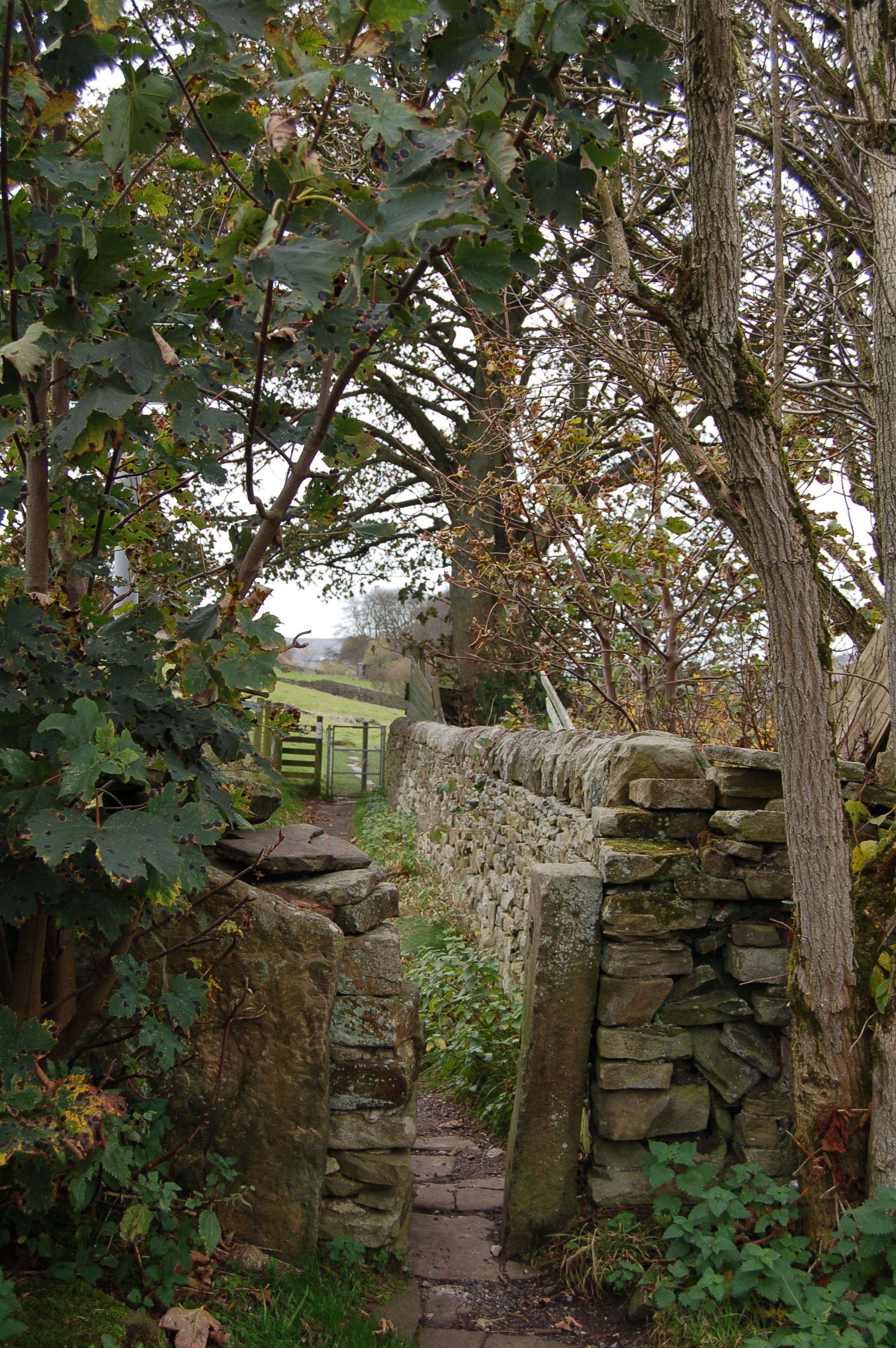
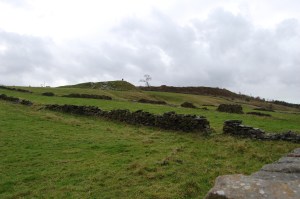
Beyond the Parsonage a narrow footpath took us up to the edge of the moors which influenced so much of the Bronte family writings. Styles and gateways on this track were extremely narrow and walkers had to squeeze through. They were also of strange designs which we had never seen before. The walls alongside the track as it passed the last few village dwellings presented me with the chance to take a few texture shots. In places the path was made of flat stones sunk into the grass.

2014 11 01_7071 2014 11 01_7074 2014 11 01_7077 2014 11 01_7078  2014 11 01_7080 2014 11 01_7081

2014 11 01_7079

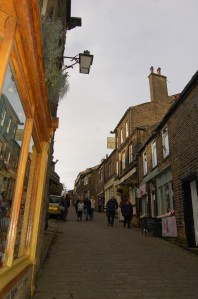
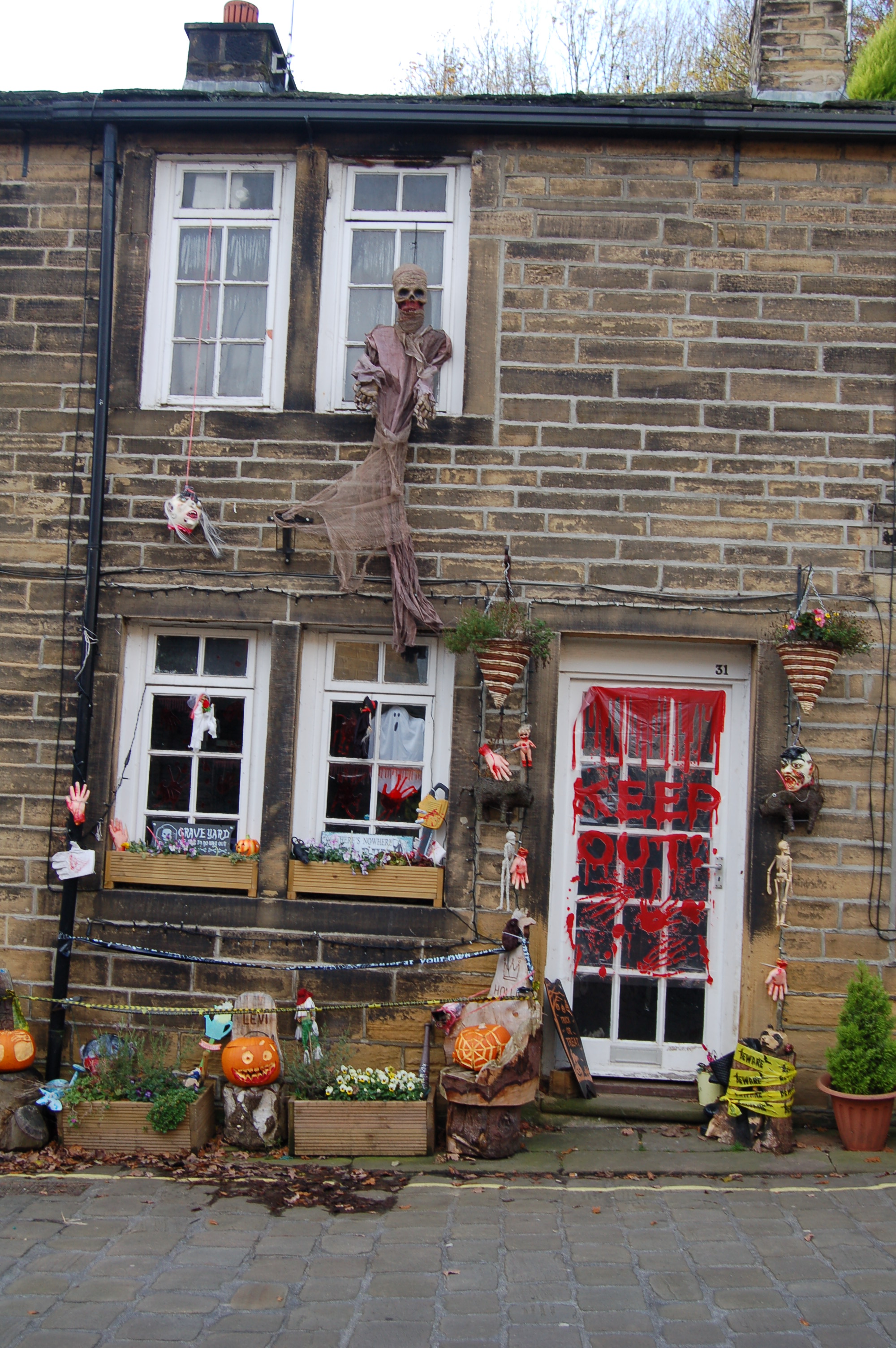
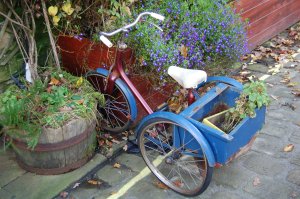
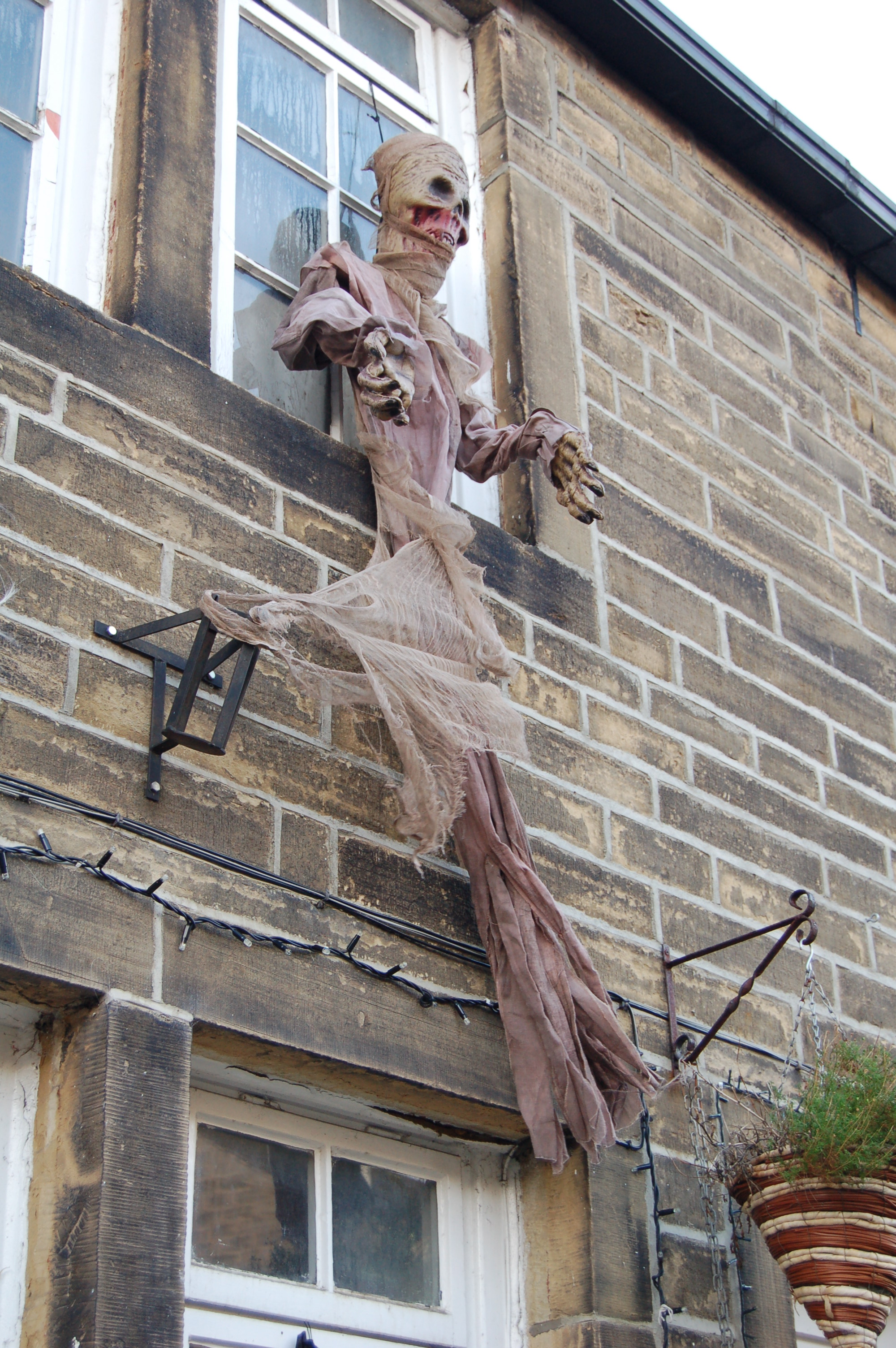
We returned to the village centre and took the gentle stroll down the Main Street, with its eclectic mix of shops many displaying art and crafts. We soon discovered we were visiting soon after the village had celebrated the day the Tour de France cycle race came and the day after it had celebrated Halloween. Spot the recycled cycles and the spooky happenings.

2014 11 01_7092 2014 11 01_7085

2014 11 01_7090 2014 11 01_7095

2014 11 01_7094 2014 11 01_7093  2014 11 01_7091 2014 11 01_7089 2014 11 01_7088 2014 11 01_7087 2014 11 01_7086 2014 11 01_7096

2014 11 01_7098 2014 11 01_7097 2014 11 01_7099 2014 11 01_7100 2014 11 01_7101 2014 11 01_7102 2014 11 01_7103 2014 11 01_7104 2014 11 01_7105 2014 11 01_7106

2014 11 01_7107 2014 11 01_7108 2014 11 01_7109

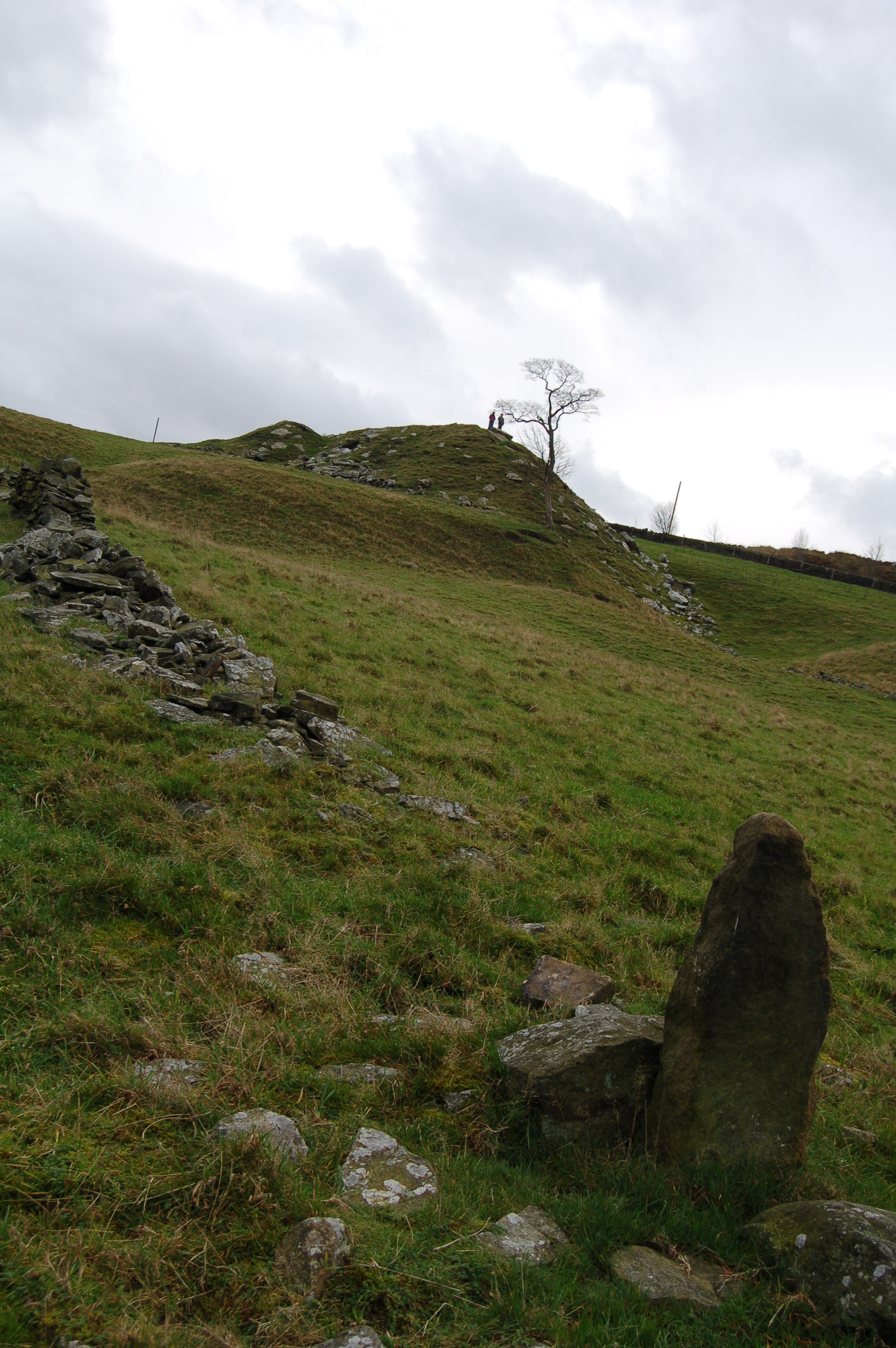
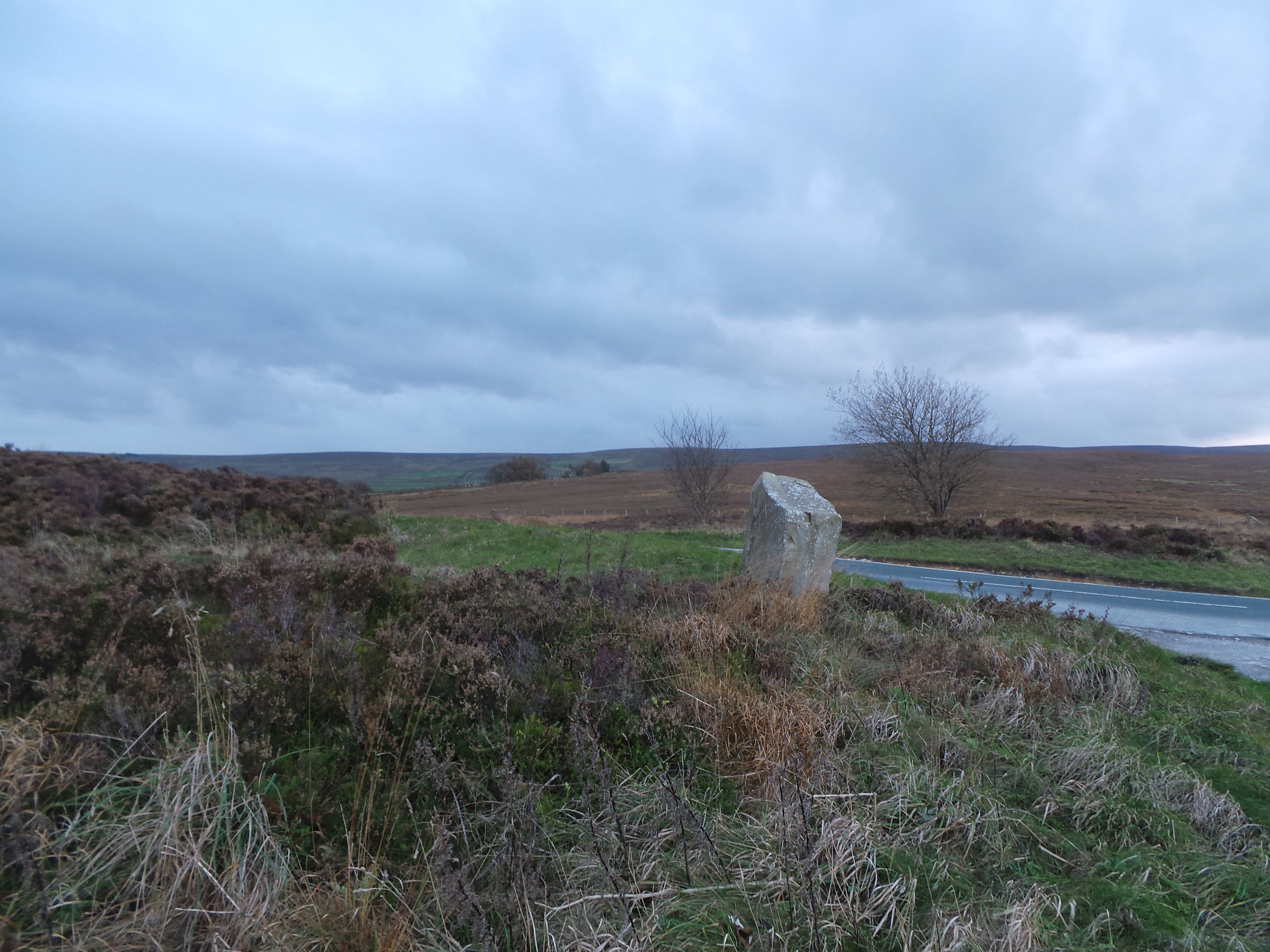
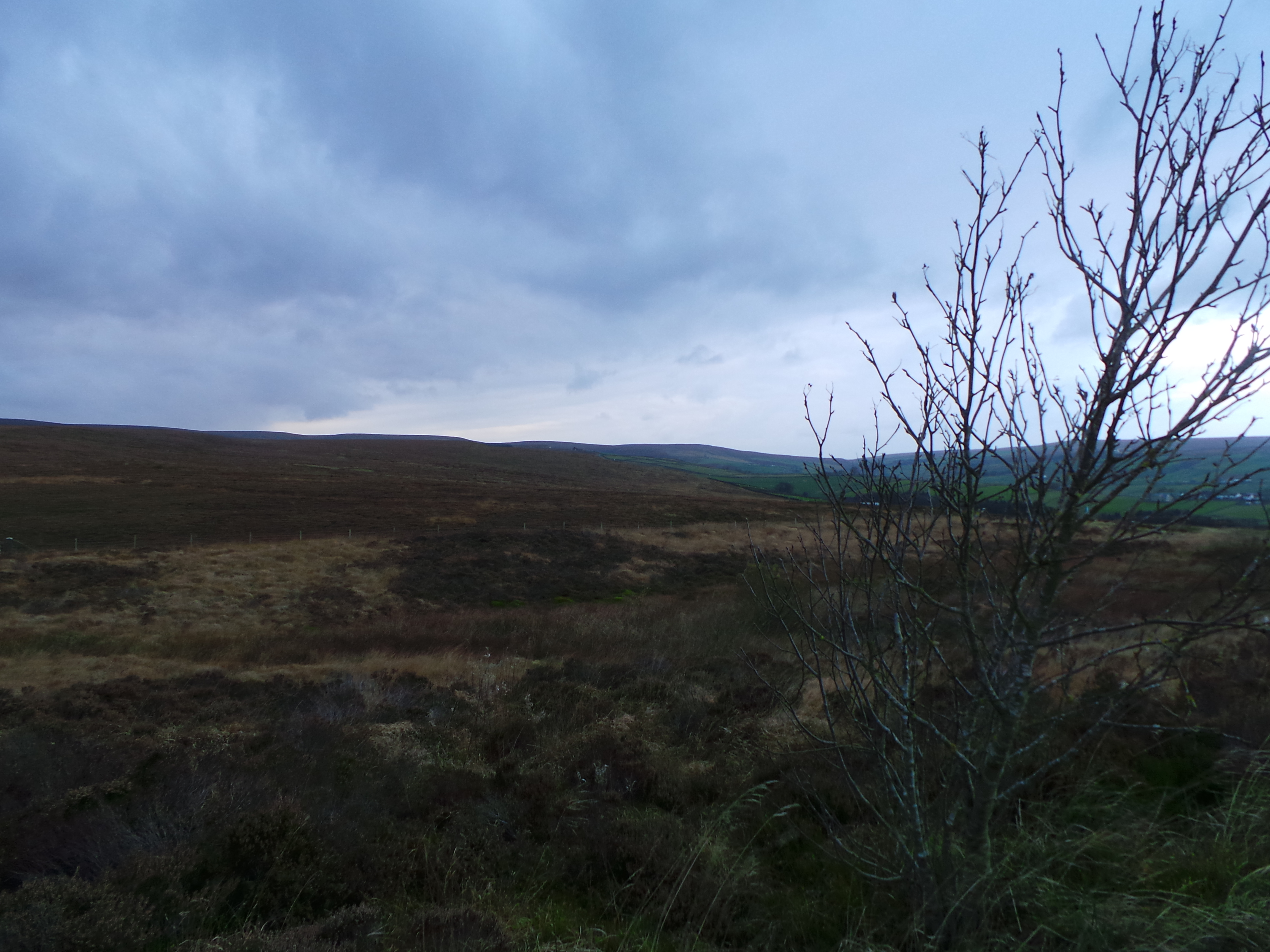
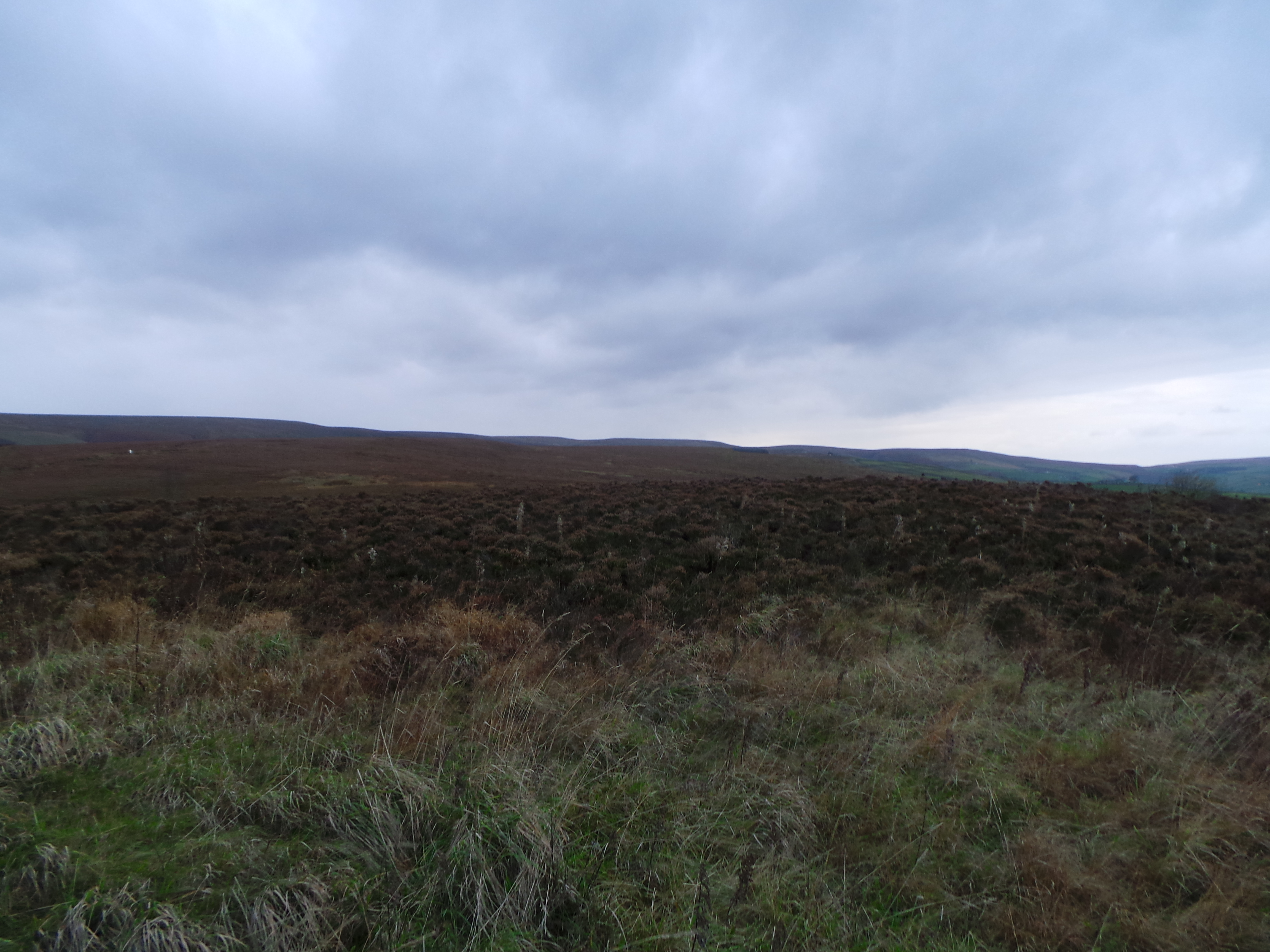
As we left the village to start our long journey home we made a diversion over the moors to take a short wander in the footsteps of the Bronte family. It was easy to see how its isolation and atmosphere provided such inspiration.

2014 11 01_7121 2014 11 01_7122 2014 11 01_7124 2014 11 01_7126 2014 11 01_7127 2014 11 01_7128


Categories
community gardening garden design garden furniture garden seating garden wildlife gardening gardens gardens open to the public natural pest control outdoor sculpture poppies recycling sculpture wildlife Yellow Book Gardens

A Wonderful Community Garden

Returning from a few days away down south we made a diversion from the direct route home to visit a community garden in the Wiltshire town of Swindon, a town renowned in its heyday for manufacturing everything to do with railways at their peak in the era of steam.

As Jude, aka The Undergardener or Mrs Greenbench, and I are involved in running an allotment community garden we were keen to see what was going on at TWIGS, another community garden which like us open under the auspices of the National Garden Scheme.

TWIGS stands for Therapeutic Work in Gardening in Swindon, which proved to be a perfect reflection of what goes on in what we discovered to be an amazing and caring enterprise.

It was hard to find even though the directions in the NGS’s Yellow Book made it look simple. We navigated our way around the bypass searching for the right exits and often failing, until we found the right district. We wriggled through industrial and business parks in search of a garden centre which shared its grounds with TWIGS.

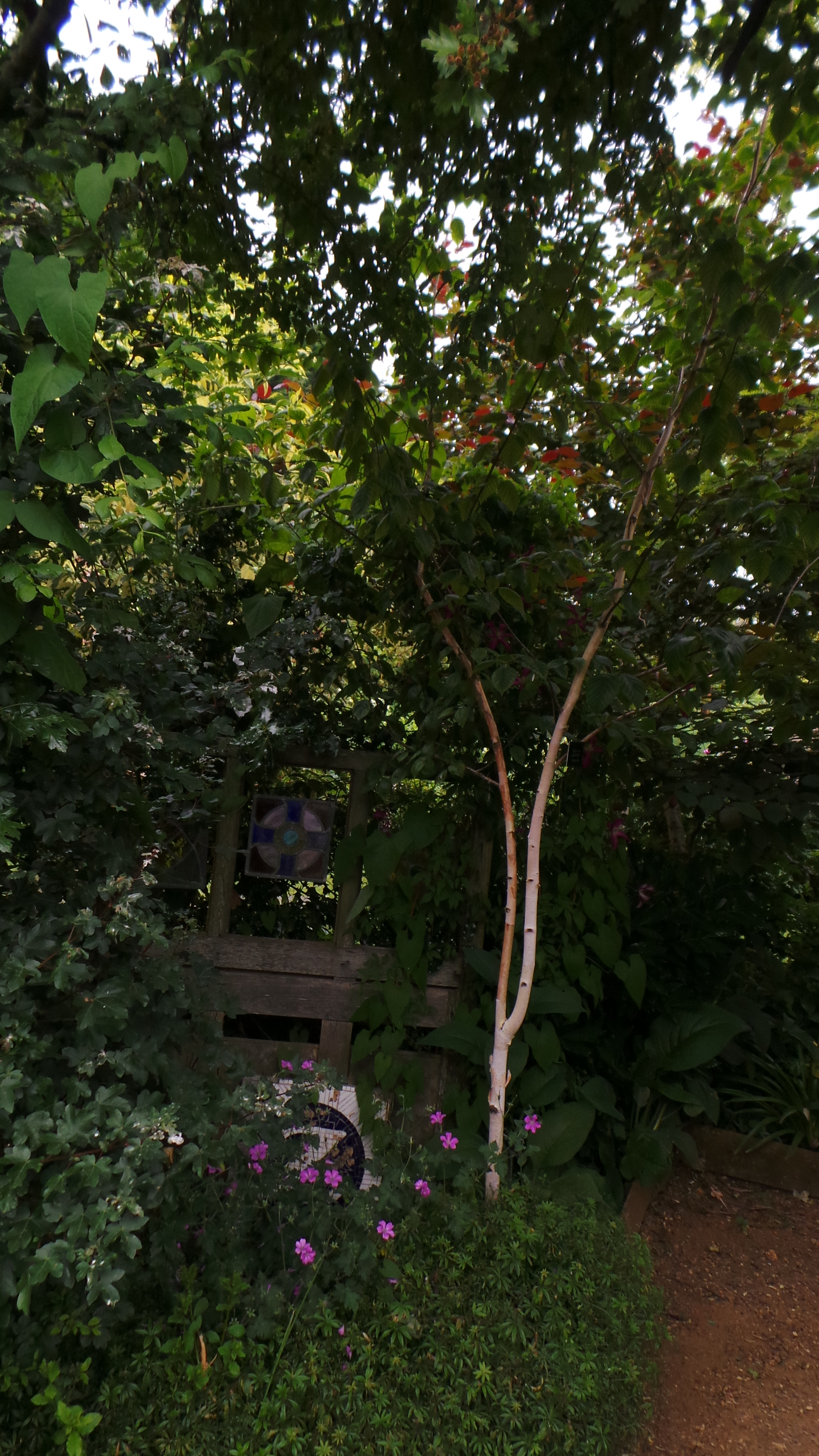
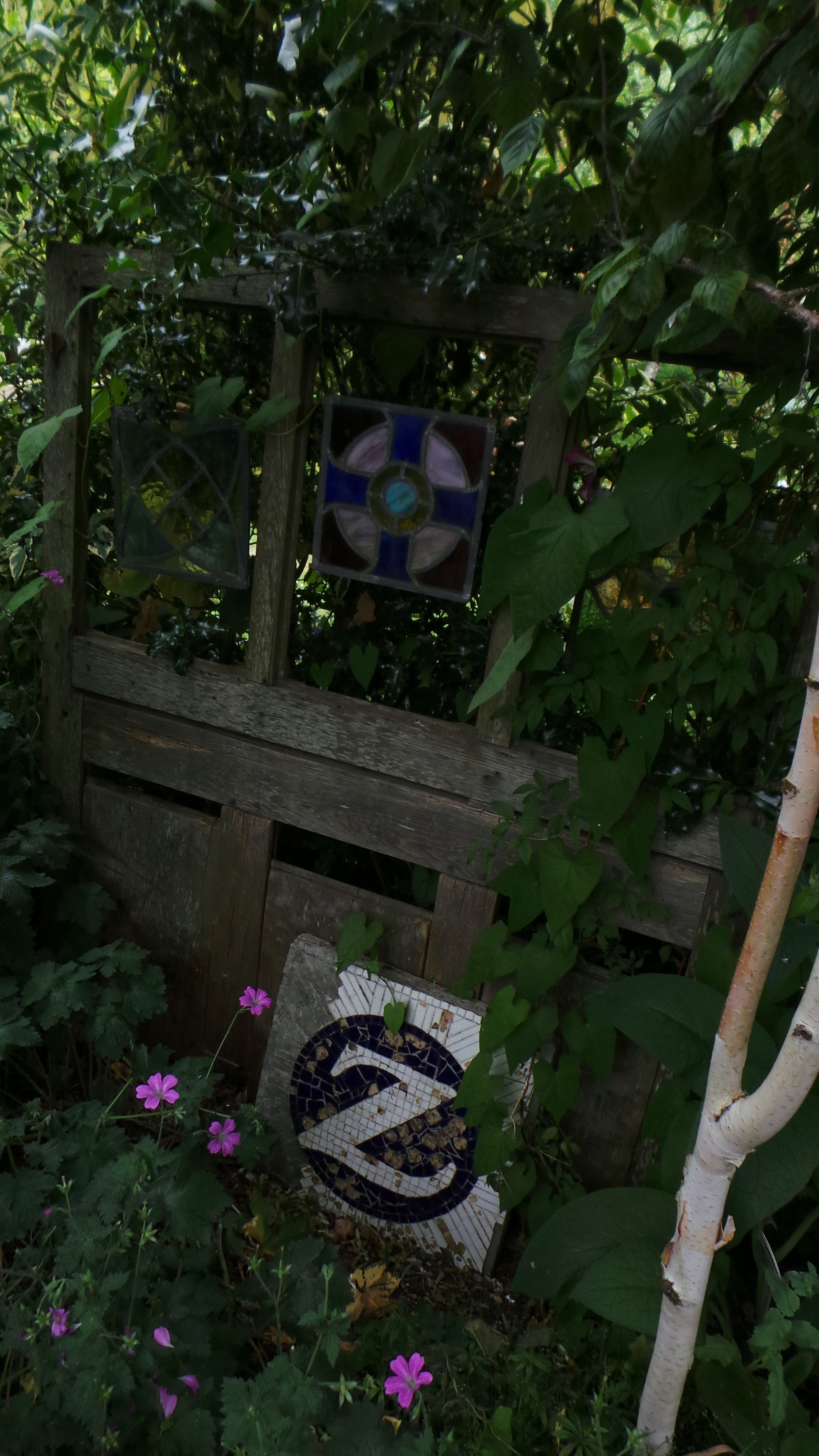
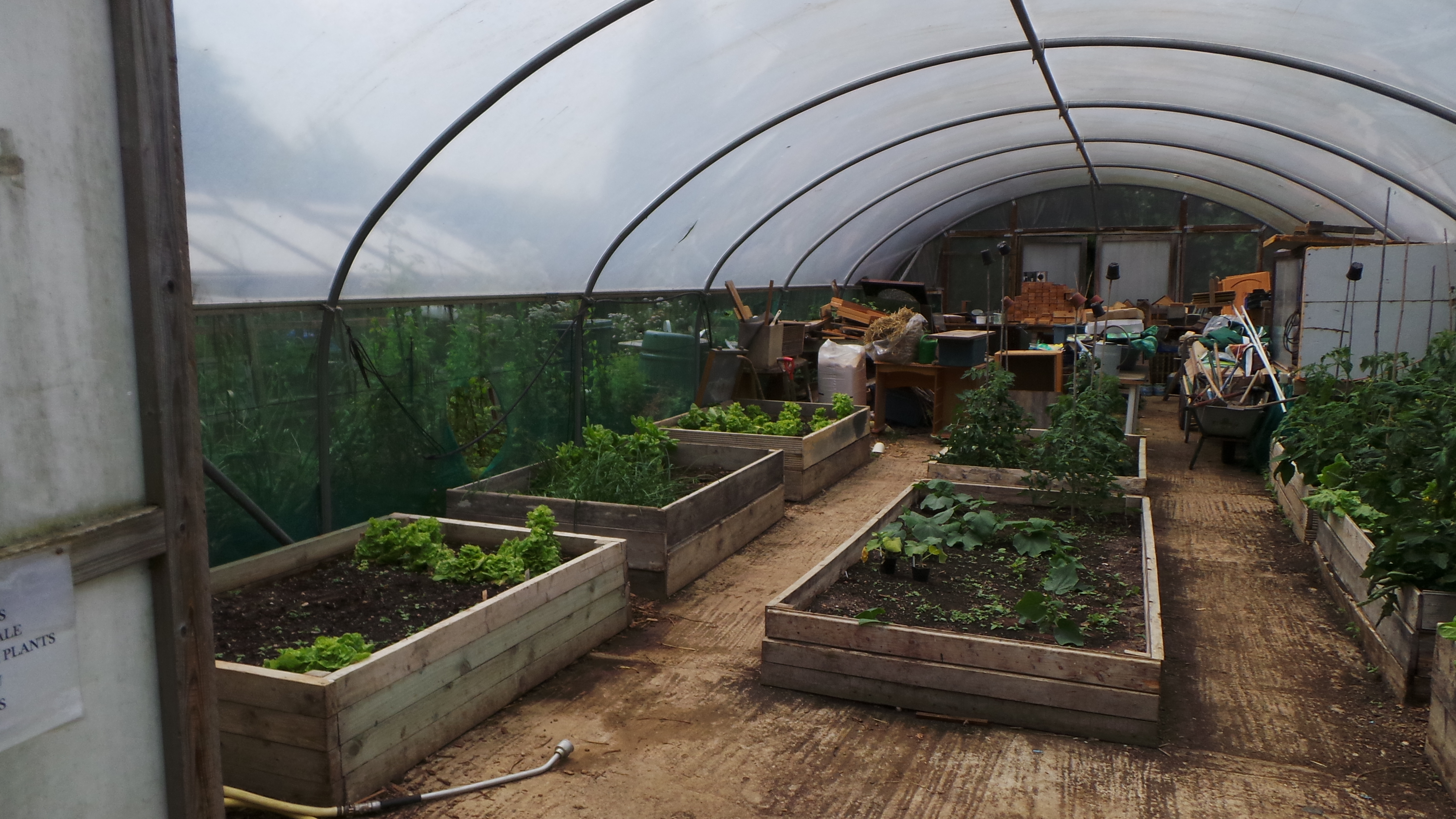
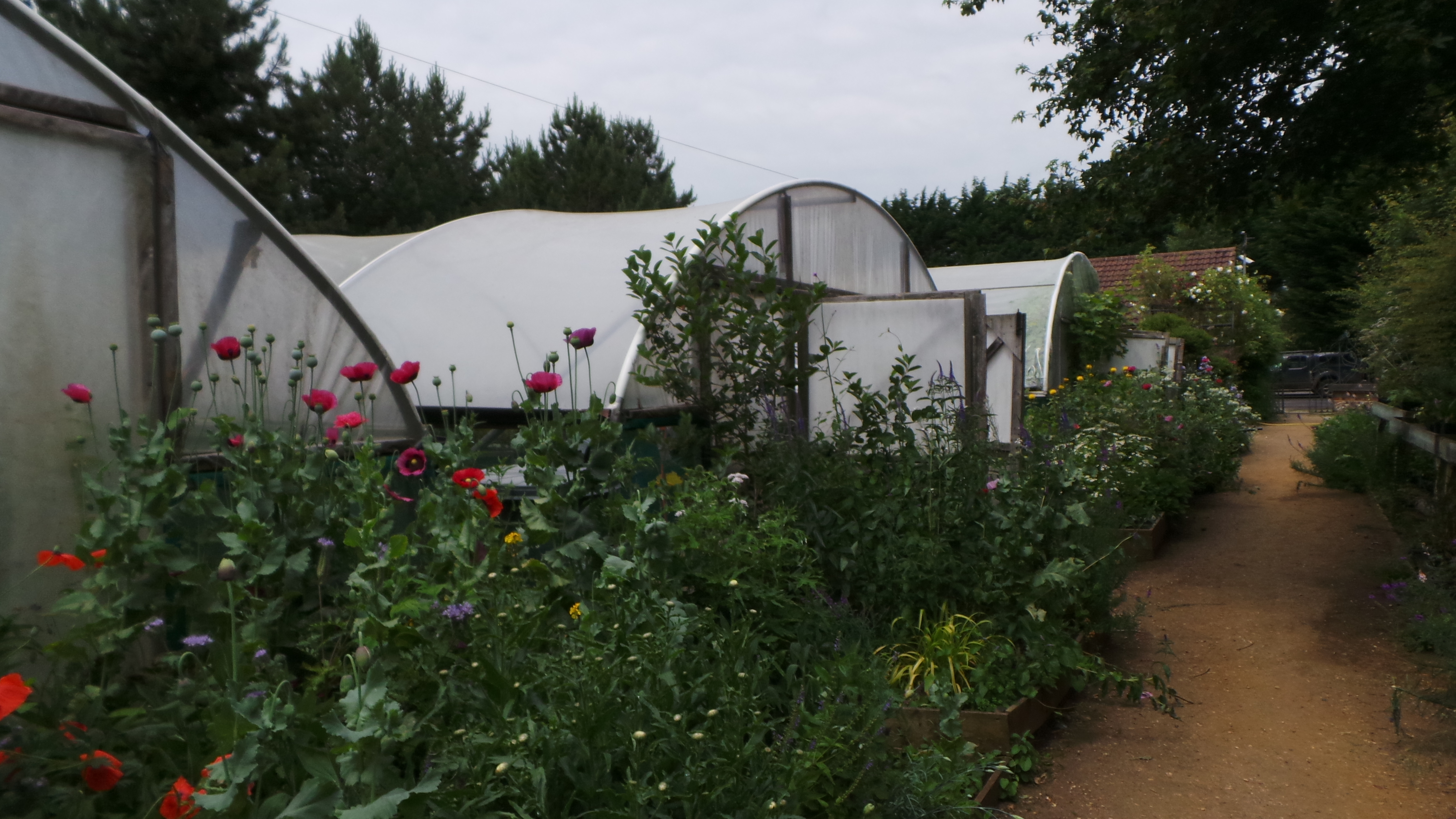
When we successfully arrived were welcomed by this cheerful planter alongside the gateway in. Once inside we immediately spotted colourful borders and rows of busy polytunnels.

2014 06 23_1061 2014 06 23_1062 2014 06 23_1063 2014 06 23_1064

Come around with us now as we wander the paths of TWIGS discovering their wonderful work.

2014 06 23_1065 2014 06 23_1067 2014 06 23_1068

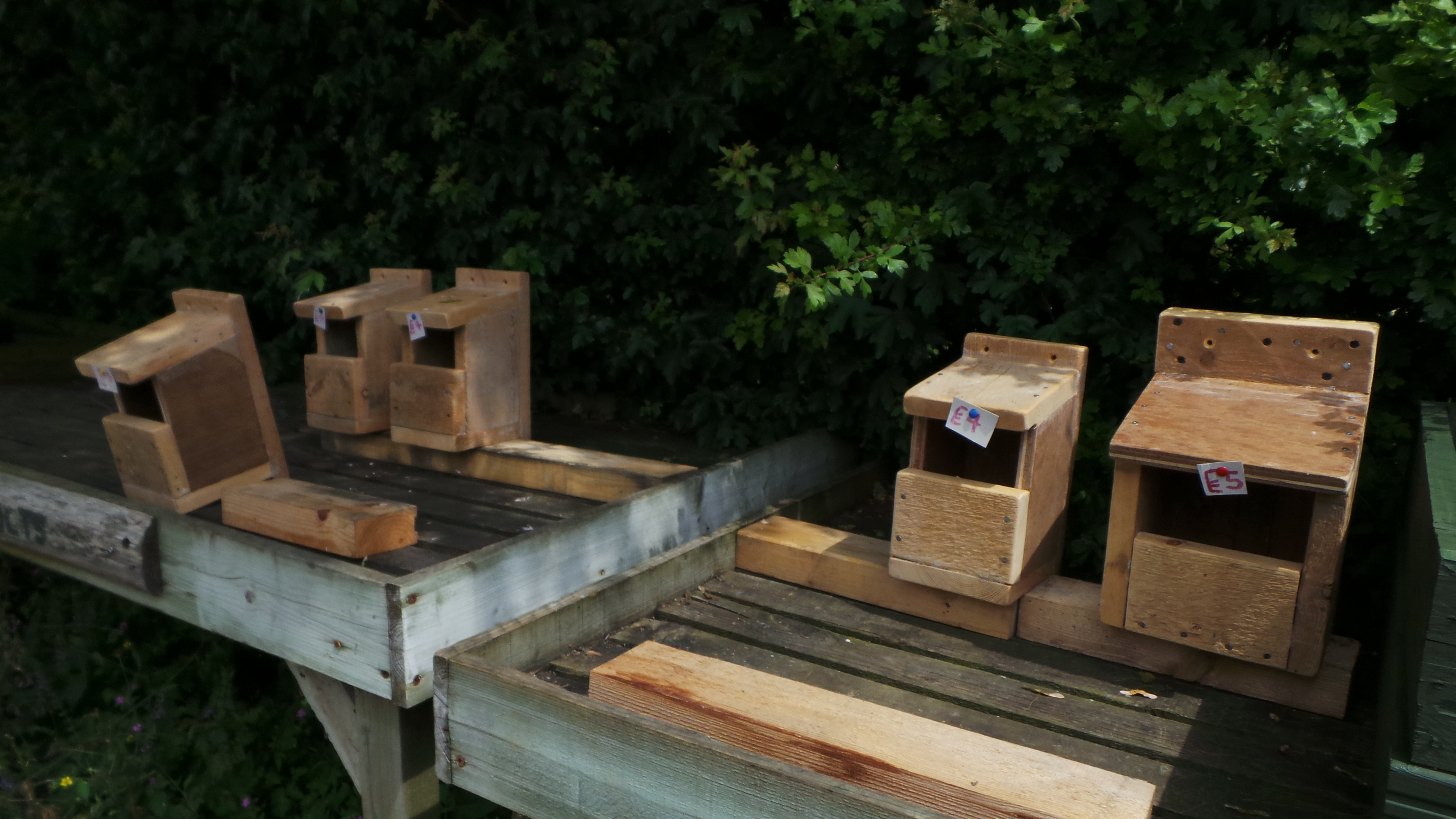
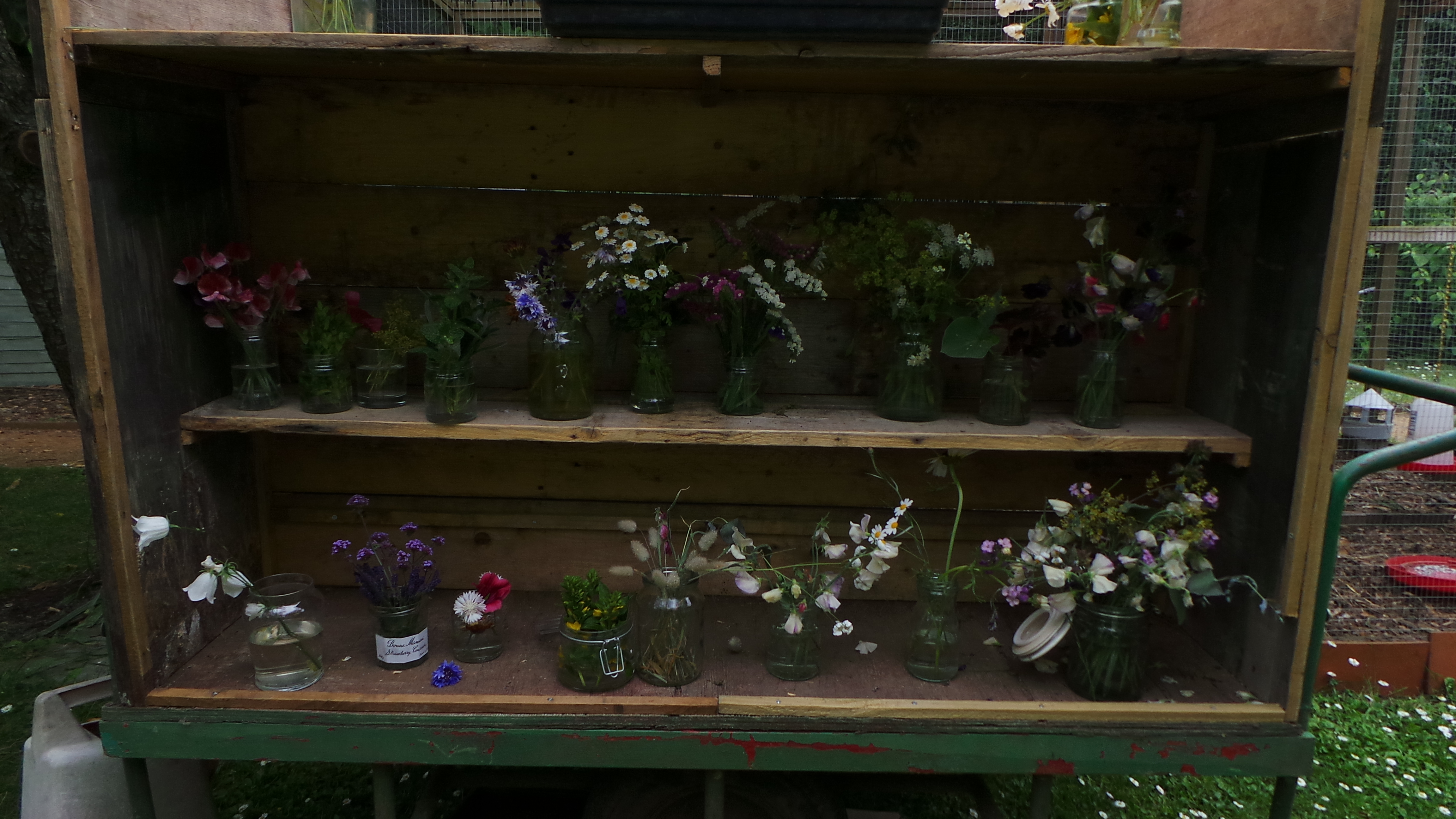
The staff and volunteers here help their clients who have problems of all sorts, to regain their pride and confidence through raising plants, looking after chickens, making bird boxes and insect homes, creating gardens and crafting sculptures and much more. The plants raised are used both in the gardens and for sale in the little nursery and the nestboxes and insect homes are found around the site to encourage wildlife as well as for sale to visitors.

2014 06 23_1069 2014 06 23_1070 2014 06 23_1071 2014 06 23_1073 2014 06 23_1074 2014 06 23_1076 2014 06 23_10872014 06 23_1081 2014 06 23_1086


2014 06 23_1092 2014 06 23_1094

2014 06 23_1093  2014 06 23_1101 2014 06 23_1138

The gardens themselves are peaceful places, calm and quiet and great places to relax in or retreat to. The gardens are managed using organic approaches and in partnership with nature. They must have such a strong effect on those who care for them or like us just visit them.

2014 06 23_1077 2014 06 23_1072 2014 06 23_1082


2014 06 23_1078 2014 06 23_1079 2014 06 23_1084 2014 06 23_1085 2014 06 23_1083 2014 06 23_1096

2014 06 23_1097 2014 06 23_1090 2014 06 23_1095 2014 06 23_1091

There were some original ideas here too created by the clients, such as this sedum planter.

2014 06 23_1088 2014 06 23_1089

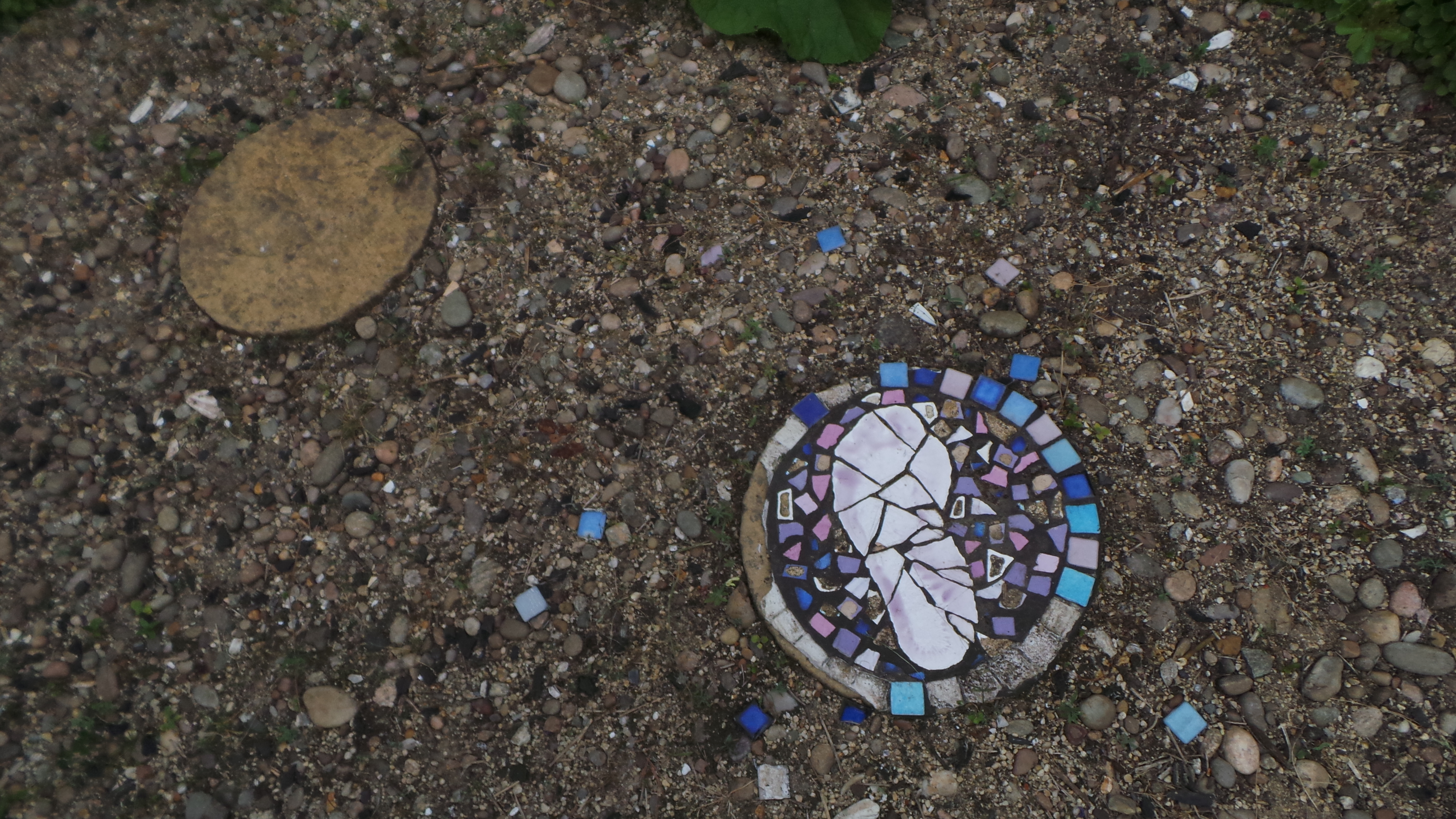
We found wandering around TWIGS a most enjoyable, relaxing and enlightening experience. It shows what can be achieved by dedicated people who want to use gardening and working with nature to improve the lives of others. It was good to visit another community garden which proved to be very different to our own at Bowbrook Allotment Community.I shall finish with this set of pictures which illustrate what TWIGS is all about. A sunken retreat had been designed by an artist in residence and built by the TWIGS clients using all recycled materials. It is a peaceful place to sit and widlife has found homes within it.

2014 06 23_1147 2014 06 23_1146 2014 06 23_1145


Categories
colours garden photography gardens gardens open to the public Land Art outdoor sculpture recycling sculpture

Decorated Bicycle Bits in a Garden?

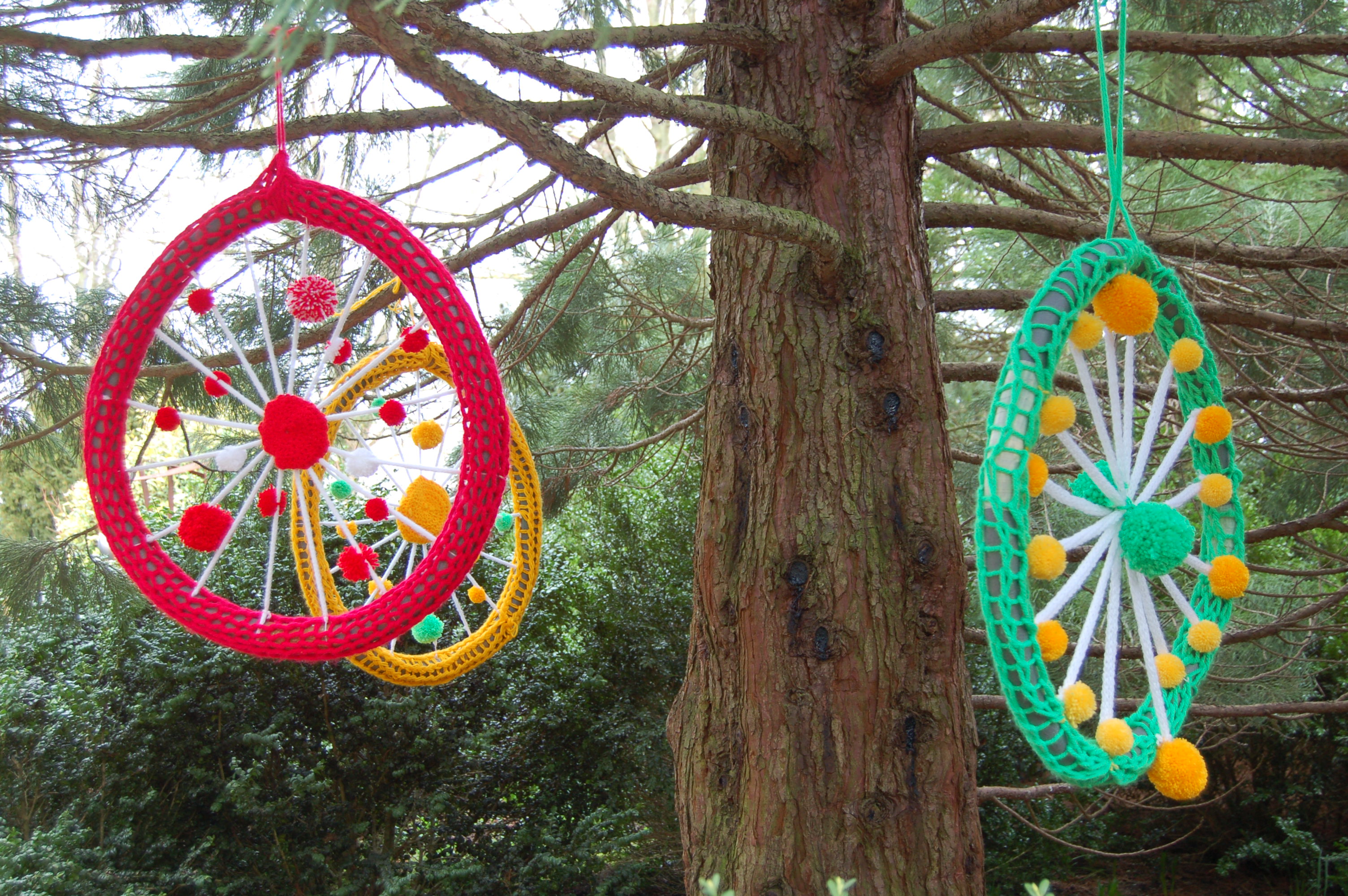
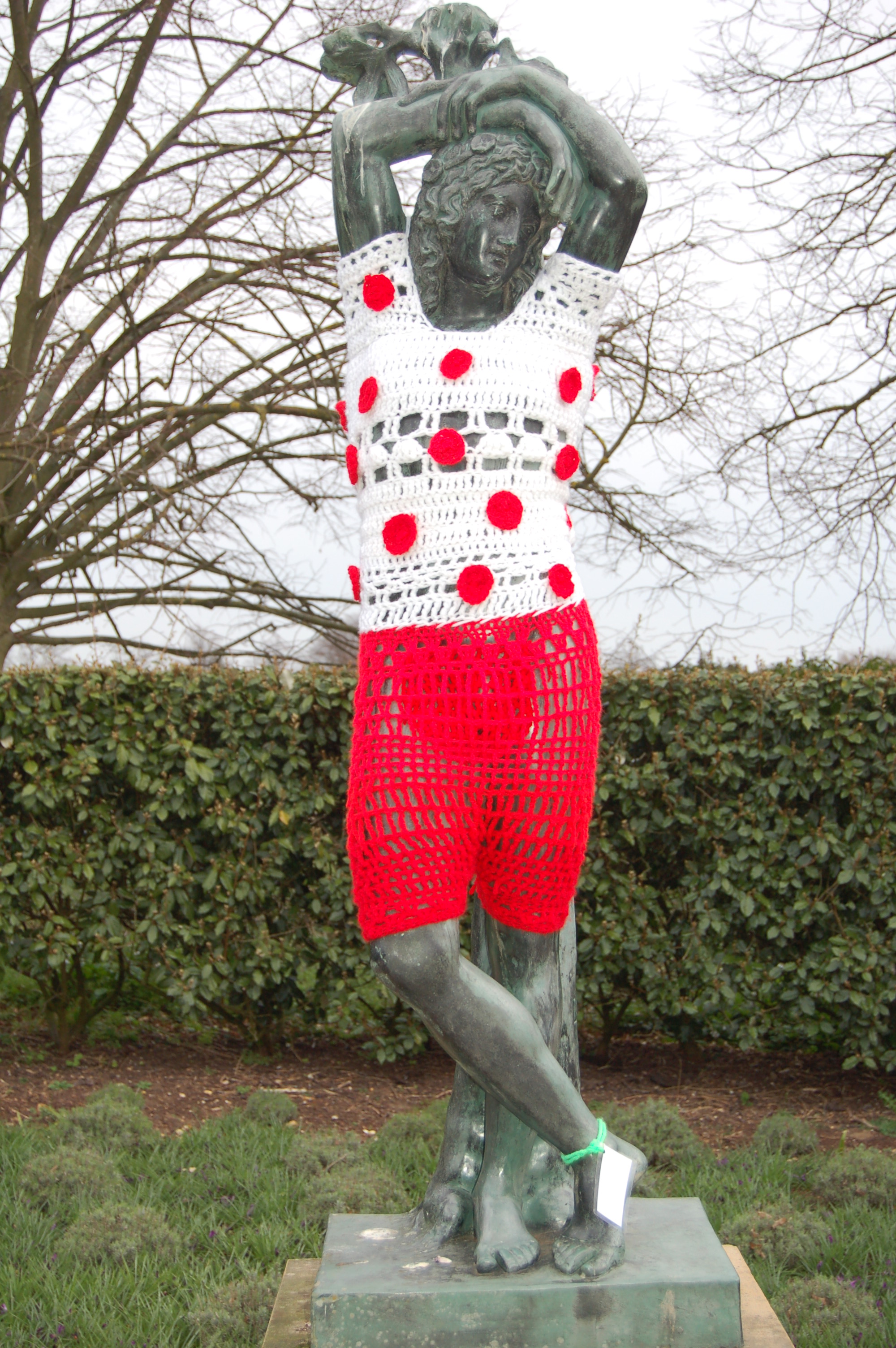
Yes, you have read the title correctly. This post is about decorated bits of bicycles in a garden. These are no ordinary bikes, these are decorated bikes or sometimes just decorated bicycle wheels. We were surprised by the sight of the first of these decorated bikes when we came across it in the grounds of Anglesey Abbey.

We discovered that they were there to celebrate an anniversary of cycling in Cambridge. Each bike or parts of bikes were decorated by knitters!

Just share our enjoyment of discovering them by looking at my photos.

2014 03 20_7364 2014 03 20_7365 2014 03 20_7366 2014 03 20_7384 2014 03 20_7397 2014 03 20_7429

Categories
colours flowering bulbs garden buildings garden design garden photography garden seating gardening hardy perennials ornamental trees and shrubs outdoor sculpture recycling sculpture spring bulbs spring gardening town gardens trees water in the garden

An Artist’s Back Garden

I often write and share my photos of gardens open to the public, often large and under the auspices of the National Trust or affiliated to the Royal Horticultural Society or smaller and open under the Yellow Book (NGS) scheme. Recently I wrote about a small garden owned by our friend and fellow Hardy Plant Society member Anne, in a post simply called “Anne’s Garden”. I shall be writing more about such gardens in this occasional series of posts of which this is the second.

We spent a few days down in Surrey in April staying in the lovely town of Farnham where my brother, Graham and his wife Vicky live. We re-visited that great garden, Nymans and it was good to see it at a different at a different time of year. We enjoyed a walk on “The Downs” for the first time ever and a walk around the old town of Farnham for the first time in decades.

But breakfast outside on an unusually warm spring morning in Graham and Vicky’s garden made me collect my camera as the light was so good. The sun was low in the sky so lit up the tiniest detail and the gentlest textures. Come with me and look through the lens of my trusty Nikon as we look around this artist’s garden.

One step out of the side door and immediately we have a clue as to what to expect.

2014 04 23_8658 2014 04 23_8661

The first view of the back garden shows how long and thin it is and how beautifully planted, and a look down the garden also finds Jude the Undergardener and my brother Graham enjoying breakfast in the sun.

2014 04 23_8663 2014 04 23_8676

2014 04 23_8734

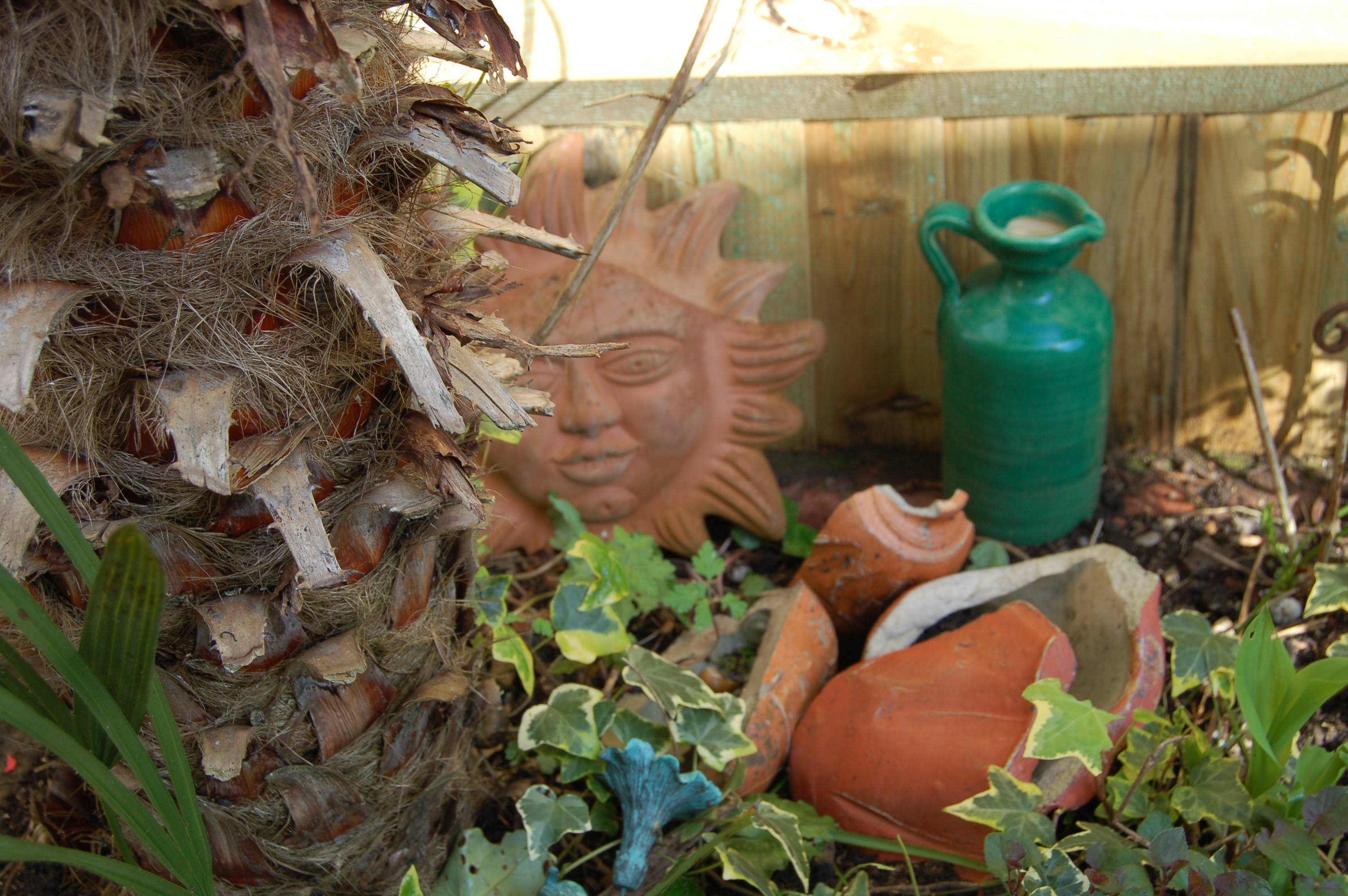
Sculptural pieces are found within the borders and look natural alongside the plants snuggling up to them.

2014 04 23_8665 2014 04 23_8666

Effective plant combinations are a strength of this garden, where foliage plays a key role.

2014 04 23_8667 2014 04 23_8673

2014 04 23_8672  2014 04 23_8674

2014 04 23_8702 2014 04 23_8713

But specimen plants stand out and make you stop for a second closer look.

2014 04 23_8659 2014 04 23_8668

2014 04 23_8670 2014 04 23_8671

2014 04 23_8669 2014 04 23_8681

2014 04 23_8695 2014 04 23_8696

2014 04 23_8710

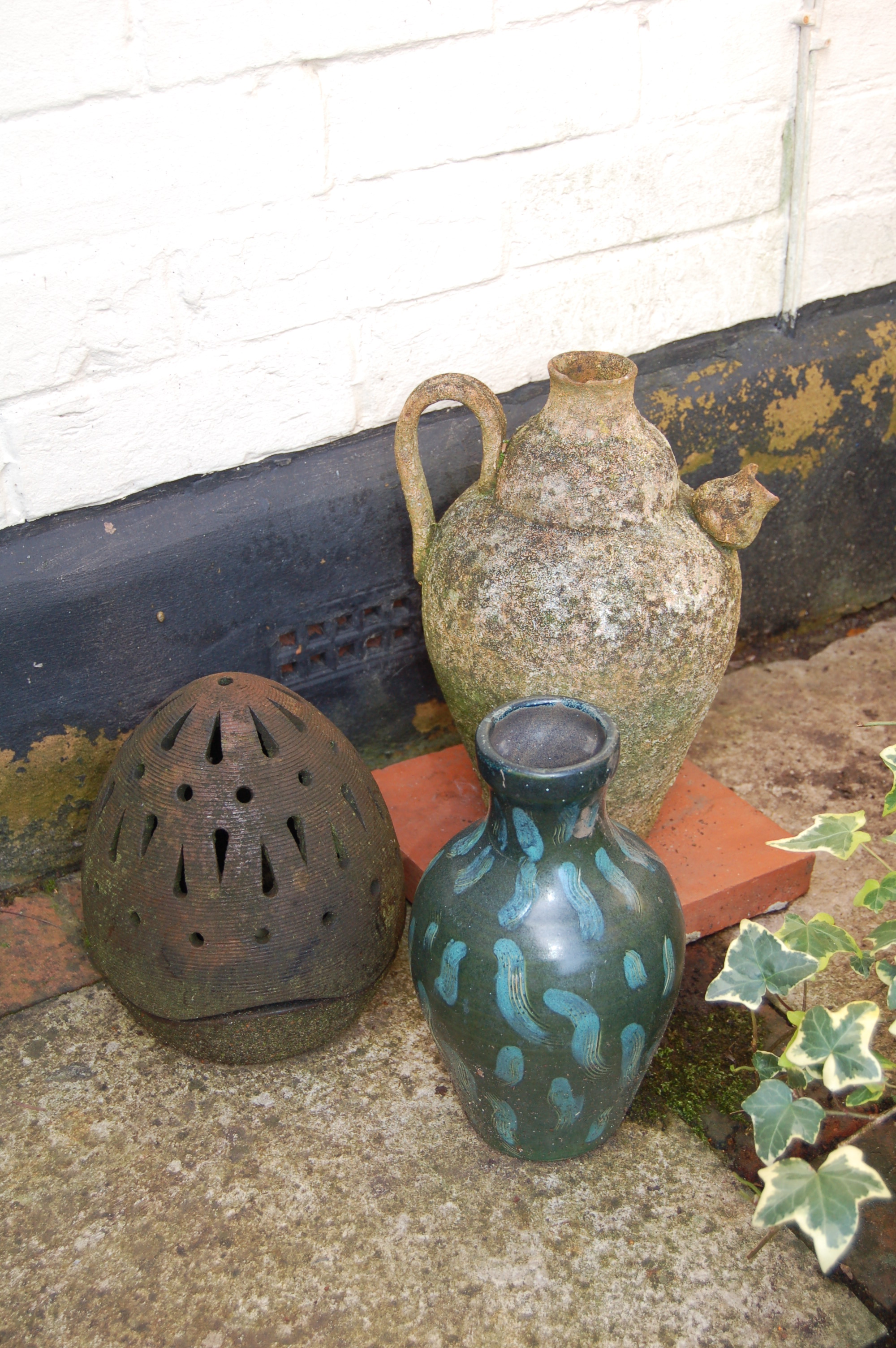
Containers of all shapes and sizes and made from all sorts of materials add more interest.

2014 04 23_8664 2014 04 23_8677

2014 04 23_8678 2014 04 23_8679

2014 04 23_8700 2014 04 23_8714

2014 04 23_8735

Early morning is definitely the time for shadows.

2014 04 23_8675

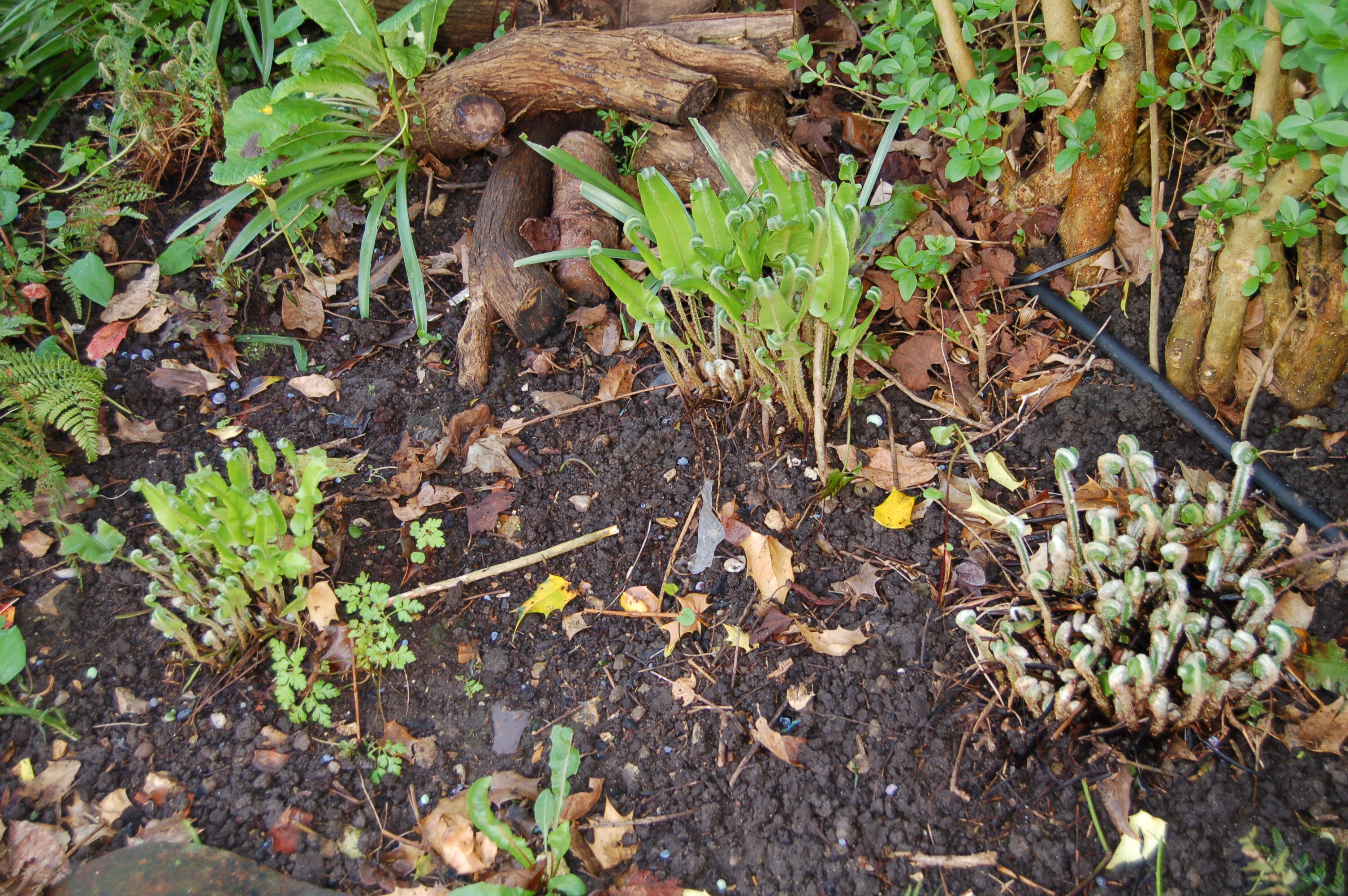
Close to the house the shady border is full of promise with new growth breaking through the soil with the ferns looking particularly dramatic.

2014 04 23_8684 2014 04 23_8685 2014 04 23_8686 2014 04 23_8712

2014 04 23_8737

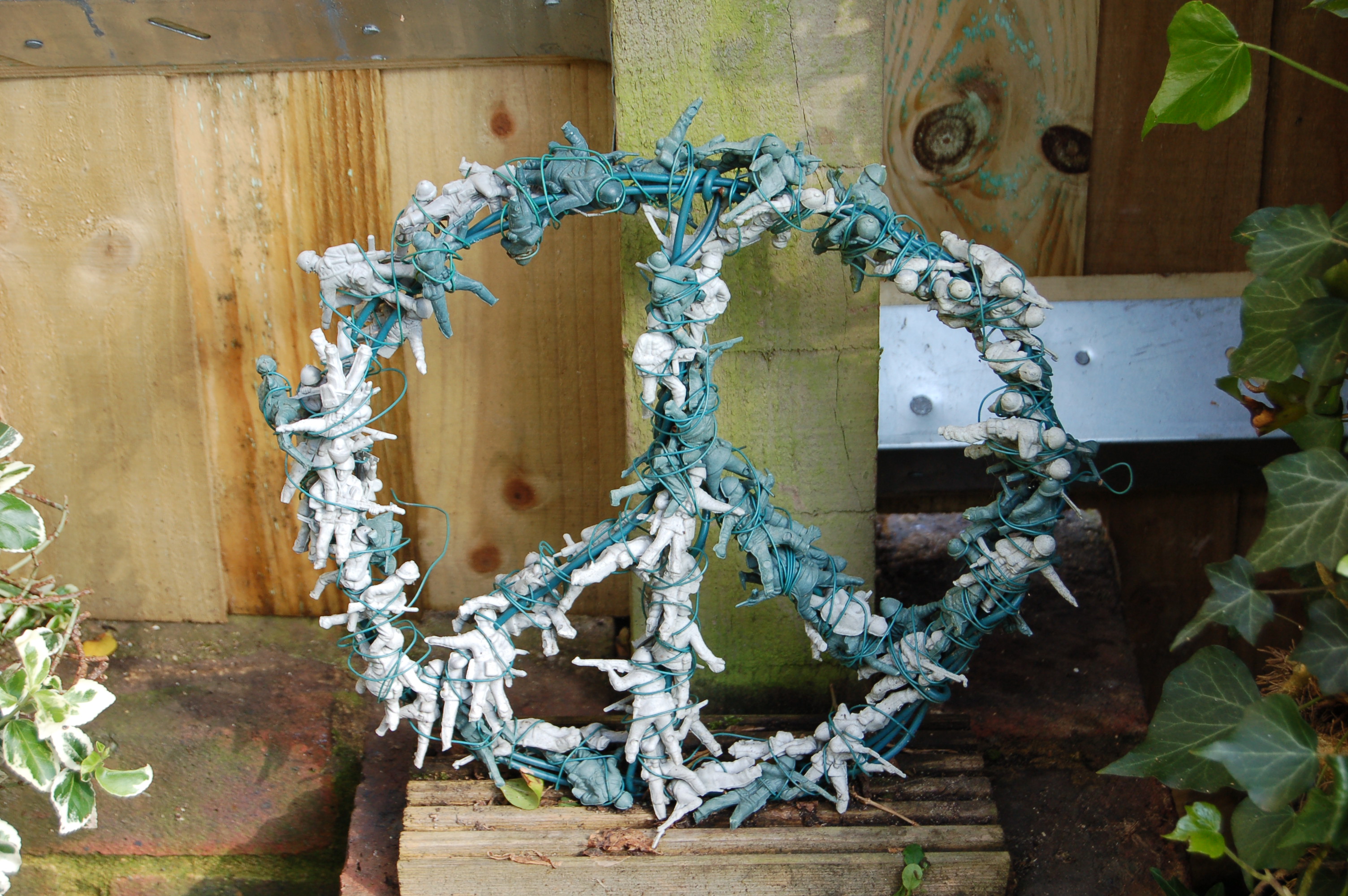
An artist’s garden has to be full of interesting objects and happenings.

2014 04 23_8688 2014 04 23_8690 2014 04 23_8691 2014 04 23_8692    2014 04 23_8697 2014 04 23_8708

2014 04 23_8698 2014 04 23_8699  2014 04 23_8701 2014 04 23_8704

2014 04 23_8706 2014 04 23_8707

2014 04 23_8715 2014 04 23_8736

An artist must have a studio and what better place for it but at the bottom of the garden! Close by is a closely planted group of Mountain Ash, sown by birds – a great feature which I have never seen before. Well done the birds!

2014 04 23_8703 2014 04 23_8723

2014 04 23_8729 2014 04 23_8730

But one thing that no gardener wants in the garden is snails and this garden is full of them! On the plants, climbing the fences, the house walls and even climbing up the window panes. They are everywhere!

2014 04 23_8717 2014 04 23_8716

So we shall finish off this look at Graham and Vicky’s garden with a few shots of the front garden, the last shot showing Graham kindly digging up a plant for us to take home for our own garden.

2014 04 23_8745 2014 04 23_8746  2014 04 23_8747  2014 04 23_8744

The next post in this occasional series about our friends’ gardens will feature a woodland garden of friends Pauline and Derek.

Categories
allotments diy fruit and veg gardening grow your own natural pest control recycling

Revamping our Strawberry Bed

We have now had our allotment for 5 years and this means our strawberries and raspberries are getting weaker and producing poorer crops. After this period of time the threat of virus hangs over them.

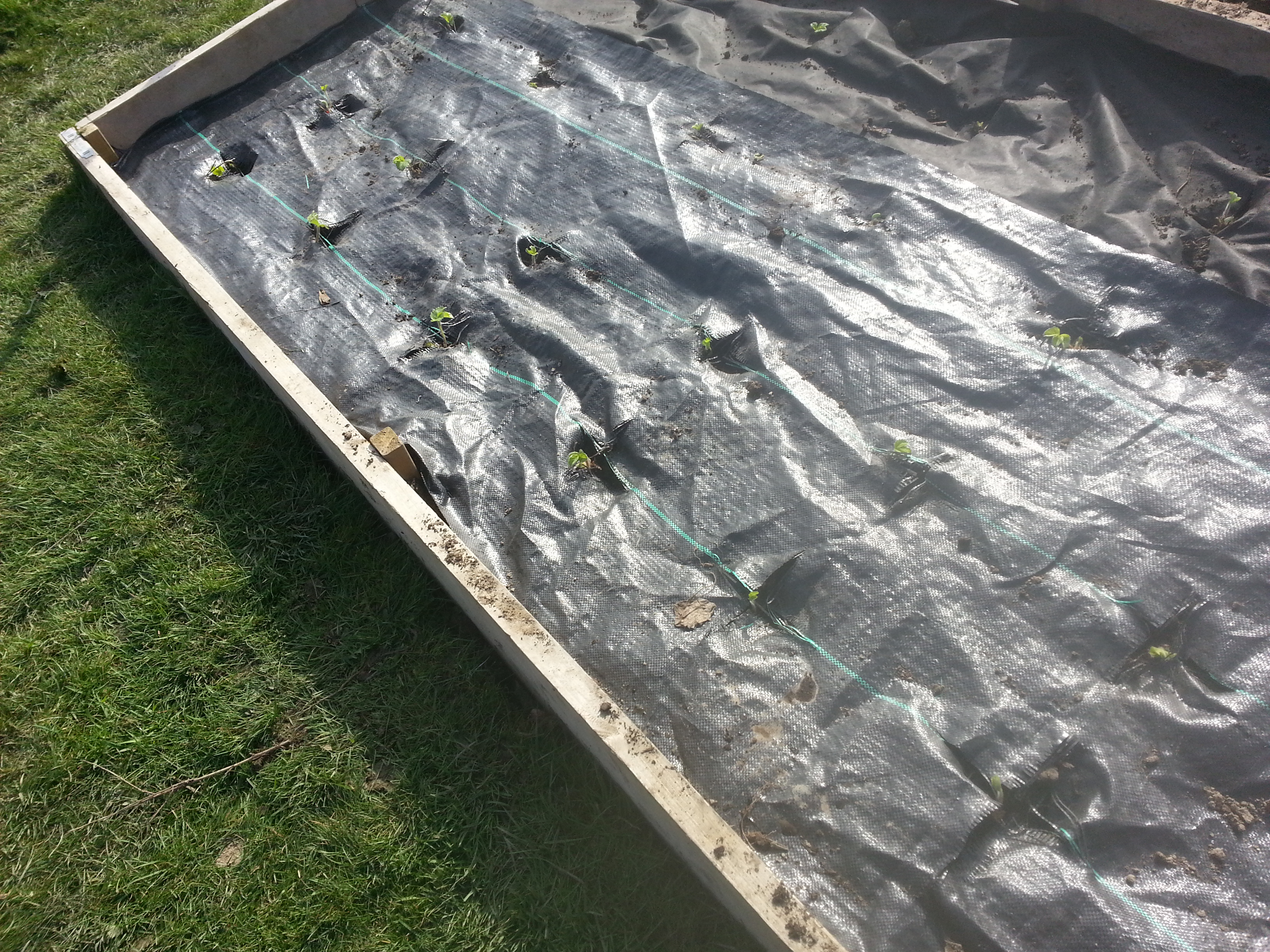
We renewed our raspberry canes last autumn and so it is time to renew our strawberry plants. A bright warm early spring day found us digging up and composting our old plants which had become woody. We got rid of the old weed suppressing membrane and dug over the flattened soil below. We then added lots of organic matter in the form of old growbags, our own chicken manure and composted chicken bedding. A quick rotovate and the soil looked good, full of organic matter and a great texture.

We made the wooden surround from recycled scaffold boards which fits our 3-Rs policy which we follow on our plot. Reduce – Reuse – Recycle.

To protect our strawberry plants from pests and to help effective pollination we have sown a wildflower strip close by.

Soon we had new membrane down and we spread out our new little plants spaced out to give the best yields.

2014 03 14_7135 2014 03 14_7137

We planted the little plantlets very carefully as they felt so delicate. When we had finished they looked tiny in their new raised bed. We now have 12 Honeoye and 12 Cambridge Scarlet which will hopefully keep us in strawberries for the next five years.

2014 03 14_7134 2014 03 14_7133

The little plants looked so vulnerable when we had finished but just a week later we checked on them and they were showing signs of strong bright green growth.

2014 03 14_7136  

Categories
climbing plants garden design gardening herbs recycling roses

Hide that ugly pipe!

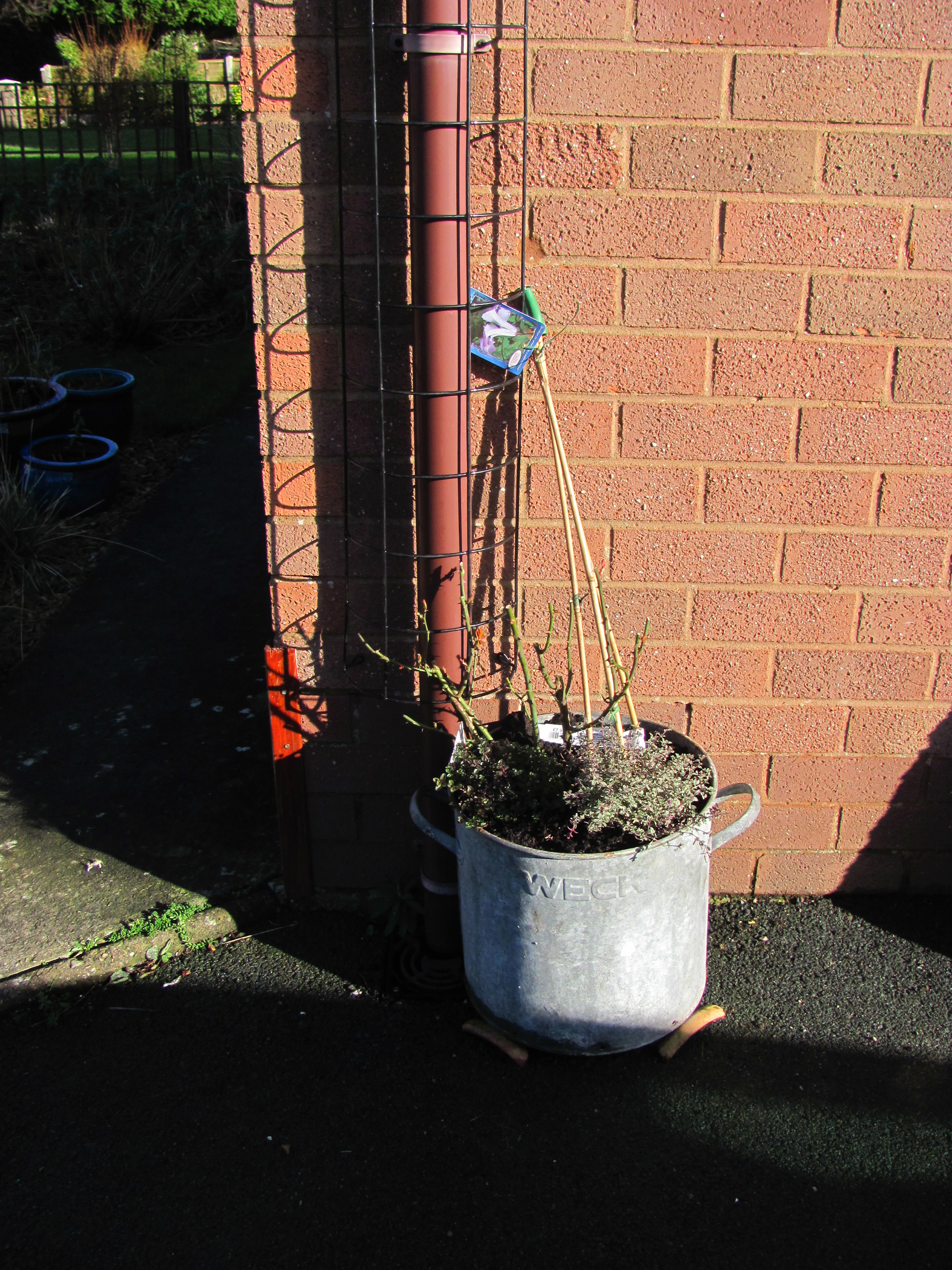
Sometimes the simplest solutions are the best. Recently we saw on a television gardening programme some covers to fix over drain pipes so that you can plant climbing plants to hide the ugly plastic pipe.

So we sent for a pair and then went off to the Antique Centre at nearby Church Stretton in search of an interesting galvanised container suitable for growing some climbing plants in. Success! We found an old cannister hidden in a pile of miscellaneous objects from an old bakers shop. Baking tins, a till, the manager’s desk, enamel signs, and a miscellany of galvanised containers!

2014 02 07_6411 2014 02 07_6412

We were so pleased with ourselves that we treated ourselves to a coffee at a great coffee house across the road, Ginger Green. They make excellent coffee and an amazing array of cakes! As you see from the pics below they pride themselves in the look of the coffee too! 10 out of 10 for presentation.

2014 02 07_6425 2014 02 07_6426   2014 02 07_6427

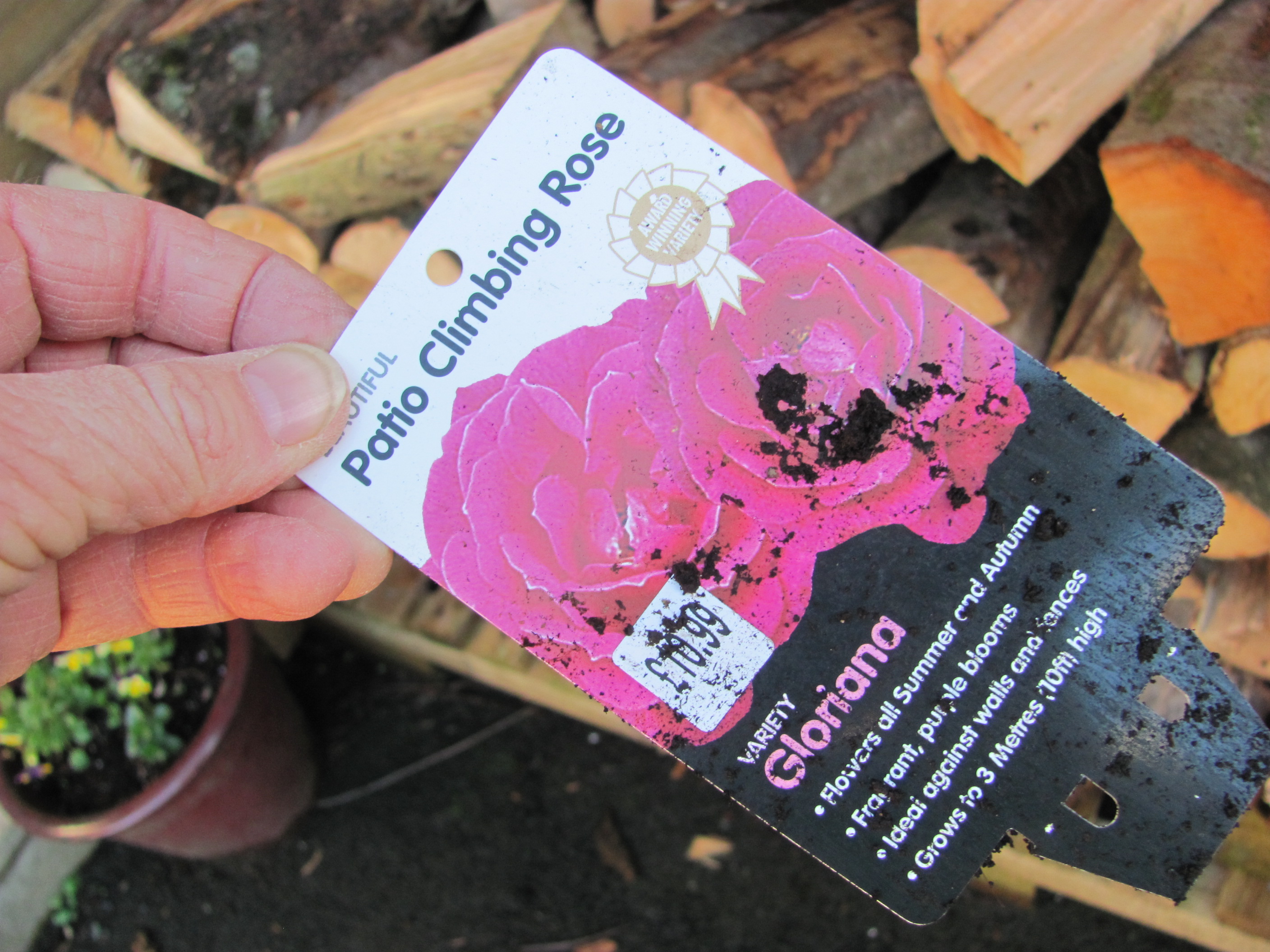
When the climbing frames arrived we fixed them up, put the galvanised cannister in place and drove off to the Derwen Garden Centre near to Welshpool. We came away with a clematis, a climbing patio rose and two thymes perfect for planting up our new planter which waited patiently at home. We were also tempted to a Calyanthus a flowering shrub we had been seeking for a long while.

2014 02 07_6413 2014 02 07_64142014 02 07_6415

We must now sit back and wait for the summer when we shall find out if our planting works and if the plants will climb the frames and hide the ugly pipe.

Categories
garden wildlife gardening gardens log piles natural pest control recycling wise watering

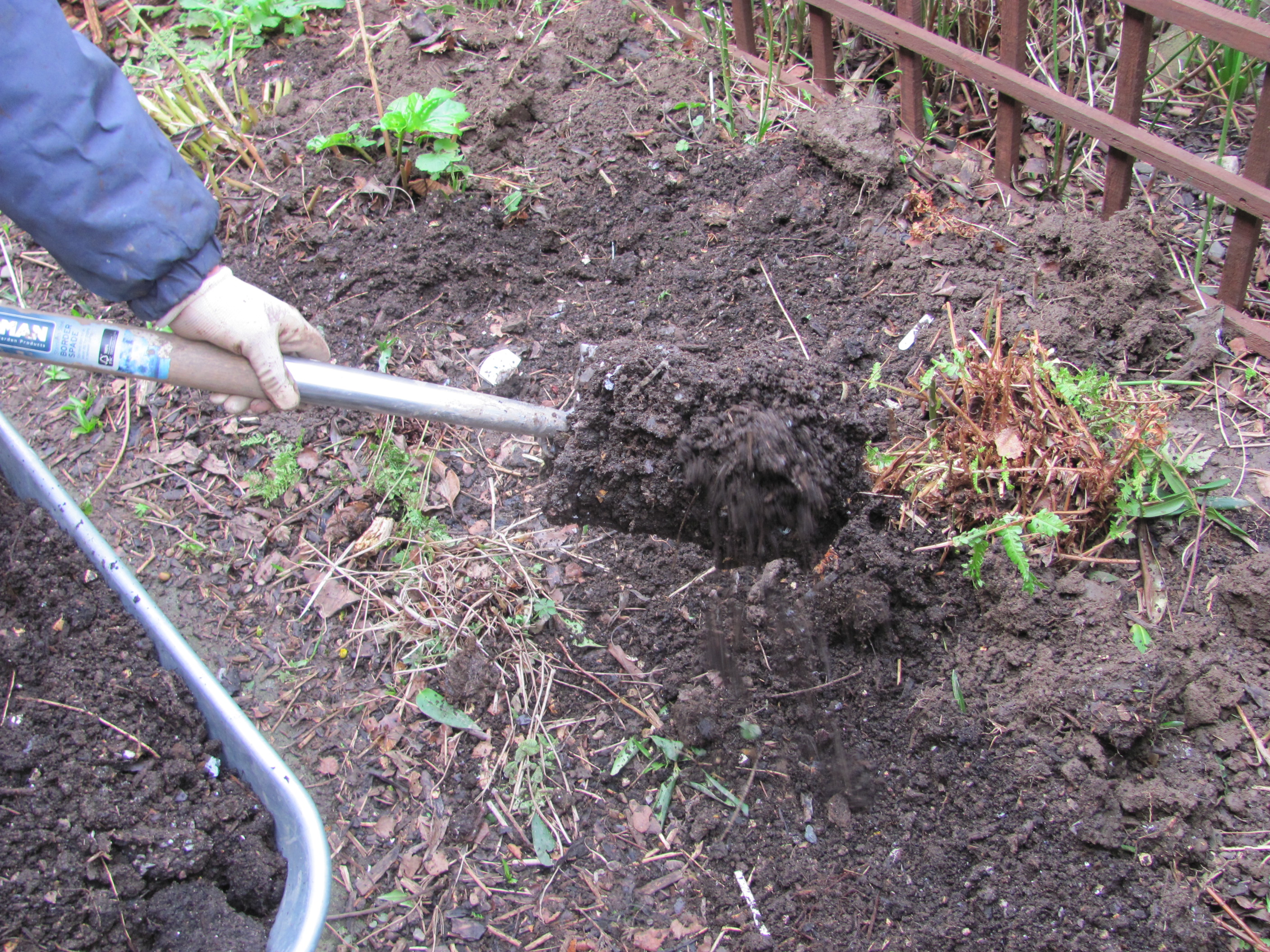
A bit of work on our shade border.

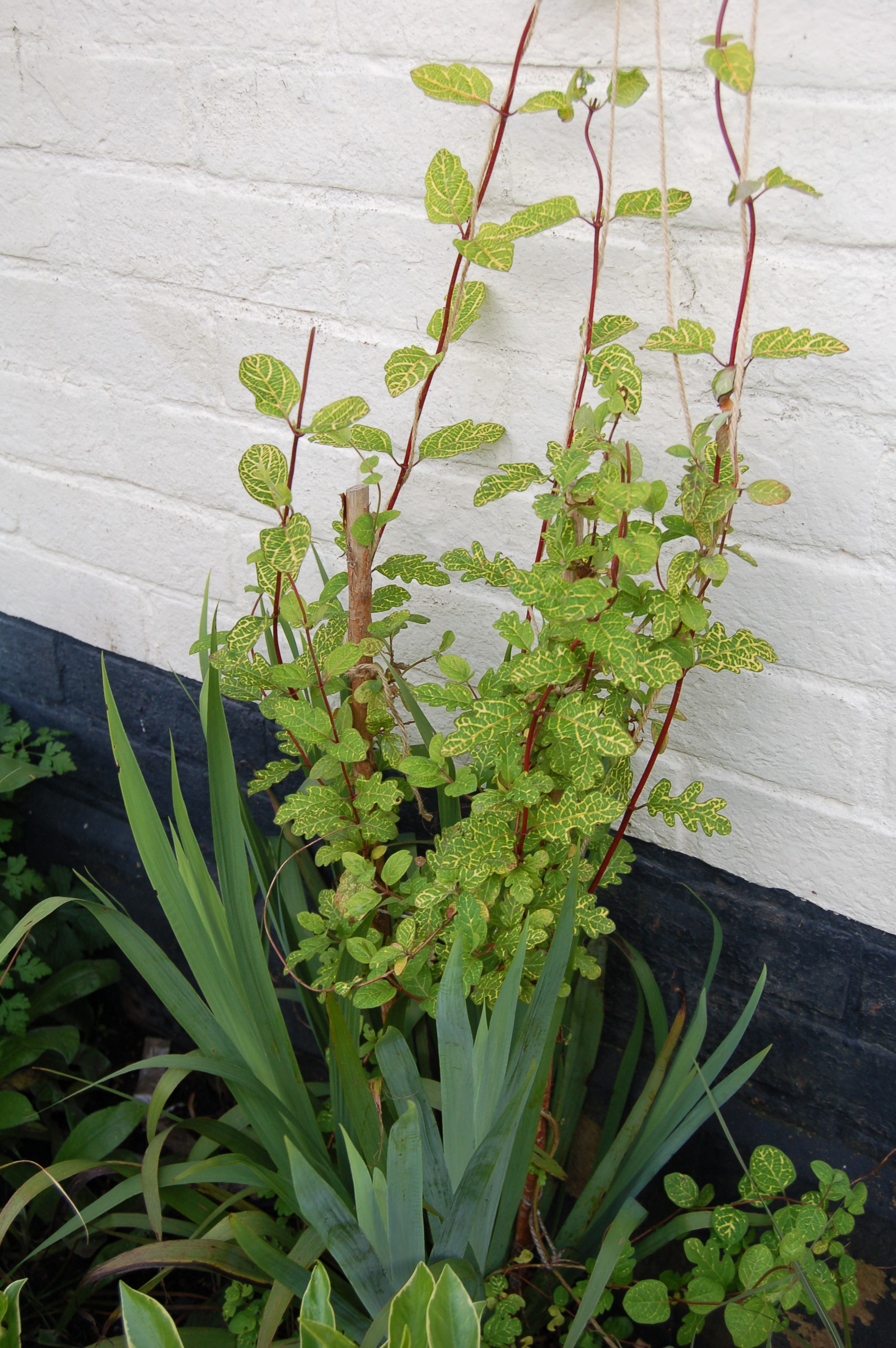
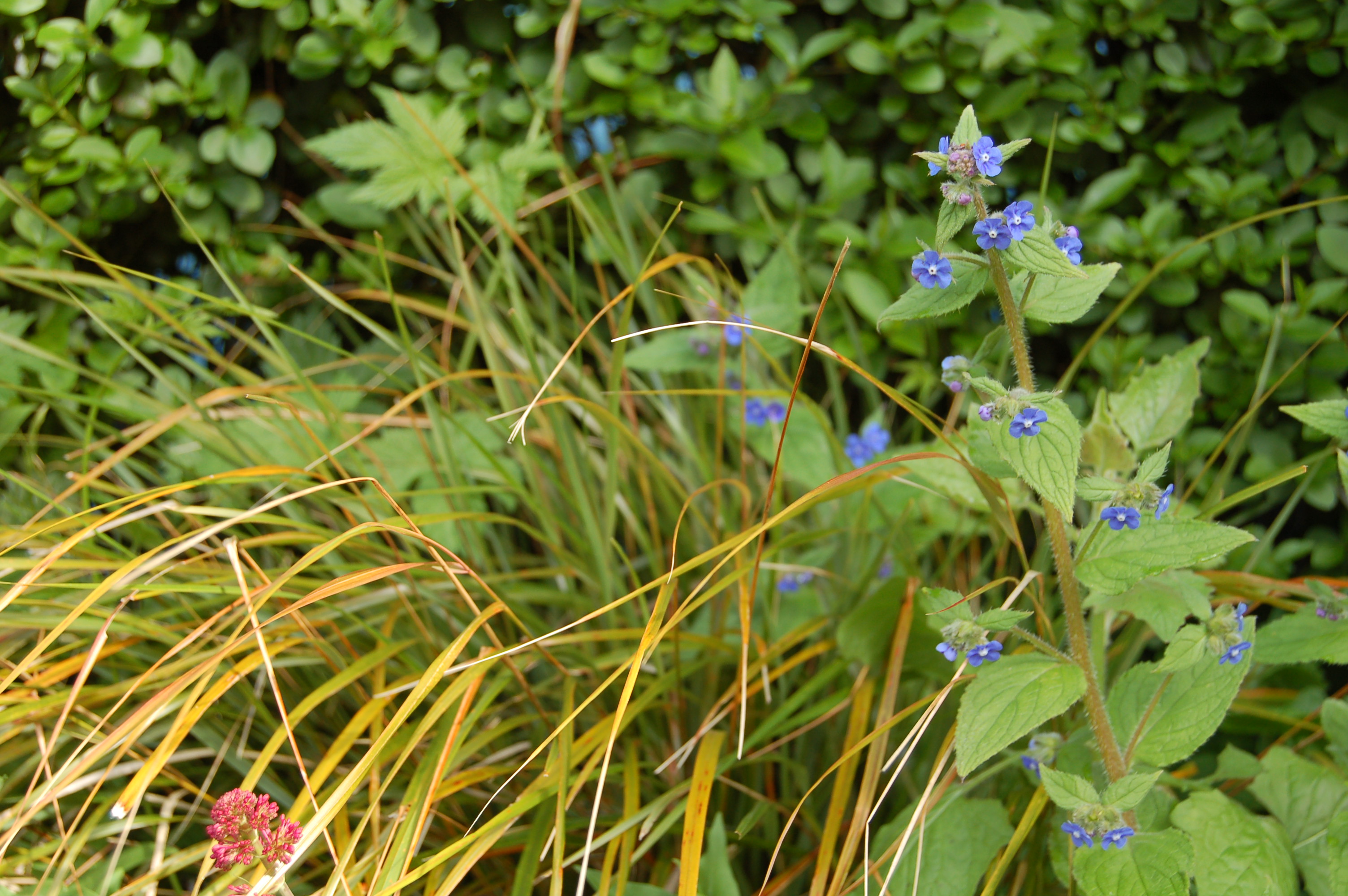
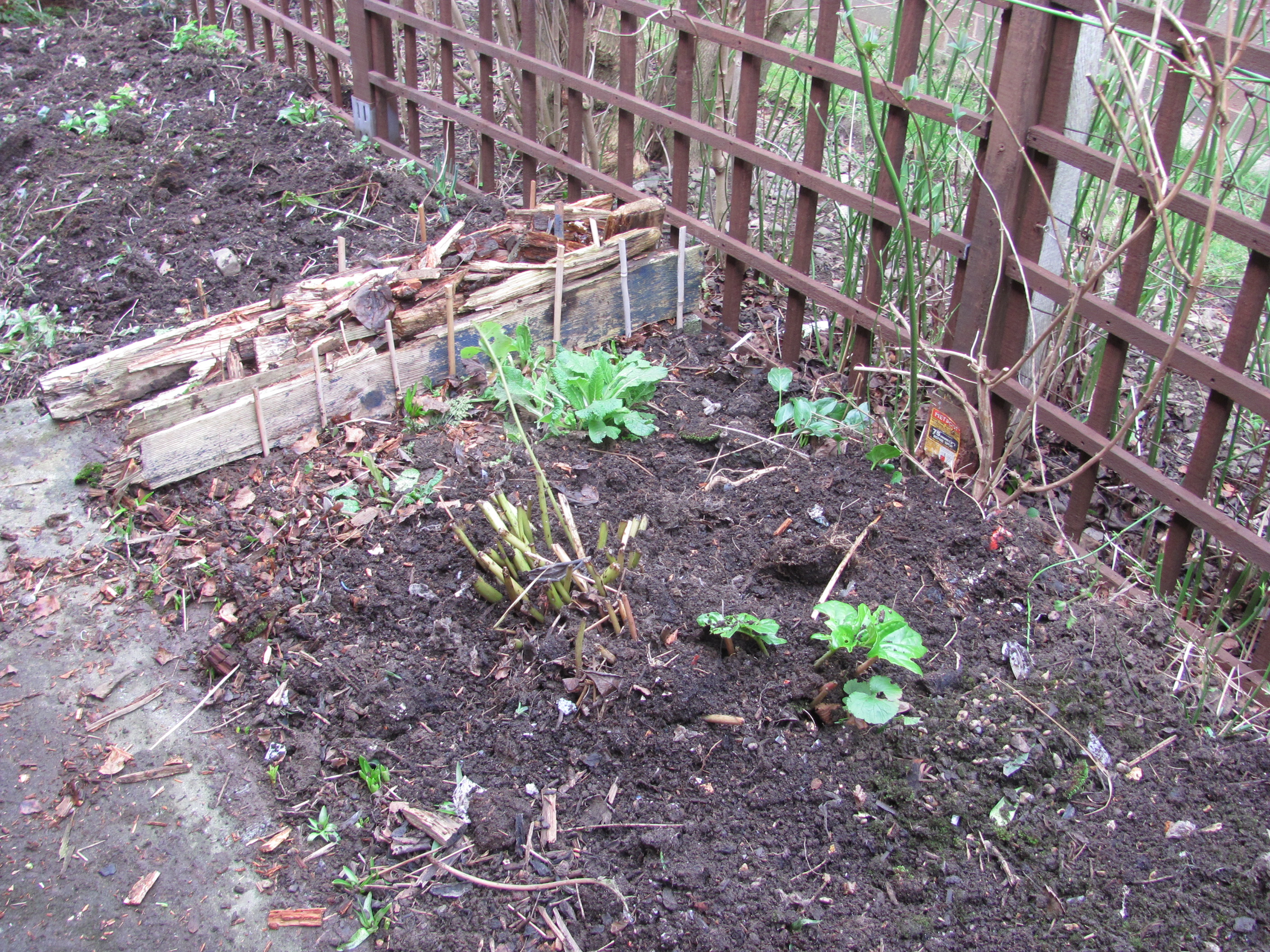
Today we spent a few hours improving the moisture content in the soil in our “Shade Border”. This is the only fully shaded part of our garden so it where we can grow plants that would not appreciate the brightness or warmth of the other sunnier borders. Here we have several Meconopsis Poppies in blue, white and cream, several varieties of Corydalis, some ferns and anemones. The first flowers appear on our  Pulmonarias in blue, pink, red and white soon followed by the tiny blue flowers of Brunnera and the whites and pinks of the uniquely shaped Dicentras. The beautifully cut lace like foliage of various Corydalis provide a perfect foil for their nodding little flowers. These all flower when the deciduous shrubs along the fence are still skeletal. Once the leaves give extra shade overhead the Ferns, Anemones and my favourite nettle the Giant Red Deadnettle, Lamium orvala.

Our worry is that in periods of dry weather the bed gets too dry for these plants and they begin to suffer. We decided the only answer was to use seep hose. It took just an hour to perform this important task which we hope will make these shade-loving plants much happier in the warmer summer months.

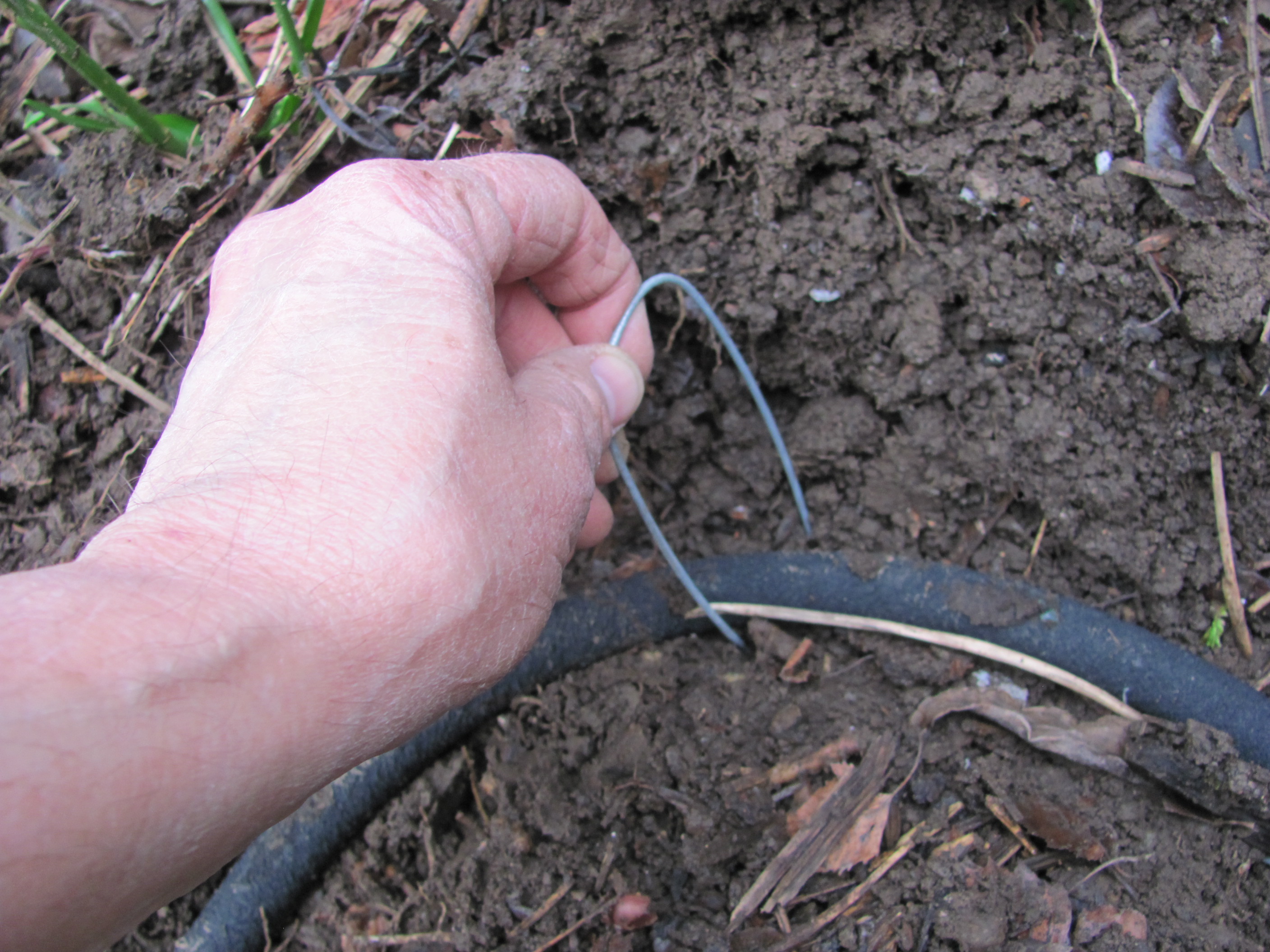
Firstly we cut some tough galvanised wire into 12 inch lengths and bent them into pegs like giant staples. We laid the pipe across the surface of the border in a serpentine pattern, leaving one end exposed where a hose can be attached when needed.

2014 02 20_6614 2014 02 20_6615

We dug out a 3 inch deep trench alongside the hose, placed the hose into the trench and then pegged the hose down with the wire.

2014 02 20_6616 2014 02 20_6617

We added a good dose of our “black gold”, rich home made garden compost over the hose and then over the whole area. The compost in the trench will act as a wick for the water from the seep hose which we hope will slowly creep into the compost around the plants.

The final touch was to build a log pile out of rotting wood to attract beetles which are useful predators. They will help look after the plants for us.

2014 02 20_6618 2014 02 20_6619

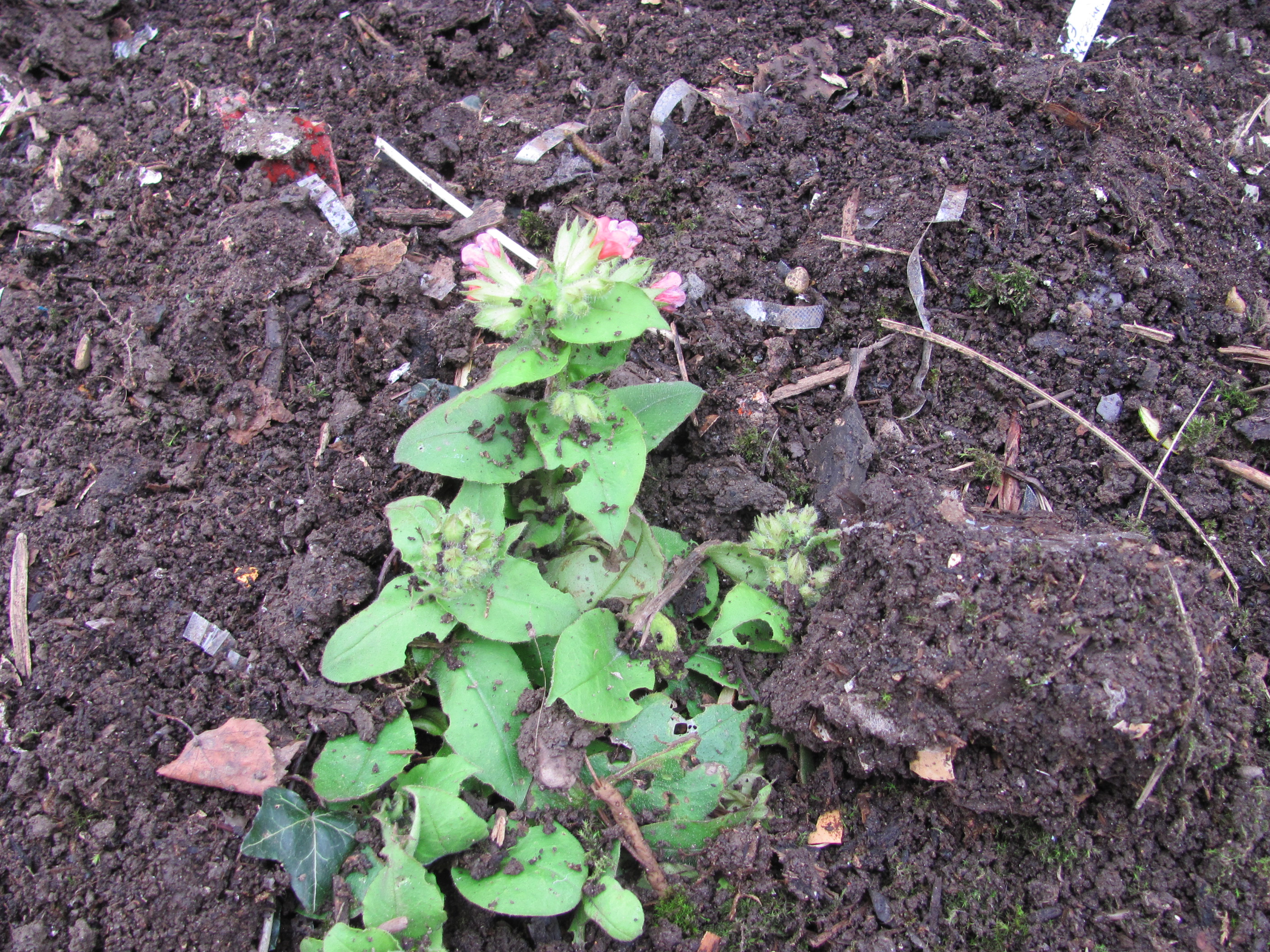
We had to carry this out very carefully as the first sign of flowers had already begun. This red Pulmonaria is the first flower in the shade garden this year.

2014 02 20_6620

This Veggie Life

A Vegetarian | Nature Lifestyle Blog

Rambling in the Garden

.....and nurturing my soul

The Arch City Gardener

Journeys In St. Louis Gardening and Beyond

Garden Dreaming at Châtillon

Consult the genius of the place

Storyshucker

A blog full of humorous and poignant observations.

gardeninacity

Notes from a wildlife-friendly cottage garden

PlayGroundology

...an emerging social science

The Official Blog of British Wildlife

'The most important and informative publication on wildlife of our times' - The Independent. This blog is a member of The UK & Ireland Natural History Bloggers group: www.uknhb.blogspot.com

iGrowHort

Inspire - Cultivate - Grow Native Plants - Restore Landscapes

Bishops Meadow Trust

To create and protect a semi-natural wild space for the people of Farnham to enjoy and experience an array of British wildlife in our town

Gardening with Children

The www.gardeningwithchildren.co.uk Blog

UKbirdingtimeline

birding through the seasons, why birds matter and how to conserve them

NATURE WALKER

with a camera in hand

Jardin

Transform your outdoor space

Eva's space

My allotment, cooking and other interests

Old School Garden

my gardening life through the year

LEANNE COLE

Trying to live a creative life

fromacountrycottage

trying to live as lightly as possible on our beautiful planet

Good Life Gardening

Nature lovers from Leicester living the good life.

mybeautfulthings

Finding the beautiful in the everyday

mawsonmichelle

Michelle's Allotment

In and Out of My Garden

thoughts from and about my garden

Greenhousing

Big plans for a small garden

The Scottish Country Garden

A Walled Country Garden in South East Scotland

The Fruity Chicken

Life at the fruity chicken

willowarchway

Off grid living. Self sufficient. "PERMAGANICS RULE".

St Anns Allotments

Nottingham's Grade 2* Listed Allotments and Community Orchard

Manifest Joy Harvests

a journey in suburban vegetable gardening

Allotmental

The madness of growing your own

Penny's Garden: a harvest beyond my front door

A novel approach to vegetable gardening

arignagardener

Sustainable living in the Irish countryside.

NewEnglandGardenAndThread

Master Gardener, amateur photographer, quilter, NH native, and sometimes SC snowbird

dianajhale

Recent work and work in progress and anything else that interests me

planthoarder

a chaotic cottage gardener

Lens and Pens by Sally

a weekly blog that creates a personal philosophy through photographs and words

Dewdrops and Sunshine

Stories from a sassy and classy Southern farmbelle.

The Pyjama Gardener

Simple Organic Gardening & Seasonal Living

gettin' fresh!

turning dirt into dinner

JOY...

today the world is created anew

Garden Birds

Notes from a Devon garden

ShootAbout

Life Through The Lens

Adapting Pixels

A photography blog showcasing the best photography pictures and videos on the internet

Wildlifegardening's Blog

Just another WordPress.com site

naturestimeline

personal observations from the natural world as the search continues for a new approach to conservation.

LATEBLOOMERBUDS

The Wonders of Life through my Eyes, my Heart, my Soul