Categories
birds colours flowering bulbs garden photography garden ponds garden pools garden wildlife gardening gardens irises log piles natural pest control ornamental trees and shrubs Shropshire spring bulbs spring gardening village gardens water garden water in the garden wildlife

My Garden Journal in 2016 – March

We were expecting March to bring some signs of spring but really our seasons remained confused and muddled. March has brought us warm sunny days, days with cold biting winds, days with heavy persistent rain and many combinations of these.

winchester-04

My March report started with references to the weather as it controlled when we gardenened and days when it prevented us from getting out in the garden.

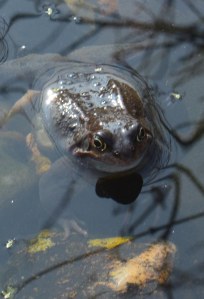
“During the first 2 days, March had delivered so many different types of weather, clear skies, sunshine, dark heavy cloud cover, rain and sleet. I wonder what else this month might have in store. This unseasonal weather delayed the arrival of our frogs until March whereas February is more usual a time. They soon added large clumps of spawn down one side of the wildlife pond.”

winchester-19 winchester-20winchester-21 winchester-22

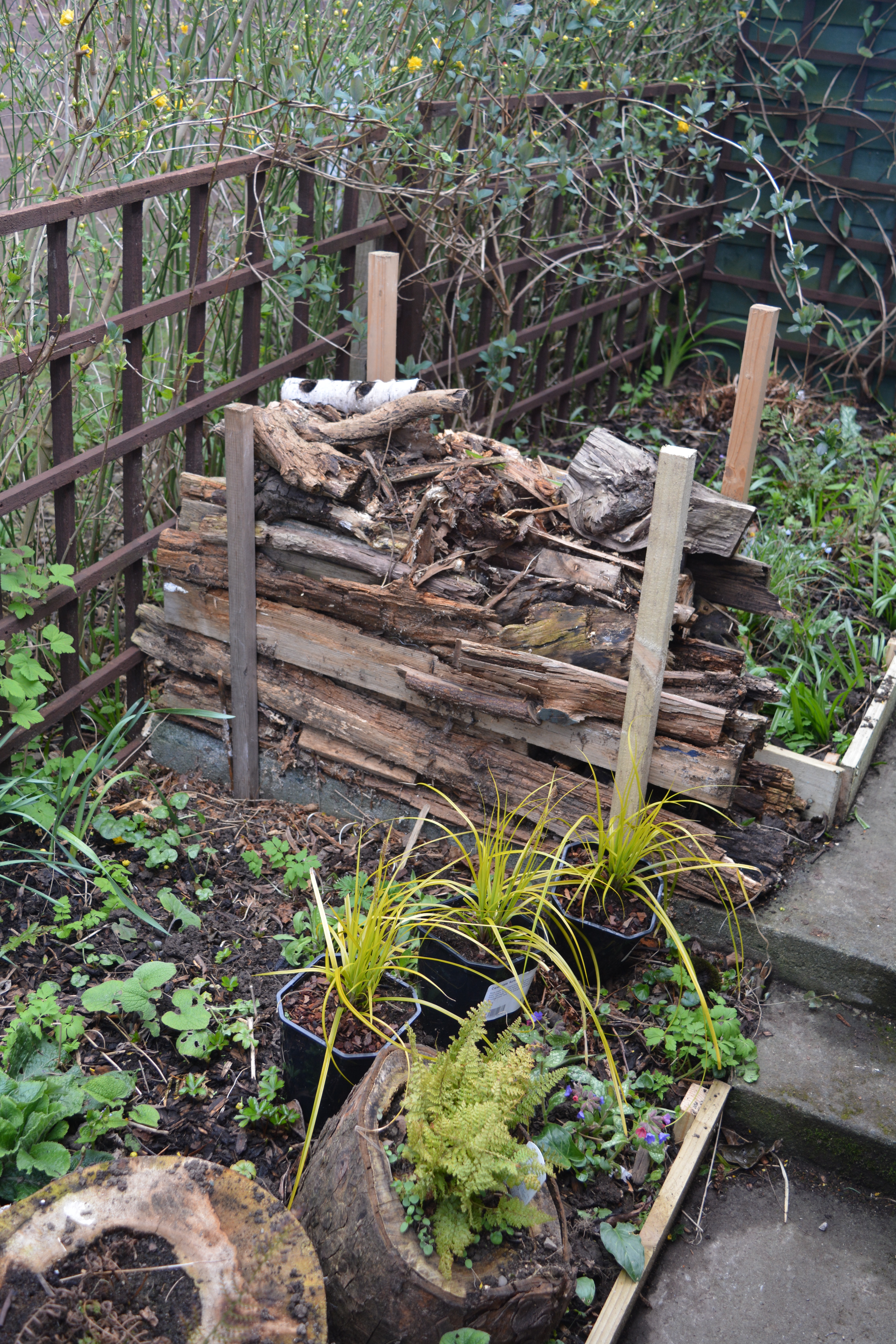
To help the smaller creatures that share our garden with us and help with pest control and pollination of our fruit we had great fun creating a new habitat for them, in the form of a log pile. The log pile is aimed specifically at beetles who are great pest controllers. We particularly appreciate their love of slug eggs!

winchester-01 winchester-02

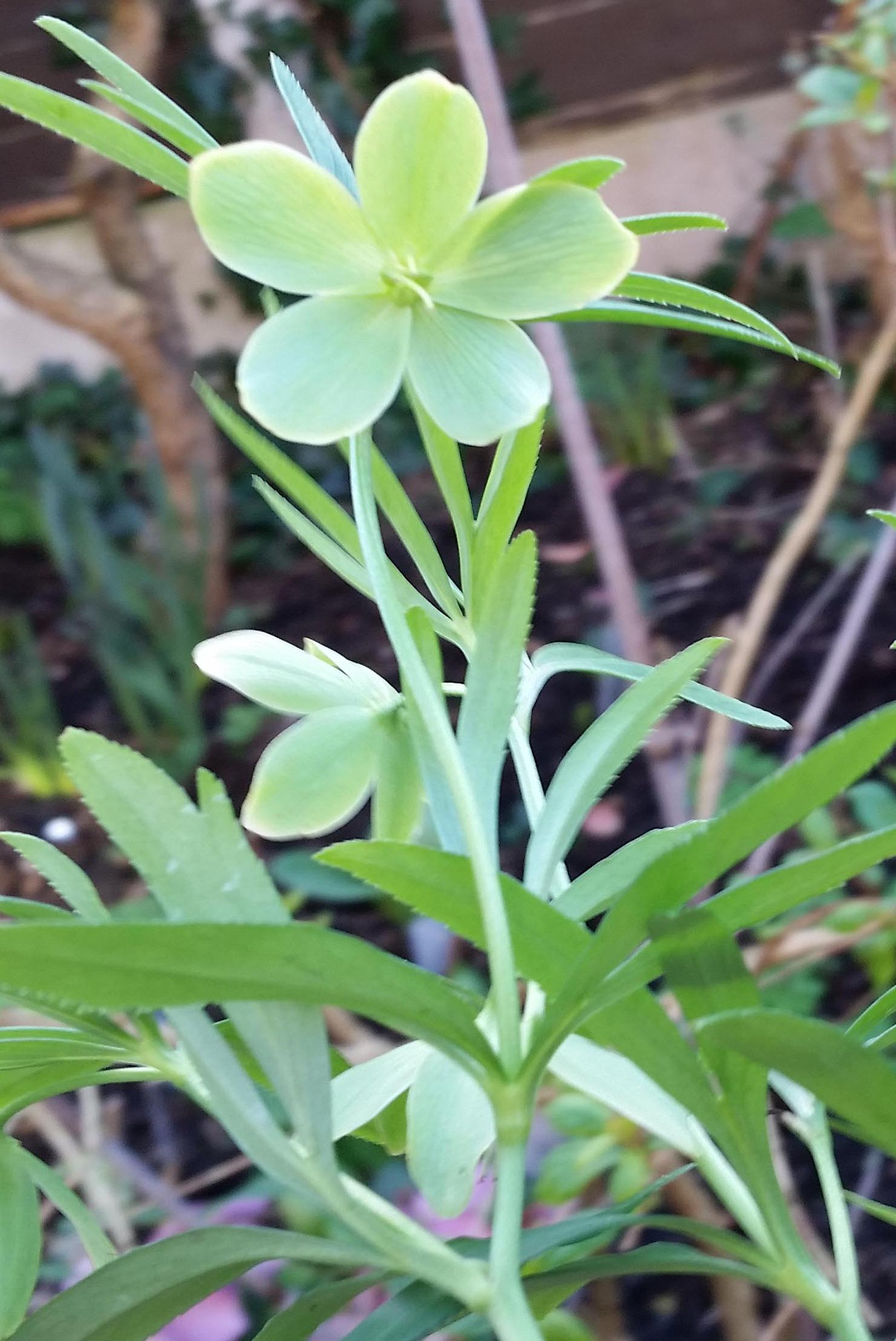
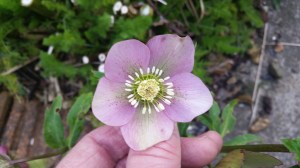
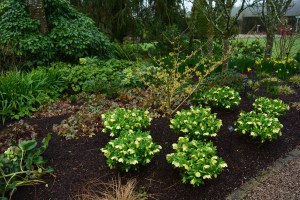
On the page opposite my frog photos I feature some of our large collection of Hellebore.

“Each year we add a few more Hellebores to our collection. This year is no exception! We are also getting a few interesting seedlings appearing, and some are worth keeping.”
winchester-47 winchester-11-2 winchester-14-1 winchester-10-2winchester-12-2

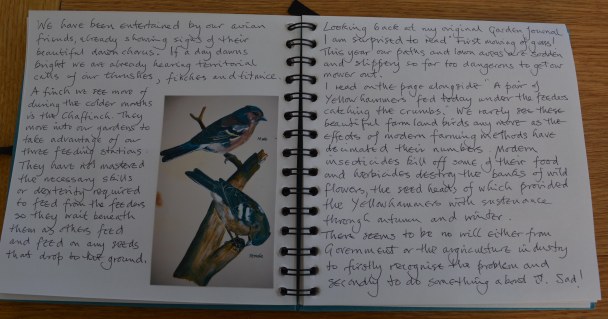
Turning the page I moved on to looking at the bird life we enjoyed in March, where I featured a gouache painting of a pair of Chaffinches and wrote about them.
winchester-05

“We have been entertained by our avian friends, already showing signs of their beautiful dawn chorus. If a day dawns bright we are already hearing territorial calls of our thrushes, finches and titmice. A finch we see more of during the colder months is the Chaffinch. They move into our garden to take advantage of our three feeding stations. They have not mastered the necessary skills or dexterity required to feed from the feeders so they wait beneath them as others feed and feed on any seeds that drop to the ground.”

B0000195

I then moved on to look back at previous garden journals from a decade or so ago.

“Looking  back at my original Garden Journal I am surprised to read “First mowing of grass! This year our paths and lawn areas are sodden and slippery so far too dangerous to get our mower out.

I read a page alongside, “A pair of Yellowhammers fed today under the feeders catching the crumbs.” We rarely see these beautiful farmland birds any more as the effects of modern farming methods have decimated their numbers. Modern insecticides kill off some of their food and herbicides destroy the banks of wild flowers, the seed heads of which provided the Yellowhammers with sustenance through autumn and winter. There seems to be no will either from Government or the agriculture industry to firstly recognise the problem and secondly to do something about it. Sad!”

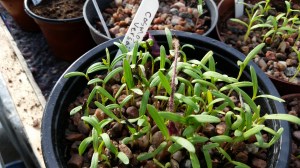
I then reported on progress we had made with our recently constructed propagation bench.

winchester-06

In my January entries to my journal I wrote about making a propagating bench in the greenhouse and then in February I looked at how we had prepared the greenhouse in readiness for seed sowing. Now in March we have seedlings showing well.”
winchester-45 winchester-46 winchester-36 winchester-35

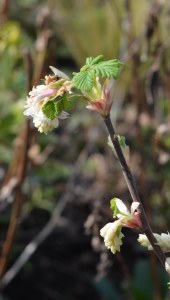
Flowering shrubs feature over the next few pages, looking at those that flower and provide scent, starting off with the shrubs in the Ribes family.

winchester-06

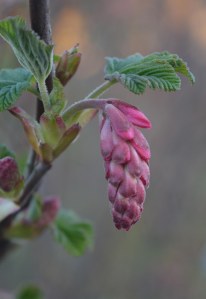
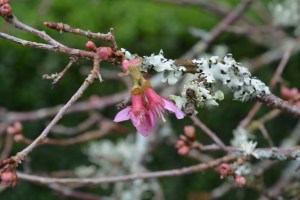
“The genus Ribes is a family of some 150 species of shrubs, mainly deciduous with just a few evergreens. We grow 3 species on our allotment to give us Redcurrants, Blackcurrants and Gooseberries. In the ornamental garden at home we grow 5 species and 4 of these are flowering in March, Ribes sanguineum “King Edward VII” and Ribes s. “Elkington White”.

winchester-40 winchester-41winchester-31 winchester-33 winchester-32

The other two March flowering Ribes are very different to the Ribes sanguineums. Ribes laurifolium has thick evergreen foliage, each leaf shaped and textured just like those oa a Laurel, hence its name. The flowers at first glance appear white but close up they are pale cream with a hint of green – absolutely beautiful! Beautiful and scented! The final Ribes to flower in March is Ribes speciosum with crimson flowers. To be fair though this Ribes species shows flowers on and off all year. It is generally evergreen for us as we planted it in a sheltered spot. Its flowers are like tiny Fuschias hanging along most of its branches. The downside? Every inch of every stem is covered in thin spines, so pruning can be difficult. On our open days so many visitors ask about Ribes speciosum.”

winchester-27 winchester-28winchester-02-2

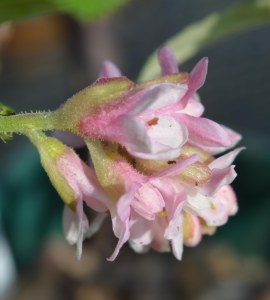
“In the autumn we took cuttings of Ribes s. King Edward VII. What a surprise we had when one of them produced these pale gentle pink flowers. One more shrub of the Ribes family still has not yet flowered, Ribes odorarum.”
winchester-09-1

My journal then tells of other unusual flowering shrubs we grow here at Avocet.

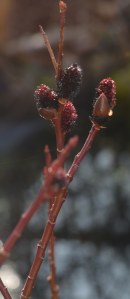
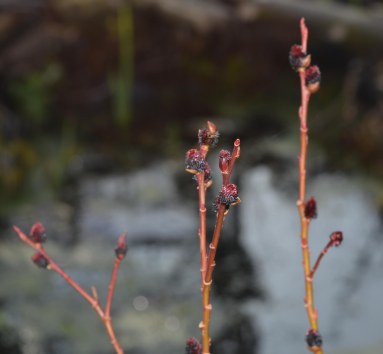
“Abnother unusual shrub we grow for March interest is a special willow. Salix gracilistyla melanostachyla has amazing flowers, red and black catkins. Early flying bees love them.”

winchester-08

winchester-23 winchester-24 winchester-25winchester-26

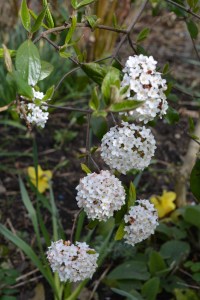
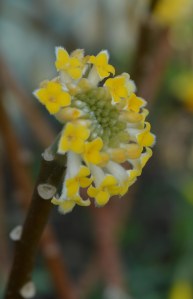
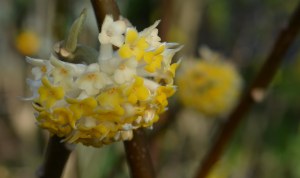
“Two other March flowering shrubs are grown for their large umbels of flowers but also their scent. The first, Edgeworthia chrysantha grandiflora, has unusual bright yellow flowers which add scent to the late winter and early spring garden. Their second is a Viburnum, Viburnum x burkwoodii, which does not open its flower buds until late March.”
winchester-11-1 winchester-10-1winchester-11 winchester-12

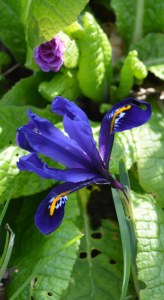
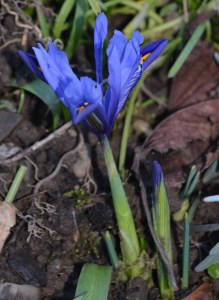
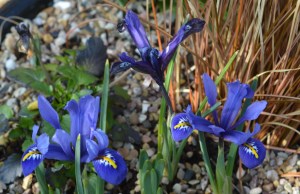
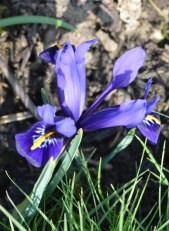
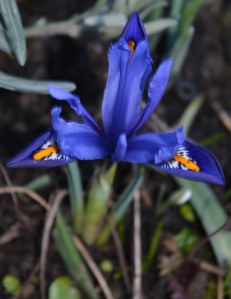
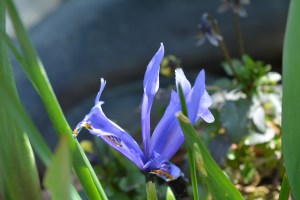
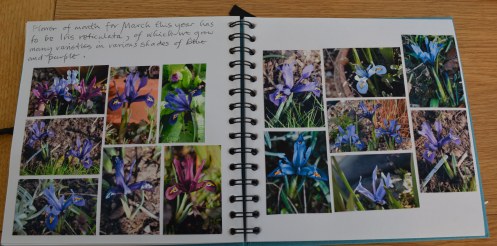
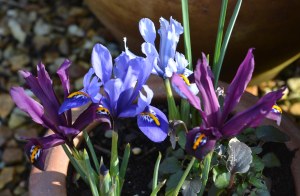
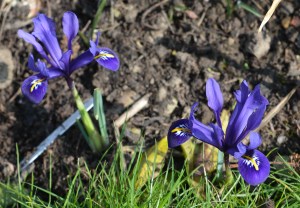
Turn over the page of my journal and you will be delighted by photos of Iris reticulata in all their glorious shades of blue and purple.
winchester-09

“Flower of the month for March has to be Iris reticulata, of which we grow many varieties in various shades of blue and purple.”
winchester-04-1 winchester-14winchester-29 winchester-12-1 winchester-39winchester-30 winchester-38 winchester-15winchester-03-1 winchester-05-1winchester-07-1 winchester-08-1winchester-13 winchester-17 winchester-16winchester-37 winchester-06-1

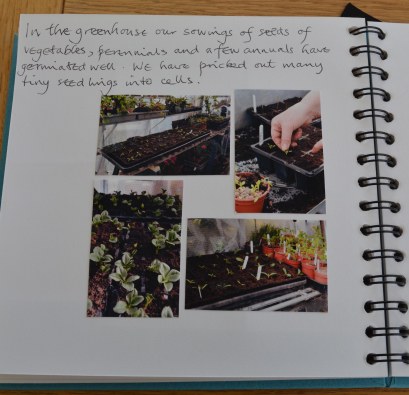
My final page for March takes another look at what is going on in the greenhouse as the month comes to an end.
winchester-10

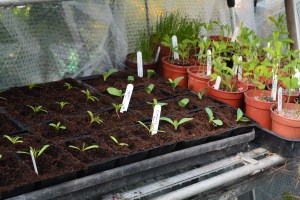
“In our greenhouse our sowings of seeds of vegetables, perennials and a few annuals have continued to germinate well and grow strongly. We have pricked out many tiny seedlings into cells.”winchester-03-2 winchester-06-2

winchester-05-2 winchester-04-2

Our next visit to my garden journal will report on what will be happening in our garden at Avocet in April, the month traditionally associated with showers.

Categories
flowering bulbs garden design garden photography garden ponds garden pools gardening gardens gardens open to the public hardy perennials ornamental trees and shrubs RHS spring bulbs trees water garden water in the garden Winter Gardening winter gardens woodland

A Garden in Winter – RHS Rosemoor – Part 1

We love to break up the winter months with mid-week breaks away around the UK. In February this year we took off down to Devon for a short holiday where we planned to visit a garden which holds two National Collections, Betulas (Birches) and Alnus (Alders) and the Royal Horticultural Society’s Rosemoor Garden.

My previous couple of posts shared with you our wanderings around Stone Lane Garden and Nursery with its wonderful national collection of Betulas and Alnus. In this post we will share with you the two days we spent exploring the Royal Horticultural Society’ Rosemoor Garden.

We had visited many times before but never in winter before, so we were keen to see if the RHS’s claim that Rosemoor provides “Great days out for every season” and  “Rosemoor continues to enchant visitors when the Winter and Foliage Gardens are filled with a surprisingly intoxicating combination of colour, fragrance and texture.”

After a quick coffee in the restaurant we braved the rain and began our walk around.

2016 02 04_8397 2016 02 04_8507 2016 02 04_8430

We made our way towards the Winter Garden which we knew had been redeveloped since we last visited so we longed to see what it looked and felt like now.

2016 02 04_8404 2016 02 04_8401

As expected foliage took a leading role.

2016 02 04_8406 2016 02 04_84082016 02 04_8418 2016 02 04_84282016 02 04_8429

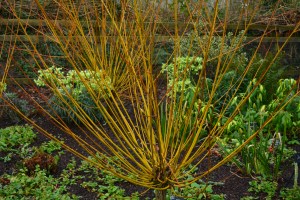
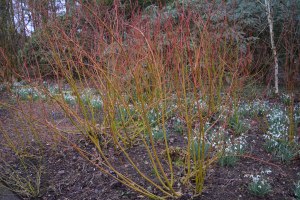
Coloured stems and bark of shrubs and trees add strong structure to a good winter garden.

2016 02 04_8412 2016 02 04_84132016 02 04_8422 2016 02 04_84142016 02 04_8424 2016 02 04_8425 2016 02 04_84262016 02 04_8453 2016 02 04_8474

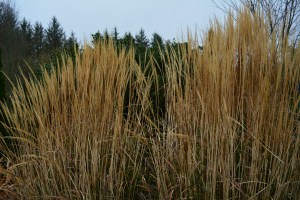
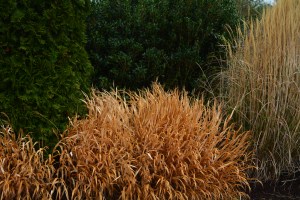
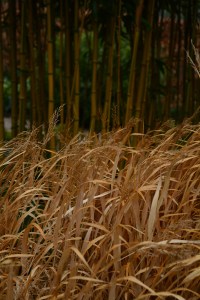
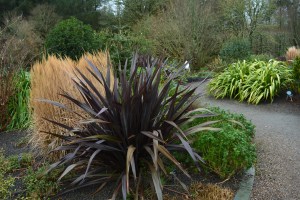
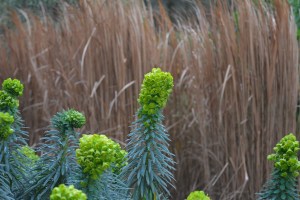
After enjoying and being highly impressed with the renovated Winter Garden, we took a gravel path which led us to the Foliage Garden. We were looking forward to seeing the role that foliage could play in the February garden. We were not to be disappointed with what we saw. Perennials and grasses played key roles with the richness of texture and the delicacy of colour. Richly coloured foliage on many shrubs joined the party.

2016 02 04_8454 2016 02 04_84552016 02 04_8456 2016 02 04_8457 2016 02 04_84662016 02 04_8459 2016 02 04_84602016 02 04_8461 2016 02 04_8478

Wherever we went we noticed evidence of the RHS gardeners and the volunteers who worked alongside them. In the Rose Garden these roses had been pruned so precisely just like illustrations in a gardening book . The soil between them had been neatly forked over to give a very professional look to the gardeners’ work.

2016 02 04_8438

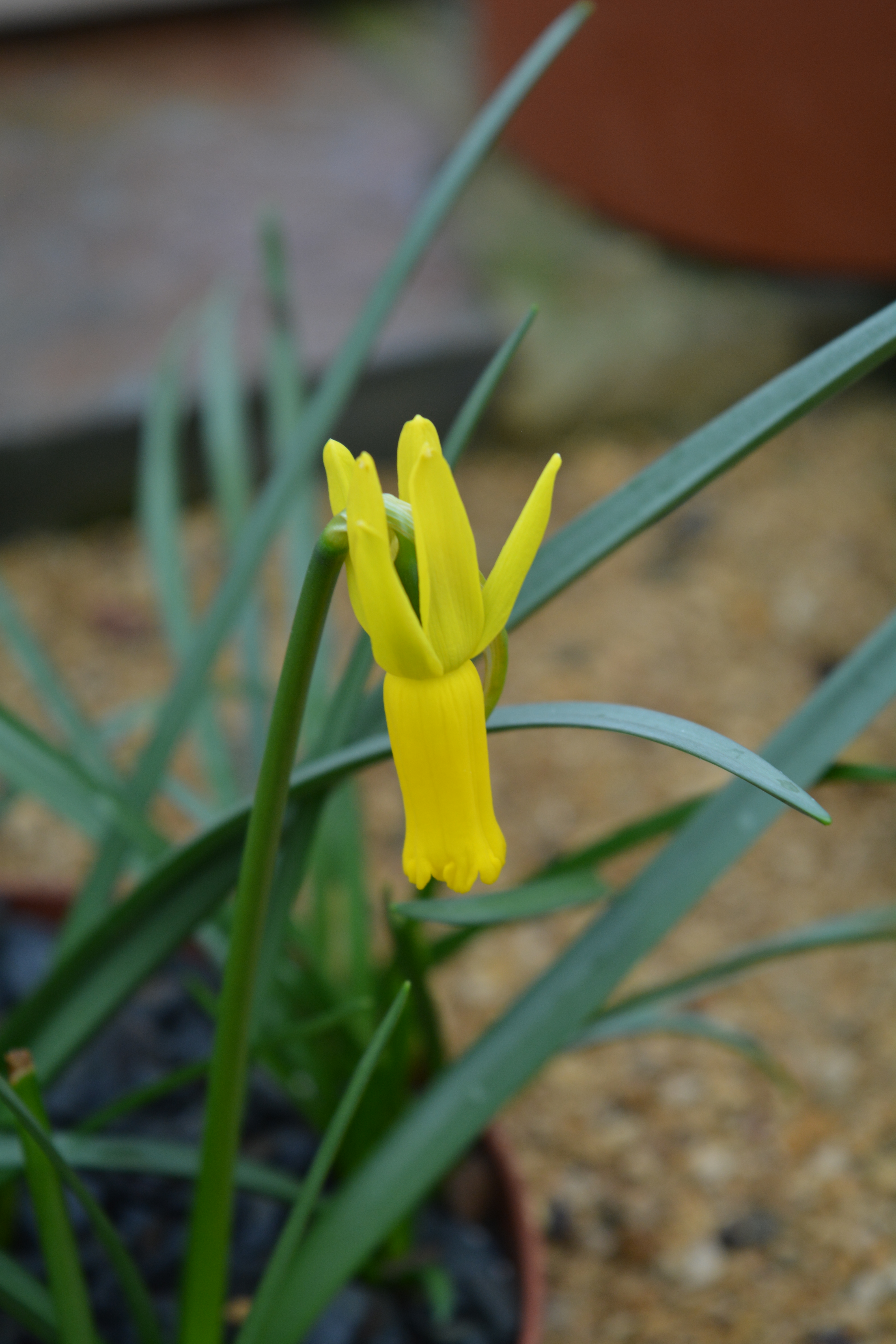
When we returned to the restaurant for a warming coffee we noticed in the terrace outside a little wooden framed alpine greenhouse. Here we found an impressive array of flowering bulbs.

2016 02 04_8393 2016 02 04_8395  2016 02 04_8394

Leaving the alpine house we took meandering paths through the gardens where we noticed many early blooms that added cheer to a day of dull damp weather.

2016 02 04_8403 2016 02 04_84192016 02 04_8420 2016 02 04_8417 2016 02 04_8434 2016 02 04_84642016 02 04_8410 2016 02 04_8488

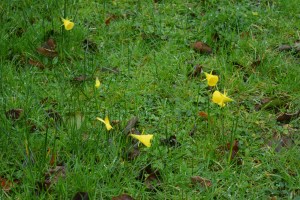
These paths took us down a gentle slope towards the lake and along the way we passed through open grassed areas where Daffodils and Narcissi had been naturalised. In neighbouring borders swathes of Snowdrops looked like frozen rivers running through shrubs and trees.

2016 02 04_8490 2016 02 04_84922016 02 04_8497 2016 02 04_8498

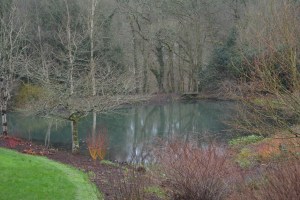
We reached the lake which looked very cold and uninviting but on its banks Cornus and Salix varieties known for their coloured stems added ribbons of very welcome brightness.

A stream fed the lake and we left the lakeside by following a path rising gently through the stream’s valley.

2016 02 04_8496 2016 02 04_8493

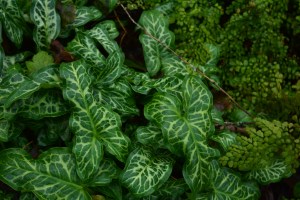
This valley with its clear stream ran rapidly through areas of planting. We followed the stream along a gravel path which took us to an underpass through which we wandered to find the original garden at Rosemoor, Lady Anne’s Garden. The little valley dropped down towards the underpass and we saw King Cups flowering profusely providing splashes of golden yellow and clumps of Arum italicum marmoratum gave us splashes of silver in their variegated foliage.

2016 02 04_8528 2016 02 04_85052016 02 04_8405 2016 02 04_8433

Seed heads and fruit from the autumn were still very much in evidence extending the season of interest.

2016 02 04_8469 2016 02 04_84702016 02 04_8510 2016 02 04_8511

As the valley sides rose higher the atmosphere became damper and we felt the temperature drop slightly as we got closer to the underpass. Lichen grew on trees and on fences. The white bark of Birches and the snow white blooms of Snowdrops shone through in the duller light.

2016 02 04_8512 2016 02 04_8524 2016 02 04_8526 2016 02 04_8527 2016 02 04_8523

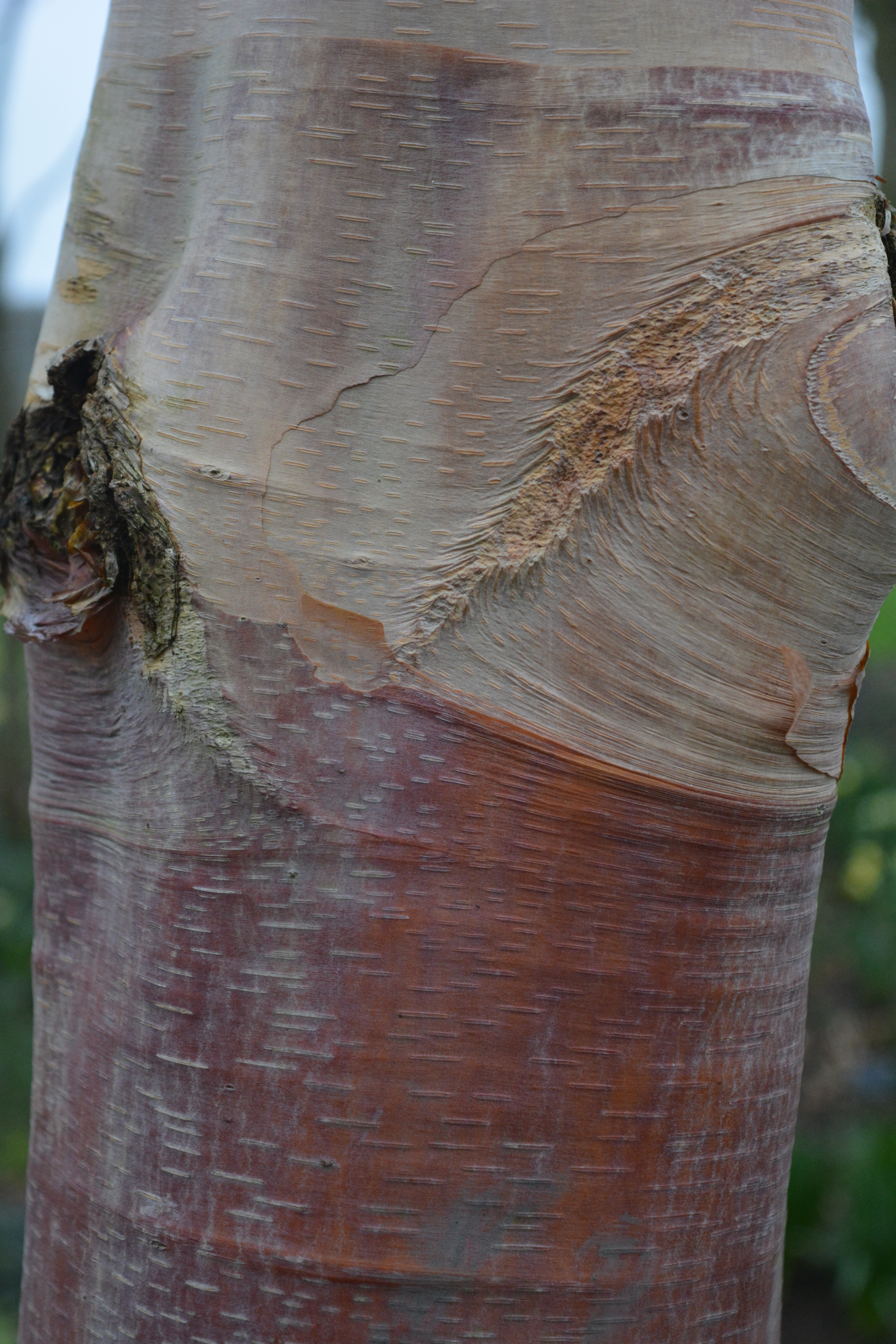
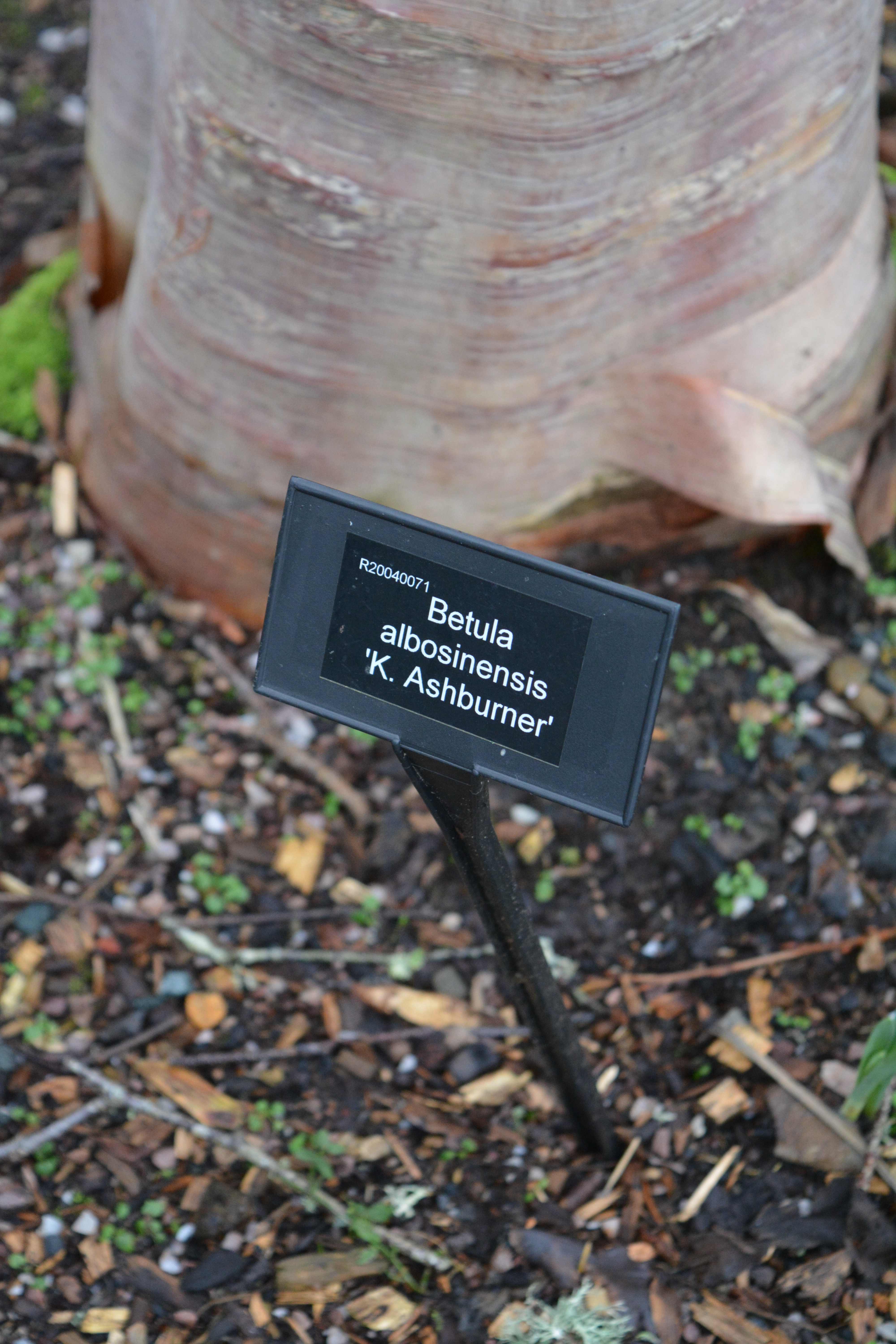
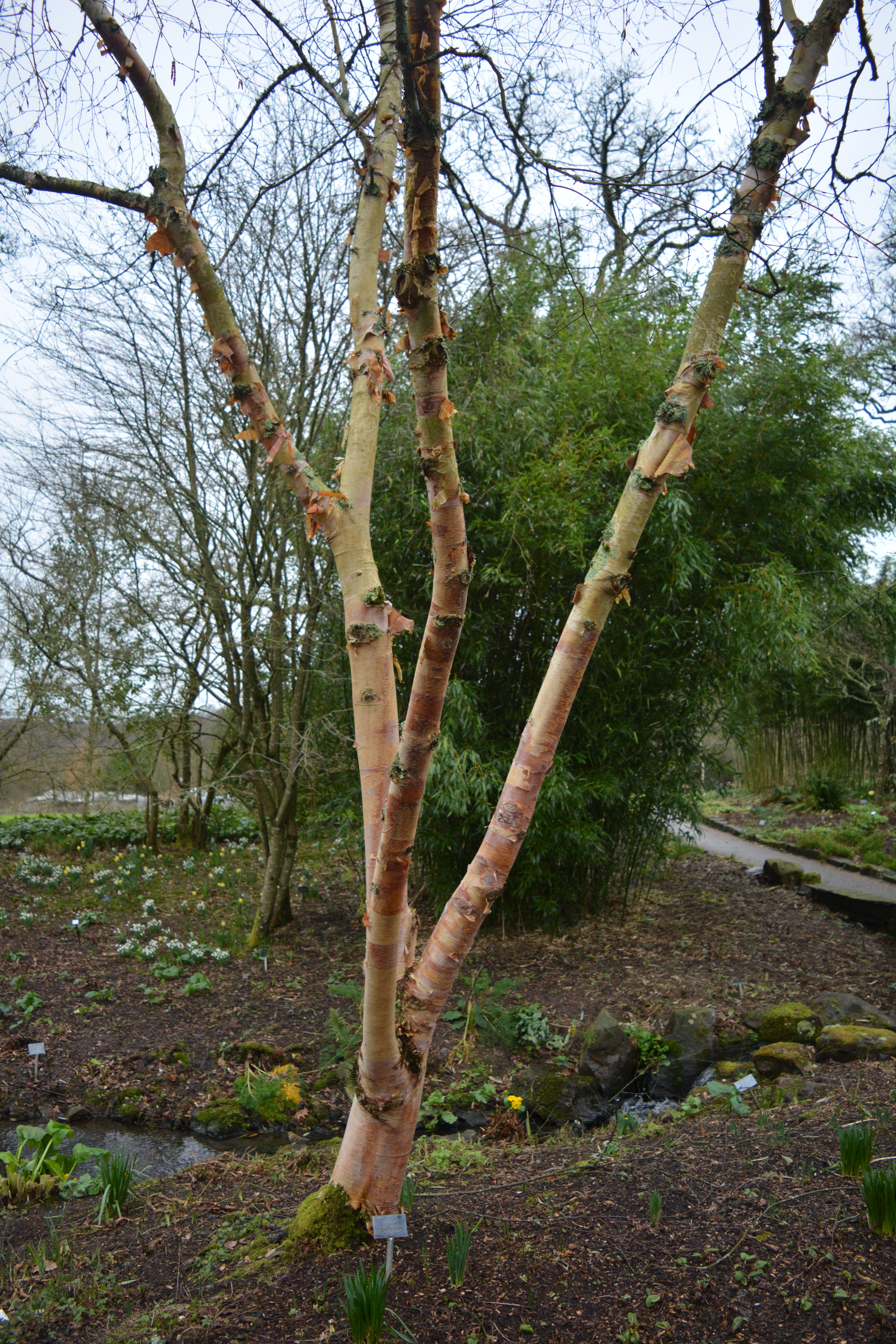
We were drawn to a Betula with unusually coloured bark and were very pleased to find that it was called Betula albosinsensis “K Ashburner”, named after the owner of Stone Lane Gardens and Nursery.

2016 02 04_8517 2016 02 04_8518 2016 02 04_8522

Scent was held in the valley so we were constantly experiencing the rich aromas of Lonicera, Sarcoccoca and Ribes. Sweetness in the air!

2016 02 04_8531 2016 02 04_8533

We entered the underpass which would take us under the road we drove along hours before and gained access to the original garden here at Rosemoor, Lady Anne’s Garden. We will be in that part of the garden in Part 2.


Categories
climbing plants colours flowering bulbs garden design garden photography garden pools gardens gardens open to the public lakes meadows ornamental trees and shrubs outdoor sculpture Powis Powys trees water garden water in the garden

A garden reborn – Glansevern Hall

In this post we will be looking back to a garden visit we made in mid-May when we visited a garden near Welshpool just over the border into Wales but still only a half hour drive away. The last time we had visited the gardens at Glansevern Hall was about ten years ago when the current owners had just started to rejuvenate the run down gardens.

We arrived to find everything improved so much so that some areas were hard to recognise. It is now a garden of real atmosphere, a truly romantic garden. After parking up in a car park which was a clearing among beautiful mature trees, we entered the garden through a courtyard which would have originally have been the stable block of the hall. Planting in narrow borders at the base of the wall included some interesting plants and some great ironwork.

2015 06 10_2776 2015 06 10_27772015 06 10_2816_edited-1

Once outside the courtyard several garden rooms contained exciting plant combinations and swathes of colour and texture.

2015 06 10_2779 2015 06 10_2785 2015 06 10_27812015 06 10_2780 2015 06 10_2782 2015 06 10_2783 2015 06 10_2784  2015 06 10_2786 2015 06 10_2787

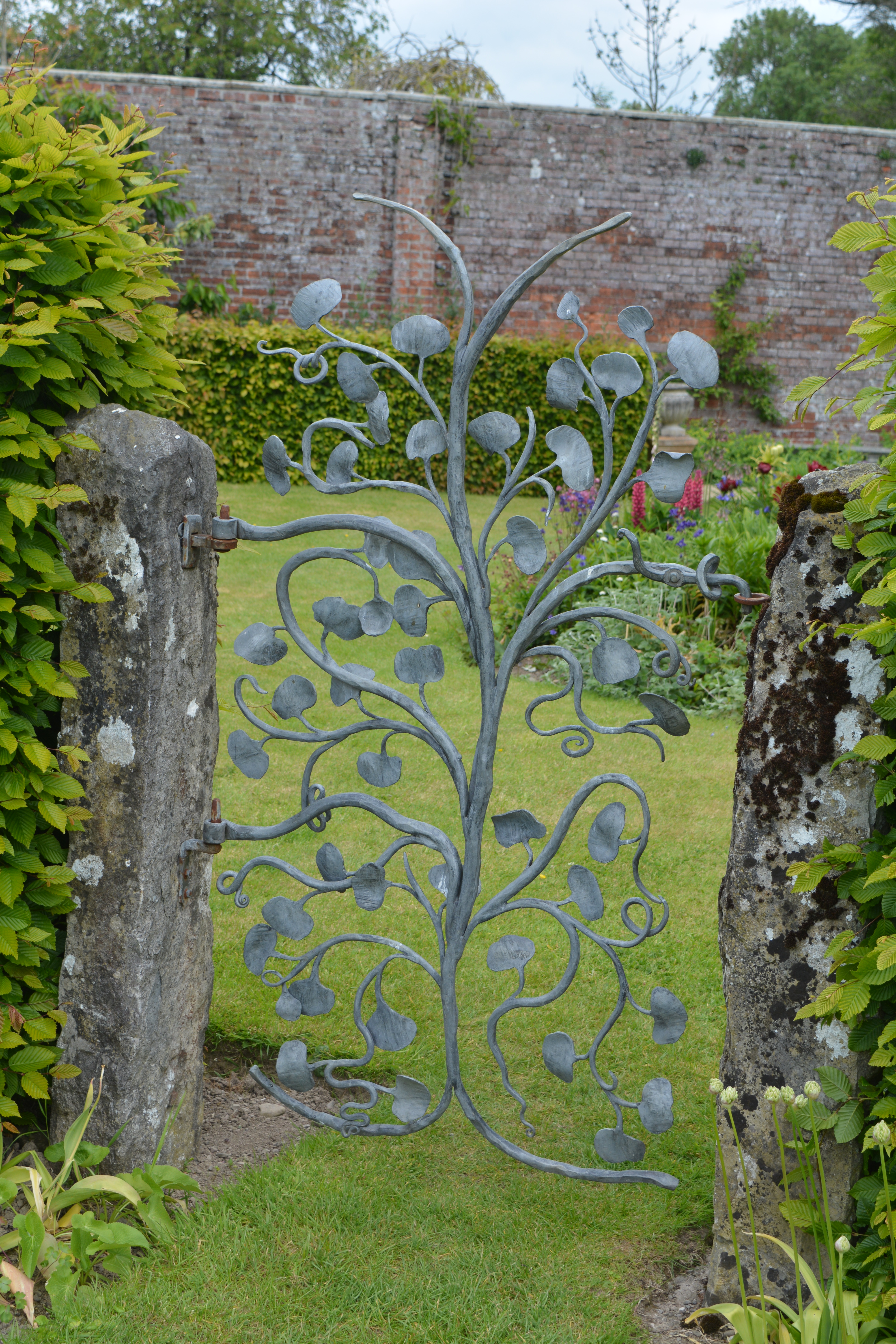
We discovered more wonderful ironwork too!

2015 06 10_2789 2015 06 10_2792

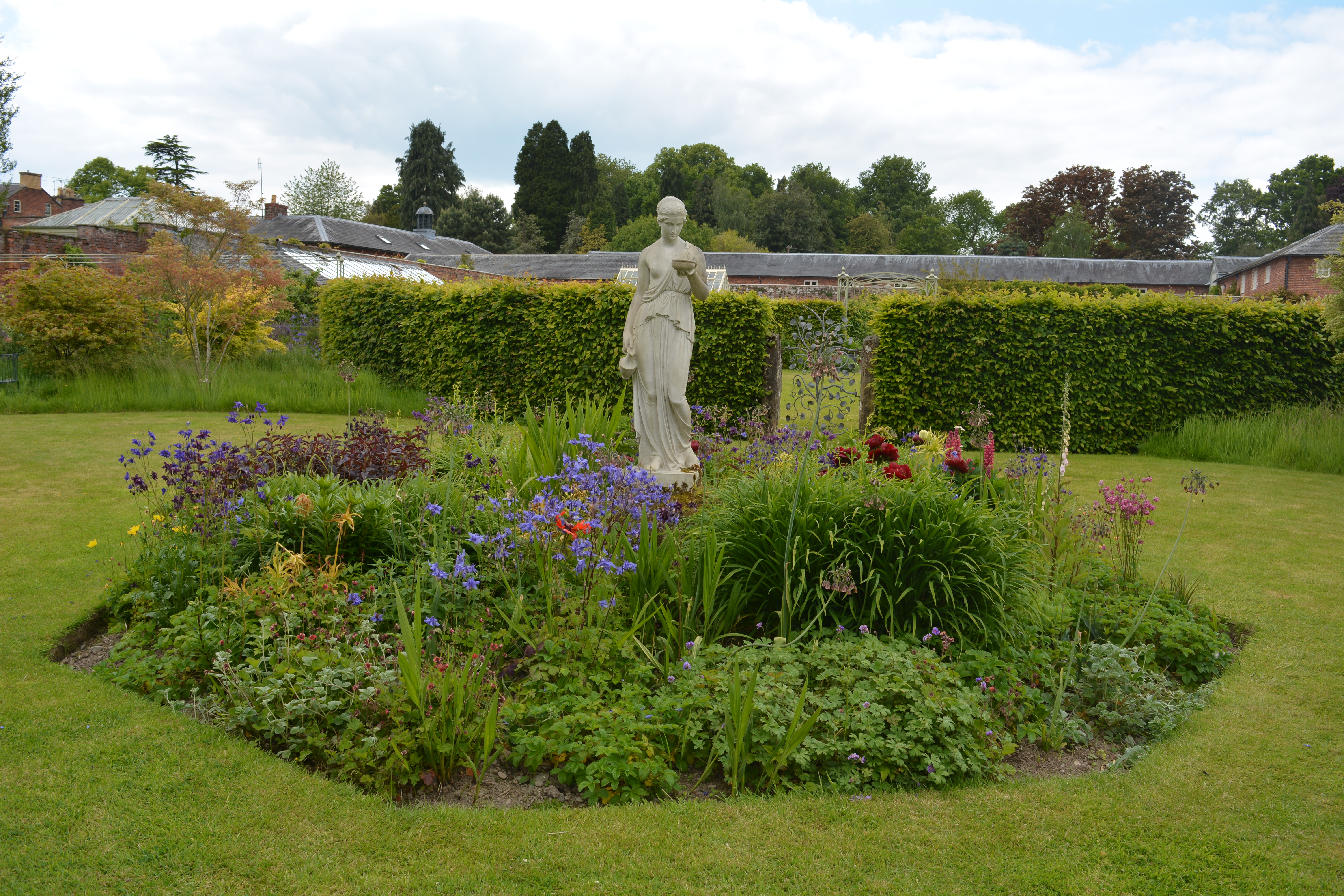
In contrast to the irregularly shaped beds we came across circular beds planted in very different styles.

2015 06 10_2791  2015 06 10_2794

A pergola covered in Laburnum with its bright yellow racemes was a real surprise to find as we began finding our way to the informal meadow areas and their collection of interesting trees and shrubs.

2015 06 10_27962015 06 10_2797 2015 06 10_2798 2015 06 10_28052015 06 10_2799 2015 06 10_2800 2015 06 10_2804

This weeping specimen tree took some identifying. We had never seen one before but eventually came to the conclusion that it was a Weeping Mulberry, Morus alba pendula. A real beauty. The sculpture and the Viburnums were much easier to identify.

2015 06 10_2795 2015 06 10_2807 2015 06 10_2808

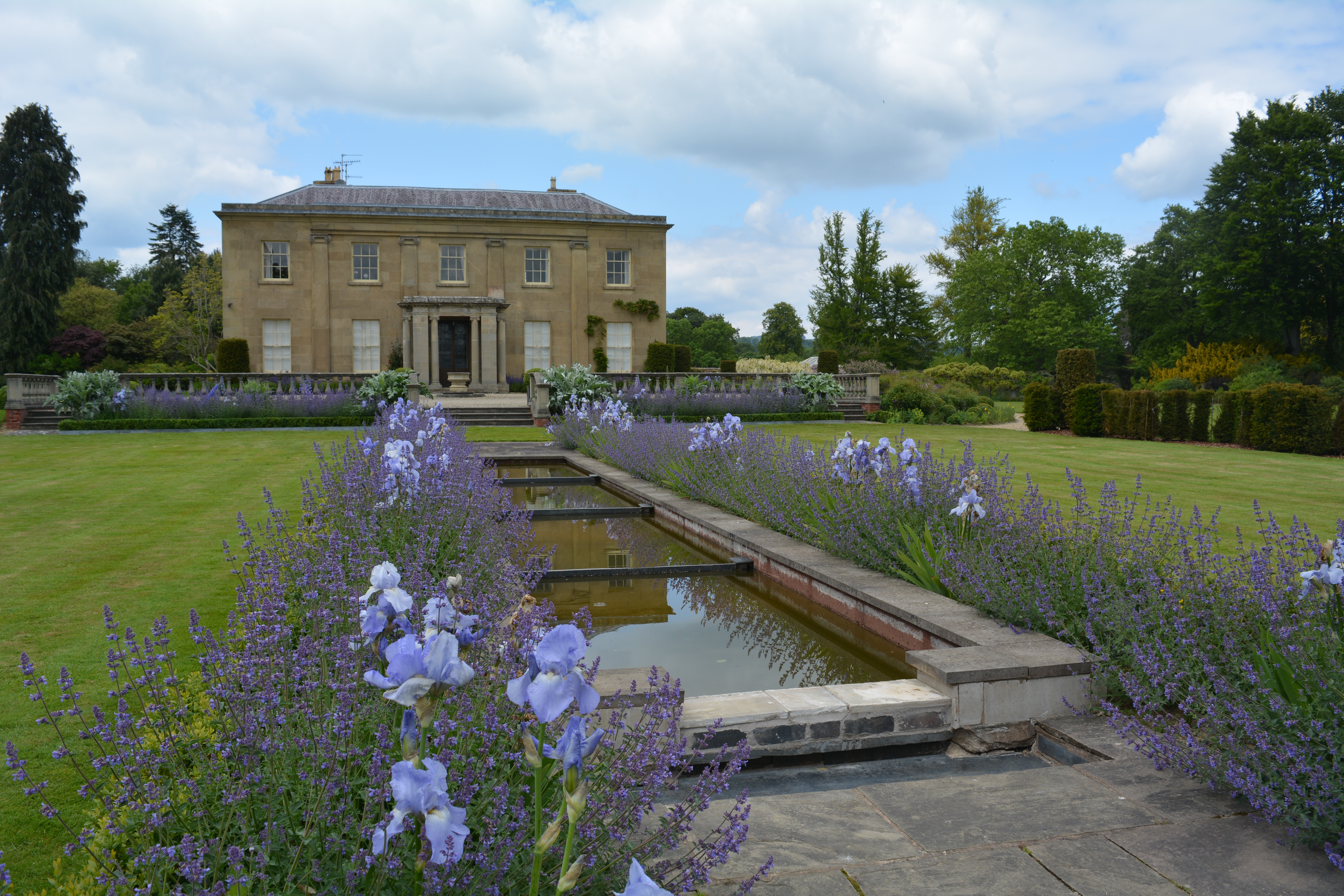
The gardens close to the hall itself were much more formal and had an “arts and crafts” feel to them. The colours of the planting were most unusual in different pale shades of  blue around the front and shades of yellow along the side borders.

2015 06 10_2809 2015 06 10_28102015 06 10_2812 2015 06 10_2820

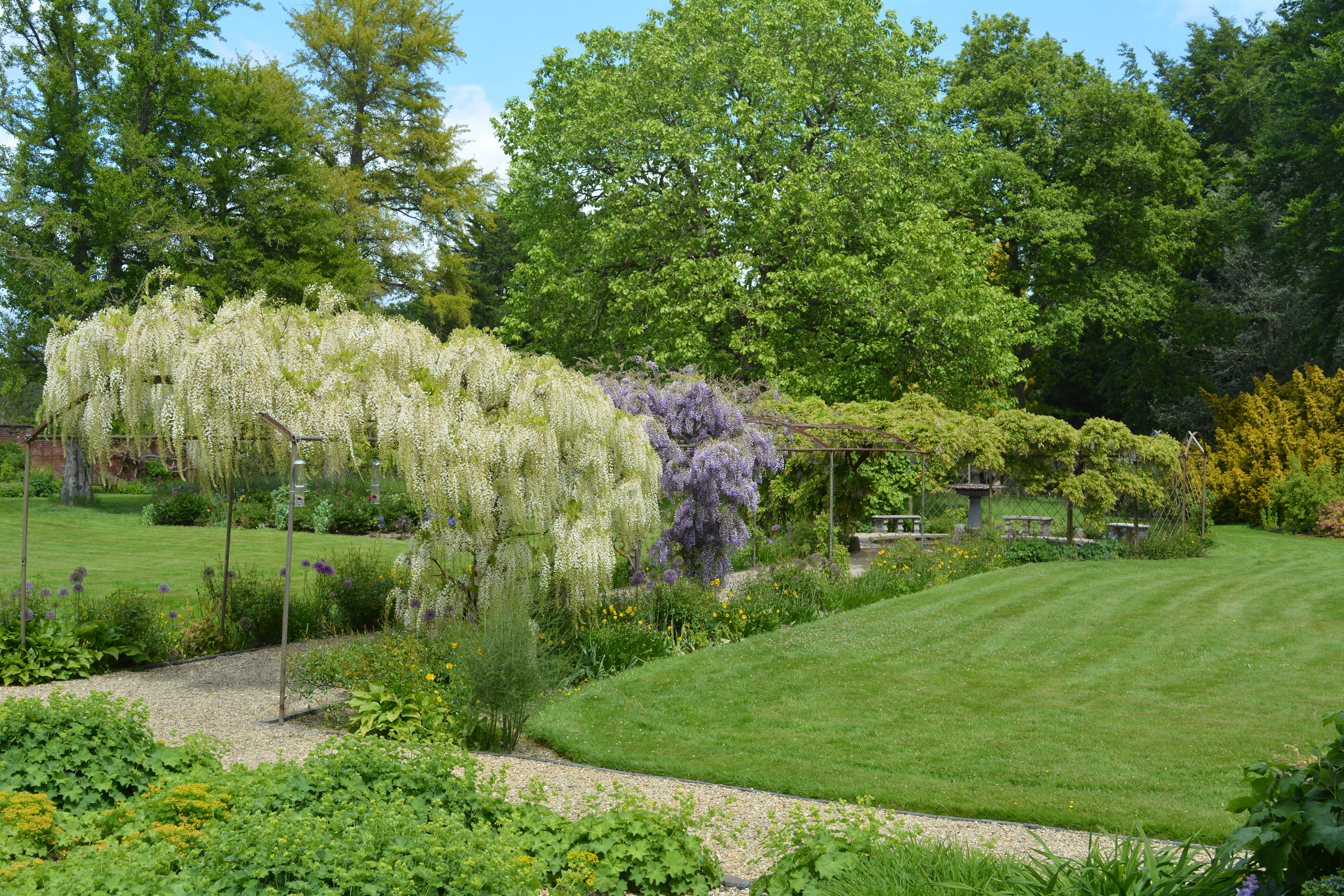
Moving away from the hall we walked beneath a wonderfully colourful and highly scented pergola swathed in Wisteria with its long white and blue racemes of flowers. Beneath the narrow borders were full of purple headed Alliums.

2015 06 10_2811  2015 06 10_2813 2015 06 10_2814 2015 06 10_2815

After a quick break for coffee and cakes we traced the path around the lake which was surrounded by specimen trees many rare or unusual, some we had never seen before and a couple we had never even heard of!

2015 06 10_2823 2015 06 10_2824 2015 06 10_2825 2015 06 10_2826 2015 06 10_2827 2015 06 10_2828 2015 06 10_2829 2015 06 10_2831

We had a great day at Glansevern and came away amazed at how much work had been done developing the gardens into such a romantic place.

Categories
arboreta garden design garden photography garden ponds garden pools gardens gardens open to the public Italian style gardens meadows ornamental trees and shrubs shrubs trees water garden water in the garden

A Week in the Lake District – Part 7 – Holker Hall

I had recently read a book on the original creation and the more recent re-design of the gardens at Holker Hall so I was really looking forward to visiting it to see it for real. The book made mention of many rare and interesting trees being planted which made me extra keen to visit.

We hoped it would reach our expectations as it was the last day of our week in the Lake District. We looked forward to a gentle stroll around a peaceful, atmospheric garden. We were not disappointed in any way! Holker’s gardens were full of variety and surprises, with a careful balance of the formal and informal.

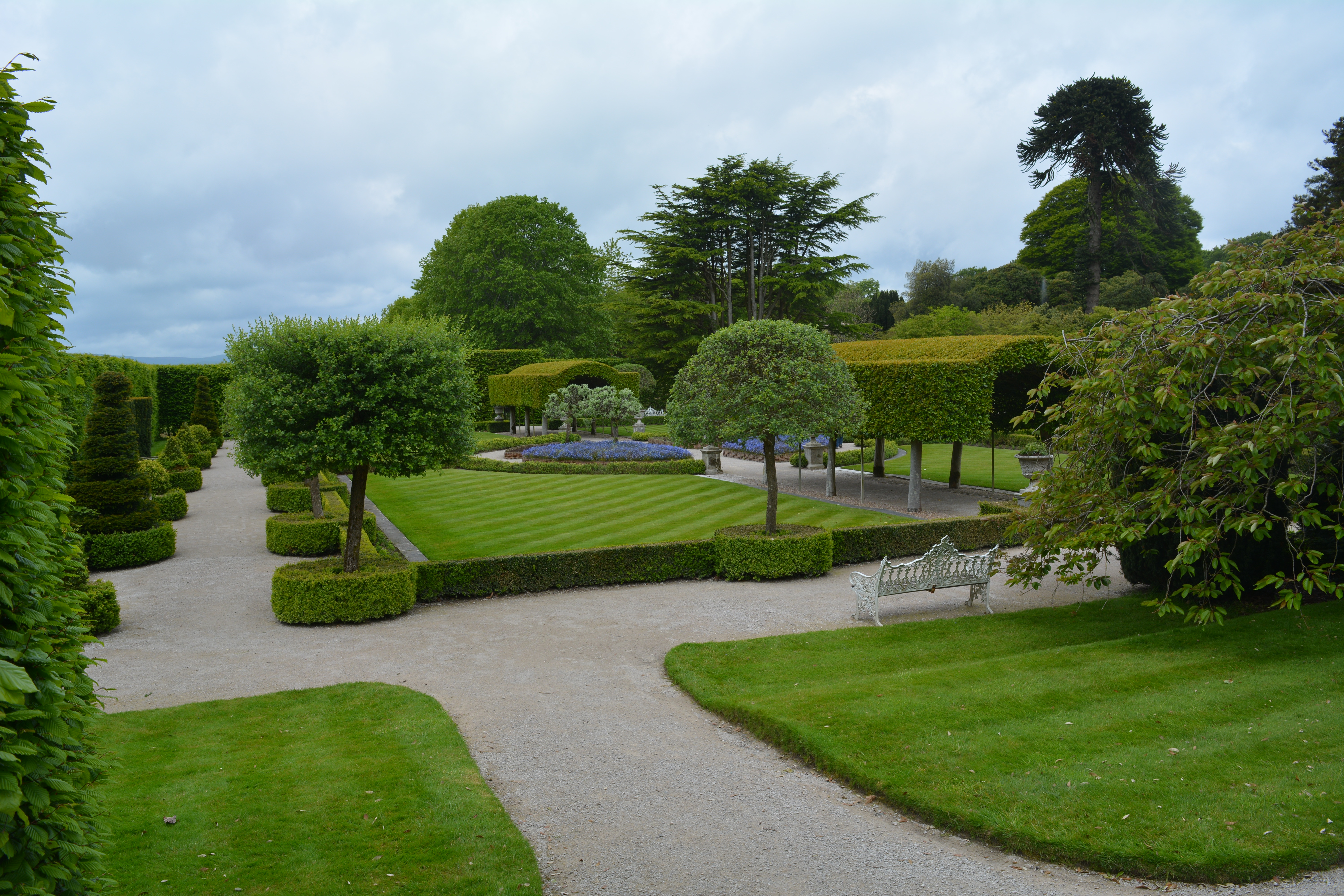
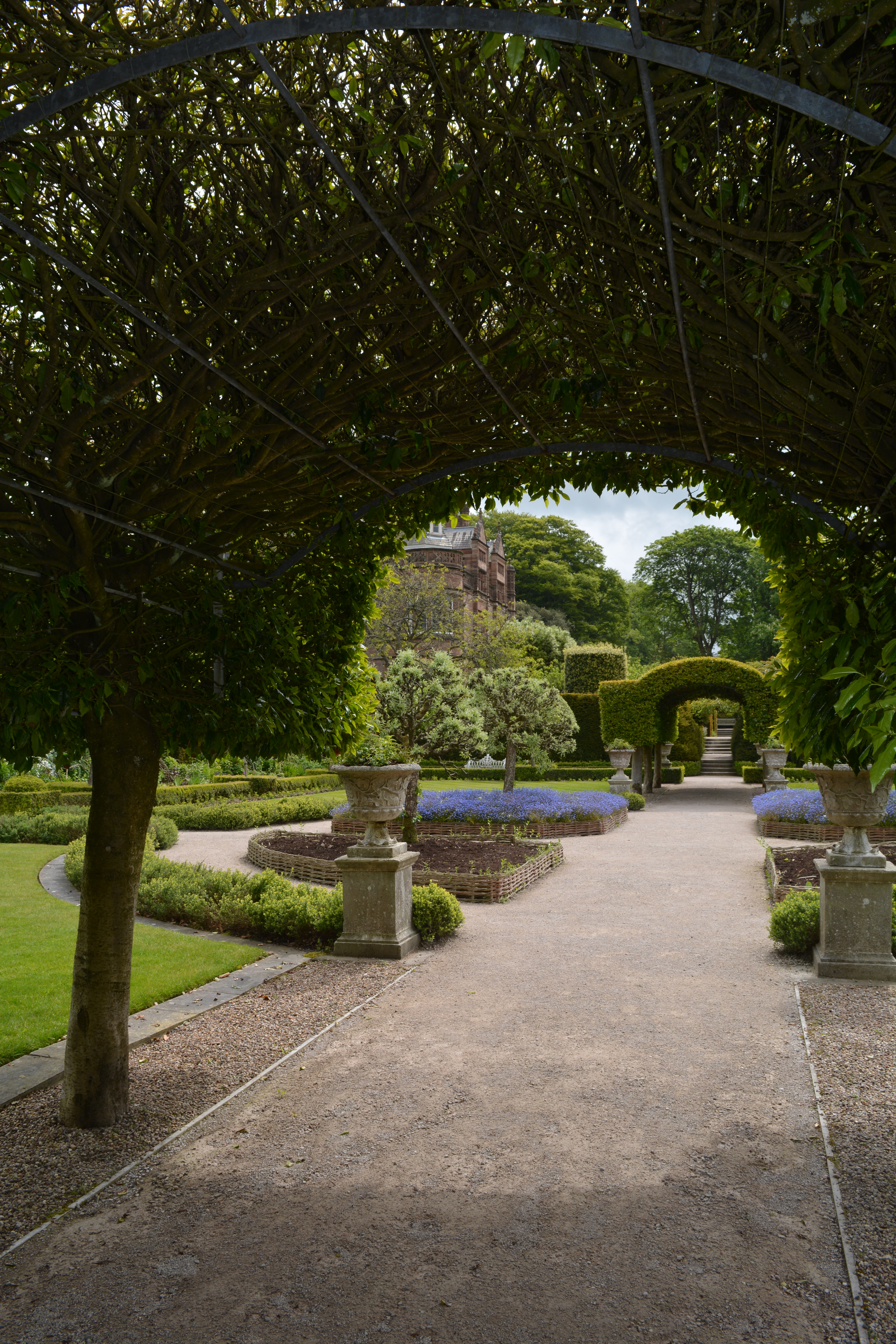
As we entered the garden we were presented with this vista, a vista full of promises to come.

2015 06 05_2629

Taking each pathway off from the central path we discovered beautiful examples of formality, neatly cut grass, hedges carefully clipped and seats neatly tucked into niches.

2015 06 05_2632 2015 06 05_2633  2015 06 05_2635 2015 06 05_2636 2015 06 05_2637 2015 06 05_26382015 06 05_2669 2015 06 05_2670

But formality cannot work without carefully chosen and well-grown plants.

2015 06 05_2631 2015 06 05_2634

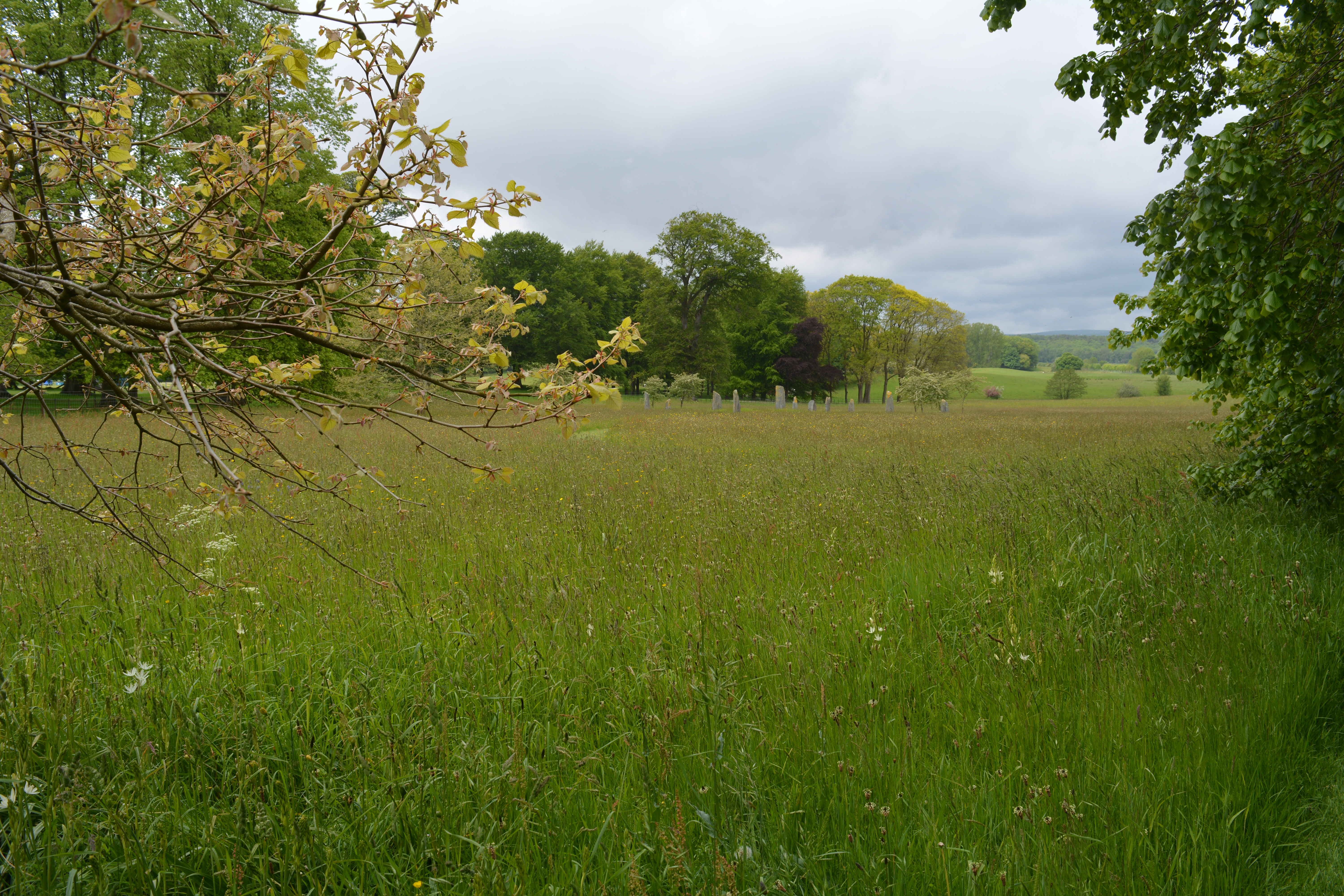
As we moved away from the formality of the first section of the garden we found gentle meadows which presented a complete contrast.

2015 06 05_2639 2015 06 05_26452015 06 05_2649

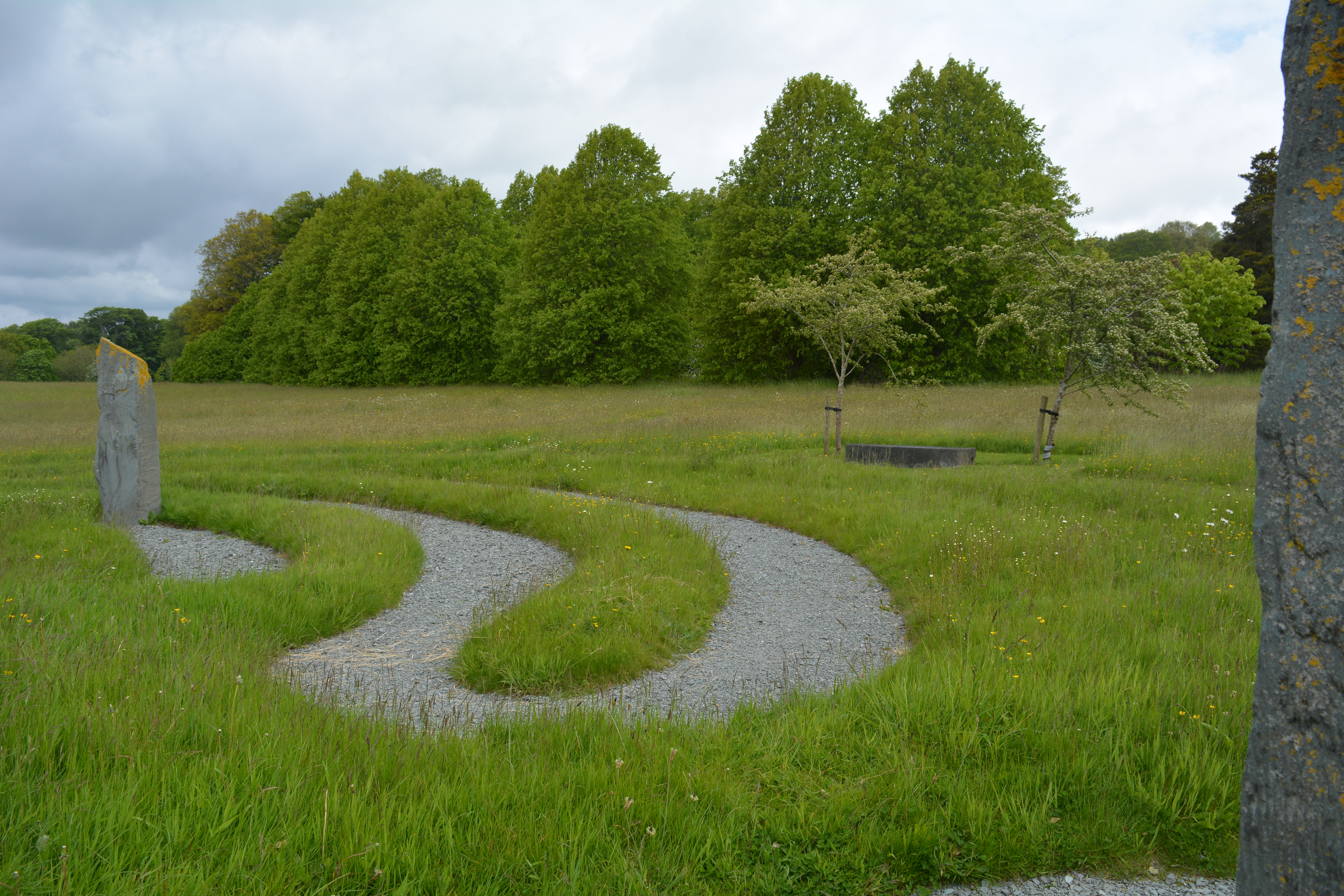
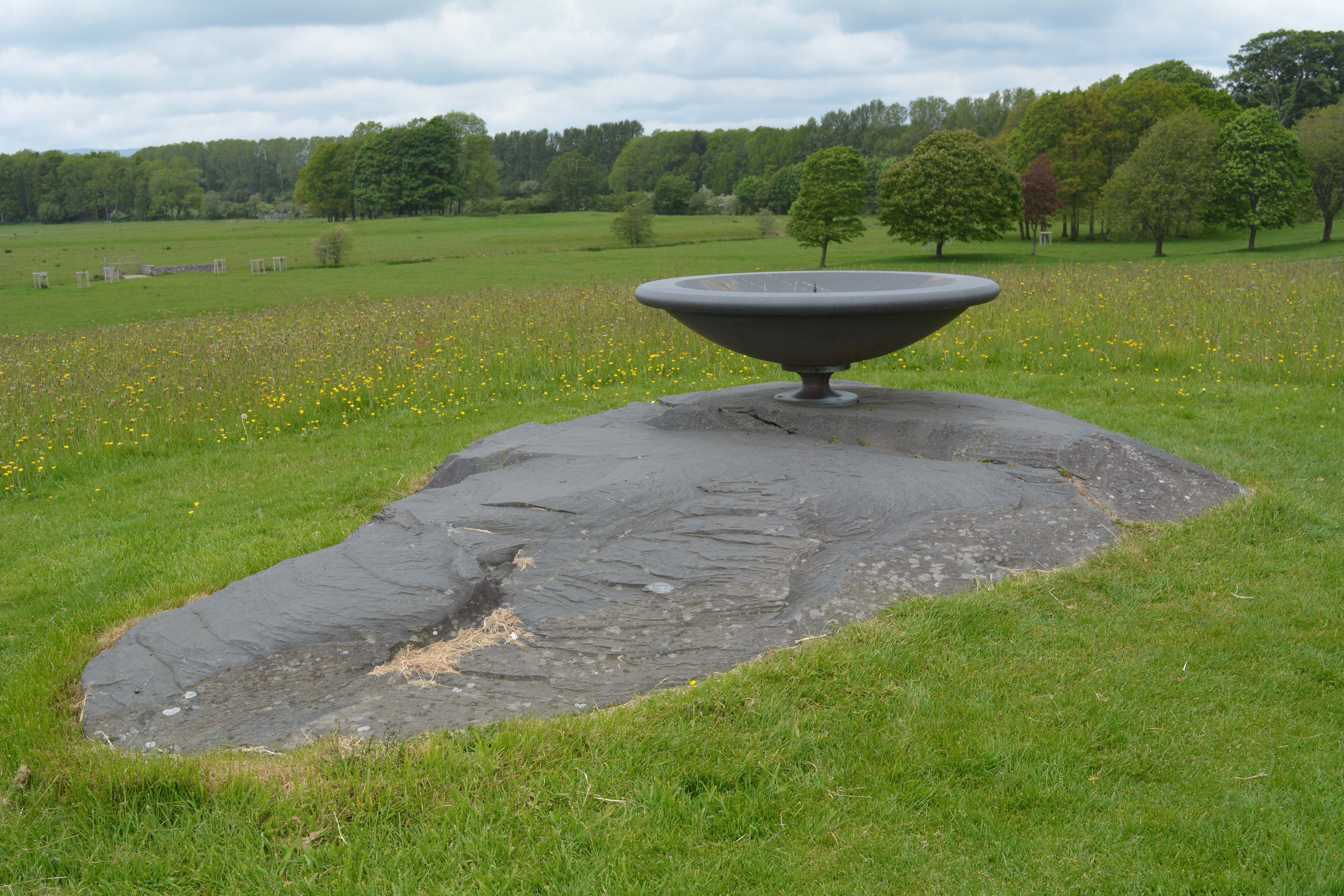
The meadows contained surprises, a stone circle, a maze, seats of single blocks of slate and the most beautiful sundial.


2015 06 05_2642 2015 06 05_2643 2015 06 05_2644 2015 06 05_2646 2015 06 05_2647 2015 06 05_2648

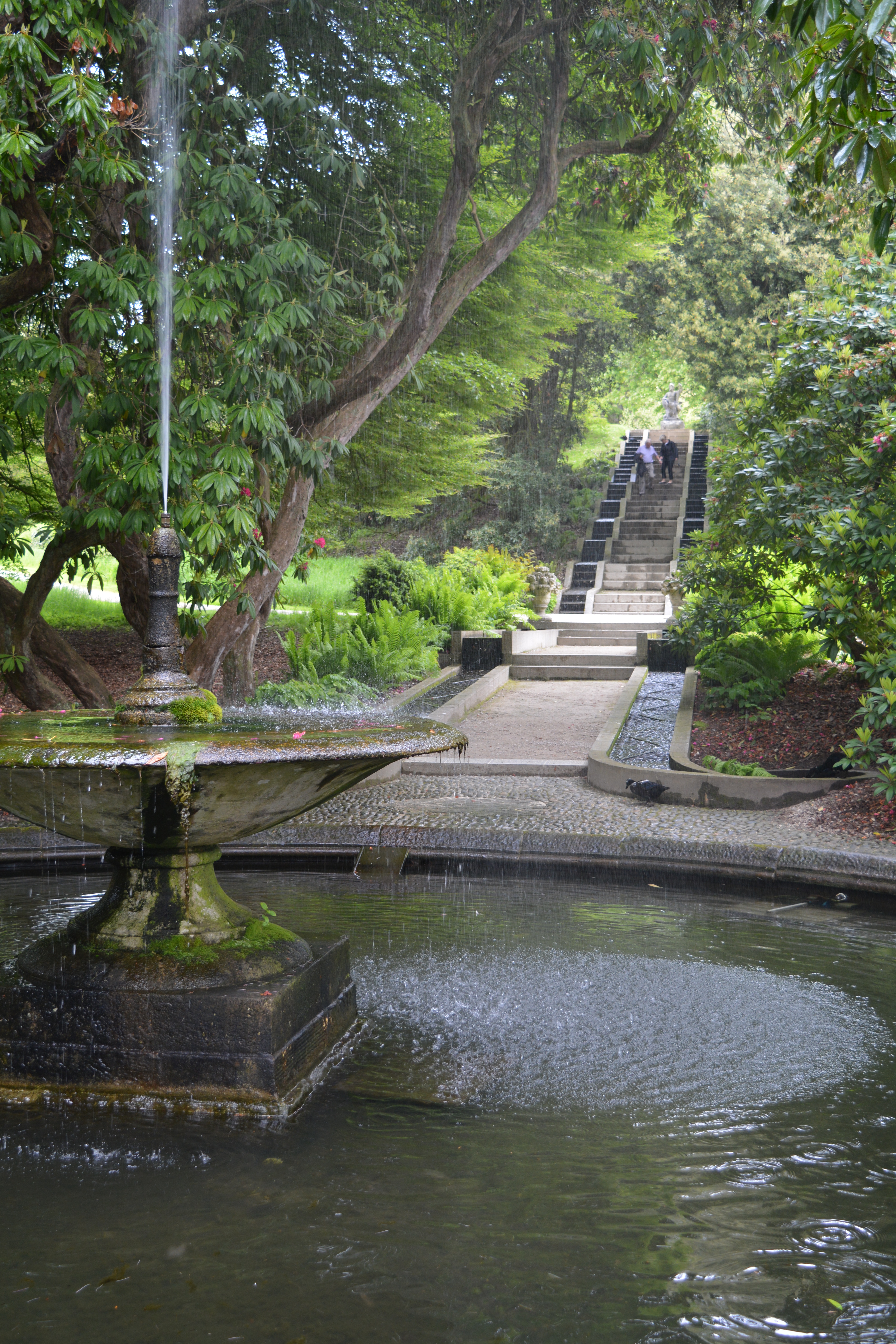
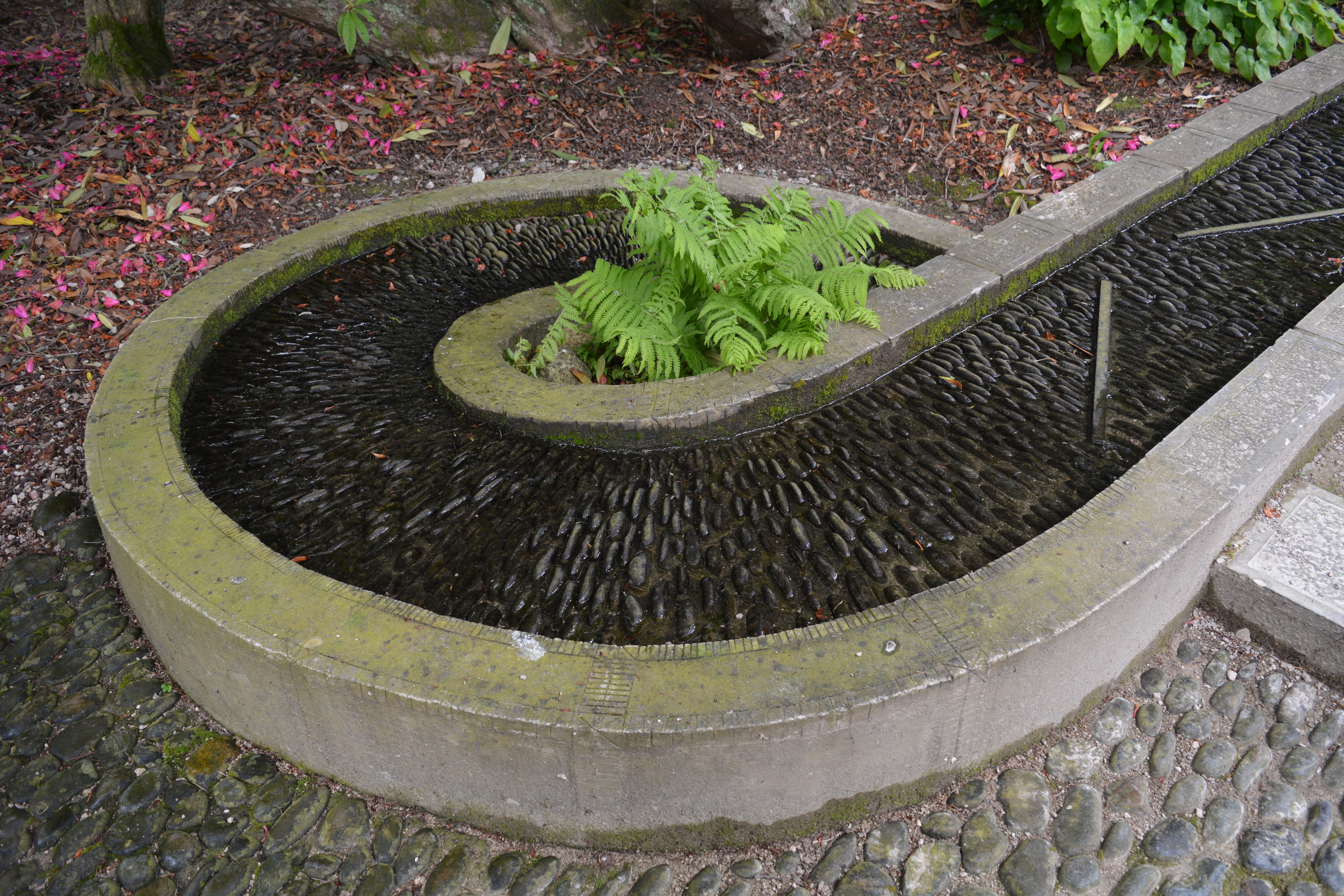
It was hot wandering out in the open space of the meadows so it felt good to wander around shaded areas and an Italianate water garden.

2015 06 05_2651 2015 06 05_2652 2015 06 05_2653 2015 06 05_26542015 06 05_2683

One of the reasons to visit Holker Hall is the collection of rare and unusual trees. They were underplanted with meadows of grasses and wildflowers which gave the wooded area the character of a real William Robinson styled wild garden

2015 06 05_2656  2015 06 05_2674 2015 06 05_26662015 06 05_2673 2015 06 05_2678 2015 06 05_2680 2015 06 05_2681 2015 06 05_2682 2015 06 05_2671 2015 06 05_2684

We were amazed by the number of interesting trees at Holker and enjoyed discovering several champion trees. There were so many special places throughout the gardens where shrubs and trees were sensitively grouped to set them off in the best light.

2015 06 05_2675

Categories
colours fruit and veg garden ponds garden pools garden seating gardens gardens open to the public grow your own kitchen gardens National Garden Scheme ornamental trees and shrubs outdoor sculpture poppies recycling sculpture shrubs trees walled gardens water garden water in the garden Yellow Book Gardens

Yellow Book Gardens – 4 – Upper Shelderton Hall

We set out to visit our fourth Yellow Book garden on a cloudy day that promised showers and with a chill in the air. However as we drove down through the Shropshire countryside the skies cleared and the temperature rose. We left the main road and traveled down lanes that got more narrow as we got closer to our destination, the village of Shelderton.

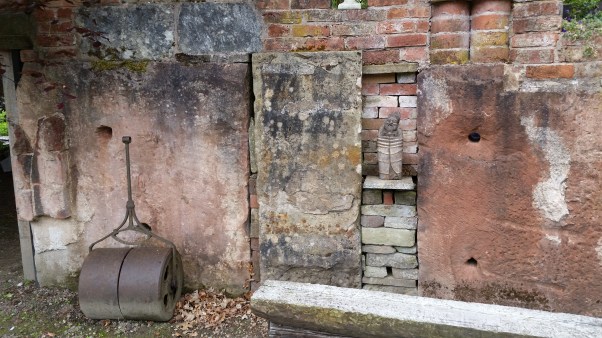
The garden at Upper Shelderton Hall spread to over 6 acres and was mostly a wooded garden with areas of Rhodendrons and borders of herbaceous plantings. As usual we began with tea and cake which we enjoyed sat in the strangest walled garden we had ever experienced. The walls were a truly original creation. Each section was a sculpture in its own right made from a conglomeration of found or collected bricks and stones and ephemera.

2015 05 25_1966 2015 05 25_1964 2015 05 25_1987

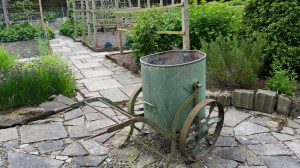
From our seat where we enjoyed our refreshment we could enjoy these amazing walls and also take in glimpses of the kitchen garden nearby. An old water trolley now unused sat alongside.

2015 05 25_1965 2015 05 25_19882015 05 25_1990

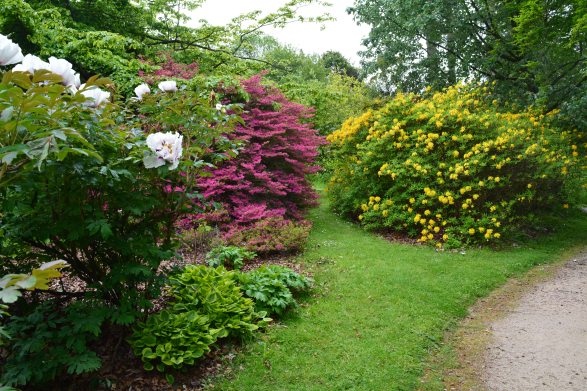
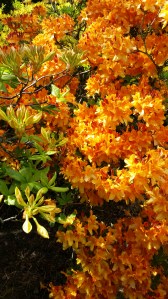
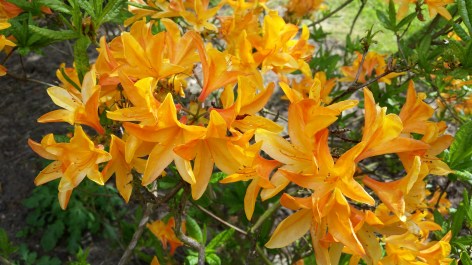
After a wander around the fruit and veg beds we made our way towards a border that glowed with bright yellows, oranges and reds. We discovered that the bright blooms were those of a collection of deciduous Rhodendrons. Our noses were also delighted by these shrubs as the yellow ones had the richest sweetest of fragrances.

2015 05 25_19672015 05 25_1977 2015 05 25_19782015 05 25_1979

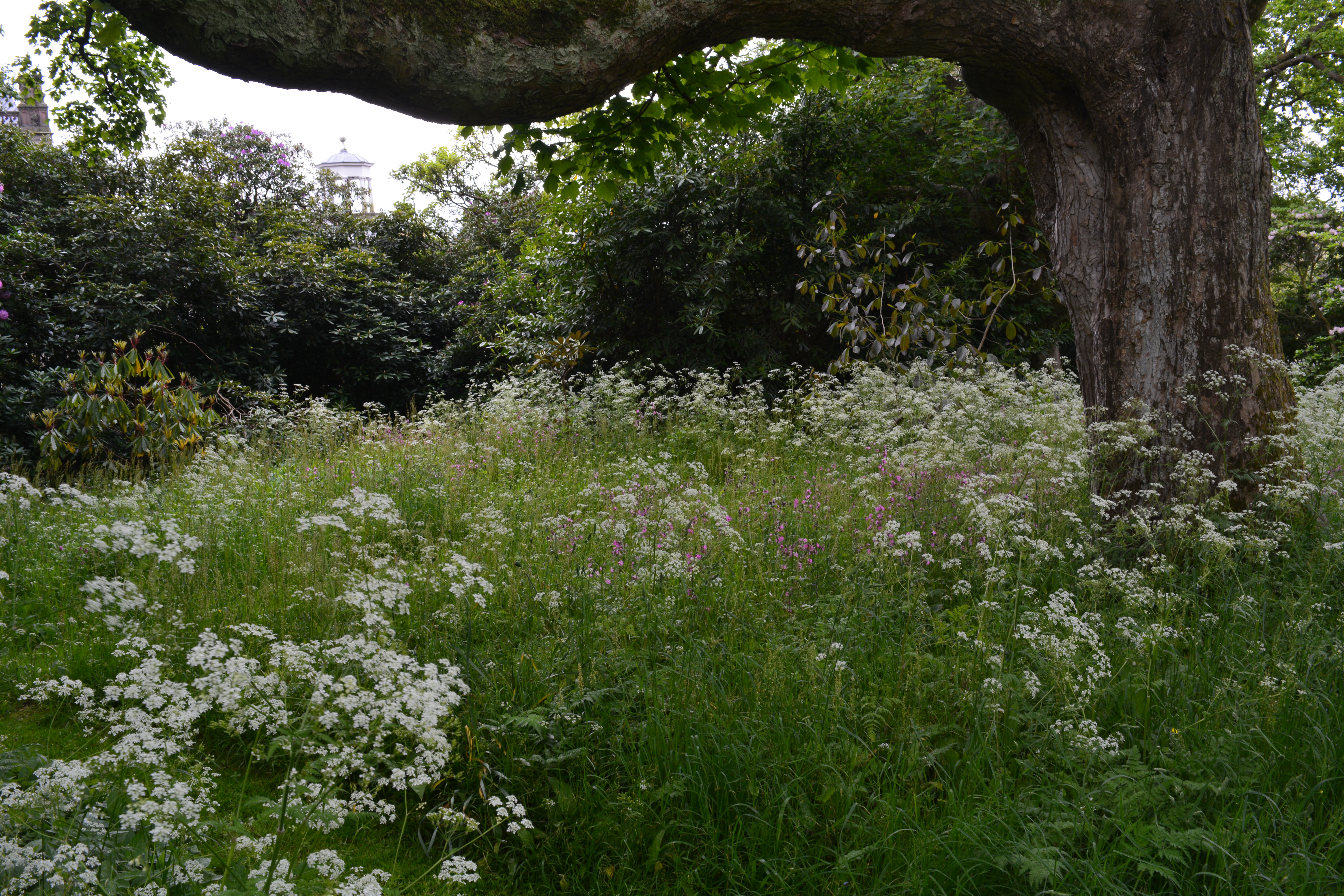
We wandered on through the shade of wooded areas with the sound of a stream wandering through it and the scent of Bluebells following our every step.

2015 05 25_19762015 05 25_1970 2015 05 25_1969

Leaving the shade of the tall trees we stumbled across a beautifully planted pond with crystal clear water. On one bank we discovered a lovely little stone carving, the first of several interesting pieces of sculpture we were to find in the gardens.

2015 05 25_19732015 05 25_1975 2015 05 25_1972 2015 05 25_19852015 05 25_1971 2015 05 25_1989

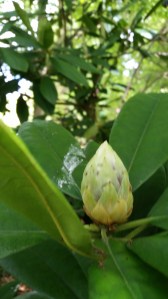
On the edge of the main garden was an area of more mature woodland of mixed deciduous and coniferous specimen trees. Beneath them larger evergreen Rhodendrons provided splashes of colour.

2015 05 25_1986 2015 05 25_1983 2015 05 25_19802015 05 25_1981 2015 05 25_19822015 05 25_1984

This comfortable set of table and chairs was simply too enticing for us. We just had to have more teas and cakes in order to try them out!

2015 05 25_1963

As we enjoyed our refreshment we also enjoyed the colourful planting around us.

2015 05 25_1991 2015 05 25_1992 2015 05 25_1996

We also looked up to spy this imposing cockerel windvane.  Once we had enjoyed our refreshment we left the gardens of Upper Shelderton Hall having enjoyed yet another brilliant Yellow Book garden. We can’t wait for the next!

2015 05 25_19942015 05 25_1993


Categories
colours flowering bulbs garden design garden photography garden ponds garden pools gardening gardens gardens open to the public hardy perennials National Garden Scheme NGS ornamental trees and shrubs spring bulbs spring gardening The National Gardening Scheme" trees walled gardens water garden water in the garden Yellow Book Gardens

Yellow Book Gardens – 3 – Brobury House Gardens

For our third Yellow Book Garden visit we found another garden set in our neighbouring county of Herefordshire, so we drove down through the beautiful countryside of South Shropshire and North Herefordshire. It was a sunny day with a sparkling blue sky. Brobury House Gardens are open for much of the year but on the day of our visit they were open for the NGS Yellow Book Scheme. Their website was enticing so we arrived with high expectations. The garden was situated alongside the River Wye so we were looking forward to views of the Wye, probably the most picturesque river in England.

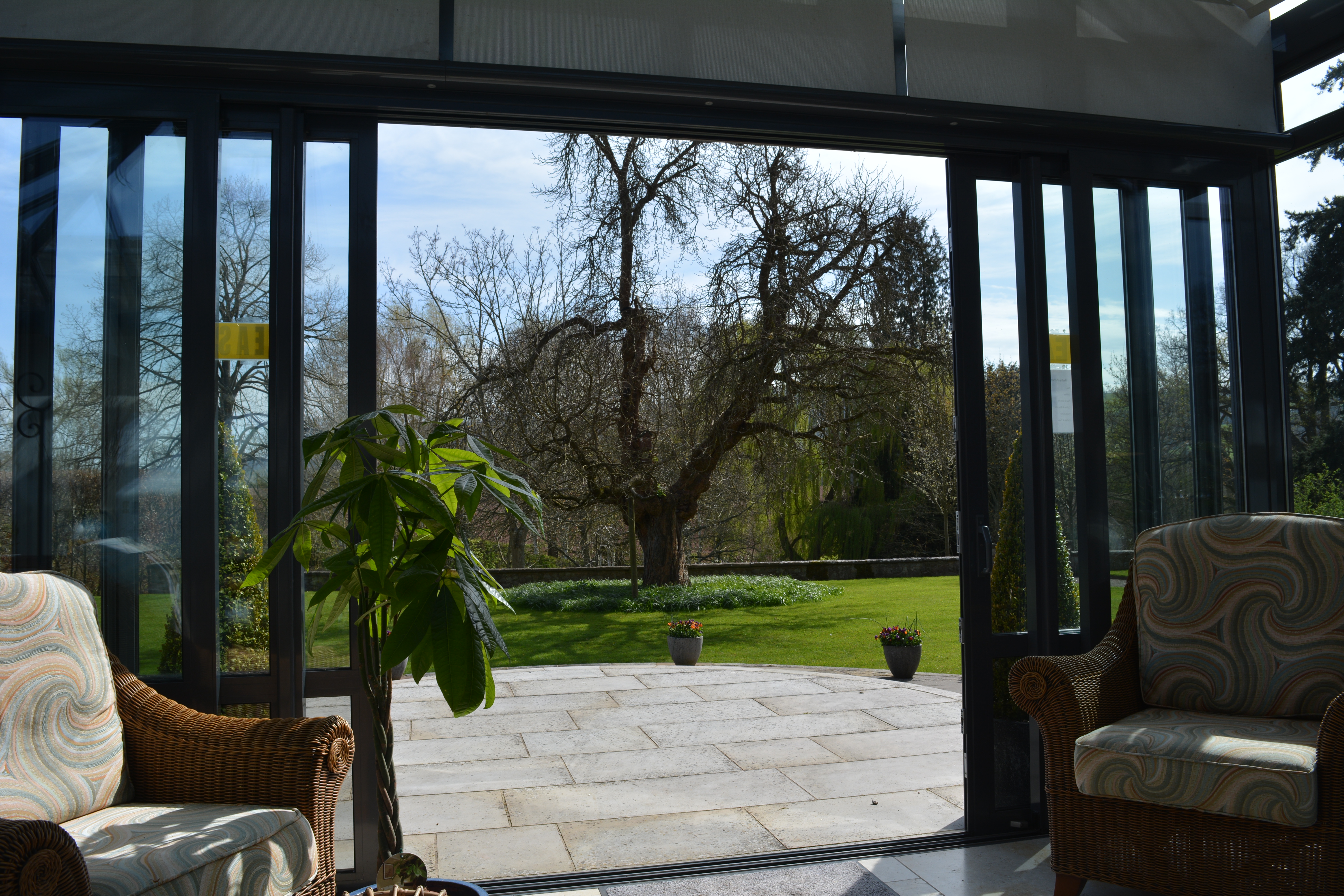
We began as usual with coffee and cake which was served in a beautiful conservatory with seating in and out. The view we enjoyed as we sat enjoying our refreshments increased our expectations. We were given a beautiful plan of the garden with some details of the garden and from this we learned that the garden was being redesigned and a lot of replanting had taken place.

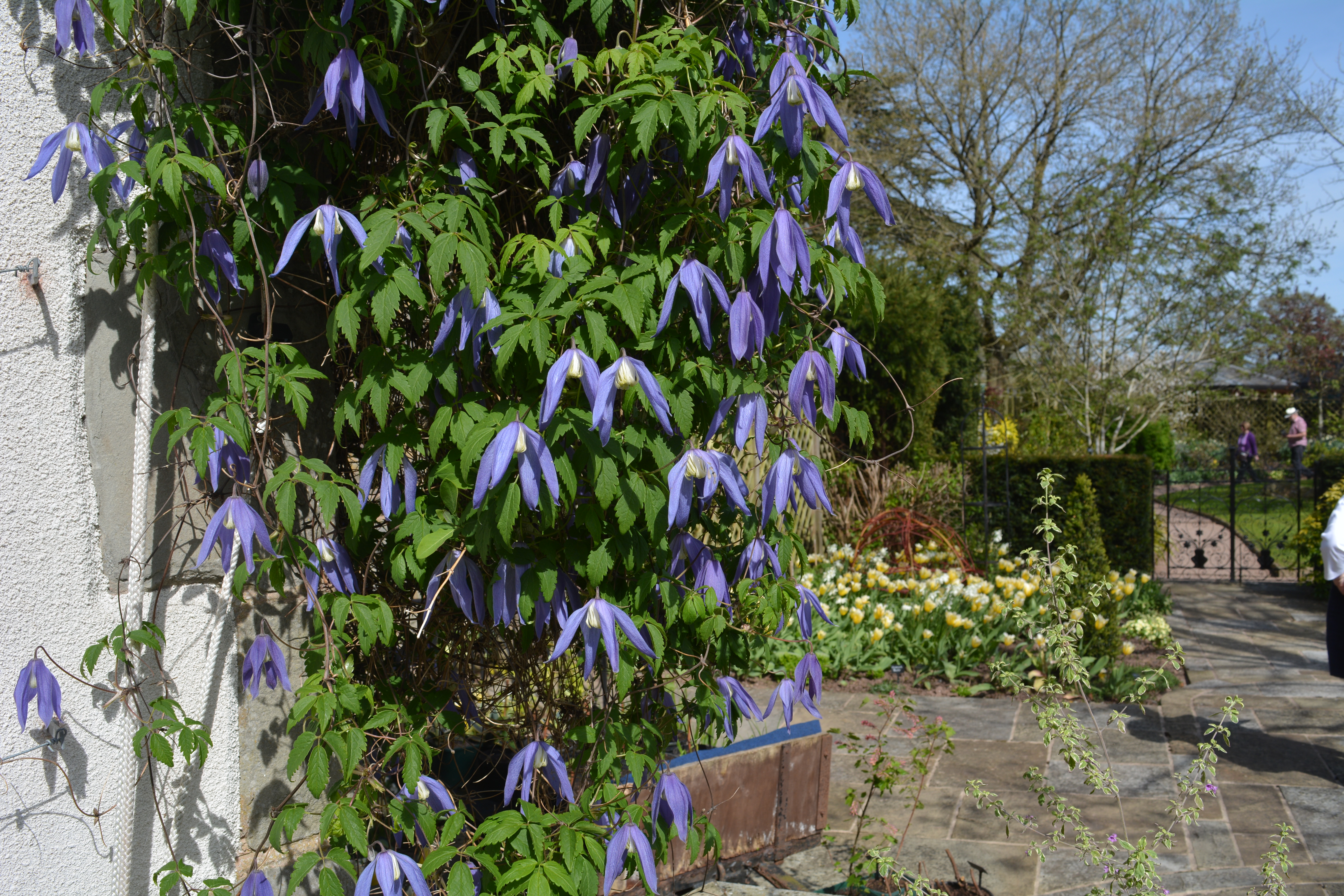
As we approached the conservatory we spotted this beautiful blue Clematis and a nice barrow of plants for sale. From the conservatory we admired this beautiful, gnarled Mulberry tree reputed to have been planted by the naturalist and diarist the Rev Francis Kilvert. Close by, yellow tulips lit up the borders.

2015 04 15_06912015 04 15_0690 2015 04 15_06982015 04 15_0692 2015 04 15_0693

Among the tulips we were pleased to see a Drimys showing its delicately scented yellow flowers. We have a couple of these evergreens in our Avocet garden but we have rarely seen them elsewhere.

2015 04 15_0694 2015 04 15_0696

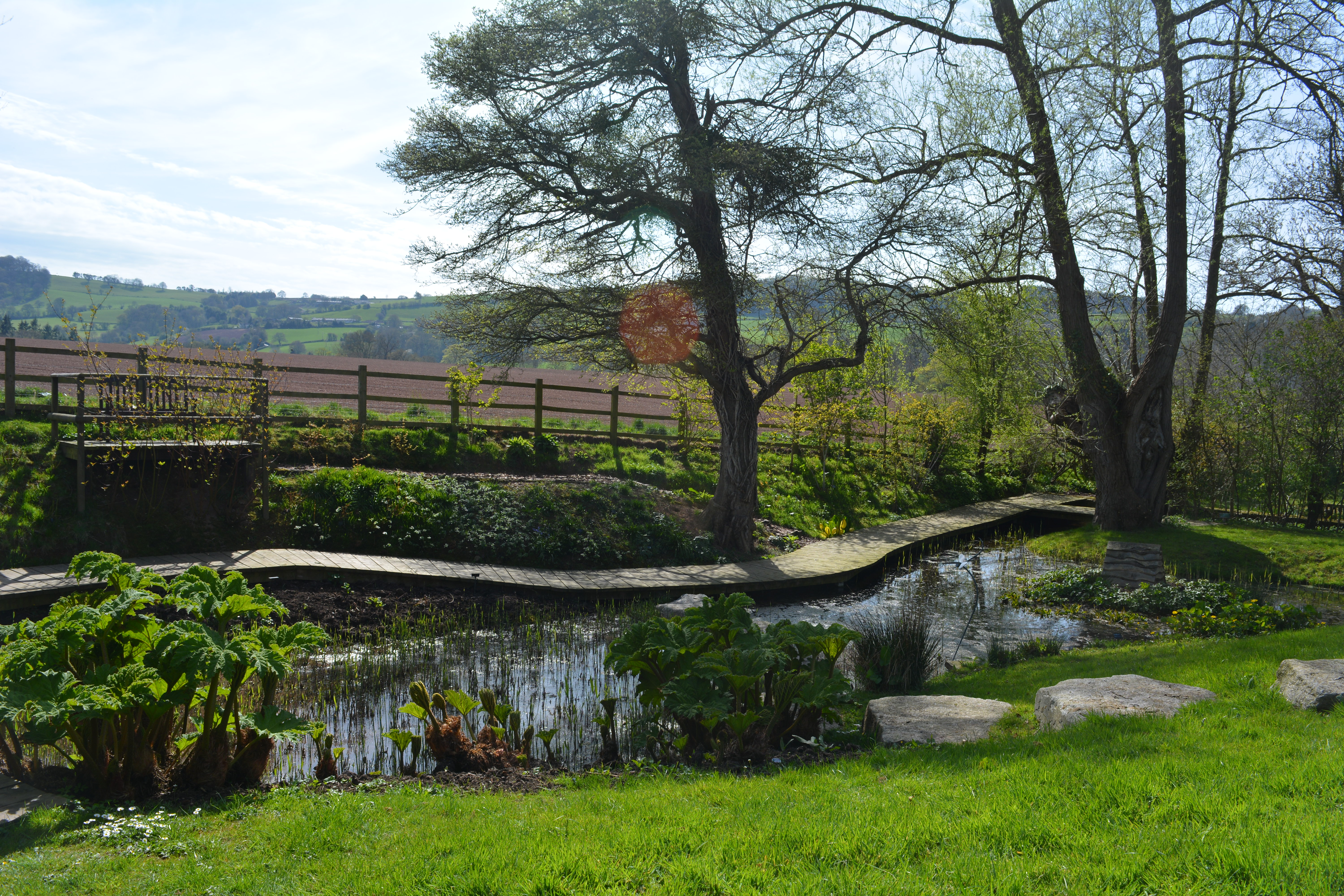
From the pond, in the section of garden inspired by Lutyens, we got a wonderful view back to the house.

2015 04 15_0697  2015 04 15_0699 2015 04 15_0700 2015 04 15_07012015 04 15_0703

After the formality of the Lutyens styled garden we wandered down to the strongly contrasting stream and informal pools. Close by was a stand of mature white stemmed Birches, which glowed on this sunny afternoon.

2015 04 15_0706 2015 04 15_0707 2015 04 15_0708 2015 04 15_0709 2015 04 15_0710 2015 04 15_07112015 04 15_0713 2015 04 15_0714 2015 04 15_0715 2015 04 15_0716 2015 04 15_0717 2015 04 15_0718 2015 04 15_0720 2015 04 15_0721

As we followed the narrow stream of clear water we found a border of Hellebores under the shade of tall native deciduous trees. The stars of this border were the Hellebores with flowers the colour of Primroses.

2015 04 15_0724 2015 04 15_0725

The stream continued its short journey to the River Wye through beautifully planted bog gardens.

2015 04 15_0726 2015 04 15_0730 2015 04 15_0731 2015 04 15_0732 2015 04 15_0733 2015 04 15_0734 2015 04 15_0735 2015 04 15_0736 2015 04 15_0737

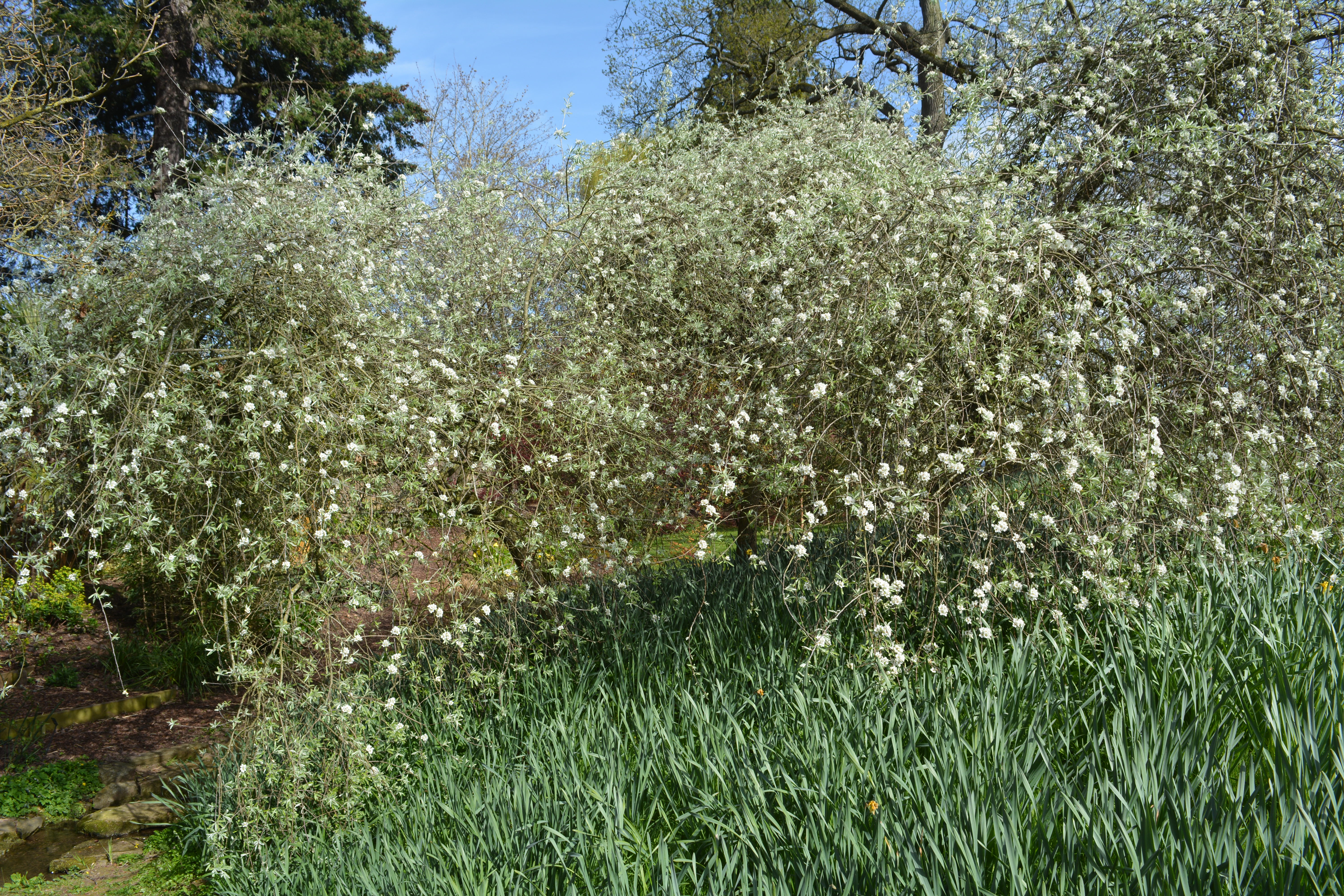
As we left the boggy areas we found a stand of Weeping Silver Pears covered in white blossom.

2015 04 15_0739 2015 04 15_0740

The stream beyond the boggy areas became narrower as it passed through sloping meadowland. Here our native Snakeshead Fritillaries graced its banks and among the purple flowers we discovered this white beauty with thin green lines on the outside of its petals.

2015 04 15_0741

Behind the coach house the walled kitchen garden has been renovated and redesigned. It still has peaches growing on the walls and the greenhouse range has been beautifully restored.

2015 04 15_0744 2015 04 15_0745 2015 04 15_0746 2015 04 15_0747 2015 04 15_0748 2015 04 15_0750

We were drawn by the varieties of Tulips in flower in this area, especially this stunning lily flowered orange bloom.

2015 04 15_0753 2015 04 15_0754 2015 04 15_0755

We had one border still to see, a long border against the wall below the house. Spring bulbs featured strongly here so it was a very colourful border.

2015 04 15_0756 2015 04 15_0757 2015 04 15_0758 2015 04 15_0759

And naturally we had a coffee before we made the journey home, this time we sat outside on the terrace as the weather had improved throughout our exploration of this interesting garden and the chill wind had lessened. We shall certainly recommend this garden to our friends.

2015 04 15_0760 2015 04 15_0761


Categories
allotments bird watching birds community gardening conservation diy garden buildings garden ponds garden pools garden wildlife gardening irises log piles natural pest control recycling renovation Shrewsbury Shropshire trees water garden water in the garden wildlife

The wildlife pond and hide at BAC – part two

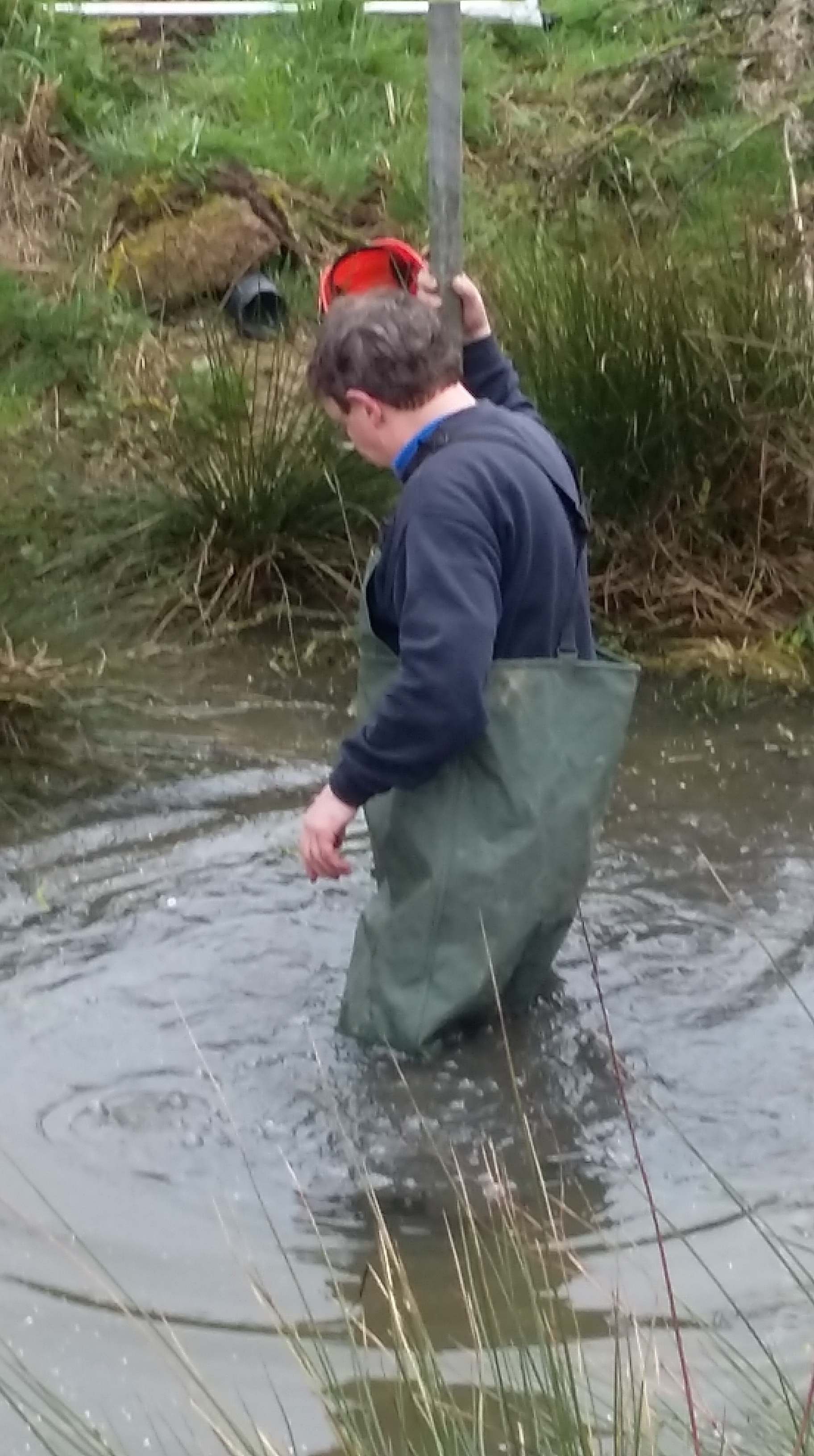
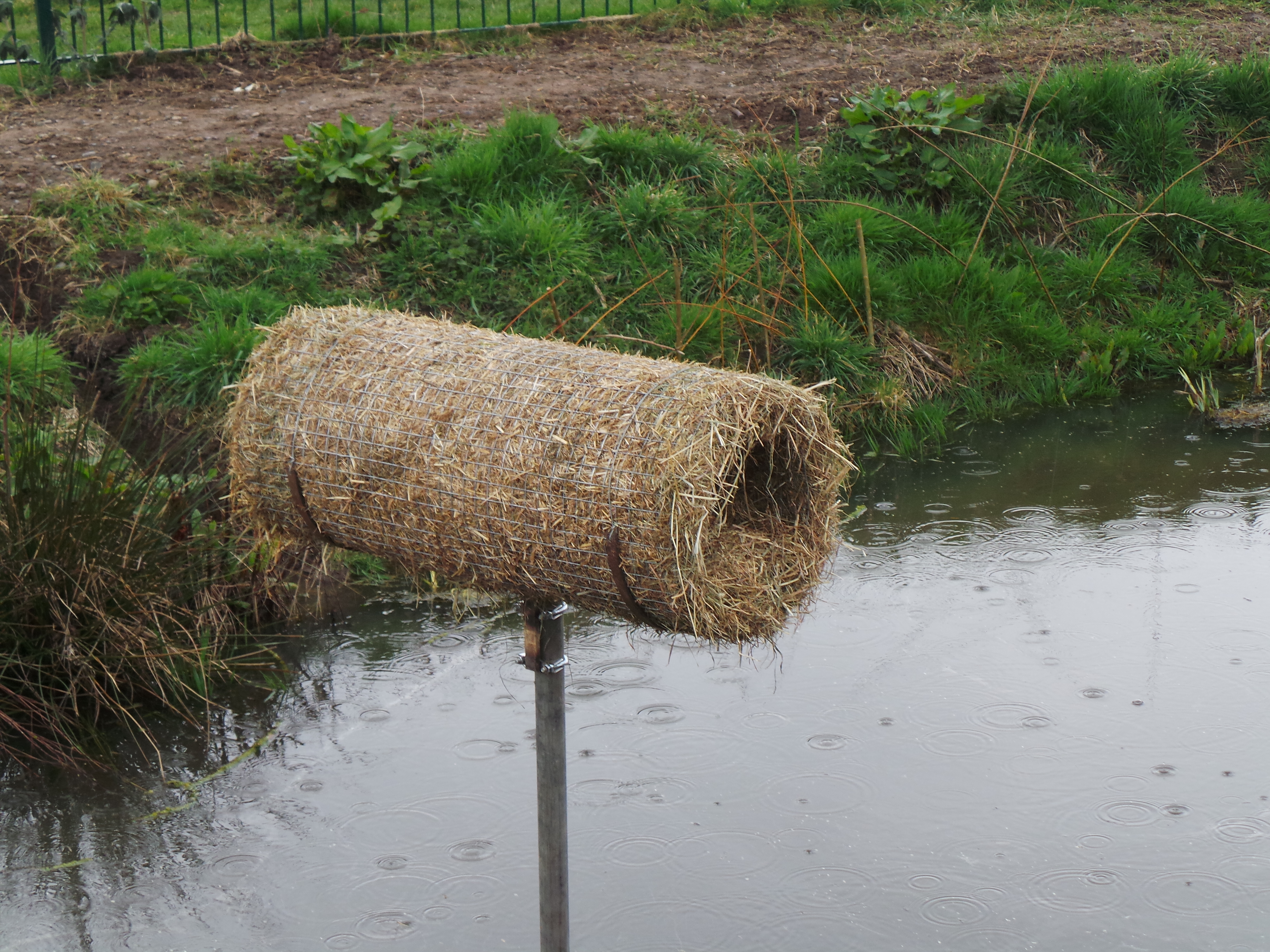
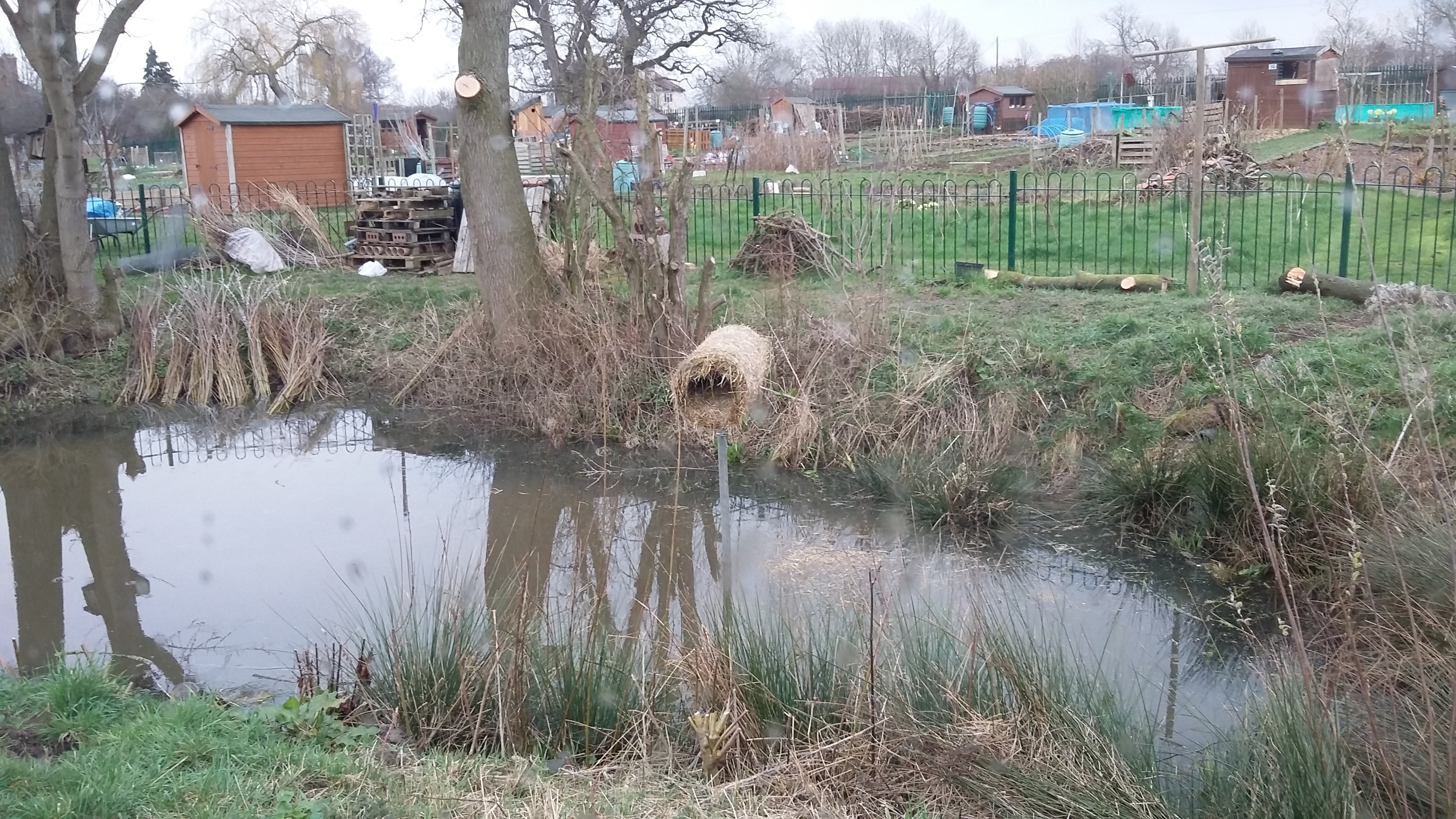
As promised we make a return visit to see the work we have been doing on the development of our pond and hide at our allotment site, Bowbrook Allotment Community. In this part we shall look at our hide, some tree surgery and our new duck tube.

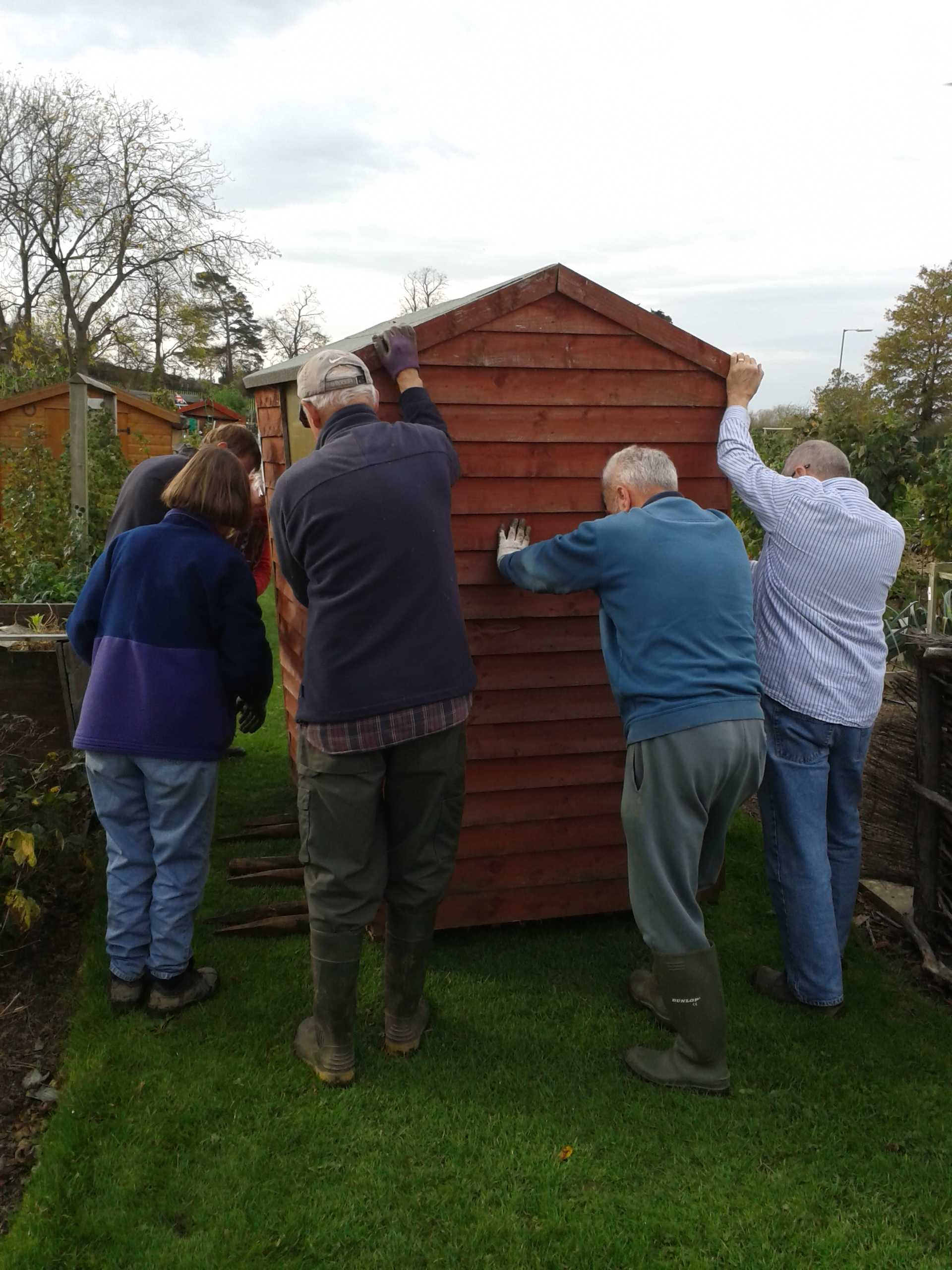
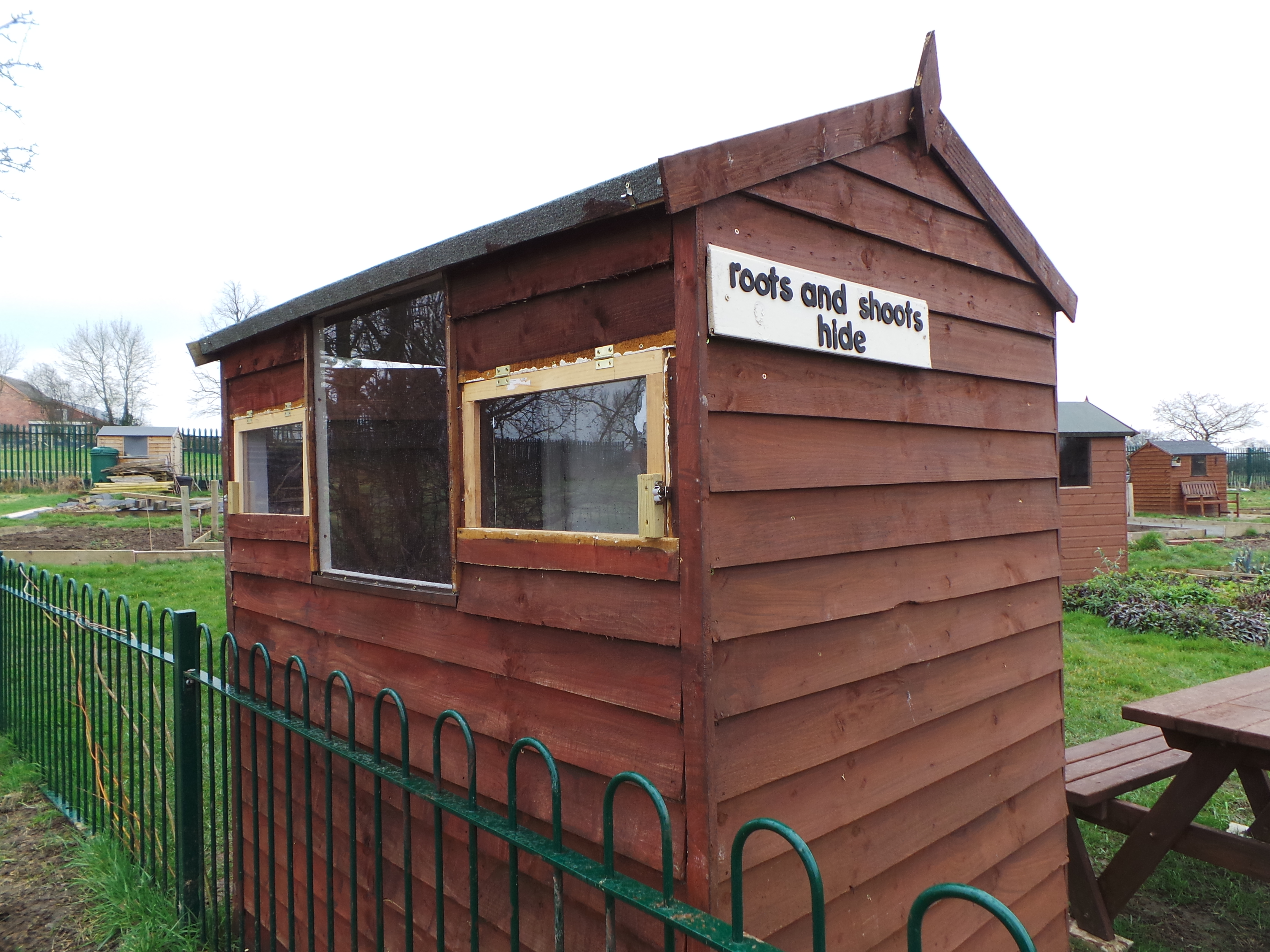
So first let us return to our new hide. If you remember those pictures of us rolling the battered and rather shaky old shed you will be surprised by the photos of it finished. So how about a before and after pair of pics? We made the hide for our allotment youngsters, our Roots and Shoots group, to give them the chance to secretly and quietly watch the life of our pond. With this in mind we set to work on our renovation which took an amazingly large number of volunteer hours.

2014 12 08_8466 2015 03 16_0004

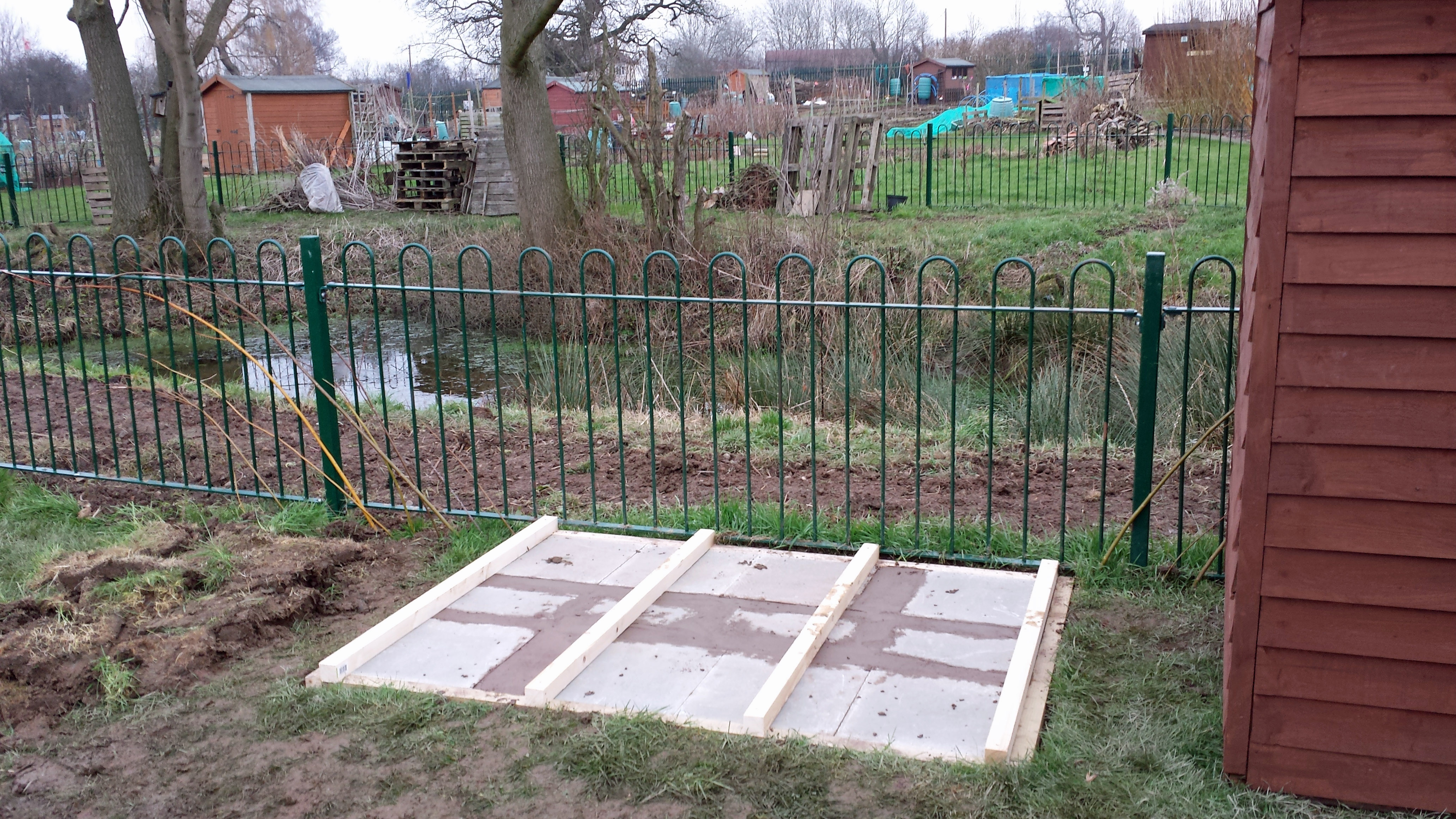
Whenever we go by the pond we can’t help but smile at the transformation! As you can see the old hide was firstly repainted outside by my young apprentice Thomas before we handed it over to two volunteer helpers Sean and his Dad Vince. They are great carpenters so brilliant volunteer helpers to have on board. They put fresh felt on the roof and fabricated a strong framework inside the shed. They made a concrete and slab base and placed the newly strengthen shed on a framework of wooden struts.

20150207_162506-1 sean 3-1

Thomas returned to give the shed another coat of wood preserver and I added a sign I created from wooden letters. It began to look the part from the outside but even more so once the two men added a new sheet of perspex to the window and added two hatches for clear viewing on dry days. These can be seen in the photo below.
2015 03 16_0005

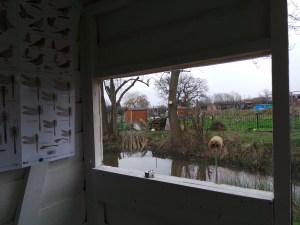
Within a few weeks Sean and Vince with extra help from Sean’s children had put up a noticeboard, made a kneeling bench and shelf for leaning on when the children used the hatches and window. The pictures below show first the bench and secondly the view the children get from the hatch.

2015 03 16_0018 2015 03 16_0016

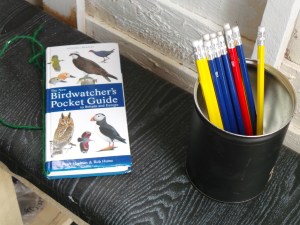
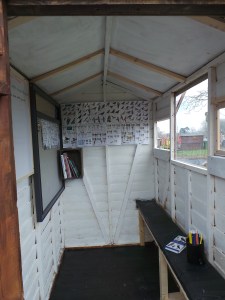
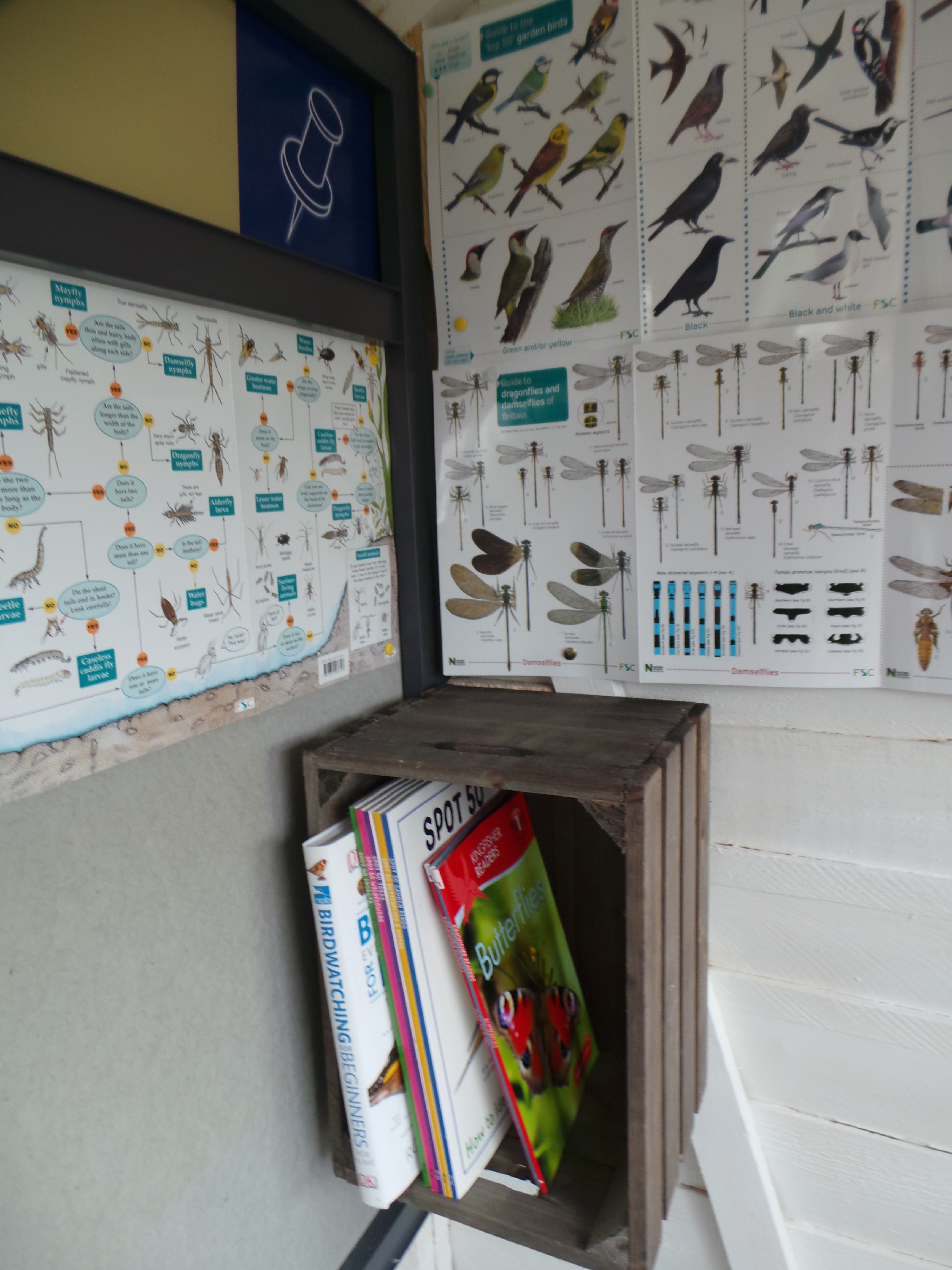
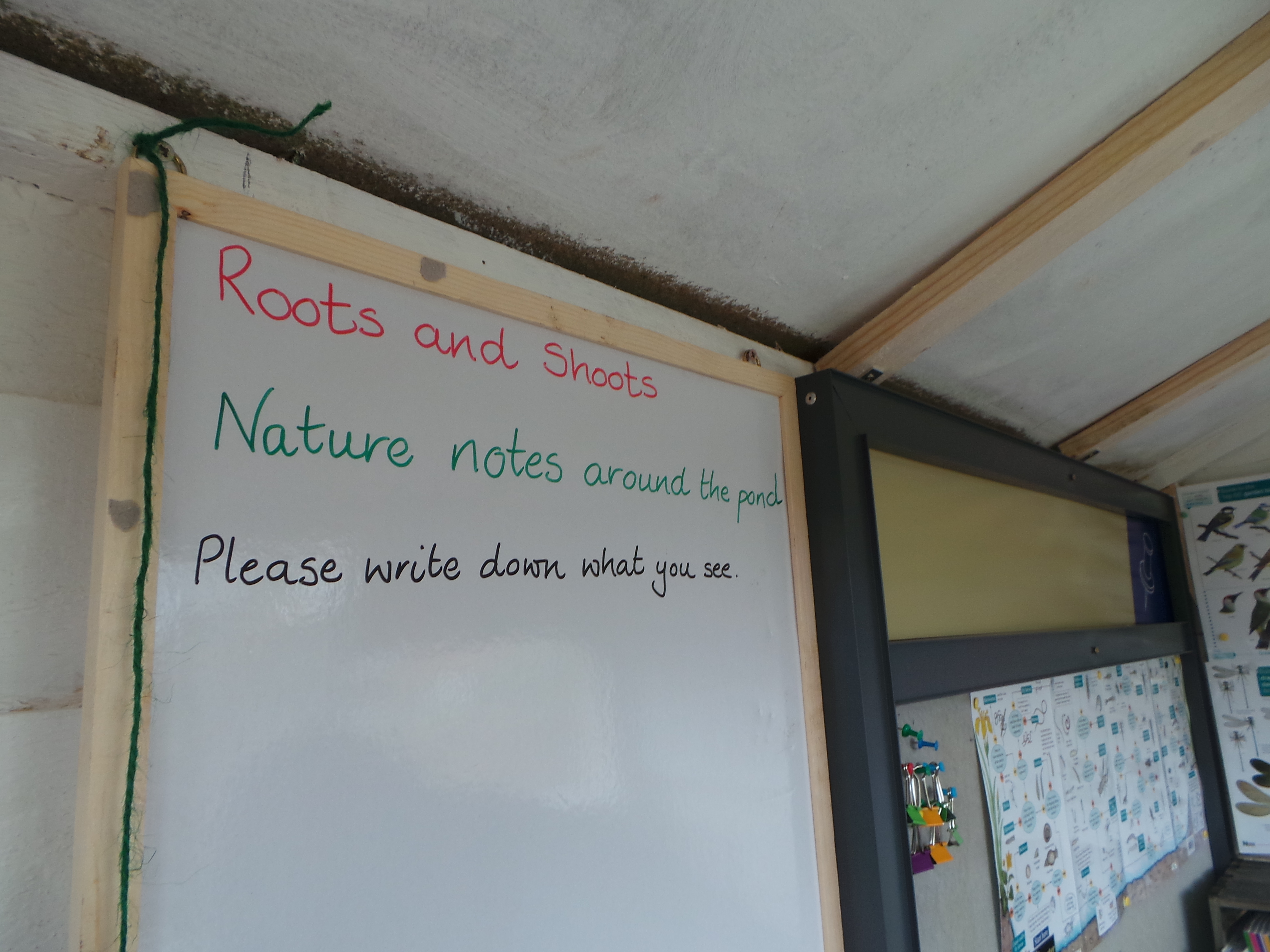
This is the view our Roots and Shoots youngsters will get as they open the hide door. You will see that Jude and I have added identification charts for birds and dragonflies and damselflies and a poster displaying the life on and under the surface of a pond. We also made a little bookcase from a vegetable crate and placed in it some wildlife books for youngsters. We also mounted a whiteboard on which we are inviting the children to note their observations. The final touches are a pair of binoculars a notebook for children to jot down their nature notes.
2015 03 16_0019 2015 03 16_00142015 03 16_0015  2015 03 16_0017

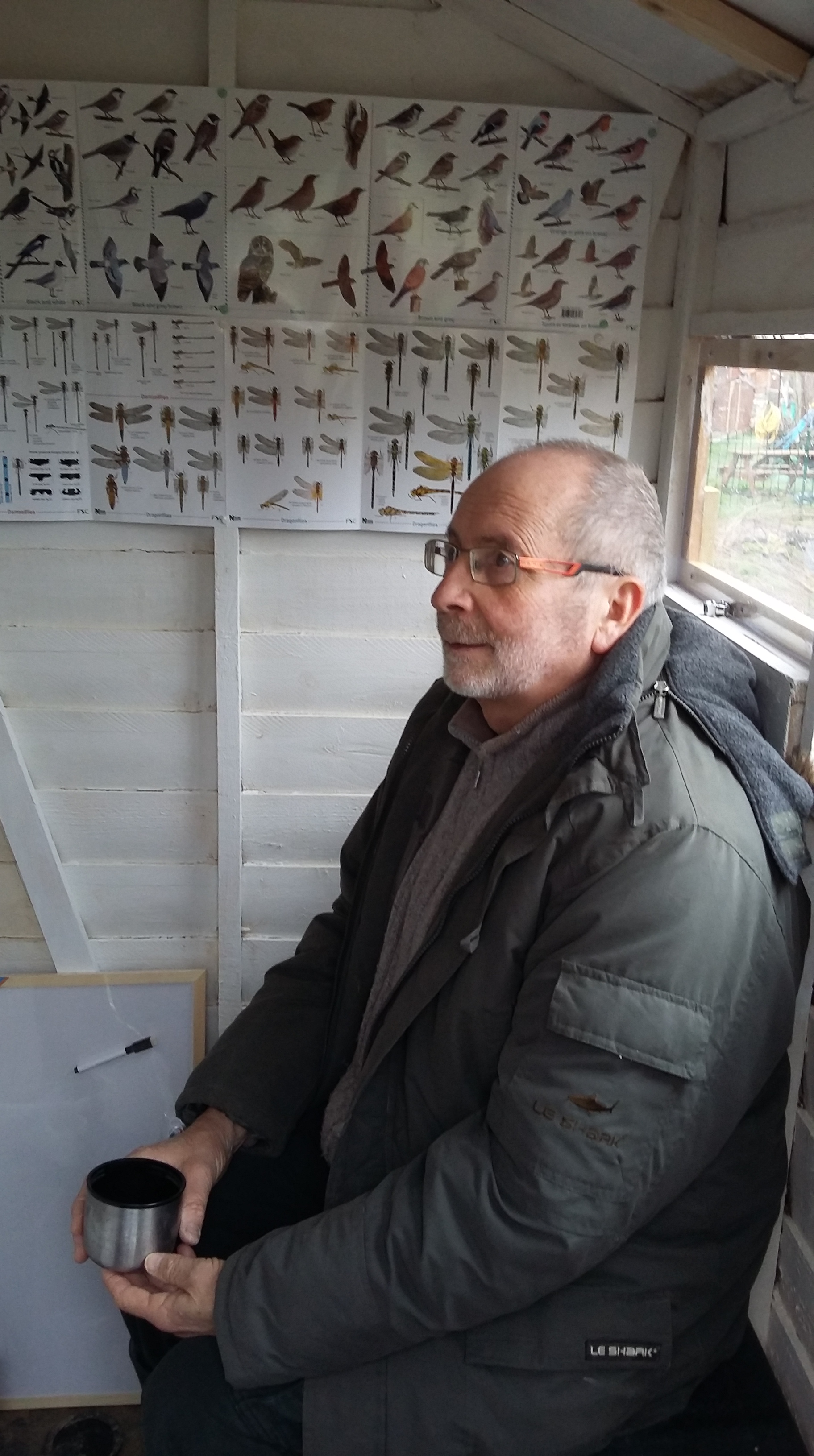
Last job of course was a celebratory cup of coffee perching on the children’s bench and admiring everyone’s handiwork and great efforts.

2015 03 16_9952

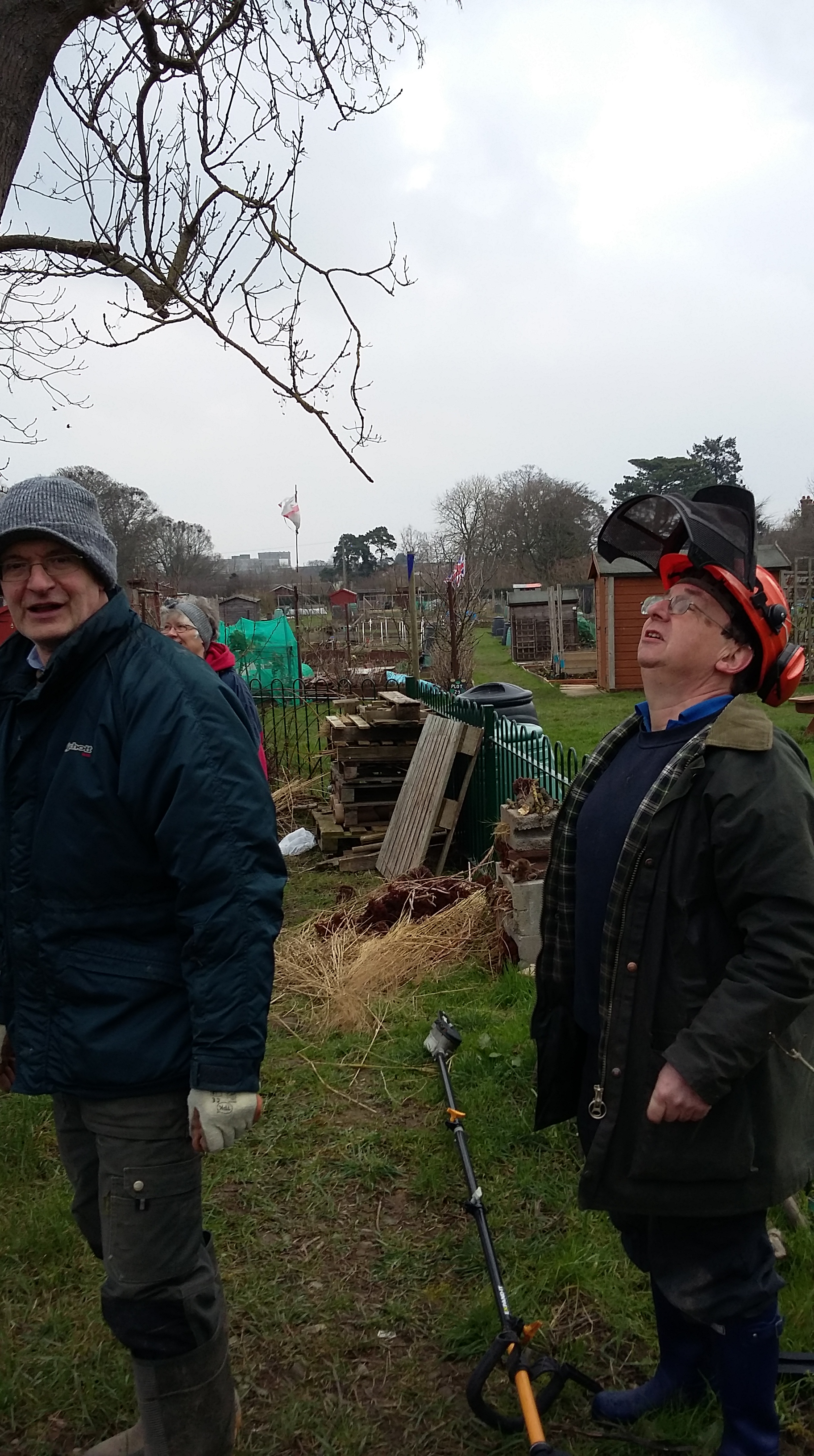
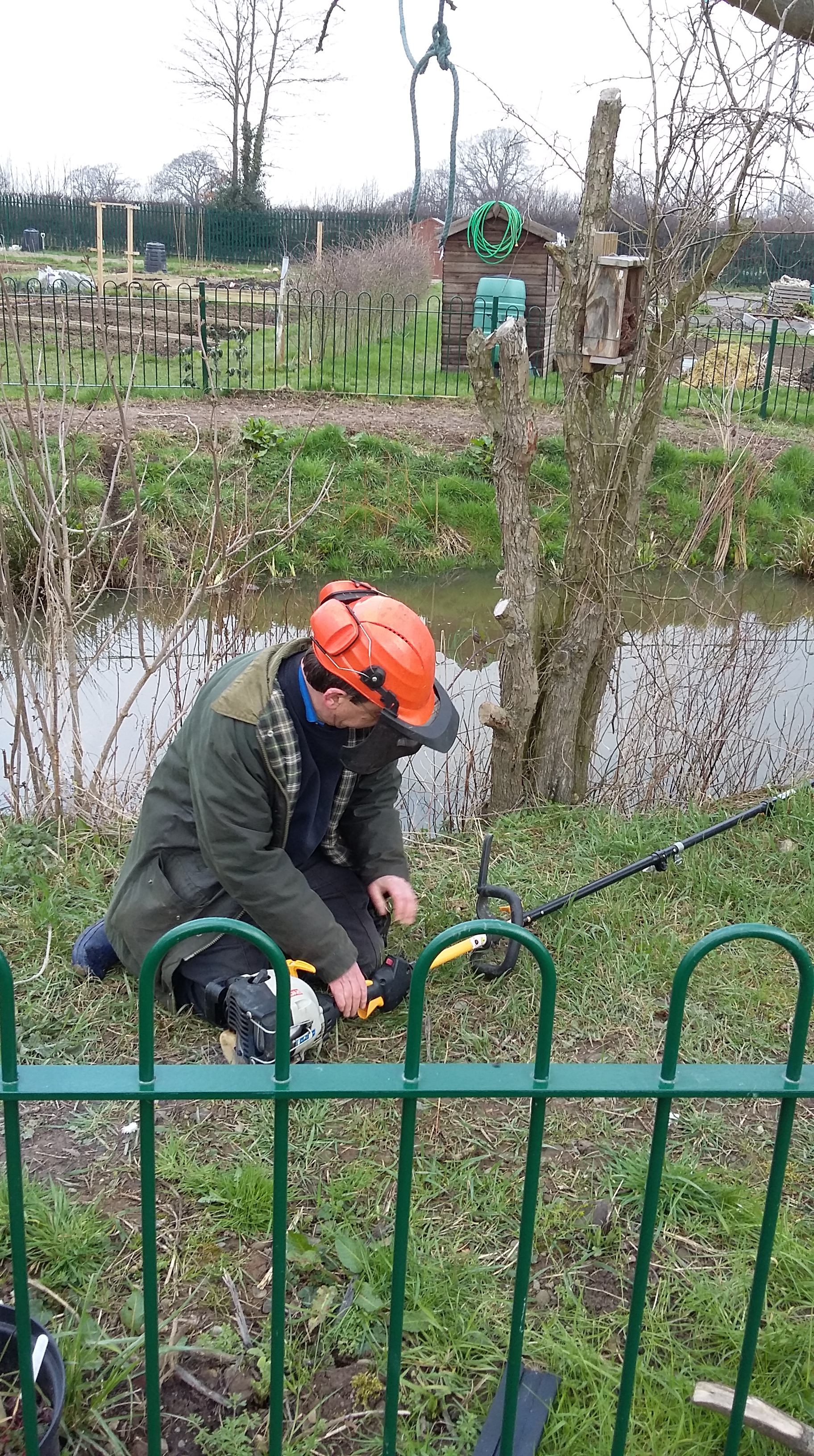
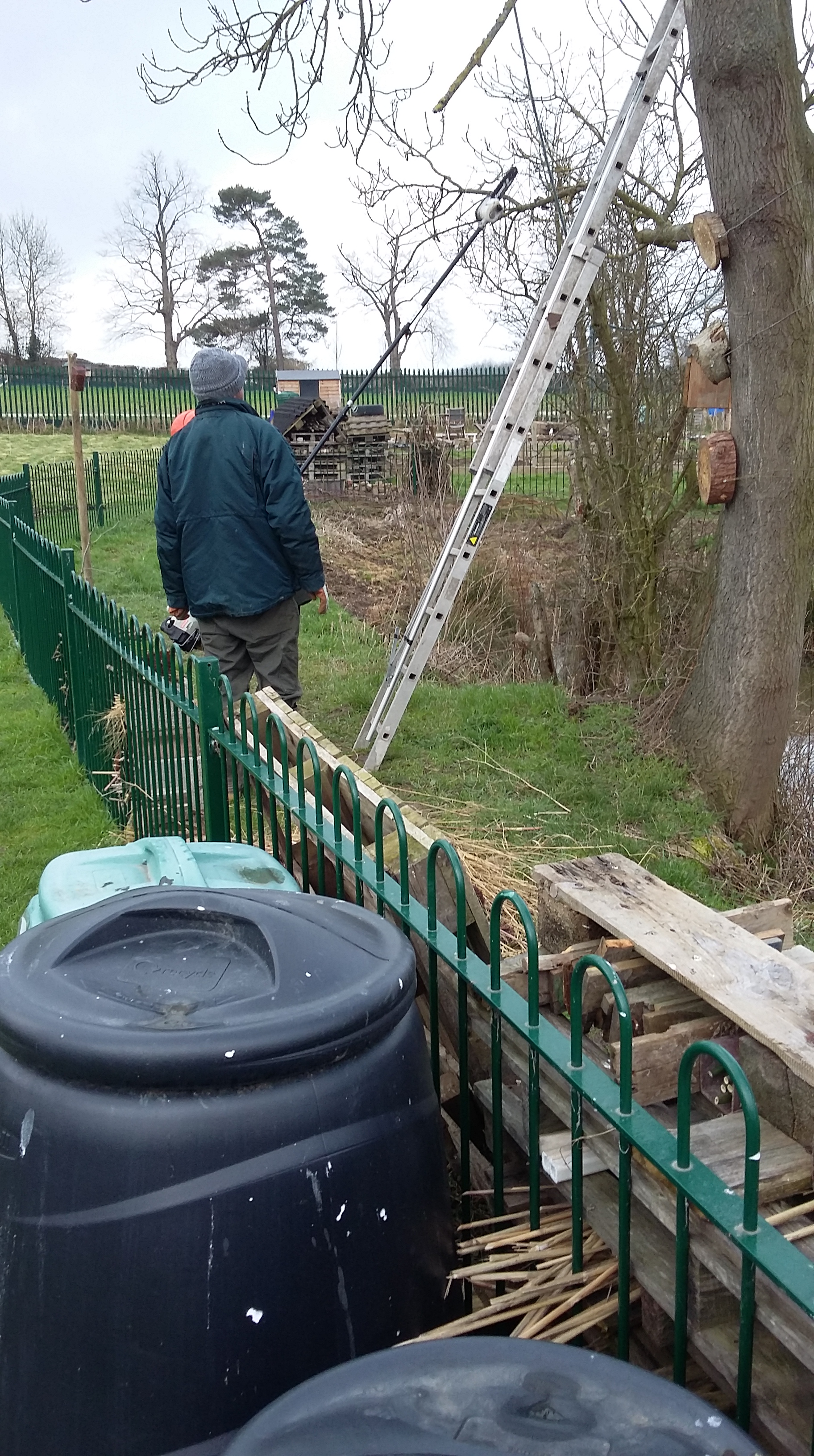
Now let us enjoy a bit of tree surgery carried out so professionally by some more of our volunteers, Pete and Mike. As mentioned in part one we have a few elderly Ash trees around the pond which for safety sake need remedial work. Earlier on we managed to pull down broken branches that had rotted but got tangled in the lower branches as they fell, but this day was a day for the chain saw attachment on our strimmer head to get in the action. One large branch hung right over the pond to the far bank and was slowly splitting so getting lower and lower. The final cut shows the weakness.
2015 03 16_9993

First Mike and Pete looked and stared and studied! They needed a strategy!!

2015 03 16_9925 2015 03 16_9926

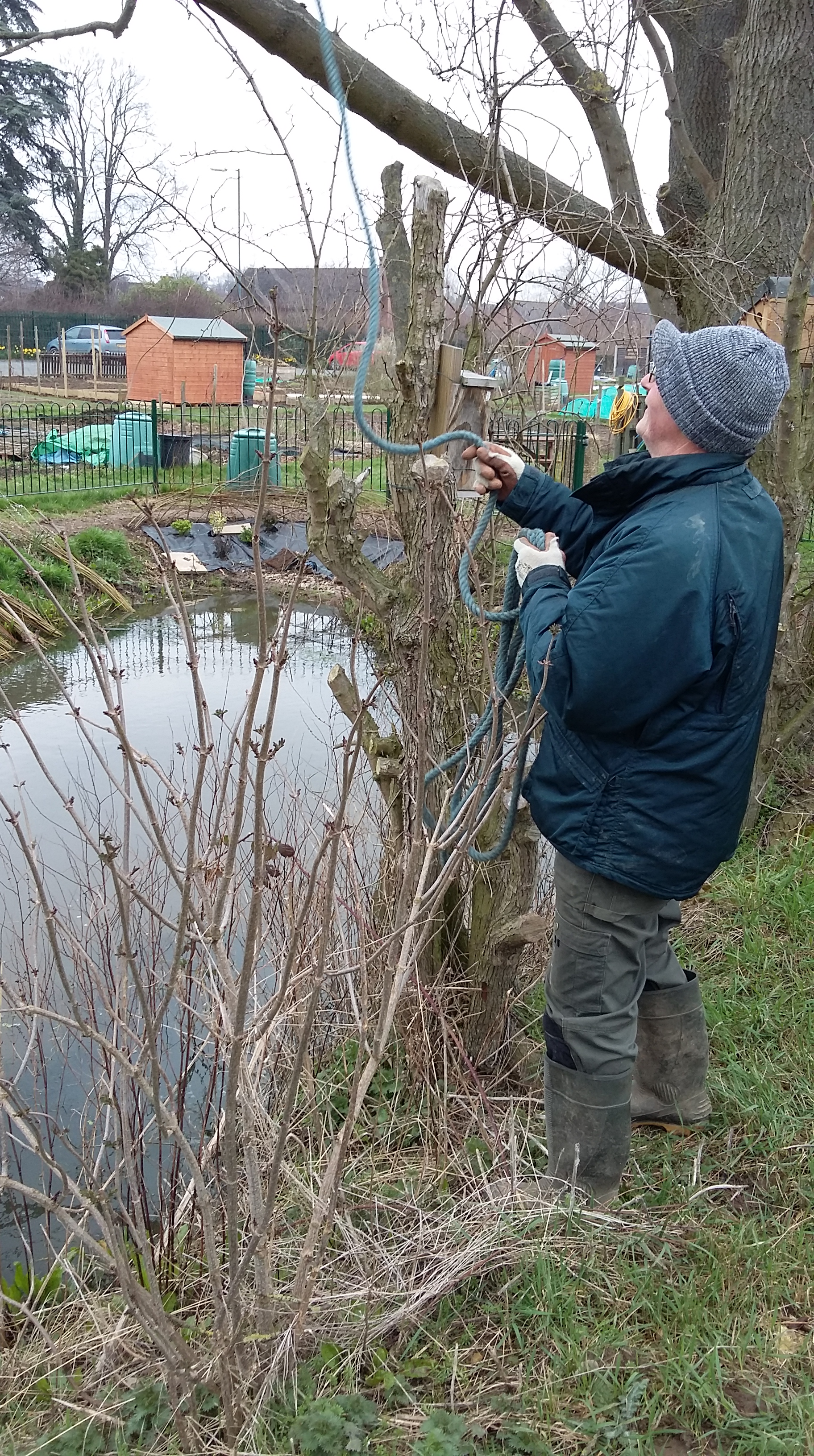
This strategy involved rope thrown up and over a much higher and stronger upper bough, with which they could keep control of the branch once it was sawn through.

2015 03 16_9932 2015 03 16_9928 2015 03 16_9929

Attachment attached and they were off!

2015 03 16_9933 2015 03 16_9934 2015 03 16_9936

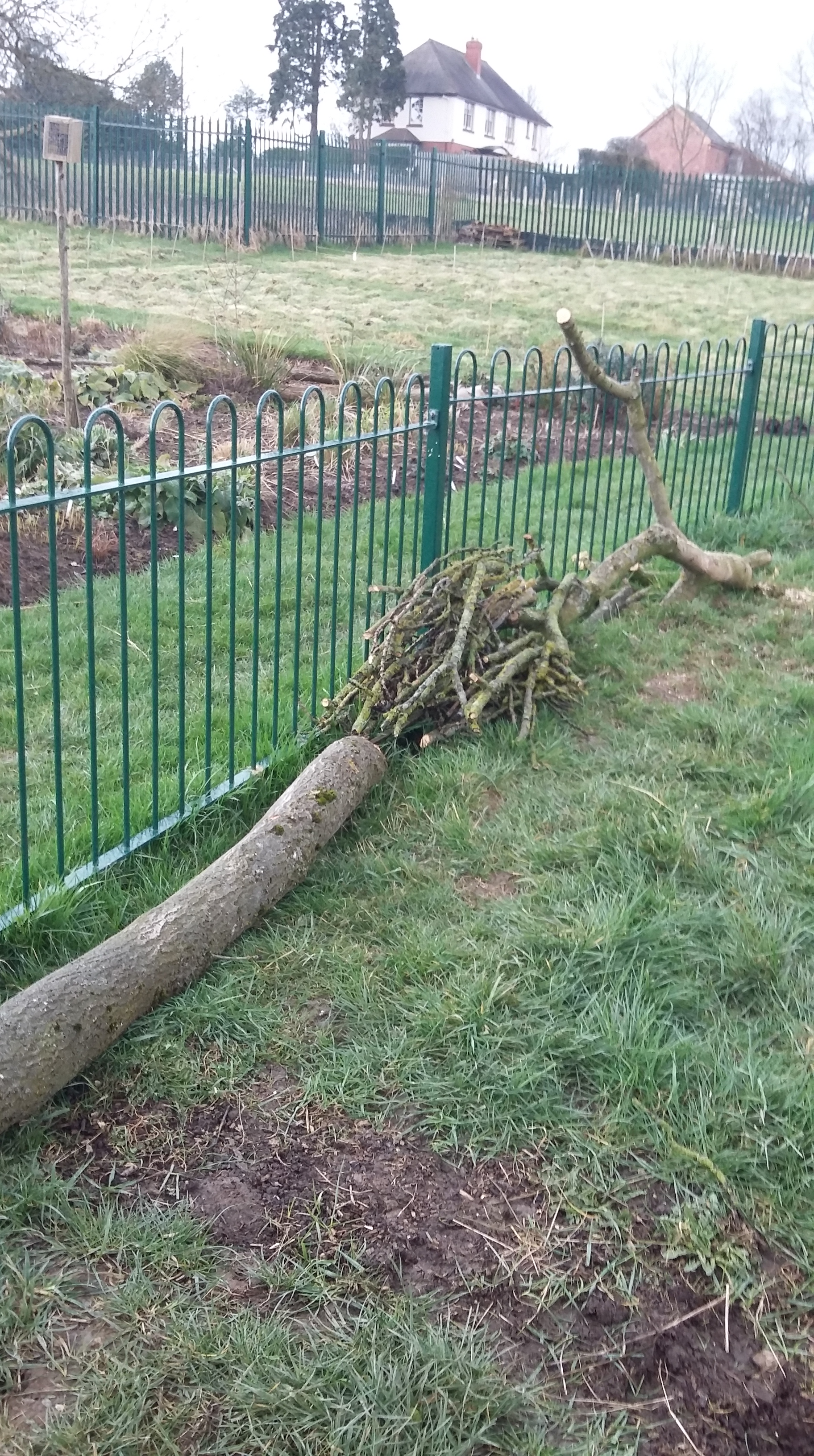
The cut bough hanging obediently could then be pulled in and dealt with on dry land. It will soon be seating for the youngsters, edging for borders and parts of insect homes and log piles and brash heaps to help attract ads shelter wildlife. We discovered an awful lot of rot within the bough so it was great relief to see it down. Trouble is there are a few more going the same way.

2015 03 16_9937 2015 03 16_9938 2015 03 16_9939

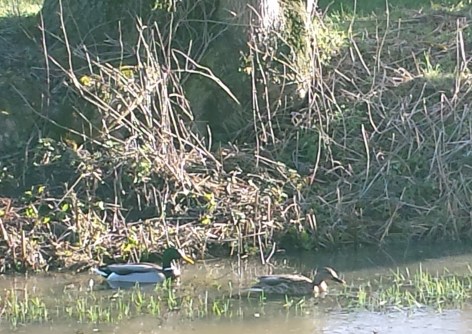
Finally we need to look at our duck tube! The photo below shows why we need one! A pair of Mallards patiently waiting!

20150217_100524

Just follow the picture sequence below and watch Mike’s adventure. Before we made the dam and changed the drainage around it to gain depth for wildlfie the pond was rarely more than 6 inches or so deep!

2015 03 16_9930 2015 03 16_9940 2015 03 16_9941  2015 03 16_9944 2015 03 16_9945 2015 03 16_9946 2015 03 16_9947 2015 03 16_9948 2015 03 16_9949 2015 03 16_9950 2015 03 16_9951 2015 03 16_9994

He is a good chap is Mike! What would we do without him? And below the duck tube in pride of place in the pond in a position where the children can watch activity from their new hide. Brilliant!

2015 03 16_9954

We still have further work on the pond mostly planting but we have a plan for a floating island to give wildlife somewhere to find safety and shade. Pete and Mike have a plan as you might have guessed! But of course that may be the subject of a future post visiting our super wildlife pond! One piece of info I have not mentioned are the dimensions of the area, useful I think to put things in perspective and to emphasise the size of the project. The pool is 22 yards long by 11 yards at its widest point, and the marsh area at the one end is 9 yards by 7 yards at the widest point. Around the pool and marsh between the pond and the fence, the walk around together with the planted areas vary from 3 yards to 5 yards. Quite a size!

Categories
architecture buildings colours garden design garden designers garden photography garden ponds garden pools garden seating gardens gardens open to the public grasses hardy perennials light light quality meadows ornamental grasses outdoor sculpture Piet Oudolf reflections sculpture Tom Stuart-Smith water garden water in the garden

Post 500 – Part Two – a further visit to the “Oudolf Field”

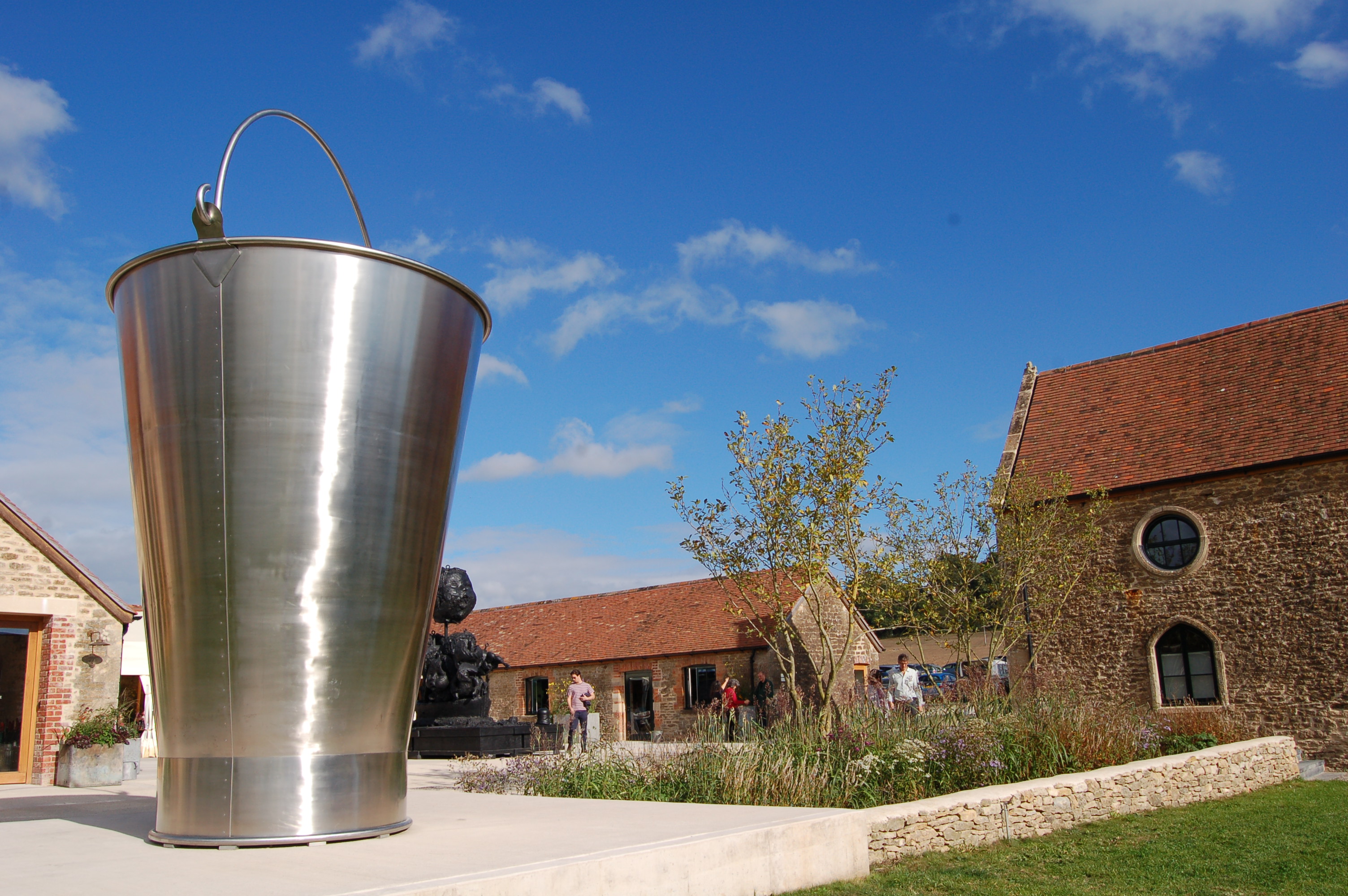
As promised I am returning to the beautiful county of Somerset where Jude and I spent a day exploring the exciting new “Oudolf Field” and the gallery buildings at the Hauser and Wirth’s Durslade Farm.

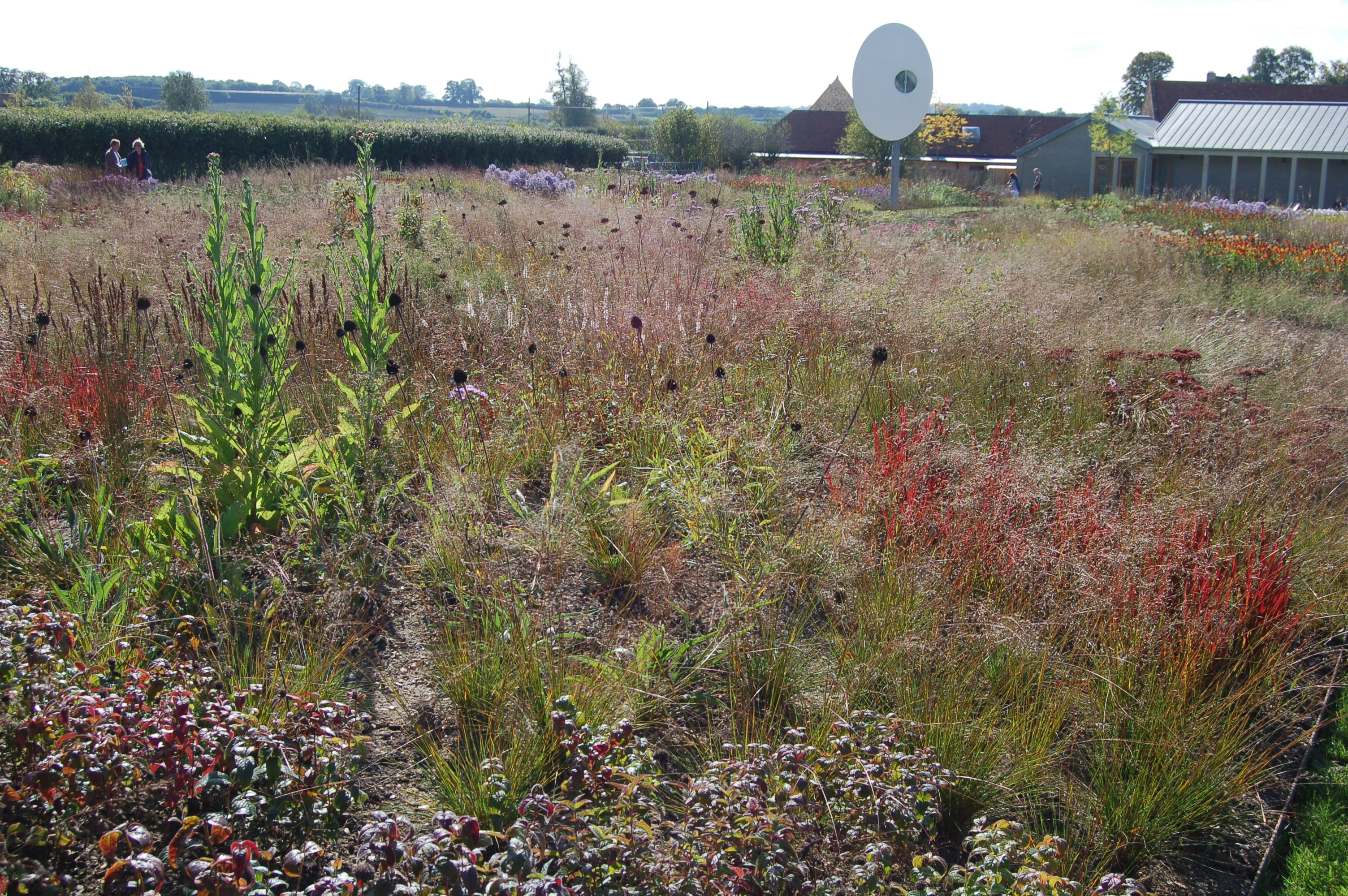
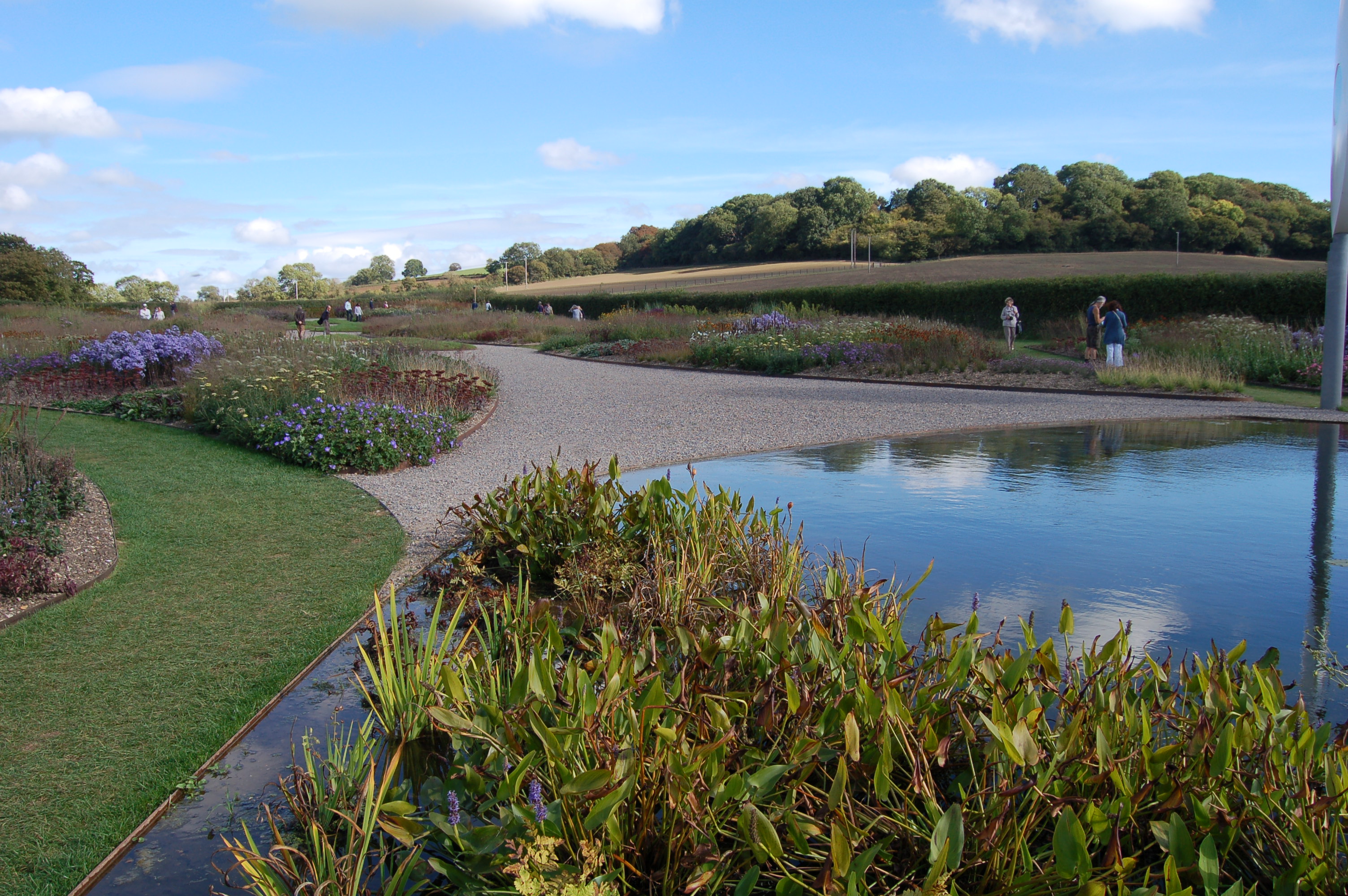
We left off as we were looking at the pool and giant clock. This is the first time we have seen any water designed into an Oudolf designed garden and indeed the first one to include a giant clock. The pool afforded clear reflections of the trees surrounding the site and was only planted around the margin closest to the buildings to give the maximum area of reflecting water.

2014 10 04_5465 2014 10 04_54832014 10 04_5487 2014 10 04_5481

The tall clock towers over the pool and its white face stands out against the brightness of the blue sky. I would imagine it would look great against black clouds too! It casts a beautiful lollipop shadow across the golden gravel. Its face looks like a big circular disc but it is in reality asymmetric in design, which causes the minute hand to move out into clear air as it moves into the narrow side.

2014 10 04_5488 2014 10 04_5486

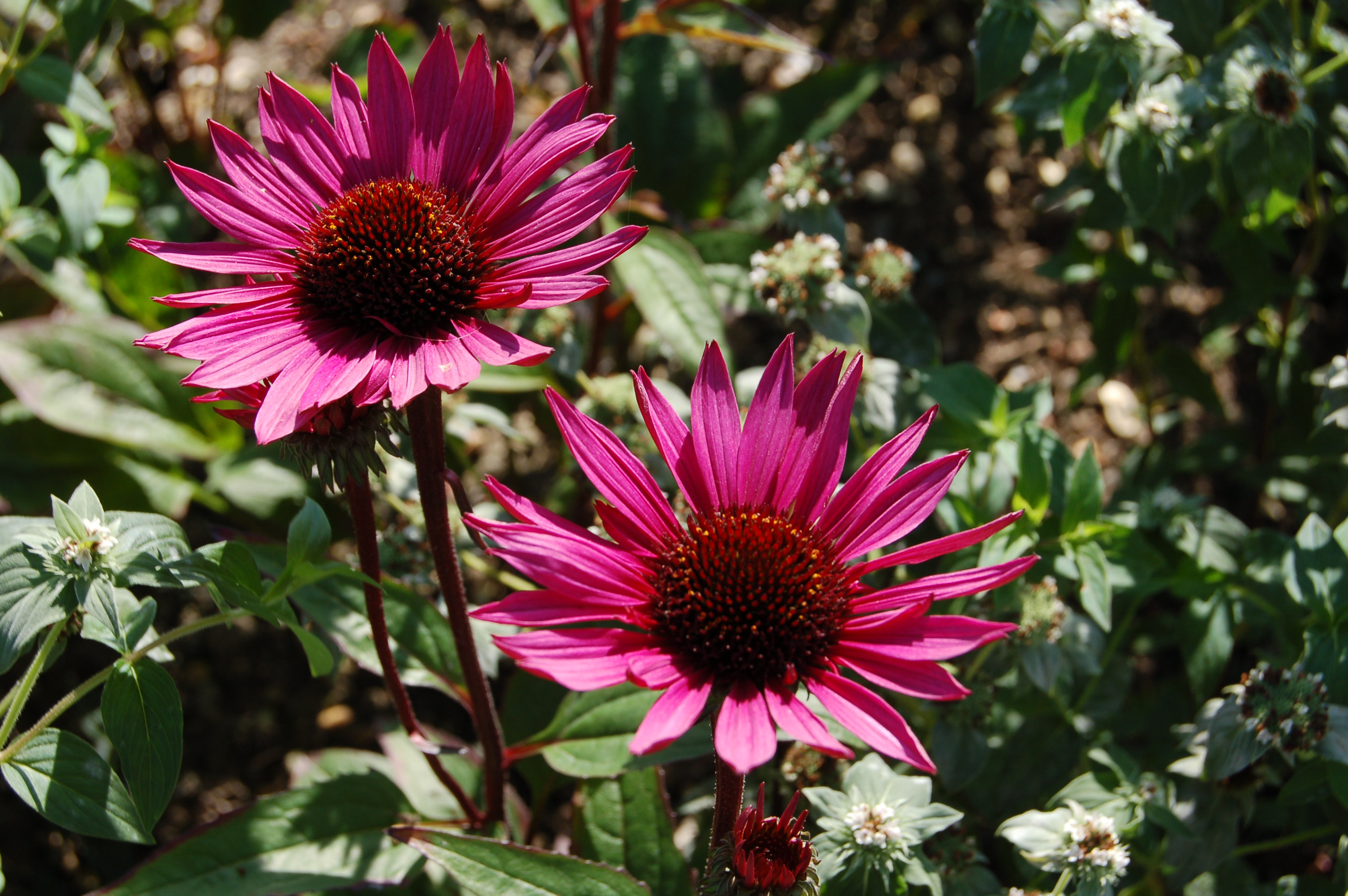
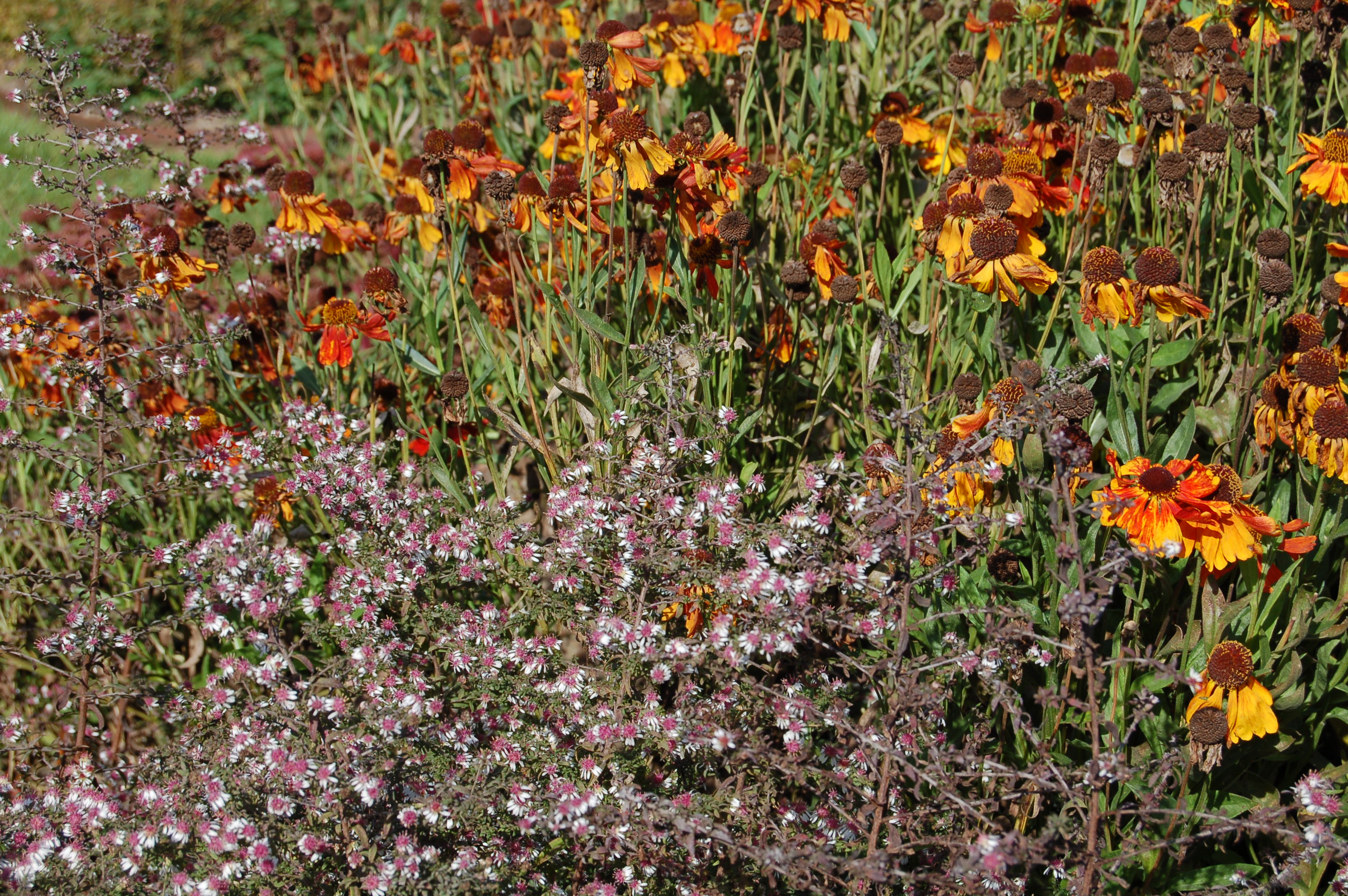
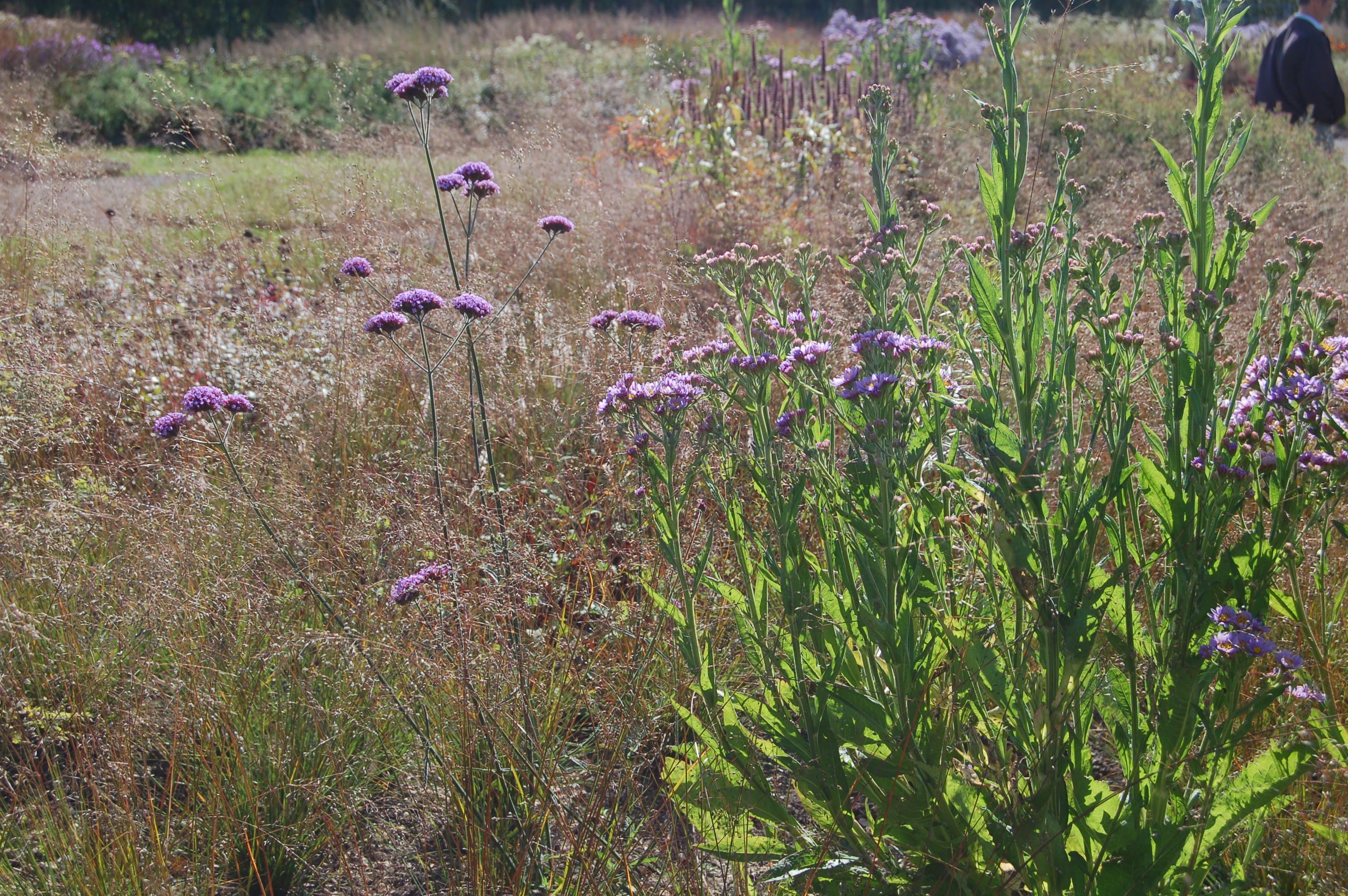
Although the planting is lower than in his previous gardens Piet Oudolf still uses many of his favourite plants such as Sanguisorbas, Echinaceas, Verbenas and Heleniums.

2014 10 04_5471 2014 10 04_5470

2014 10 04_5478 2014 10 04_5479

2014 10 04_5473 2014 10 04_5476

We had a break for coffee and to look around the galleries before wandering the gardens again as the sun dropped slowly in the sky and the light gave the meadows a fresh look.

We were enthralled by a gallery where a display of Oudolf’s garden designs helps reveal how this garden designer’s mind works. We loved the designs and working drawings and “idea jottings” of this garden here in Somerset as well as those from the New York High Line and the Wisley Garden.

Moving from gallery to gallery each courtyard space is softened by more of Oudolf’s plantings, featuring trees underplanted with grasses and perennials. The sculptural pieces sit comfortably among the old farm buildings with their richly textured surfaces.

2014 10 04_5429 2014 10 04_5431 2014 10 04_5432 2014 10 04_5433 2014 10 04_5434 2014 10 04_5435 2014 10 04_5436 2014 10 04_5437 2014 10 04_5438 2014 10 04_5518 2014 10 04_5517

2014 10 04_5521 2014 10 04_5522 2014 10 04_5524 2014 10 04_5525 2014 10 04_5526 2014 10 04_5527 2014 10 04_5528 2014 10 04_55292014 10 04_5531 2014 10 04_5532

Enjoy the gallery of photos taken in the sparkling late afternoon light. It is amazing how different plantings can look as the light changes within just a few hours at this time of year.

The next post in my 500 Celebration series will find us over in Hertfordshire where Tom Stuart-Smith lives. We had the privilege of visiting his own garden and the one he designed for his sister.


Categories
garden design garden photography garden pools gardening gardens gardens open to the public hardy perennials Italian style gardens meadows National Trust ornamental trees and shrubs roses sculpture The National Trust trees water garden water in the garden woodland woodlands

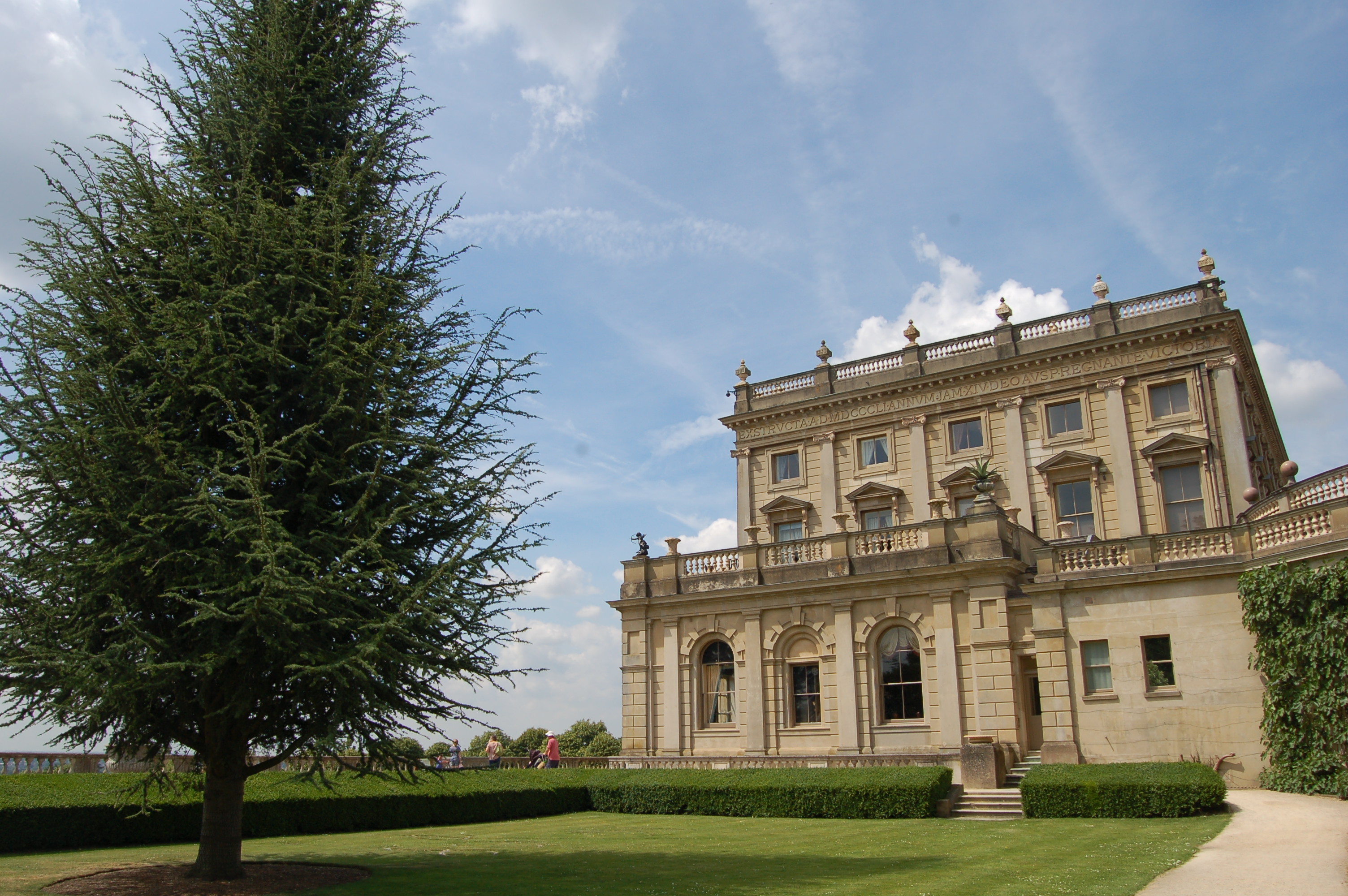
Cliveden – the house and garden of Nancy Astor

While holidaying around Cambridge earlier in the year we stopped off on our travels to have a wander around the gardens at Cliveden, the one time home of Nancy Astor. She was an English MP even though American born. Her second marriage was to Waldorf Astor who inherited to a peerage and entered the House of Lords. Nancy was the first ever woman to be a member of the House of Commons, but also gained notoriety as a Nazi supporter.

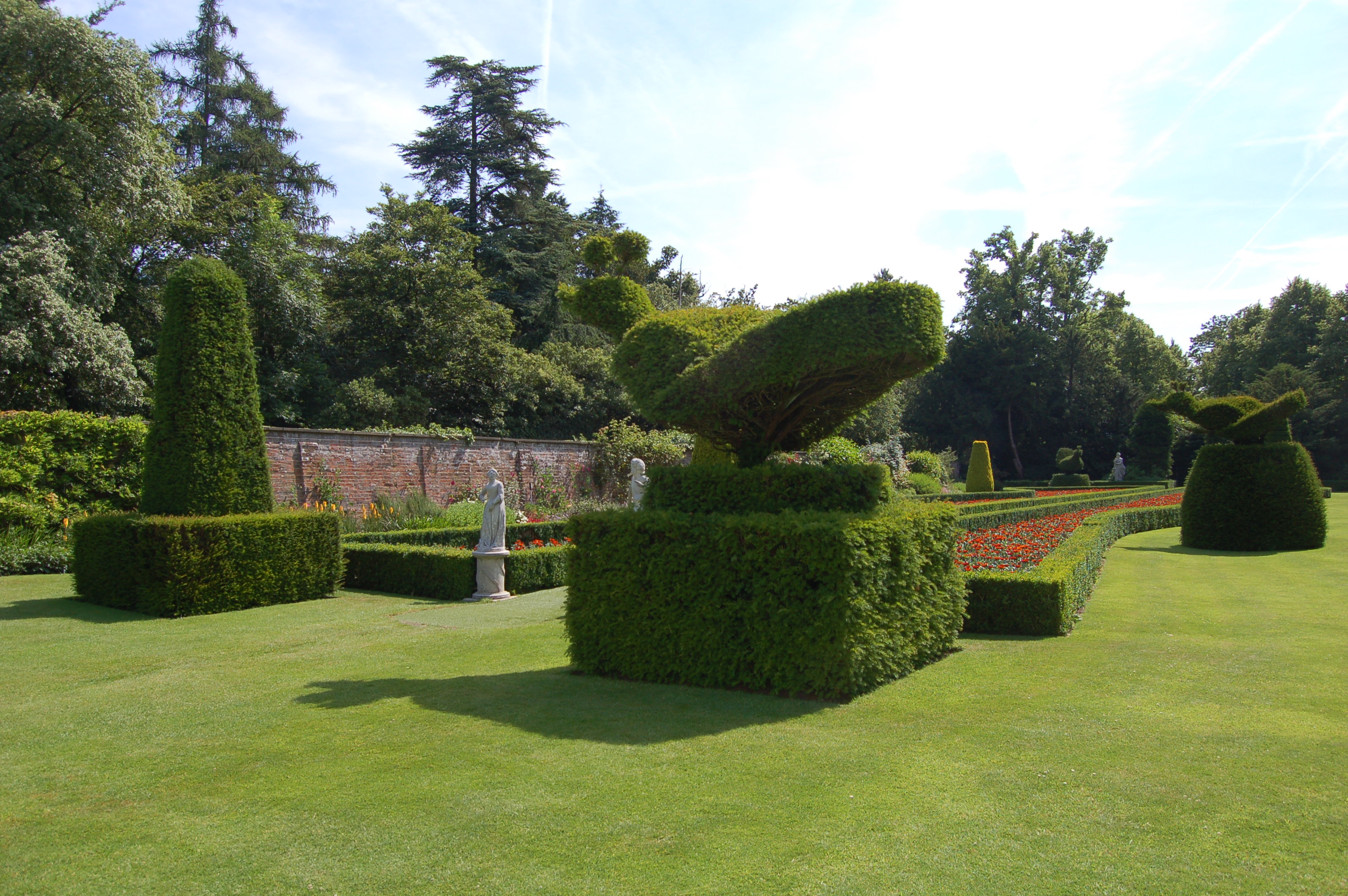
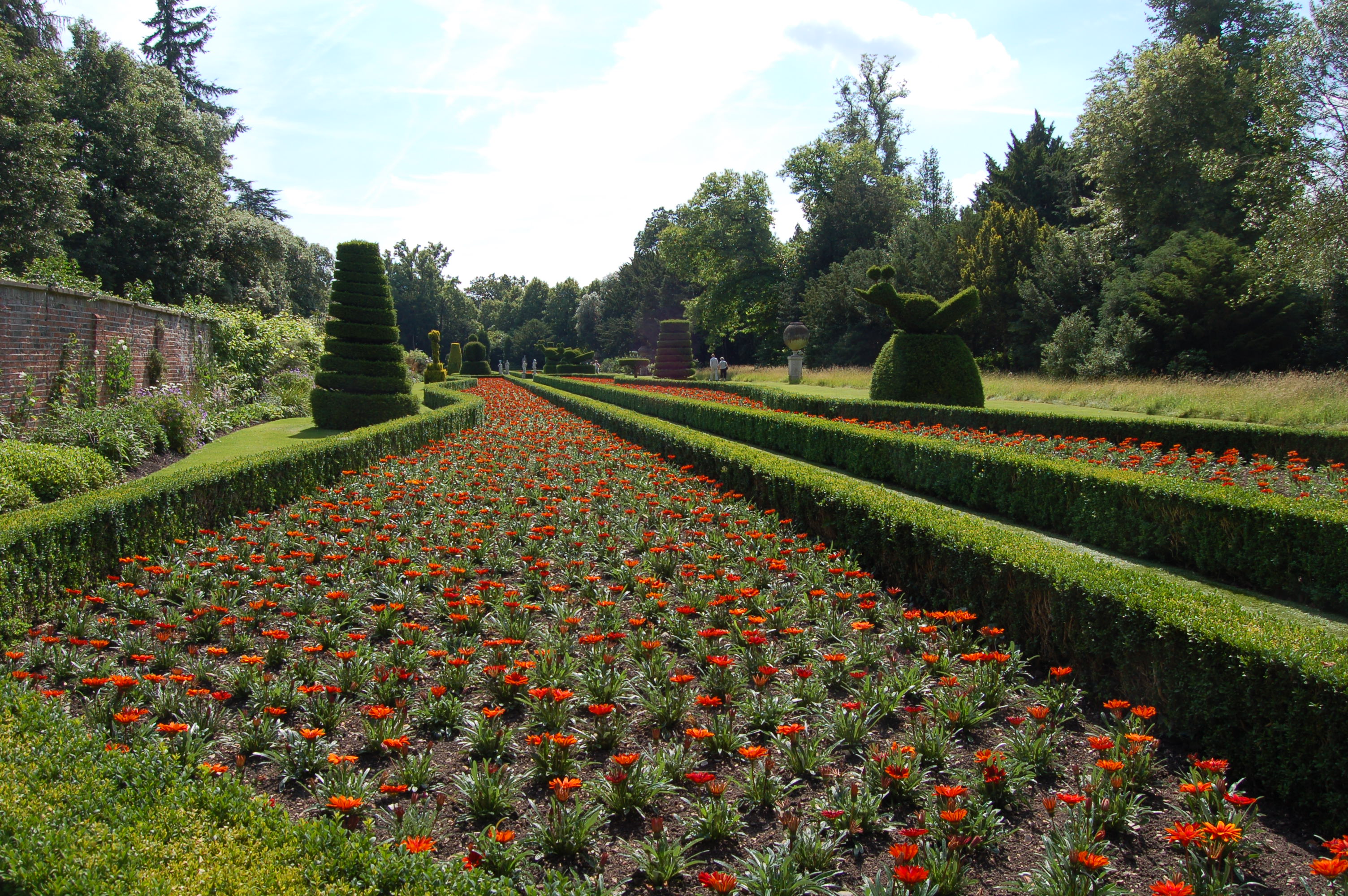
Her garden turned out to be a garden planted in a style we do not actually like but definitely “of its time”. We are definitely not fans of formal gardens or bedding schemes and here we found both but viewed from an historic perspective they were interesting. Classical figures, topiary and “grand fountains” are also not my style but Jude the Undergardener, being more of a history buff doesn’t mind them.

2014 06 25_1153 2014 06 25_1154

2014 06 25_1166 2014 06 25_1169

2014 06 25_1162 2014 06 25_1155 2014 06 25_1156 2014 06 25_1164

2014 06 25_1163 2014 06 25_1165

2014 06 25_1173 2014 06 25_1174

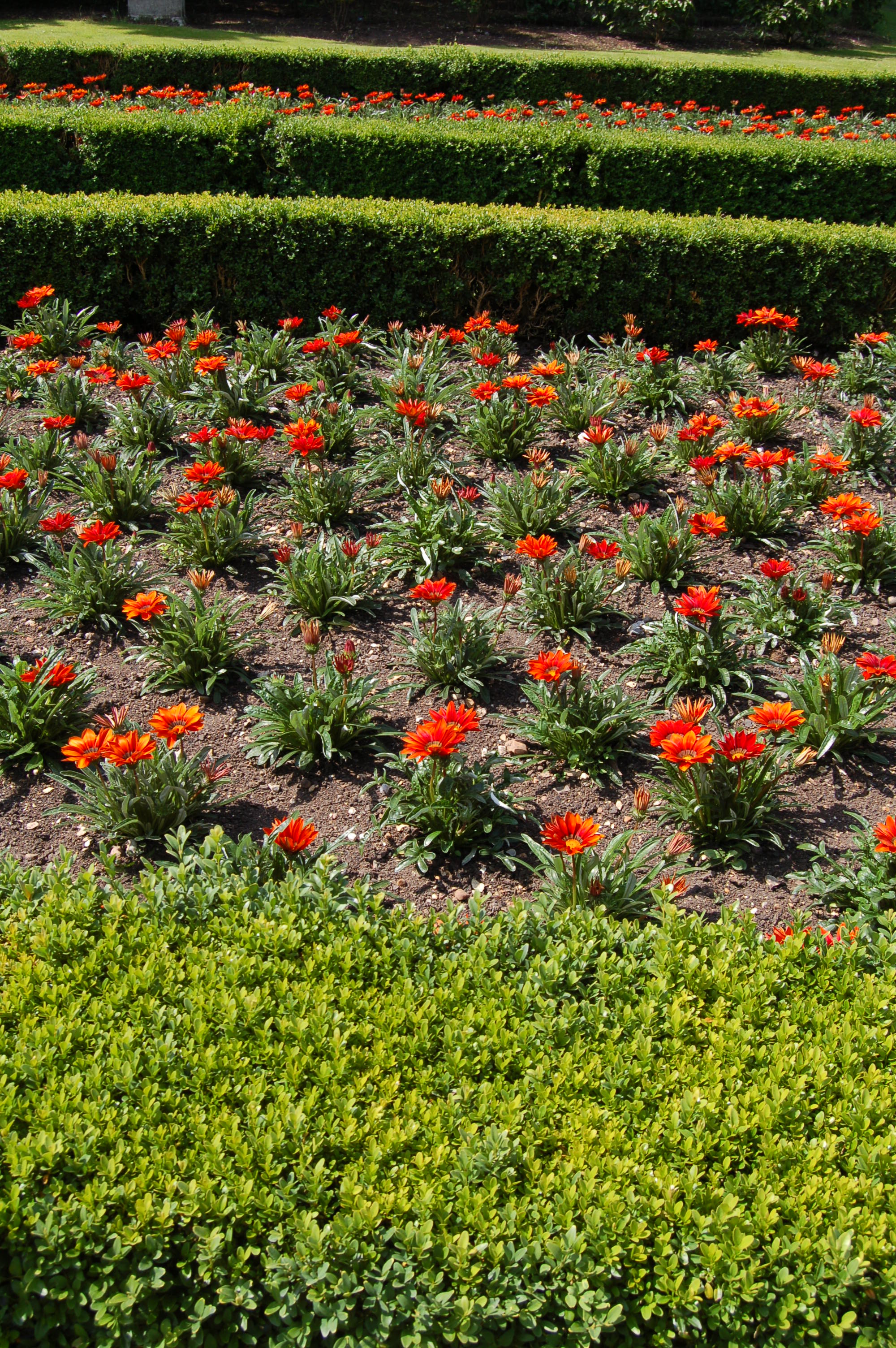
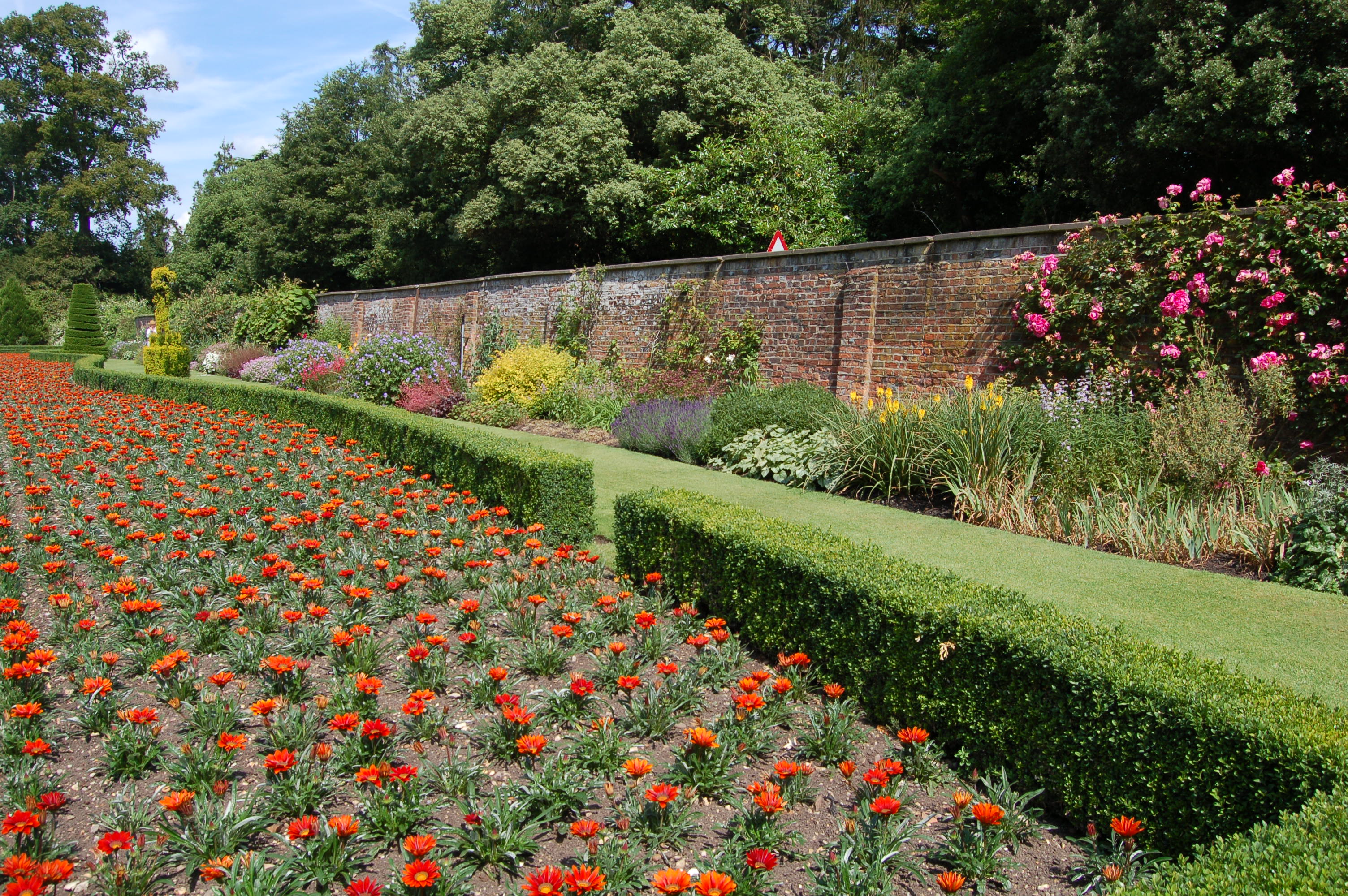
Interestingly close up the bedding proved to be of orange gazanias rather than the begonias or pelargoniums we expected.

2014 06 25_1160 2014 06 25_1167

But bordering the bedding scheme central feature was a long mixed border, much more to my liking.

2014 06 25_1157 2014 06 25_1158 2014 06 25_1159 2014 06 25_1161

2014 06 25_1168

Things were looking up soon however as we passed through an opening in the yew hedging and discovered a tree unknown to me in the woodland.

2014 06 25_1175 2014 06 25_1172

2014 06 25_1170 2014 06 25_1171

2014 06 25_1177 2014 06 25_1178

Little areas of meadow lined the pathway down through the woodlands. Gnarled branches of old shrubs curled around on the grass near the paths.

2014 06 25_1183 2014 06 25_1191

2014 06 25_1180 2014 06 25_1181

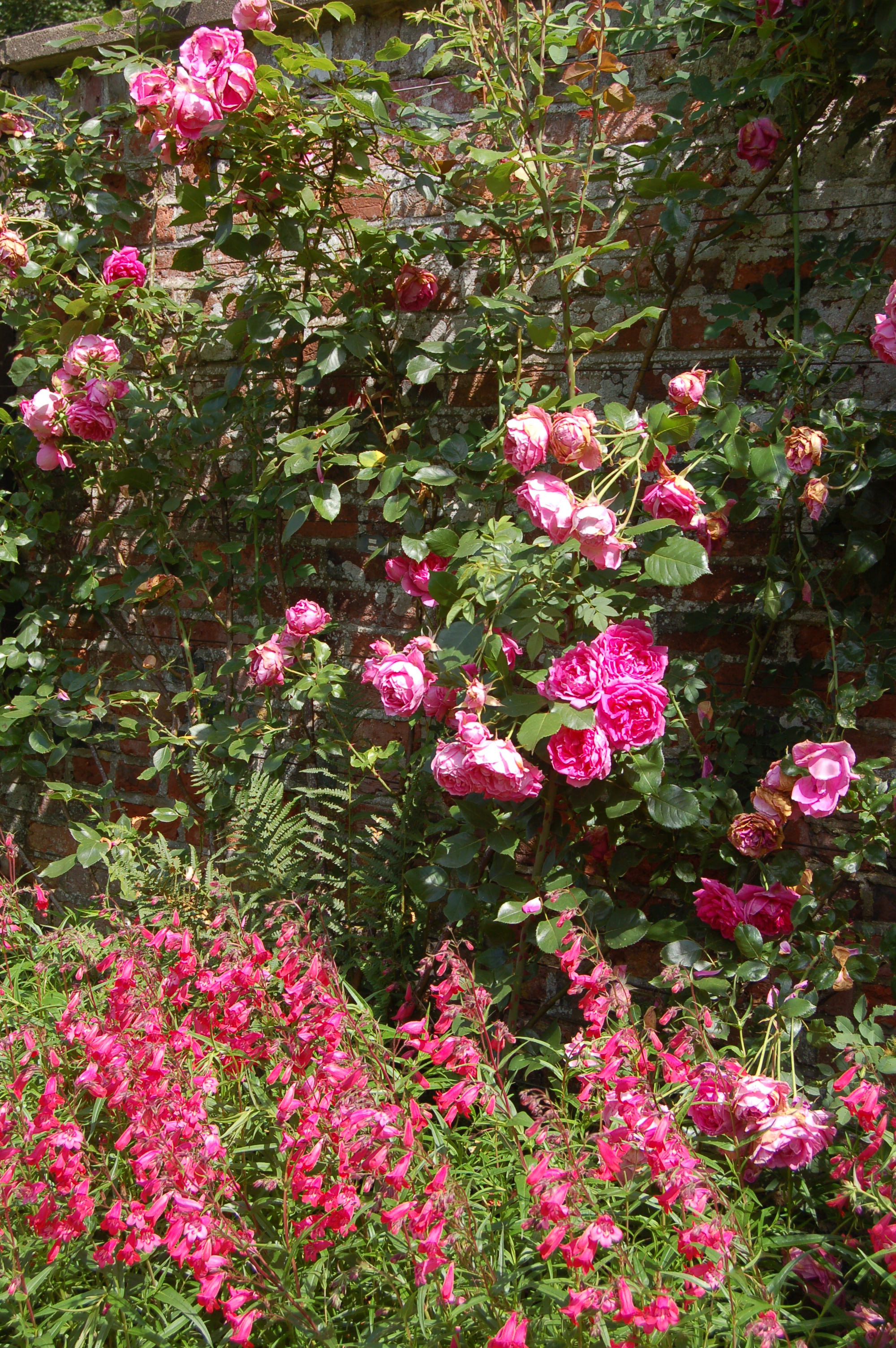
The old rose garden has been revamped recently with newer more disease resistant varieties, so inevitably most are from David Austin. The colours of the blooms have been chosen to represent sunrise and sunset.

2014 06 25_1184 2014 06 25_1185 2014 06 25_1187 2014 06 25_1188

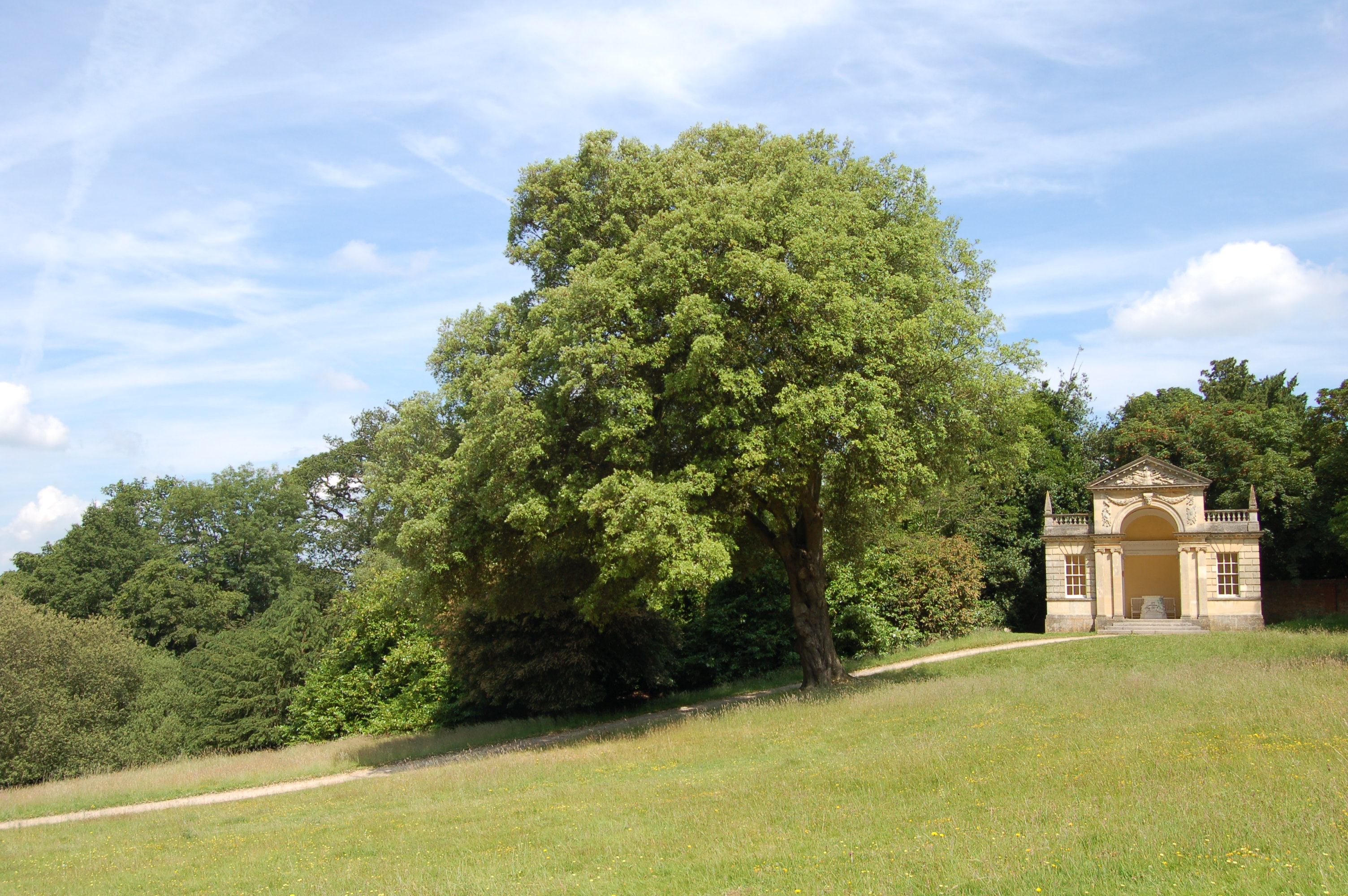
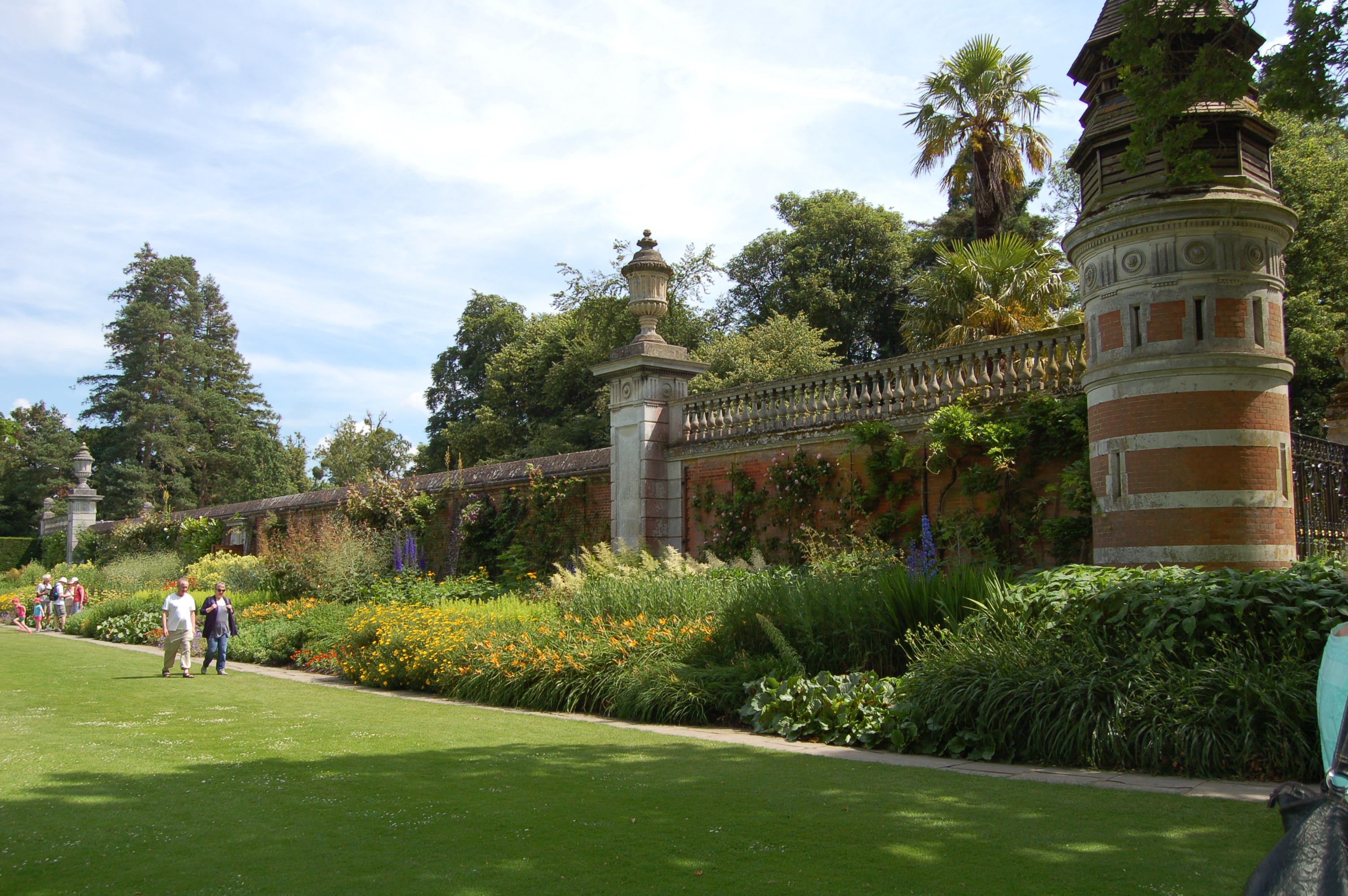
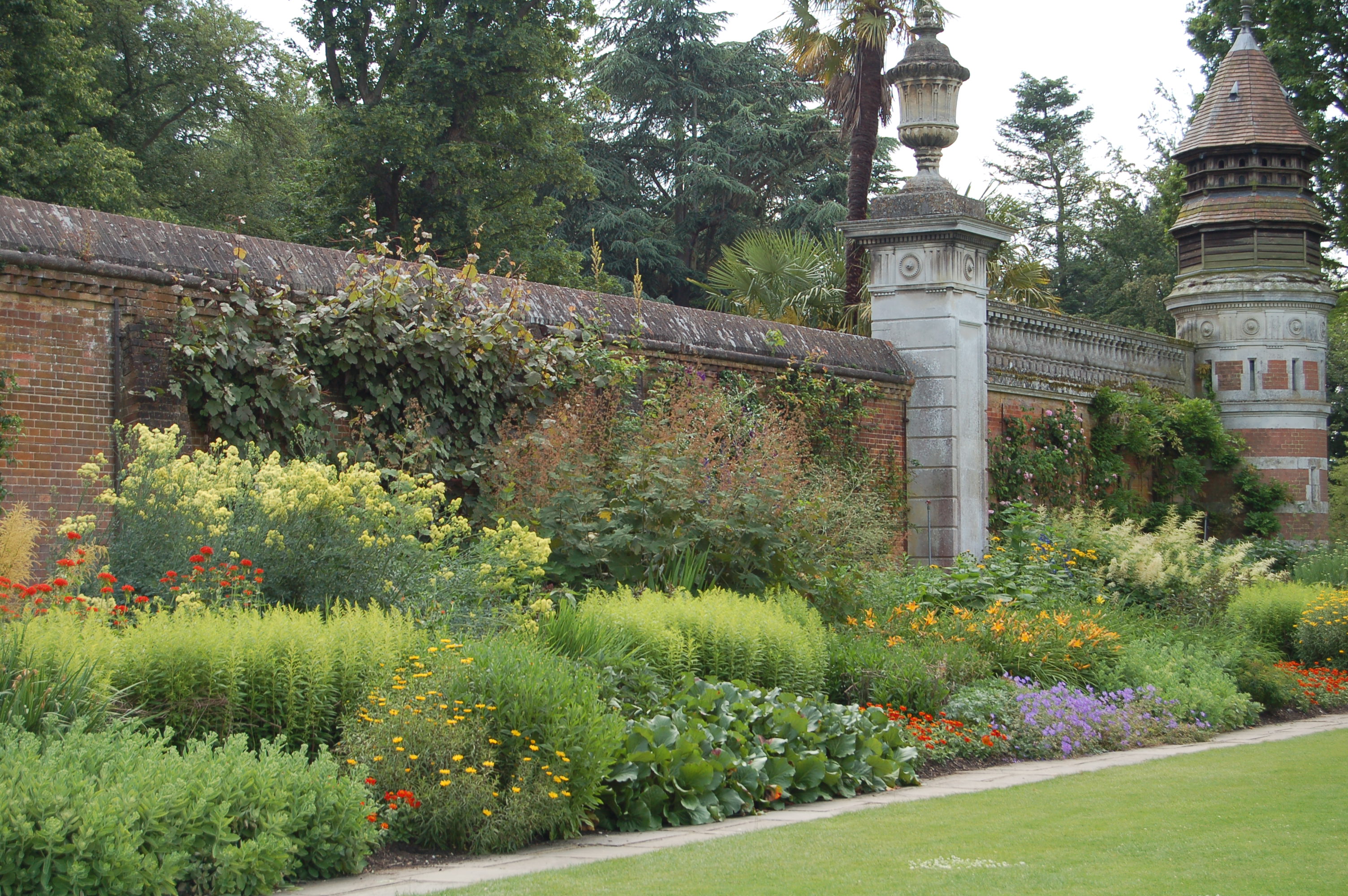
The buildings clustered in the centre of the grounds were rambling and sat beautifully within its setting. In particular it had interesting chimneys and towers which look good against the clear blue sky. Towers even featured in the walled garden.

2014 06 25_1193 2014 06 25_1196

2014 06 25_1197 2014 06 25_1182

 2014 06 25_1189 2014 06 25_1192

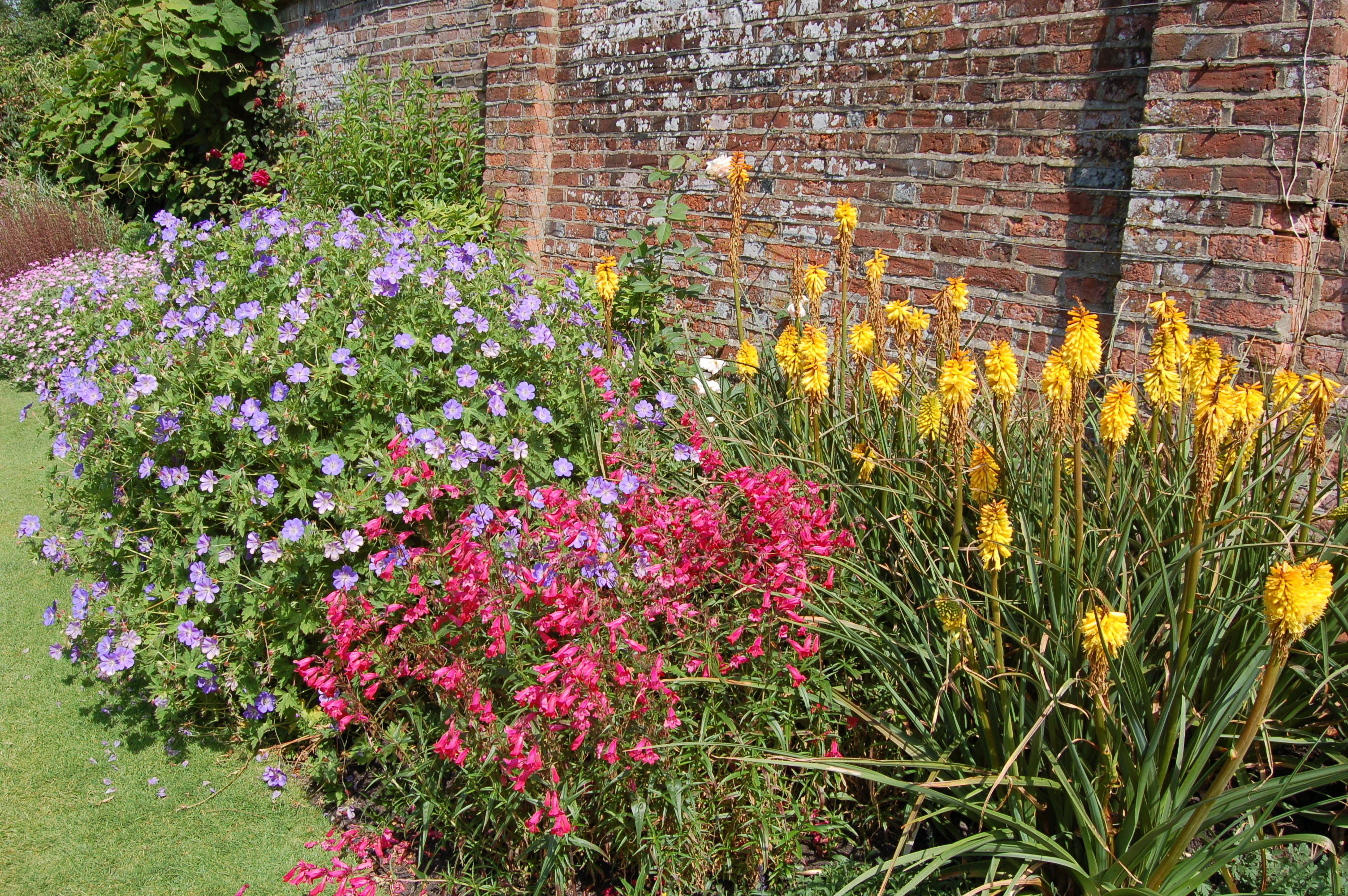
The walled garden, with its patterned brickwork, featured beautifully planted herbaceous borders around a highly manicured lawn. The plants were mainly recent cultivars and chosen for their richness of colour.

2014 06 25_1192 2014 06 25_1198 2014 06 25_1199 2014 06 25_1200 2014 06 25_1201 2014 06 25_1202 2014 06 25_1203 2014 06 25_1204

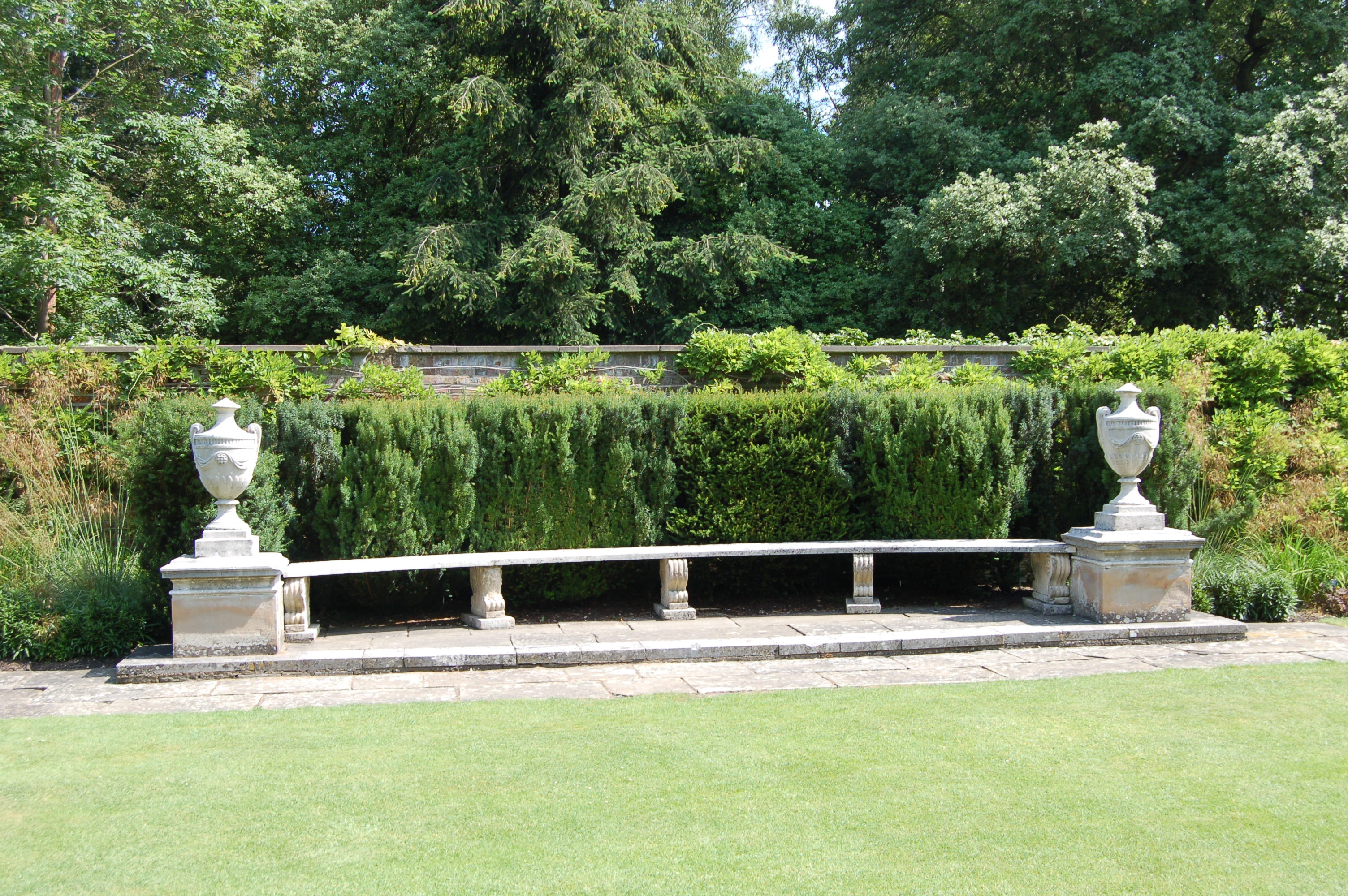
From the courtyard as we leaned on its stone ballustrade we could see the Italianate parterre placed within more manicured lawns. They seemed to sit rather awkwardly there.

2014 06 25_1194 2014 06 25_1195

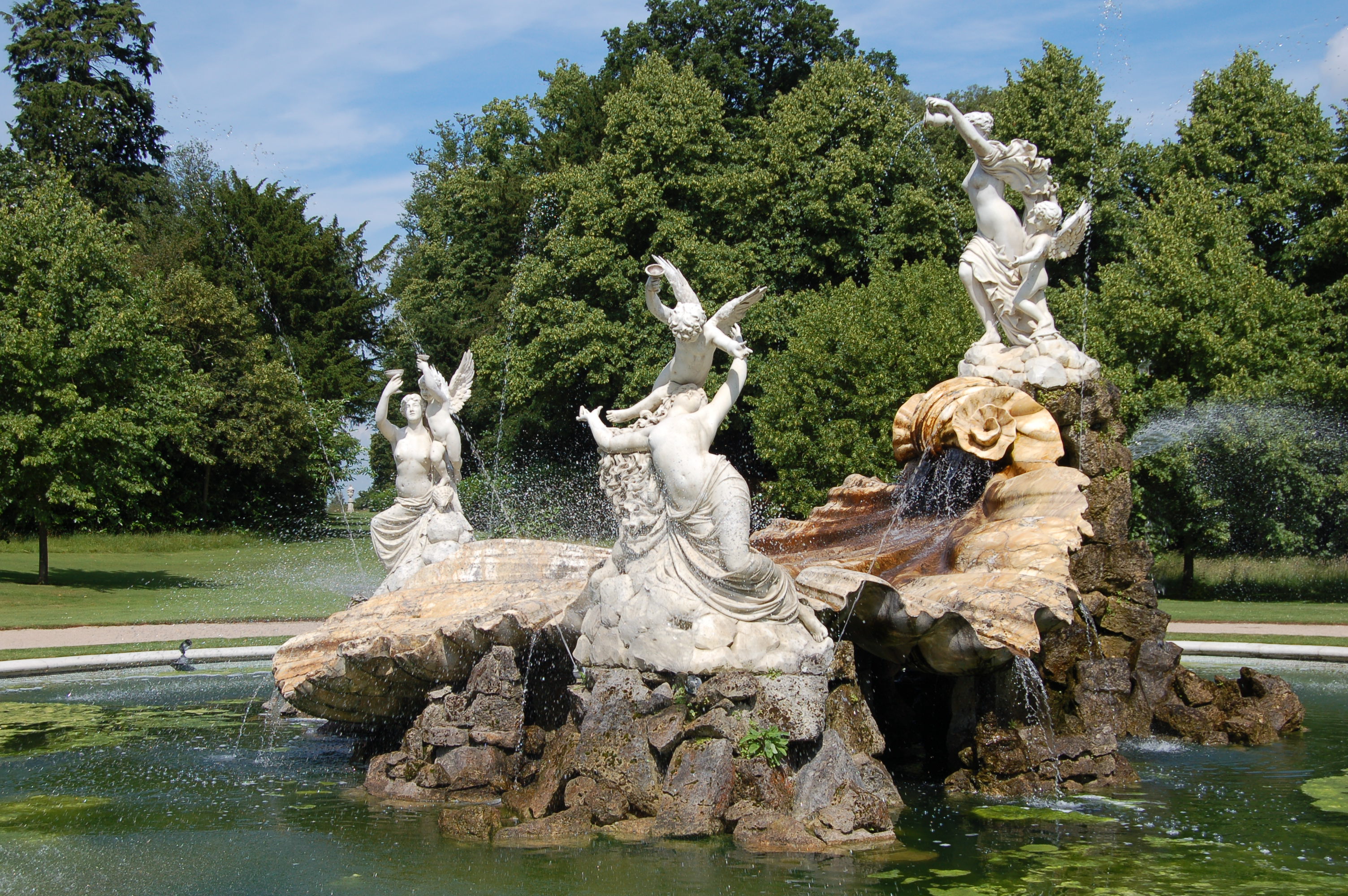
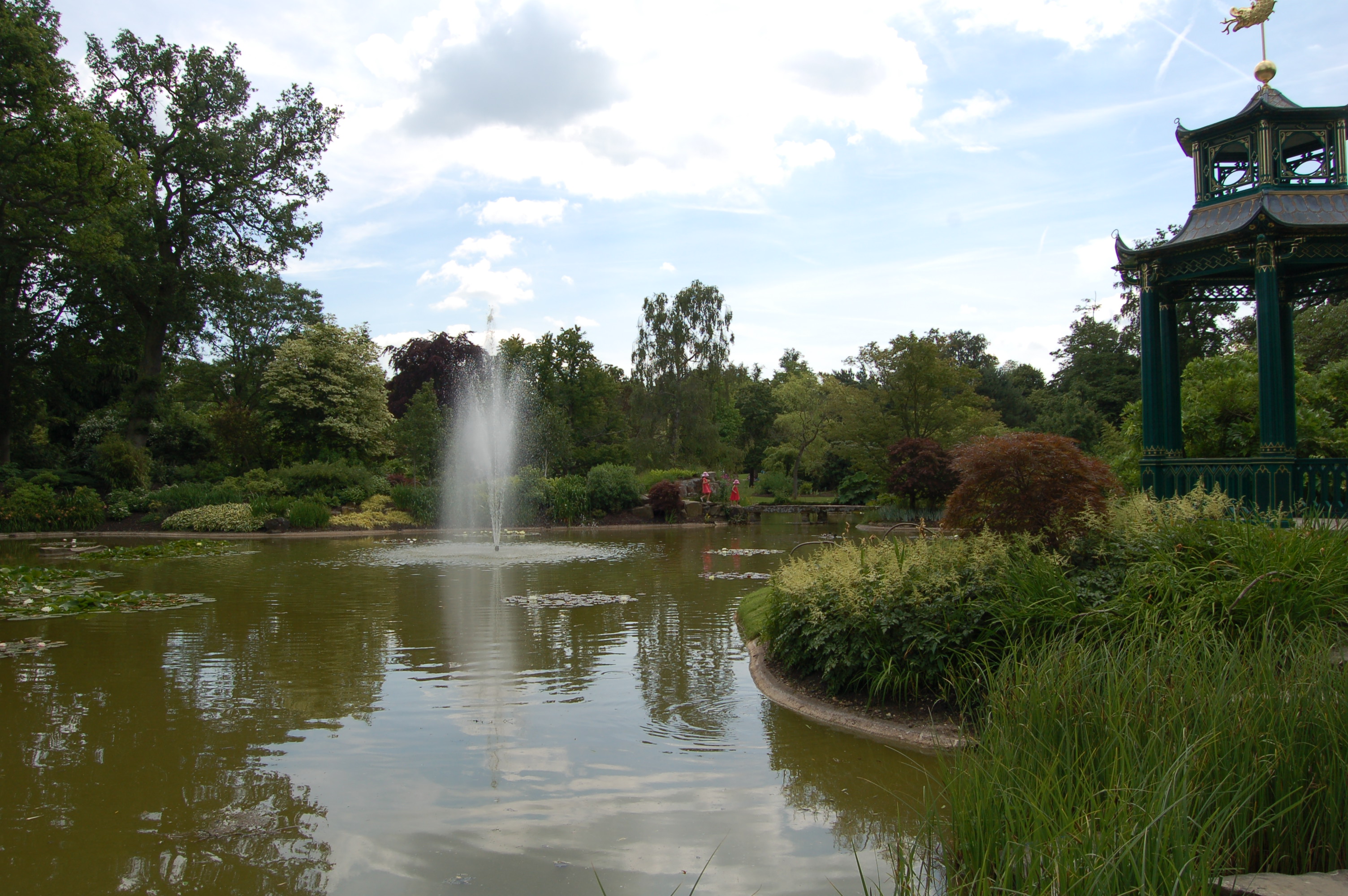
We finished our Cliveden wanderings in the Water Gardens where formal fountains and oriental buildings sit among informal pools and soft planting.

2014 06 25_1205 2014 06 25_1206 2014 06 25_1207 2014 06 25_1208 2014 06 25_1209


Categories
colours flowering bulbs fruit and veg garden buildings garden design garden photography garden ponds garden pools gardening gardens grow your own irises light light quality ornamental grasses ornamental trees and shrubs Shropshire shrubs succulents water garden water in the garden

Aiming for a year round garden – early summer.

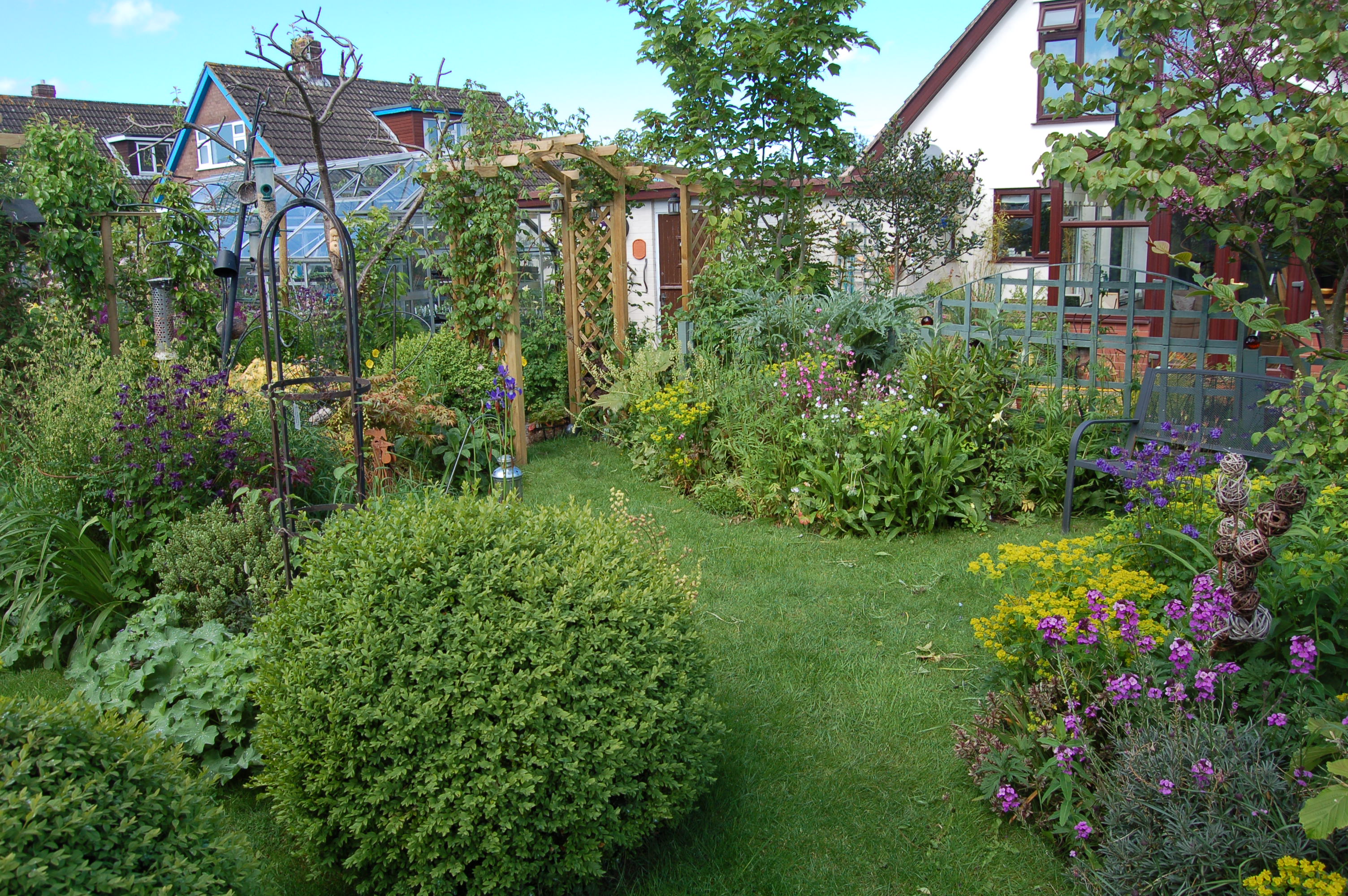
Number four in this series of posts concerning our aim at ensuring that our garden all year round sees me and my trusty Nikon wandering the paths of our garden in the last week of May. so come with me and see what you think. Are we still on track?

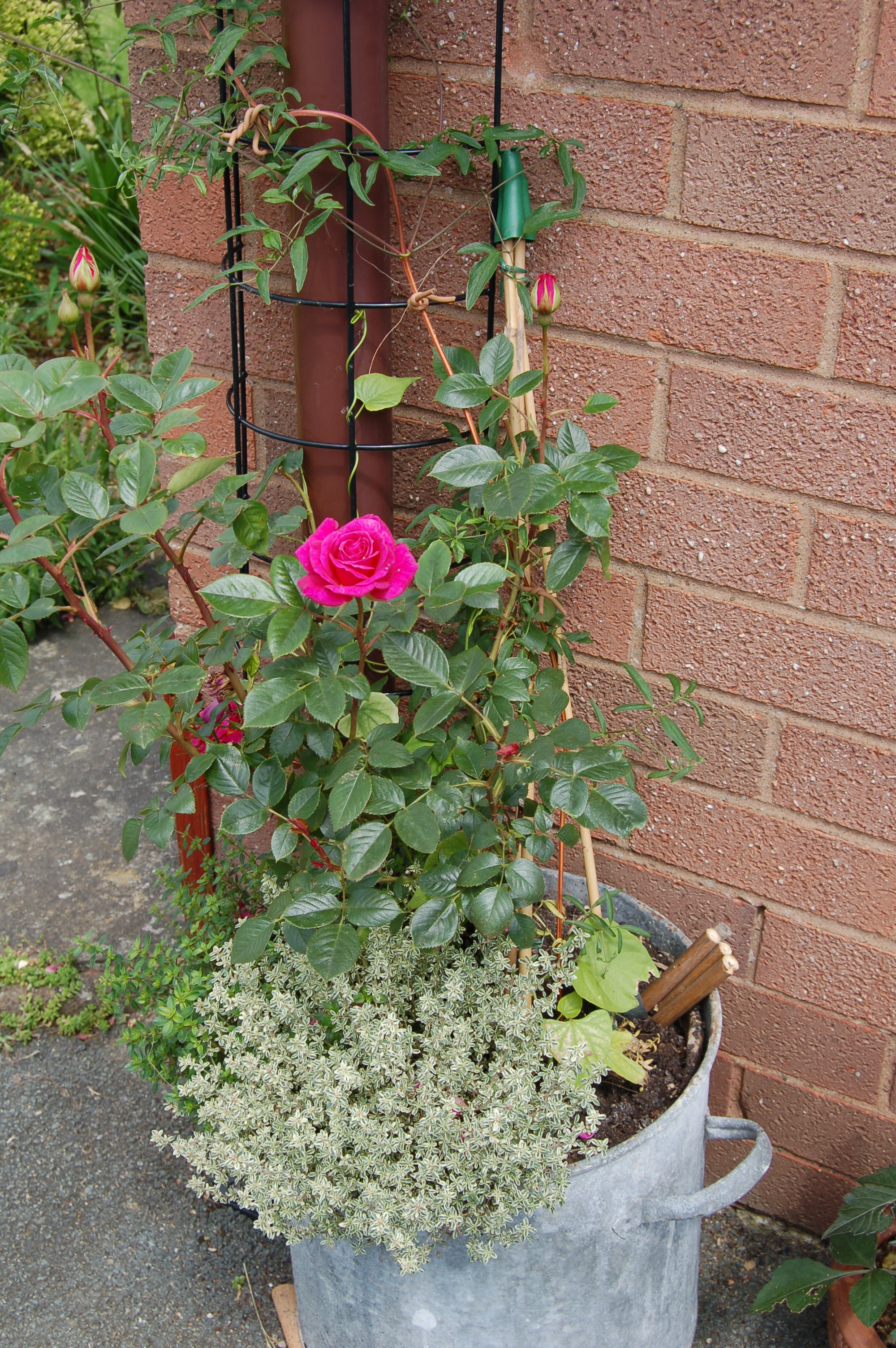
As usual we shall begin our wanderings in the front where right by the front door we find our personalised trug and our climbers growing in the old galvanised container. Opposite the front door the Freda Border is looking full of interest.

2014 05 27_9661 2014 05 27_9662

2014 05 27_9660

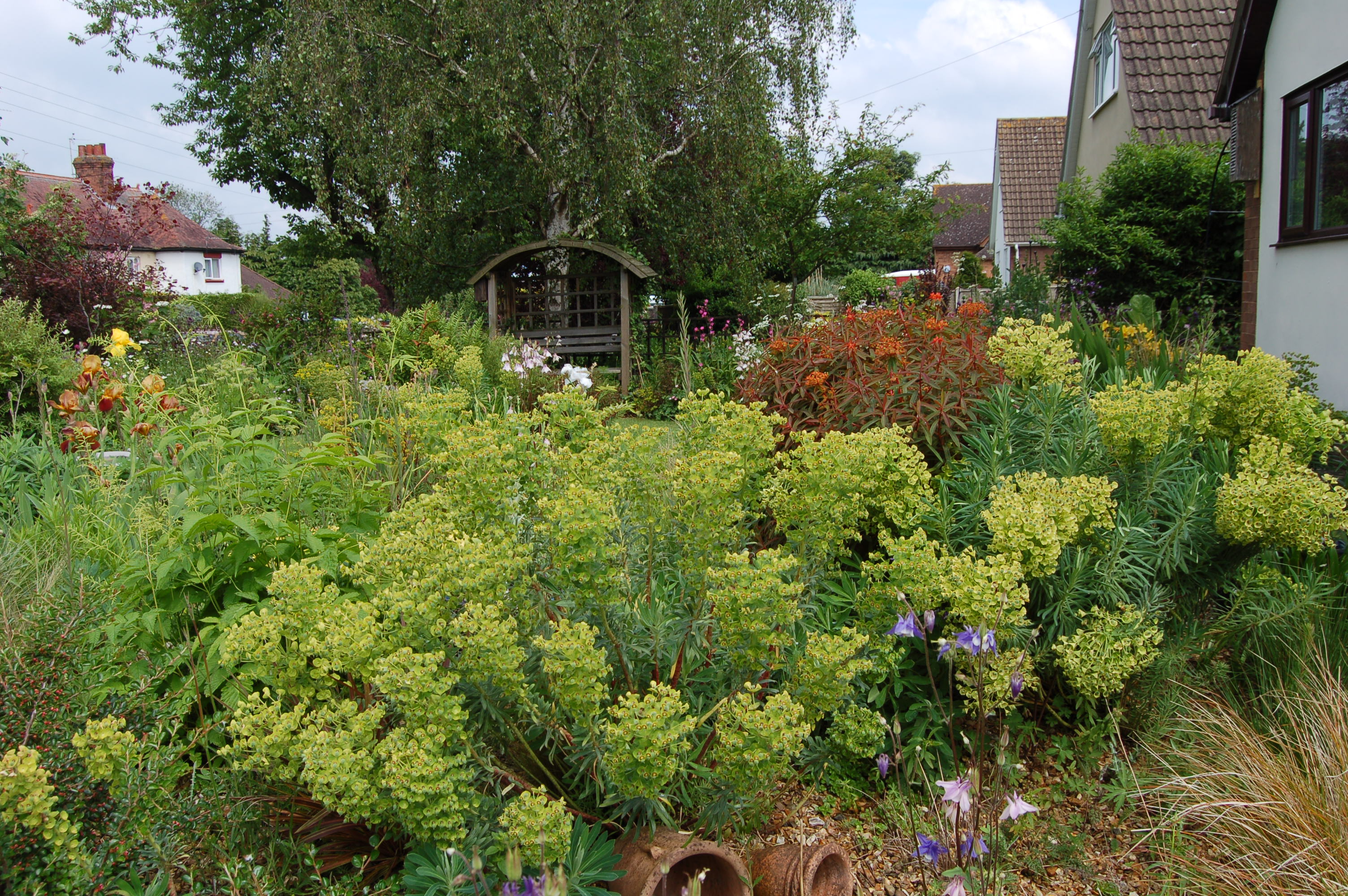
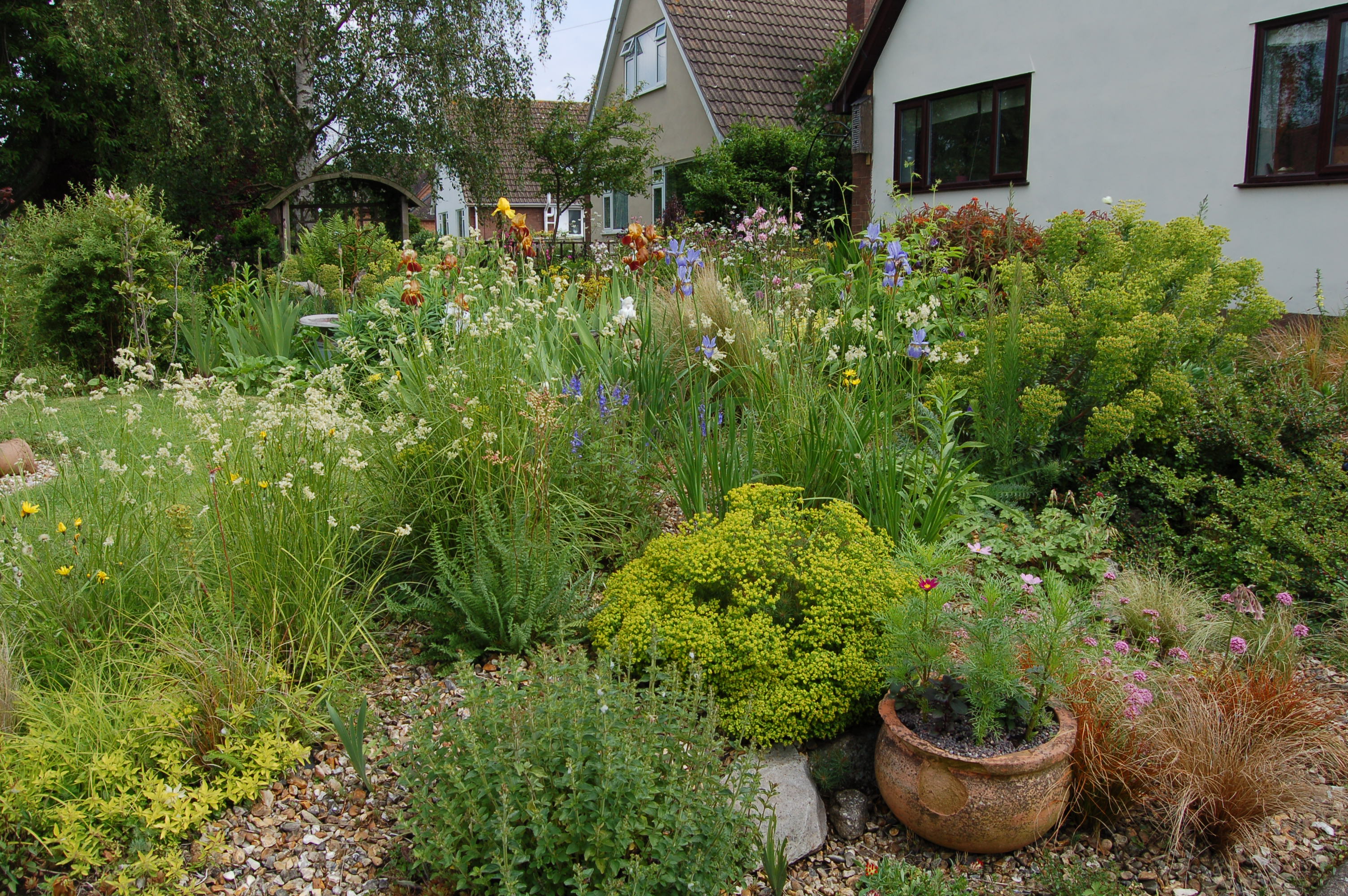
Round the front of the house the Chatto Garden seems full of chartreuse highlighted with brightly coloured Irises.

2014 05 27_9663 2014 05 27_9664 2014 05 27_9665 2014 05 27_9666 2014 05 27_9667 2014 05 27_9669 2014 05 27_9670 2014 05 27_9671 2014 05 27_9672

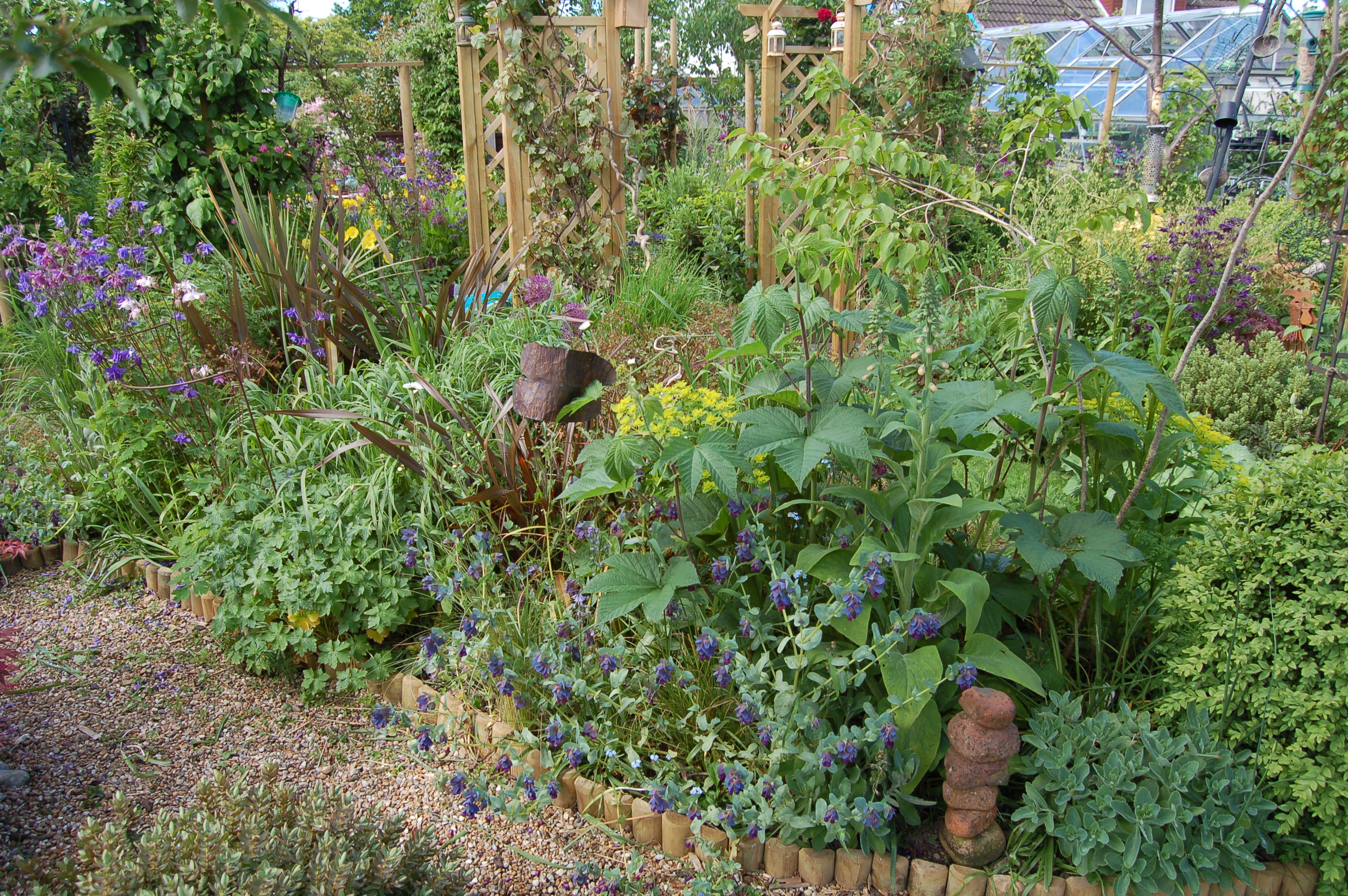
Our mixed borders are full of many different textures, shapes and colours provided by the herbaceous plants and the shrubs.

2014 05 27_9673 2014 05 27_9674

As we move into the back we find our lush colourful planting in the Secret Garden and the Chicken Bed. On a sunny day you need sunglasses to appreciate these areas.

2014 05 22_9497 2014 05 22_9503 2014 05 22_9504 2014 05 22_9505 2014 05 22_9506 2014 05 22_9507 2014 05 22_9508 2014 05 22_9509 2014 05 22_9535

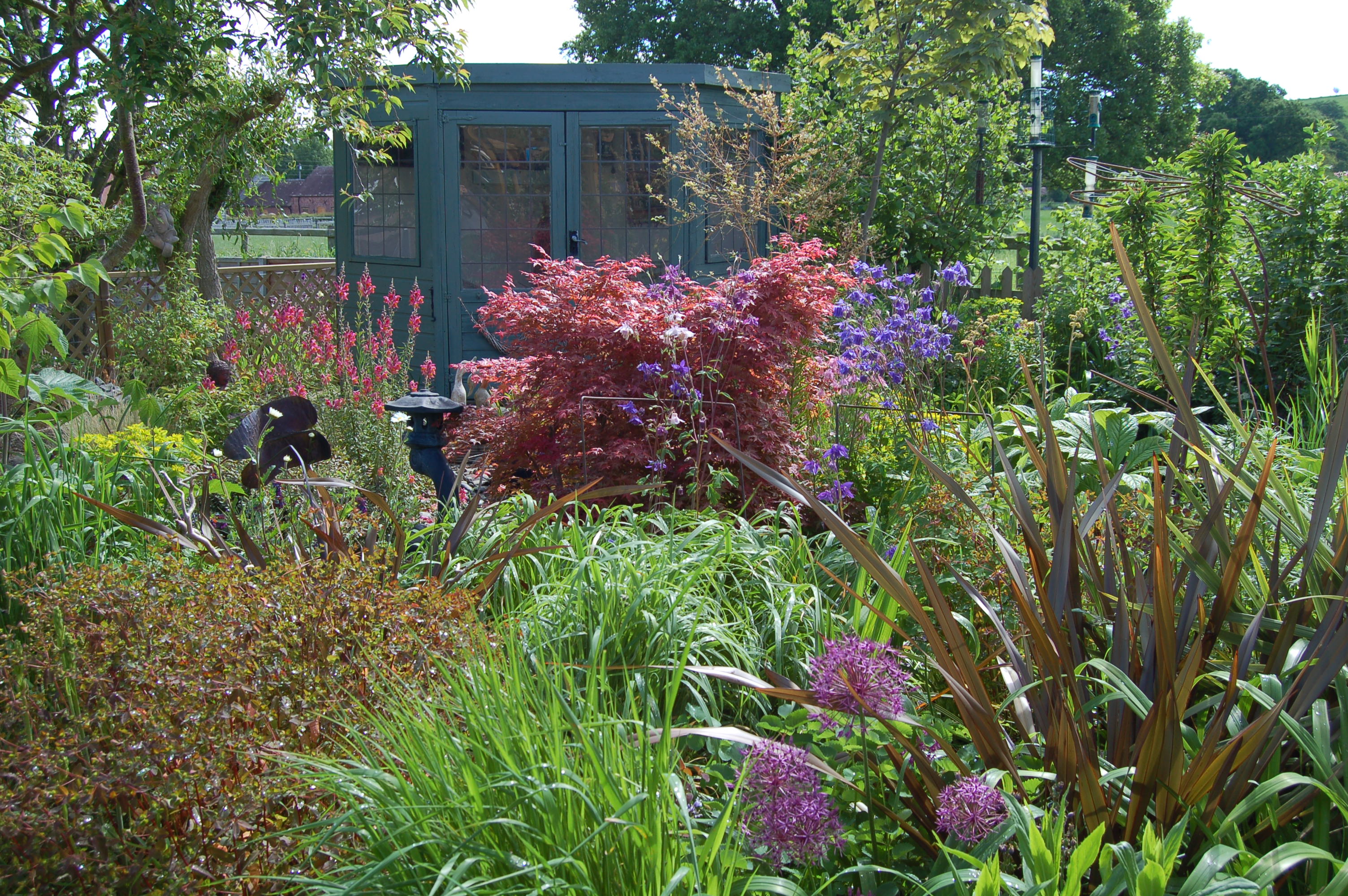
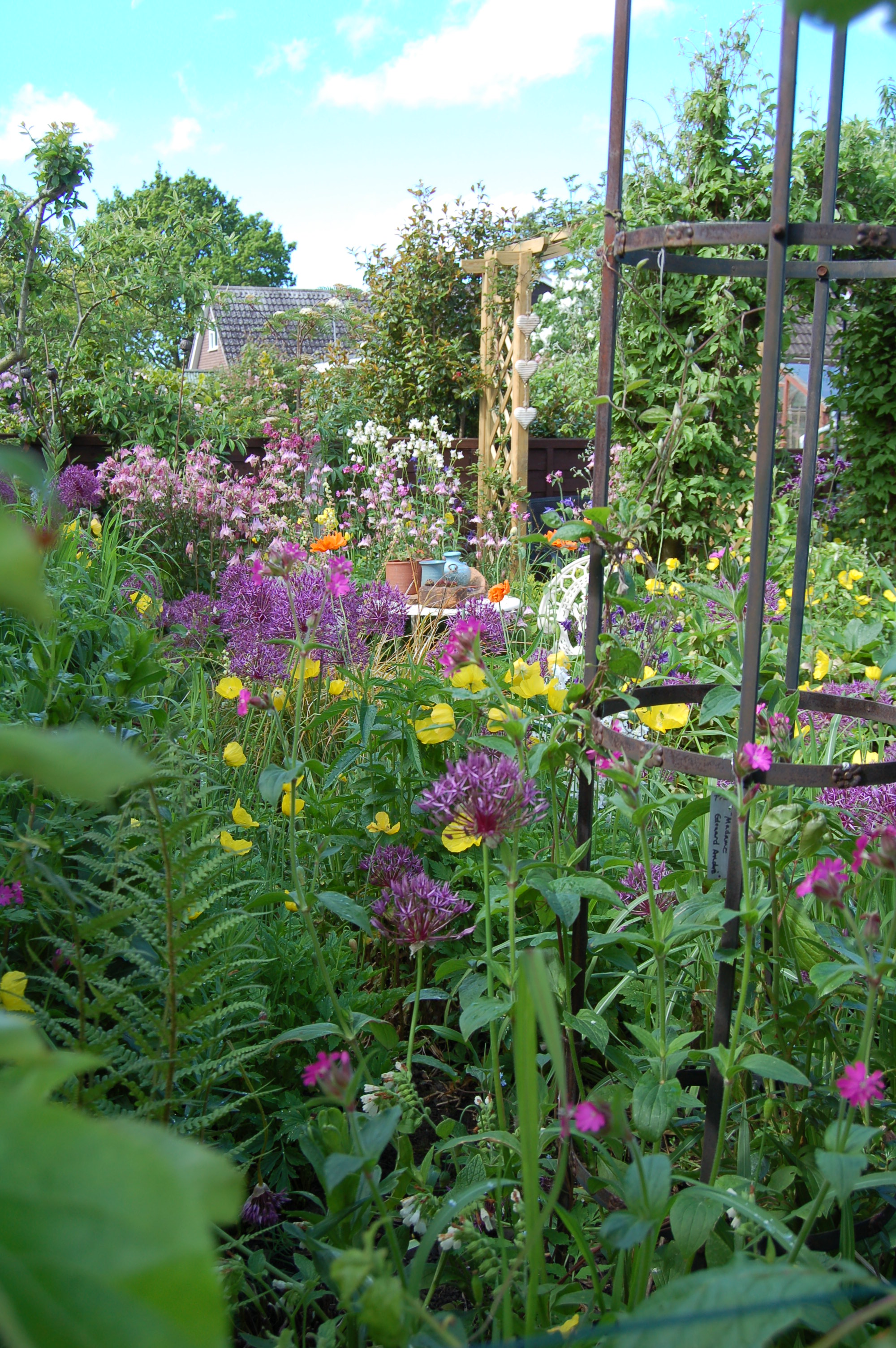
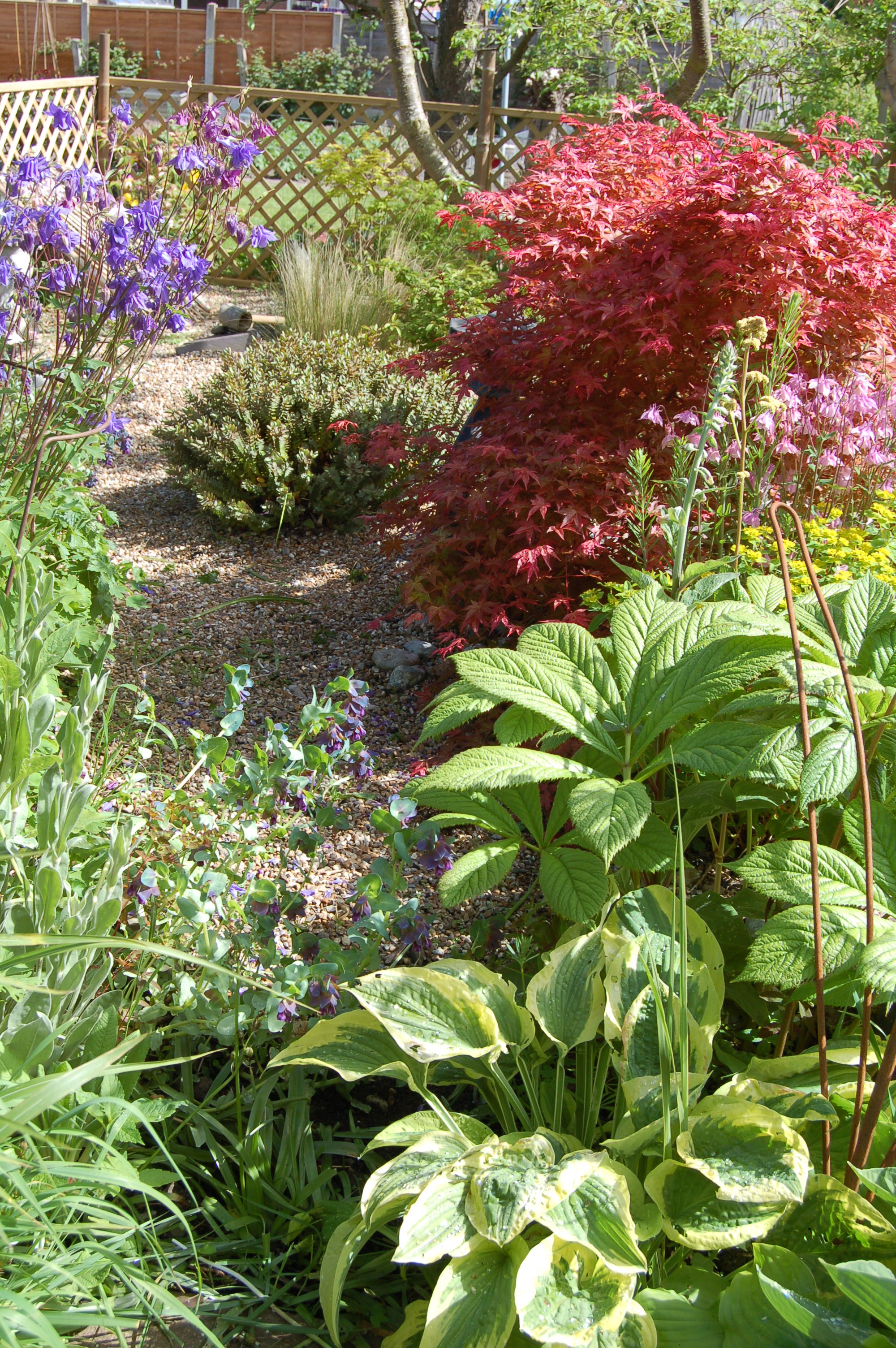
Down by the pool the Japanese Garden is dominated by the Acers but in the Bog Garden the big leaves of the Rheum and Hostas pick up any shaft of sunlight.

2014 05 22_9510  2014 05 22_95122014 05 22_9517 2014 05 22_9514

How about this for a self-seeder, an Anthirinum in the deepest pink possible with tiny splashes of yellow and orange growing alongside a red leaved Acer.

2014 05 22_9520

Looking from the Summerhouse the garden looks full of, so is now a lovely place to sit with a coffee and enjoy our hard work.

2014 05 22_9518 2014 05 22_9519

2014 05 22_9515 2014 05 22_9516     2014 05 22_9521 2014 05 22_9522 2014 05 22_9513 2014 05 22_9511

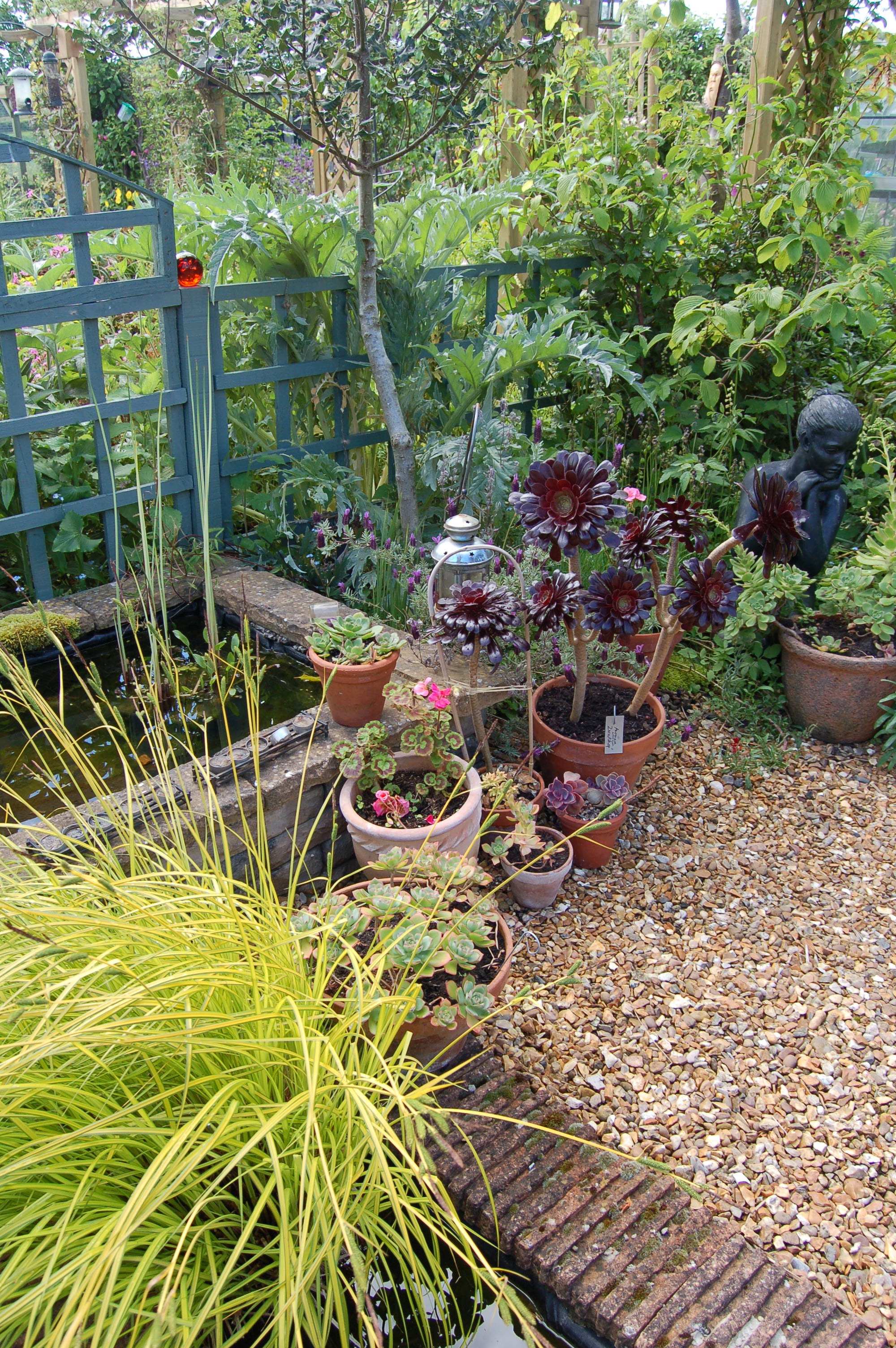
Moving back towards the greenhouse we can take a look at the Crescent Bed and around the Rill Garden. Just look at this little flower hovering above the leaves of the Aeonium.

2014 05 22_9524 2014 05 22_9526 2014 05 22_9527 2014 05 22_9523 2014 05 22_9525

From the Rill Garden we can see the Seaside Garden which we recently revamped.

2014 05 22_9528 2014 05 22_9530

We often miss out the mini-gardens on our wandering blog posts so we shall have a look now at the Fern Border, Shed Slate Garden, the Salad Beds and the Slate Scree Garden.

2014 05 22_9529  2014 05 22_9532 2014 05 22_9533  2014 05 22_9536

So there we have it, our garden in early Summer. We hope it is still looking good. The next post in this series will be in mid-Summer when we shall be fast approaching our first ever opening under the National Garden Scheme. Seeing our own garden in the famous Yellow Book certainly makes you look closely at our garden.

This Veggie Life

A Vegetarian | Nature Lifestyle Blog

Rambling in the Garden

.....and nurturing my soul

The Arch City Gardener

Journeys In St. Louis Gardening and Beyond

Garden Dreaming at Châtillon

Consult the genius of the place

Storyshucker

A blog full of humorous and poignant observations.

gardeninacity

Notes from a wildlife-friendly cottage garden

PlayGroundology

...an emerging social science

The Official Blog of British Wildlife

'The most important and informative publication on wildlife of our times' - The Independent. This blog is a member of The UK & Ireland Natural History Bloggers group: www.uknhb.blogspot.com

iGrowHort

Inspire - Cultivate - Grow Native Plants - Restore Landscapes

Bishops Meadow Trust

To create and protect a semi-natural wild space for the people of Farnham to enjoy and experience an array of British wildlife in our town

Gardening with Children

The www.gardeningwithchildren.co.uk Blog

UKbirdingtimeline

birding through the seasons, why birds matter and how to conserve them

NATURE WALKER

with a camera in hand

Jardin

Transform your outdoor space

Eva's space

My allotment, cooking and other interests

Old School Garden

my gardening life through the year

LEANNE COLE

Trying to live a creative life

fromacountrycottage

trying to live as lightly as possible on our beautiful planet

Good Life Gardening

Nature lovers from Leicester living the good life.

mybeautfulthings

Finding the beautiful in the everyday

mawsonmichelle

Michelle's Allotment

In and Out of My Garden

thoughts from and about my garden

Greenhousing

Big plans for a small garden

The Scottish Country Garden

A Walled Country Garden in South East Scotland

The Fruity Chicken

Life at the fruity chicken

willowarchway

Off grid living. Self sufficient. "PERMAGANICS RULE".

St Anns Allotments

Nottingham's Grade 2* Listed Allotments and Community Orchard

Manifest Joy Harvests

a journey in suburban vegetable gardening

Allotmental

The madness of growing your own

Penny's Garden: a harvest beyond my front door

A novel approach to vegetable gardening

arignagardener

Sustainable living in the Irish countryside.

NewEnglandGardenAndThread

Master Gardener, amateur photographer, quilter, NH native, and sometimes SC snowbird

dianajhale

Recent work and work in progress and anything else that interests me

planthoarder

a chaotic cottage gardener

Lens and Pens by Sally

a weekly blog that creates a personal philosophy through photographs and words

Dewdrops and Sunshine

Stories from a sassy and classy Southern farmbelle.

The Pyjama Gardener

Simple Organic Gardening & Seasonal Living

gettin' fresh!

turning dirt into dinner

JOY...

today the world is created anew

Garden Birds

Notes from a Devon garden

ShootAbout

Life Through The Lens

Adapting Pixels

A photography blog showcasing the best photography pictures and videos on the internet

Wildlifegardening's Blog

Just another WordPress.com site

naturestimeline

personal observations from the natural world as the search continues for a new approach to conservation.

LATEBLOOMERBUDS

The Wonders of Life through my Eyes, my Heart, my Soul