Categories
countryside landscapes light light quality photography Shropshire South Shropshire wildlife

Return to the Fold

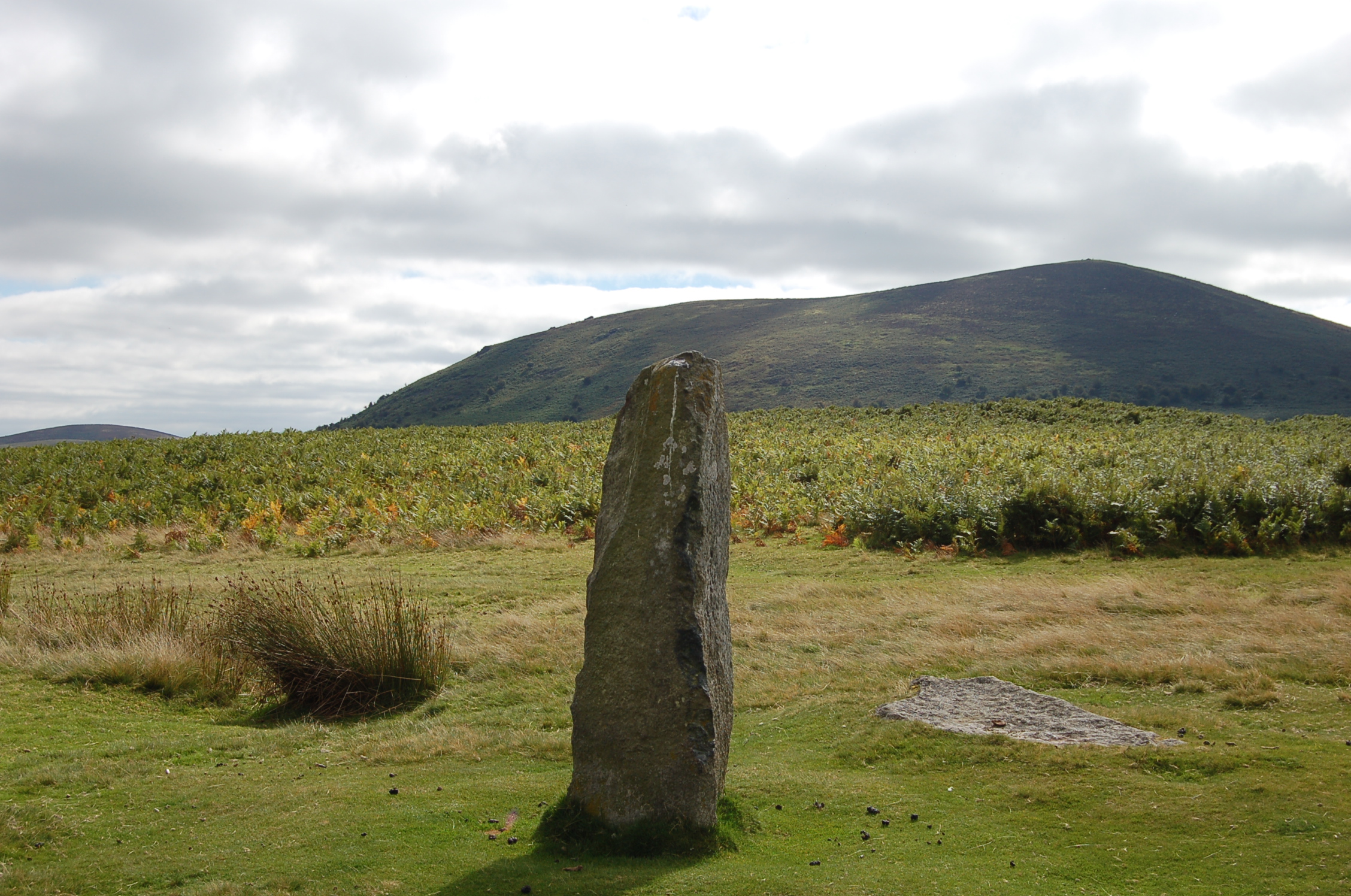
You may remember in an earlier posting on my Greenbenchramblings blog that we enjoyed a walk up a local hill to find the stone circle called Mitchell’s Fold. Recently when my brother and his wife, Graham and Vicky, came to stay with us in lovely Shropshire they fancied a walk somewhere with a feeling of openness, calm and peace. So, we returned to “The Fold”.

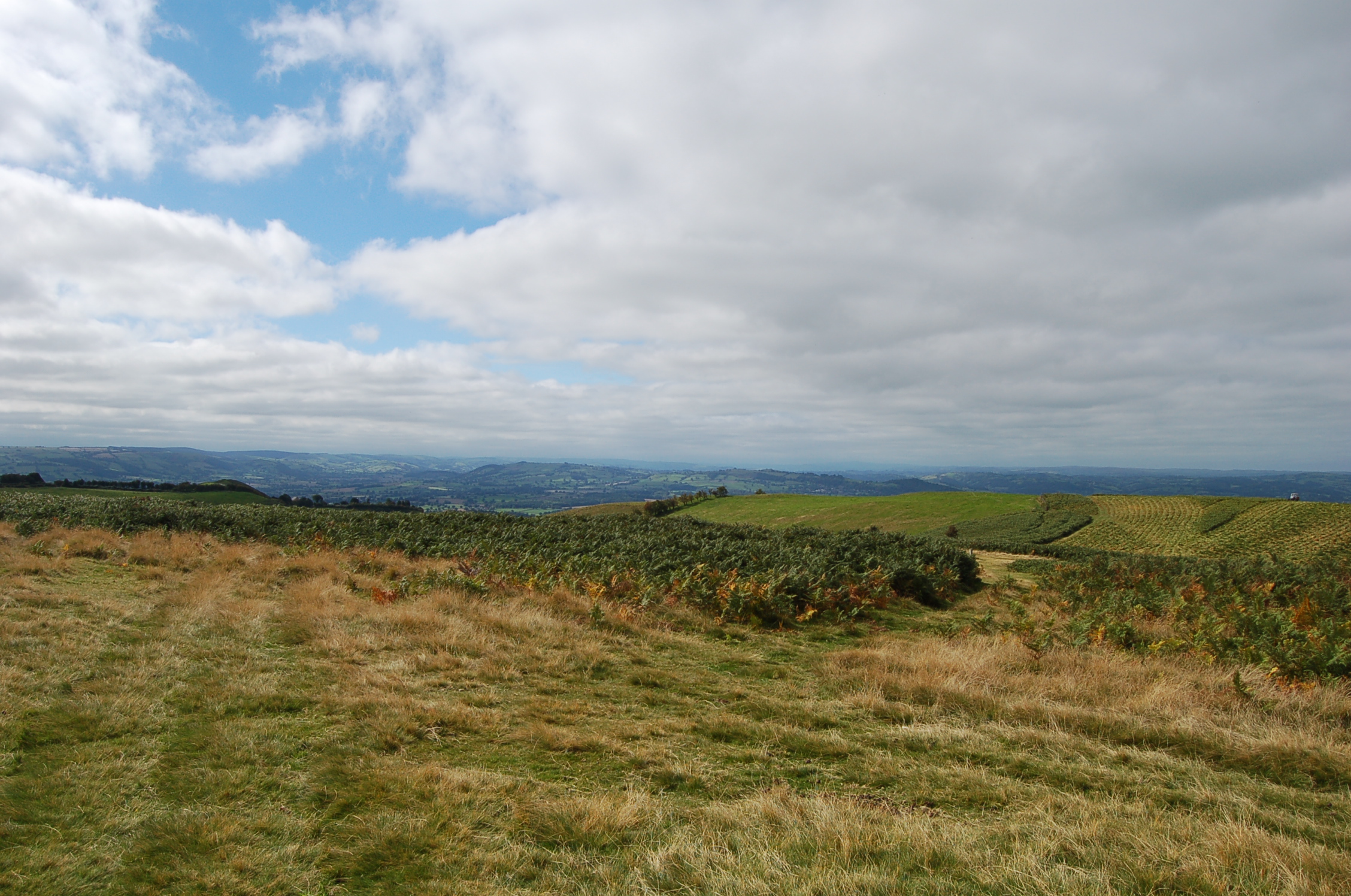
For the first set of photos I stood in the middle of the stone circle and took a series of six pics as I moved around in a circle taking in the 360 degree view.

2013 09 23_3497 2013 09 23_3498 2013 09 23_3499 2013 09 23_3500 2013 09 23_3501 2013 09 23_3502

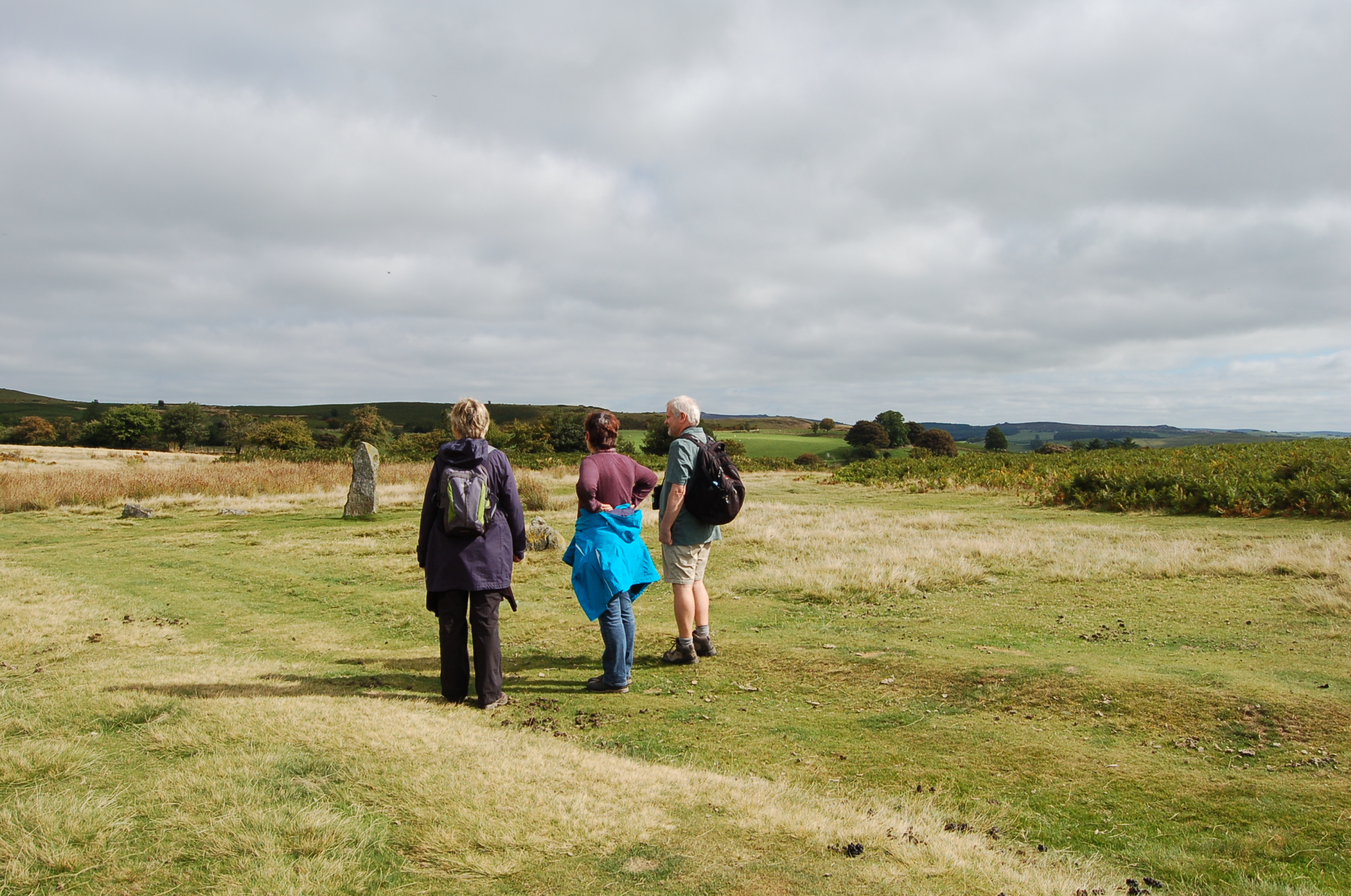
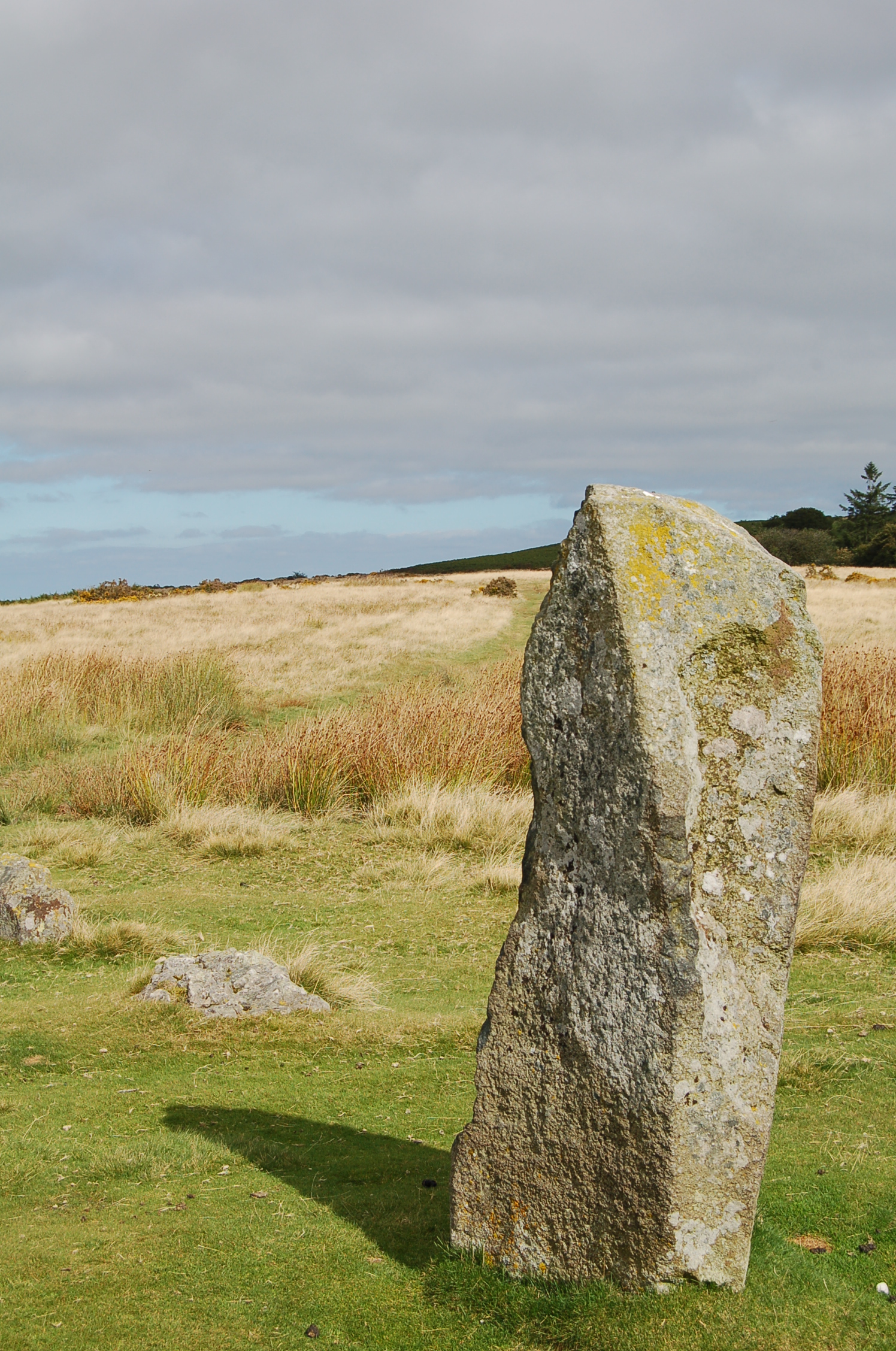
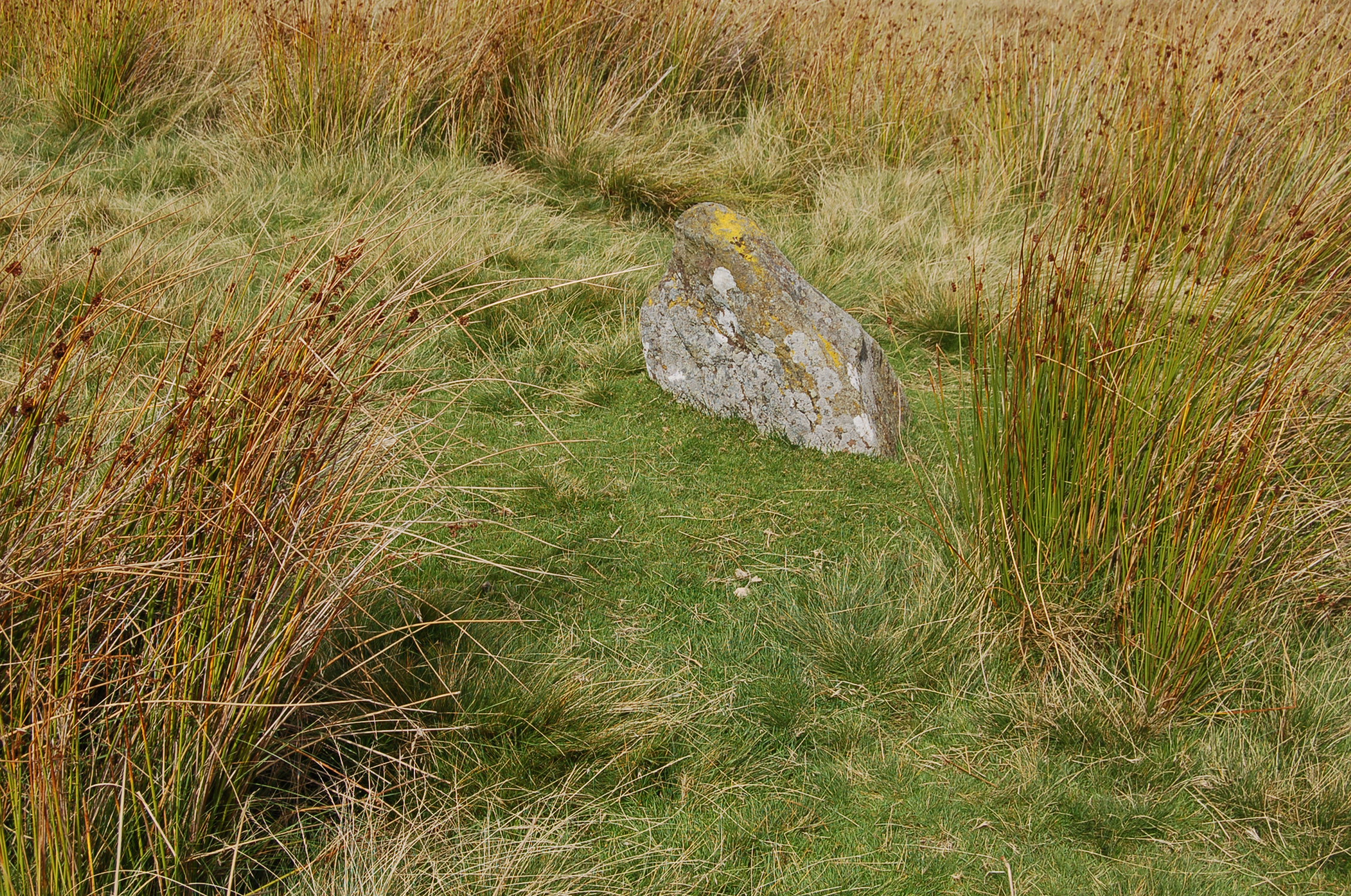
And then I took a series of shots of the stones themselves, the stones that give this special place a unique feeling and atmosphere. Calm. Peace. Contentment. When we stood within the circle of stones we realised why it has been for thousands of years a place of worship and magic.

2013 09 23_3504 2013 09 23_3505  2013 09 23_3503 2013 09 23_3506 2013 09 23_3507 2013 09 23_3508 2013 09 23_3509

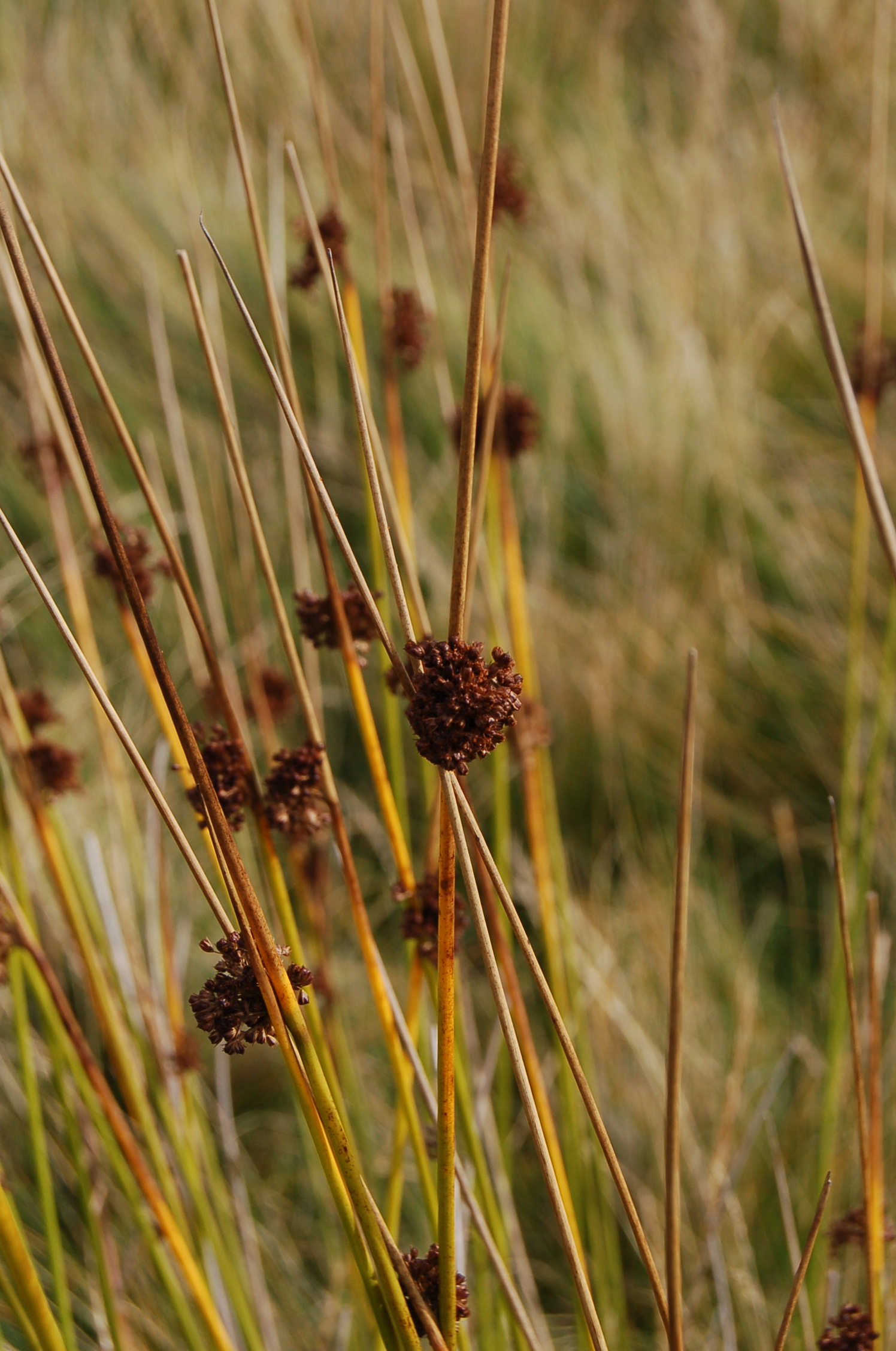
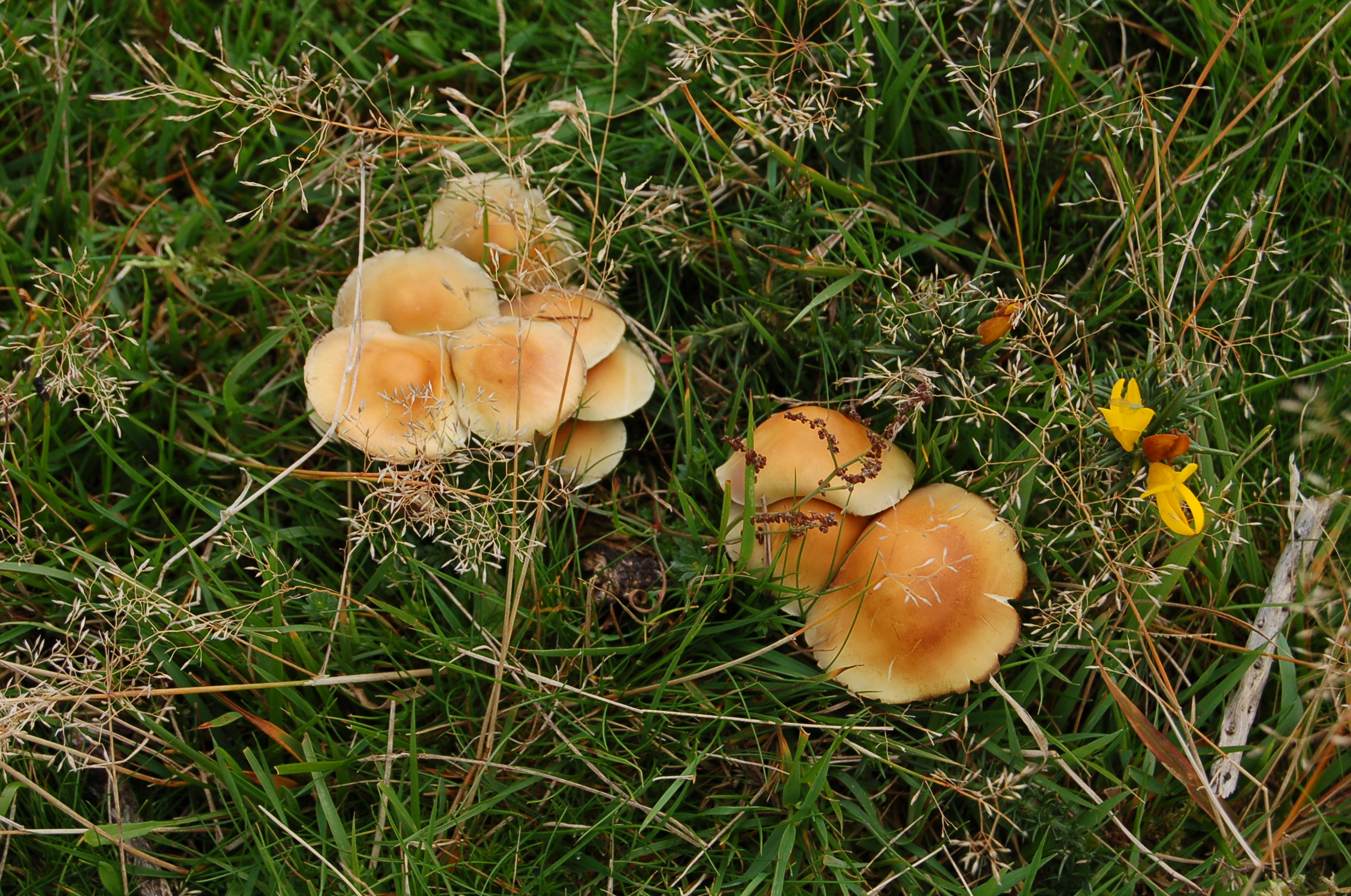
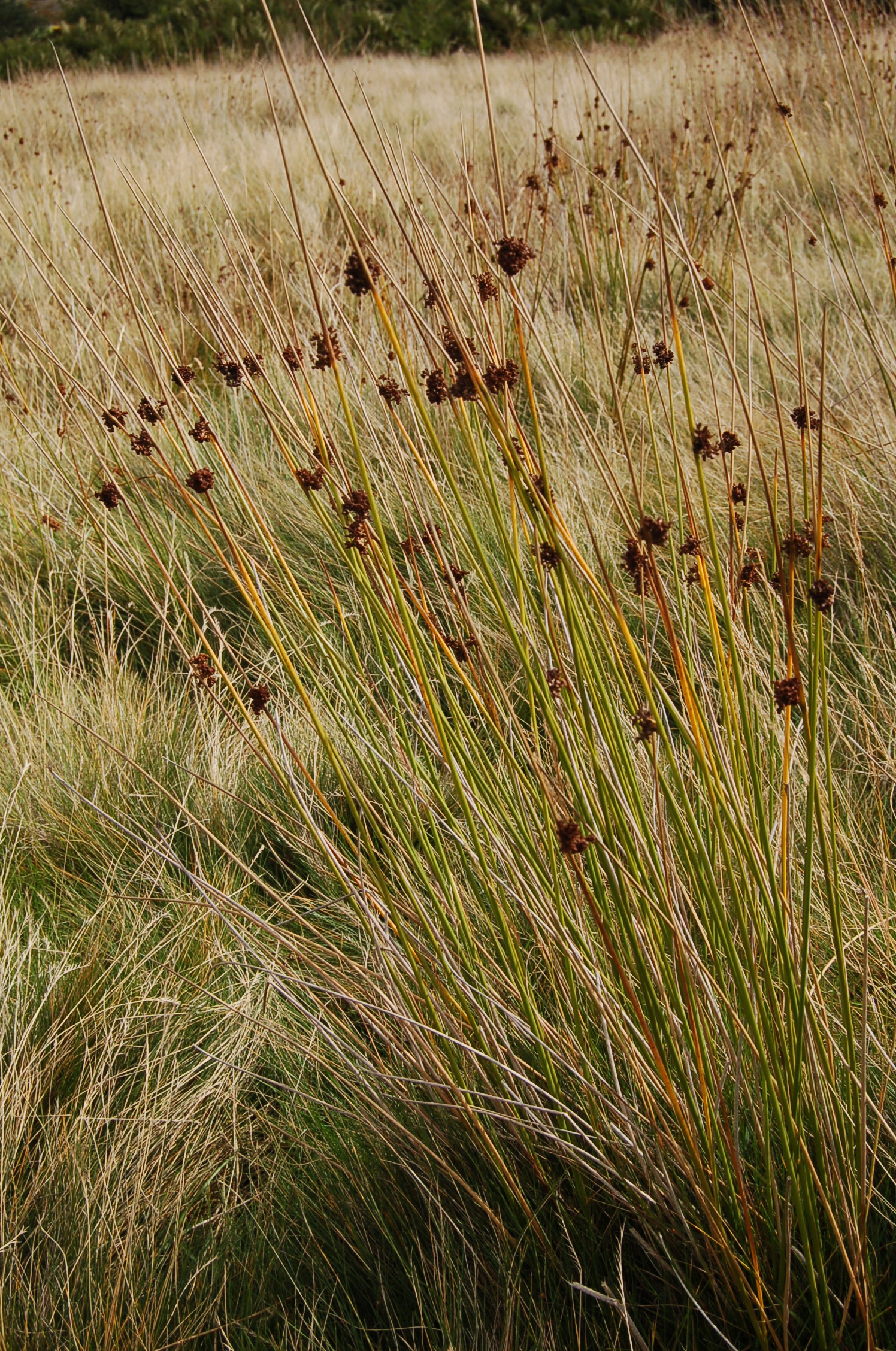
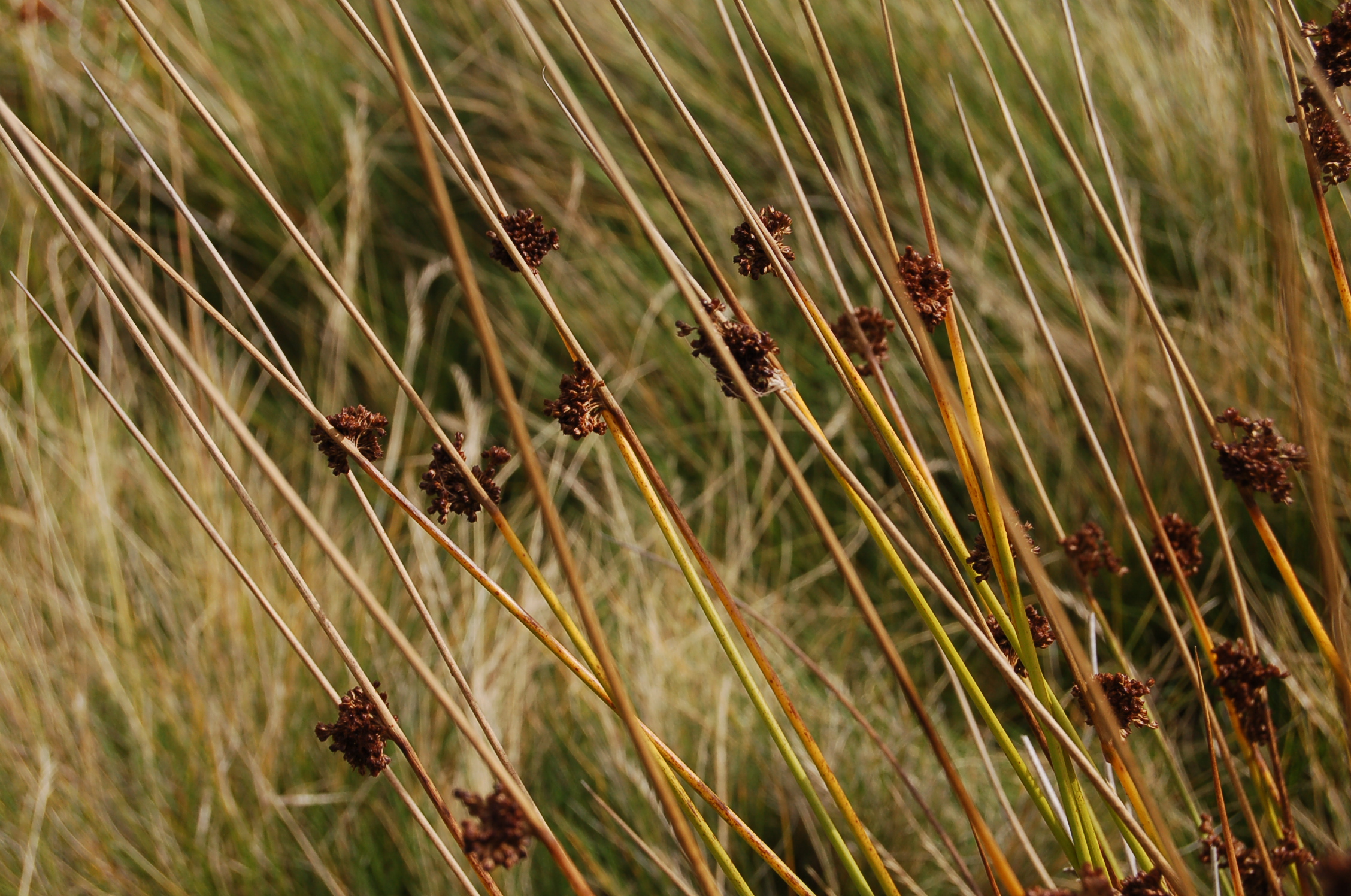
Mother nature has been at work here growing beautiful grasses, sedges, fungi and flowers specially suited to the difficult terrain.
2013 09 23_3510 2013 09 23_3512 2013 09 23_3513 2013 09 23_3520

2013 09 23_3521 2013 09 23_3530

Graham and Vicky who live down in a town in the South of England, were blown away by the massive views and the 360 degrees through which eyes and mind can wander.

2013 09 23_3515 2013 09 23_3514 2013 09 23_3516 2013 09 23_3517

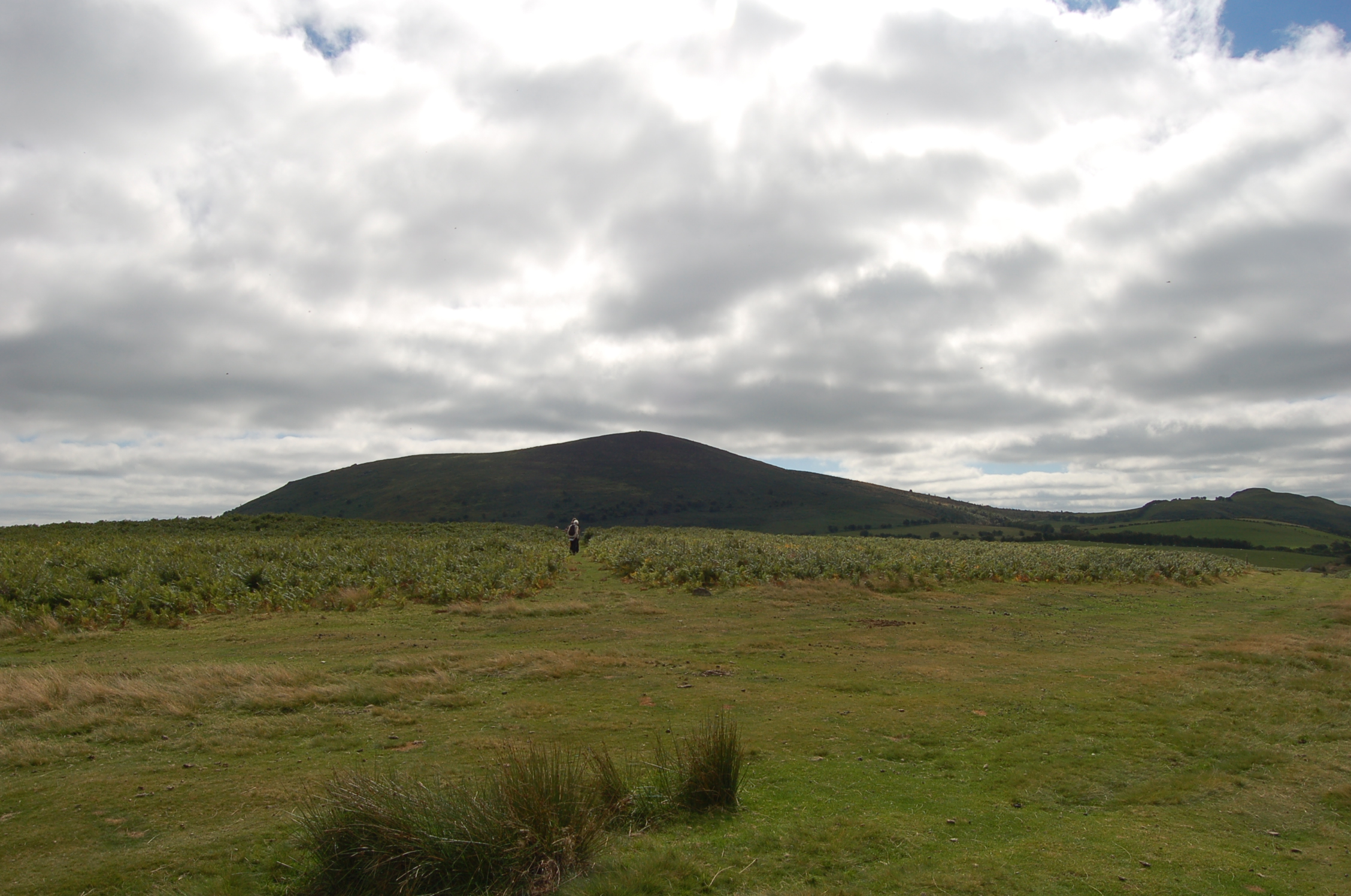
This place is where we expect to see unusual birds but not very many of them. Today was no exception as we enjoyed the sight of small pipits and finches being buffeted in the winds and birds of prey such as Hen Harrier, Red Kite, Kestrel and Buzzard hunting in their own special ways taking advantage of the slopes and thermals. We met a special creature on our way up the track from the stone circle to the cairns atop the hill. A dung beetle. Its name is a little off-putting as is its habit of moving dung around by rolling it into balls. But they are fascinating little critters who are one of nature’s great recyclers. This little glossy black spherical beetle had iridescent kingfisher blue legs that flashed as it moved and when turned over it revealed similar brightness

2013 09 23_3519 2013 09 23_3518

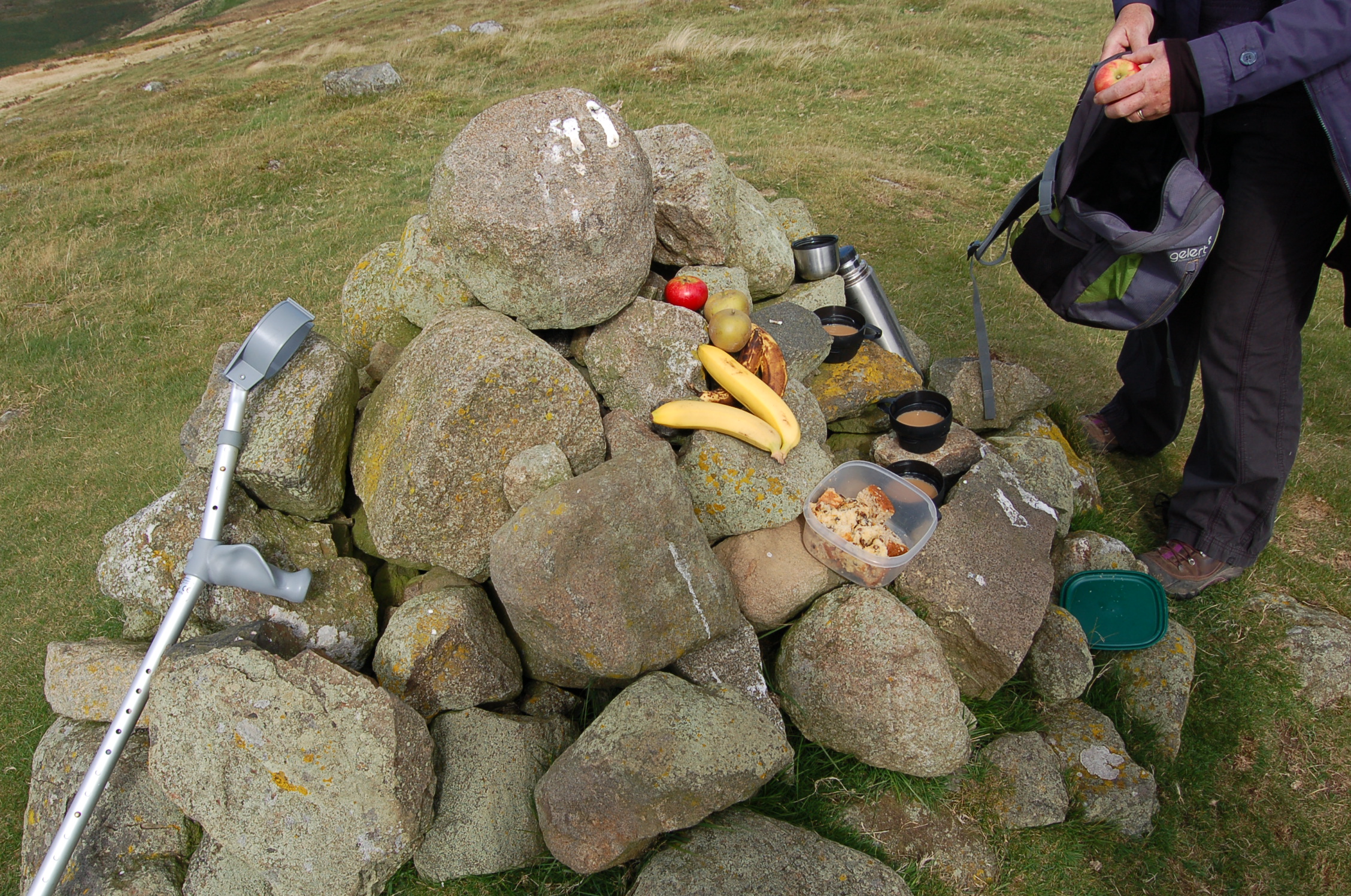
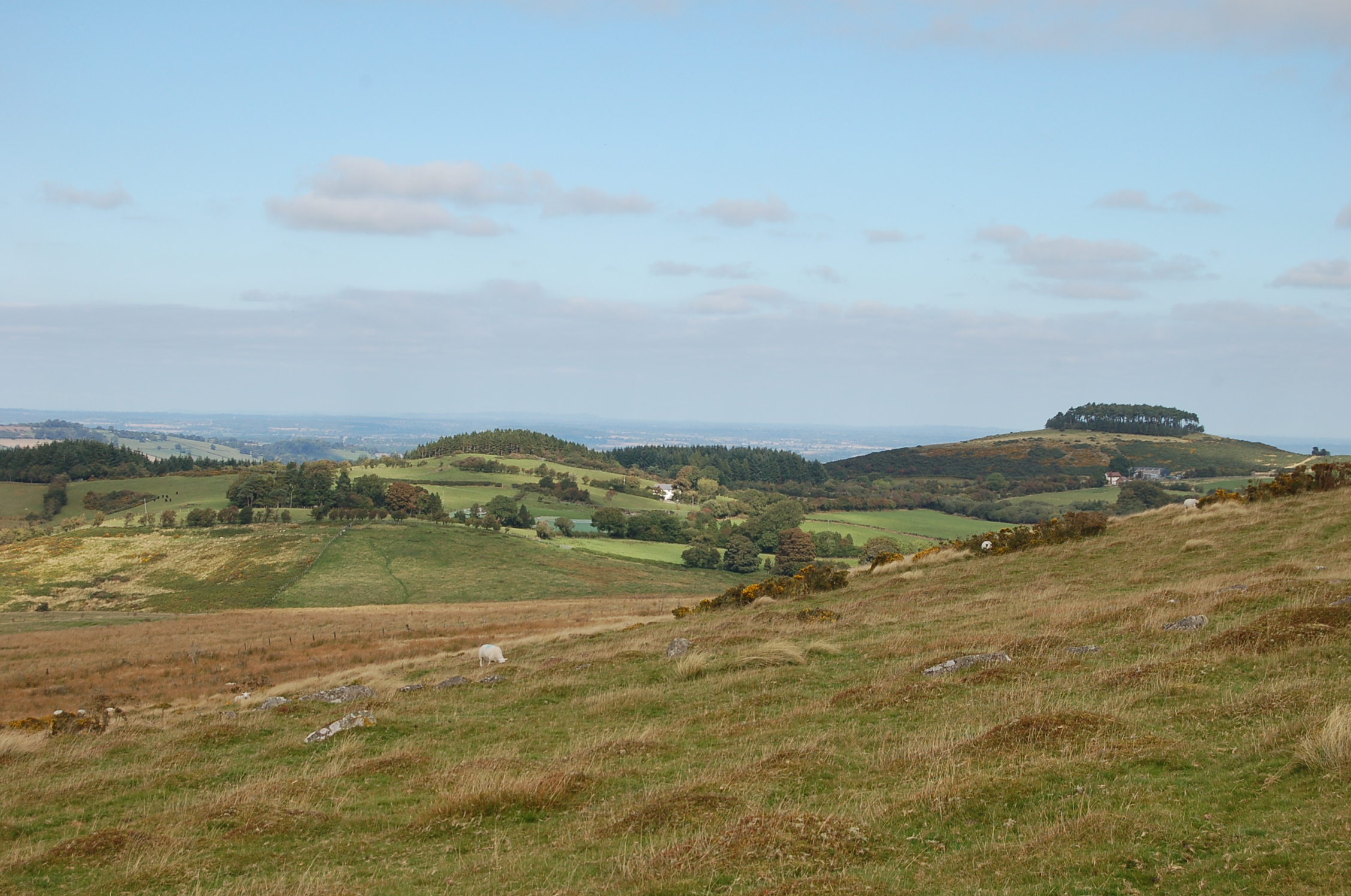
As we turned at the end of the outward leg of our trek we made our way up to the top of the ridge where we stop for refreshment at the cairn. We searched for a stone as we moved uphill as we like to follow the tradition of putting our own stone on the cairn to mark our presence. The views from the cairn wre stunning and simply huge!

2013 09 23_3522 2013 09 23_3523

Our little stone sat happily among its much larger cousins who will protect it from the extremes of our weather.

2013 09 23_3524

The coffee and fruit stop was most welcome and came at the right time as Vicky and Graham’s looks of anticipation illustrate.

2013 09 23_3525 2013 09 23_3526 2013 09 23_3527 2013 09 23_3528

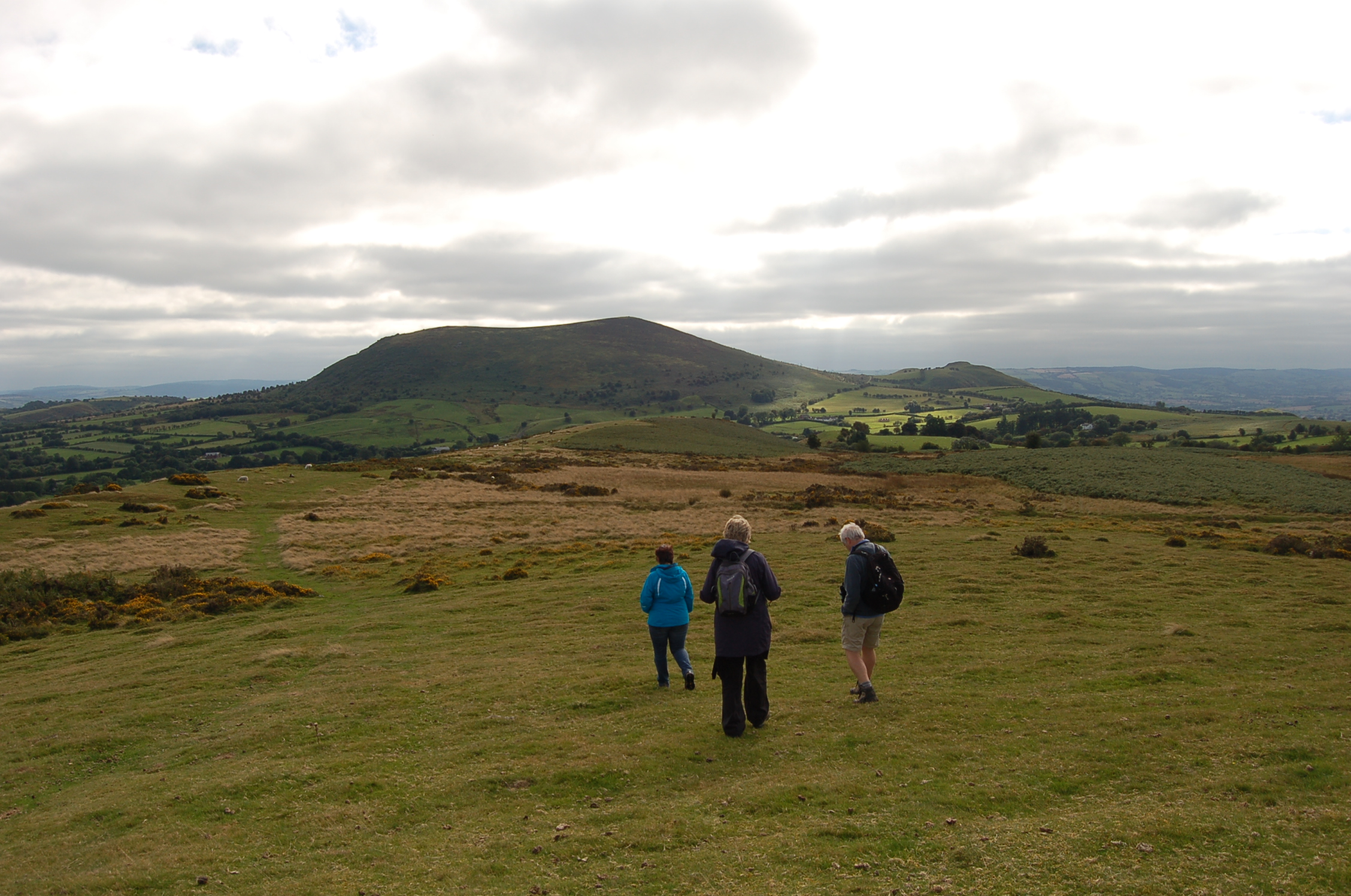
Suitably refreshed and impressed with the hill top cafe facilities we made our way along the ridge and slowly back down to the car.

2013 09 23_3531 2013 09 23_3532

On the way back down we came across an area where the bracken was glossy and shone in the afternoon sunshine, a phenomena we have not experienced before.

2013 09 23_3534 2013 09 23_3536

Categories
allotments fruit and veg garden wildlife gardening grow your own kitchen gardens recycling

Trench Composting

Trench composting is an underused way to improve your soil texture and add fertility to your soil. And it has the added bonus of getting rid of those tough old stems of spent sunflowers, sweetcorn and brassicas. We spent a day trench composting the quarter of our allotment in which we shall be growing our roots next year. Many books tell us not to add manure or humus to the patch where you are planning to grow your root crops but we have found by experience that if the trenching is carried out in early autumn it works just fine. As the depth of soil on our plot is less than a border fork deep we need to keep adding to it in an attempt to build up some depth.

The job gets started as Jude, aka Mrs Greenbench or The Undergardener, takes out a 2 foot wide trench down to the hard layer of boulder clay. I then follow on with the rotovator breaking up this hard packed layer of clay and large pebbles. It makes the rotovator work hard and it jumps and lurches around at the bottom of the trench. By doing this we hope to gain depth and let worms and other creatures of the soil work in the humus we will be adding. While the rotovator turns up the stones and pebbles we collect them up to use as a stonepile, a beetle shelter. The beetles are useful predators who will help in our pest control.

2013 10 01_4074 2013 10 01_4075 2013 10 01_4076

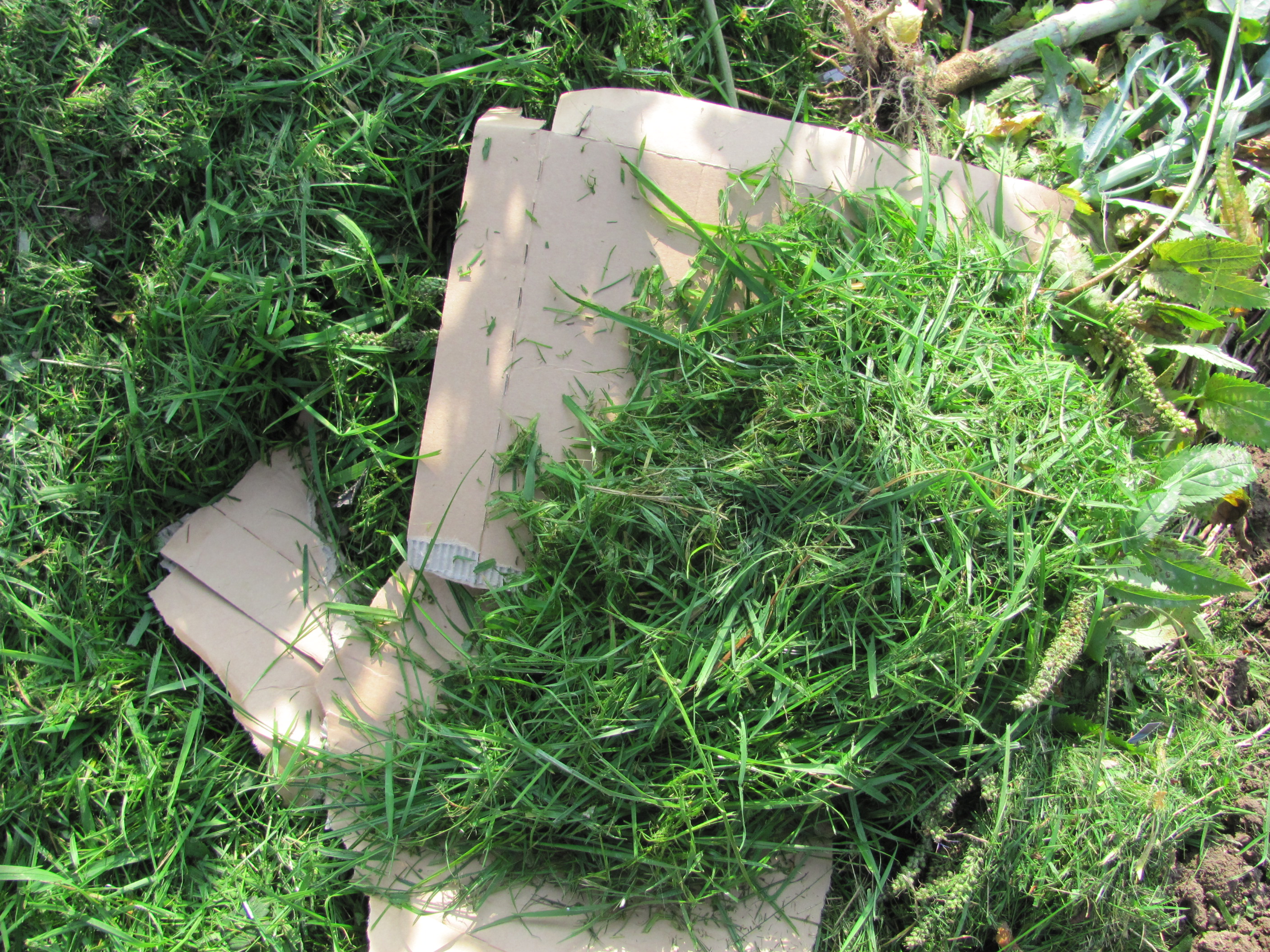
Green waste from the spent crops on the plot are then placed all along the bottom of the trench, with the tougher material needing chopping with a sharp stainless steel spade. Even the toughest of green waste such as brassica stalks, sunflower stems and sweetcorn stalks will break down in the depths of the trench. We also add shredded paper (only non-glossy), torn card board and lawn mowings.

2013 10 01_4077 2013 10 01_4078

2013 10 01_4080 2013 10 01_4082 2013 10 01_4083

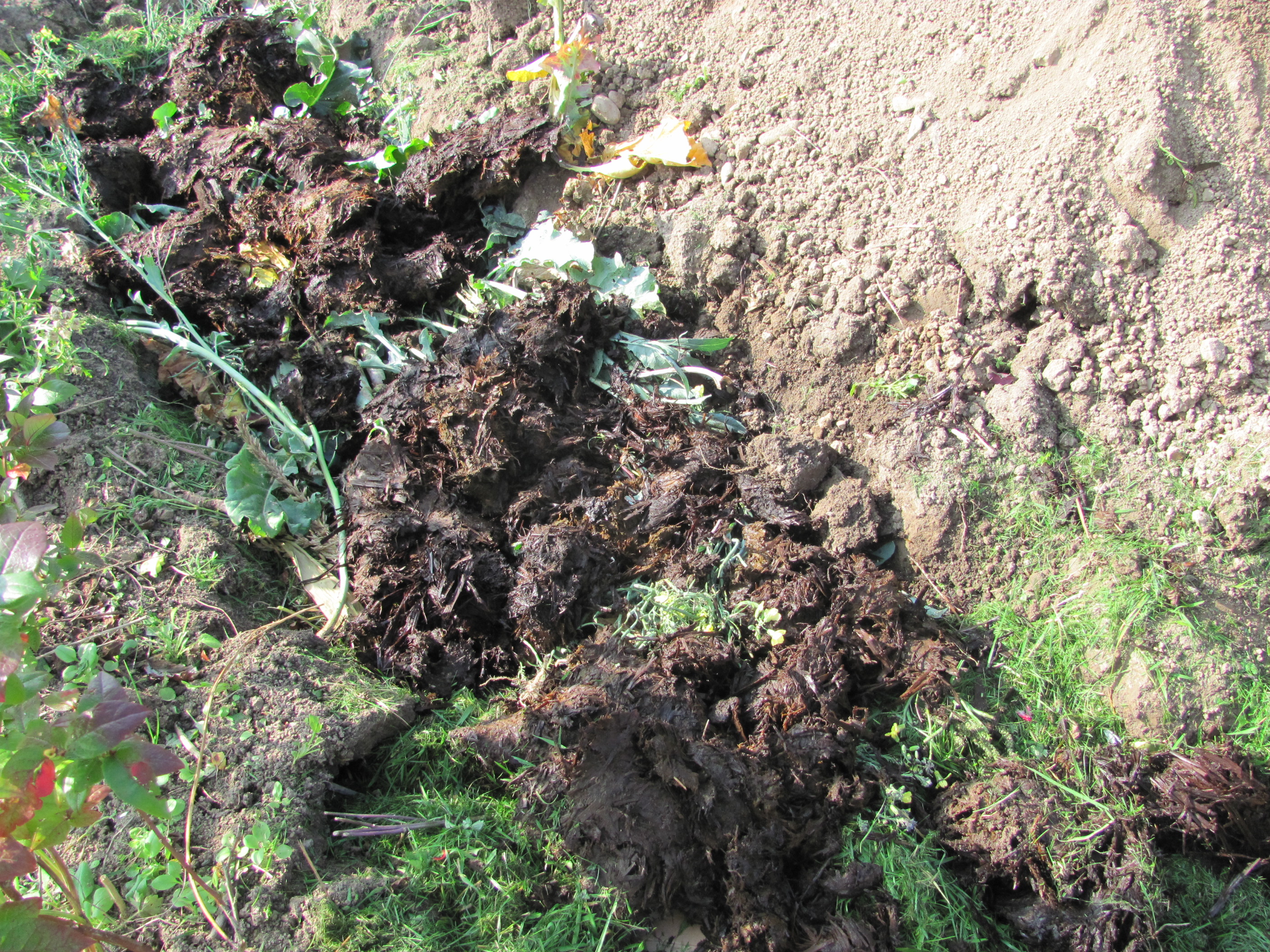
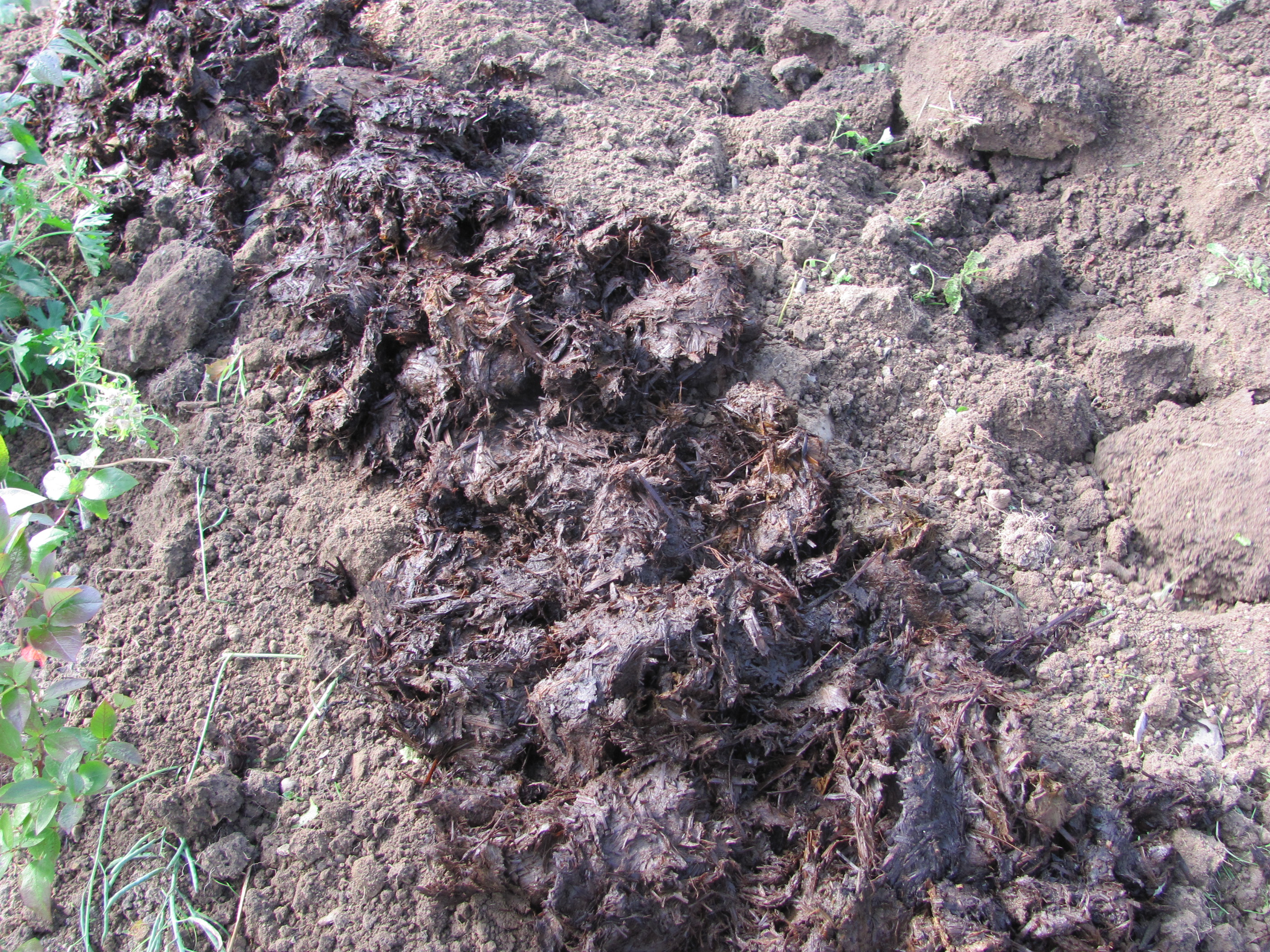
To further improve soil texture and add more nutrient value we  mix in a barrow load of quality farmyard manure.We find this encourages the soil critters to get going.

2013 10 01_4084 2013 10 01_4085

To finish Jude replaces the soil over the top of the material in the trench and as a final touch we add a thick mulch of farmyard manure.

2013 10 01_4086 2013 10 01_4087 2013 10 01_4088 2013 10 01_4089

We then hand the trench with its added ingredients over to the creatures of the soil. When we trench again in a few years time all that material will have totally broken down.

We carry on by digging out another trench alongside the first and keep moving over the area until it has all been trenched. We have our plot divided into four sections to allow for crop rotation so we trench one or two sections each year. This method of composting is a very efficient way of recycling green waste including the tough materials often thrown in refuse bins. Plants grown in the richly textured and nutrient rich soil will grow strongly and therefore be healthier so will be better able to cope with attacks from pests and diseases.

Categories
autumn autumn colours climbing plants colours flowering bulbs fruit and veg garden design garden photography gardening grasses grow your own half-hardy perennials hardy perennials light light quality ornamental grasses ornamental trees and shrubs shrubs succulents trees village gardens

A Garden Bouquet for September

September is the month when the first signs of autumn creep in and there is something special happening to the light. Misty mornings give the garden a fresh atmosphere. Darkness comes too early each day. Fruit picking is the order of the day and we get out our pruning kit, secateurs, pruning saws and loppers large and small to tackle the trees and shrubs.

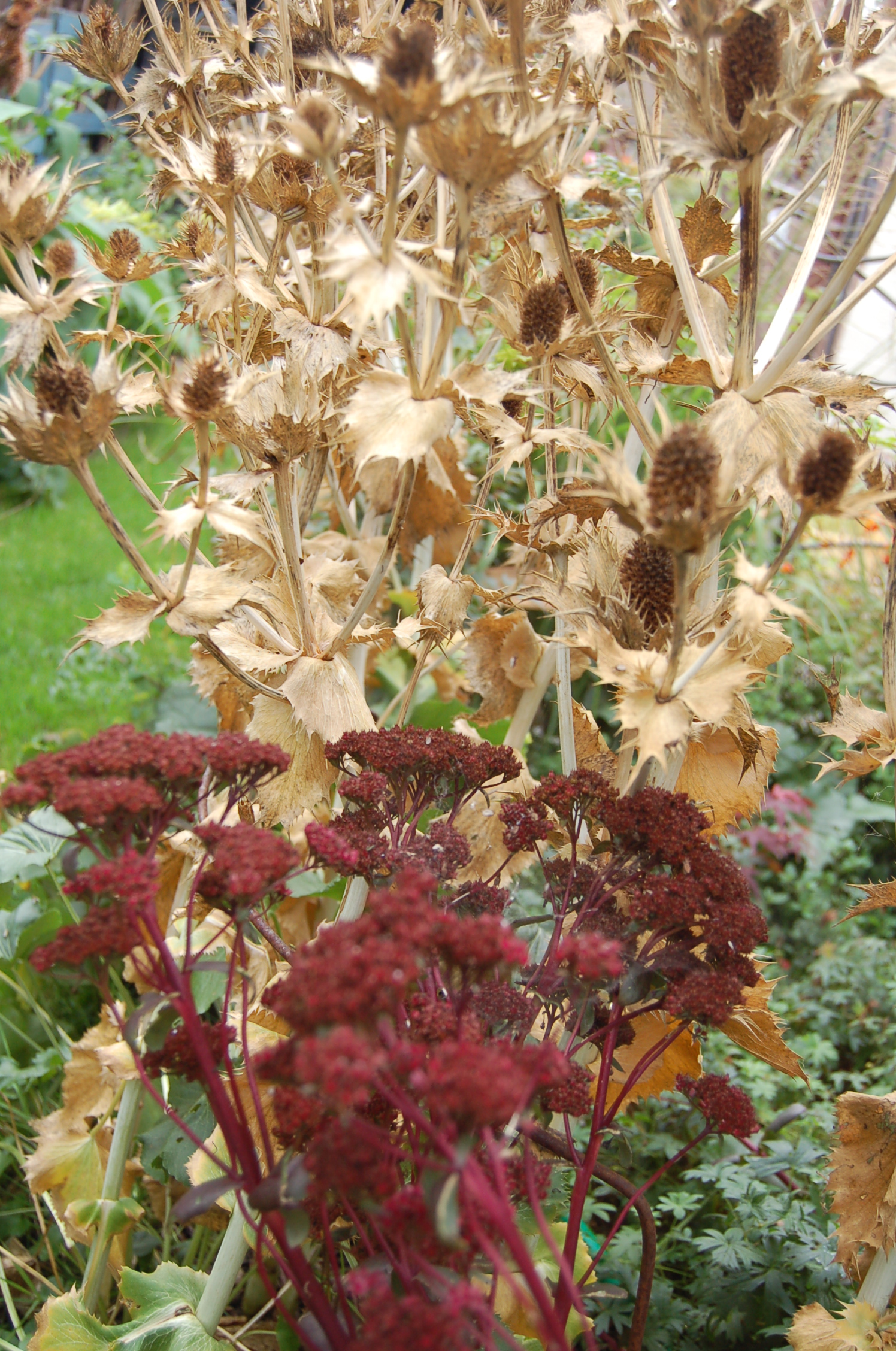
Grasses begin to change colour, some flowers and seed heads are turning redder and more purple others towards the pale tints of biscuit.

2013 09 27_3768 2013 09 27_3769 2013 09 27_3770 2013 09 27_3771

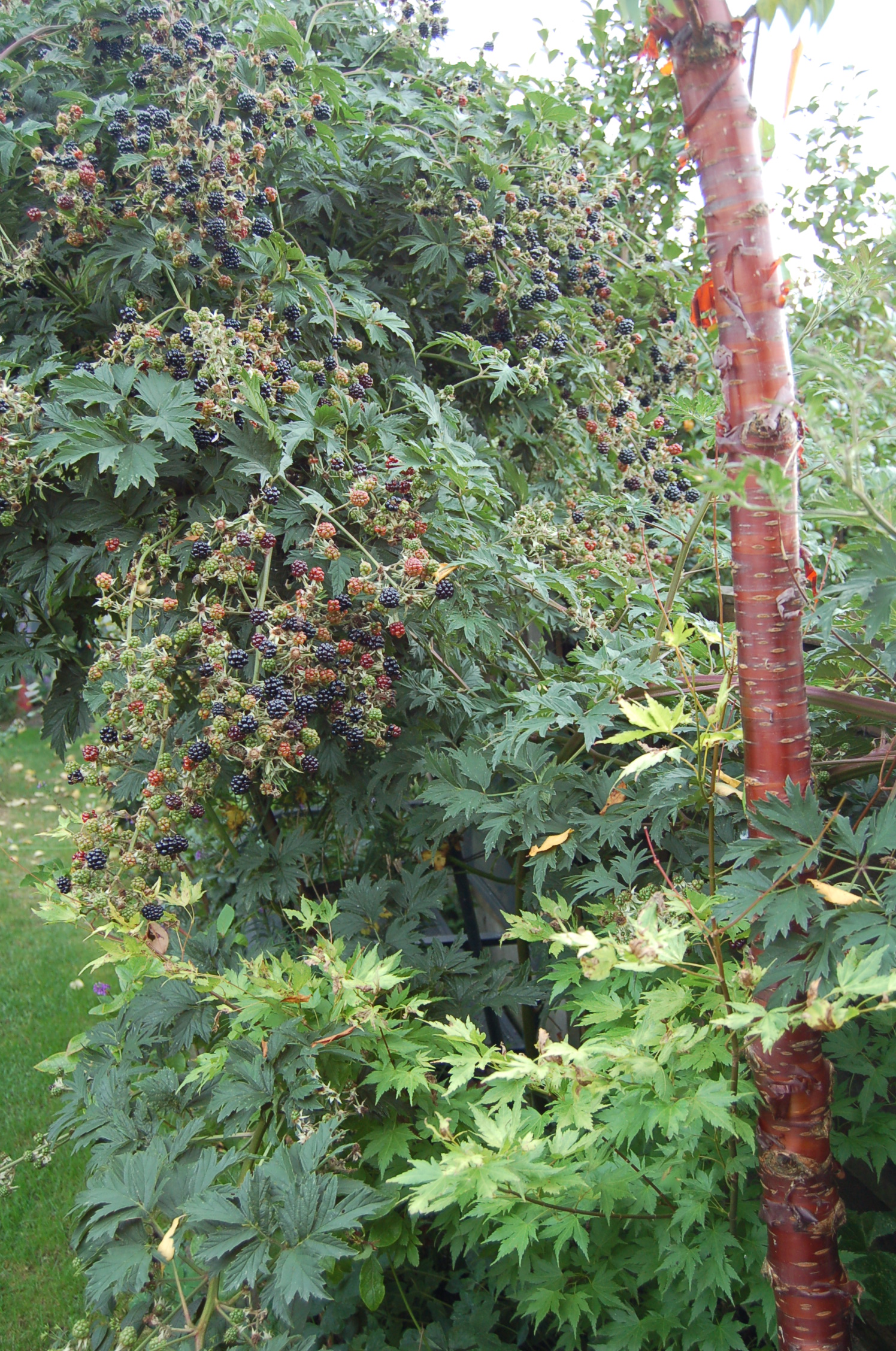
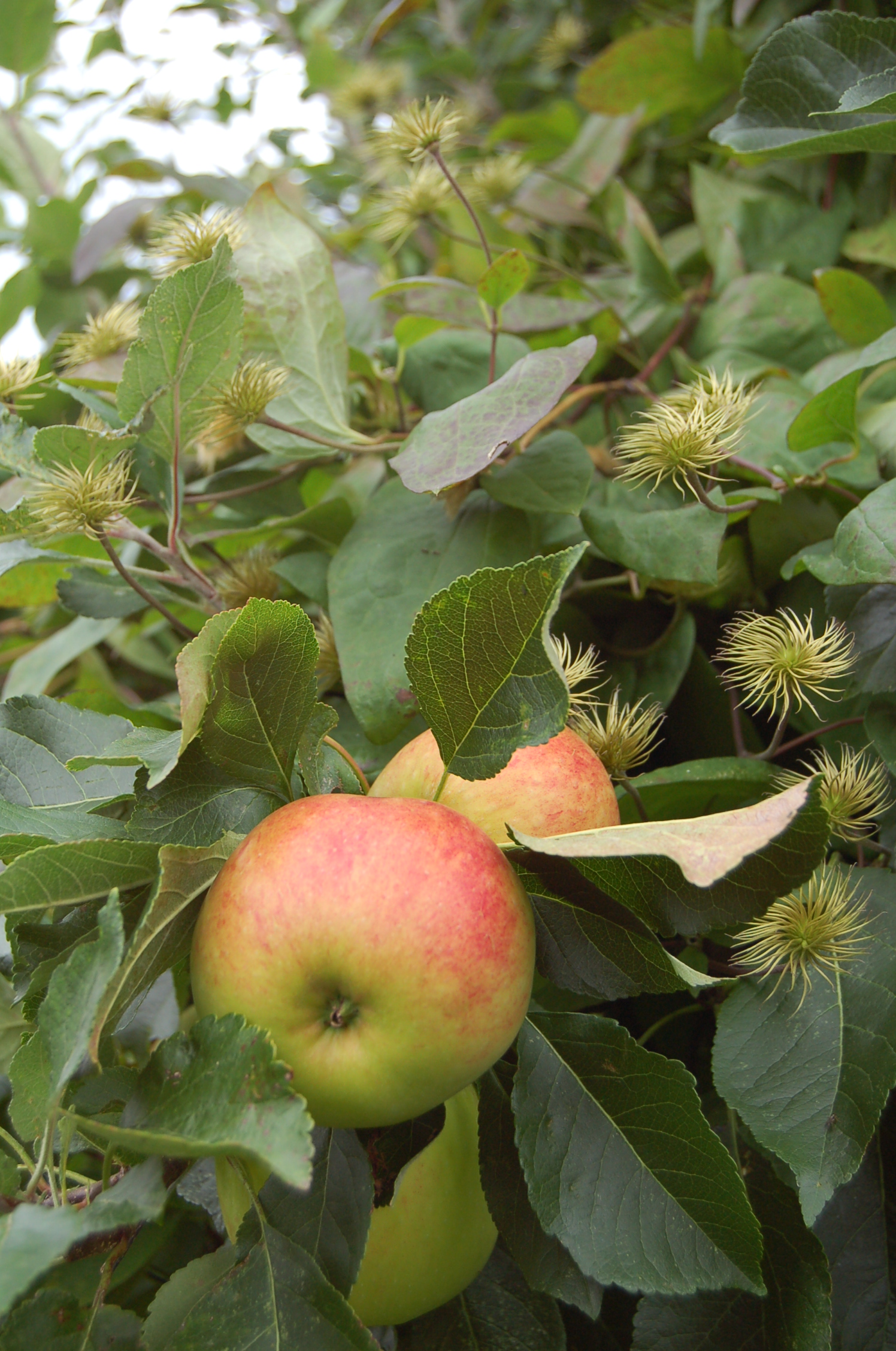
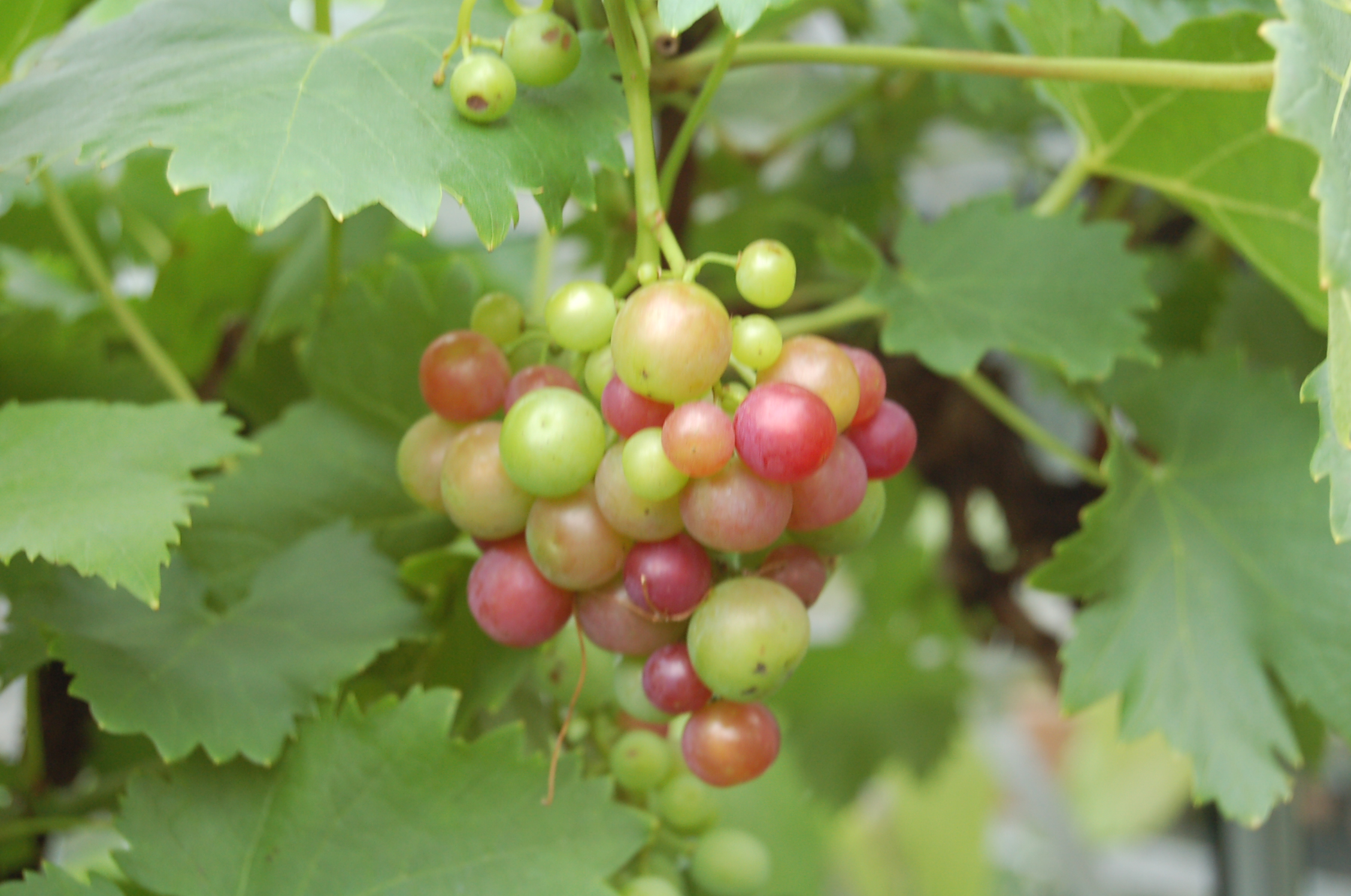
The Blackberry vine is so heavy with fruit that it blocks the pathway and apples hang in thick bunches but seem slow to ripen. At last colour is creeping into the greenness of the grapes. Fingers crossed that the weather is kind to them and therefore kind to us.

2013 09 27_3772 2013 09 27_37732013 09 27_3777

2013 09 27_3774 2013 09 27_3776

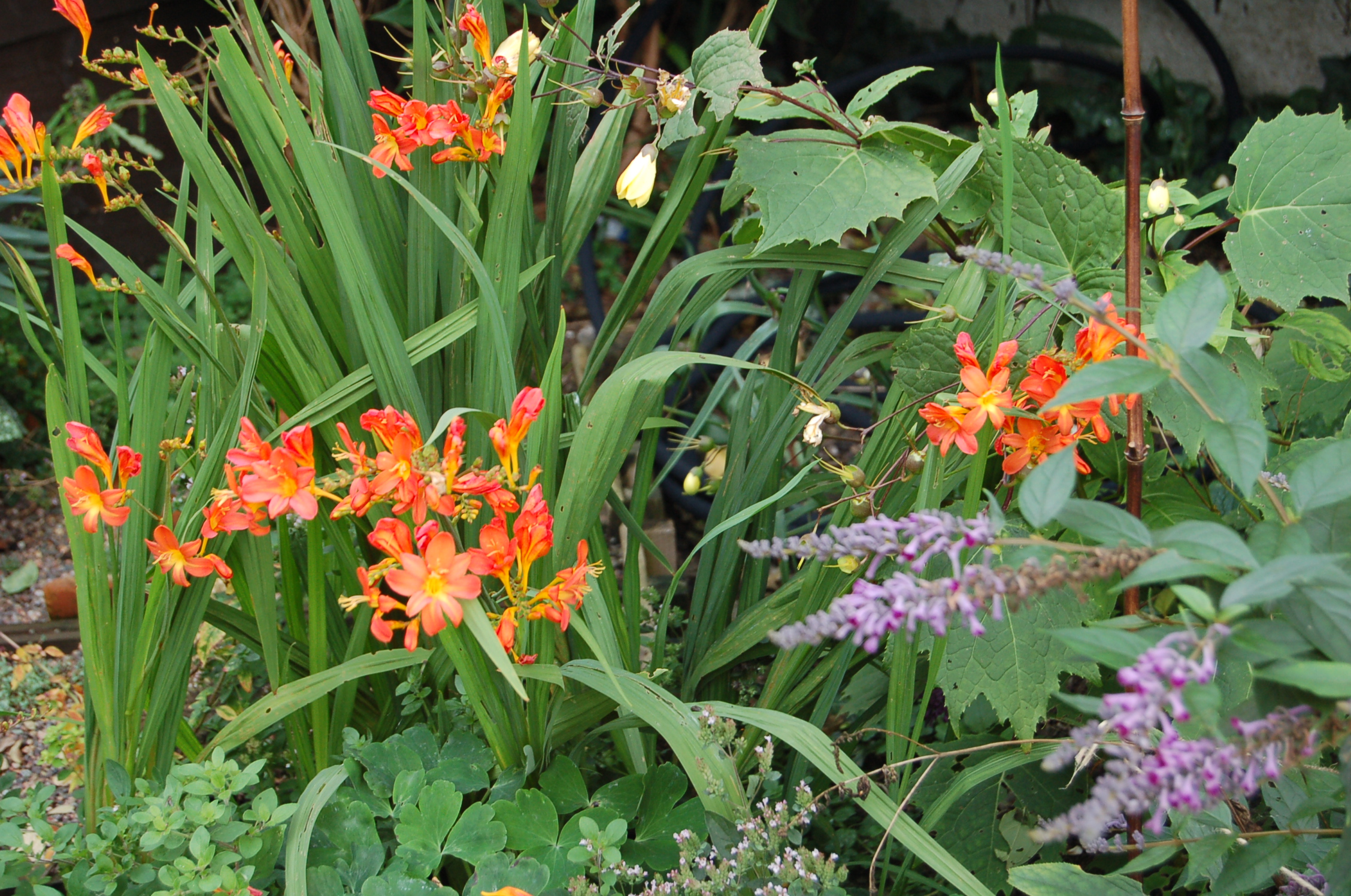
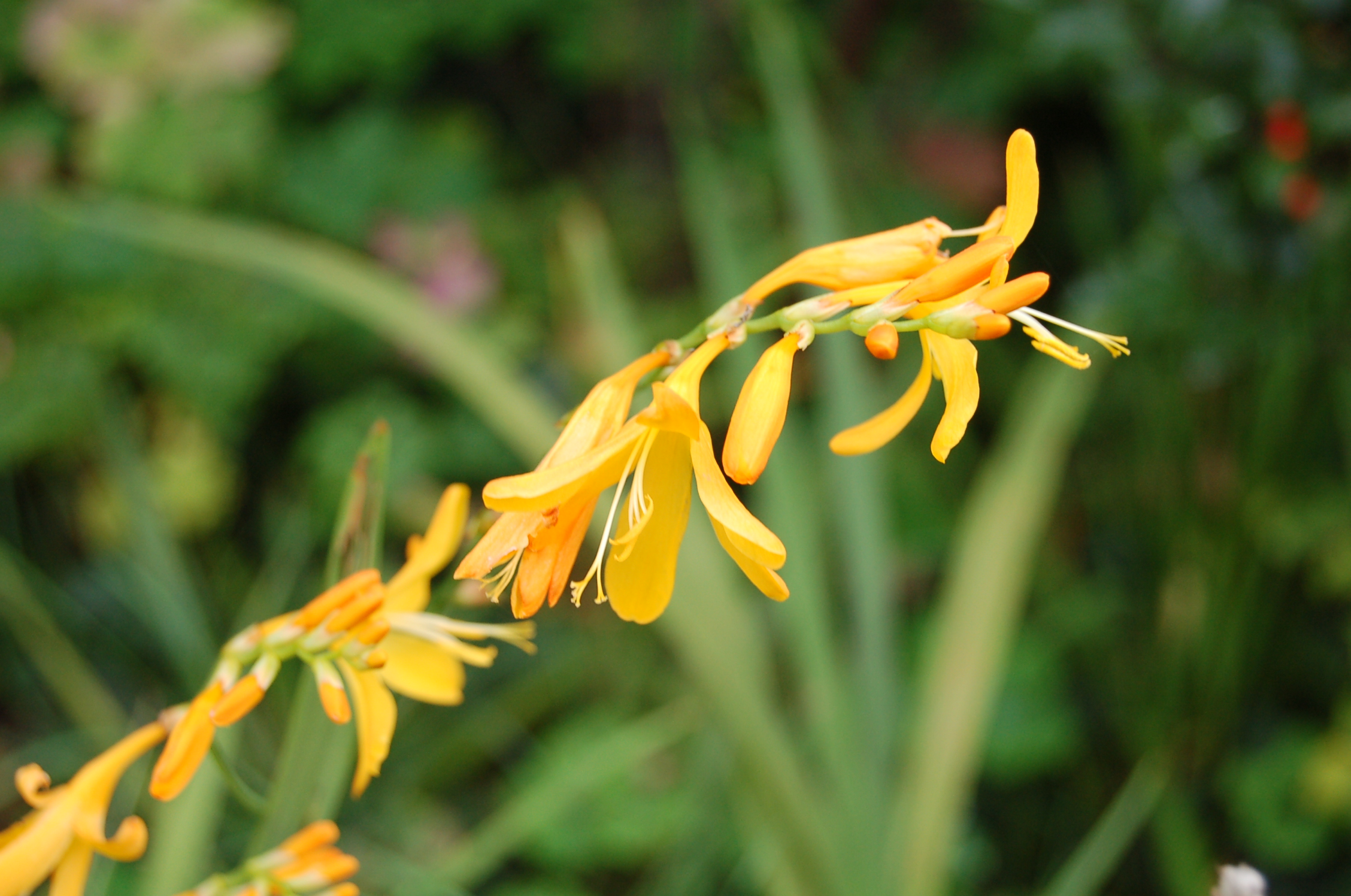
This Buddleja is a special one with purple flowers at the tip of each arching branch. The out side of each individual flower is dusty purple-grey but the rich bright purple inside provides a beautiful contrast. Buddleys lindleyana is a very special shrub. A real favourite! And it looks even better alongside a bright orange neighbour in the guise of a Crocosmia. While we are on the subject of bright flowered Crocosmia the yellow one nearby is gentler but still a true bright beauty.

2013 09 27_3778 2013 09 27_3713

2013 09 27_3714

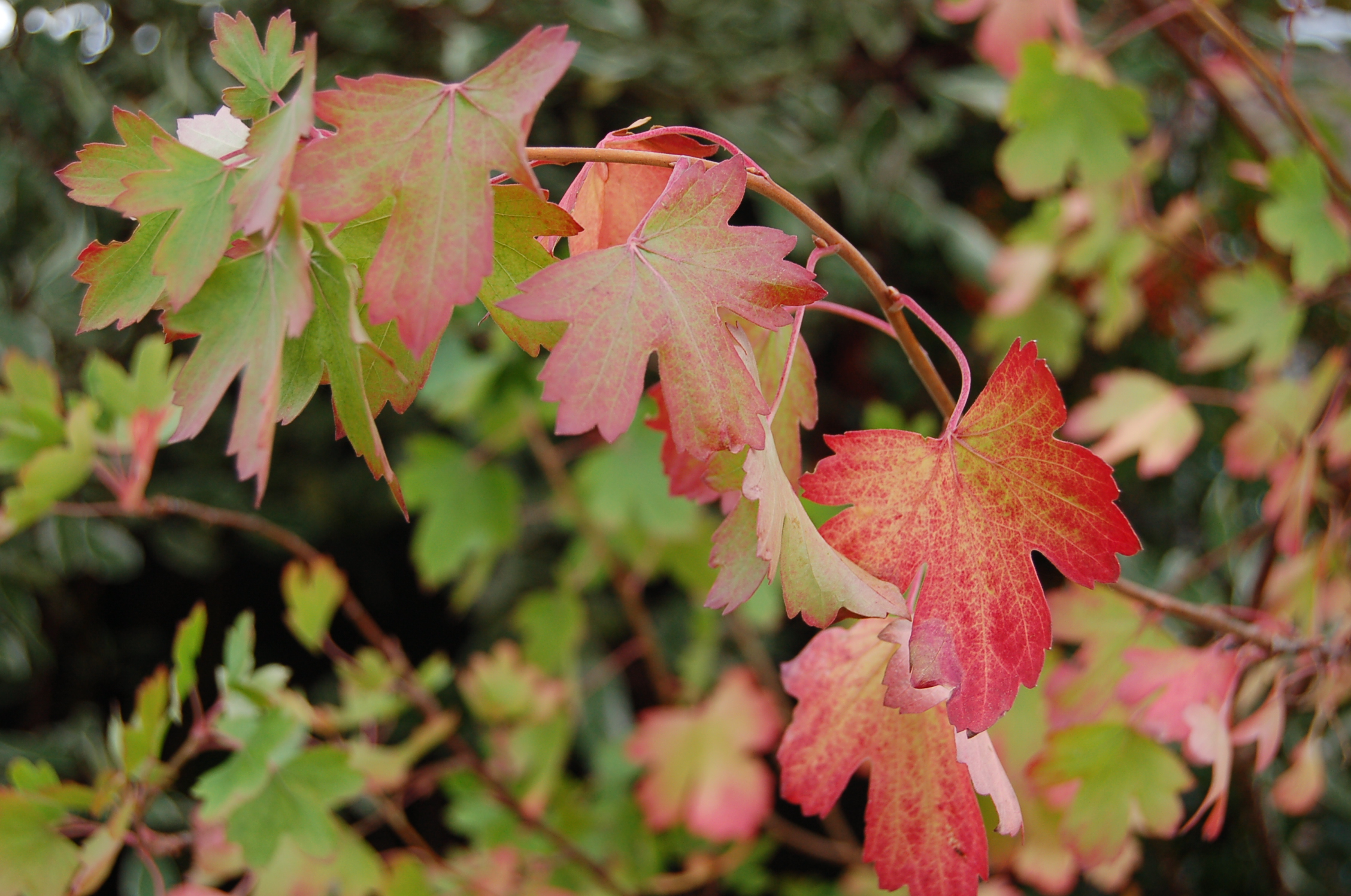
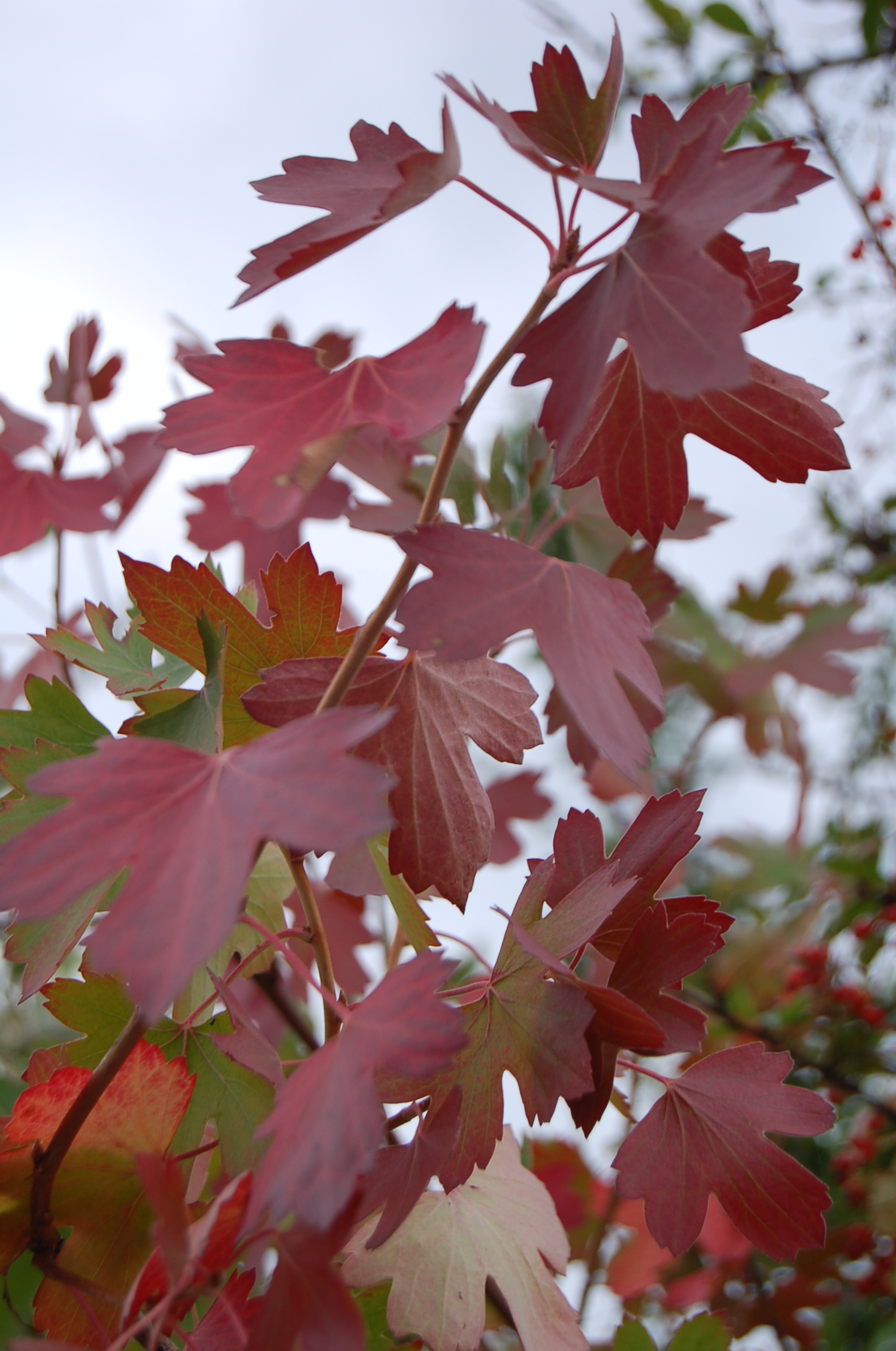
Shrubs and trees are thinking ahead to the winter and painting their leaves in reds, oranges and yellows. The first two photos are of a special Ribes which will give us yellow flowers in the winter. These are followed by deciduous varieties of Euonymus and Cercis “Forest Pansy”.

2013 09 27_3715 2013 09 27_3716

2013 09 27_3719 2013 09 27_3721

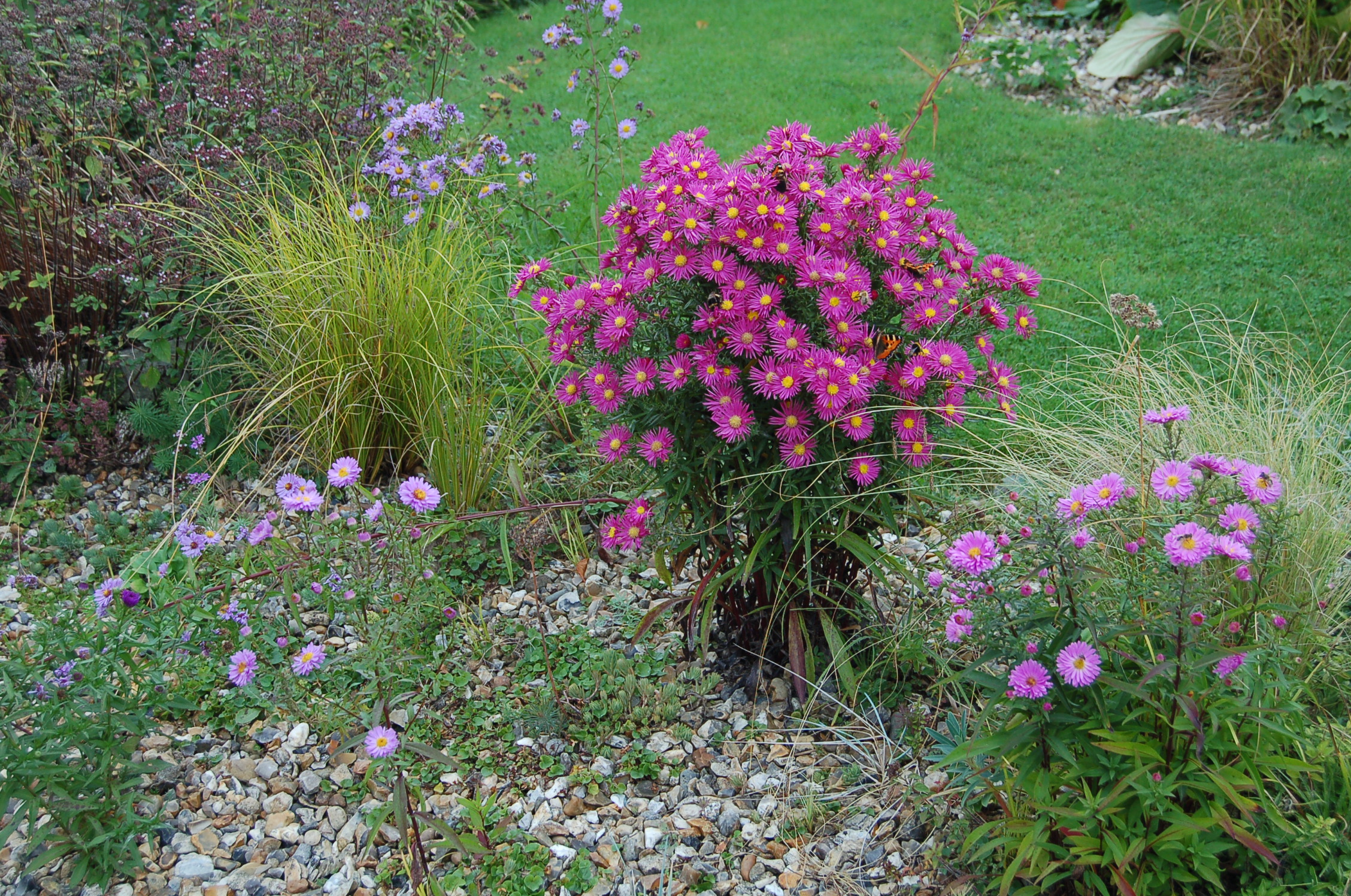
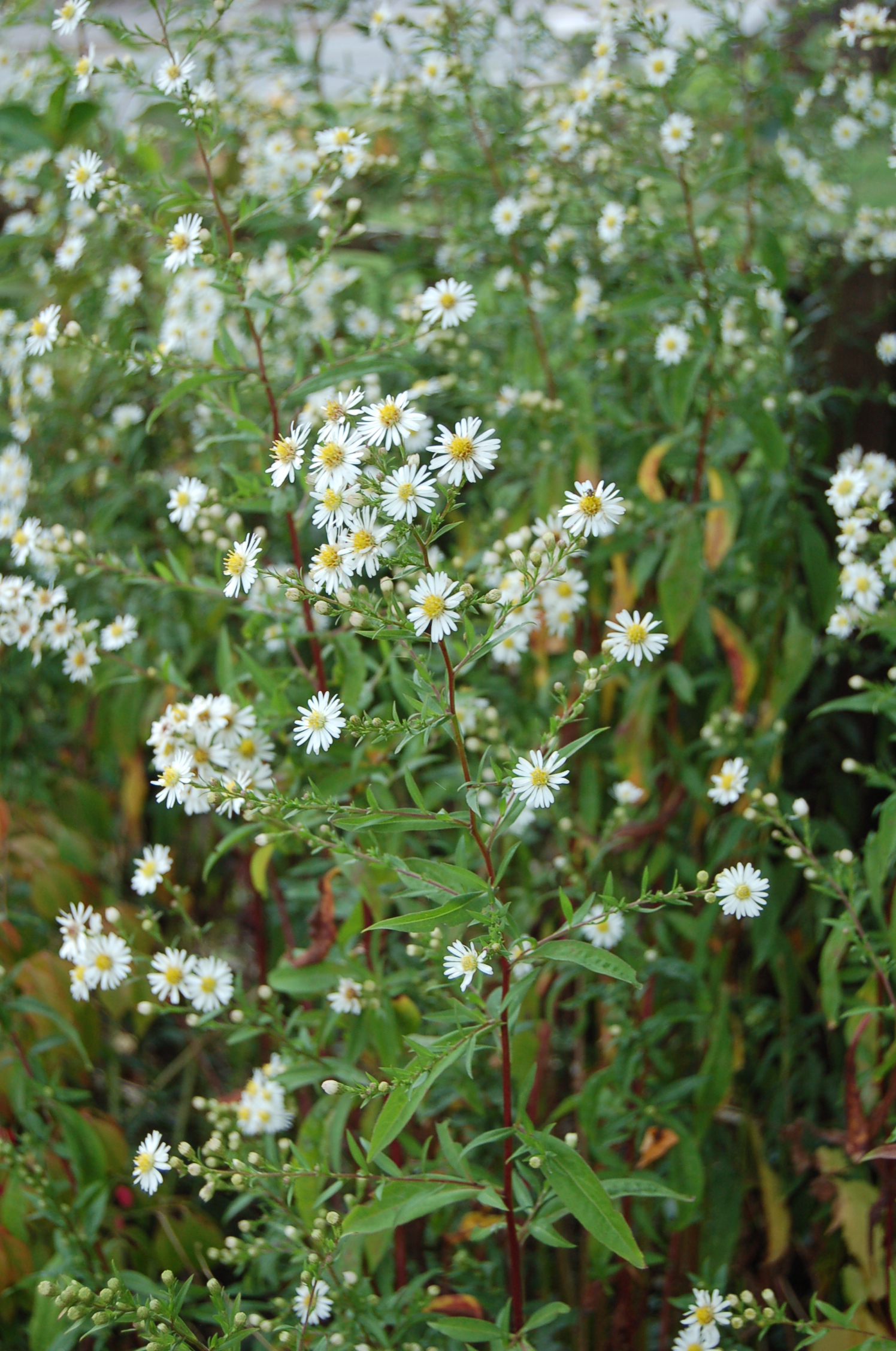
On the gravel garden, our Beth Chatto Garden, grasses are starring alongside the autumn stars, Michaelmas Daisies.

2013 09 27_3717 2013 09 27_3718  2013 09 27_3720  2013 09 27_3722

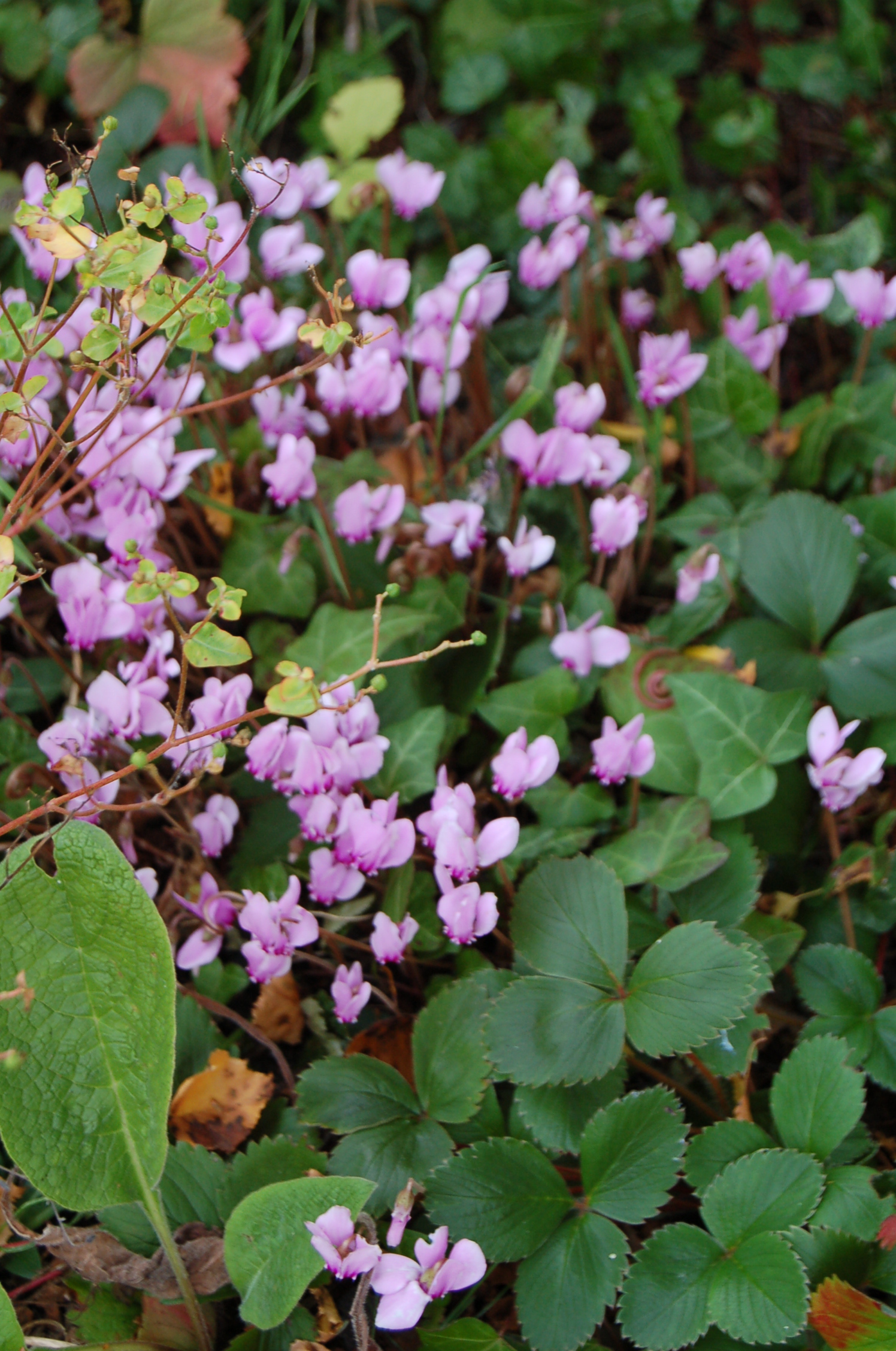
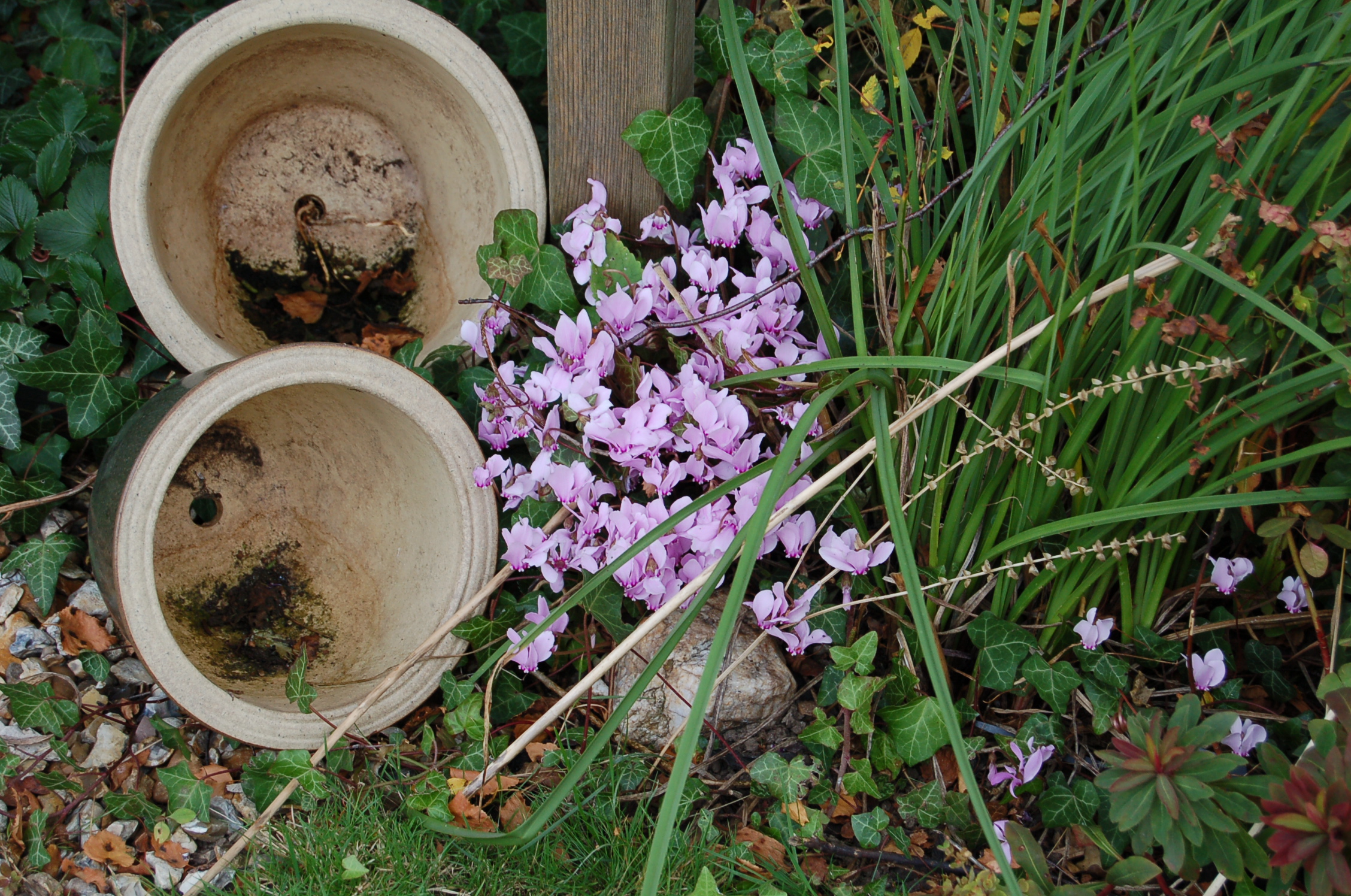
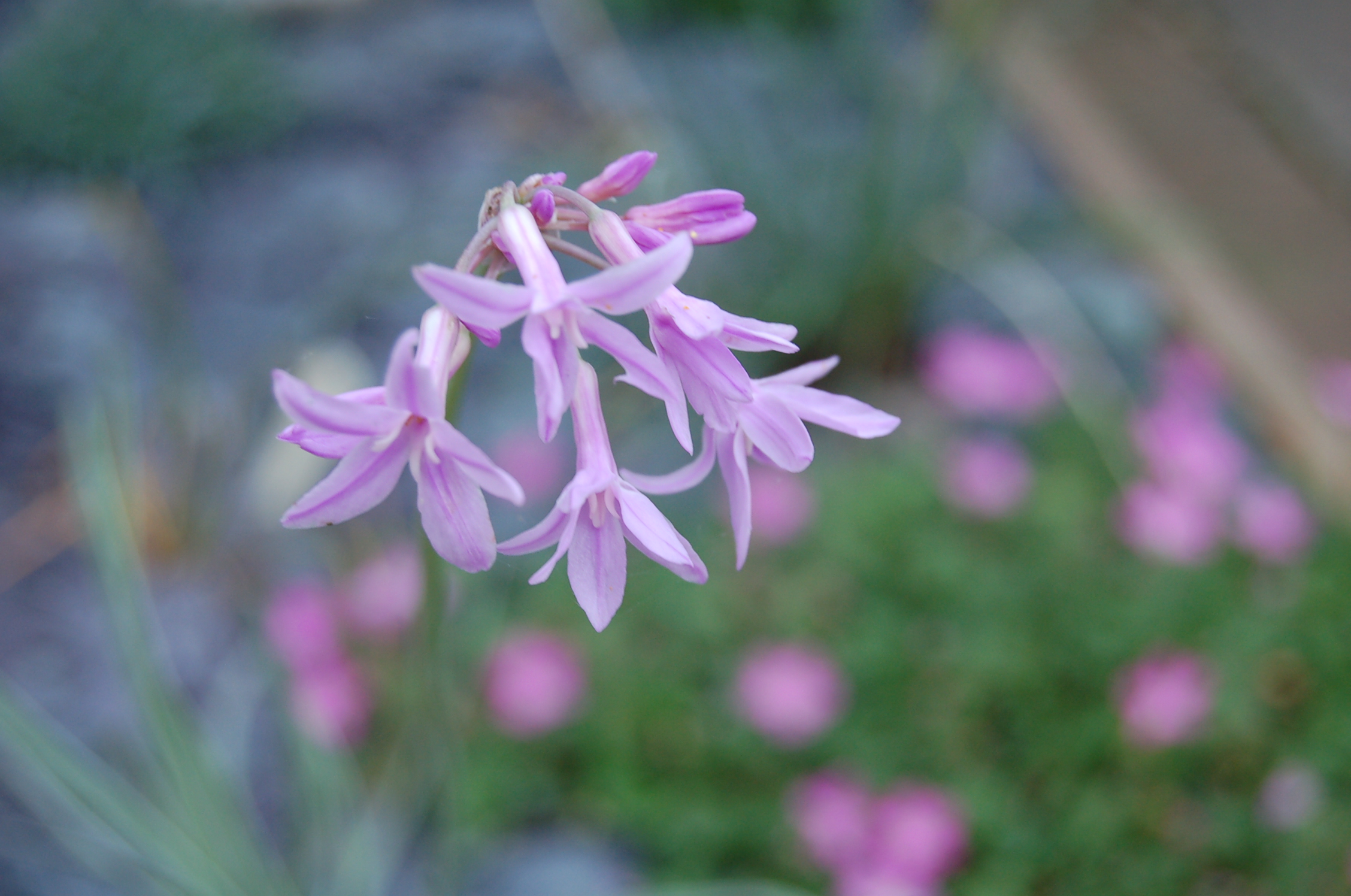
Bulbs usually mean late winter or early spring but these cyclamen and tulbaghia are showstoppers right now.

2013 09 27_3723 2013 09 27_3724 2013 09 27_3729

So off we go into autumn!

Categories
Uncategorized

An Old Rectory Garden in Herefordshire

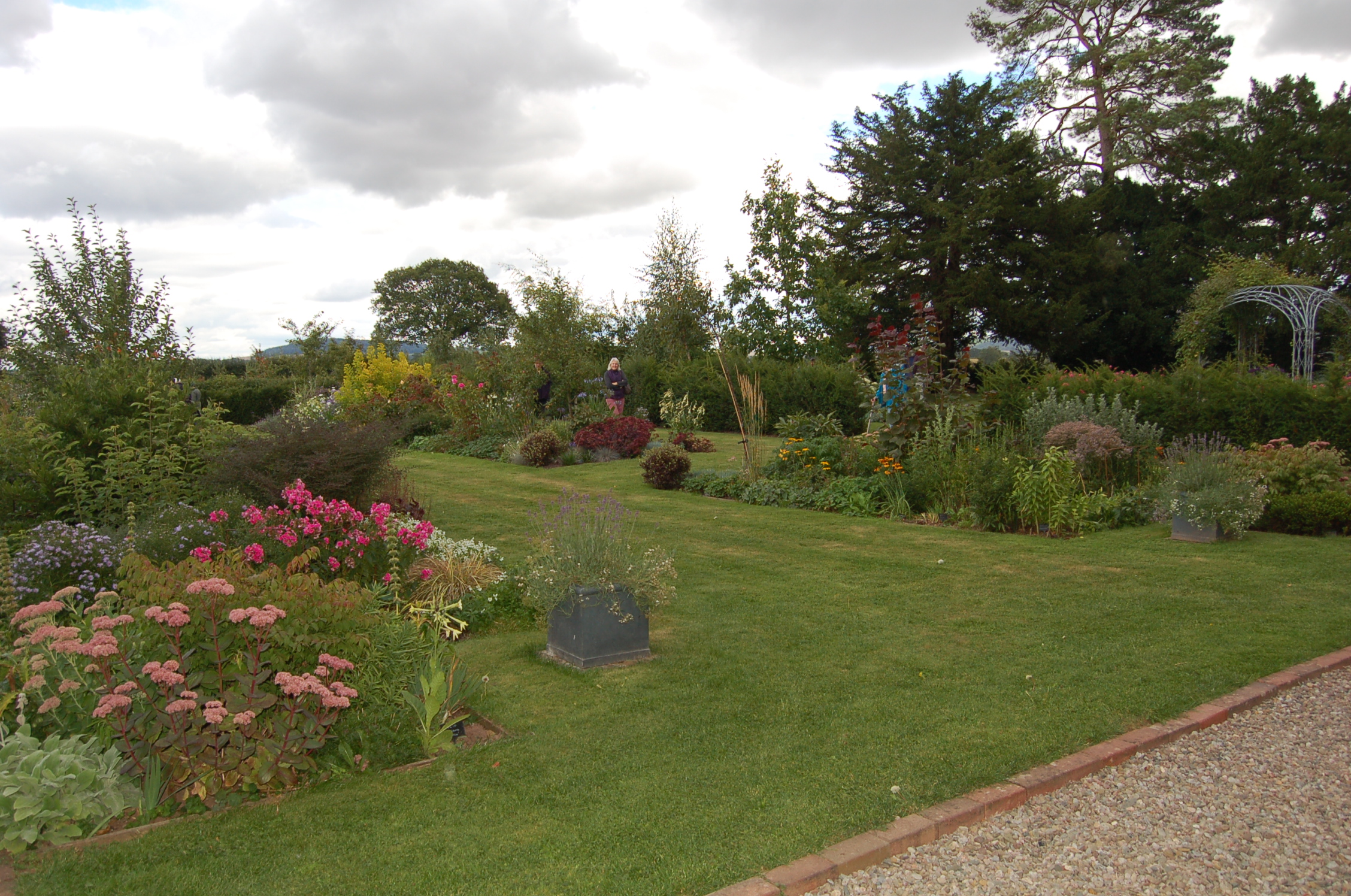
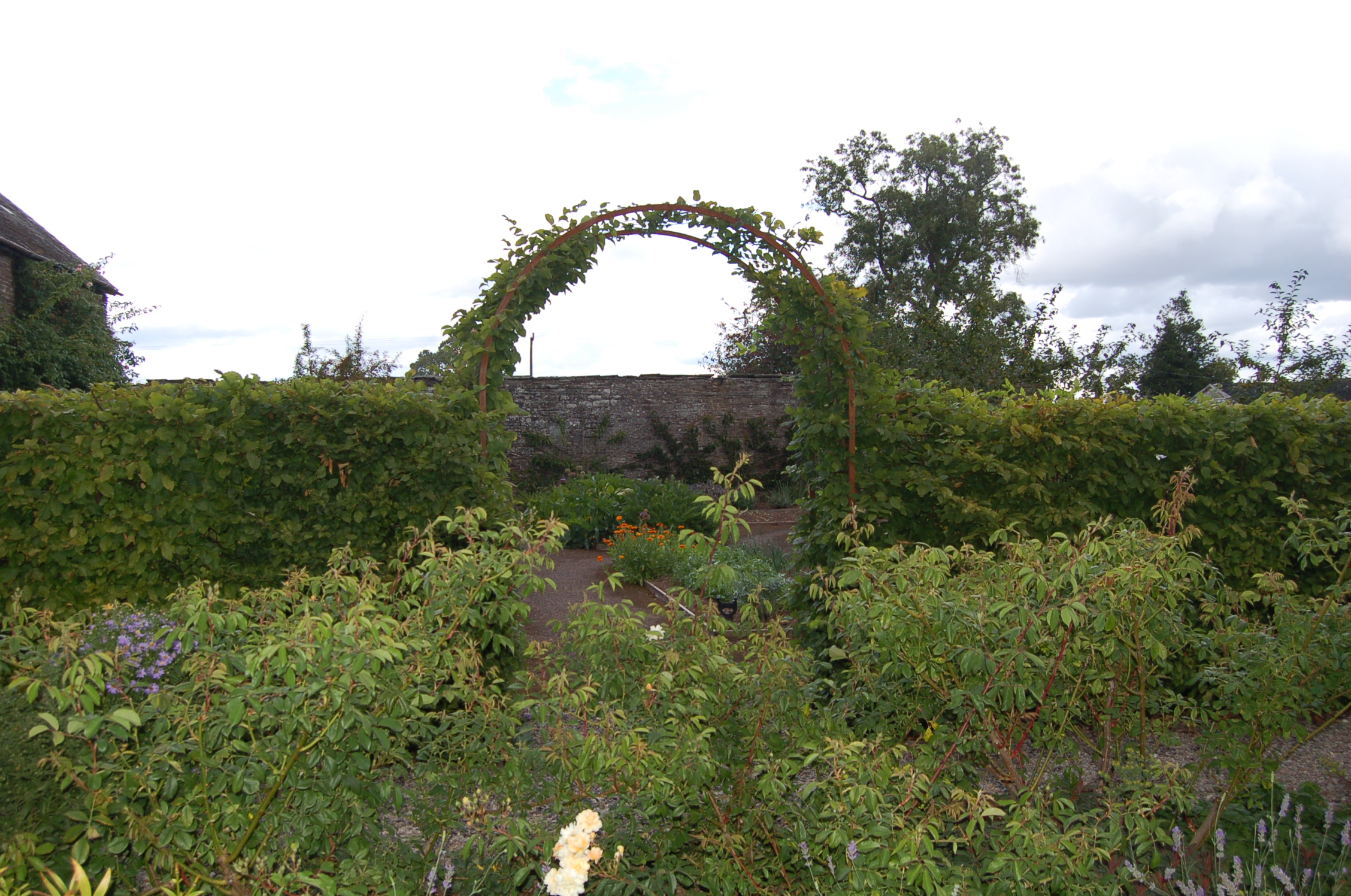
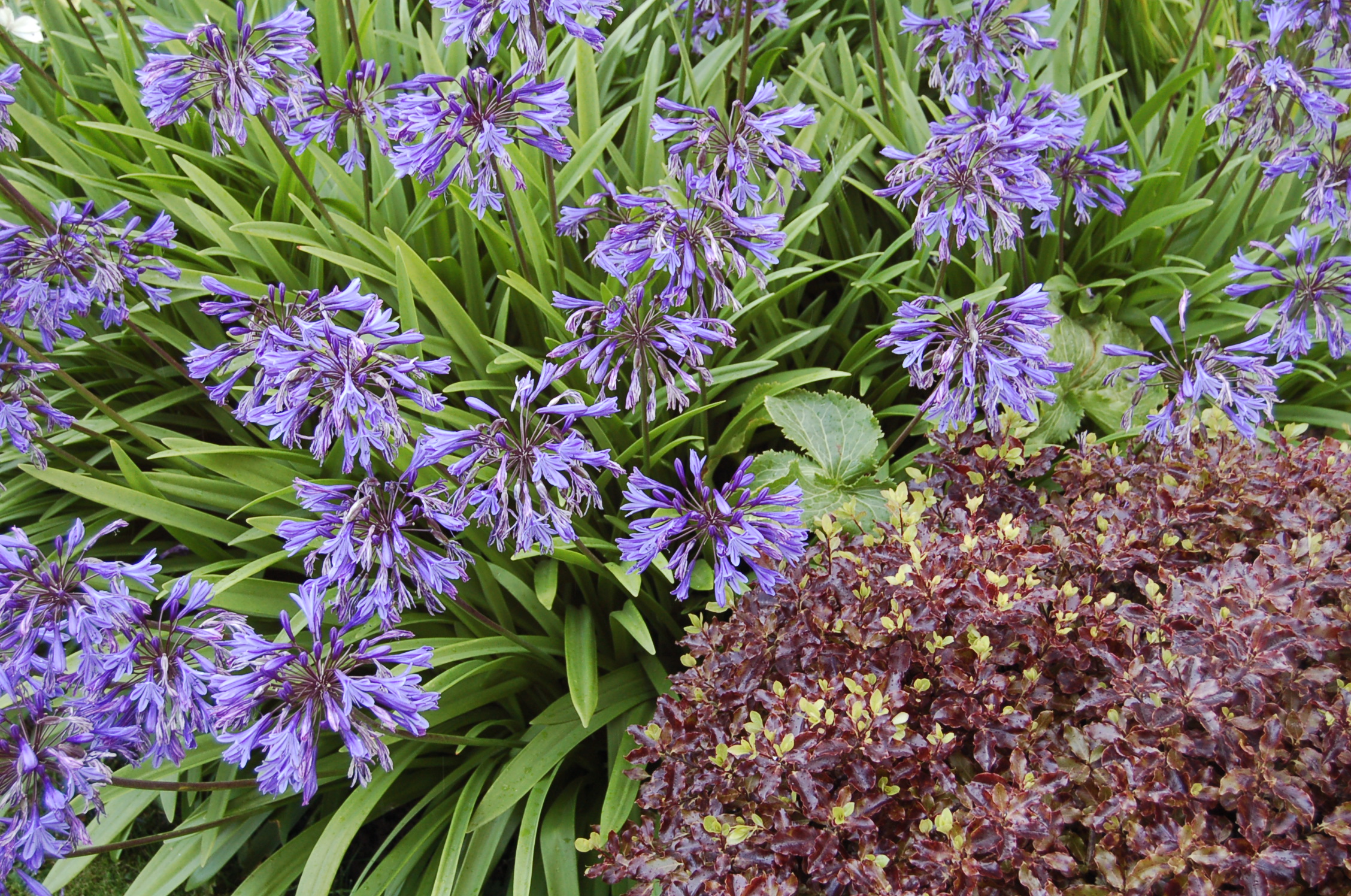
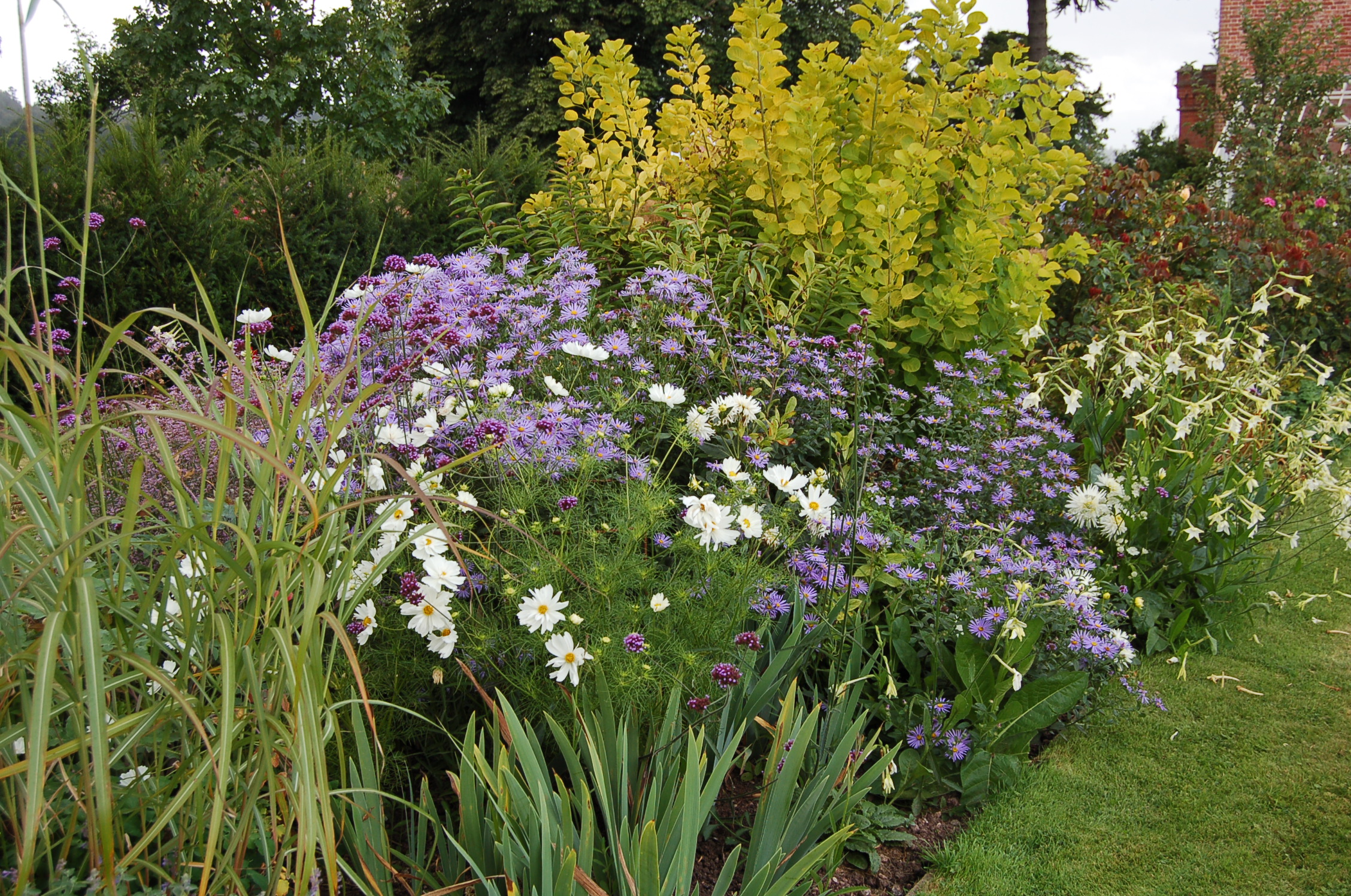
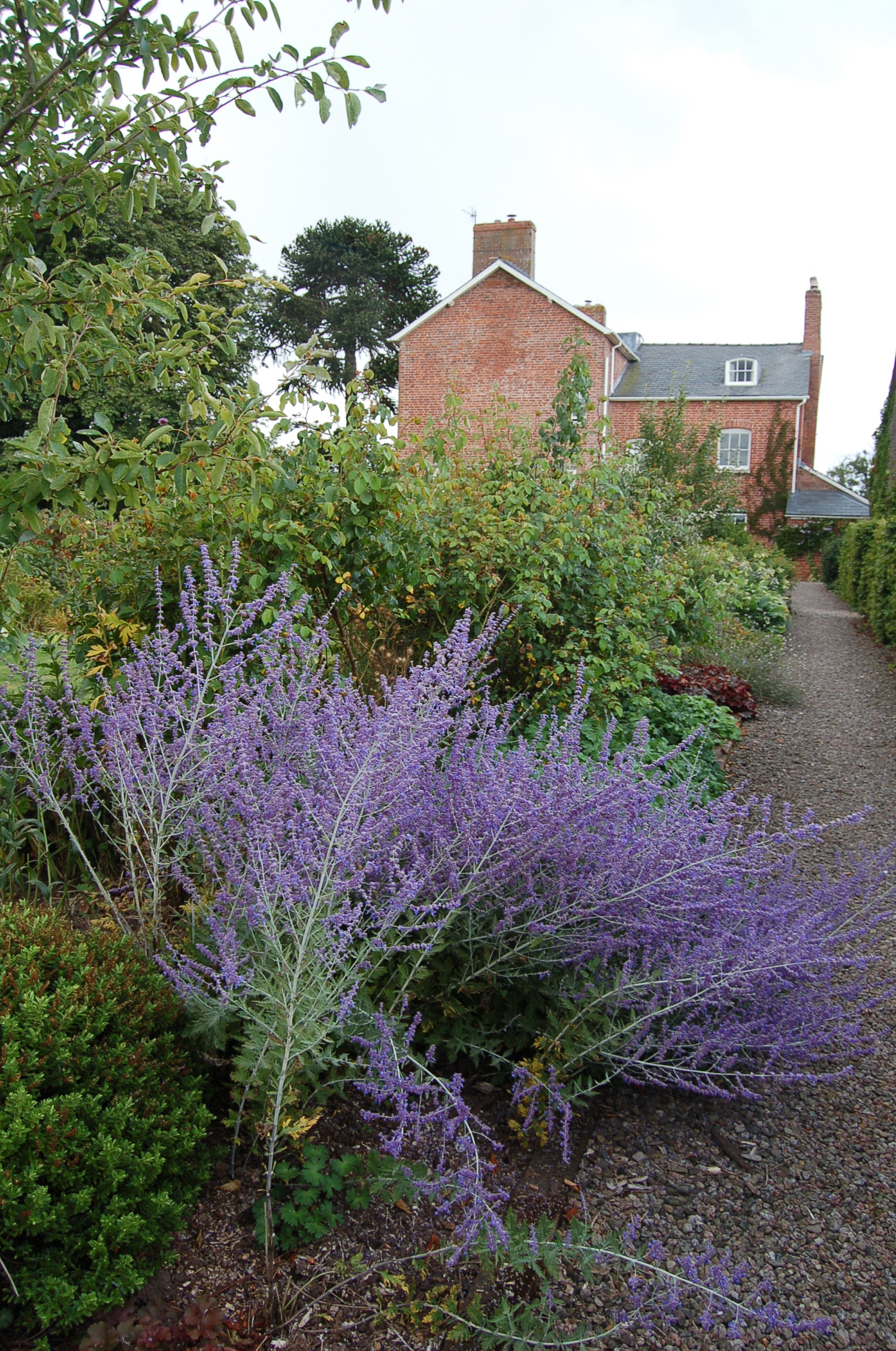
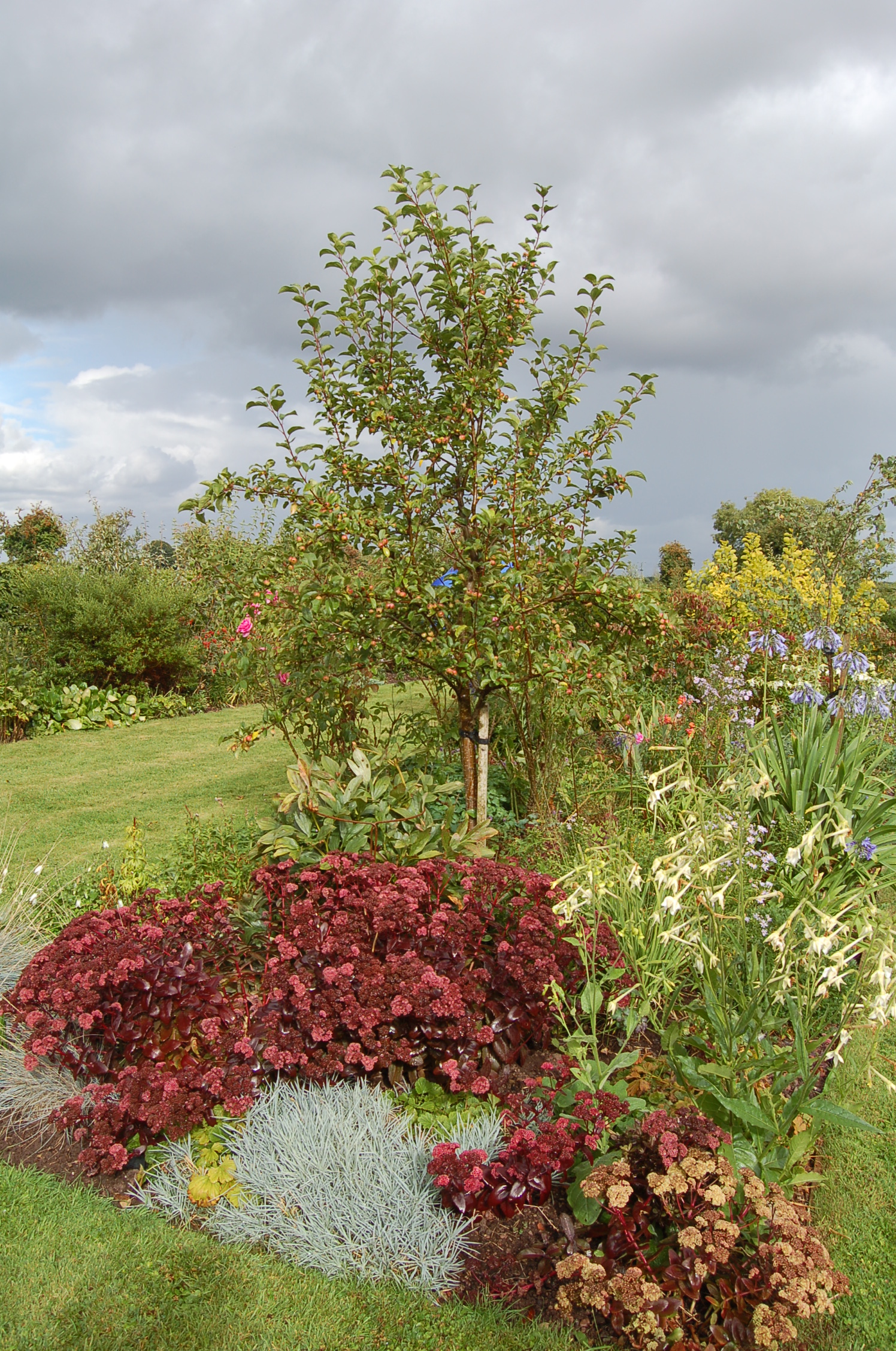
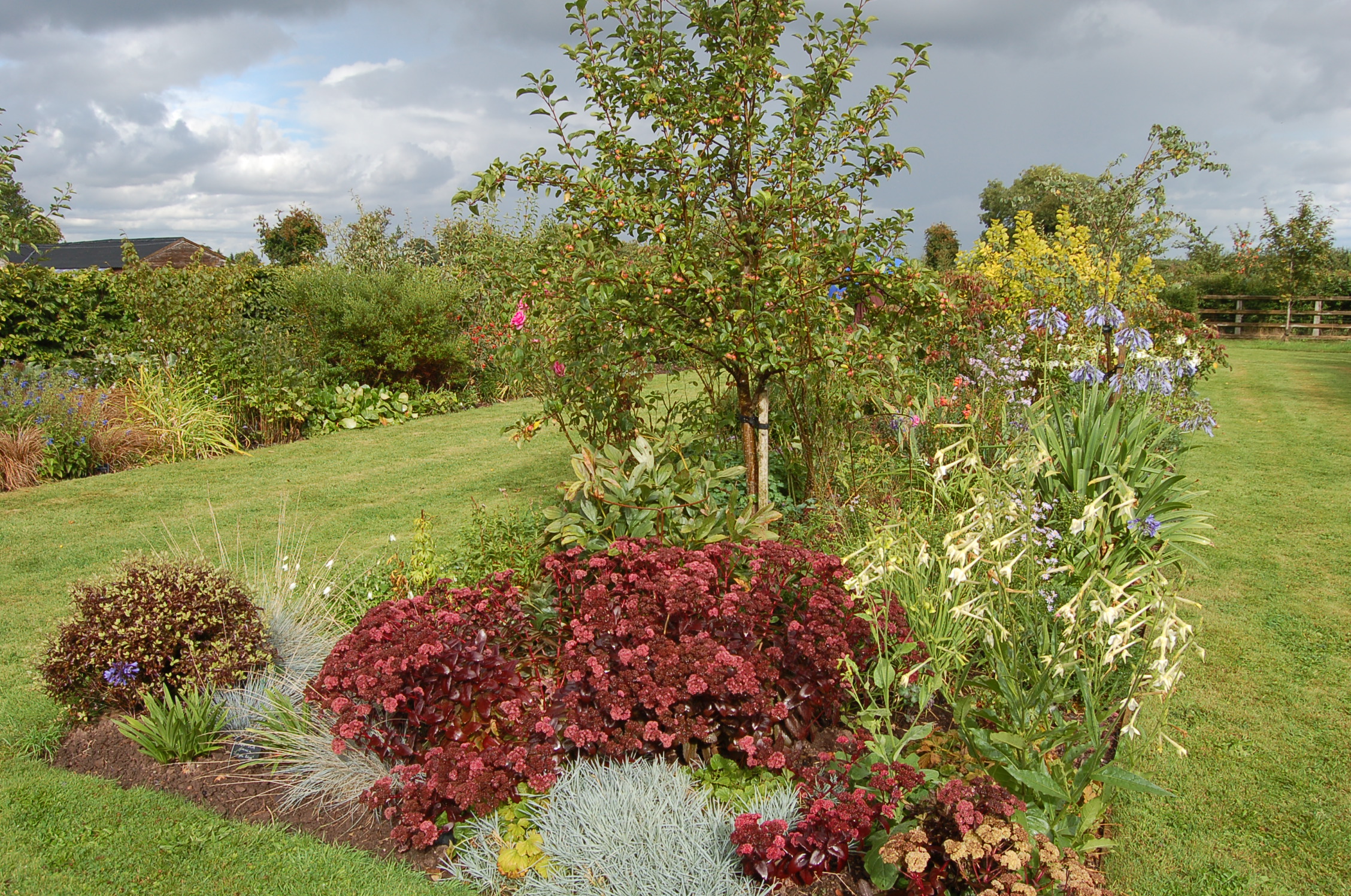
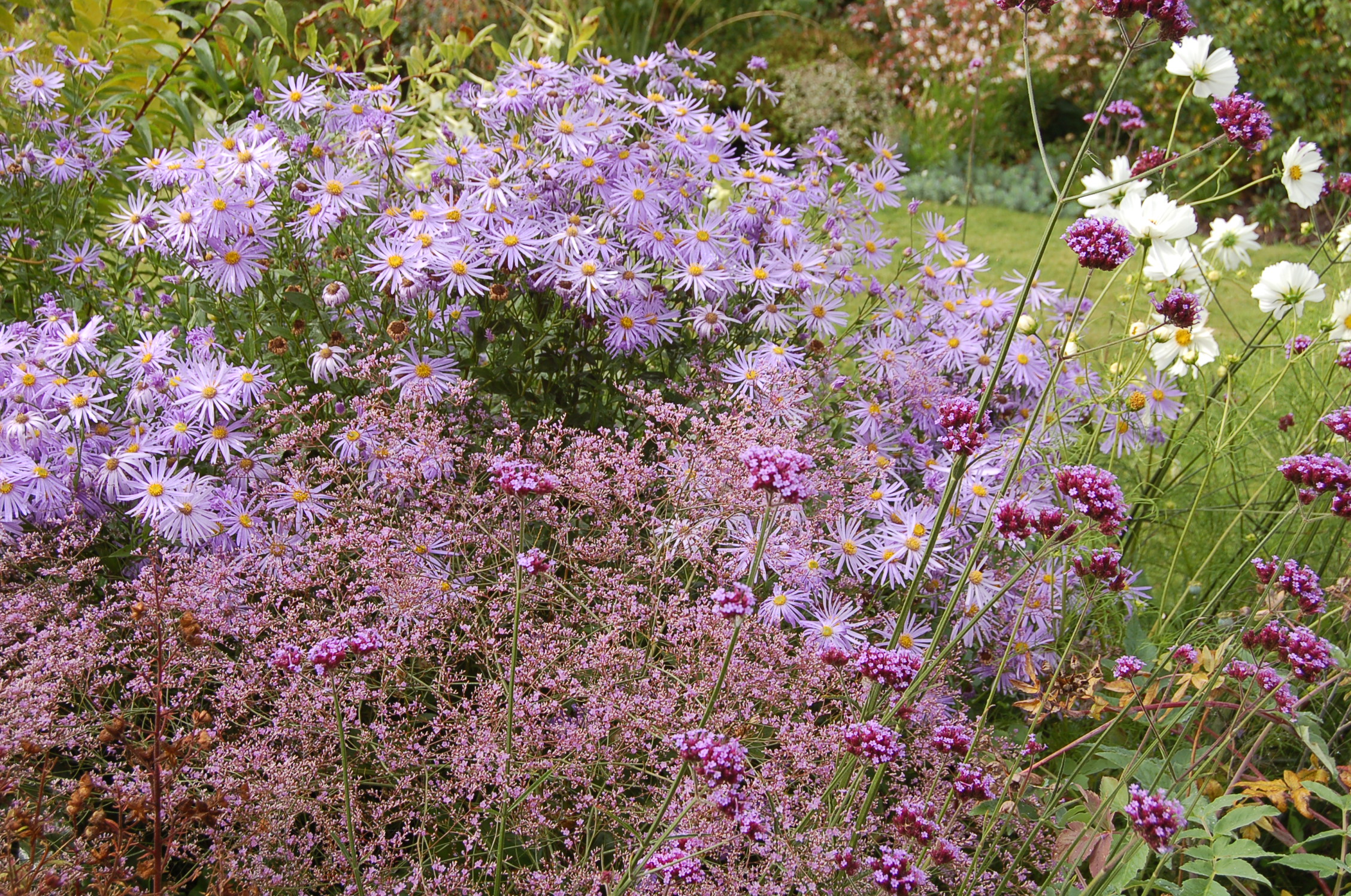
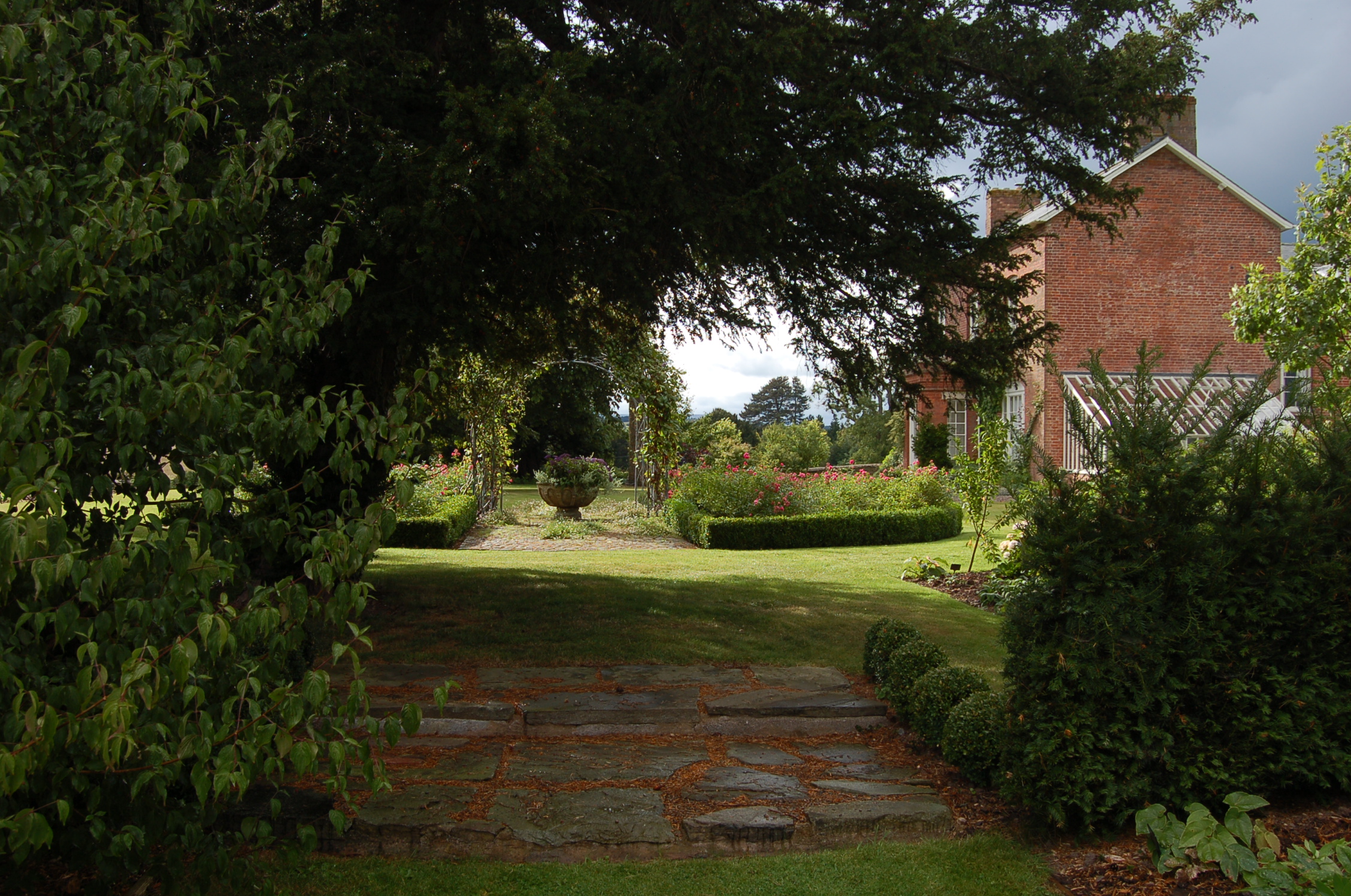
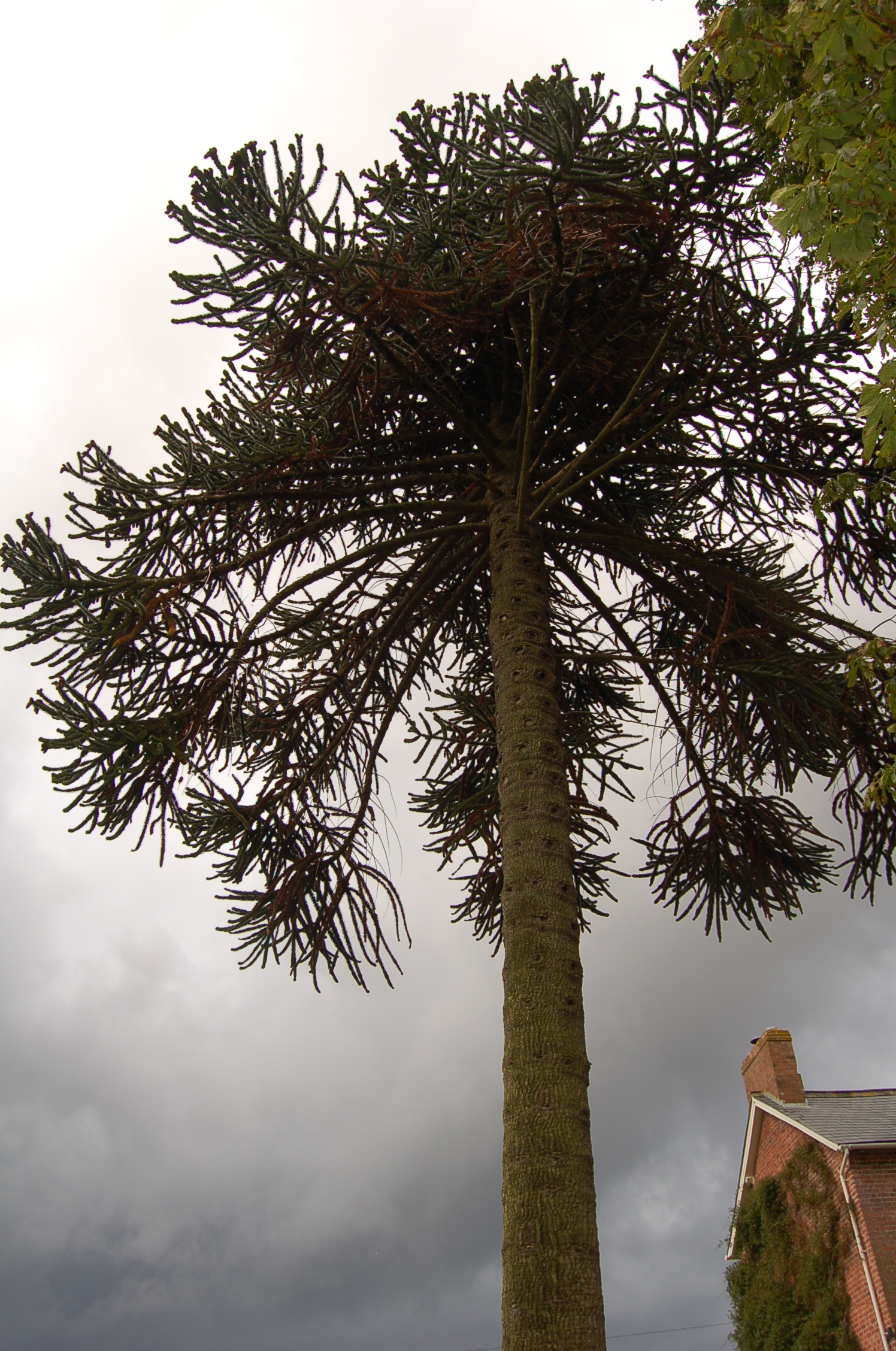
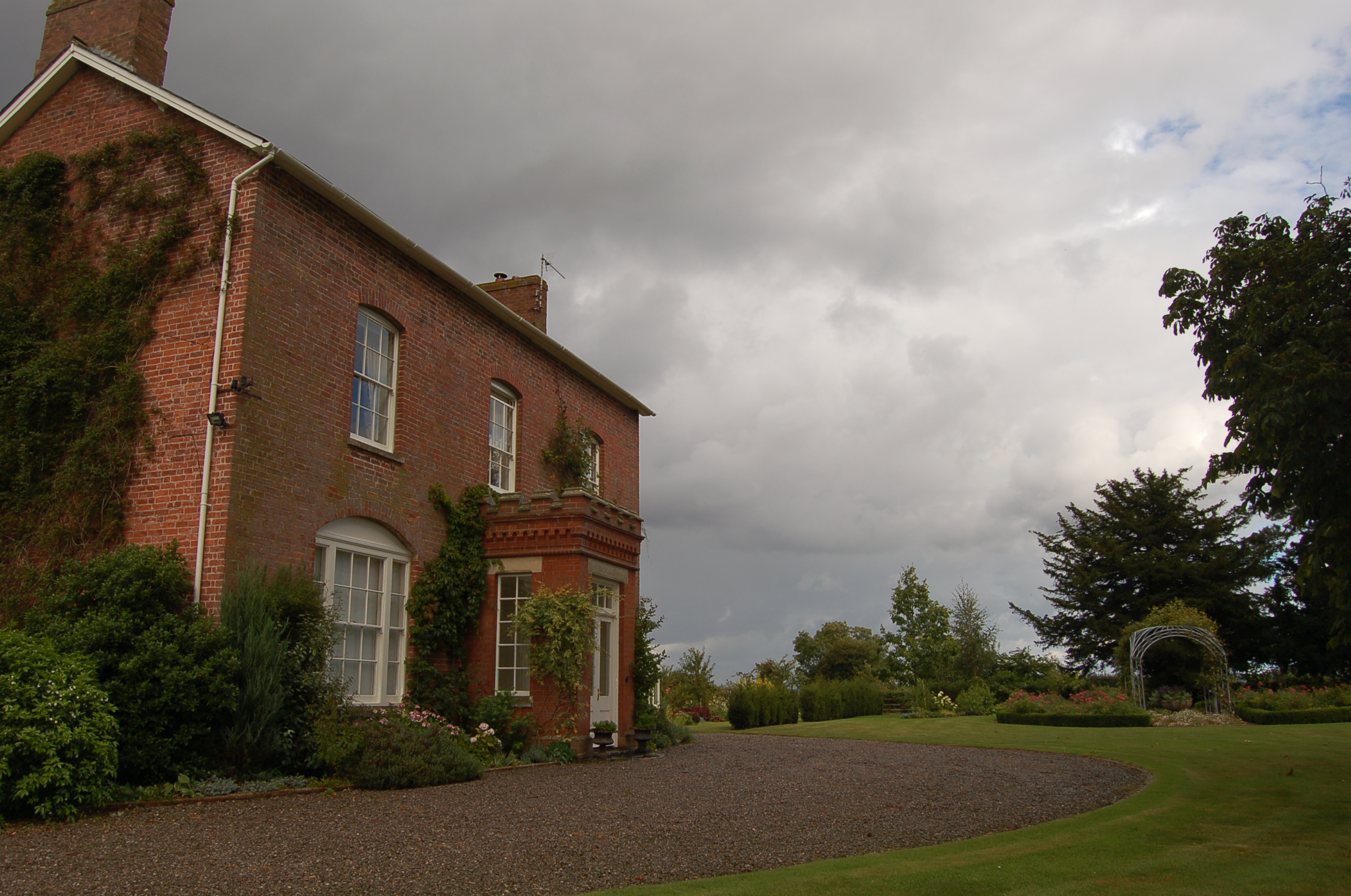
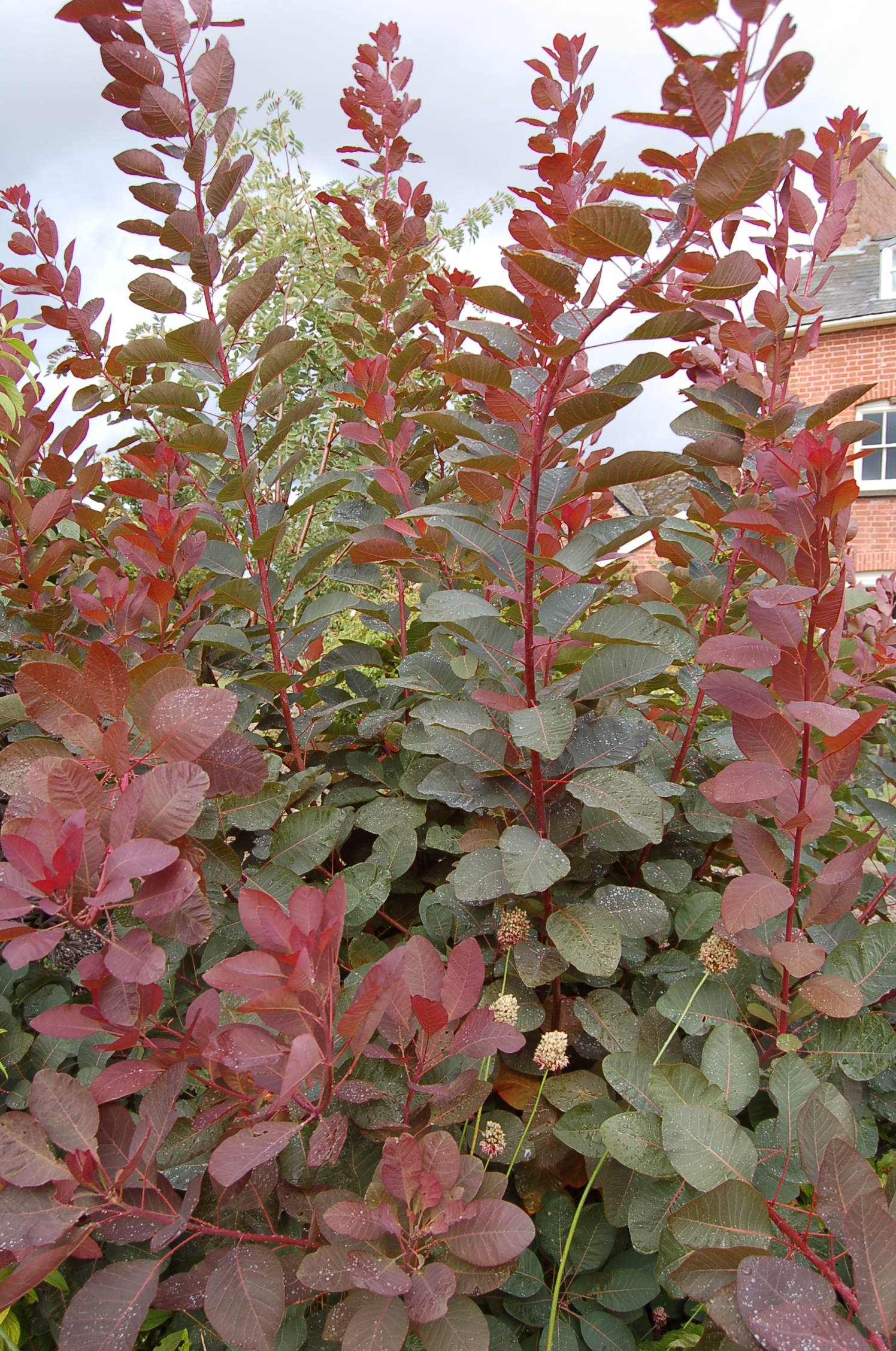
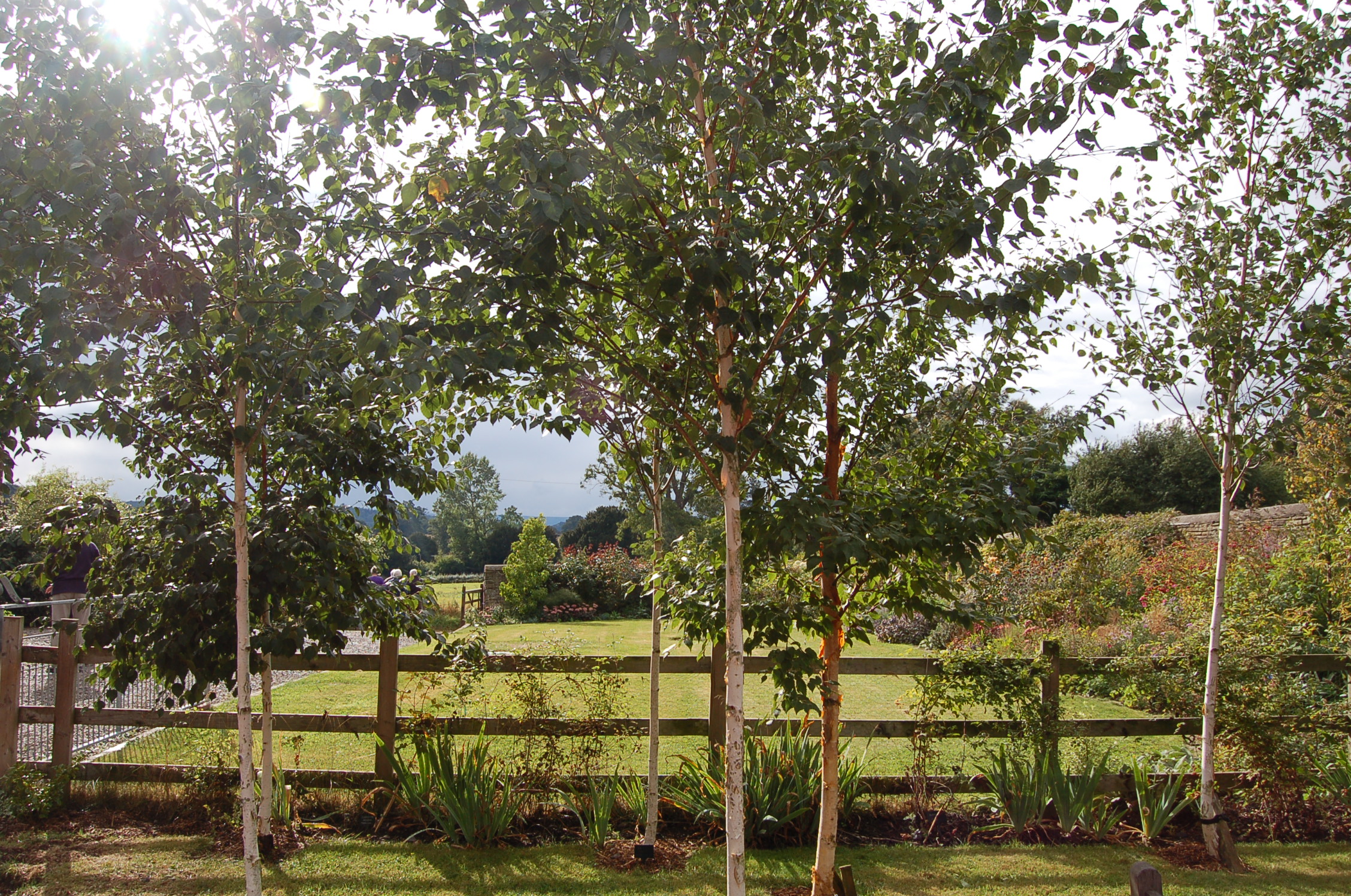
Another journey into Herefordshire saw us in search of a National Garden Scheme (The Yellow Book) village garden. This garden surrounded a former rectory of the village and it had been renovated over the last seven years. It was a garden of many parts, an arboretum, herbaceous borders, shrub borders, a kitchen garden and a rose garden.

Join us as we take a wander in pictures.

2013 09 08_3326 2013 09 08_3327 2013 09 08_3328 2013 09 08_3329 2013 09 08_3330 2013 09 08_3331 2013 09 08_3332 2013 09 08_3333 2013 09 08_3334 2013 09 08_3335 2013 09 08_3336 2013 09 08_3337 2013 09 08_3338 2013 09 08_3339 2013 09 08_3340 2013 09 08_3341 2013 09 08_3342 2013 09 08_3343 2013 09 08_3344 2013 09 08_3345 2013 09 08_3346 2013 09 08_3347 2013 09 08_3348 2013 09 08_3349 2013 09 08_3350 2013 09 08_3351 2013 09 08_3352 2013 09 08_3353 2013 09 08_3354 2013 09 08_3355 2013 09 08_3356 2013 09 08_3357 2013 09 08_3358 2013 09 08_3359 2013 09 08_3360 2013 09 08_3361 2013 09 08_3362 2013 09 08_3363 2013 09 08_3364 2013 09 08_3365 2013 09 08_3366 2013 09 08_3367 2013 09 08_3368 2013 09 08_3369

Categories
architecture buildings garden design garden photography gardening gardens open to the public National Trust The National Trust

Waddeston – not my style of garden but …….

We went to Waddeston by default! We were planning to visit another garden in Oxfordshire, but as we got close we decided to check the details of the garden, especially how to find it. The trouble was the garden details also showed that we were visiting on a day when it was closed. Oops!!

Plan B quick! Luckily we found another garden literally a mile from where we had parked up to get directions to our original destination. From the description in our book, the garden at Waddeston did not sound my style of gardening but the architecture of the house itself sounded interesting. So we decided to go and have a look.

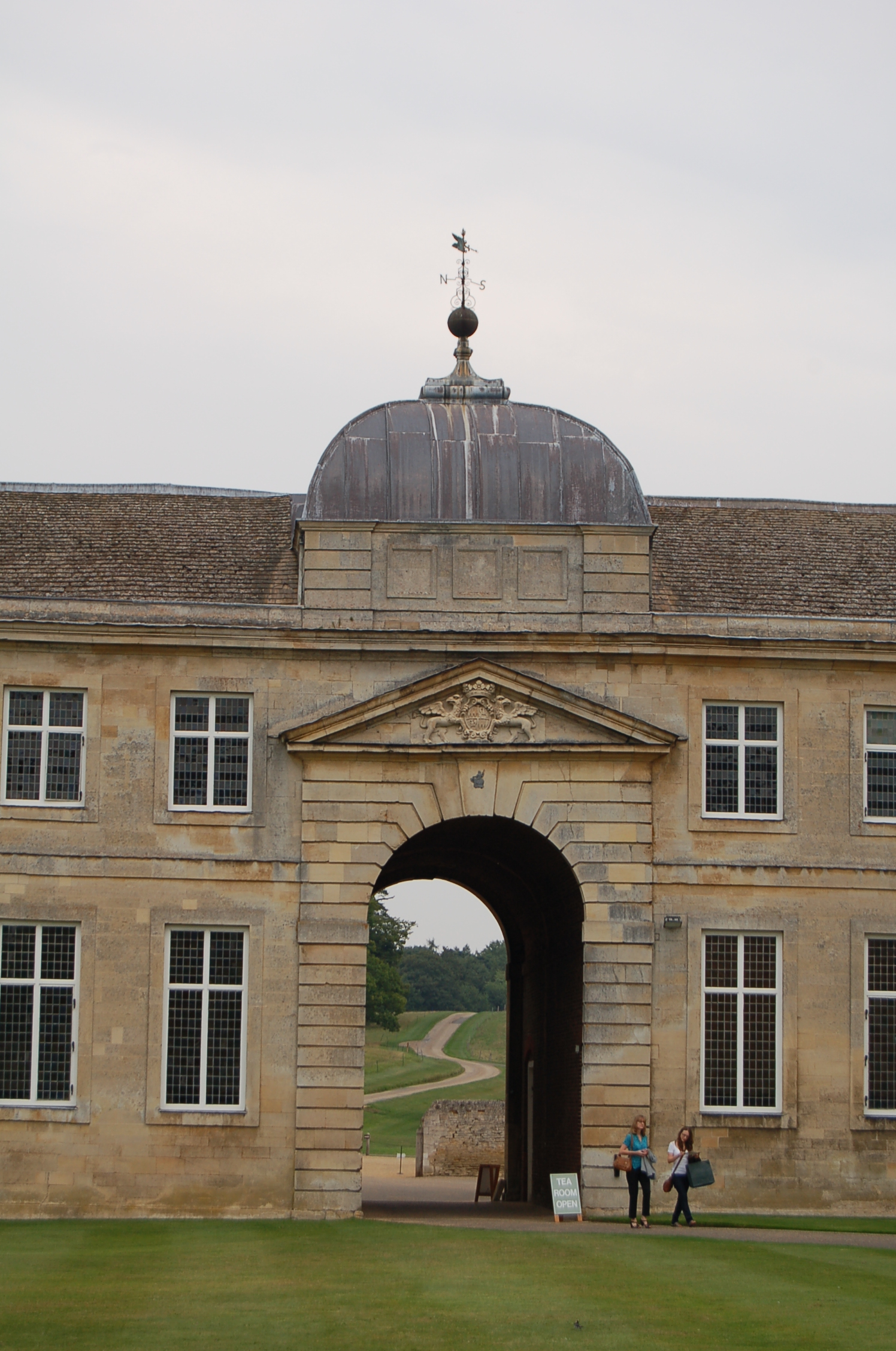
We arrived to discover Waddestonto be an architecturally fussy building in the style of a French chateau. I admired it but didn’t like it. Jude, the Undergardener liked it a lot.

2013 07 24_2046 2013 07 24_2047

2013 07 24_2058

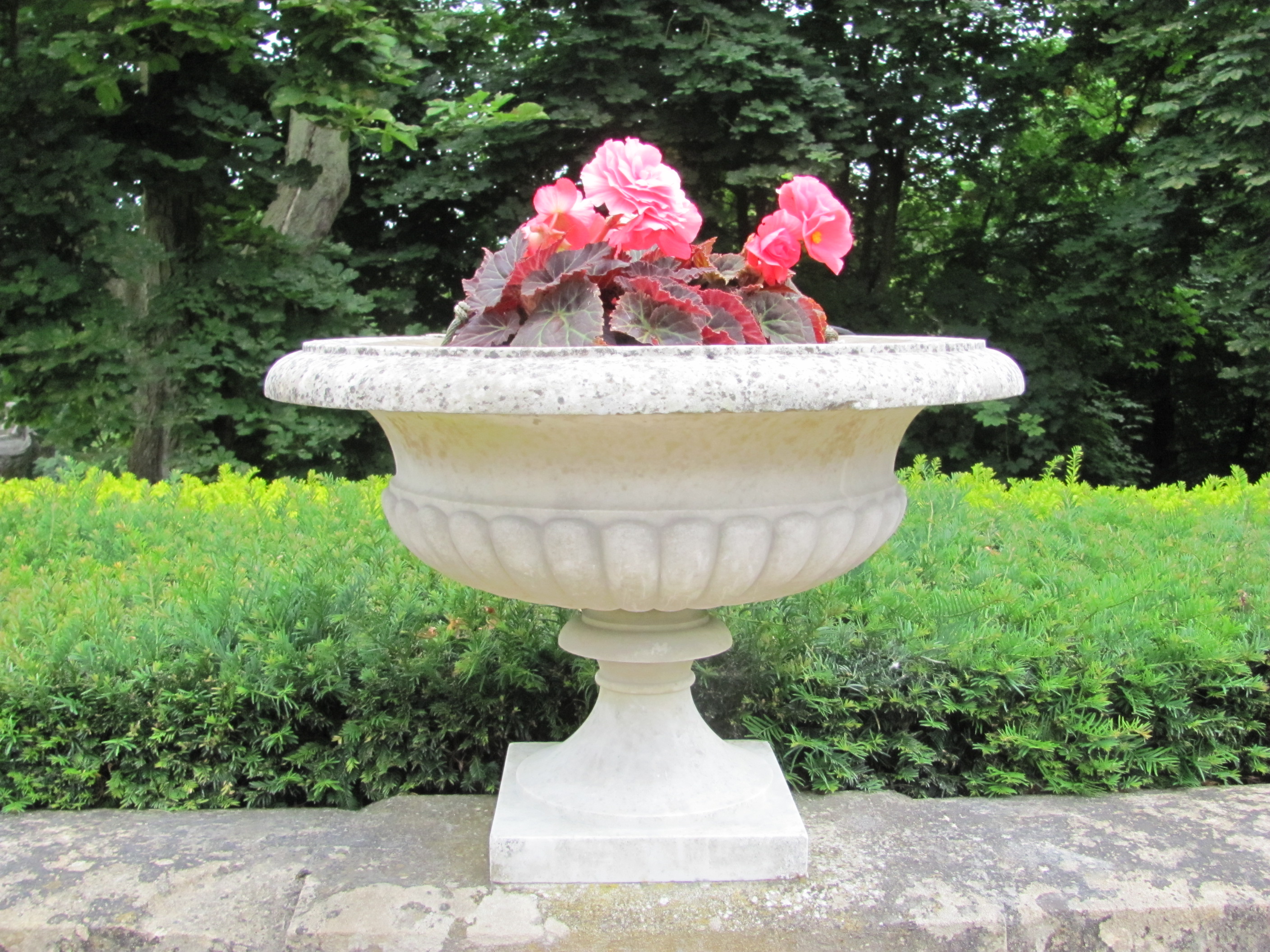
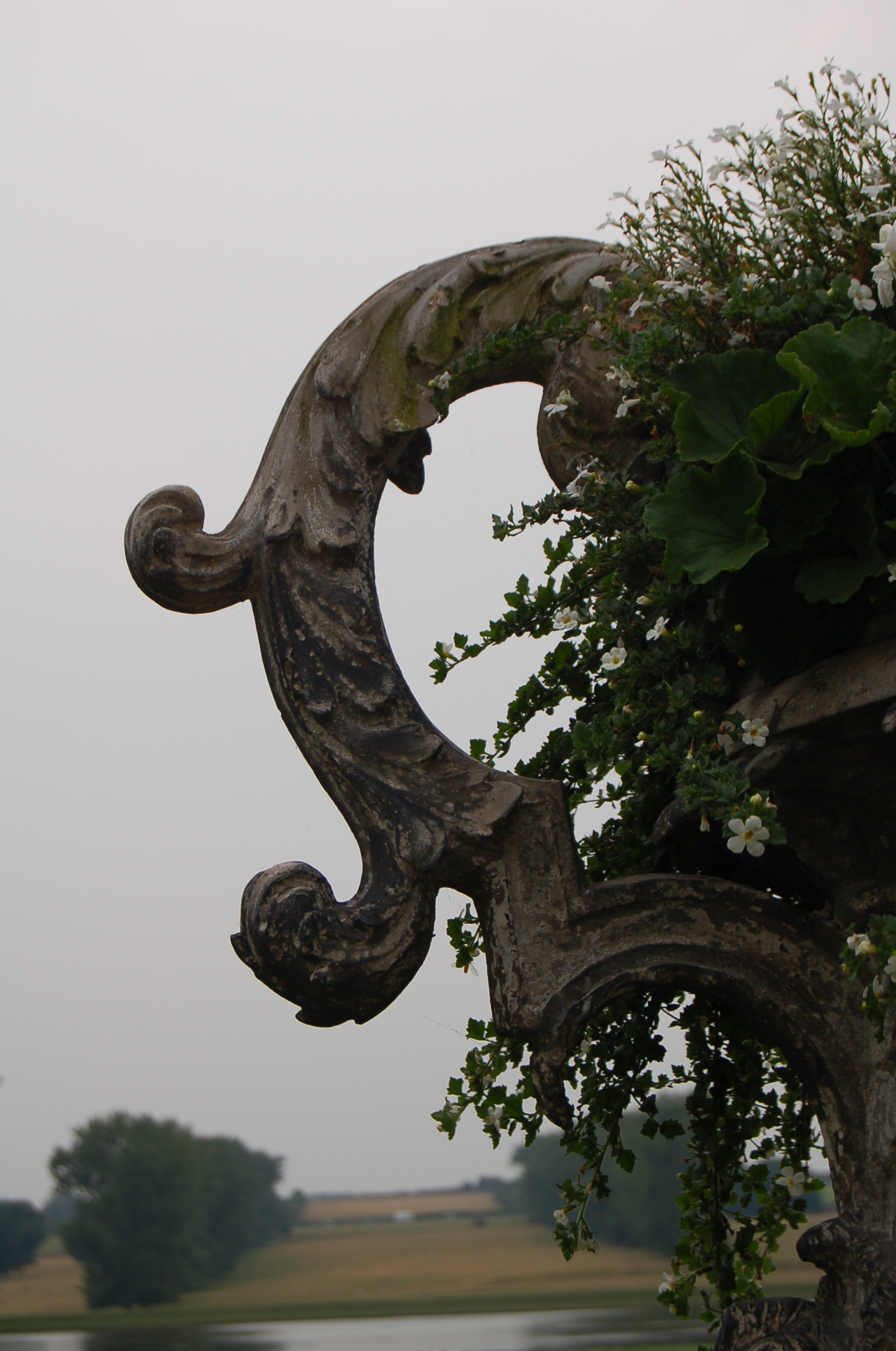
There were lots of fussy little details in the building, such as this ornate gate post.

2013 07 24_2057

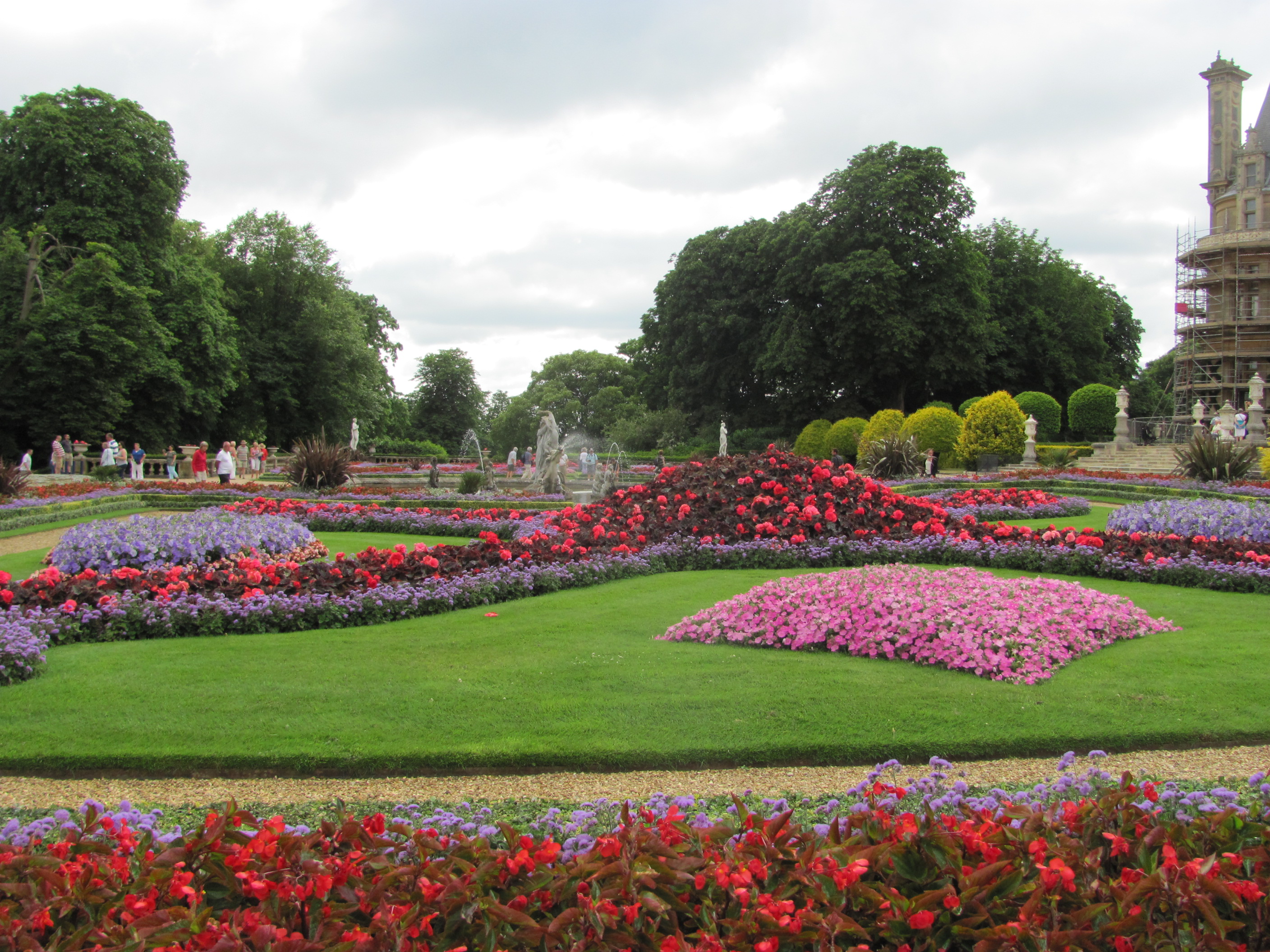
The gardens close to the house were very formal similar to the bedding schemes found in our town parks. Too bright and again too fussy for my liking.

2013 07 24_2051 2013 07 24_2052 2013 07 24_2053 2013 07 24_2056 2013 07 24_2055

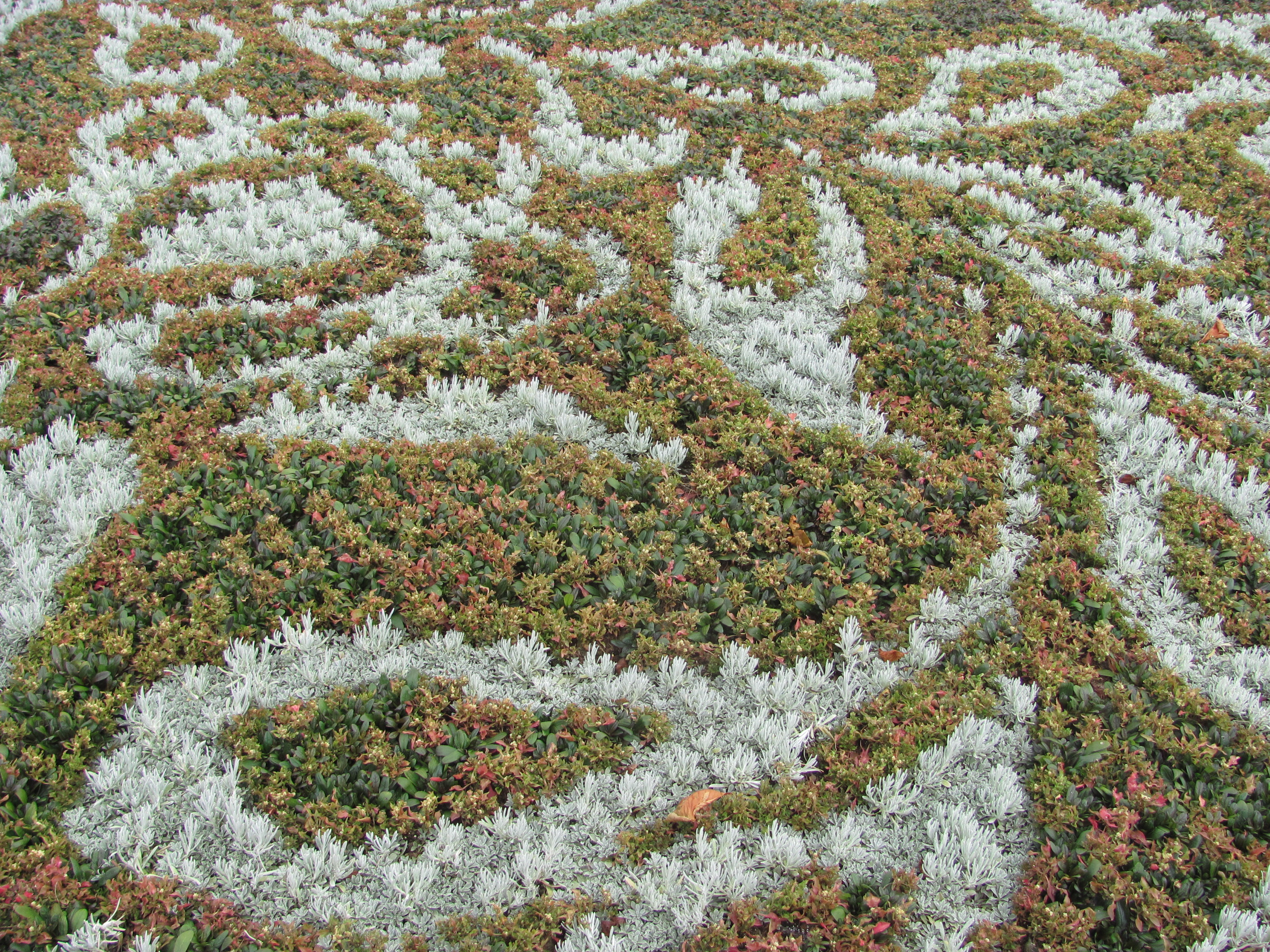
But this one bed was interesting as the colours were far more subtle. It turned out that this border was based on ancient lace work from the house.

2013 07 24_2054

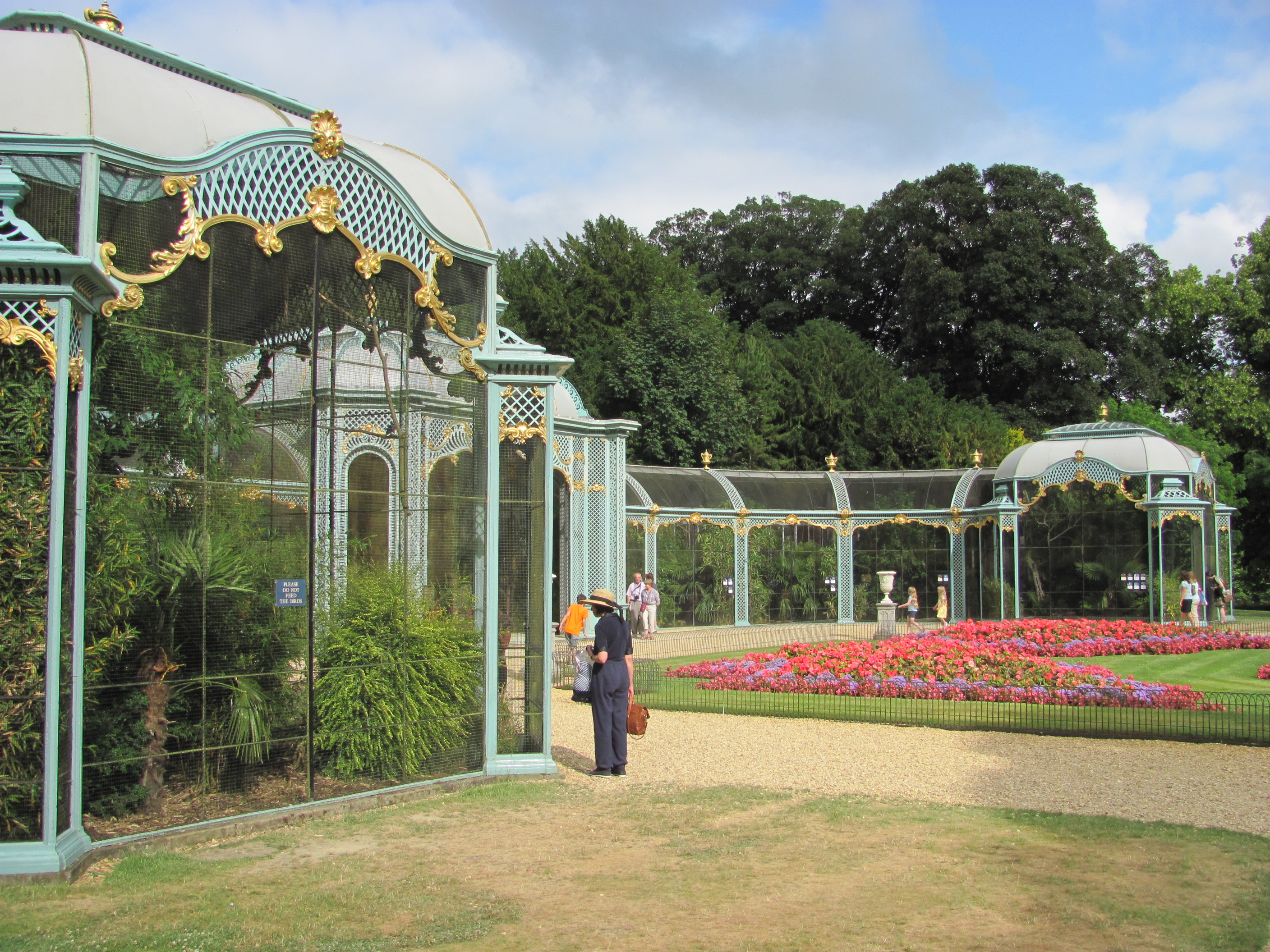
Walking a few minutes from the house into the more informal areas of the garden we came across a real surprise, a very ornate terrace of aviaries housing rare birds. These birds were being bred with the intention of building up species numbers and reintroducing them back into their natural habitats.

2013 07 24_2061 2013 07 24_2062

Further from the house away from the formal gardens there were small cameos which interested me more.
2013 07 24_2065 2013 07 24_2064 2013 07 24_2063 2013 07 24_2060  2013 07 24_2067 2013 07 24_2066

So, although I was unsure when we arrived at Waddeston, I will now admit that I did enjoy the visit. Even though I found the rigidity of the formal bedding schemes with their gaudy colours unpleasant, I can see that they were well executed here.
Categories
garden design garden photography garden pools gardening hardy perennials renovation Shropshire succulents village gardens

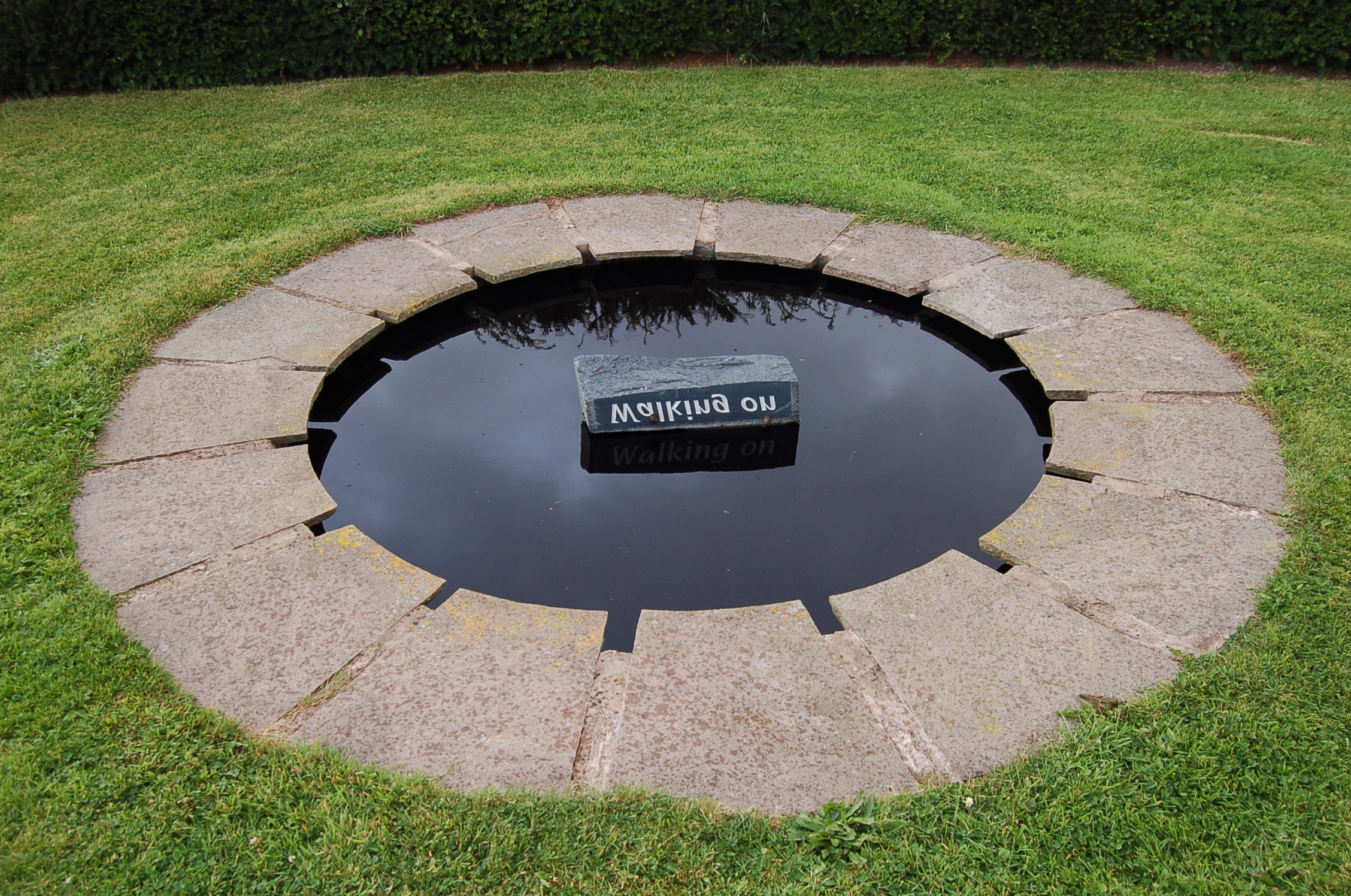
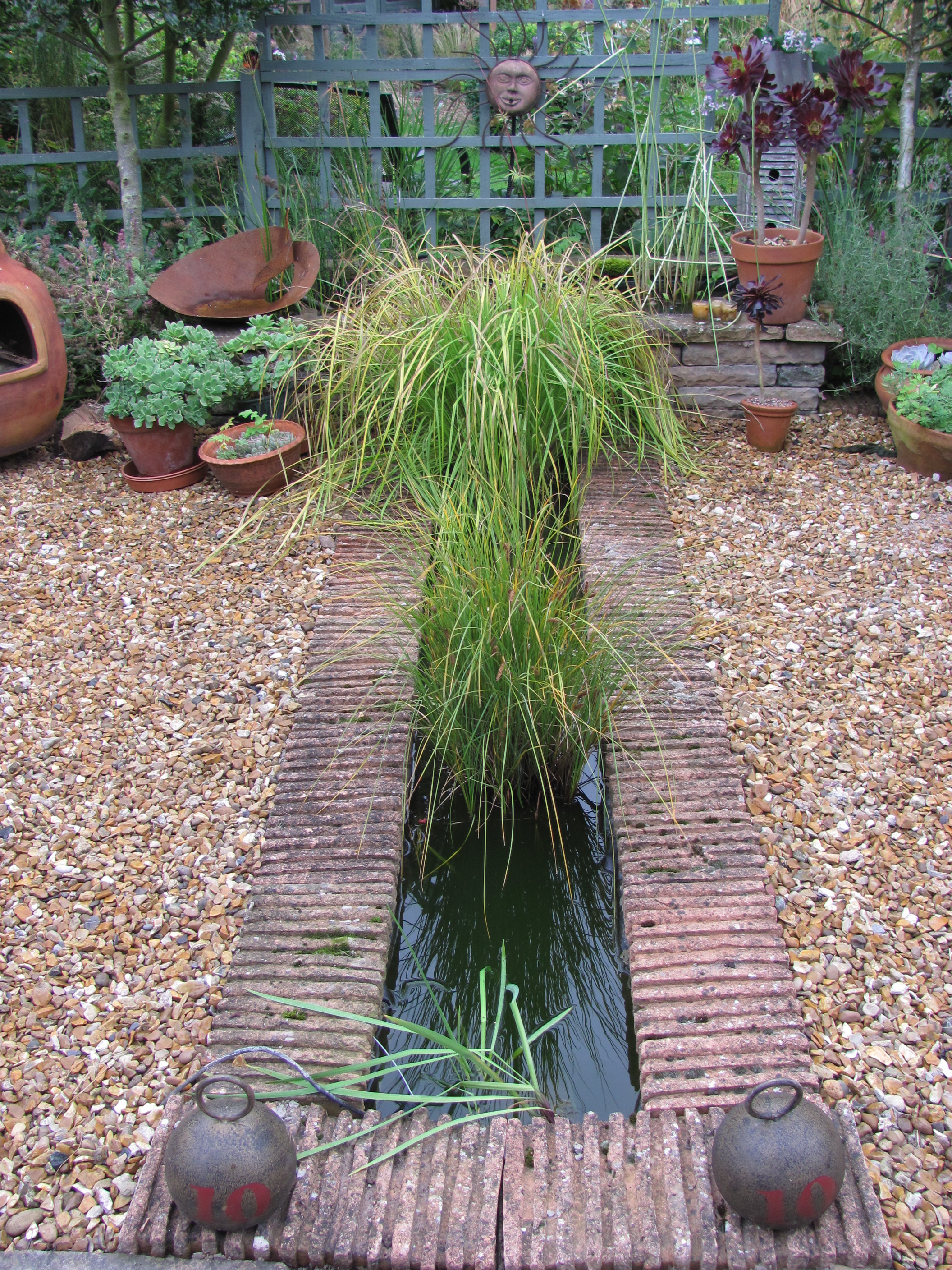
Renovating the Rill Garden

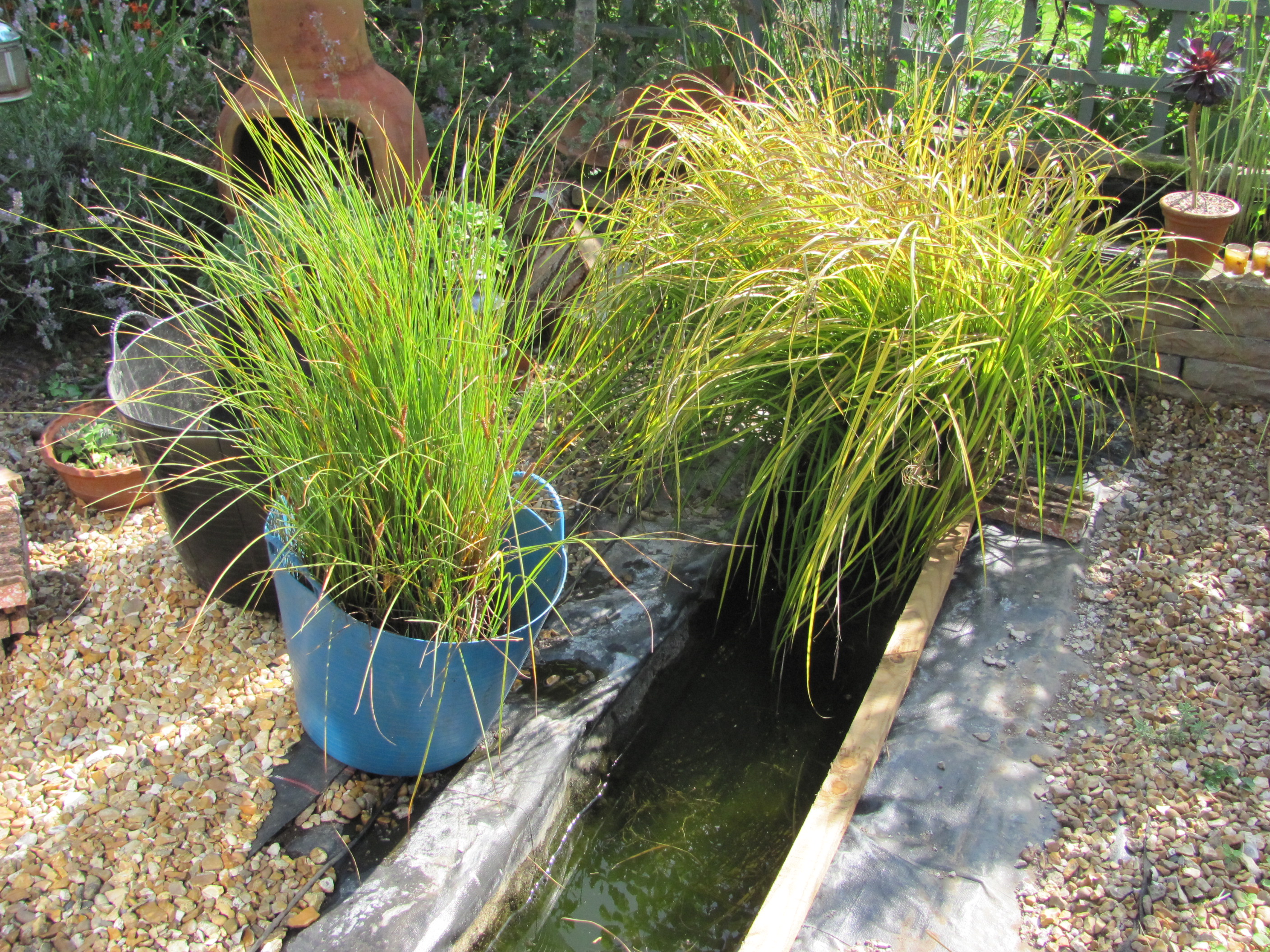
Our Rill Garden was beginning to look a little jaded, mostly due to the edging paving sinking and coming loose. In places the level of the edging was uneven and sloping randomly. We decided it needed a revamp. The first job was to take the old edging paving up and clean off the old concrete. It took no time to get up the edging but it took a long time to chip off all the old concrete and chip off each bit until the back of the slabs were clean enough to re-lay.
2013 09 11_3379

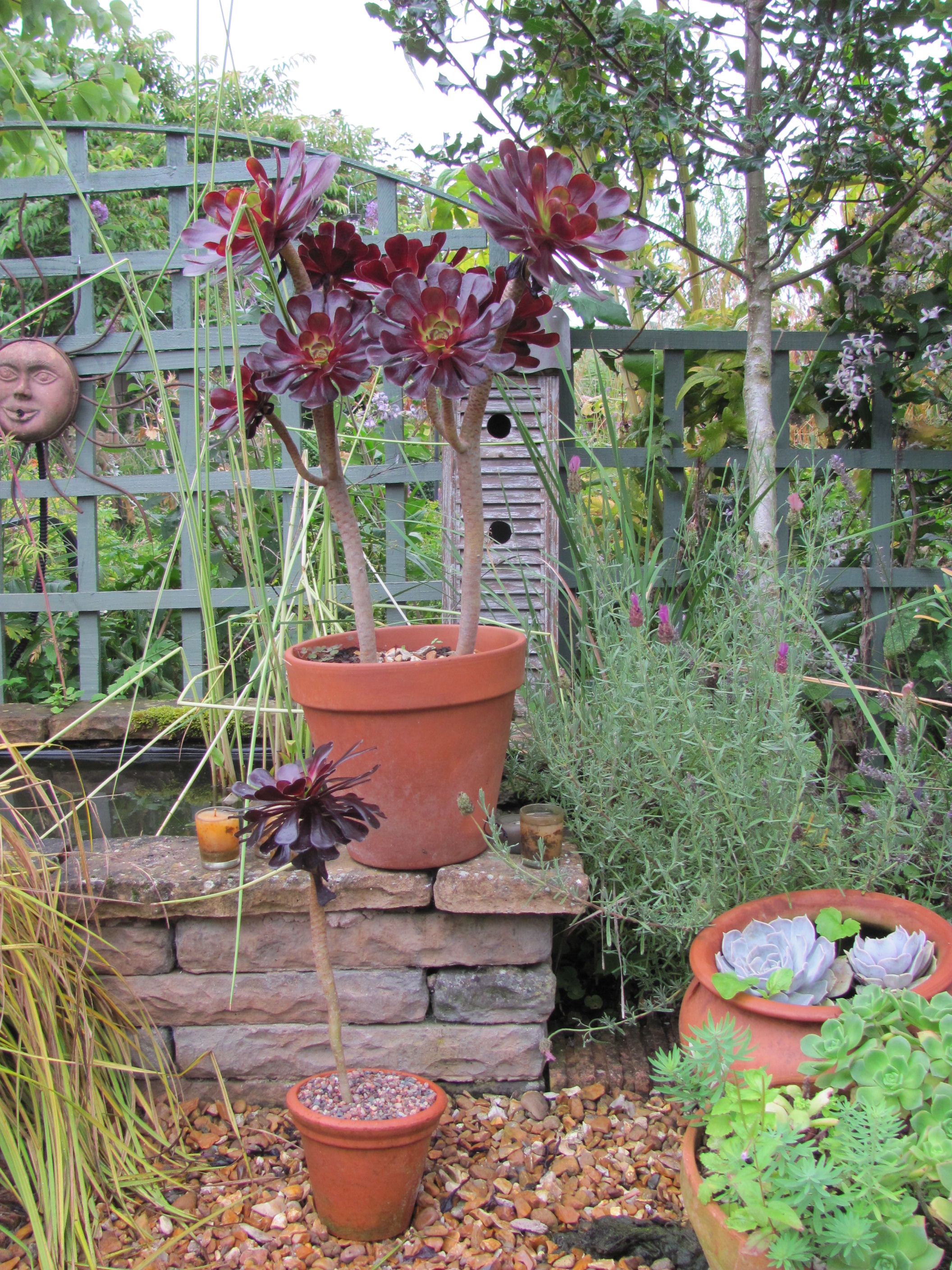
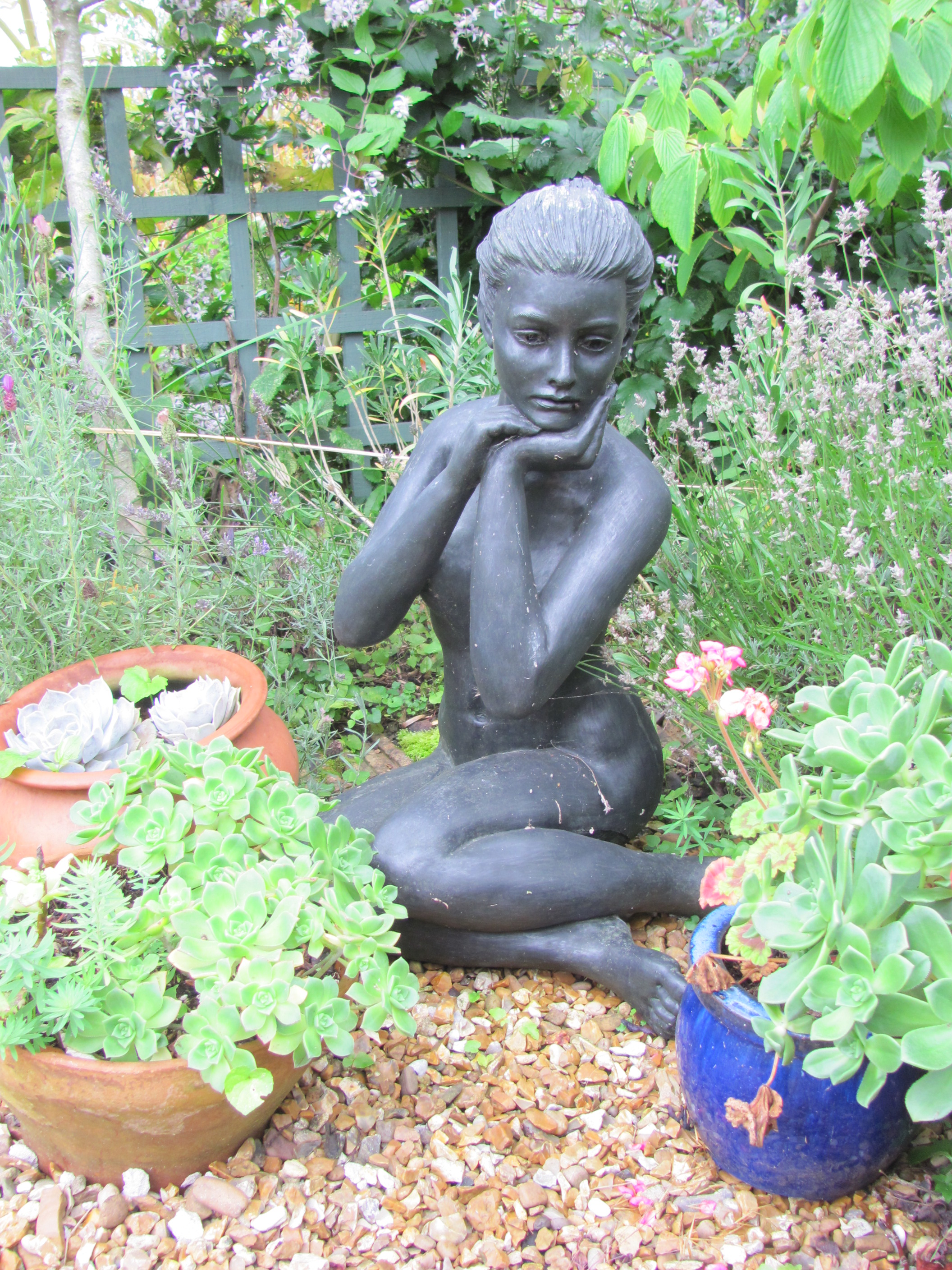
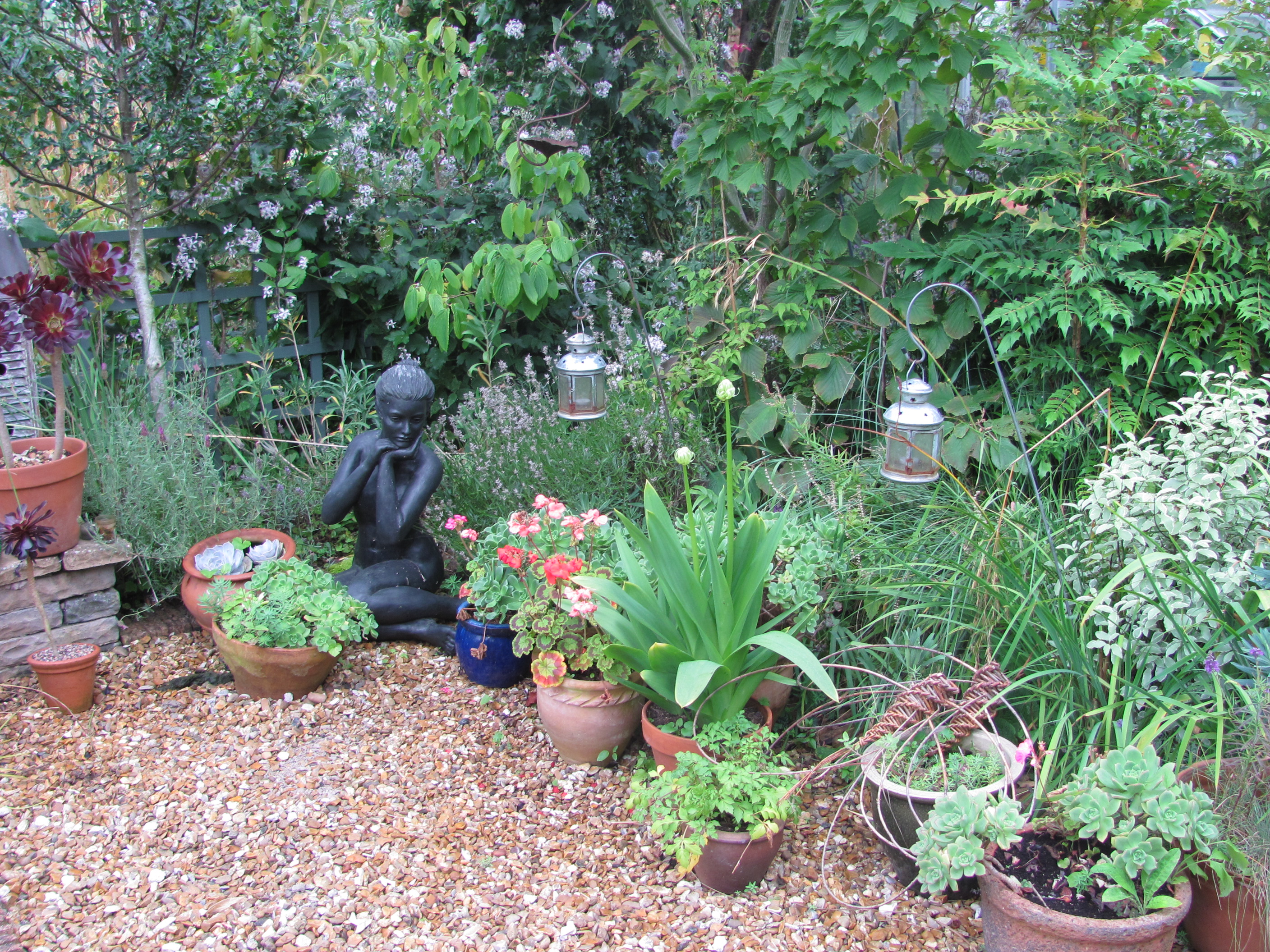
“Matilda”, our sculptured figure admires our handiwork. She looks satisfied with how we have cleaned up the slabs.

. 2013 09 11_3380

We had to get the plants up so we lifted them pots and all into some of our plastic garden trugs. They need dividing so this proved to be a good opportunity.

2013 09 11_3381

After a few days we had relaid the slabs, all perfectly level and even looking, but we did discover a problem for when we put the pump back in which provides a gentle movement to the surface of the water in the rill, it failed to work so this will need replacing.

2013 09 11_3382 

So, let us have a look at our Rill Garden now it has been re-vitalised.

2013 09 11_3370

 2013 09 11_3373 2013 09 11_33722013 09 11_3371  2013 09 11_33742013 09 11_3375 2013 09 11_33762013 09 11_3377 2013 09 11_3378

Categories
garden design garden photography garden wildlife gardening gardens open to the public grasses hardy perennials meadows natural pest control ornamental trees and shrubs recycling walled gardens wildlife

Boughton House – The Gardens

Back to Boughton as promised and this time we are off to the more intimate gardens closer to the house. These contrast strongly with the large scale landscaping with the huge land forms.

Refreshed with a good coffee and a slice of lemon drizzle cake from the restaurant in the stableyard we wandered off to the walled garden.

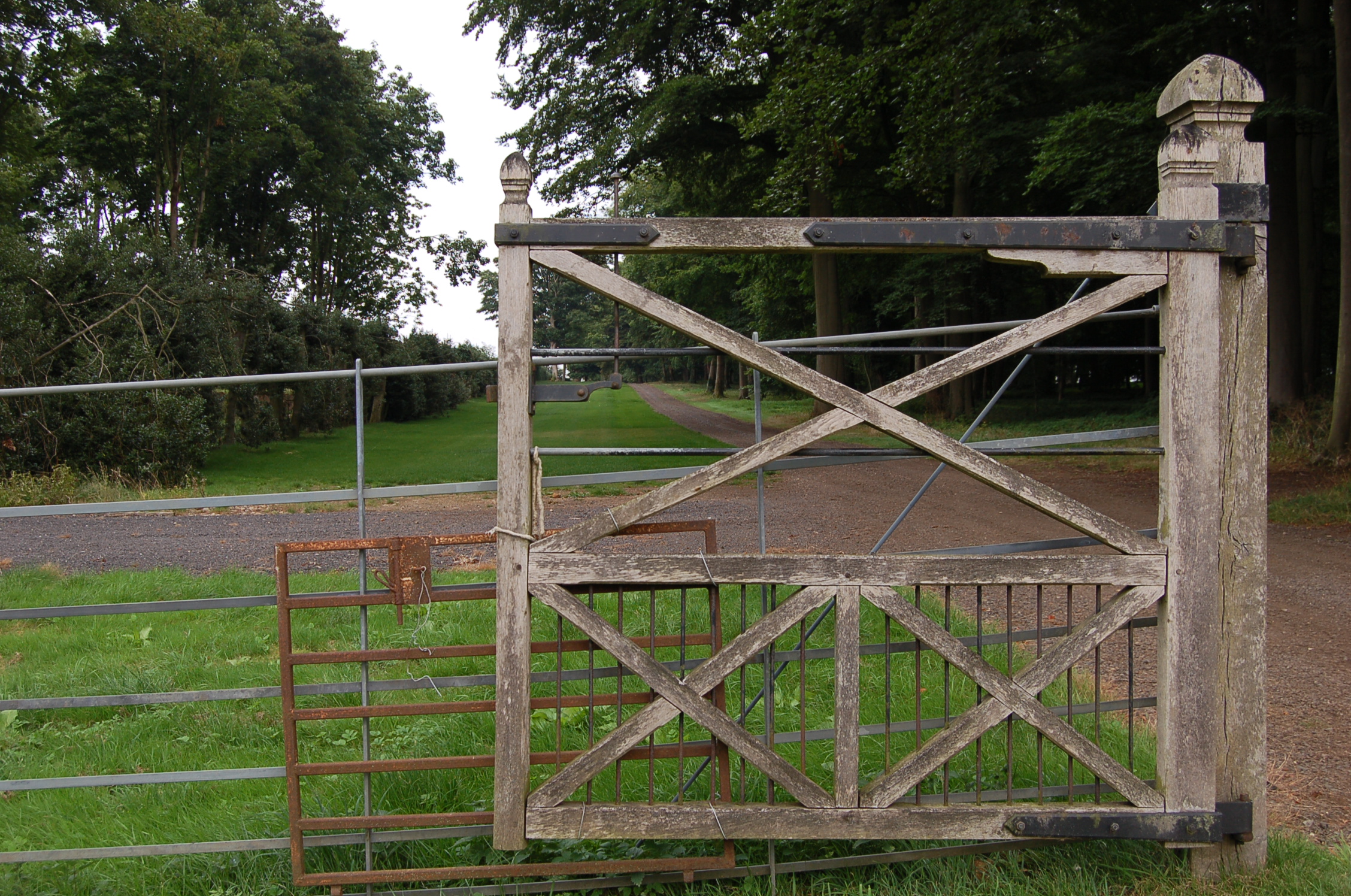
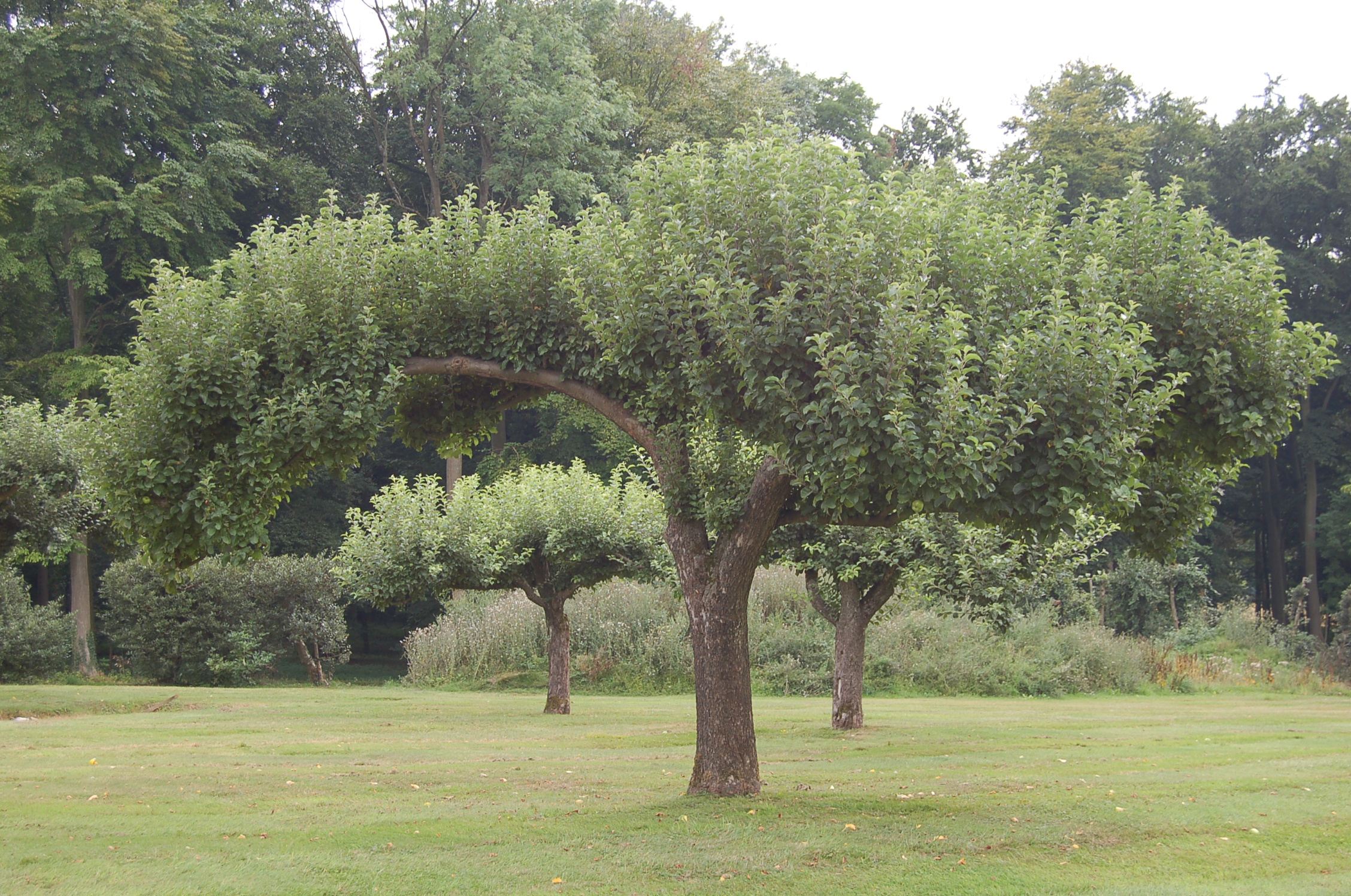
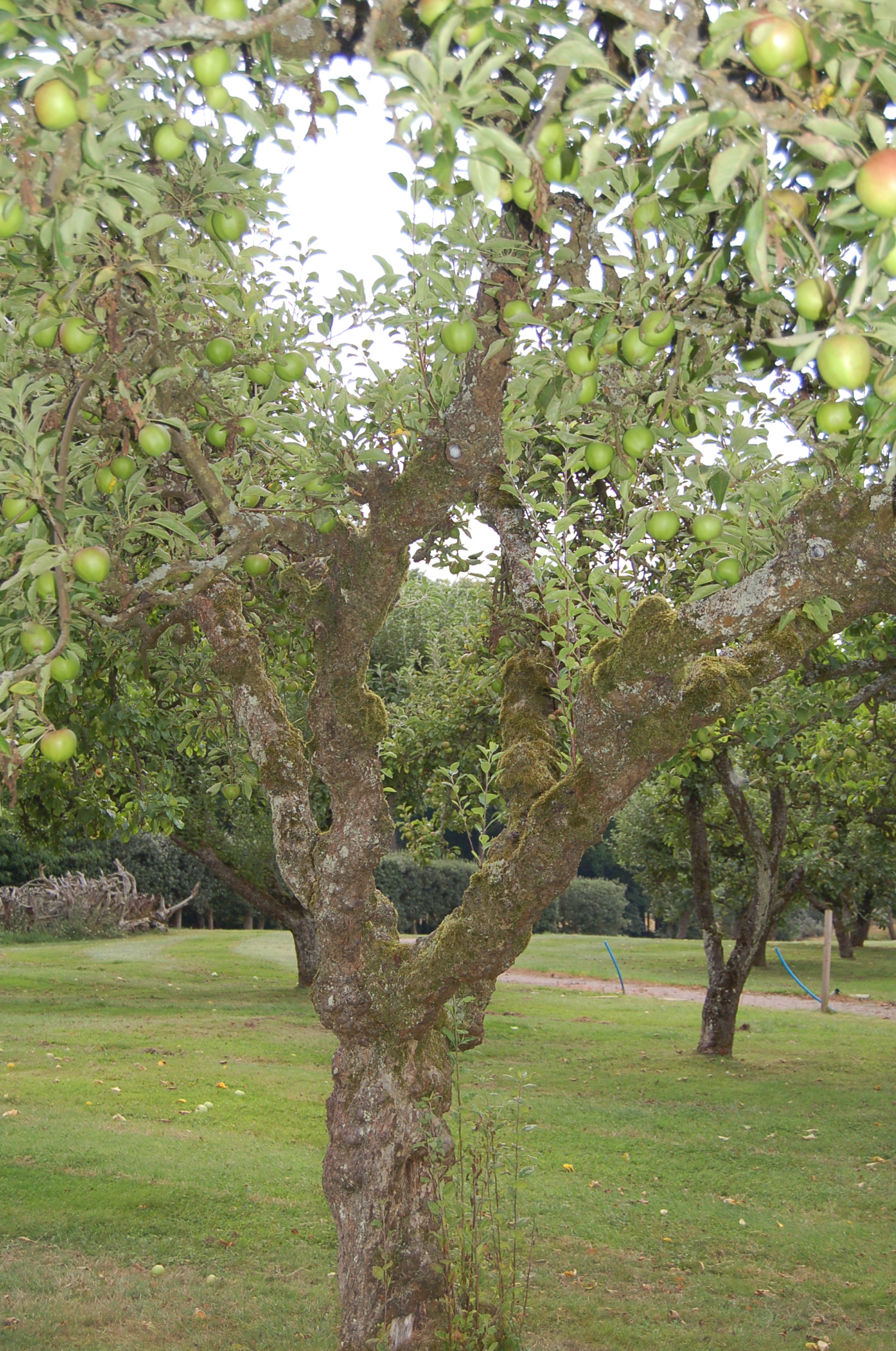
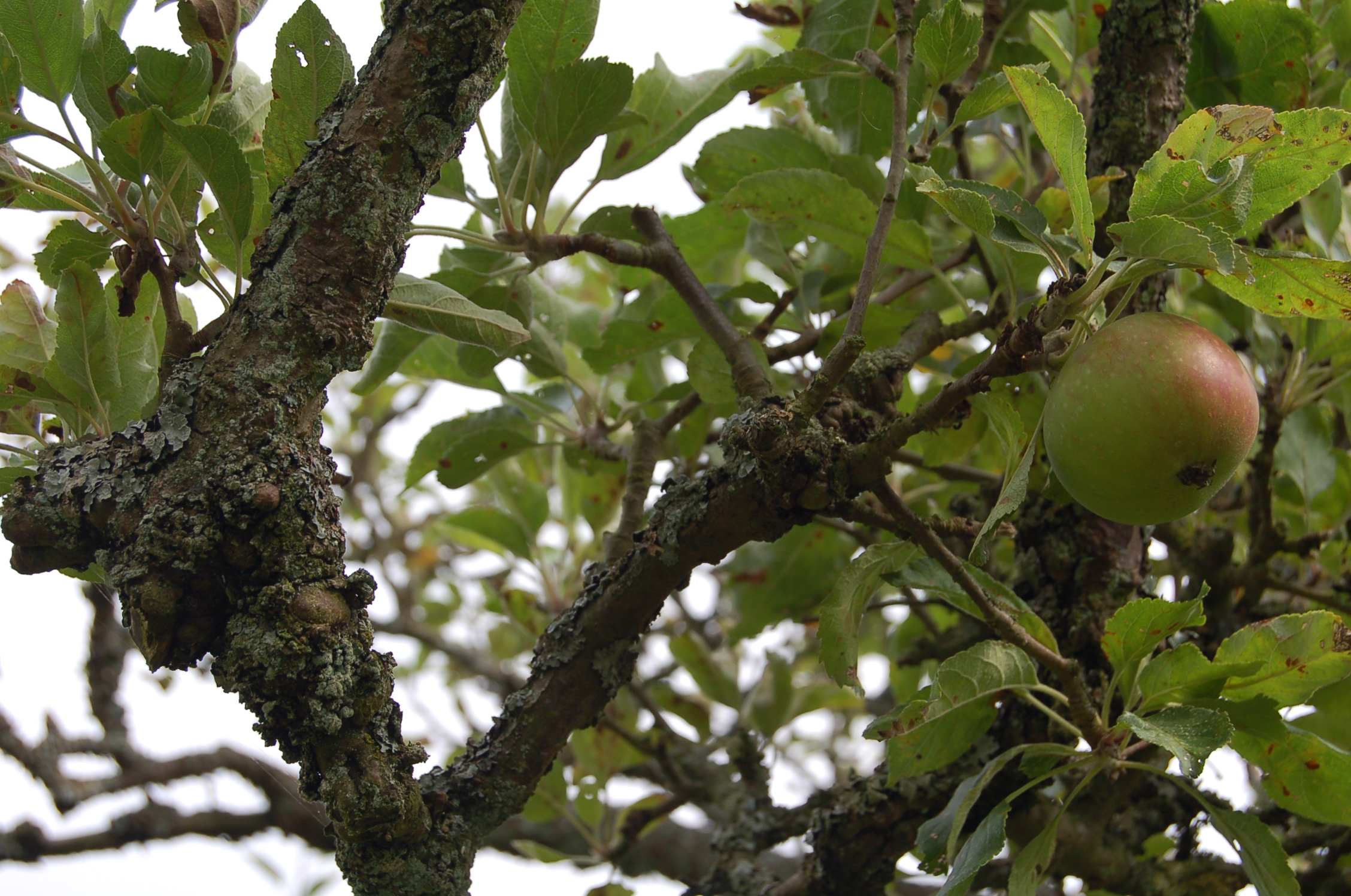
On the way we passed through a couple of old gates, presenting an odd juxtaposition with one so grand and one rather normal. Finding an old orchard was an unexpected pleasure. The old apple trees are being sensitively renewed through careful and very skillful pruning.

2013 08 23_3052 2013 08 23_3054 2013 08 23_3055 2013 08 23_3056

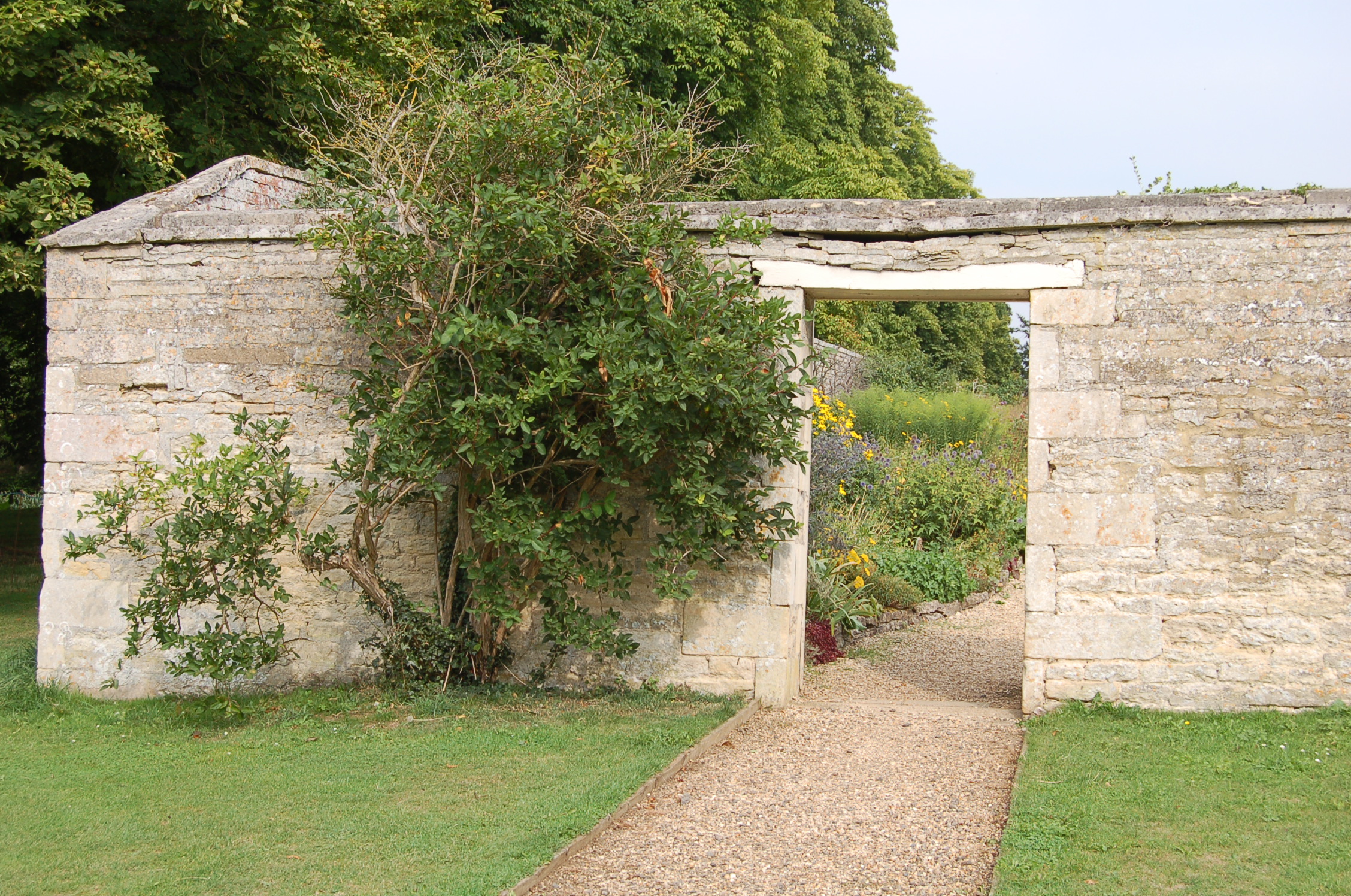
The gateway that led to the walled garden was most welcoming and we accepted readily its generous invitation to enter.

2013 08 23_3057

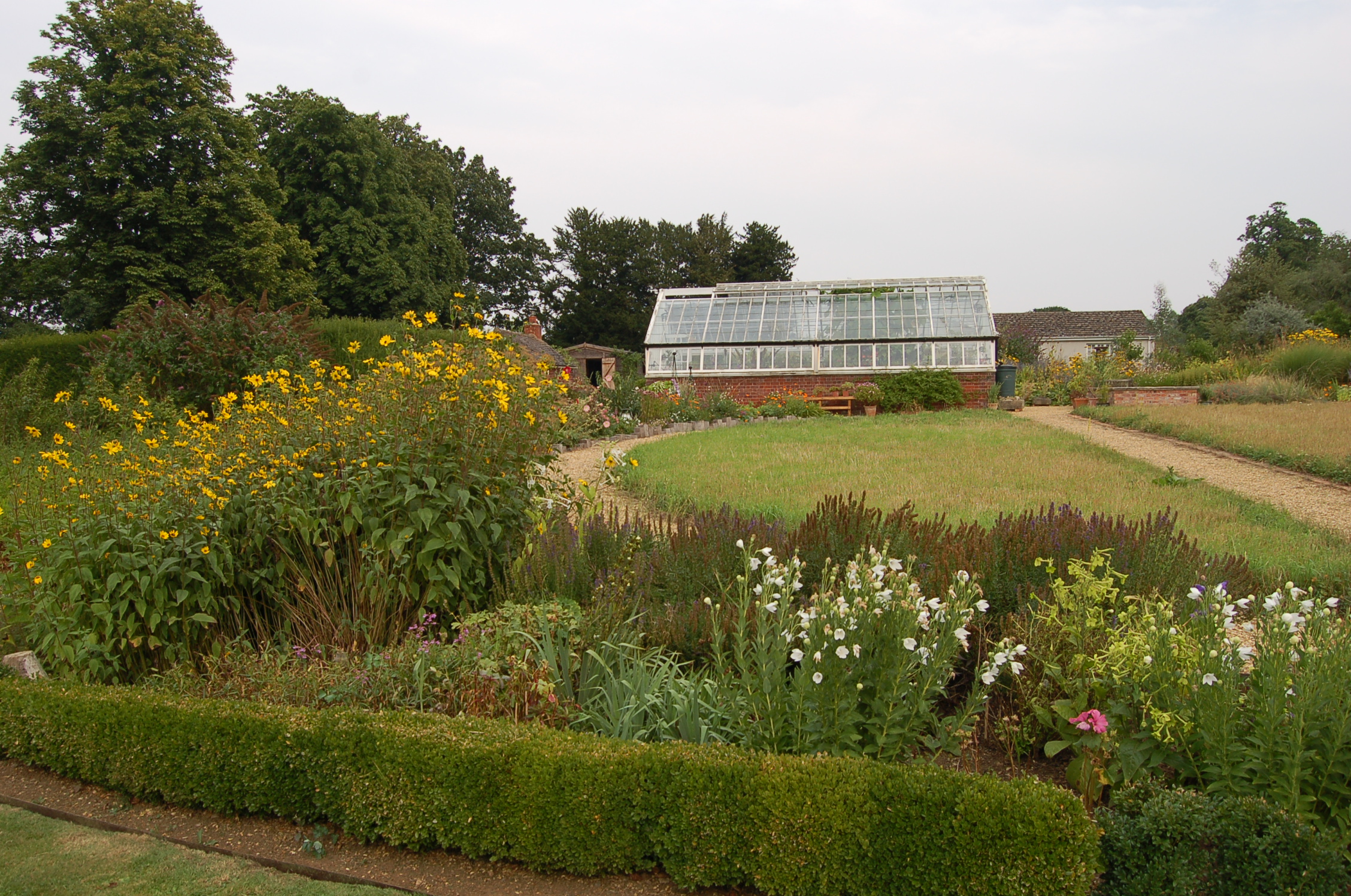
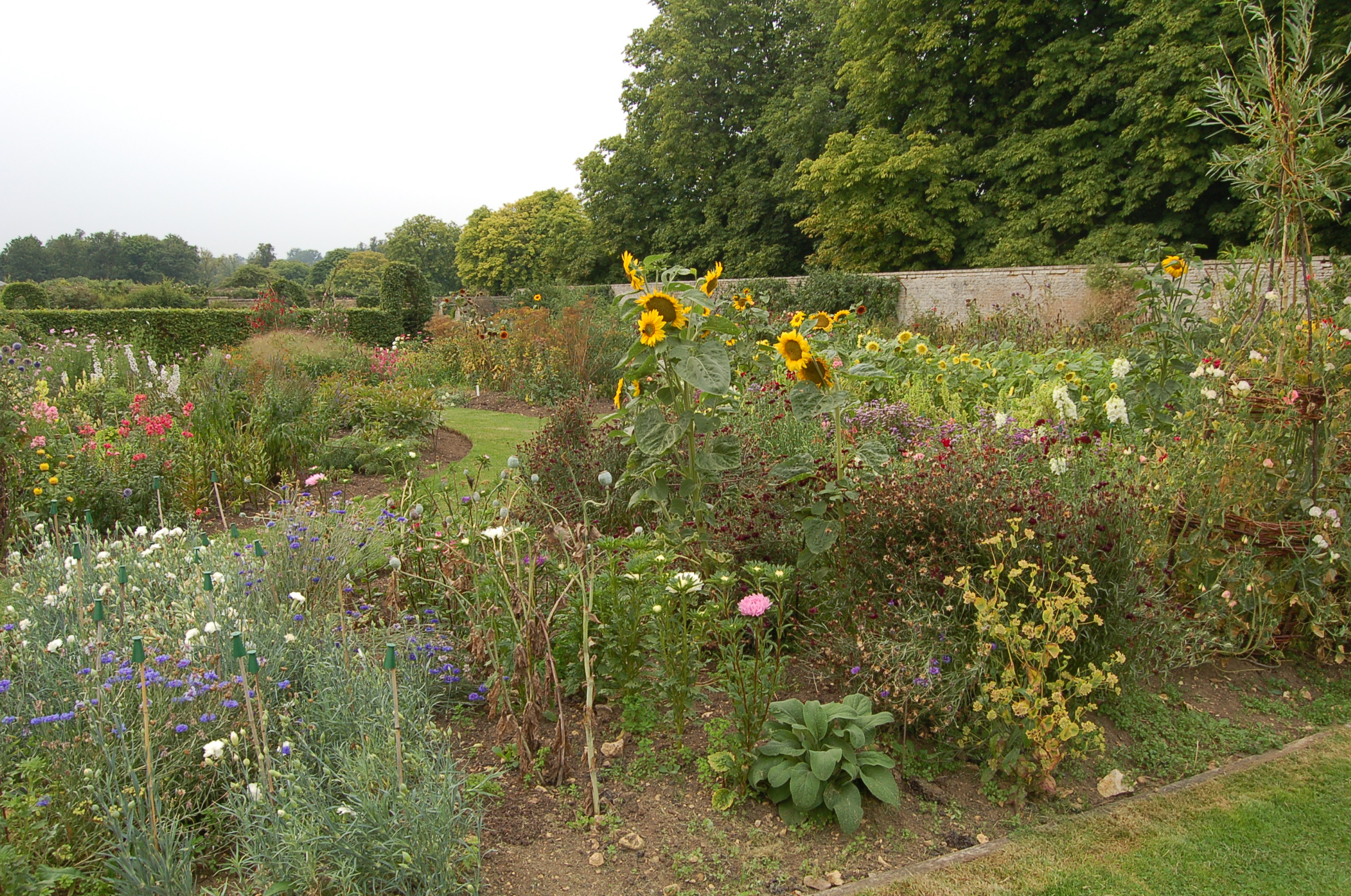
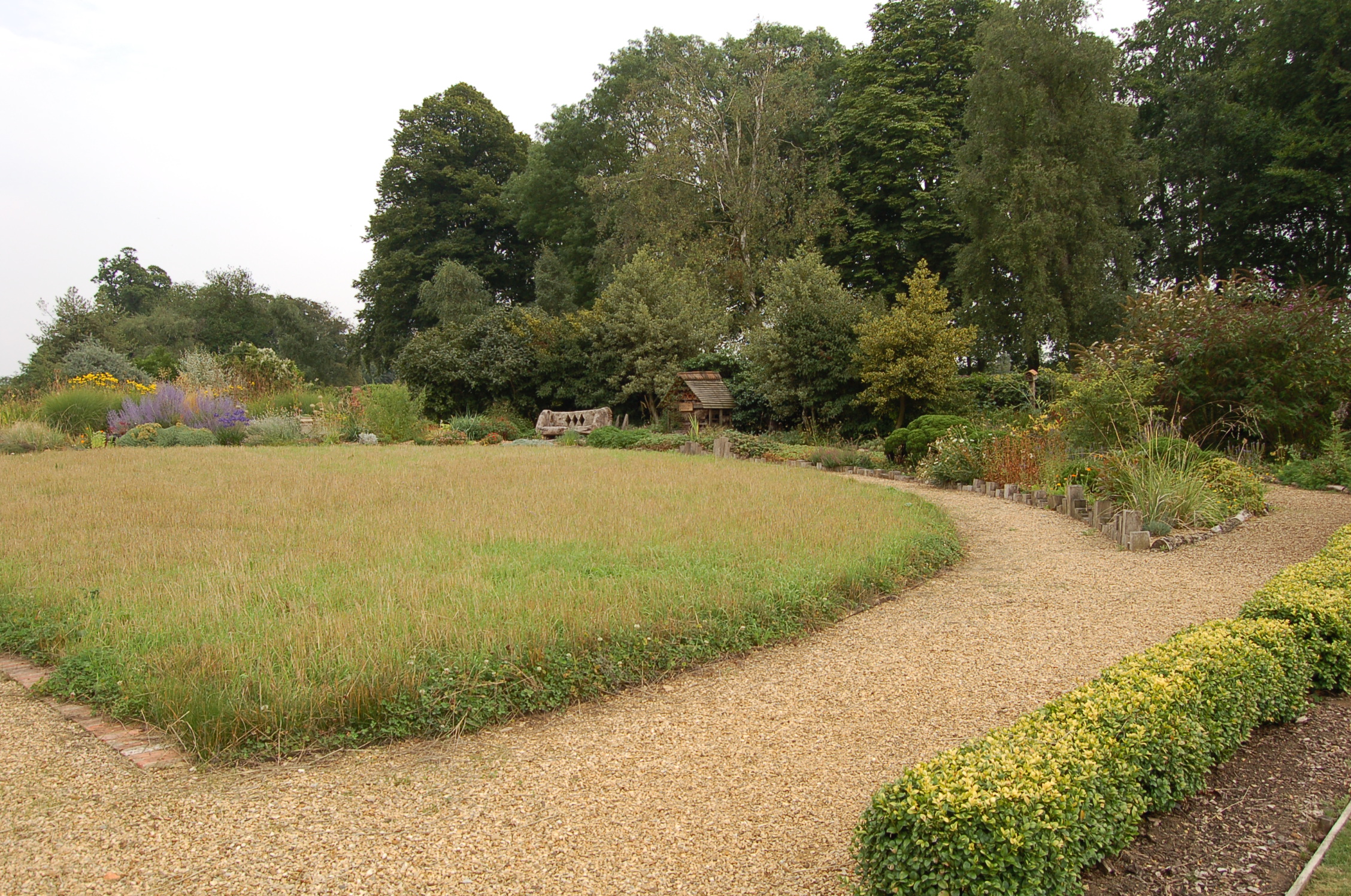
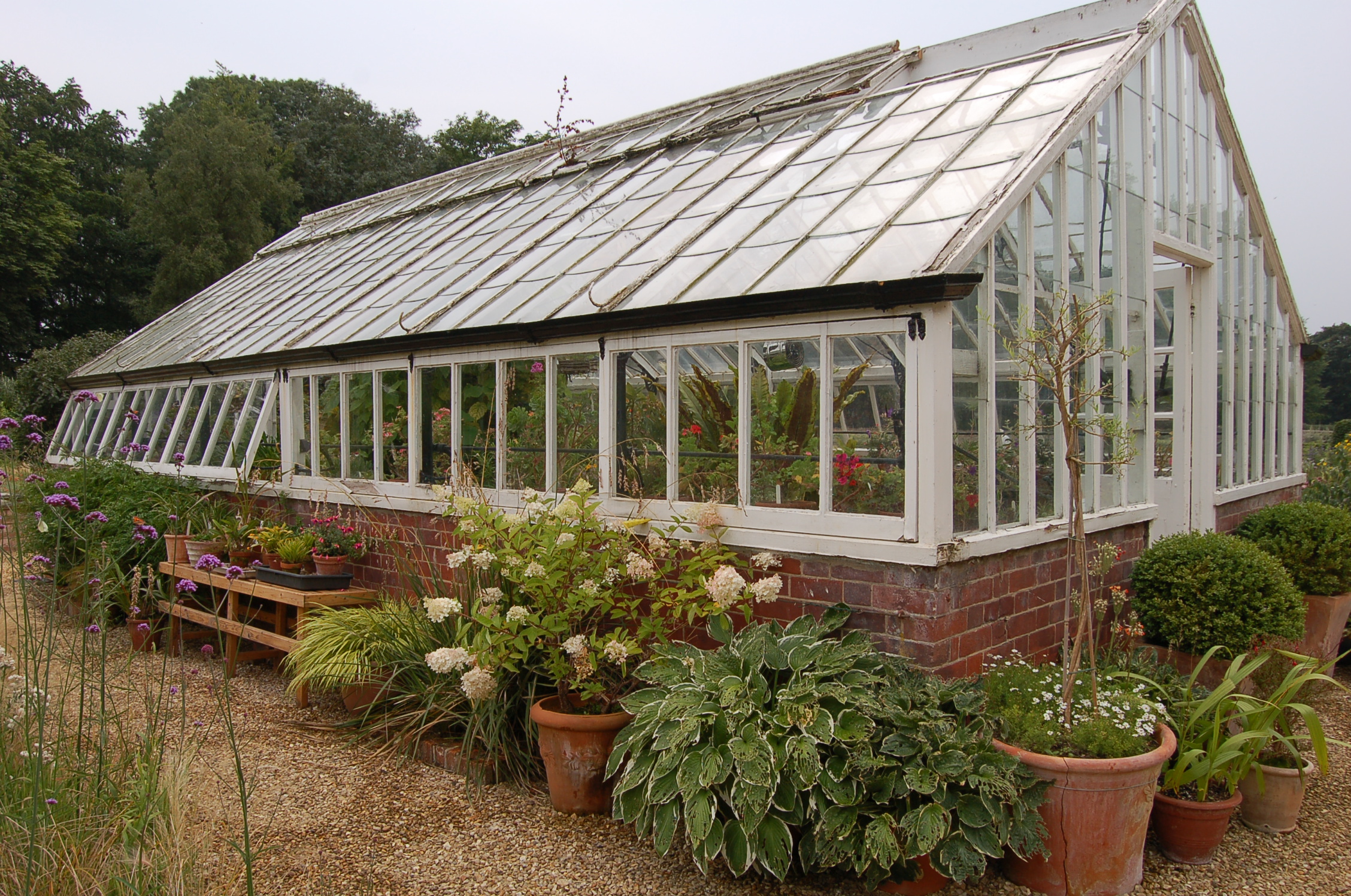
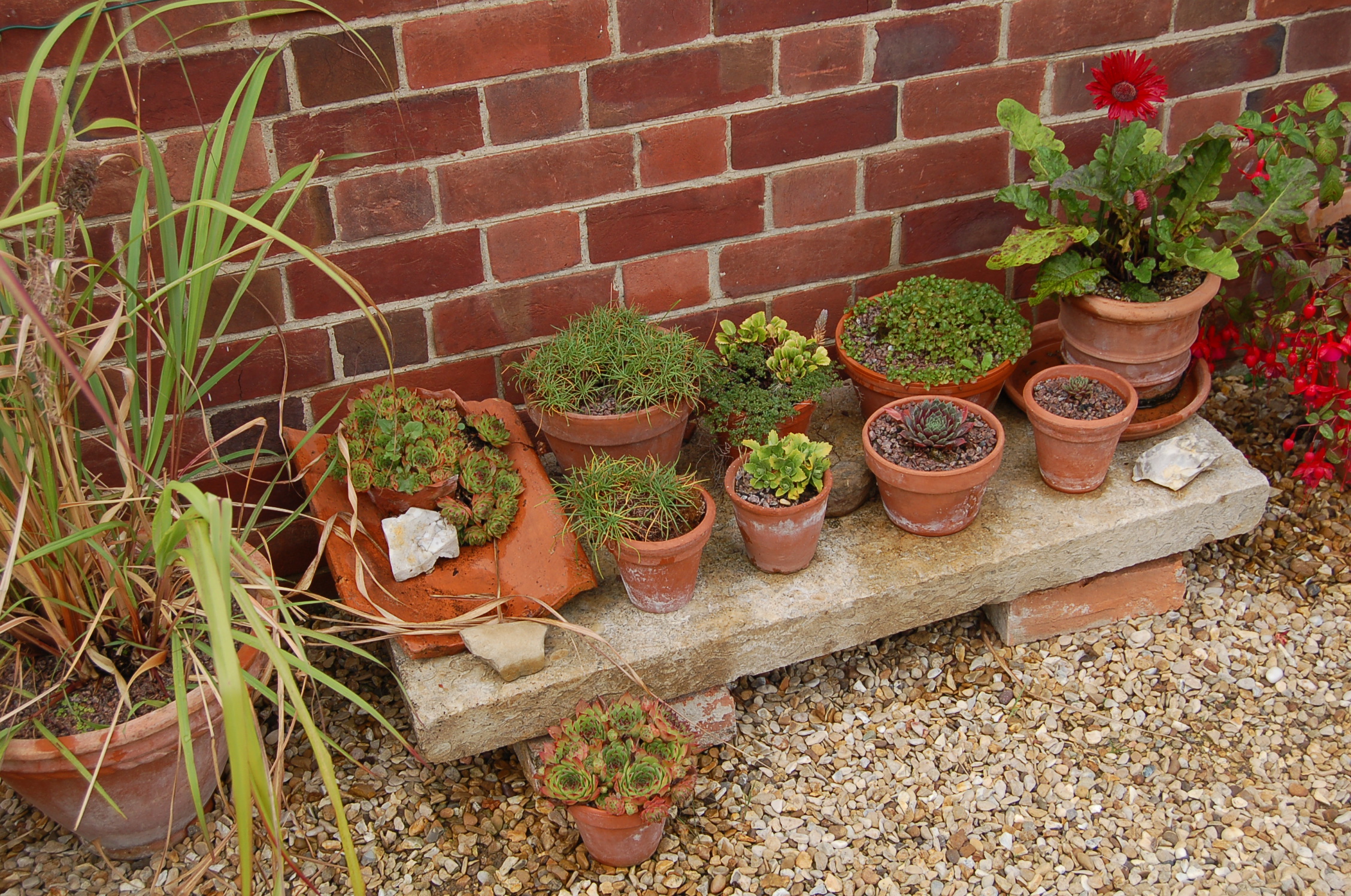
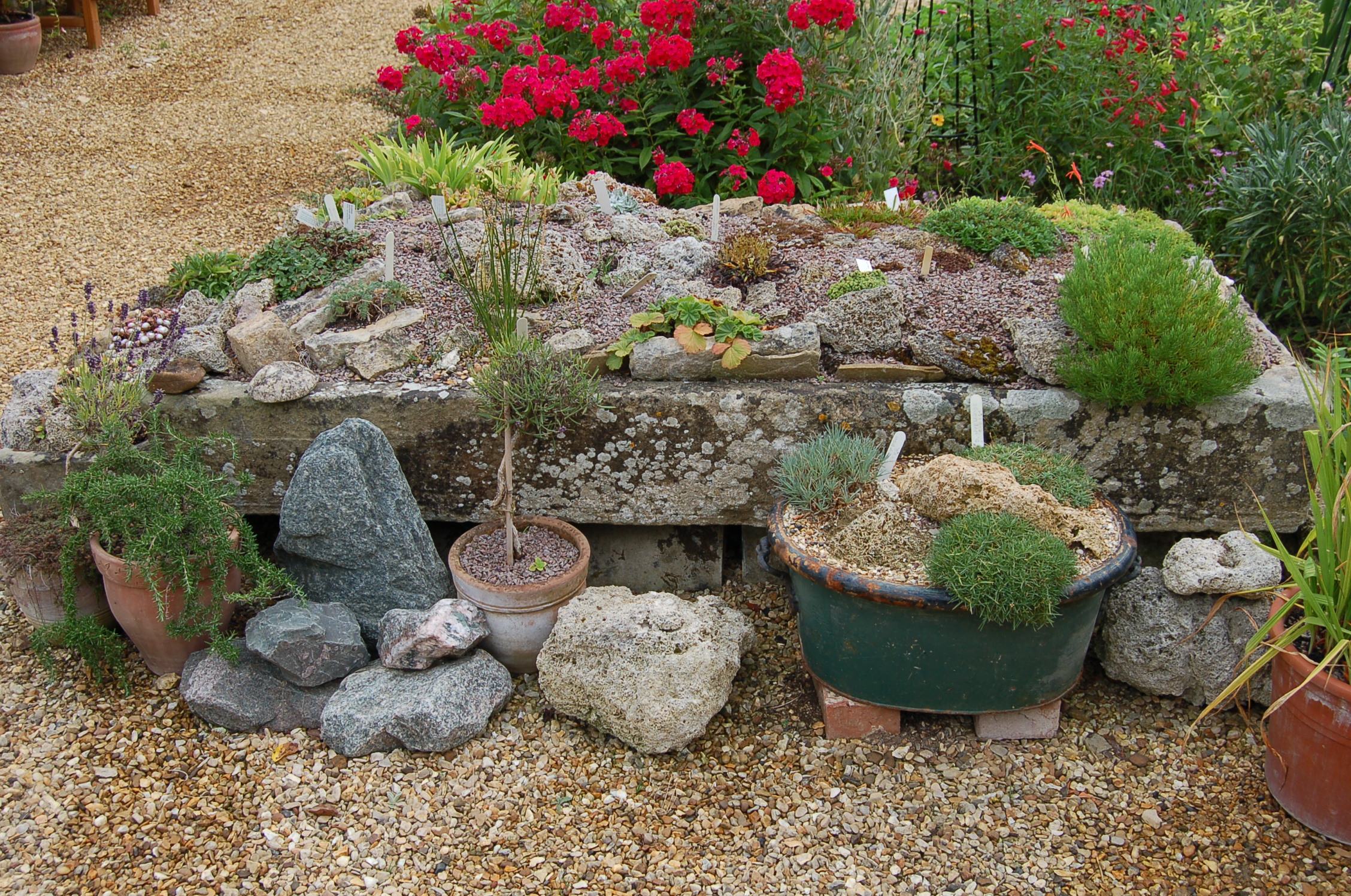
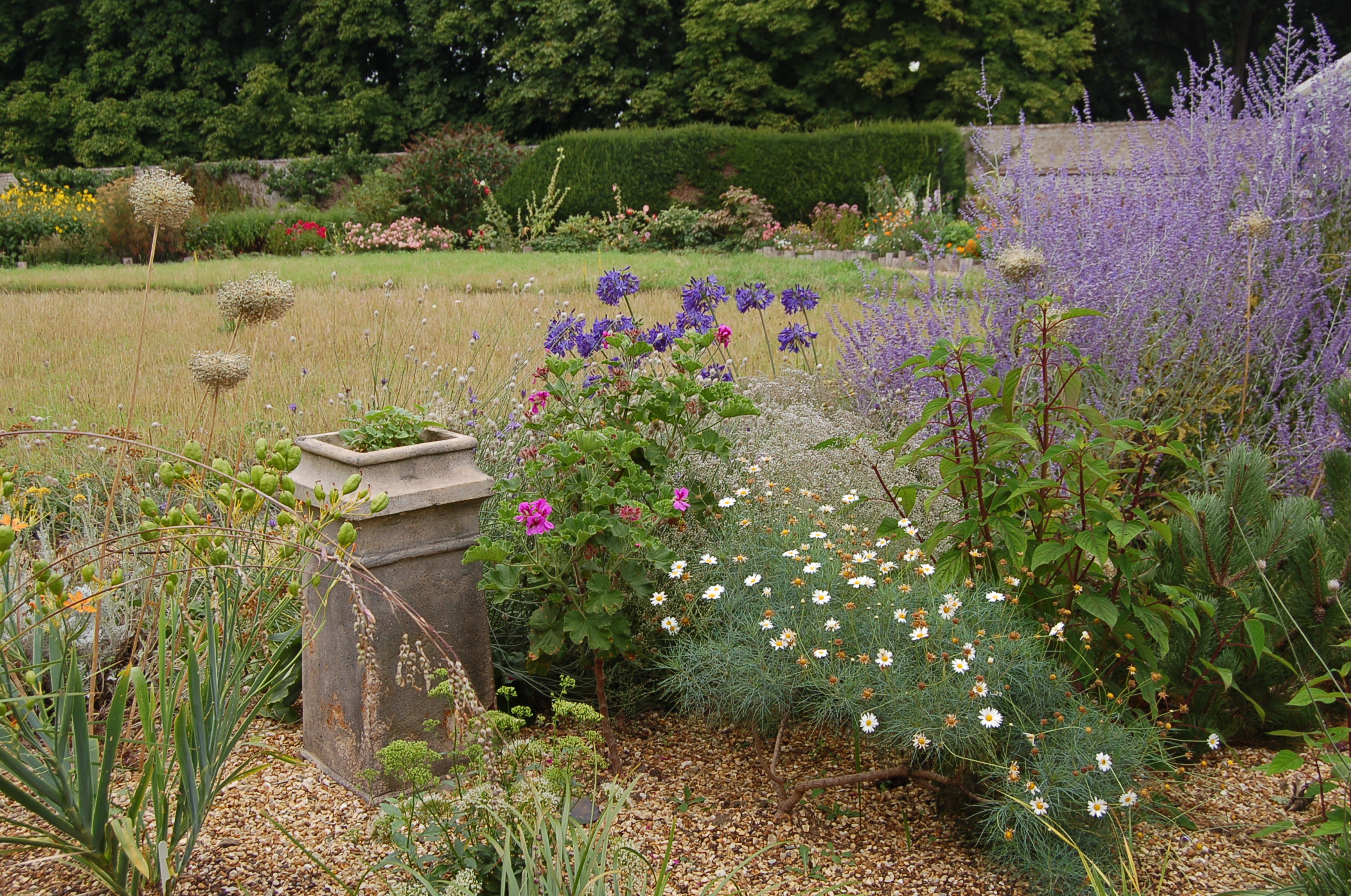
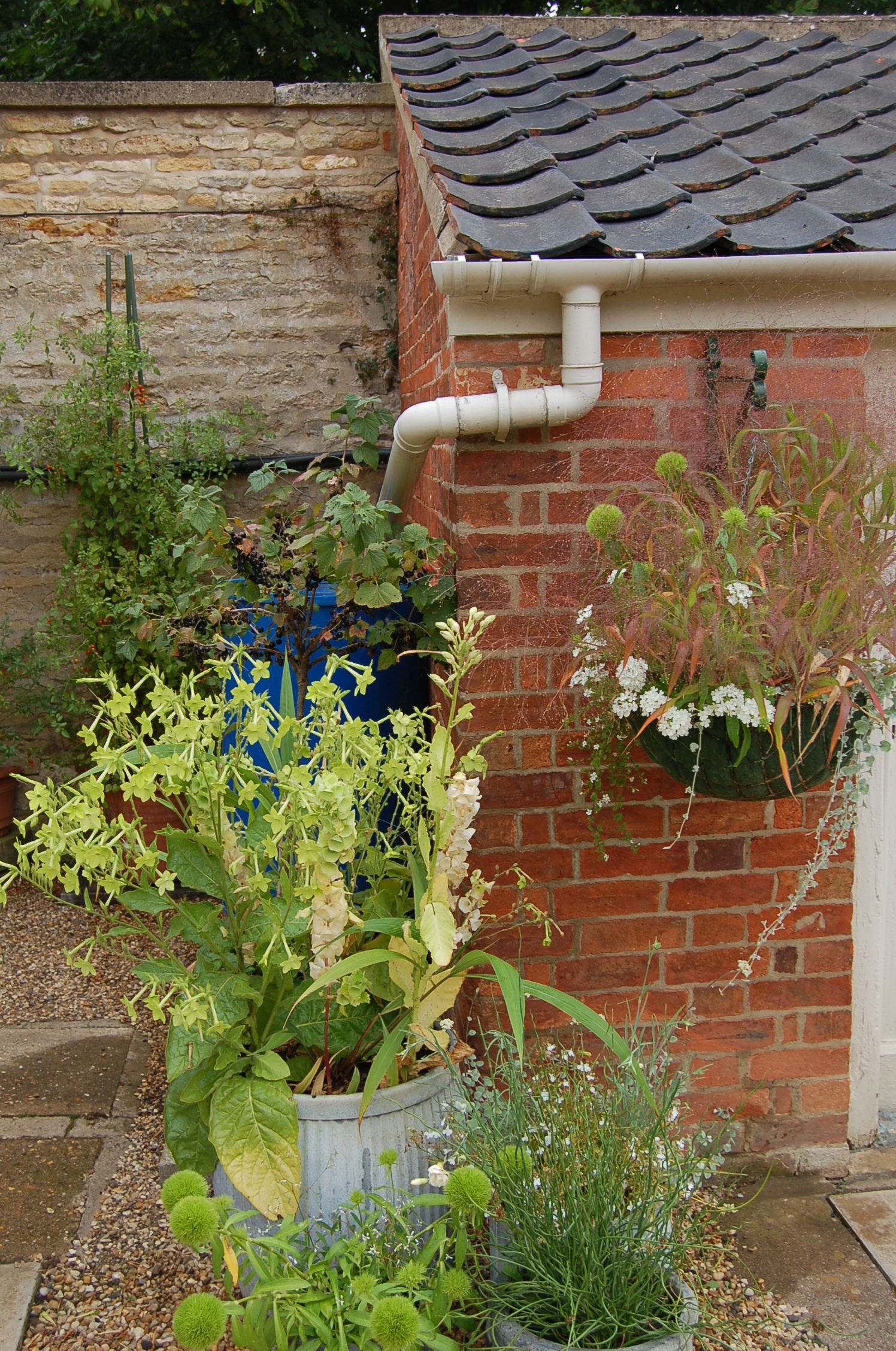
And what a sight met our eyes! The area enclosed by the old honey-coloured stone walls was far larger than we expected and contained a sensory garden, a wildlife garden, herbaceous borders and old greenhouses surrounded by interesting plantings in a selection of eclectic containers.

2013 08 23_3061 2013 08 23_3062 2013 08 23_3063

2013 08 23_3071 2013 08 23_3070 2013 08 23_3069 2013 08 23_3068 2013 08 23_3067

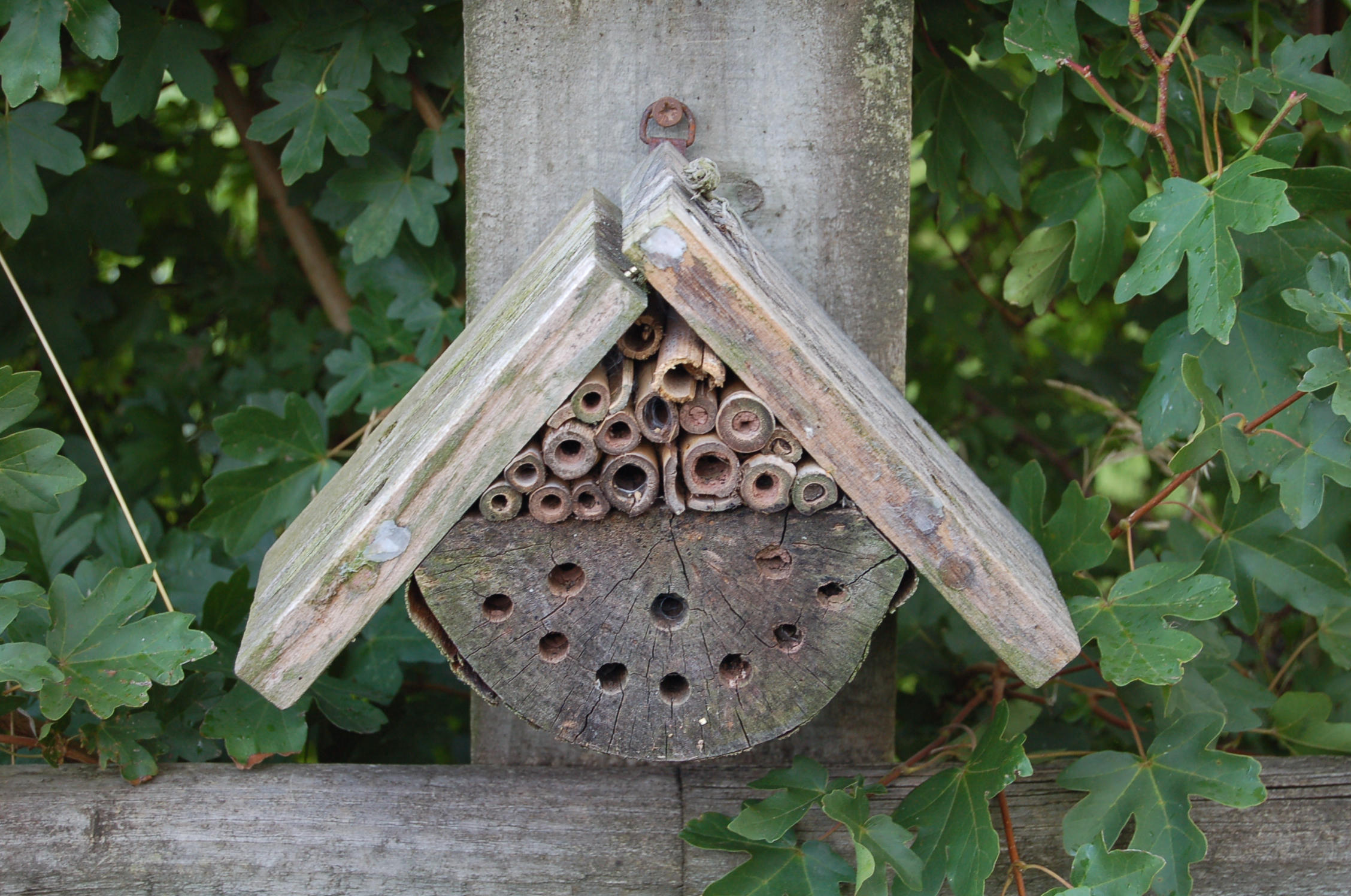
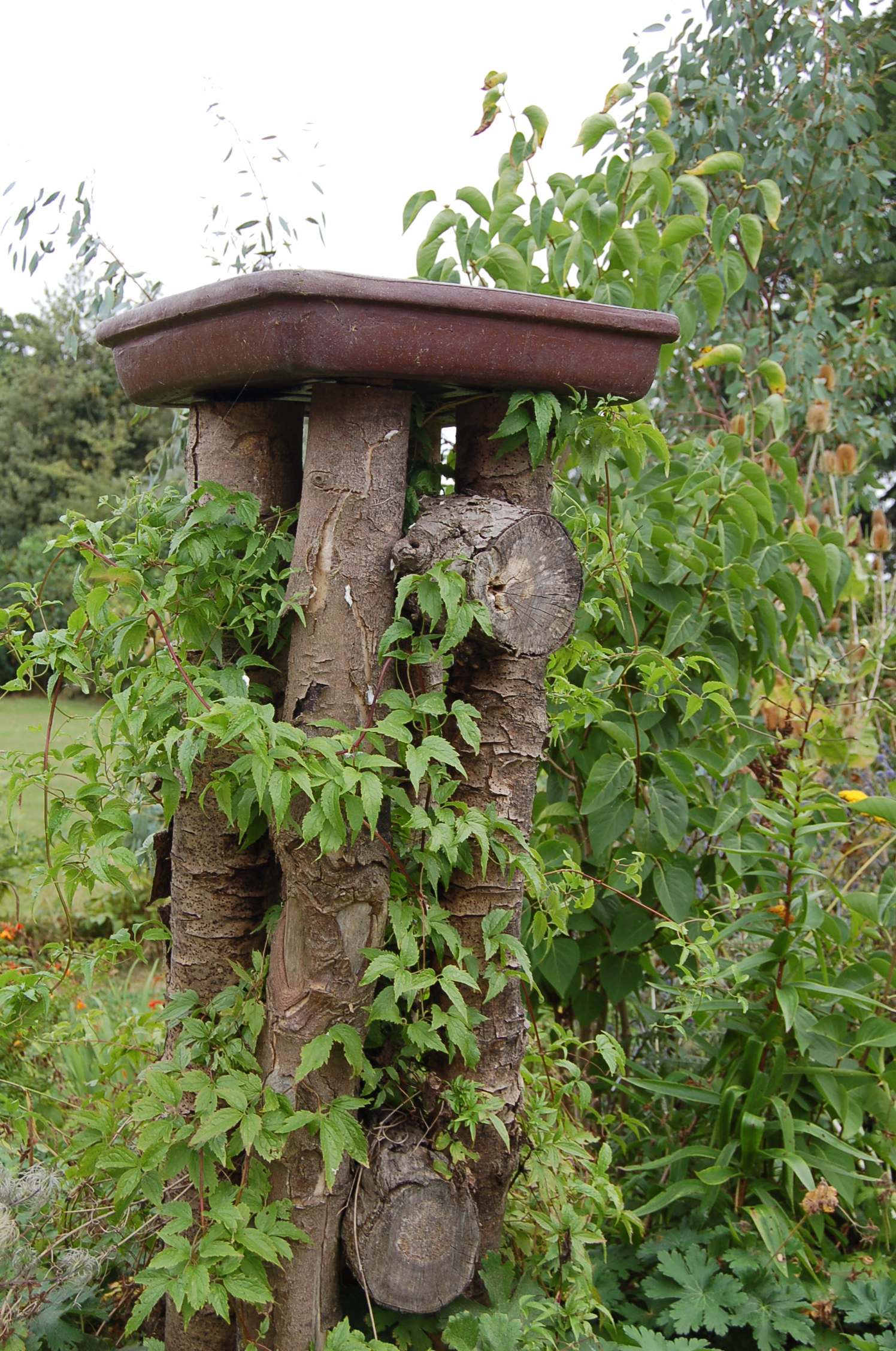
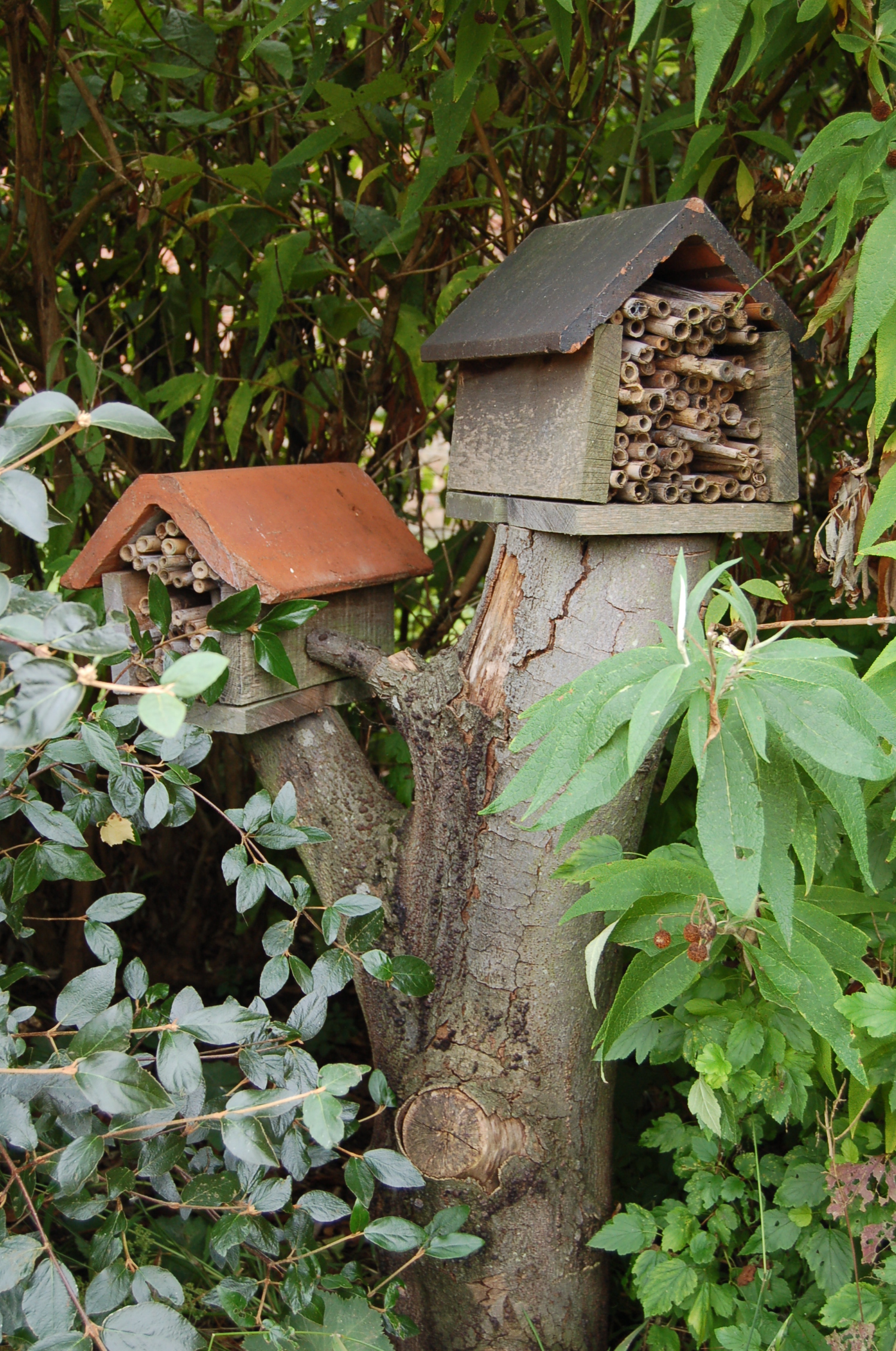
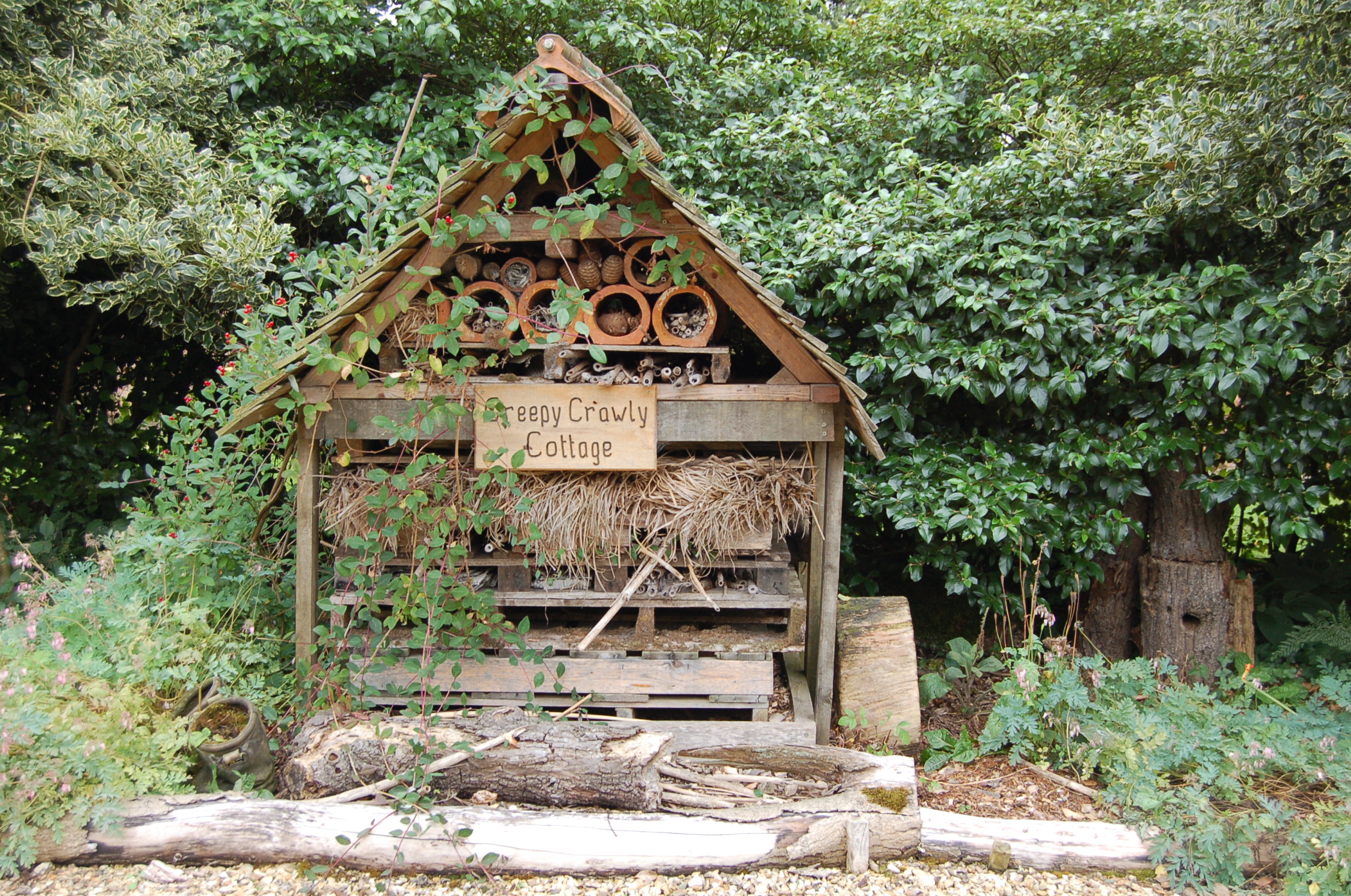
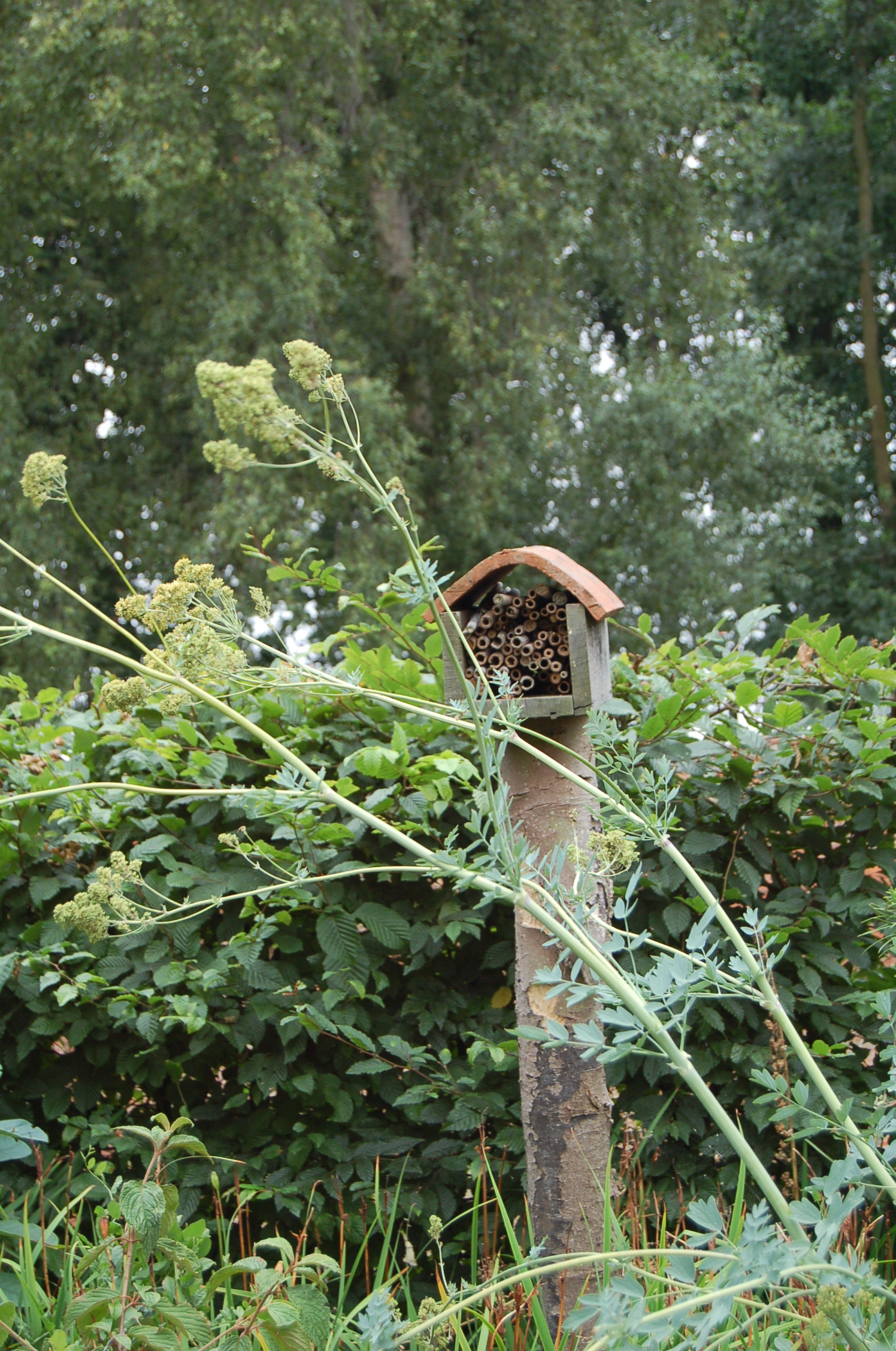
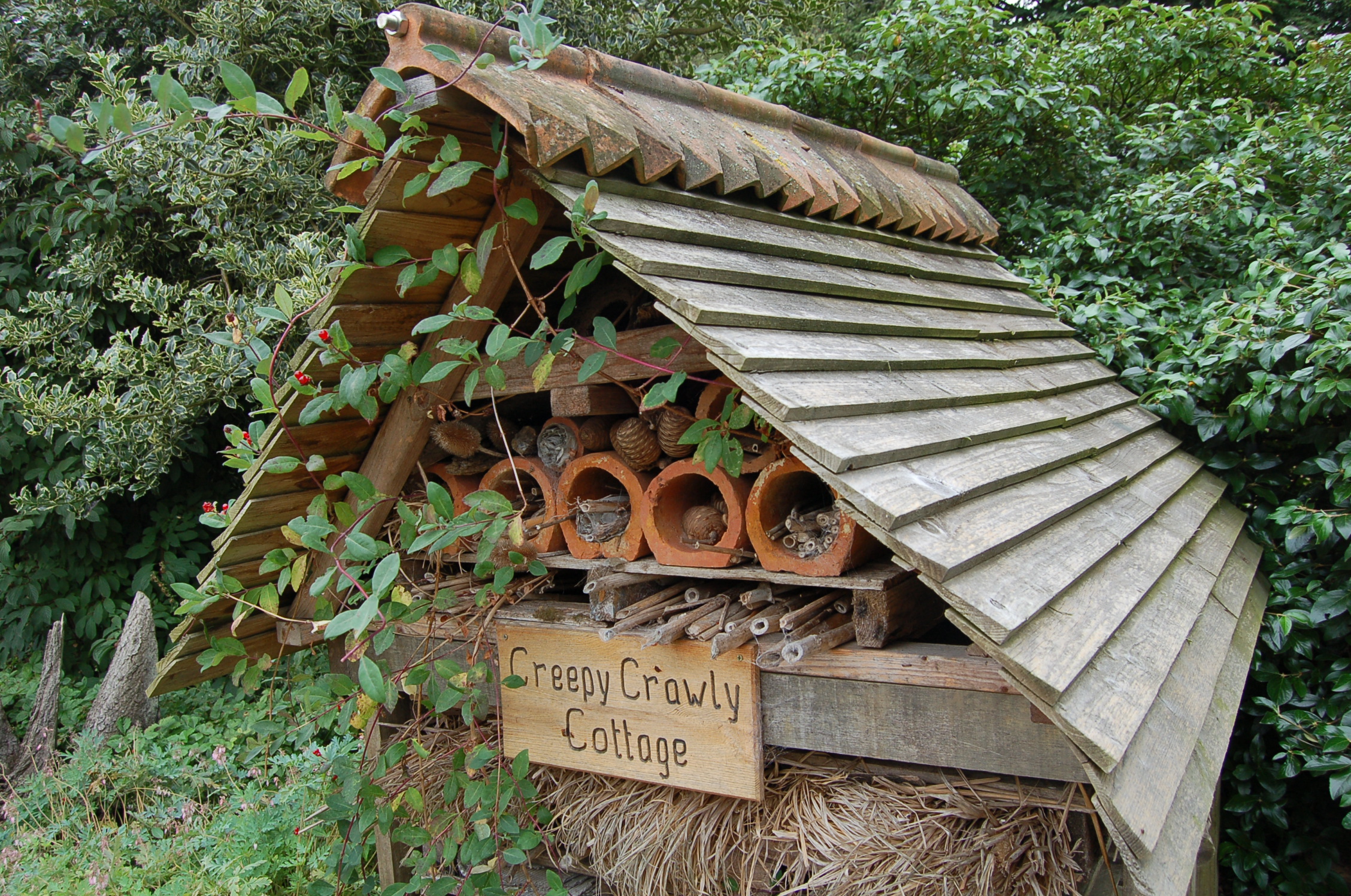
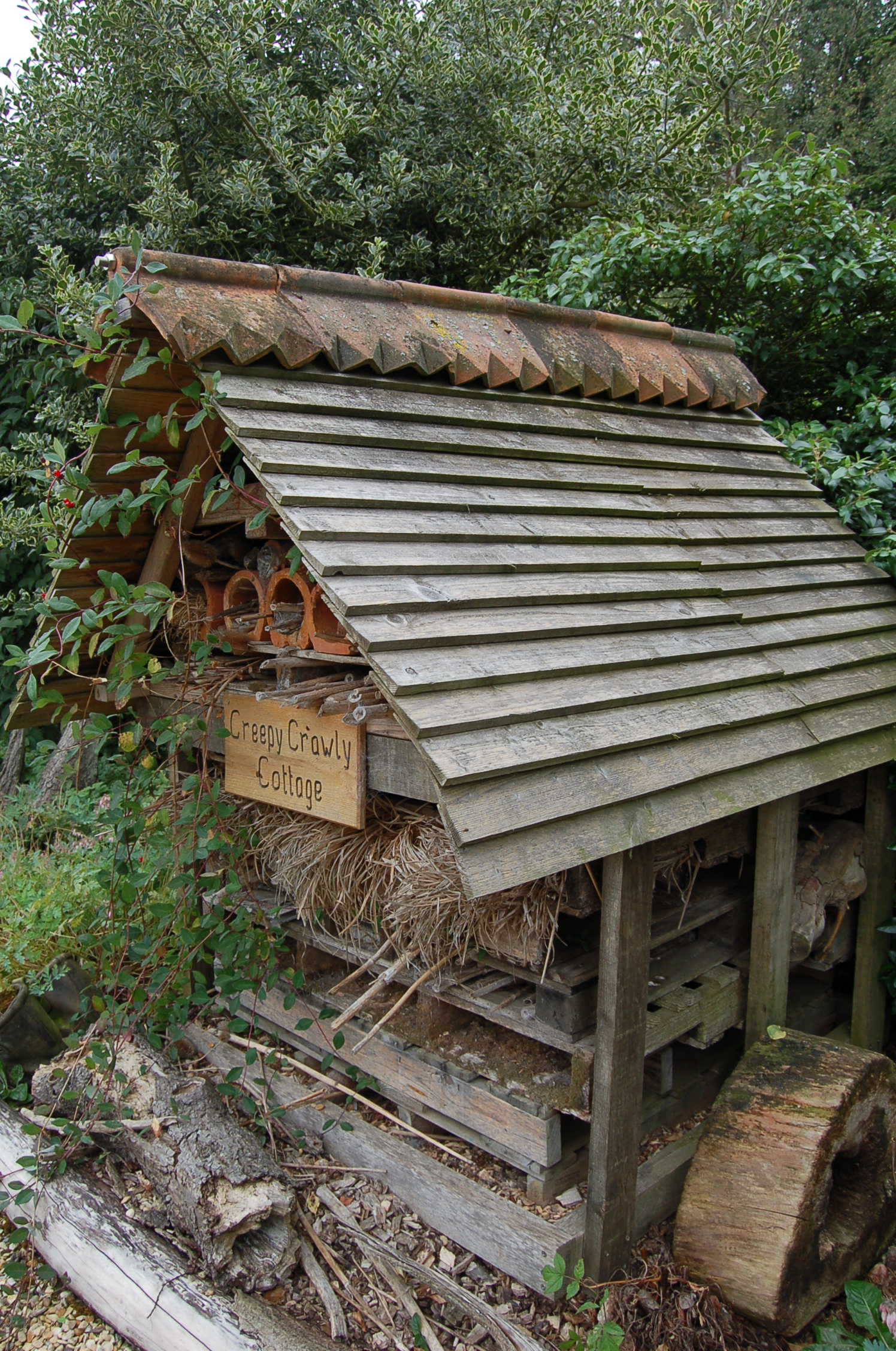
The garden designed to attract wildlife contained some interesting insect shelters and great plants for beneficial “critters”. We were most impressed by the insect home called “Creepy Crawly Cottage and the impressive bird bath.

2013 08 23_3075 2013 08 23_3076 2013 08 23_3077 2013 08 23_3078 2013 08 23_3079 2013 08 23_3080 2013 08 23_3081 2013 08 23_3082 2013 08 23_3084 2013 08 23_3085 2013 08 23_3086 2013 08 23_3087

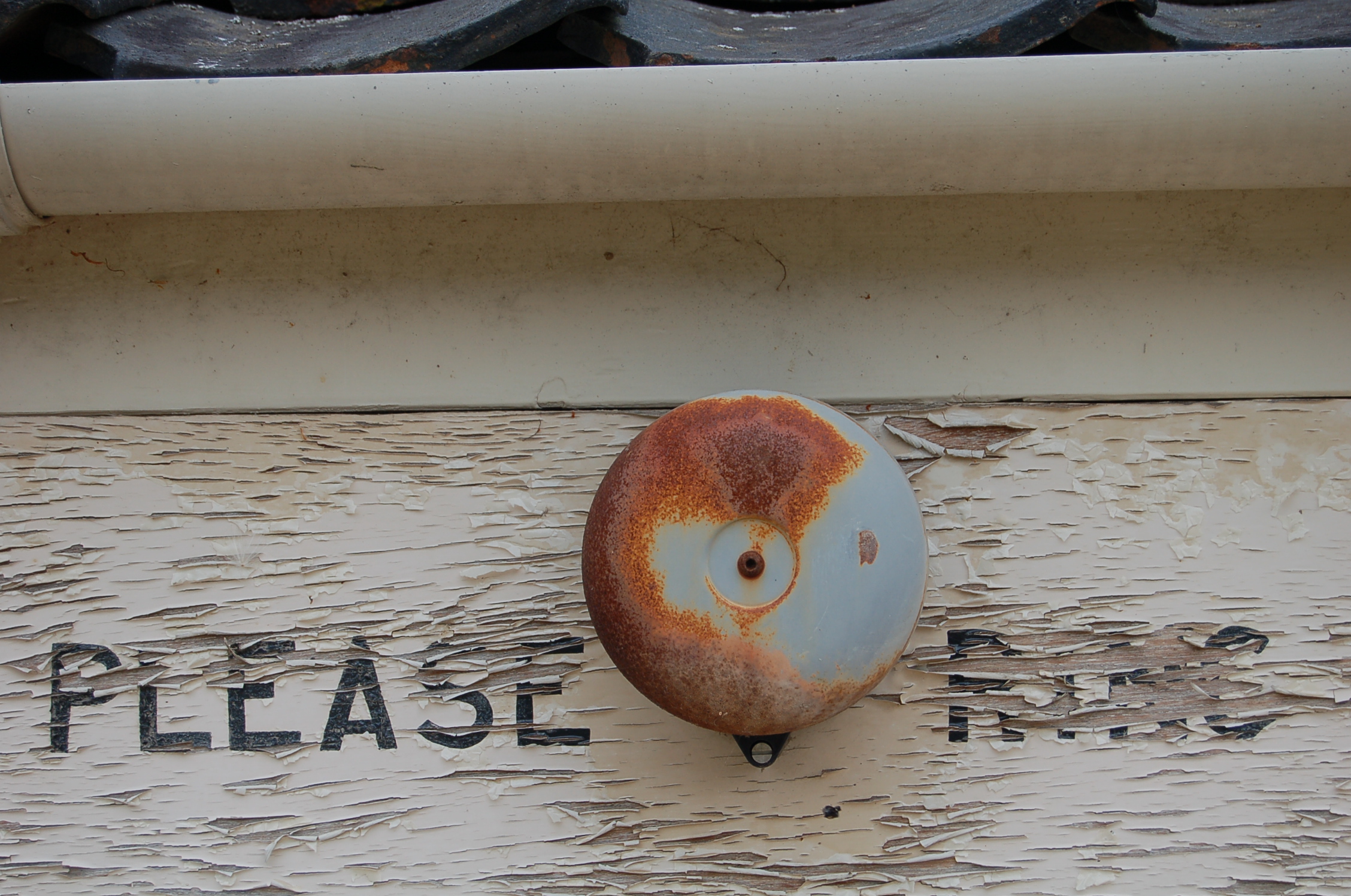
The old gardeners’ bothy was full of character. I loved the bell!

2013 08 23_3090 2013 08 23_3089 2013 08 23_3088

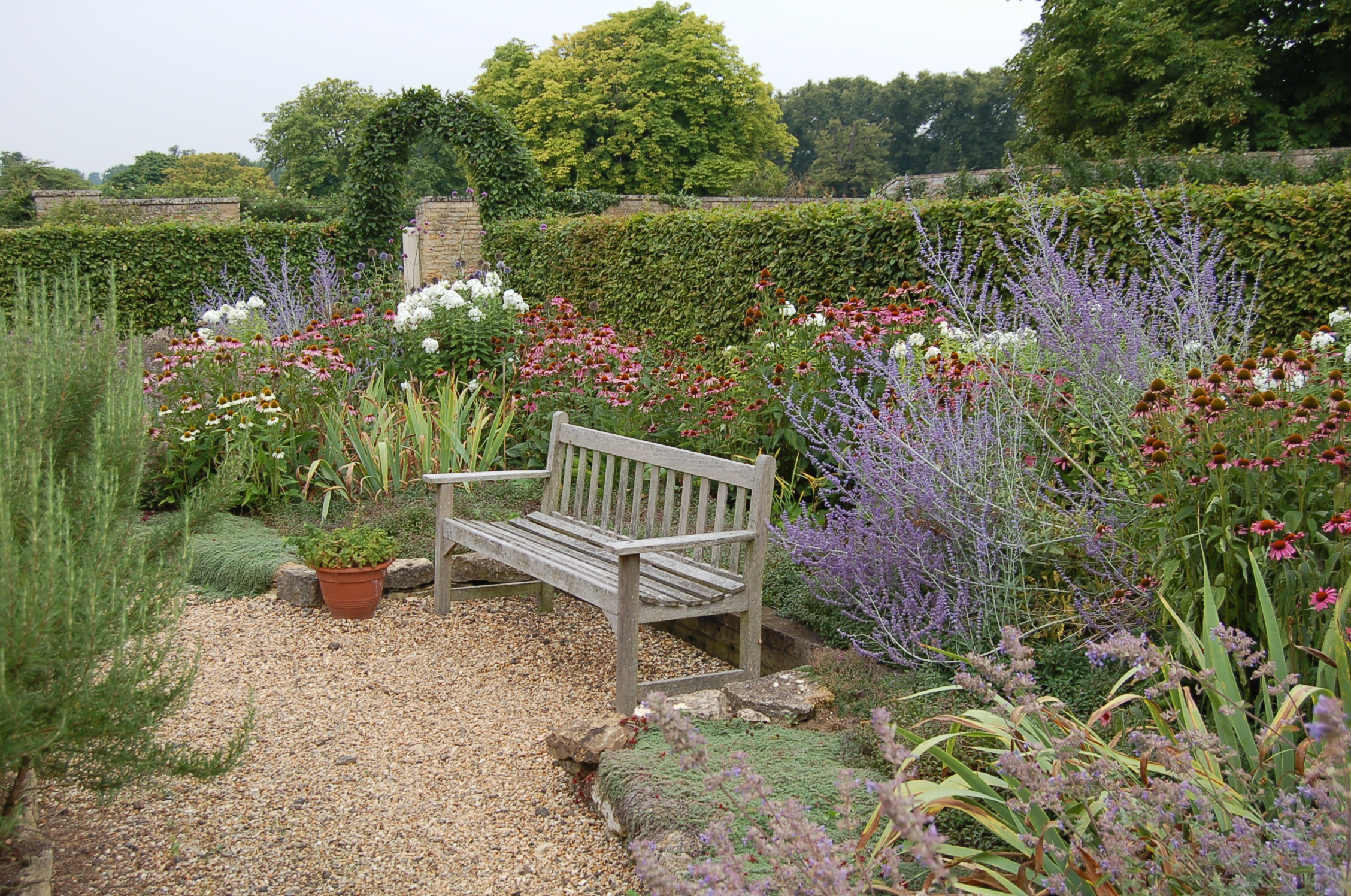
At the far end of the walled garden the sensory garden satisfied our noses with sweet herby scents.

2013 08 23_3091 2013 08 23_3092 2013 08 23_3093 2013 08 23_3094 2013 08 23_3095

I shall finish this report on Boughton with a couple of interesting features that caught my eye throughout the garden.

2013 08 23_3104 2013 08 23_3103 2013 08 23_3102 2013 08 23_3101 2013 08 23_3100 2013 08 23_3099 2013 08 23_3097 2013 08 23_3095 2013 08 23_3083 2013 08 23_3060 2013 08 23_3059 2013 08 23_3058

Categories
architecture garden design garden photography gardening gardens open to the public Land Art landscapes ornamental trees and shrubs outdoor sculpture

A Sculpted Landscape – Boughton House

We were planning our journey to the North Norfolk coast to visit a couple of RSPB nature reserves and were seeking somewhere to visit on the way. We came across Boughton House marked on our map so googled it to find our more. We were so glad we did! The buildings were of a beautiful simple architectural style with French influences. Even the stable blocks impressed. Soft gentle lines and delicate grey-brown coloured stone.

2013 08 23_2979 2013 08 23_2978

We discovered that the grounds around the house were sculpted in the C18 in an unusual manner and recently more landforms were added by Kim Wilkie, a modern landscape architect and one of our favourites.

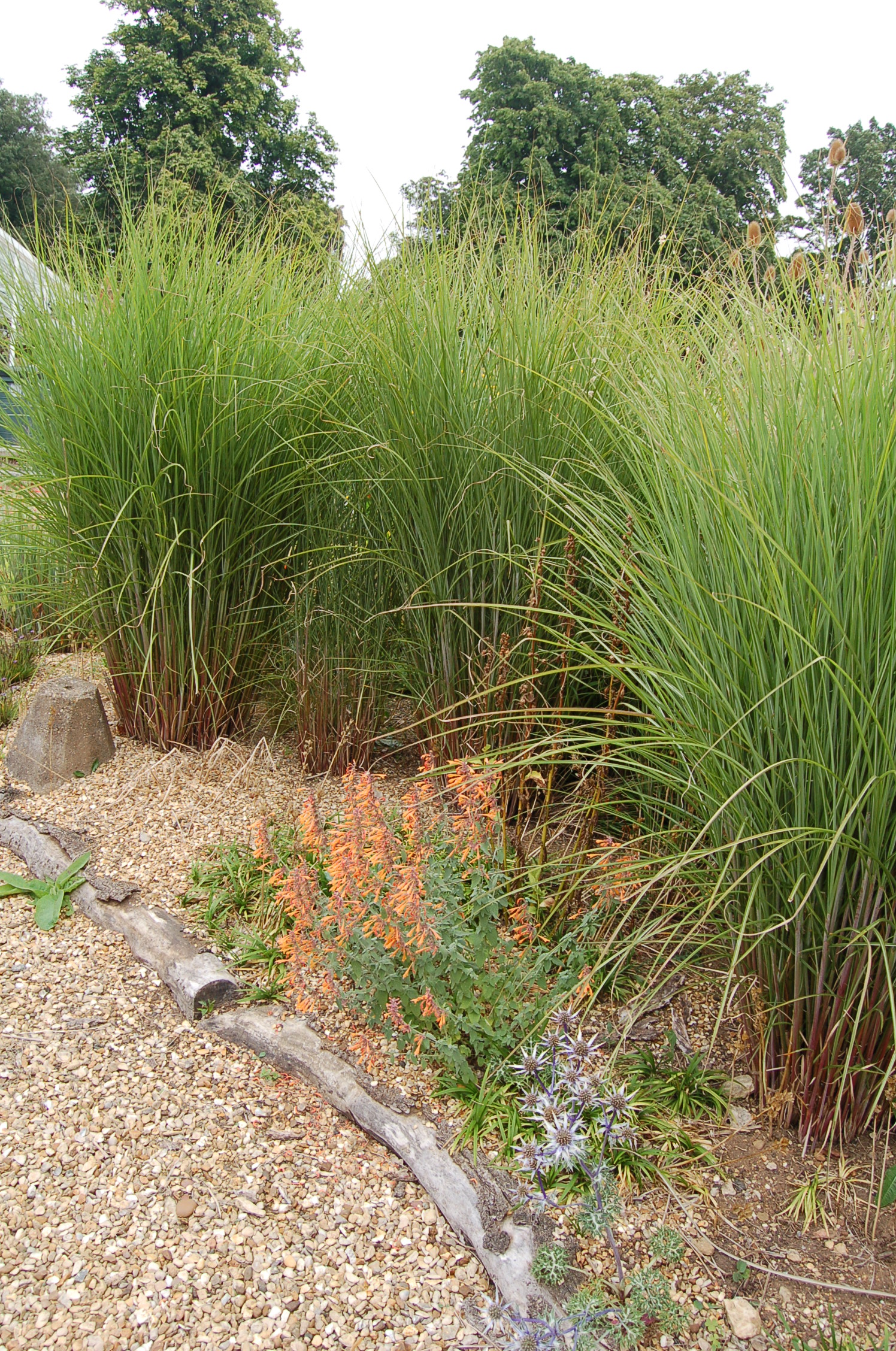
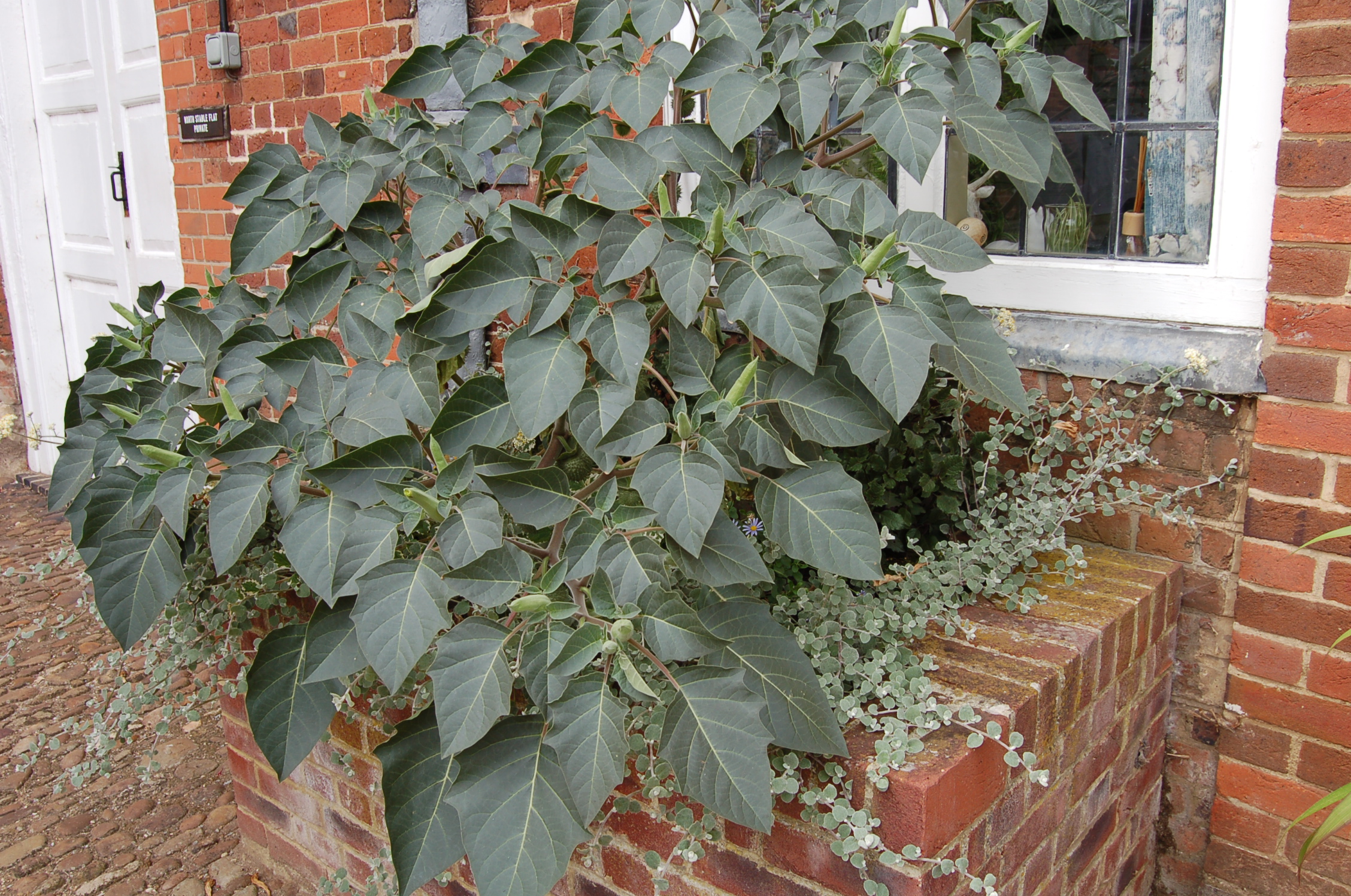
But to get to the grounds we passed through a courtyard of cobbles and gravel which featured some subtle planting combinations in containers. The strange alien-like fruits belong to the grey leaved plant, which was completely unknown to us.

2013 08 23_2972 2013 08 23_2973 2013 08 23_2975 2013 08 23_2976 2013 08 23_3106 2013 08 23_3105

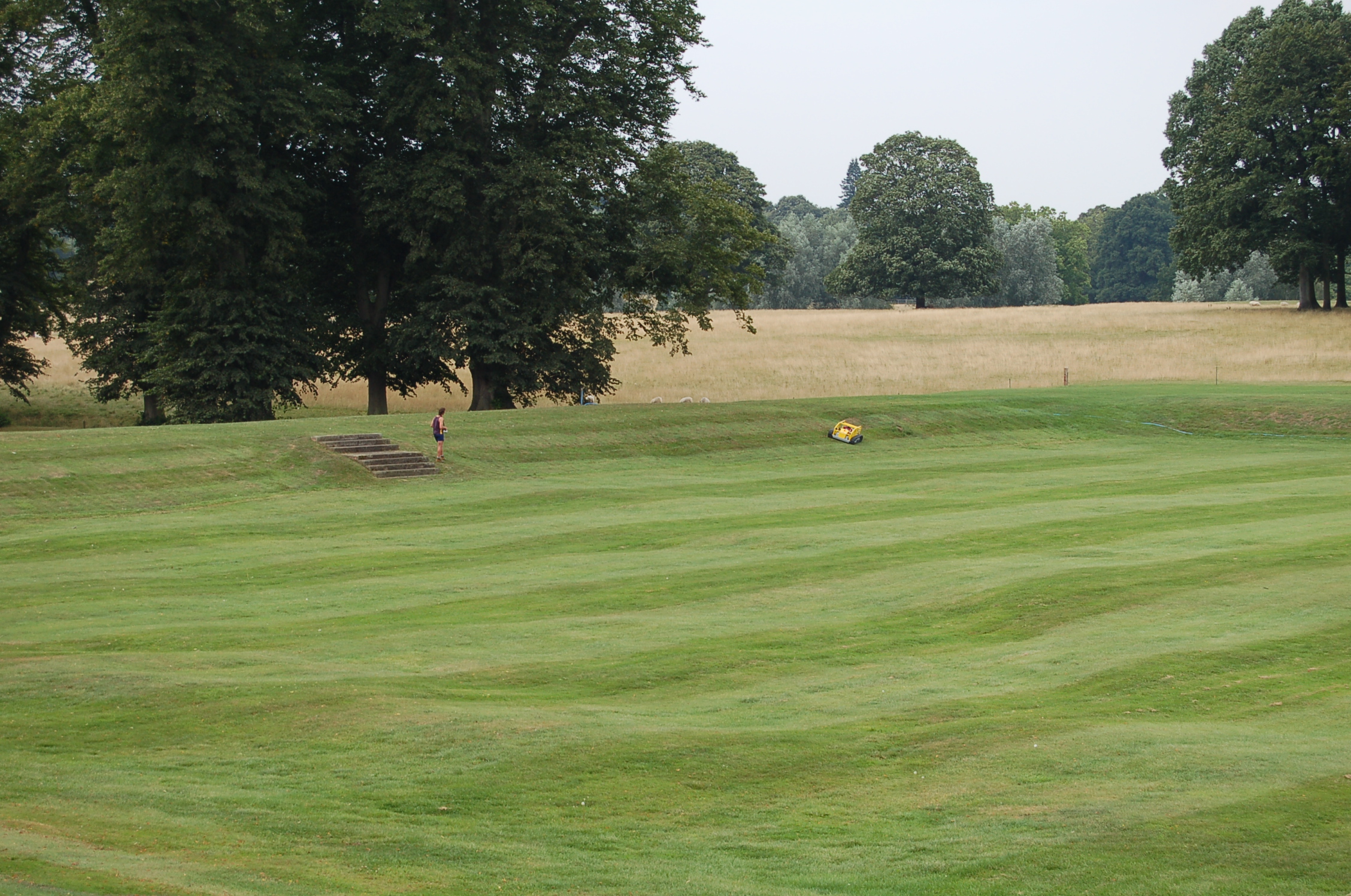
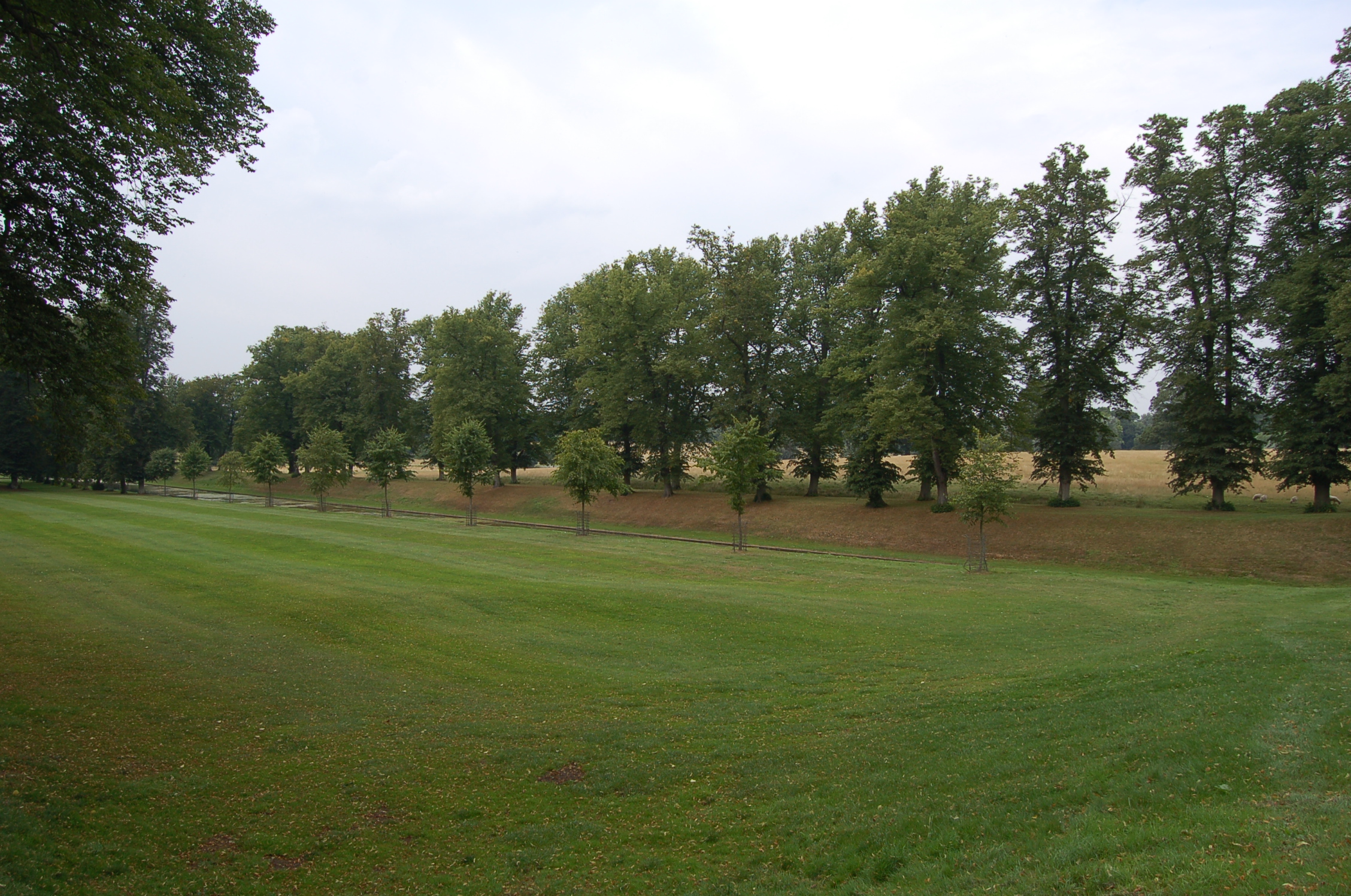
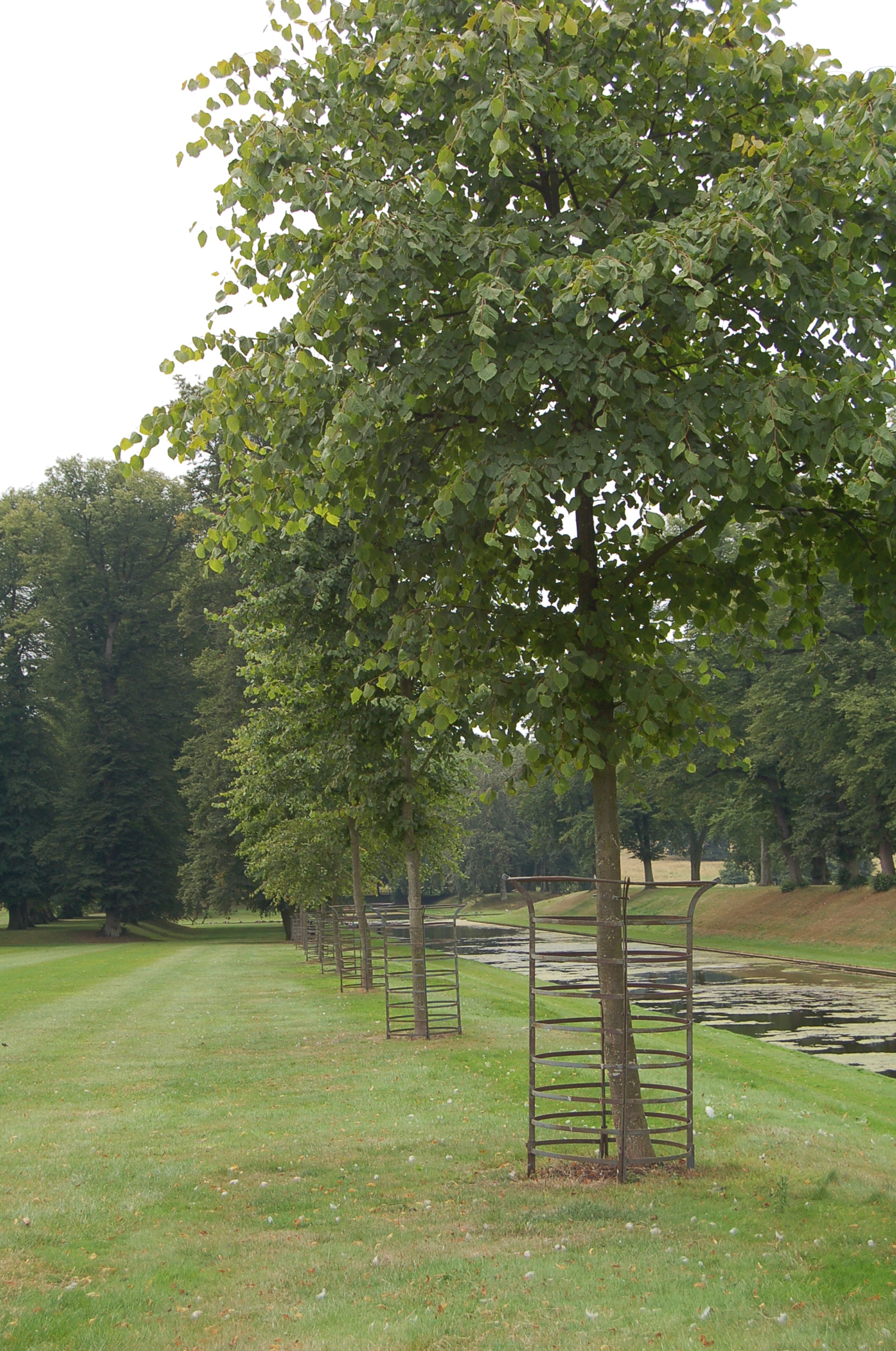
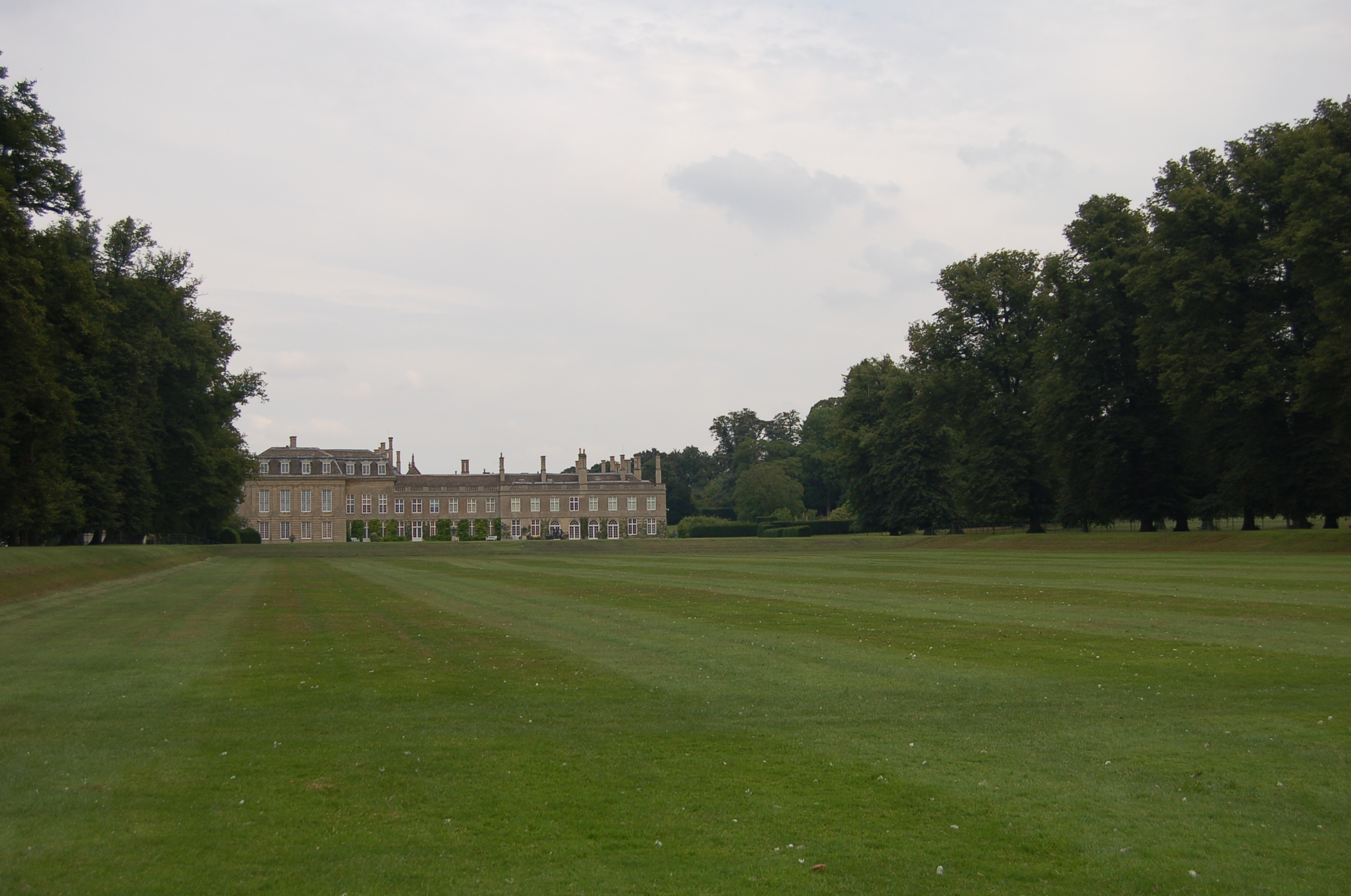
Off into the parkland and we came across long avenues of lime trees and huge canal features, constructed way back in the C18. These original features were supposed to have been inspired by Versailles.

2013 08 23_2981 2013 08 23_2982 2013 08 23_2983 2013 08 23_2984 2013 08 23_2986 2013 08 23_2987 2013 08 23_2988 2013 08 23_2989 2013 08 23_2990

Of course the problem with all these sloping areas of grass is mowing them. When originally conceived the landowners would not have required their grass to be cut as short as modern gardeners want. So their scythes were perfectly up to the job. The gardeners at Boughton today use ingenious remote-controlled mowers with caterpillar tracks instead of wheels to give extra grip on the steep gradients.

2013 08 23_2985

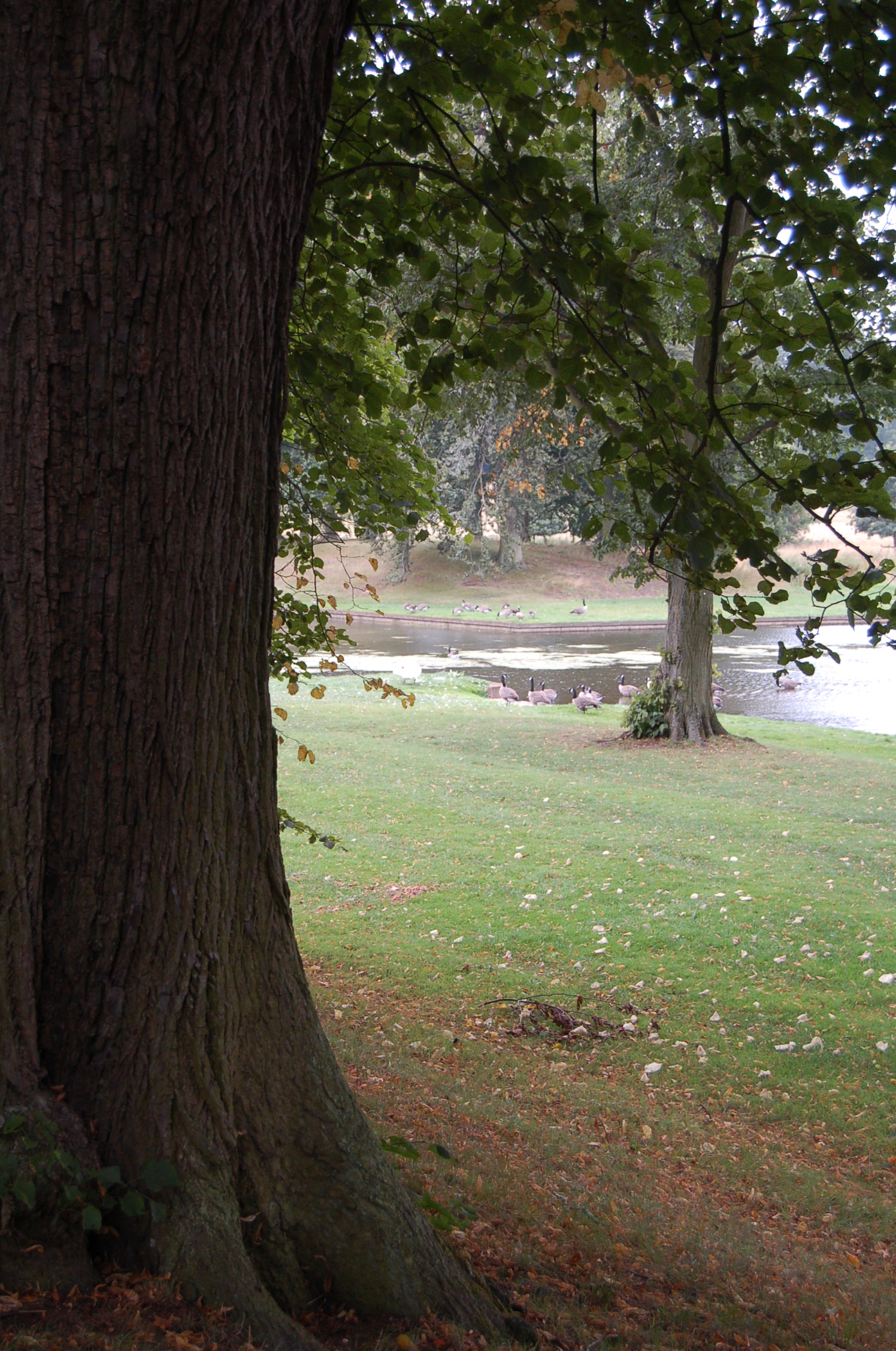
As we reached the far end of these long canals we passed a larger lake and gained views of the house at the far end of a vast expanse of lawn.

2013 08 23_2989 2013 08 23_2991 2013 08 23_2992 2013 08 23_2993 2013 08 23_2994 2013 08 23_2995

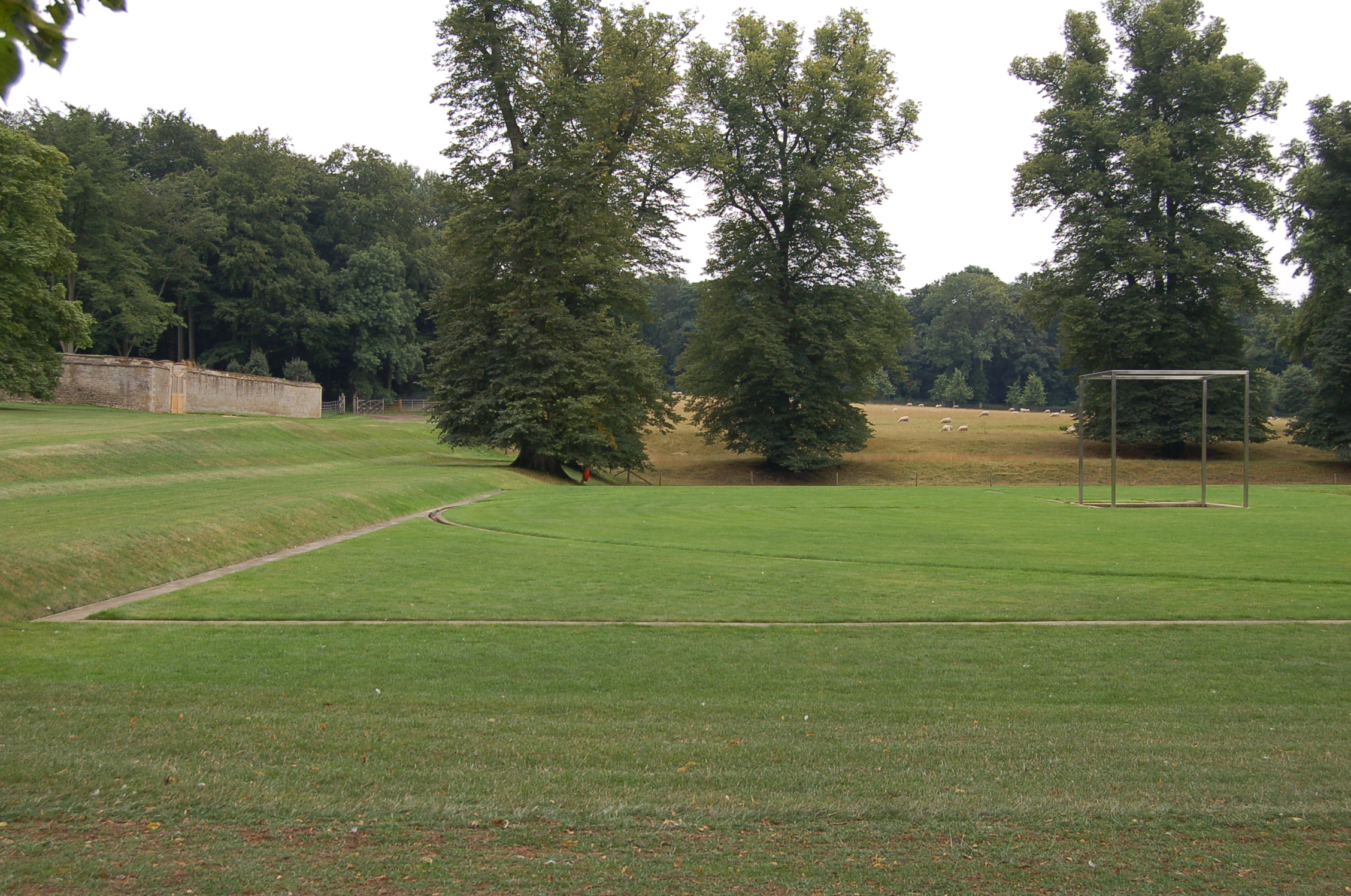
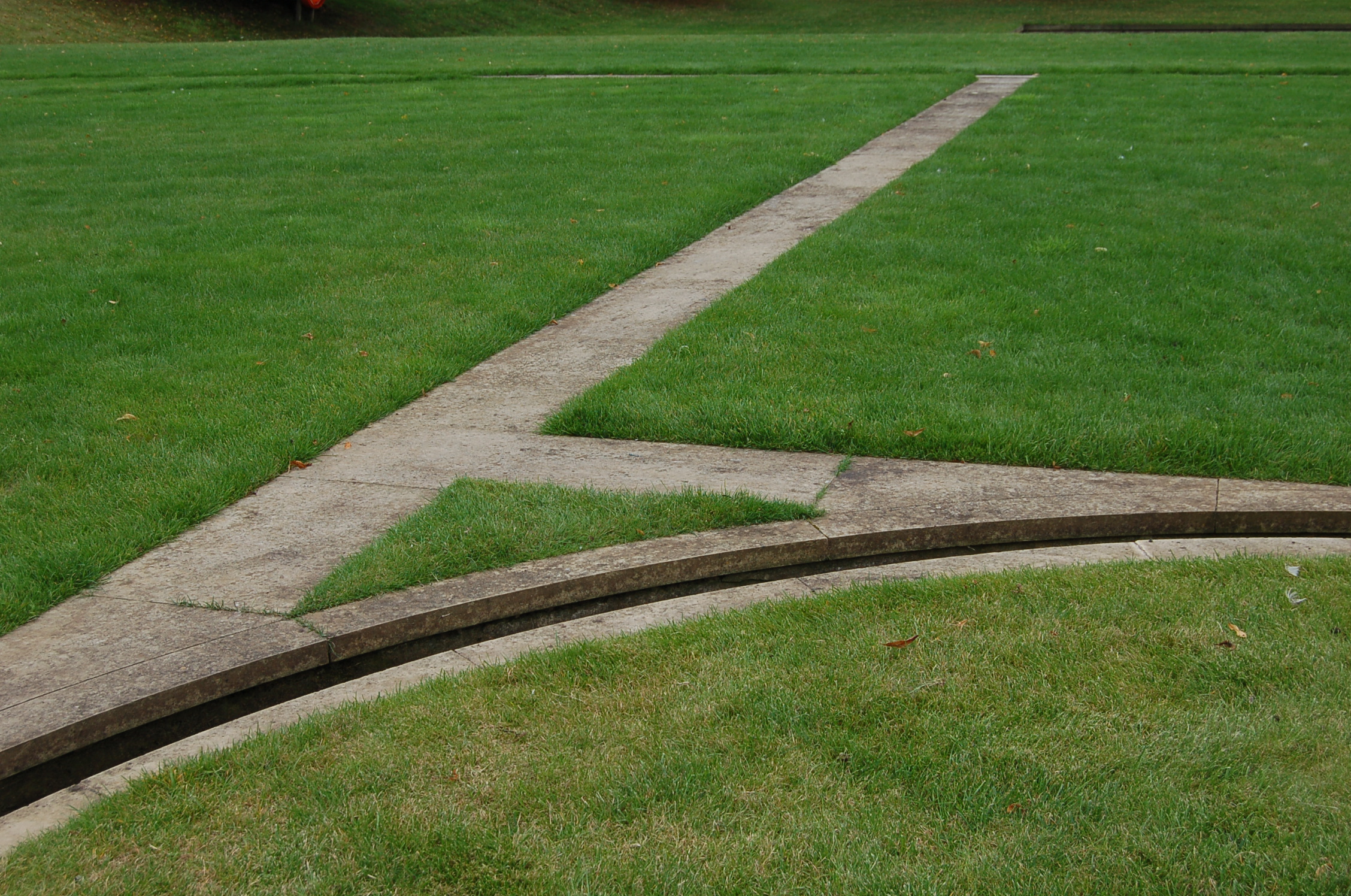
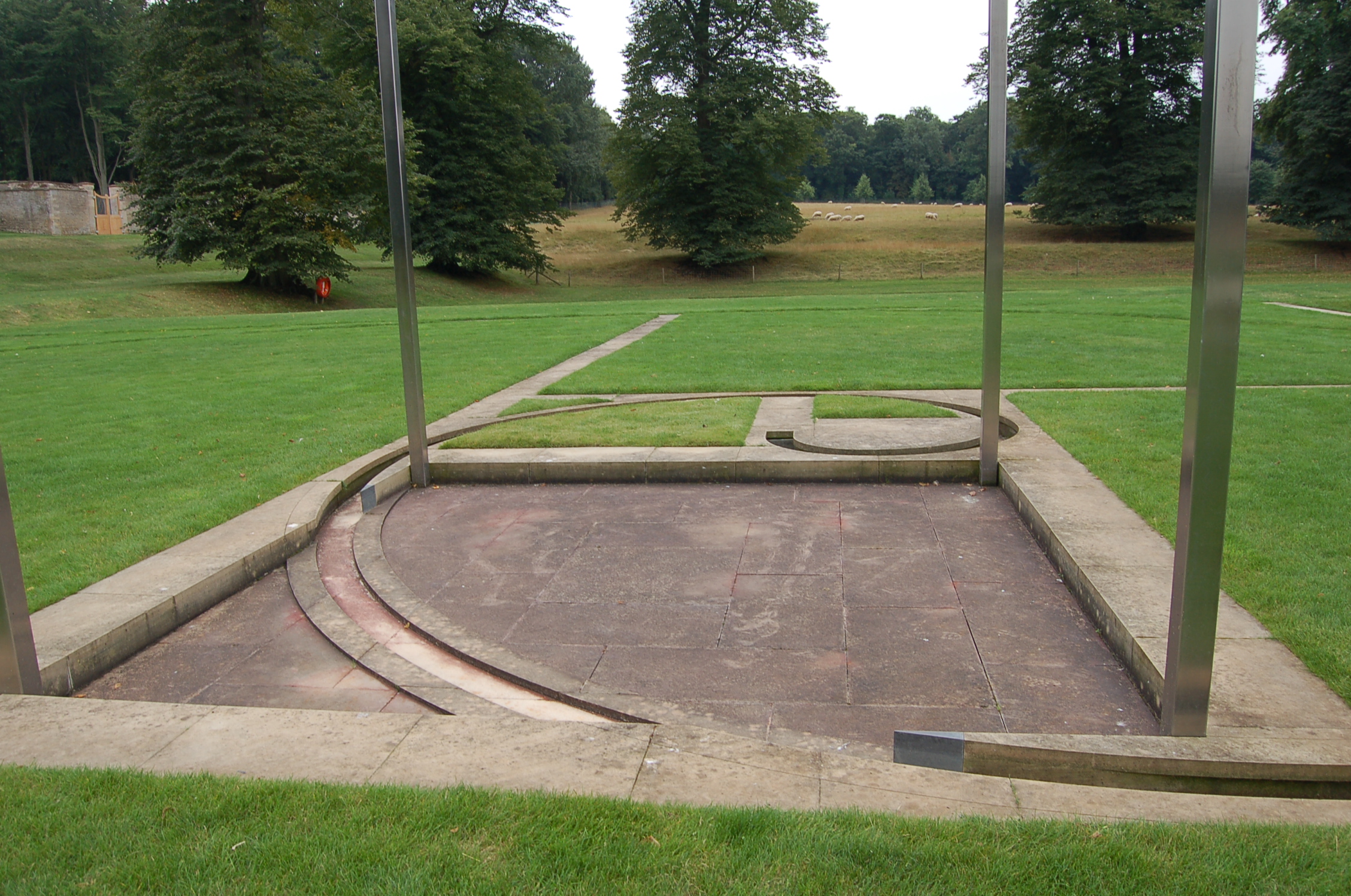
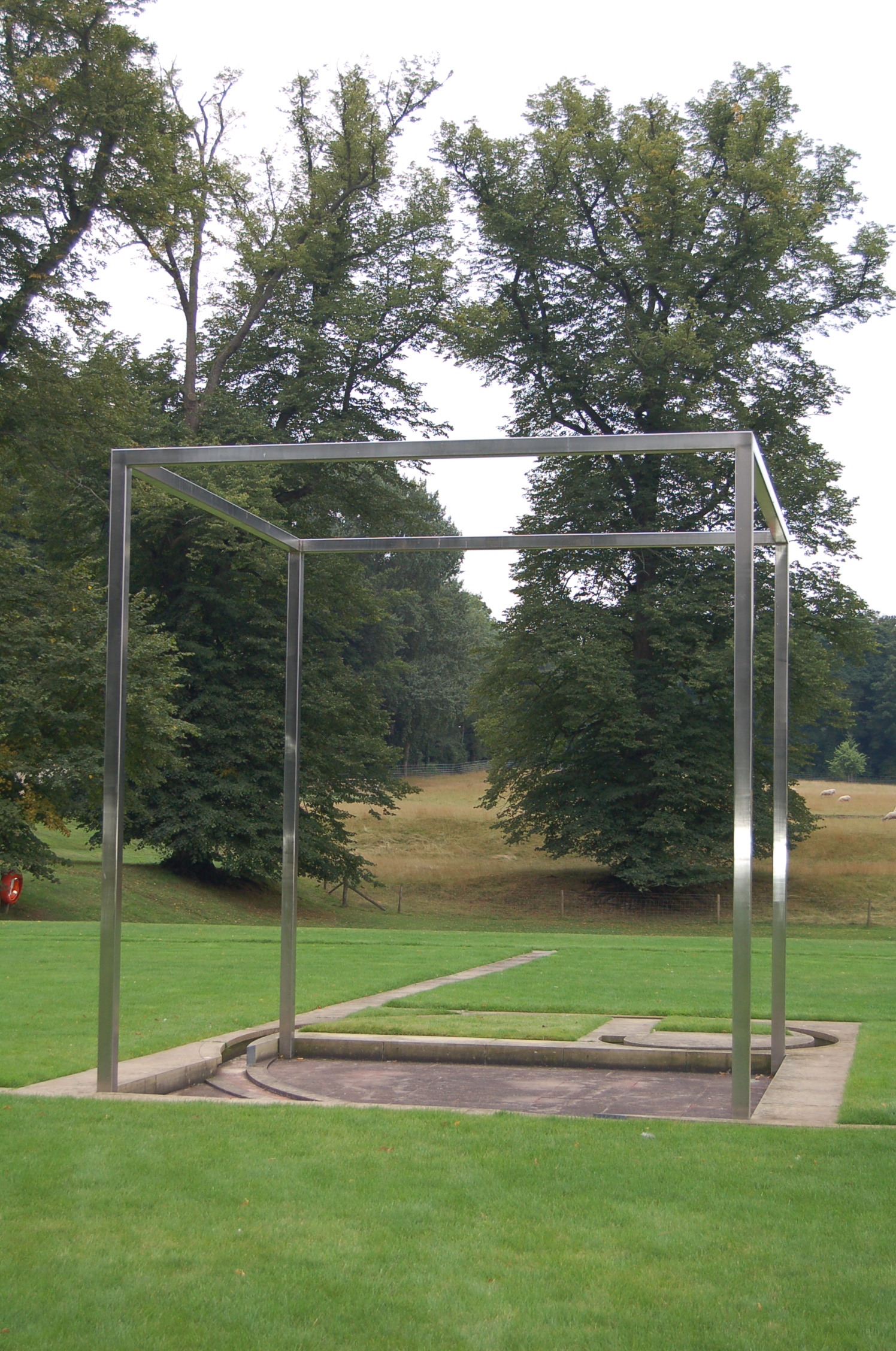
The modern landforms fitted so well into the original landscapes that it was hard to see identify where one finished and another started.

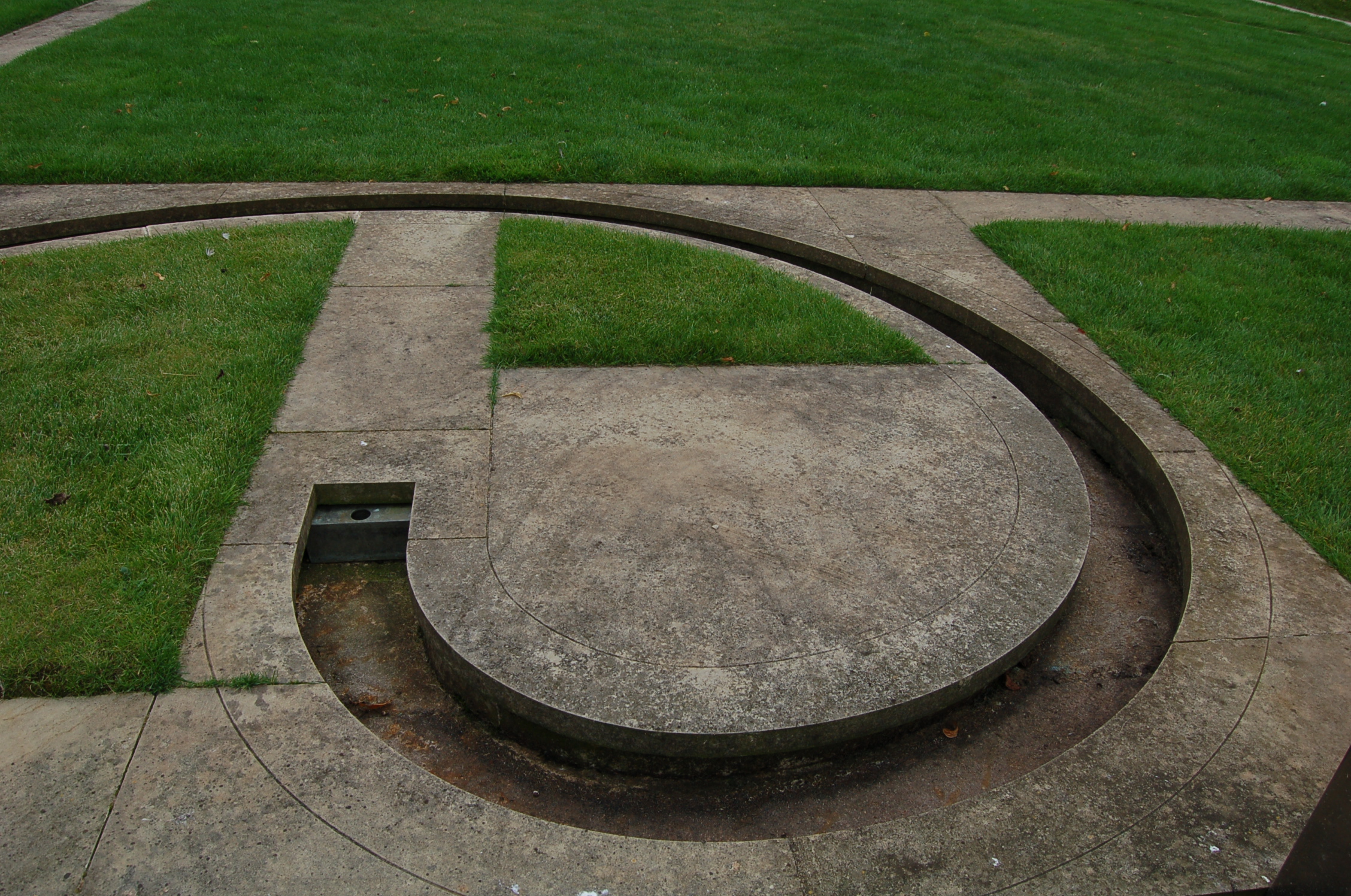
This stimulating piece of land art was based on the structure of the spiral in nature such as the framework that gives sea shells their strength. It gave us a feeling of satisfaction as it seemed so settled into the landscape and invited exploration.

2013 08 23_3009 2013 08 23_3008 2013 08 23_3007 2013 08 23_3006 2013 08 23_3005 2013 08 23_3004 2013 08 23_3003 2013 08 23_3002

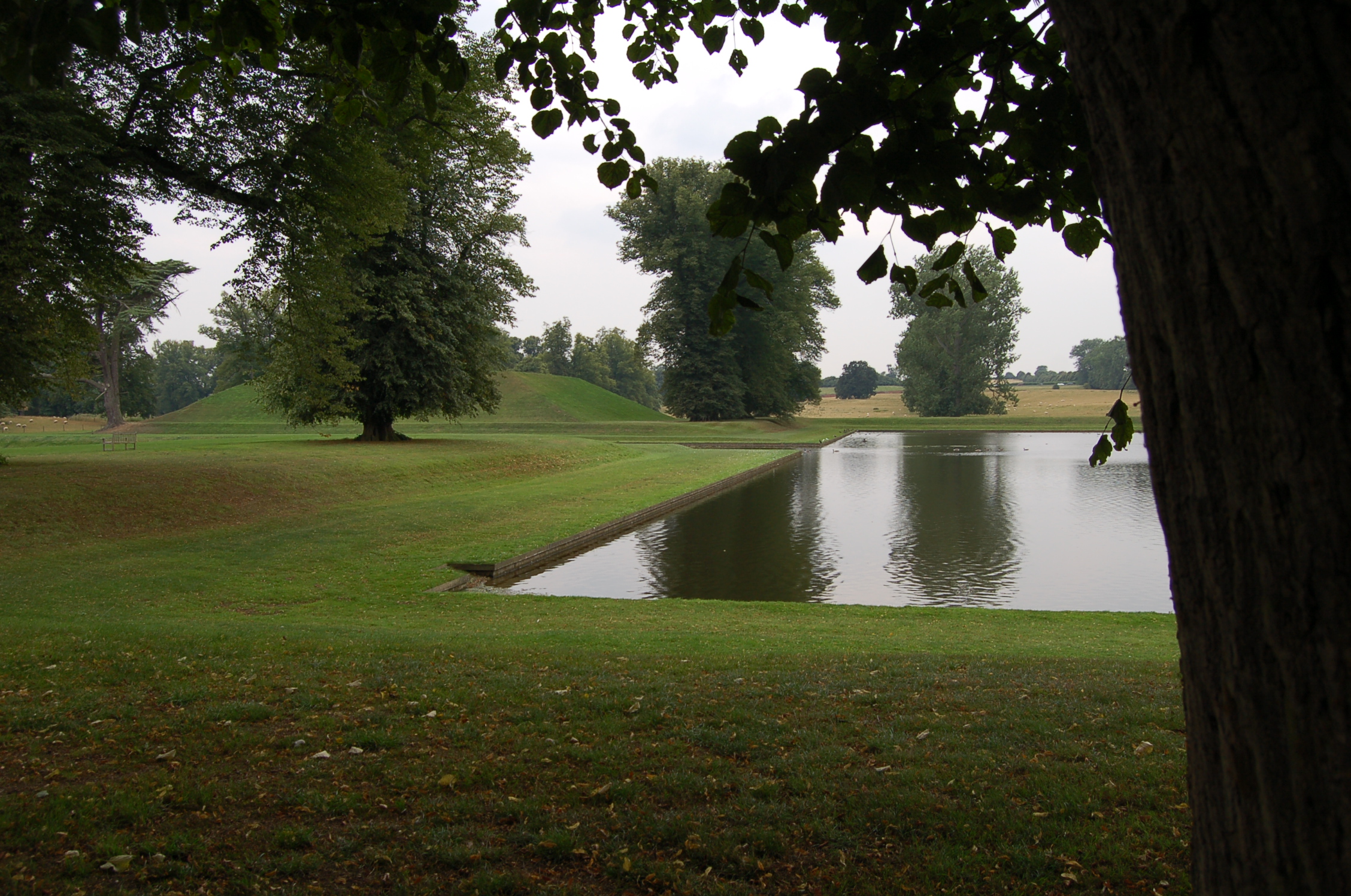
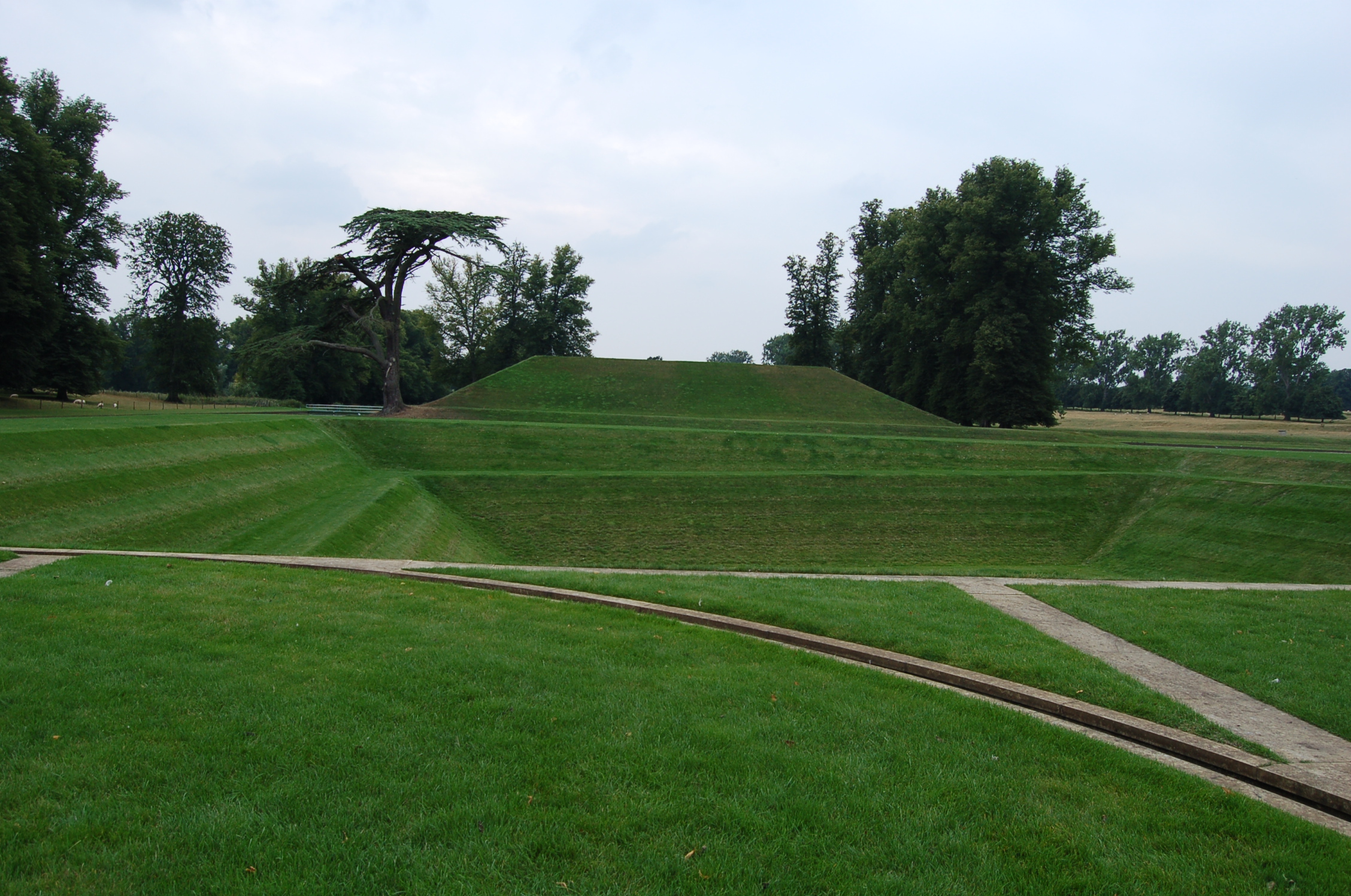
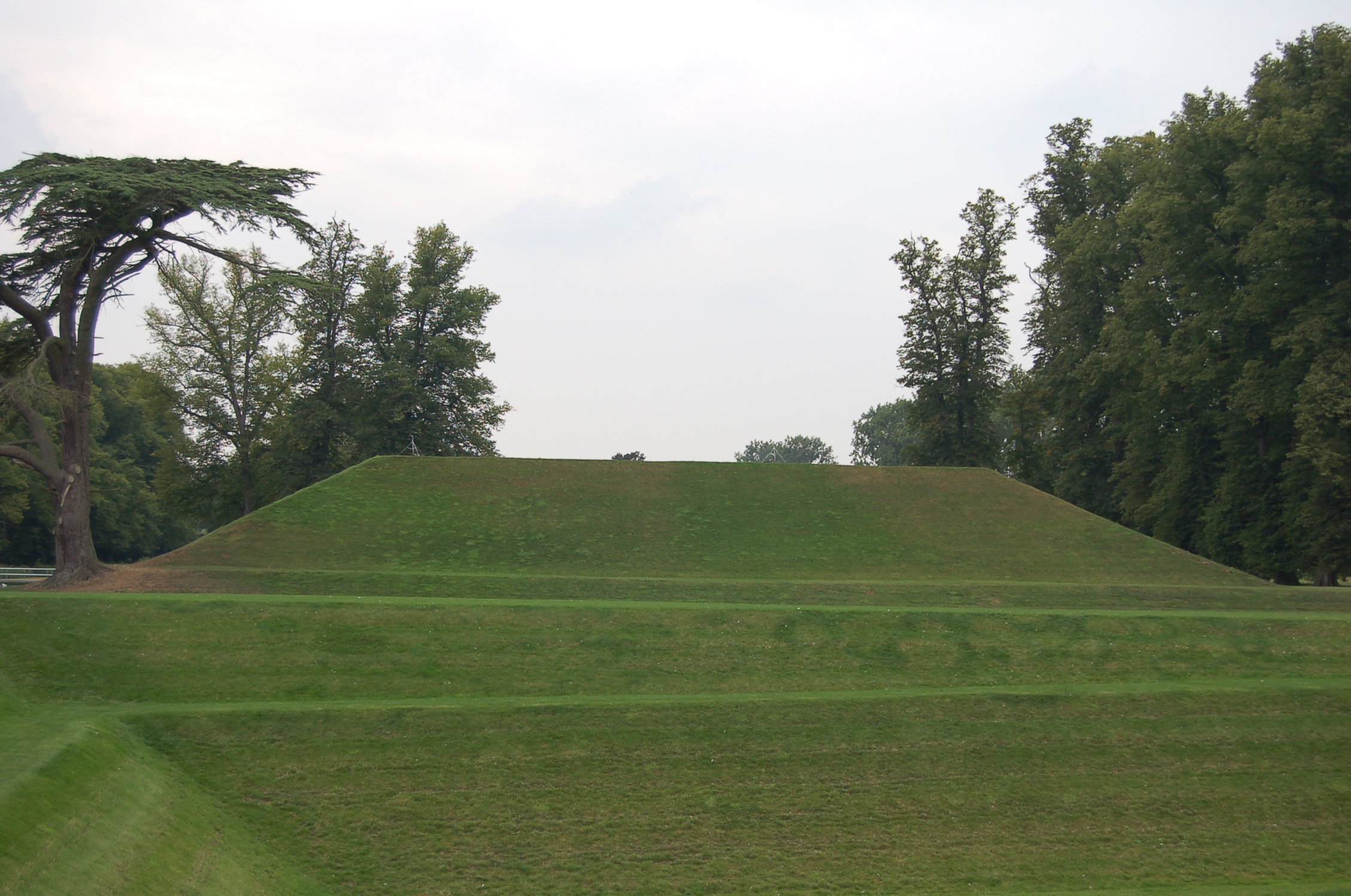
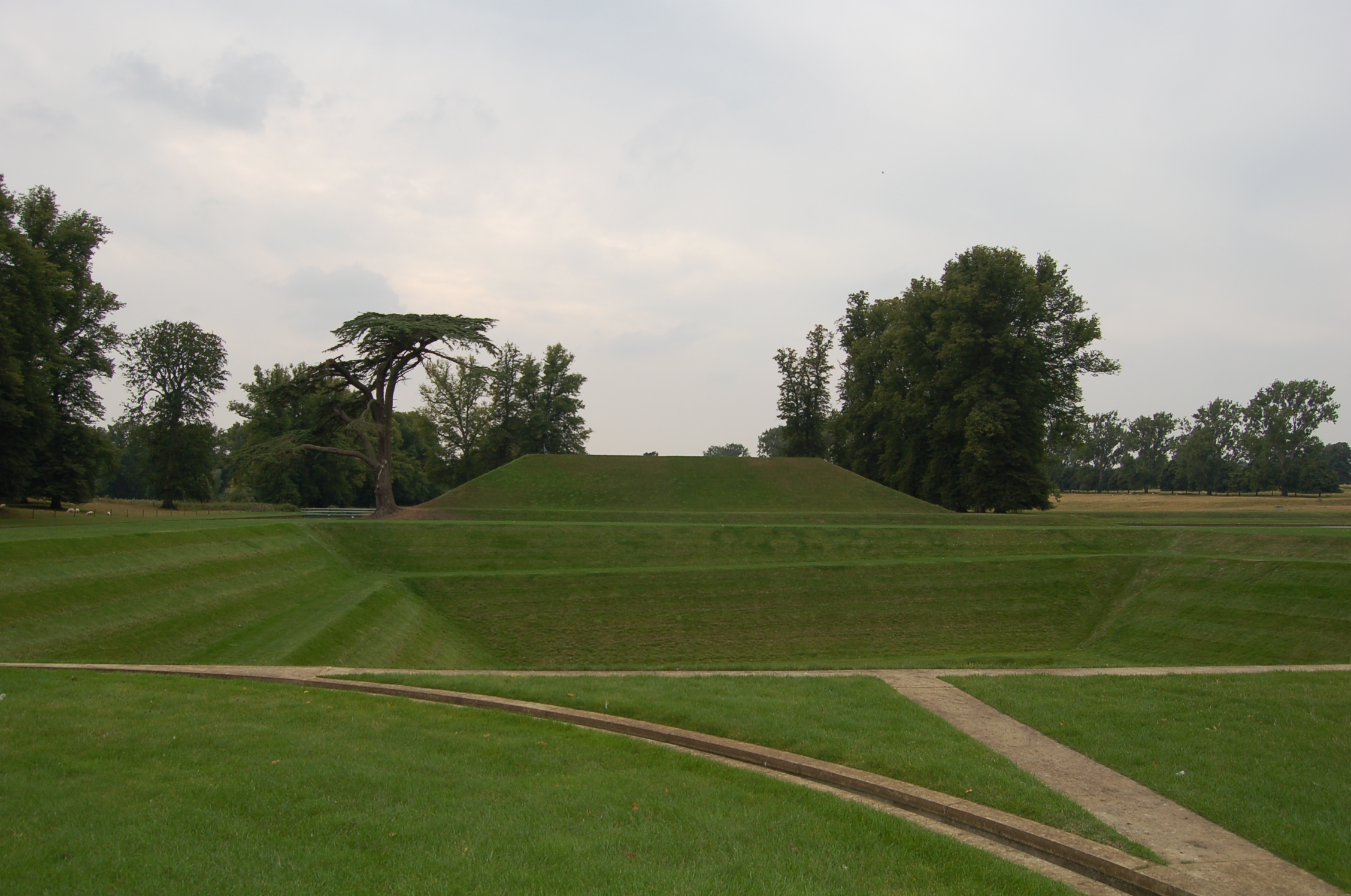
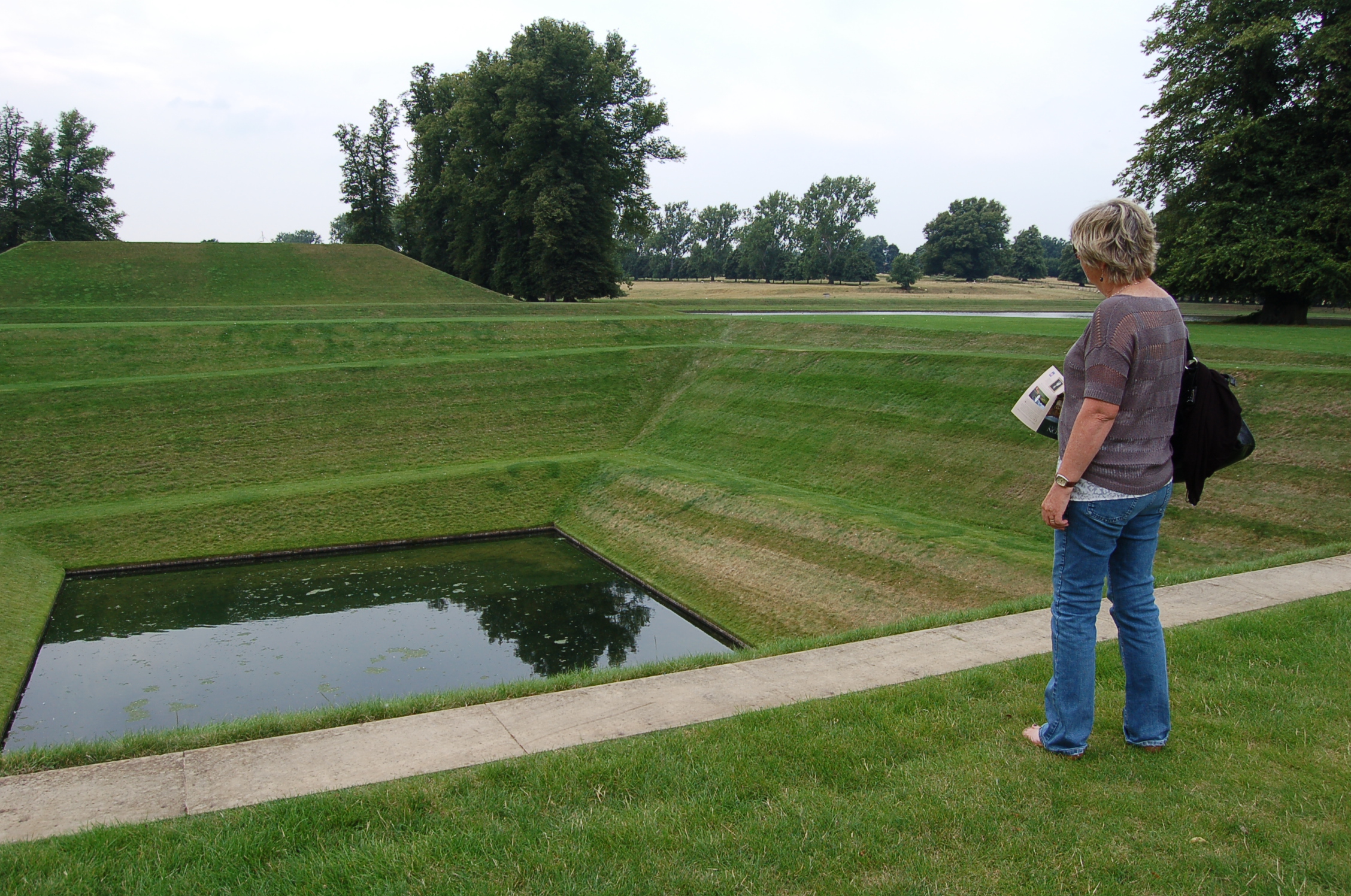
Sitting together nearby were “The Mount” and “Orpheus”, two landforms that matched, were based on the same pyramidal shape, juxtaposed perfectly but were conceived and constructed 3 centuries apart.

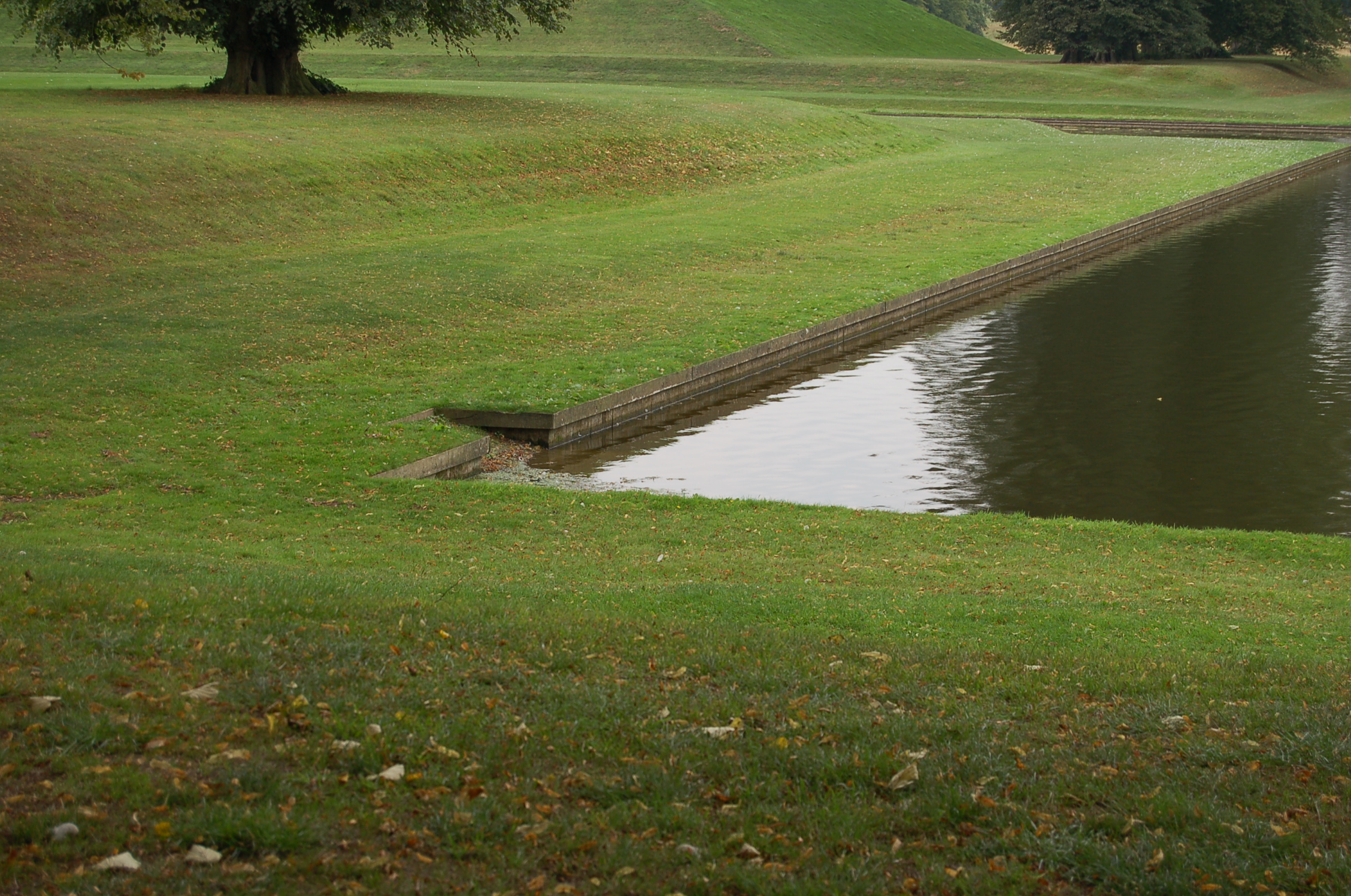
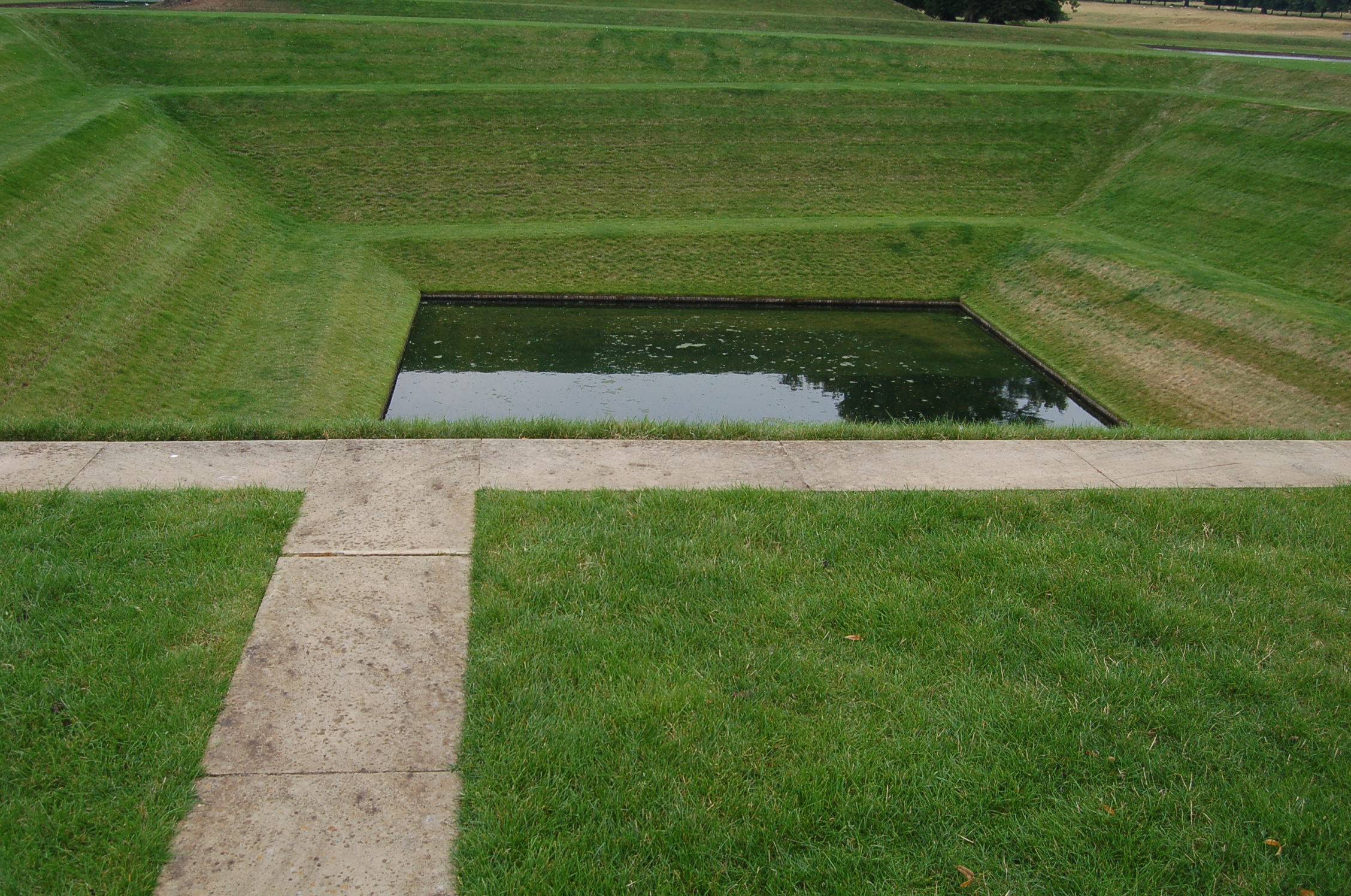
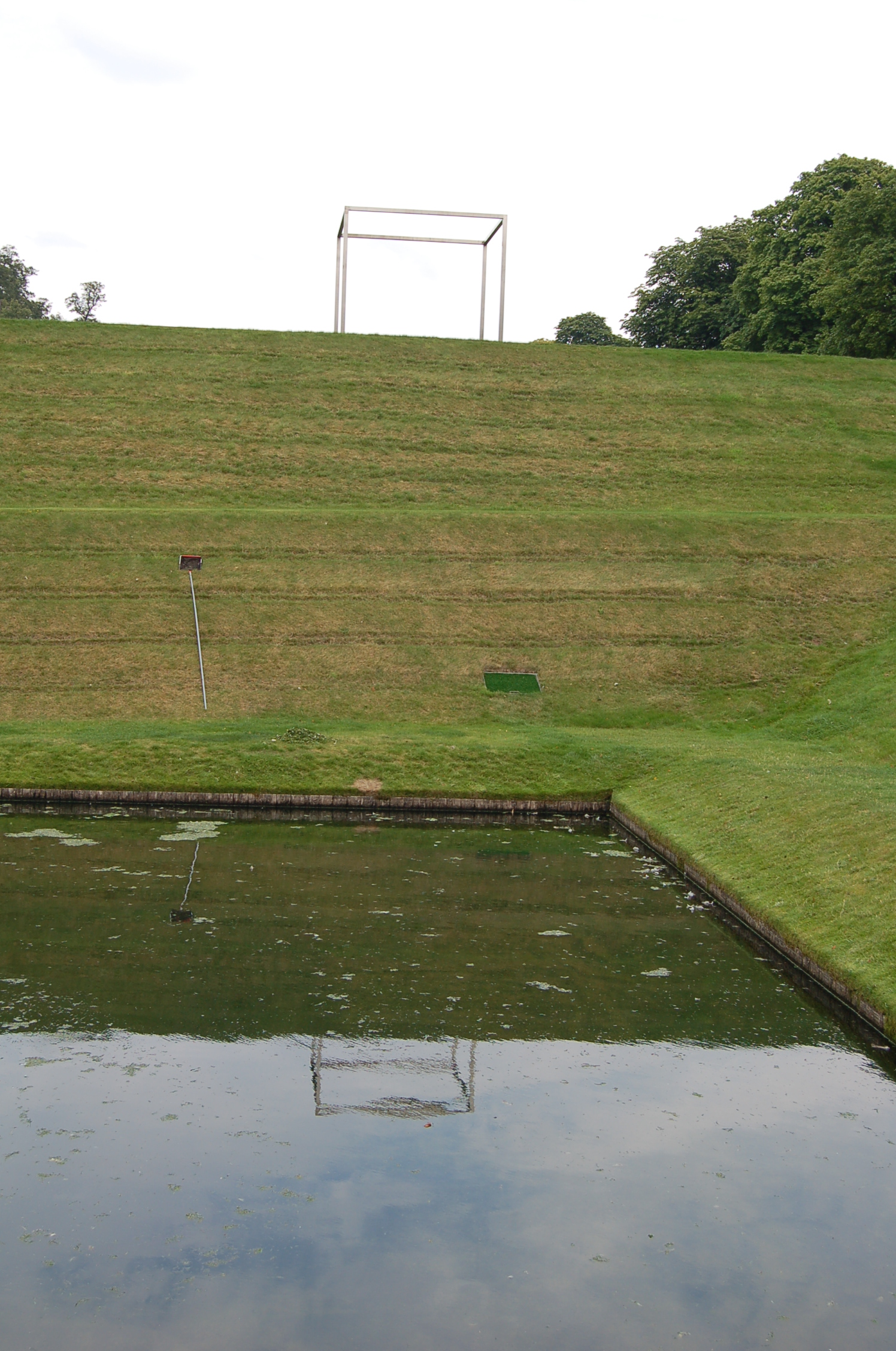
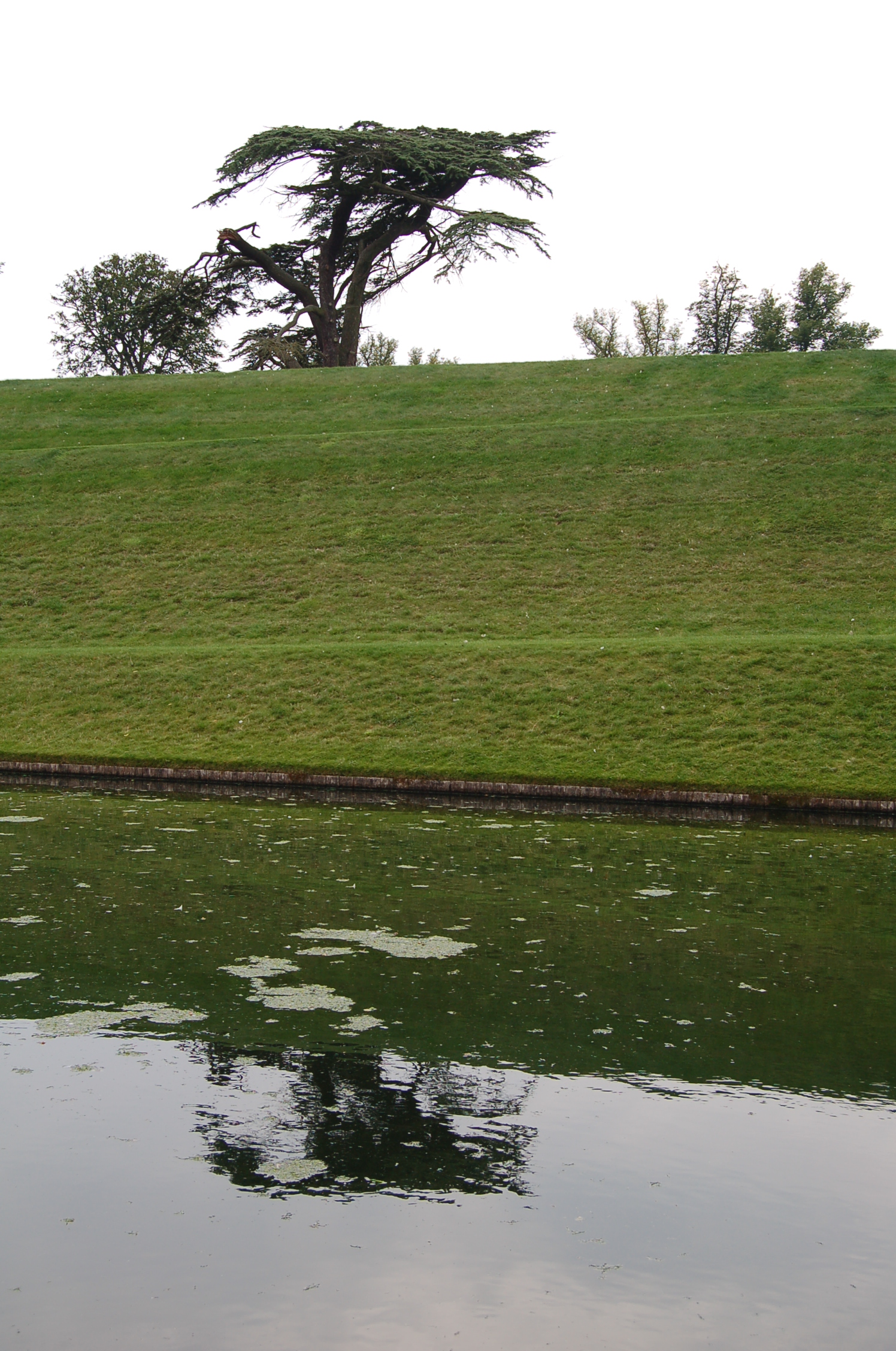
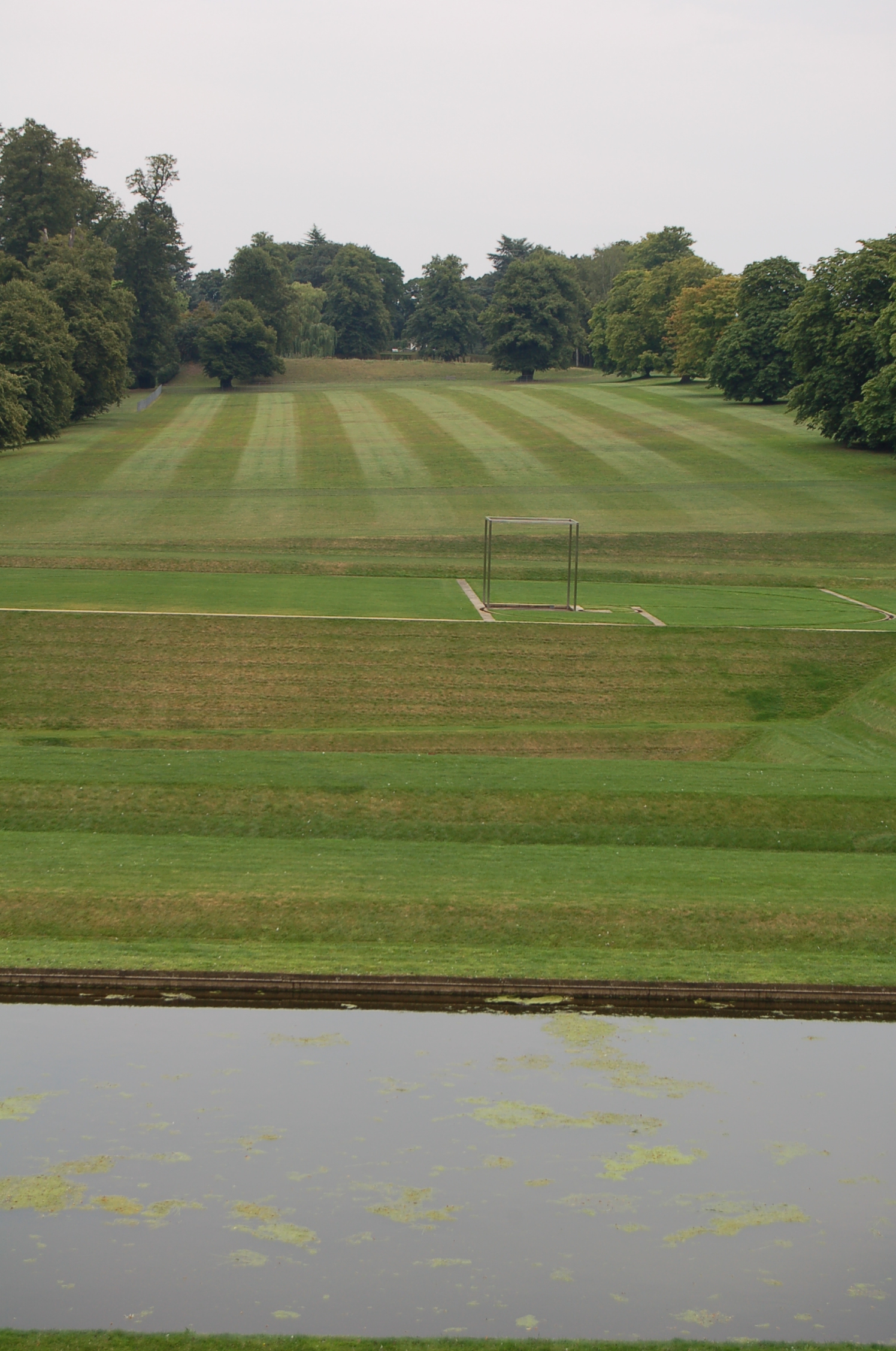
Kim Wilkie’s “Orpheus” is a hole in the ground which mirrors “The Mount” in both shape and dimensions.

2013 08 23_3011 2013 08 23_3012 2013 08 23_3013 2013 08 23_3015 2013 08 23_3016 2013 08 23_3017 2013 08 23_3018 2013 08 23_3019 2013 08 23_3020

Although it was along way down to the bottom of Orpheus the path that led you there was very gentle and seemed almost level. Without effort we easily found ourselves at the bottom looking into the black water of the square pool.

2013 08 23_3024 2013 08 23_3023 2013 08 23_3028 2013 08 23_3029 2013 08 23_3030

To understand the scale of the landform, see if you can spot Jude, The Undergardener in the two photos below. Clue – she has a blue-grey jumper on.

2013 08 23_3033 2013 08 23_3035

Next we climbed “The Mount” which was the exact opposite experience. It afforded us a different perspective on the landscape through which we had walked.

2013 08 23_3043 2013 08 23_3048 2013 08 23_3049

Boughton though had more to offer. After a quick coffee break, with cake as well of course, we explored the more intimate gardens closer to the house. But that is another story for my next posting.

Categories
colours flowering bulbs garden design garden photography gardening grasses hardy perennials light quality ornamental grasses photography village gardens

Taking advantage of the light.

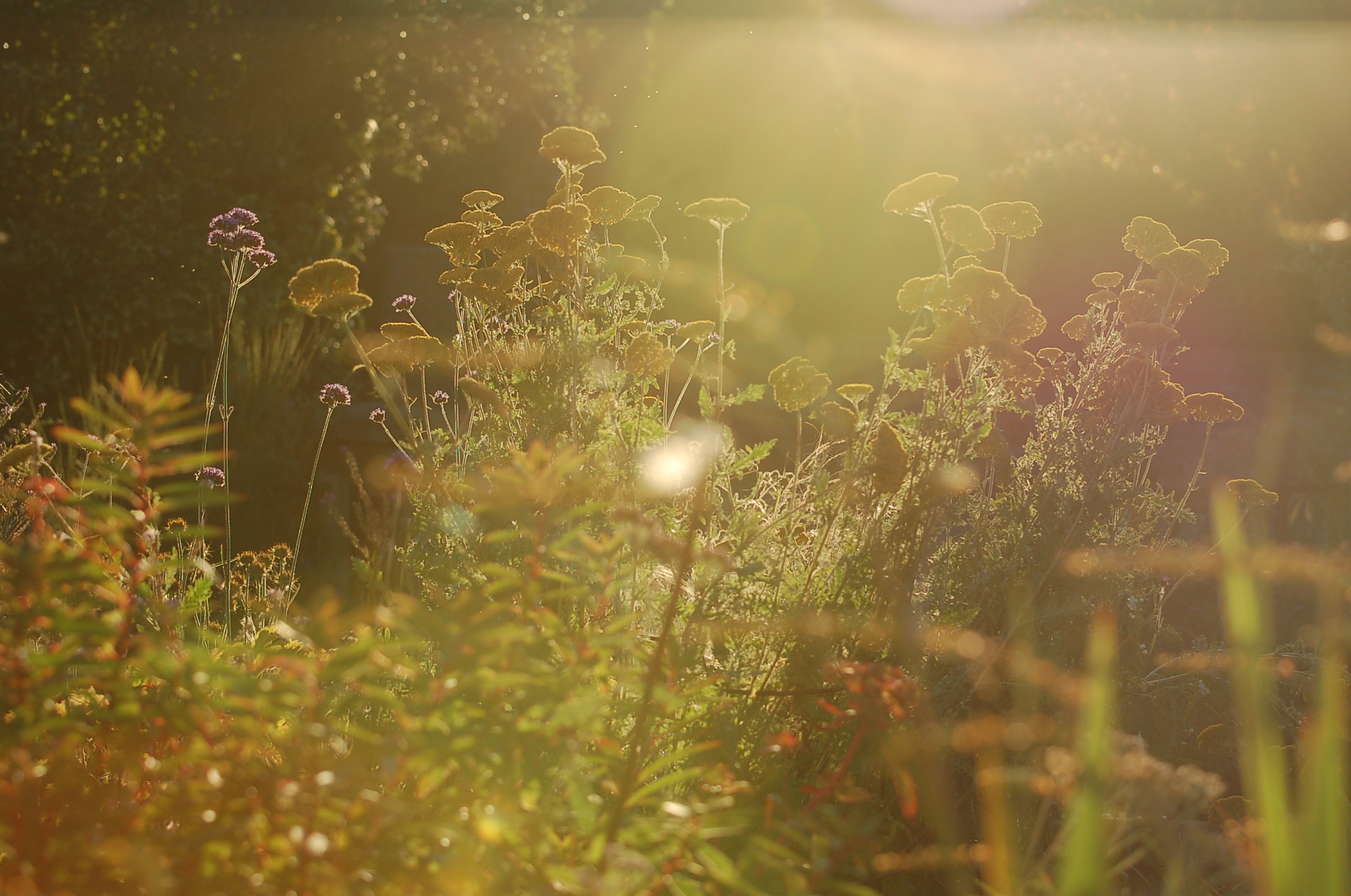
Early September sees the light values changing in subtle ways. As the sun dips against a blue sky and evening takes over from the day, light comes into the garden from much lower down. This angle has a magical effect on the prairie planting in our Beth Chatto Garden.

2013 09 02_3301

I couldn’t resist taking my camera with long lens out the first time I was lucky enough to spot these first signs of Autumn. Please let me know what you think of these photos. I have included every shot I fired off in a brief ten minutes of special light. Catch the moment!

So here is the gallery warts and all, no interference from Photoshop. As usual click on any photo to get going and then click on the arrow.

Categories
allotments community gardening

New sheds for the lotties.

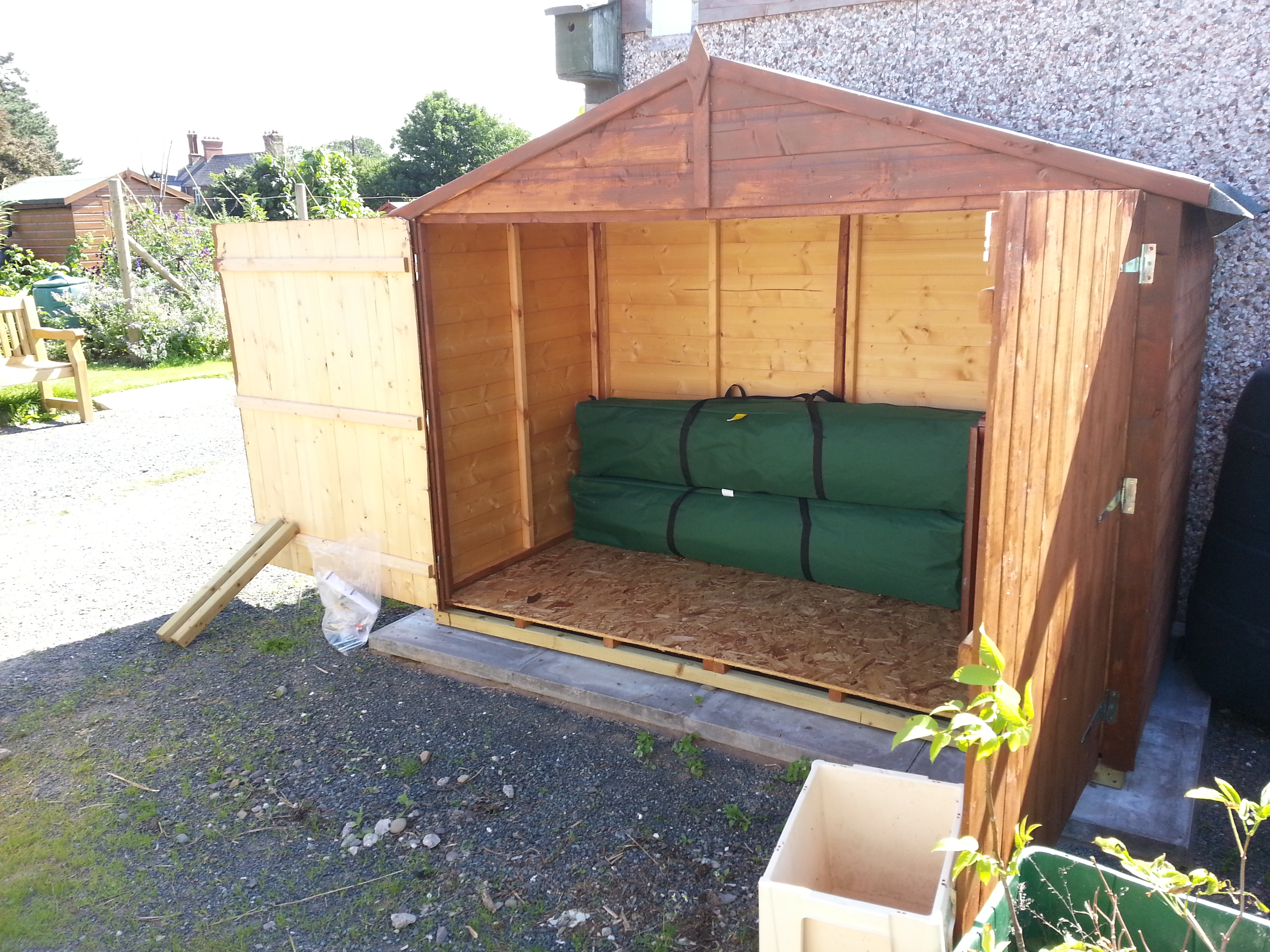
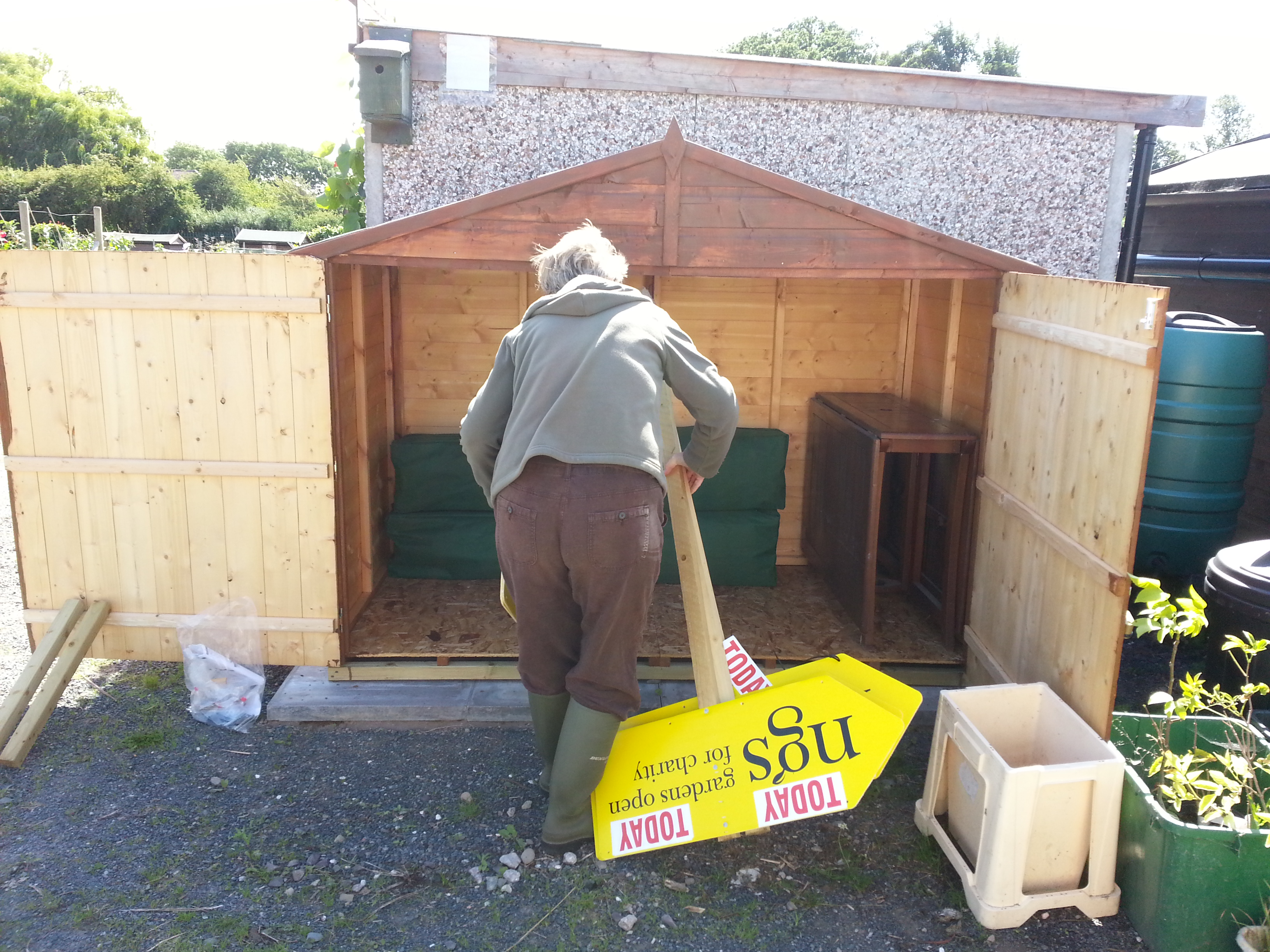
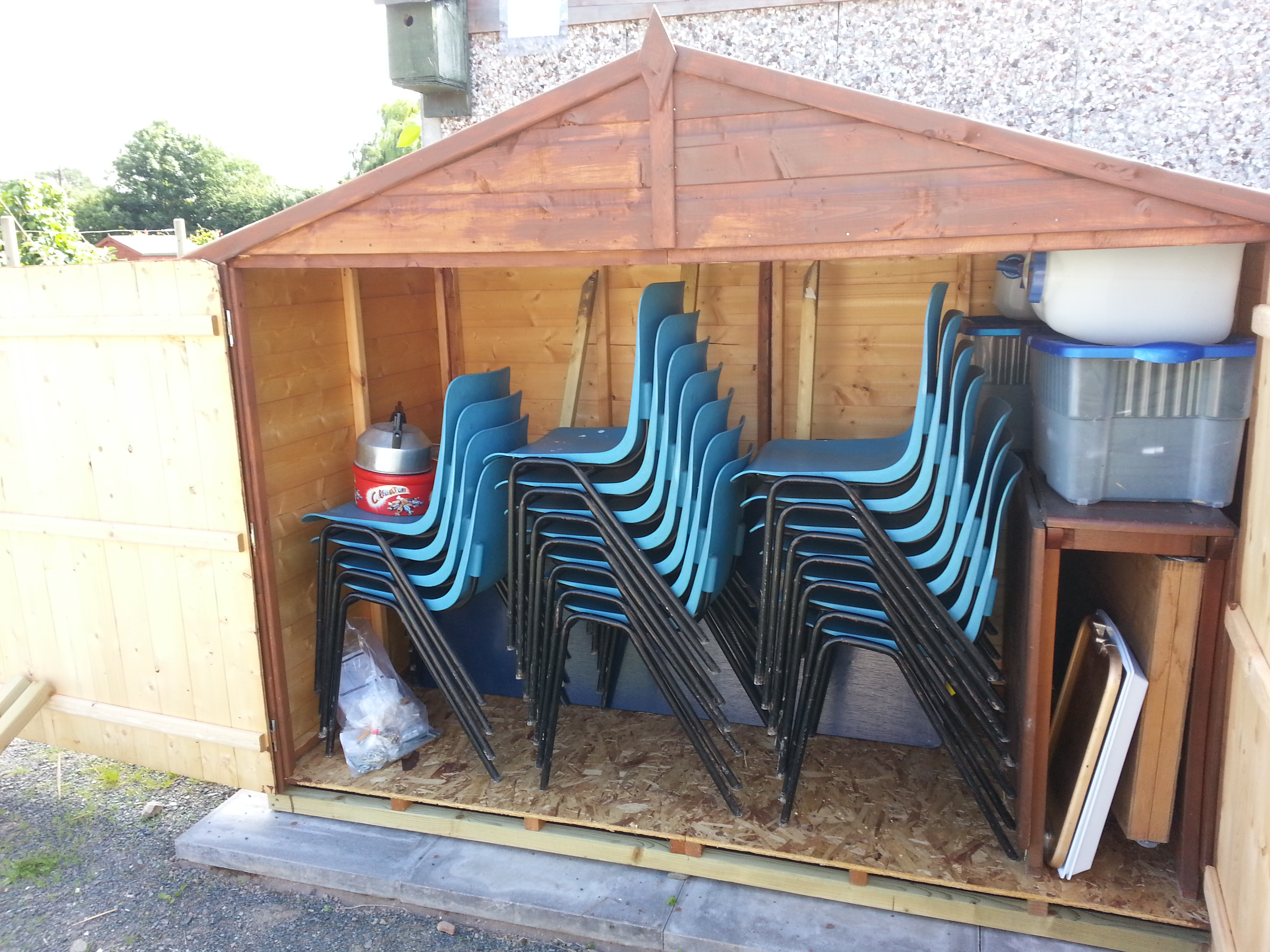
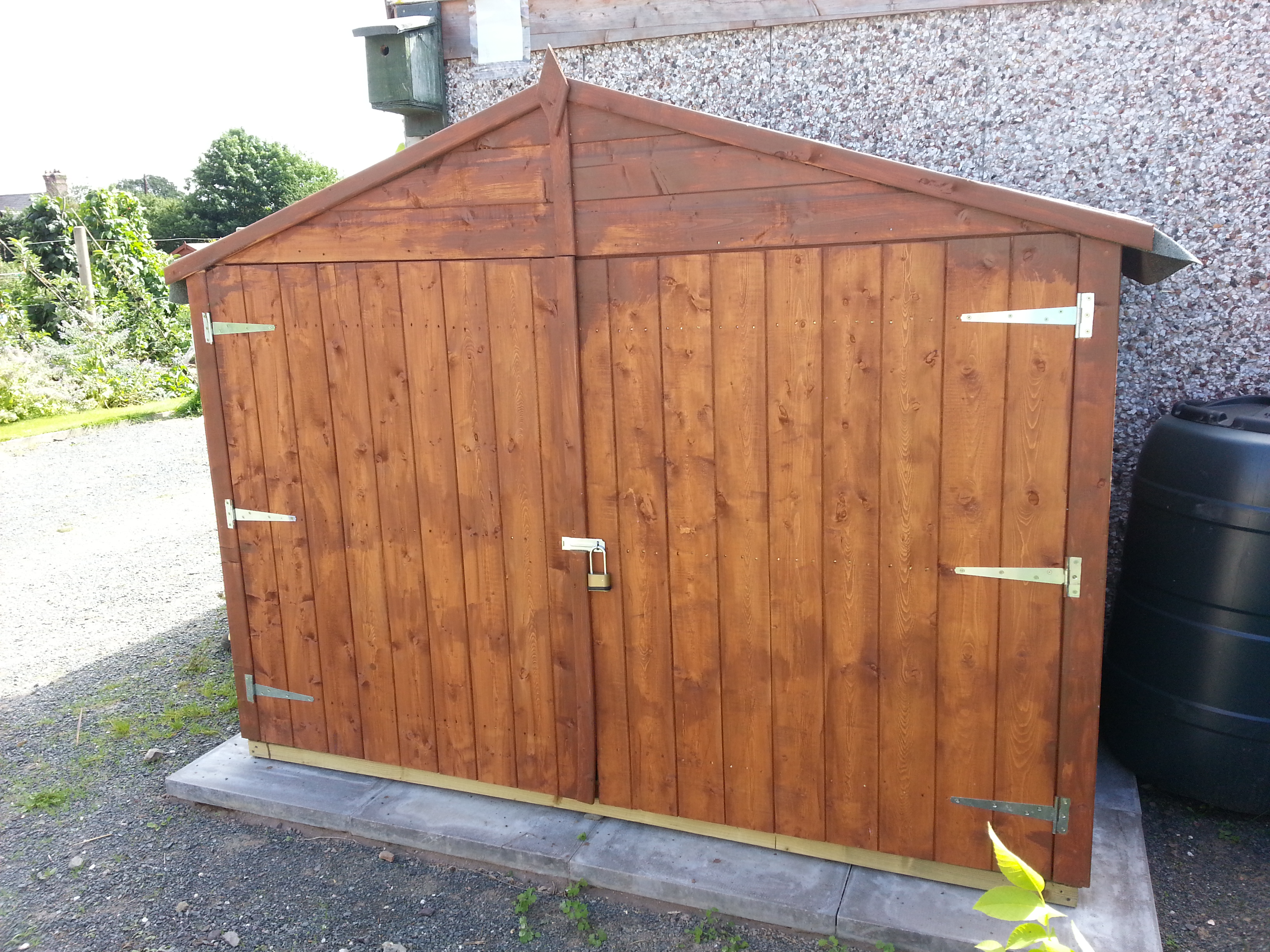
We have been running out of storage for our communal equipment and bits and pieces at the allotment, so something just had to be done. We applied for a grant to purchase a couple of bike sheds which we could fit between our existing communal huts.

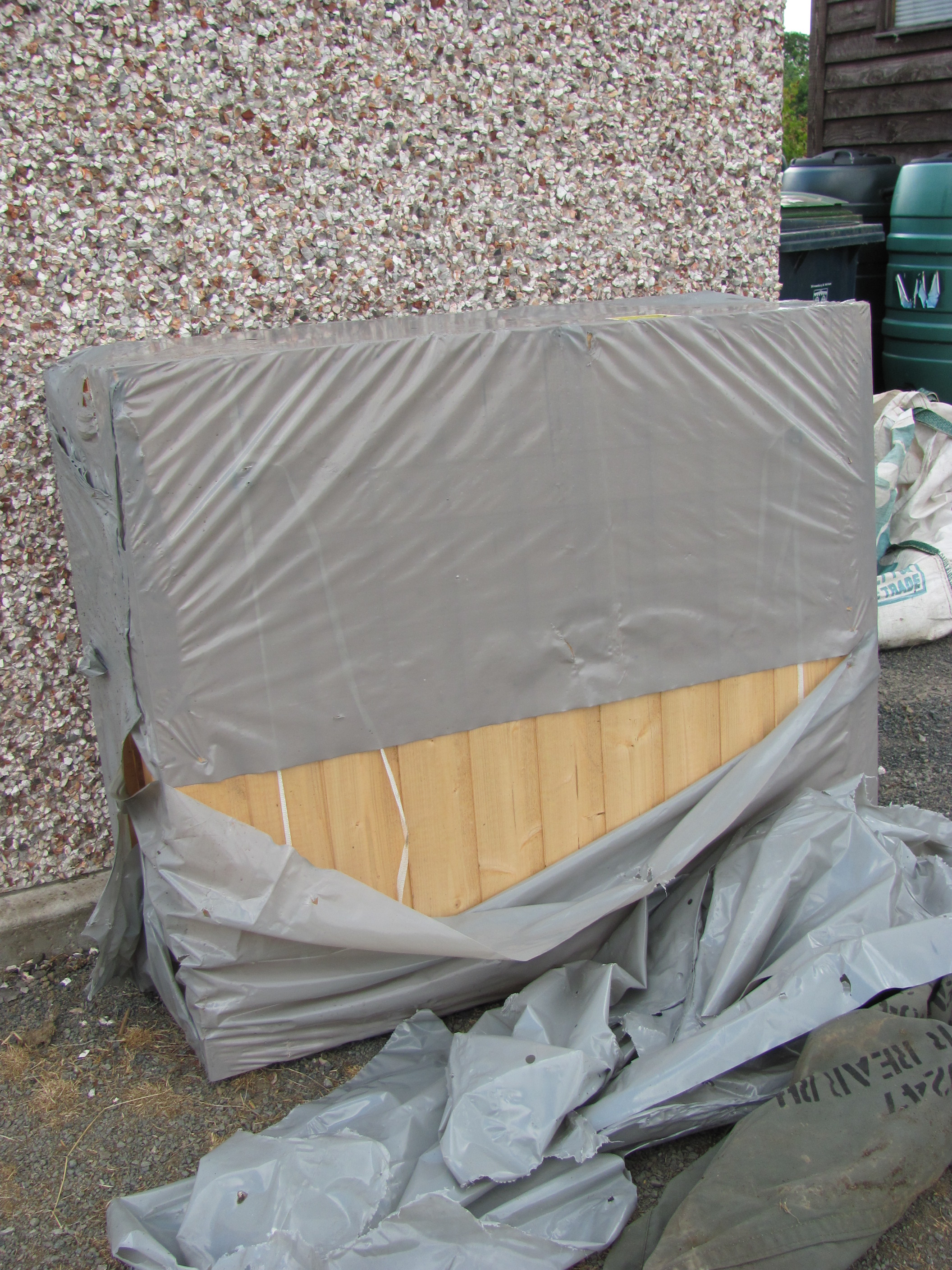
Can there really be a shed in that package? When unpacked there seemed so many pieces.

2013 07 24_2098 2013 07 24_2096

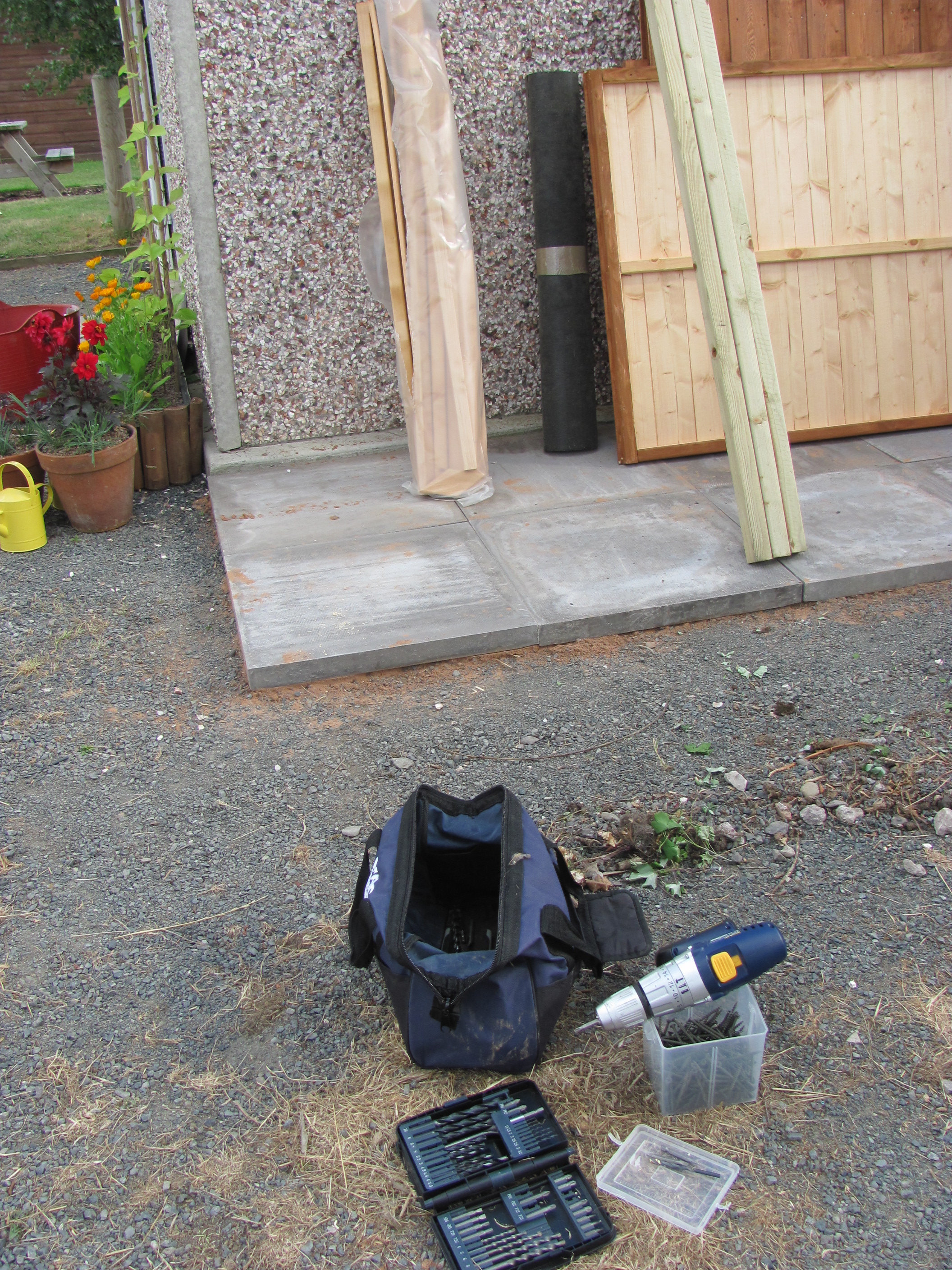
The base was put down, sand and ballast with paving slabs on top.

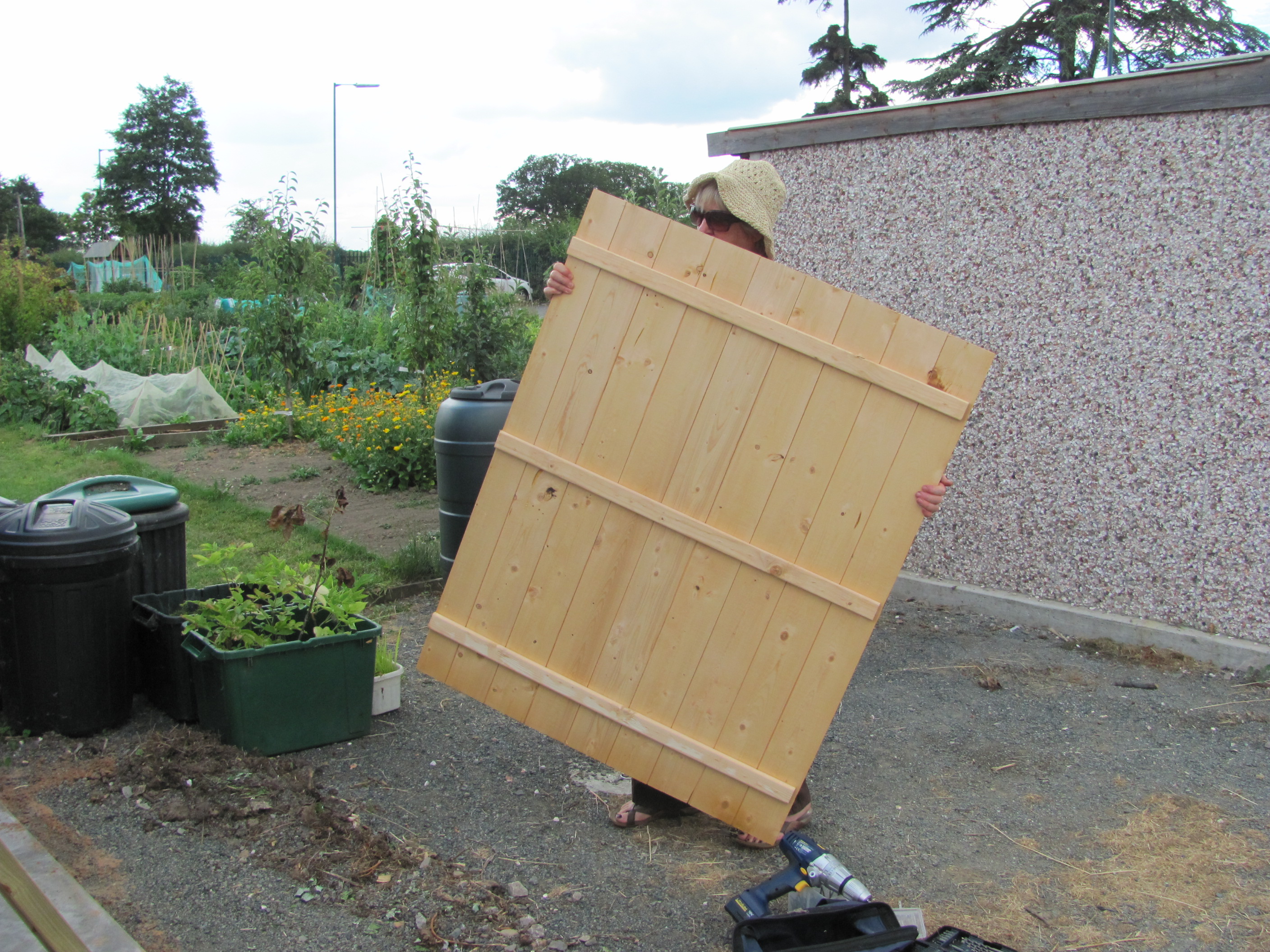
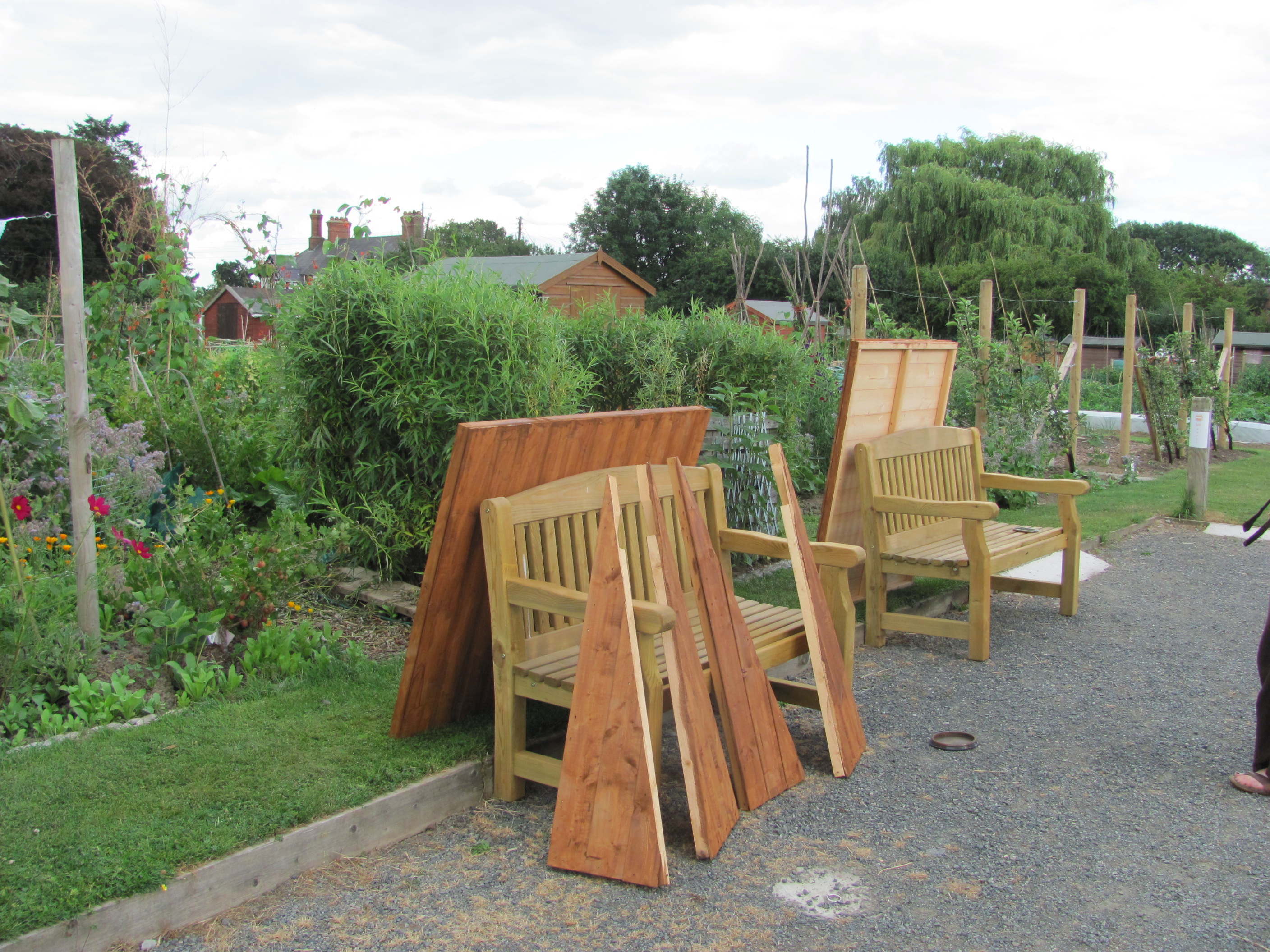
2013 07 24_2102 We soon set about painting all the individual pieces with a protective brown paint.

2013 07 24_2101 2013 07 24_2100

2013 07 24_2099 2013 07 24_2097

It was a job well done and we emailed fellow allotment committee member, Peter who was going to put them together for us.

The first shed looked good when he had finished constructing it and a group of us spent a morning loading it up with the materials and equipment we use on our community days. We were impressed with how much this little shed held.

20130902_121207 20130902_121215

20130902_124112 20130902_124757

The trouble was that once we had done this we had another to do, so the whole process started all over again! So, out come the paint brushes, screw drivers, …….

This Veggie Life

A Vegetarian | Nature Lifestyle Blog

Rambling in the Garden

.....and nurturing my soul

The Arch City Gardener

Journeys In St. Louis Gardening and Beyond

Garden Dreaming at Châtillon

Consult the genius of the place

Storyshucker

A blog full of humorous and poignant observations.

gardeninacity

Notes from a wildlife-friendly cottage garden

PlayGroundology

...an emerging social science

The Official Blog of British Wildlife

'The most important and informative publication on wildlife of our times' - The Independent. This blog is a member of The UK & Ireland Natural History Bloggers group: www.uknhb.blogspot.com

iGrowHort

Inspire - Cultivate - Grow Native Plants - Restore Landscapes

Bishops Meadow Trust

To create and protect a semi-natural wild space for the people of Farnham to enjoy and experience an array of British wildlife in our town

Gardening with Children

The www.gardeningwithchildren.co.uk Blog

UKbirdingtimeline

birding through the seasons, why birds matter and how to conserve them

NATURE WALKER

with a camera in hand

Jardin

Transform your outdoor space

Eva's space

My allotment, cooking and other interests

Old School Garden

my gardening life through the year

LEANNE COLE

Trying to live a creative life

fromacountrycottage

trying to live as lightly as possible on our beautiful planet

Good Life Gardening

Nature lovers from Leicester living the good life.

mybeautfulthings

Finding the beautiful in the everyday

mawsonmichelle

Michelle's Allotment

In and Out of My Garden

thoughts from and about my garden

Greenhousing

Big plans for a small garden

The Scottish Country Garden

A Walled Country Garden in South East Scotland

The Fruity Chicken

Life at the fruity chicken

willowarchway

Off grid living. Self sufficient. "PERMAGANICS RULE".

St Anns Allotments

Nottingham's Grade 2* Listed Allotments and Community Orchard

Manifest Joy Harvests

a journey in suburban vegetable gardening

Allotmental

The madness of growing your own

Penny's Garden: a harvest beyond my front door

A novel approach to vegetable gardening

arignagardener

Sustainable living in the Irish countryside.

NewEnglandGardenAndThread

Master Gardener, amateur photographer, quilter, NH native, and sometimes SC snowbird

dianajhale

Recent work and work in progress and anything else that interests me

planthoarder

a chaotic cottage gardener

Lens and Pens by Sally

a weekly blog that creates a personal philosophy through photographs and words

Dewdrops and Sunshine

Stories from a sassy and classy Southern farmbelle.

The Pyjama Gardener

Simple Organic Gardening & Seasonal Living

gettin' fresh!

turning dirt into dinner

JOY...

today the world is created anew

Garden Birds

Notes from a Devon garden

ShootAbout

Life Through The Lens

Adapting Pixels

A photography blog showcasing the best photography pictures and videos on the internet

Wildlifegardening's Blog

Just another WordPress.com site

naturestimeline

personal observations from the natural world as the search continues for a new approach to conservation.

LATEBLOOMERBUDS

The Wonders of Life through my Eyes, my Heart, my Soul